
Why The Umbilical Cord Puppy Training Method Is A Total Housebreaking Game Changer
Welcome to the End of Puppy Accidents
If you have recently brought a new puppy into your home, you are likely currently oscillating between two states: absolute adoration for your new furry friend and absolute frustration with the state of your carpets. Housebreaking is, without a doubt, the most challenging phase of early puppy ownership. We have all been there—you turn your head for thirty seconds to check an email, and suddenly, there is a fresh puddle in the hallway. Traditional methods often rely on a mix of crate training and frequent trips outside, but there is a missing link that many savvy owners are now discovering. It is called the Umbilical Cord Puppy Training Method, and it is a total game changer.
The concept is simple yet profoundly effective: instead of letting your puppy roam free or keeping them locked in a crate all day, you literally tether them to you. By using a leash to connect your puppy to your waist or wrist, you create a physical and psychological bond that prevents accidents before they even start. In this comprehensive guide, we are going to dive deep into why this method works, the tools you need to get started, and a step-by-step plan to turn your puppy into a housebreaking pro in record time. Grab a cup of coffee, and let us get into the nitty-gritty of becoming your puppy’s shadow.
Understanding the ‘Umbilical’ Concept
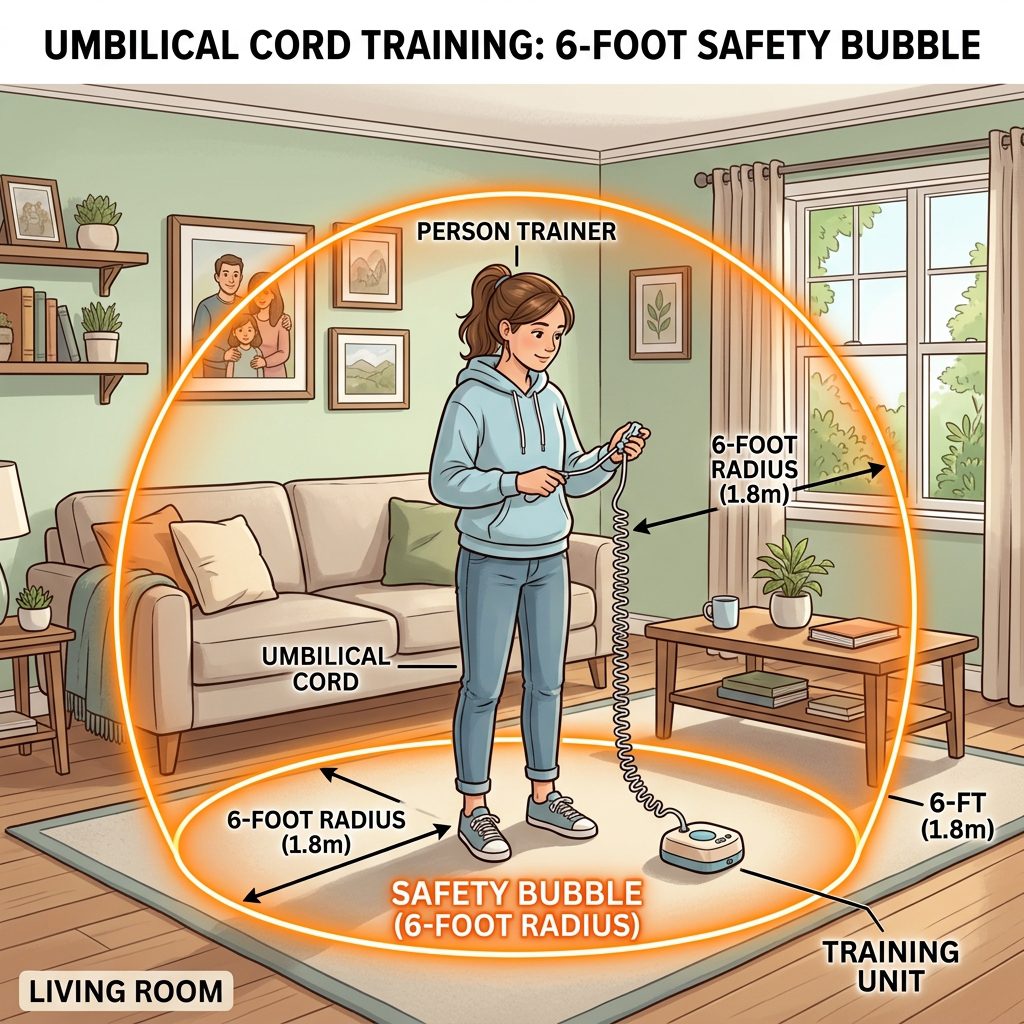
What Exactly is Umbilical Cord Training?
The name might sound a bit medical, but the concept is purely behavioral. The Umbilical Cord Method involves keeping your puppy attached to you via a six-foot leash whenever they are not in their crate or a safe, confined exercise pen. You are essentially creating a ‘safety bubble’ around yourself. Because the puppy is physically attached to you, they cannot wander off to a quiet corner of the dining room to relieve themselves. Dogs have a natural instinct to keep their immediate sleeping and living area clean; by being attached to you, the ‘living area’ becomes wherever you are.
The Psychology of Close Supervision
Most housebreaking failures occur because of a lack of supervision. A puppy’s bladder is tiny, and their ability to signal that they need to go is still developing. By the time they realize they have to go, they are often already mid-squat. When you use the umbilical method, you are in the perfect position to catch the pre-potty signals. These include circling, intense sniffing, or a sudden change in activity. When you are only six feet away, these signals are impossible to miss.
The umbilical method is not just about potty training; it is about teaching your puppy that the best place to be is right by your side, fostering a deep sense of focus and engagement from day one.
The Essential Toolkit for Tethered Success

Gear Up for Success
Before you start tethering your puppy to your hip, you need the right equipment. Using a standard handheld leash can get tiring for your arms and makes it difficult to go about your daily chores. To make this method truly a ‘game changer,’ you want to invest in gear that allows you to be hands-free. Below is a breakdown of the essential items you will need.
| Tool | Purpose | Why It Matters |
|---|---|---|
| Hands-Free Waist Leash | Connects puppy to your core | Allows you to cook, clean, or work while supervising. |
| High-Quality Harness | Safety and comfort | Reduces neck strain if the puppy lunges or pulls while tethered. |
| Treat Pouch | Immediate reinforcement | Allows you to reward calm behavior and successful potty trips instantly. |
| 6-Foot Lightweight Leash | Standard tethering | The ideal length to give puppy some room without allowing ‘hidden’ accidents. |
Choosing Between a Collar and a Harness
When practicing the umbilical method, I always recommend using a well-fitted harness rather than a collar. Since the puppy will be attached to you as you move around the house, there will inevitably be moments where the leash becomes taut. A harness distributes that pressure across the chest and shoulders, preventing potential injury to the puppy’s delicate trachea. Look for a harness with both front and back clips for maximum versatility.
The Step-by-Step Implementation Guide
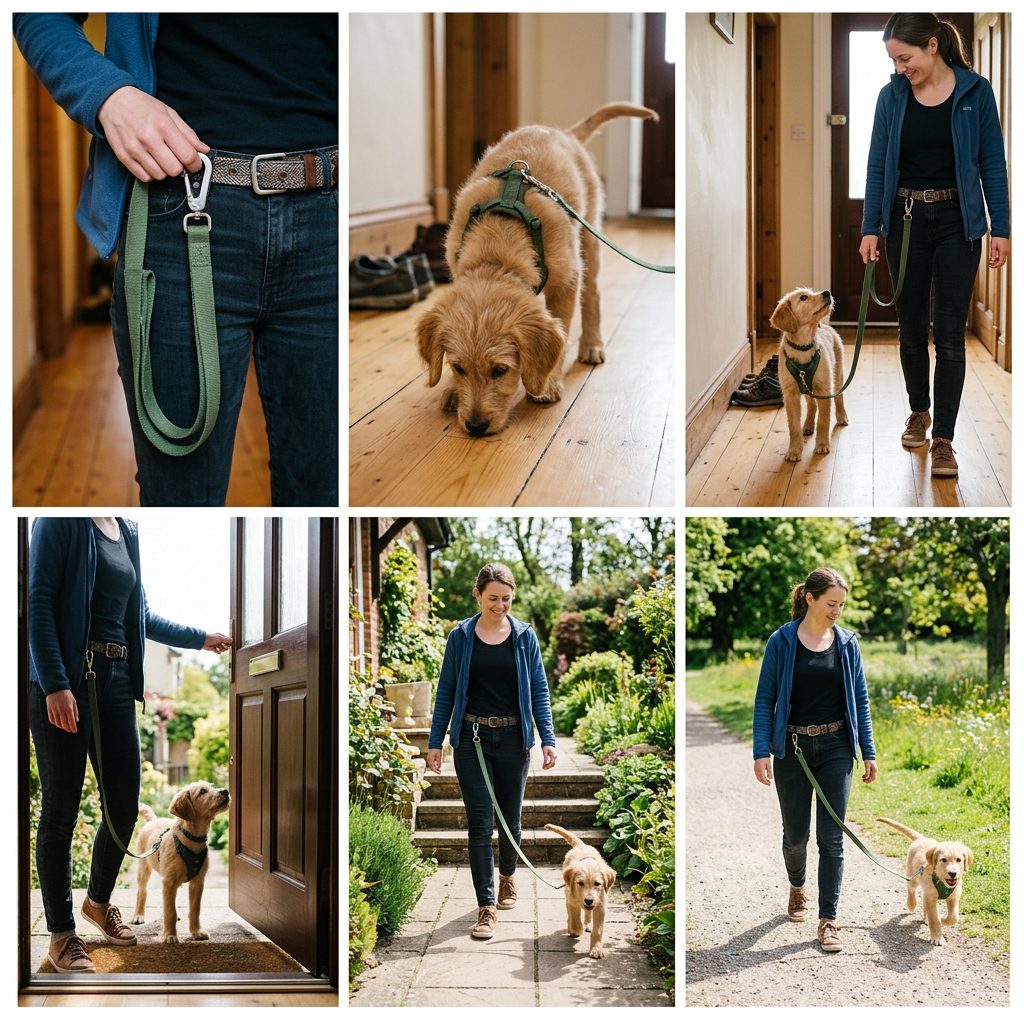
How to Start Tethering Today
Ready to start? The umbilical method is most effective when started the moment your puppy arrives home, but it can be implemented at any age. Follow these steps to ensure a smooth transition for both you and your pup.
- The Initial Connection: Clip the leash to your puppy’s harness and then to your waist belt. Do this during times when you are active in the house—making breakfast, folding laundry, or working at your desk.
- Monitor the ‘Tell’: Watch your puppy closely. If they start to circle or sniff the floor with intensity, immediately unclip the waist leash (or keep it on if you are headed outside) and rush them to their designated potty spot.
- Reward the Win: When they go outside, throw a ‘potty party.’ Give them high-value treats and plenty of praise. The umbilical method ensures you are there to witness the success, which is just as important as preventing the failure.
- Scheduled Breaks: Even if they don’t show signs, take them out every 30 to 60 minutes. The umbilical method is a supplement to a schedule, not a replacement for one.
- Crate for Downtime: If you cannot supervise them—even via the leash (like when you are showering)—put them in their crate. The umbilical method works best when it alternates with structured crate time.
Handling the ‘Tangle’ Phase
Initially, your puppy might try to chew the leash or get tangled around your legs. This is normal! Simply redirect them with a toy or a ‘sit’ command. Over a few days, they will learn to move in sync with you. Pro tip: Use a lightweight biothane leash; they are easy to clean and don’t get snagged on furniture as easily as nylon.
Why This Method Beats Traditional Housebreaking

Prevention vs. Reaction
Traditional housebreaking often involves a lot of ‘reaction.’ You find a mess, you clean it up, and you hope you catch them next time. The umbilical method shifts the focus to prevention. If the puppy is never given the opportunity to make a mistake, they never develop the habit of urinating on your floors. This creates a much faster learning curve.
| Feature | Traditional Method | Umbilical Method |
|---|---|---|
| Supervision Level | Intermittent | Constant/High |
| Accident Probability | Moderate to High | Near Zero |
| Bonding Opportunity | Low | Very High |
| Behavioral Feedback | Delayed | Instantaneous |
Building the ‘Invisible’ Bond
Beyond potty training, this method is incredible for general obedience. Puppies who are tethered to their owners learn to pay attention to their owner’s movements. They learn that when you move, they move. This naturally develops a ‘follow-the-leader’ mentality that makes future off-leash training and loose-leash walking significantly easier. You are essentially training focus without even trying.
Focus is the foundation of all training. By keeping your puppy close, you are teaching them that you are the center of their world.
Overcoming Common Obstacles

What to Do When Things Get Tricky
No training method is without its hurdles. Here are the most common issues owners face with the umbilical cord method and how to solve them like a pro.
The Leash Chewer
Some puppies see the leash as a giant chew toy. If your pup is constantly gnawing on the line, try a ‘bitter’ spray on the leash or, better yet, provide an appropriate chew toy for them to carry while they walk with you. Consistency is key—do not let them play tug-of-war with the umbilical line.
Owner Fatigue
Let’s be honest: having a puppy attached to you 24/7 is exhausting. It is okay to take breaks! Use an exercise pen or a crate when you need a ‘human-only’ moment. The goal is 100% supervision, but that can be achieved through a combination of tethering and confinement. Don’t burn yourself out; a frustrated trainer is an ineffective one.
Whining and Resistance
If your puppy whines because they want to go explore the other side of the room, ignore the behavior. Once they settle down and sit or lie at your feet, reward them. They are learning that ‘being near you’ is a job that pays well in treats and affection.
Graduating to Freedom

When to Cut the Cord
The umbilical cord method isn’t meant to last forever. The goal is to eventually give your dog the freedom of the house. But how do you know when they are ready? Generally, you can start ‘phasing out’ the tether once the puppy has gone three to four consecutive weeks without a single accident in the house.
The Transition Process
- Step 1: The Dragging Leash. Let the puppy roam the room with the leash still attached, but you are no longer holding it. This allows you to grab them quickly if they start to wander off.
- Step 2: Room-by-Room Access. Allow the puppy freedom in one room at a time while you are present. If they remain accident-free, expand their territory.
- Step 3: Unsupervised Short Bursts. Leave them alone in a ‘safe’ room for 10-15 minutes. Gradually increase this time.
If an accident occurs during the transition, don’t panic. Simply go back one step in the process. Housebreaking is not always a linear path, and a small regression just means they need a little more time in the ‘safety bubble.’
Conclusion
Your Path to a Potty-Trained Paradise
The Umbilical Cord Puppy Training Method is more than just a housebreaking hack; it is a philosophy of proactive parenting for your dog. By investing the time and effort to tether your puppy to you during these crucial early months, you are setting the stage for a lifetime of good habits, clear communication, and a rock-solid bond. No more searching for hidden messes or feeling the frustration of a ‘failed’ potty trip. You are in control, you are present, and you are leading your puppy toward success.
Remember, every puppy is an individual. Some will take to the umbilical method in a few days, while others might need a few weeks of consistent tethering. Stay patient, stay positive, and keep those treats handy. You’ve got this, and soon enough, your carpets—and your sanity—will thank you. Happy training!