How to Stop Your Puppy Barking at Mirrors in 4 Easy Steps
The Mystery of the ‘Mirror Dog’
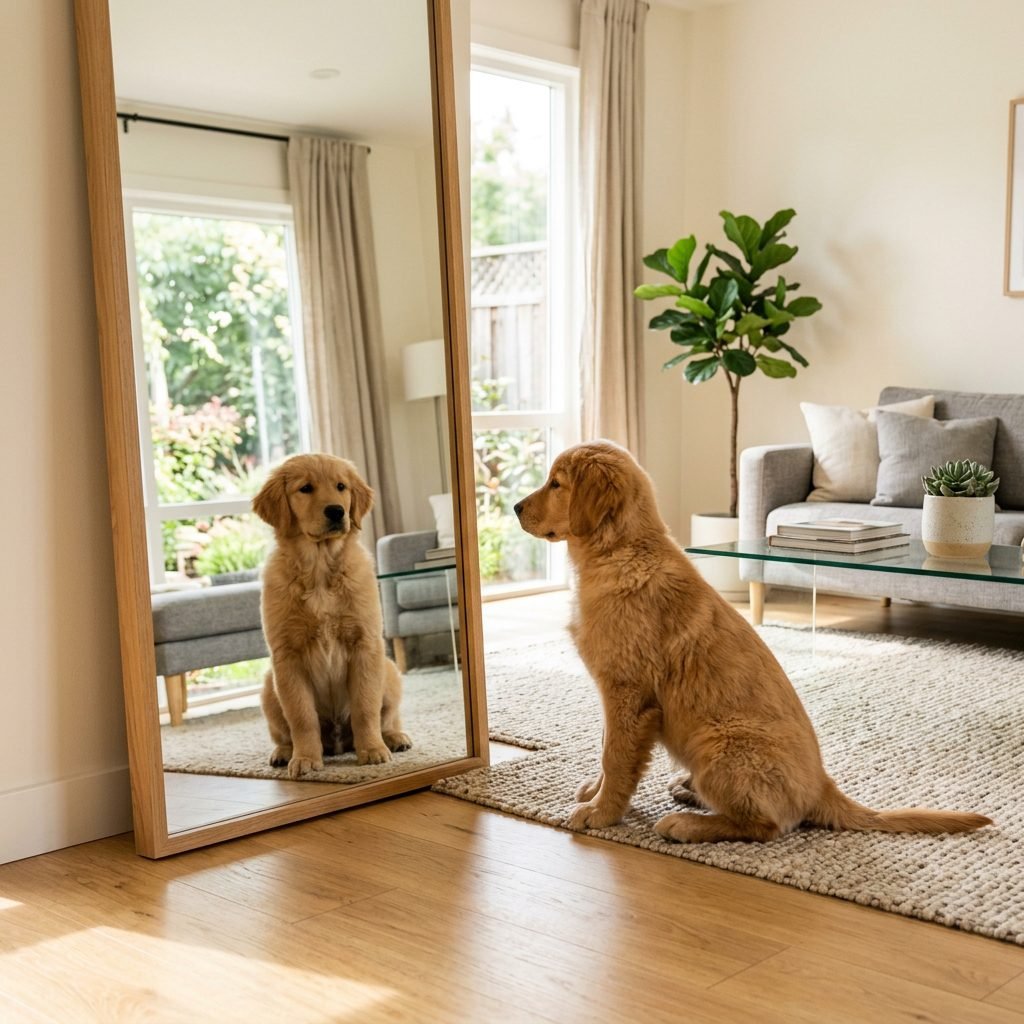
We have all been there: you are enjoying a quiet morning when suddenly, your puppy erupts into a frenzy of barks, growls, and frantic tail-wagging in the hallway. You rush over, expecting an intruder, only to find your furry friend squared off against their own reflection. To us, it is a funny quirk; to a puppy, it is a high-stakes encounter with a mysterious ‘stranger’ who copies their every move but has no scent. This behavior is perfectly natural, but if left unaddressed, it can turn into a stressful habit for both you and your pet. As a canine specialist, I have seen how quickly mirror reactivity can escalate. In this guide, we will dive deep into the canine mind to understand why this happens and, more importantly, how to use a structured, 4-step positive reinforcement protocol to turn those barks into calm curiosity. By the end of this article, you will have the tools and the confidence to help your puppy navigate the ‘uncanny valley’ of household reflections.
Understanding the Psychology: Why Do Puppies Bark at Mirrors?
The Science of Self-Recognition
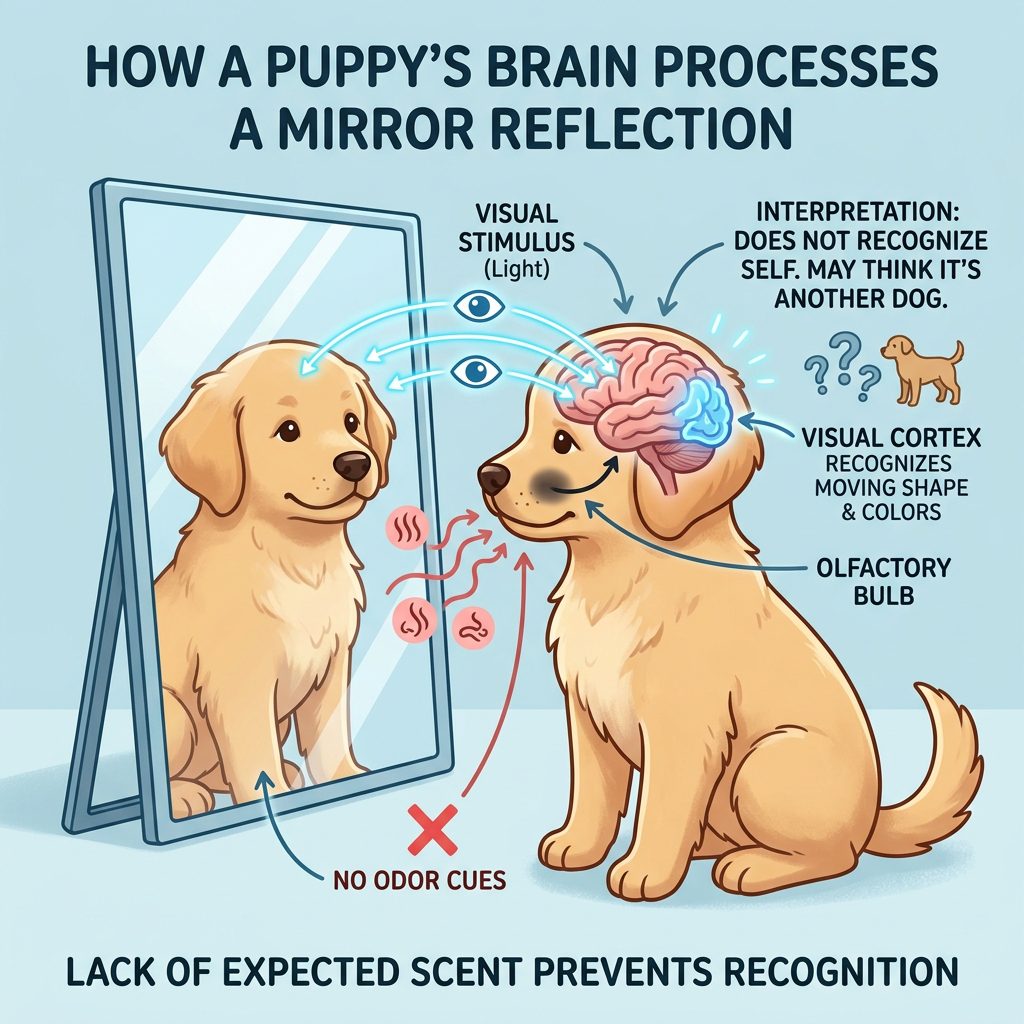
Before we jump into the training, it is crucial to understand that your puppy is not ‘silly’ or ‘broken.’ Most animals, including dogs, do not pass the Gallup Mirror Test, a behavioral technique used to determine whether an animal possesses the ability of self-recognition. While chimpanzees, dolphins, and even magpies can realize the reflection is themselves, dogs rely primarily on their olfactory senses (scent) rather than visual cues to identify individuals.
The Missing Scent Factor
When your puppy looks in the mirror, they see a dog. This dog moves like a dog, looks like a dog, and stares back with equal intensity. However, this ‘mirror dog’ has no smell. In the canine world, a visual presence without a corresponding scent is confusing and often perceived as a threat or an anomaly. This leads to what we call reactive barking—a way for your puppy to communicate, warn, or initiate play with the silent stranger.
Body Language Interpretation
Understanding what your puppy is ‘saying’ to the mirror is the first step in addressing the behavior. Use the table below to identify your puppy’s current emotional state during mirror encounters:
| Behavior | Meaning | Action Needed | |
|---|---|---|---|
| Play Bowing | Invitation to play; puppy is confused but friendly. | Gentle redirection to a toy. | |
| Raised Hackles (Piloerection) | Arousal or fear; puppy feels threatened. | Increase distance immediately. | |
| Persistent Barking | Demand for interaction or warning the ‘stranger’ away. | Begin Step-by-Step Training. | |
| Whining/Pacing | Anxiety or frustration. | Calming exercises and desensitization. |
Expert Tip: Never scold your puppy for barking at a mirror. They are genuinely reacting to a perceived social situation. Punishment will only increase their anxiety and associate the mirror with negative emotions.
Preparation: Tools You Will Need for Success
Setting the Stage for Training
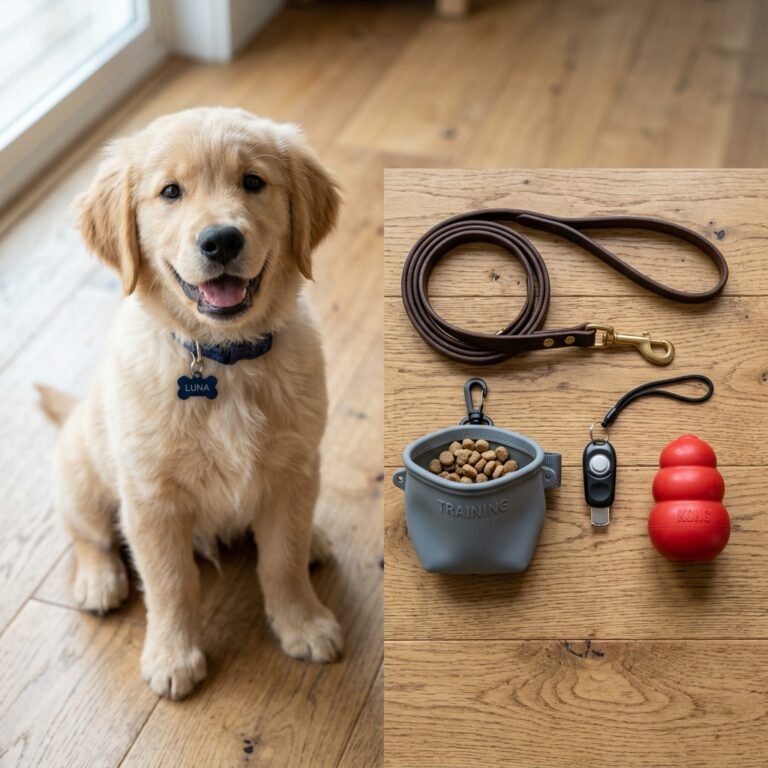
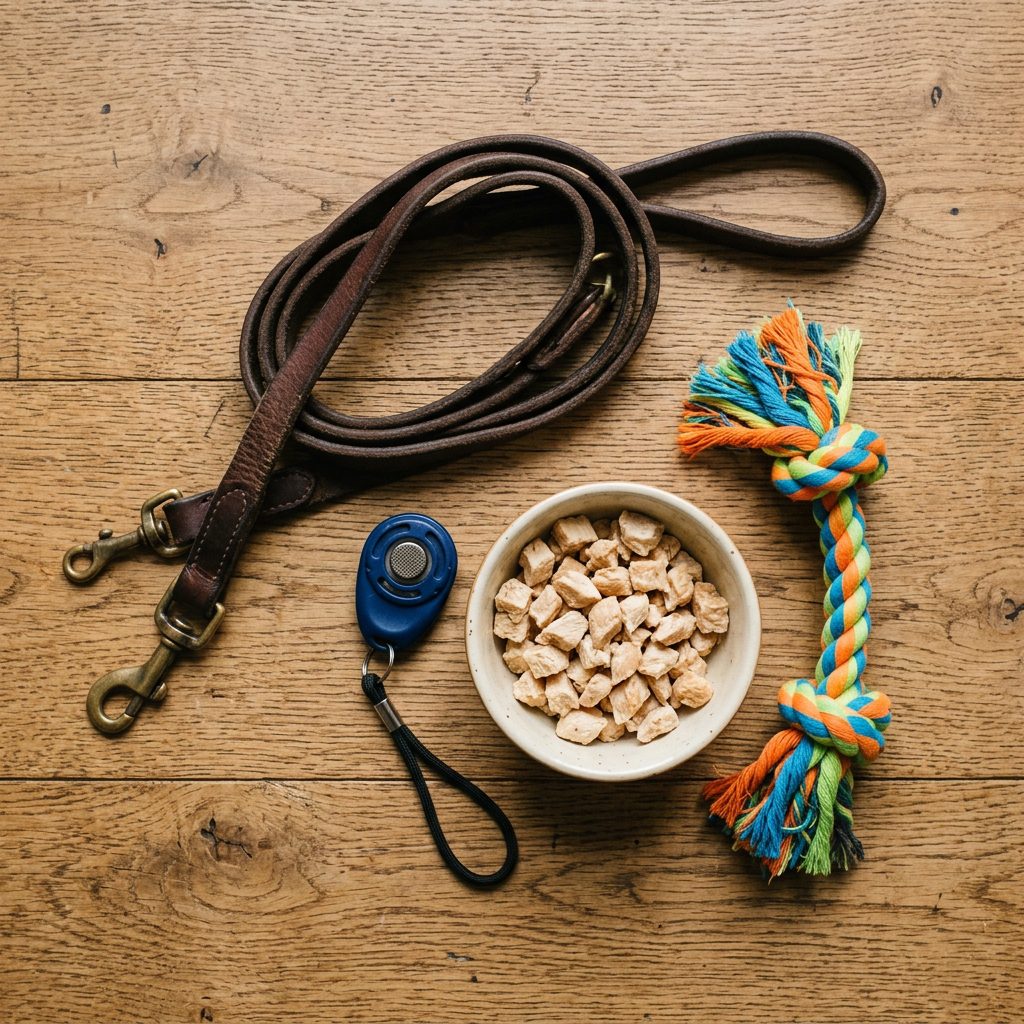
Success in dog training is 80% preparation and 20% execution. Before you begin the 4-step process, you need to gather the right ‘toolbox.’ You want to ensure that you are the most interesting thing in the room—far more interesting than the mirror dog.
High-Value Rewards
For mirror training, standard kibble usually won’t cut it. You need ‘high-value’ treats that your puppy finds irresistible. This creates a strong positive association with the mirror. Think of it as ‘The Mirror = Steak Party’ in your puppy’s mind.
| Reward Type | Examples | Best Used For | |
|---|---|---|---|
| High-Value | Small pieces of boiled chicken, cheese, or freeze-dried liver. | Initial training and high-distraction environments. | |
| Medium-Value | Commercial training treats or jerky strips. | Maintenance and repetitive drills. | |
| Low-Value | Standard kibble or crunchy biscuits. | General rewards in low-stress situations. |
Essential Equipment
- A 6-foot Leash: This allows you to control the puppy’s distance from the mirror without feeling restrictive.
- A Clicker (Optional): If you use clicker training, this is perfect for marking the exact moment of ‘quiet’ behavior.
- Visual Barriers: Temporary covers like towels or wrapping paper can be used to ‘turn off’ the mirror when you aren’t actively training.
The 4-Step Protocol to Mirror Calmness
Step 1: Establishing the ‘Safe Zone’ (Distance)
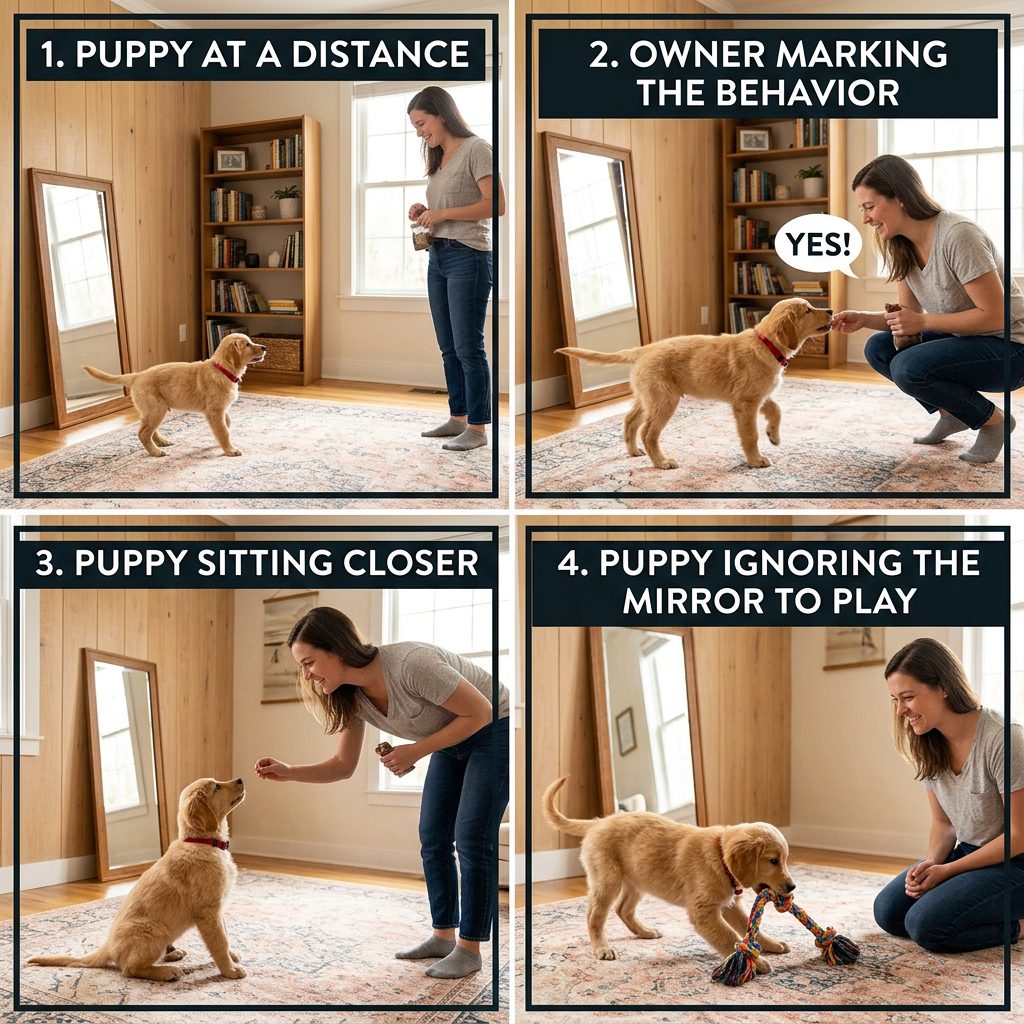
The biggest mistake owners make is trying to train right in front of the mirror. We need to find your puppy’s threshold—the distance at which they see the mirror but haven’t started barking yet. This might be 10 feet away or even in a different room looking through a doorway.
- Keep your puppy on a leash.
- Approach the mirror slowly.
- Stop the moment your puppy notices the reflection but before they bark.
- Reward them heavily for just looking and remaining quiet.
Step 2: The ‘Look at That’ (LAT) Game
This is a classic behavioral technique. We want to teach the puppy that looking at the mirror is actually a cue to look back at you for a treat. Look at the ‘stranger’ -> Look at Mom/Dad -> Get a Treat.
- Wait for your puppy to glance at the mirror.
- The second they look, use your clicker or a verbal marker like ‘Yes!’
- Immediately give a high-value treat.
- Repeat this until the puppy looks at the mirror and then immediately looks at you expecting a reward.
Step 3: Gradually Closing the Gap
Once your puppy is consistently looking at you for treats at a distance, move one foot closer. If they bark, you’ve moved too fast; simply step back and try again. We are building muscle memory for calmness.
Consistency is key. Five minutes of training three times a day is much more effective than one 30-minute session that exhausts the puppy.
Step 4: Adding Distractions and Duration
The final step is ensuring the calm behavior sticks even when you aren’t actively ‘training.’ Start asking for other commands in front of the mirror, such as ‘Sit’ or ‘Touch.’ This teaches the puppy that the mirror is just a background object, no more significant than a chair or a lamp. Eventually, you can remove the leash and practice ‘passive’ training, where you occasionally toss a treat to them for being calm near the reflection while you go about your day.
Troubleshooting: What if My Puppy Won’t Stop?
Common Roadblocks and How to Overcome Them
Not every puppy follows the manual. If you find your progress stalling, consider these common issues. Sometimes, the ‘mirror dog’ is just too exciting or scary for a young mind to handle without extra help.
The ‘Over-Threshold’ Loop
If your puppy starts barking the second they enter the room, you are starting too close. Use a ‘visual mute’ by covering the bottom half of the mirror with non-reflective paper. This breaks the eye contact between the puppy and the reflection, allowing them to acclimate to the presence of the object without the stimulus of the ‘other dog.’
The Role of Exercise and Mental Stimulation
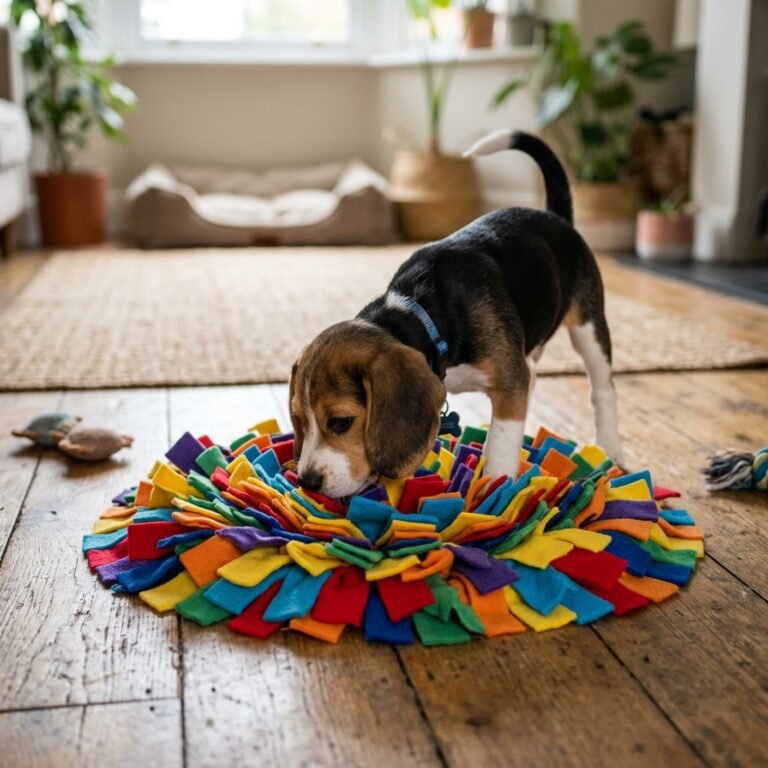
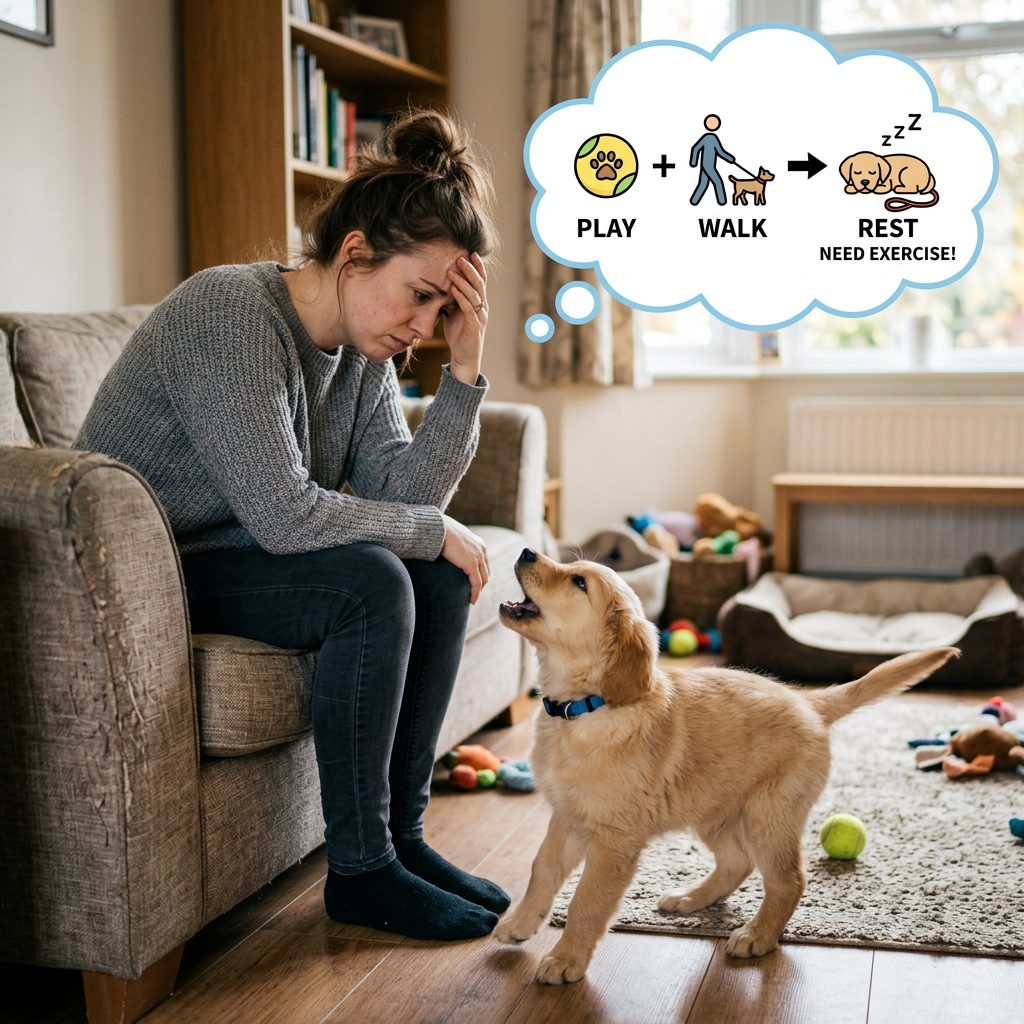
A bored puppy is a reactive puppy. If your puppy has pent-up energy, they are much more likely to find ‘entertainment’ by barking at the mirror. Ensure your training sessions happen after a good walk or a game of tug. A tired puppy is a focused puppy.
When to Consult a Professional
If your puppy shows signs of extreme aggression (lunging at the glass, snapping, or injuring themselves) or obsessive-compulsive tendencies (staring at the mirror for hours), it is time to call a certified canine behaviorist. These could be signs of deeper anxiety issues that require a tailored behavioral plan.
Conclusion
Reflections of a Well-Trained Pup
Stopping mirror barking is a journey of patience and communication. By following these four steps—finding the threshold, playing the LAT game, closing the gap, and generalizing the behavior—you are doing more than just stopping a noise. You are teaching your puppy how to process strange stimuli and look to you for guidance when they are confused. Remember, your puppy isn’t trying to be difficult; they are just trying to make sense of a world that doesn’t always make sense to them. Keep your training sessions short, your treats high-value, and your attitude positive. Before you know it, that ‘stranger in the mirror’ will be nothing more than a boring piece of glass, and your home will be a much quieter, happier place for everyone.