Save Thousands On Vet Bills! How To Train A Puppy To Tolerate Teeth Brushing Easily
The Hidden Cost of the Puppy Smile
Congratulations on your new puppy! While you are likely focused on potty training and teaching ‘sit,’ there is one habit that could save you more money than any other: dental care. Did you know that by age three, over 80% of dogs show signs of periodontal disease? Without intervention, this leads to painful extractions, systemic infections affecting the heart and kidneys, and vet bills that can easily climb into the thousands of dollars.
As a canine specialist, I have seen far too many owners forced to choose between a $2,000 dental surgery and their dog’s comfort. The good news? You can avoid this entirely. Training your puppy to tolerate—and even enjoy—teeth brushing is one of the greatest gifts you can give your pet and your wallet. In this guide, we will walk through the exact steps to turn a potentially stressful chore into a bonding experience that keeps those pearly whites shining for a lifetime.
The Financial Reality: Prevention vs. Treatment
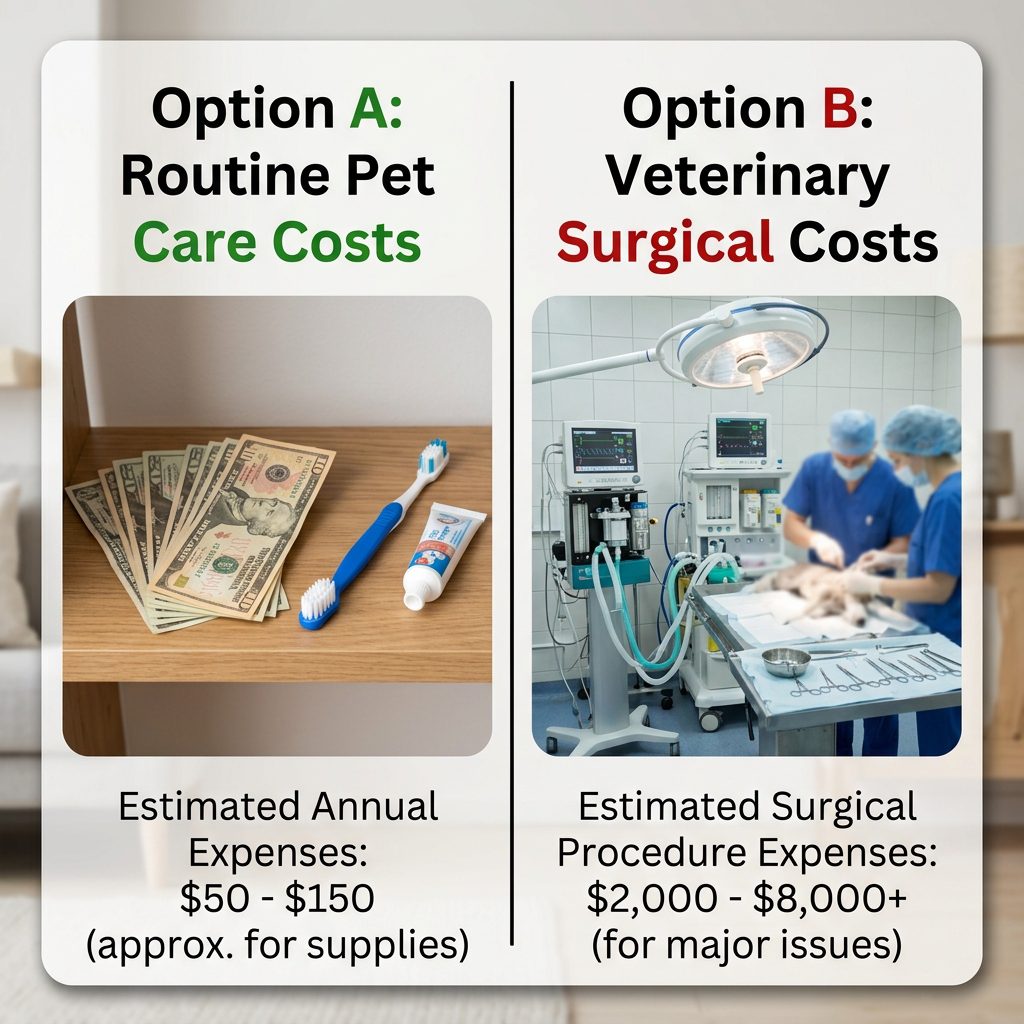
Many savvy dog owners underestimate the sheer cost of professional dental cleanings. Unlike humans, dogs must be placed under full general anesthesia for a thorough cleaning. This involves blood work, IV fluids, monitoring, and often, expensive dental X-rays. If your dog requires extractions, the price skyrockets.
Let’s look at the numbers to see why daily brushing is the ultimate financial hack for pet parents:
| Service / Item | Estimated Cost (Lifetime) | Frequency | ||||||
|---|---|---|---|---|---|---|---|---|
| Professional Dental Cleaning (Anesthesia) | $5,000 – $15,000 | Every 1-2 years | Toothbrush and Enzymatic Paste | $300 – $500 | Daily use over 10 years | Dental Extractions & Oral Surgery | $1,000 – $3,000+ | Per occurrence |
By investing just five minutes a day and a few dollars a month in supplies, you are effectively self-insuring against one of the most common medical expenses in the veterinary world. Beyond the money, you are preventing chronic pain that dogs are experts at hiding.
Phase 1: Selecting the Right Tools for Success
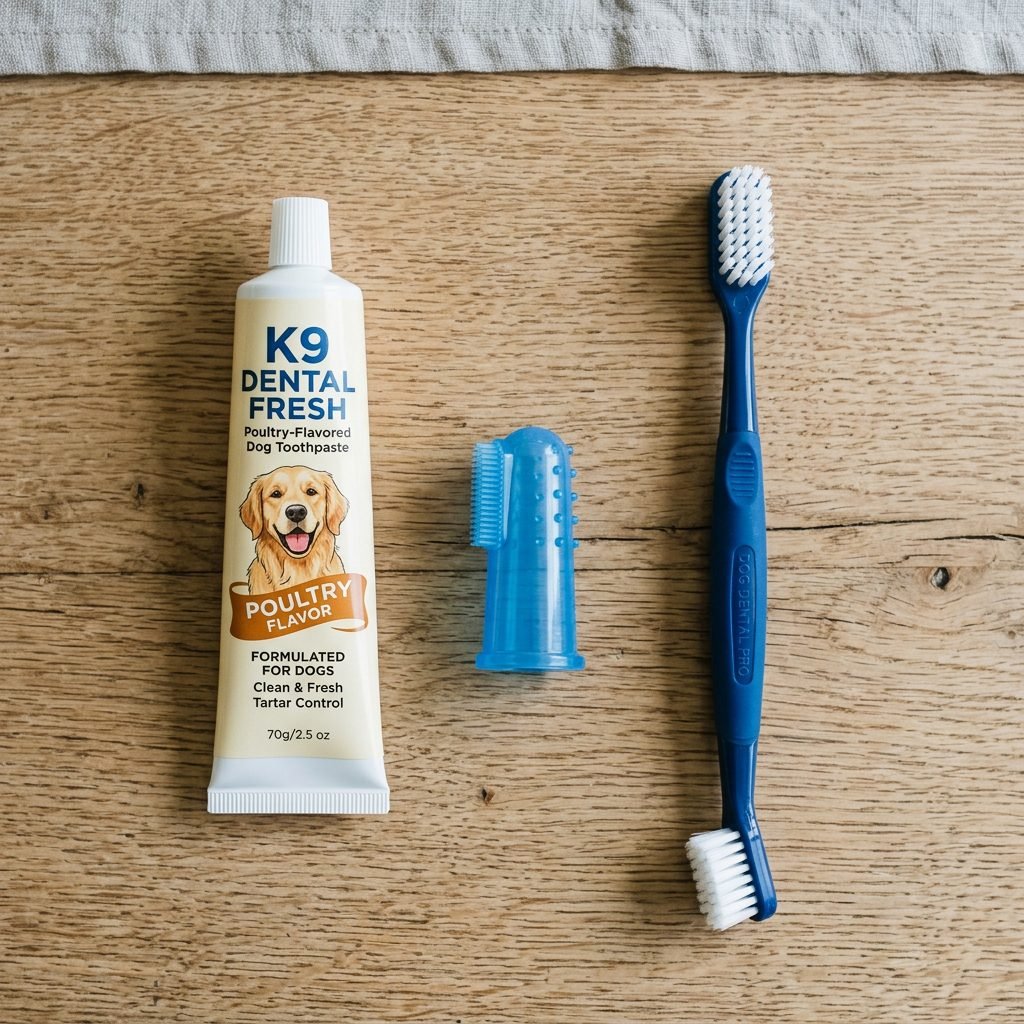
Before you even touch your puppy’s mouth, you need the right gear. Using the wrong tools can cause discomfort and make your puppy fearful of the process. Never use human toothpaste; it often contains Xylitol (which is deadly to dogs) and fluoride (which can be toxic in high doses).
The Toothpaste Factor
Dog toothpaste is enzymatic, meaning it works chemically to break down plaque even if you don’t get every single spot with the brush. Plus, it comes in flavors dogs actually love, like poultry, beef, or peanut butter. This turns the paste into a high-value treat.
The Brush Options
- Finger Brushes: Great for beginners and small puppies to get them used to the sensation of something in their mouth.
- Dual-Ended Brushes: Feature a large head for molars and a small head for incisors.
- 360-Degree Brushes: Clean the top, front, and back of the tooth simultaneously—perfect for wiggly puppies.
Pro Tip: Start with a poultry-flavored enzymatic paste. To a puppy, this isn’t hygiene; it is a delicious snack that just happens to come on a stick!
Phase 2: The Step-by-Step Desensitization Process
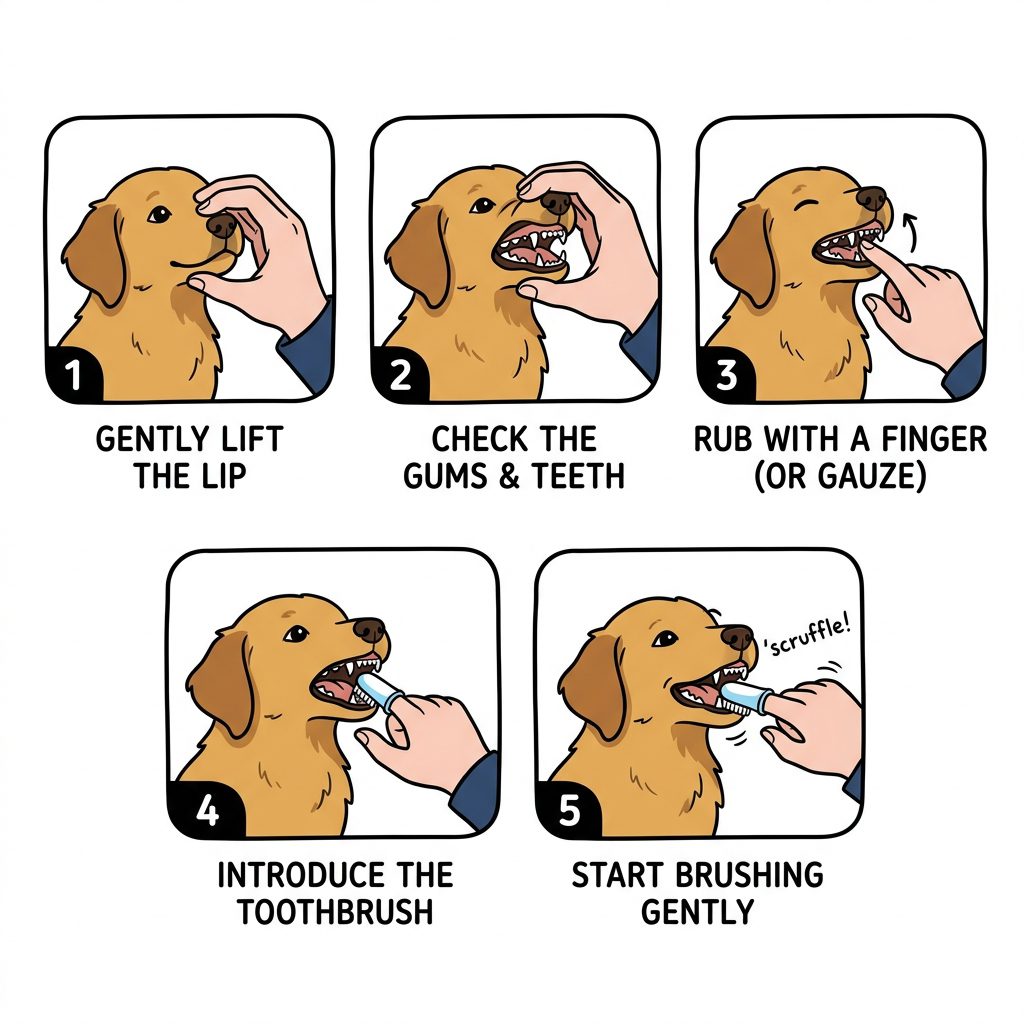
Training a puppy to tolerate teeth brushing is all about desensitization and counter-conditioning. We want to move so slowly that the puppy never feels the need to pull away. Follow these steps over the course of 14 days.
Step 1: The ‘Lick’ Test (Days 1-2)
Simply put a dab of dog toothpaste on your finger and let your puppy lick it off. Do this several times. You want them to get excited when they see the tube. Reward them with praise as they lick.
Step 2: The Lip Lift (Days 3-5)
While your puppy is calm, gently lift their side lip for one second, then immediately give them a dab of toothpaste. We are teaching them that having their mouth handled leads to a reward. Gradually increase the time you hold the lip up.
Step 3: The Finger Rub (Days 6-8)
Put a little toothpaste on your finger or a silicone finger brush. Gently rub one or two of the front teeth in a circular motion. Keep the session under 30 seconds. If they struggle, you are moving too fast—go back to Step 2.
Step 4: Introducing the Real Brush (Days 9-11)
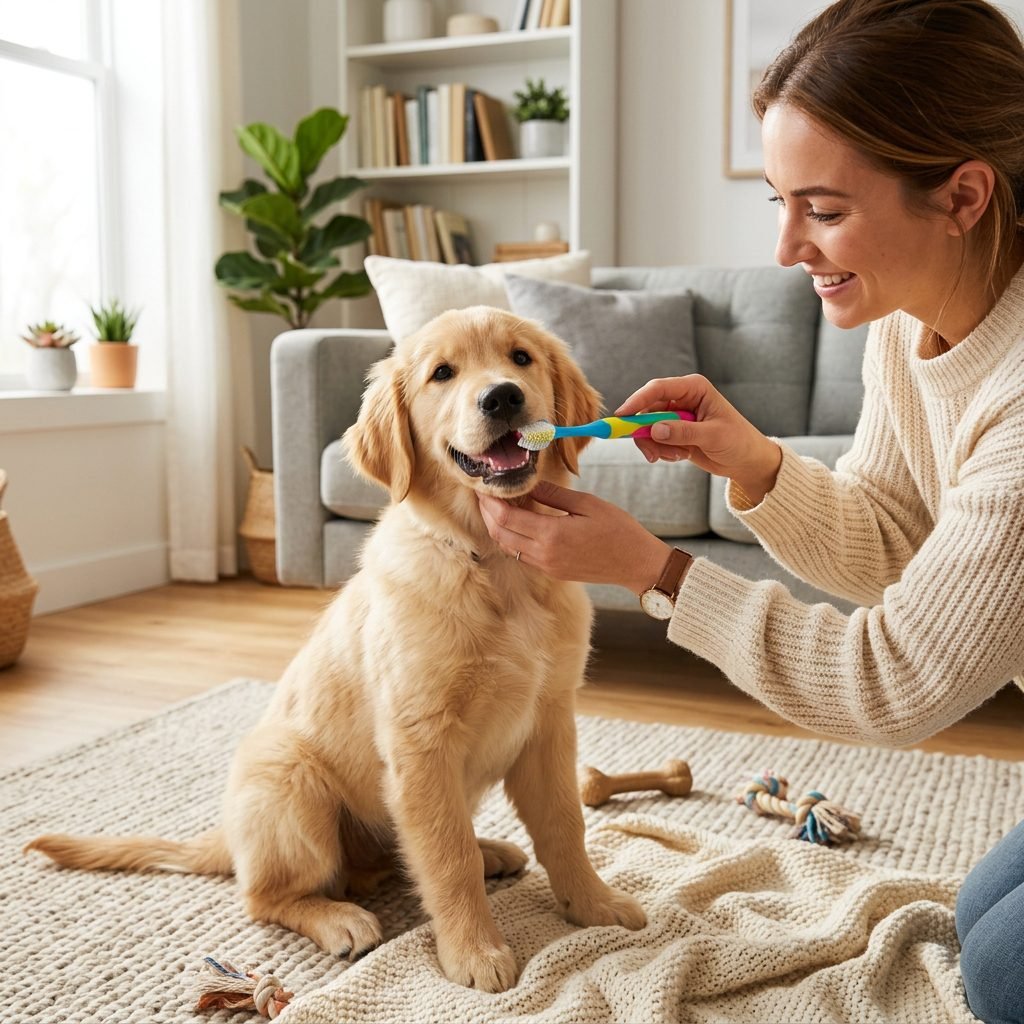
Apply the paste to a soft-bristled dog toothbrush. Let the puppy lick the paste off the bristles first. Then, while they are occupied, try to brush just the large canine teeth (the long ones in front). Stop while they are still having fun!
Step 5: The Full Clean (Day 12+)
Slowly work your way to the back molars. This is where most plaque builds up. Focus on the outside of the teeth (the side touching the cheek), as the tongue usually keeps the inside relatively clean. Aim for 30 seconds per side.
Troubleshooting Common Puppy Resistance

Even the best-behaved puppies might have ‘off’ days. If your puppy starts biting the brush or running away, don’t panic and never scold them. Scolding creates a negative association that can take months to undo.
What to do if…
- They bite the brush: This is usually a play response. Hold the brush still and wait for them to let go. When they do, reward them. Try using a colder brush (refrigerate it) to soothe teething gums.
- They won’t stay still: Practice when the puppy is tired, such as after a long walk or a play session. A sleepy puppy is a compliant puppy.
- The gums bleed slightly: This is common if there is mild inflammation. However, if bleeding is heavy or persistent, stop and consult your vet. It may indicate a more serious issue or that you are brushing too hard.
Remember, the goal is consistency over perfection. Brushing three teeth today is better than brushing zero teeth because you were frustrated.
Beyond the Brush: Diet and Dental Chews
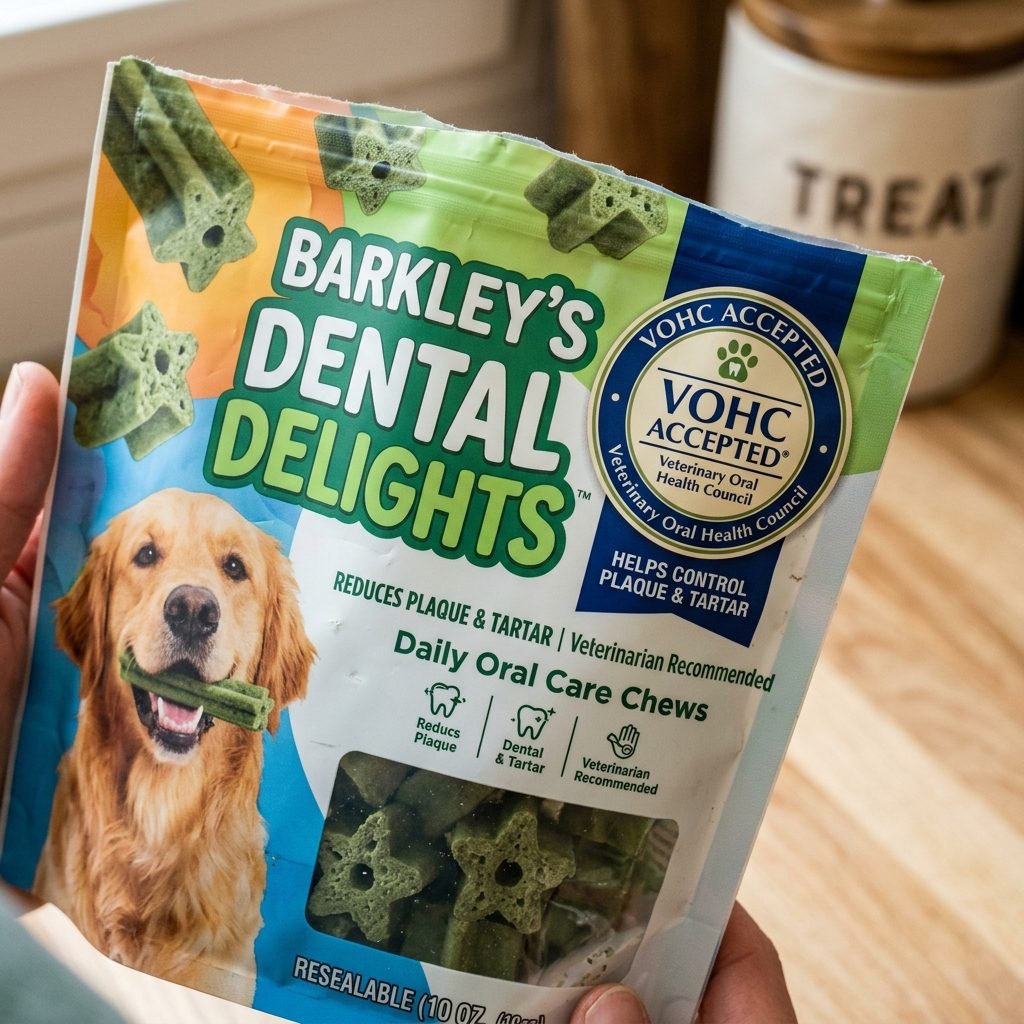
While brushing is the gold standard, you can bolster your puppy’s oral health through their diet. Not all ‘dental treats’ are created equal. When shopping, look for the VOHC (Veterinary Oral Health Council) Seal of Acceptance. This seal ensures the product has been scientifically proven to reduce plaque or tartar.
| Method | Effectiveness | Notes |
|---|---|---|
| Daily Brushing | High | The only way to reach under the gumline. |
| VOHC Dental Chews | Moderate | Great for mechanical scraping of the crowns. |
| Water Additives | Low/Moderate | Helps reduce bacteria but doesn’t remove plaque. |
| Hard Kibble | Low | Most kibble shatters; it doesn’t actually ‘clean’ teeth. |
Avoid extremely hard chews like elk antlers or nylon bones, as these can actually fracture a puppy’s delicate permanent teeth. Stick to rubber toys or digestible dental chews that have some ‘give’ when bitten.
Conclusion
A Lifetime of Healthy Smiles
Training your puppy to tolerate teeth brushing is a marathon, not a sprint. By starting early and using positive reinforcement, you are doing more than just saving money on future vet bills—you are ensuring your dog lives a life free from the silent pain of dental disease. Imagine the peace of mind you’ll have at every annual vet checkup when the doctor looks at your dog’s teeth and says, ‘Wow, these look amazing!’
Start today. Grab some poultry-flavored paste, get down on the floor with your pup, and turn dental hygiene into the best part of their day. Your puppy (and your bank account) will thank you for years to come!