Stop This Dangerous Puppy Pee Pad Shredding Habit Instantly!
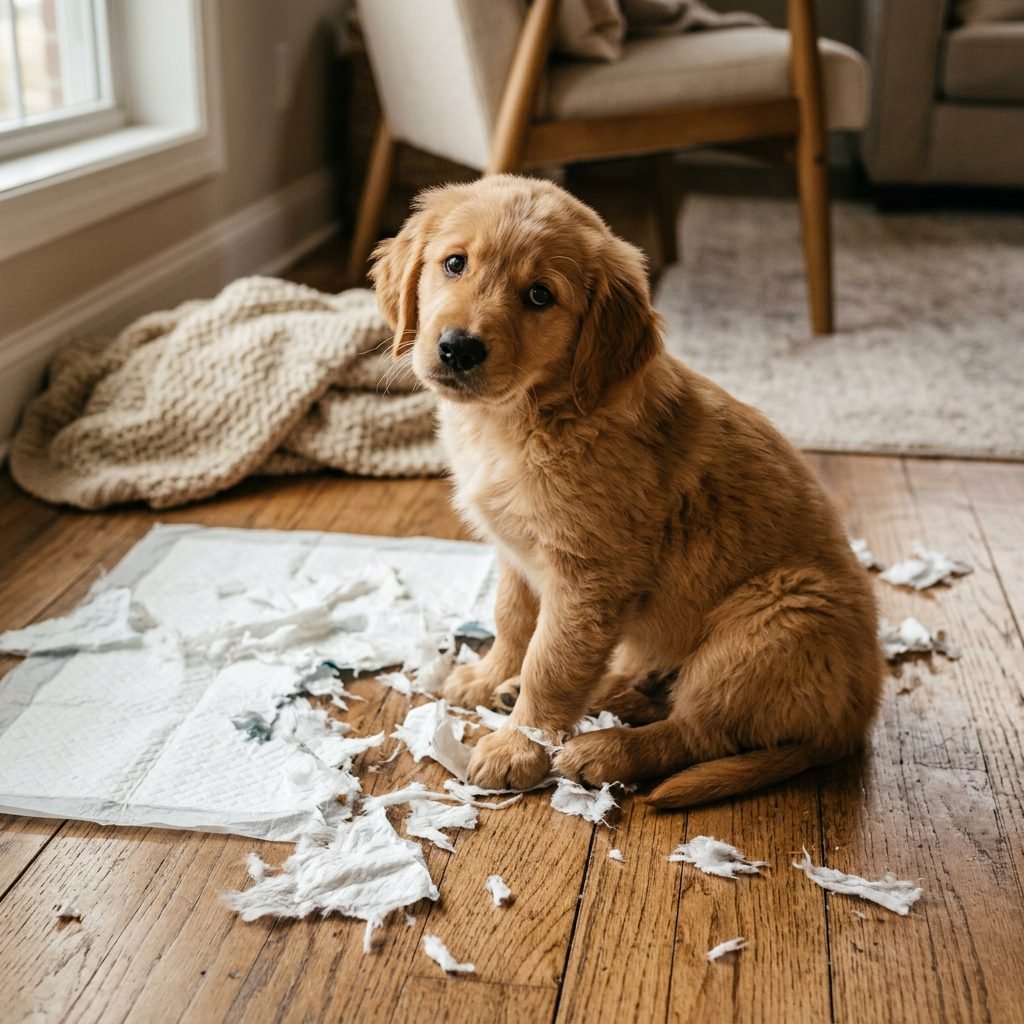
We have all been there. You walk into the room expecting to see a perfectly placed potty spot, but instead, it looks like a localized blizzard hit your kitchen. Your puppy has discovered the joy of shredding their pee pads. While it might look like a harmless—albeit messy—game of ‘puppy confetti,’ this habit is actually a ticking time bomb for your pet’s health. As a canine specialist, I see this behavior frequently, and it is something that needs to be addressed the moment it starts.
The danger isn’t just the mess; it’s what is inside those pads. Most disposable pee pads contain Super Absorbent Polymers (SAP) and plastic liners that, if ingested, can cause life-threatening intestinal blockages. In this guide, we are going to dive deep into why your puppy is doing this and, more importantly, how you can stop it instantly using proven behavioral techniques and the right tools. Let’s turn that ‘shredder’ back into a ‘student’!
Understanding the ‘Why’: Why Do Puppies Shred Their Pads?
Before we can fix the behavior, we have to understand the motivation behind it. Puppies don’t shred pads out of spite; they do it because it satisfies a natural urge or fills a void in their daily routine. Understanding the ‘why’ allows us to address the root cause rather than just the symptom.
1. Teething and Oral Exploration
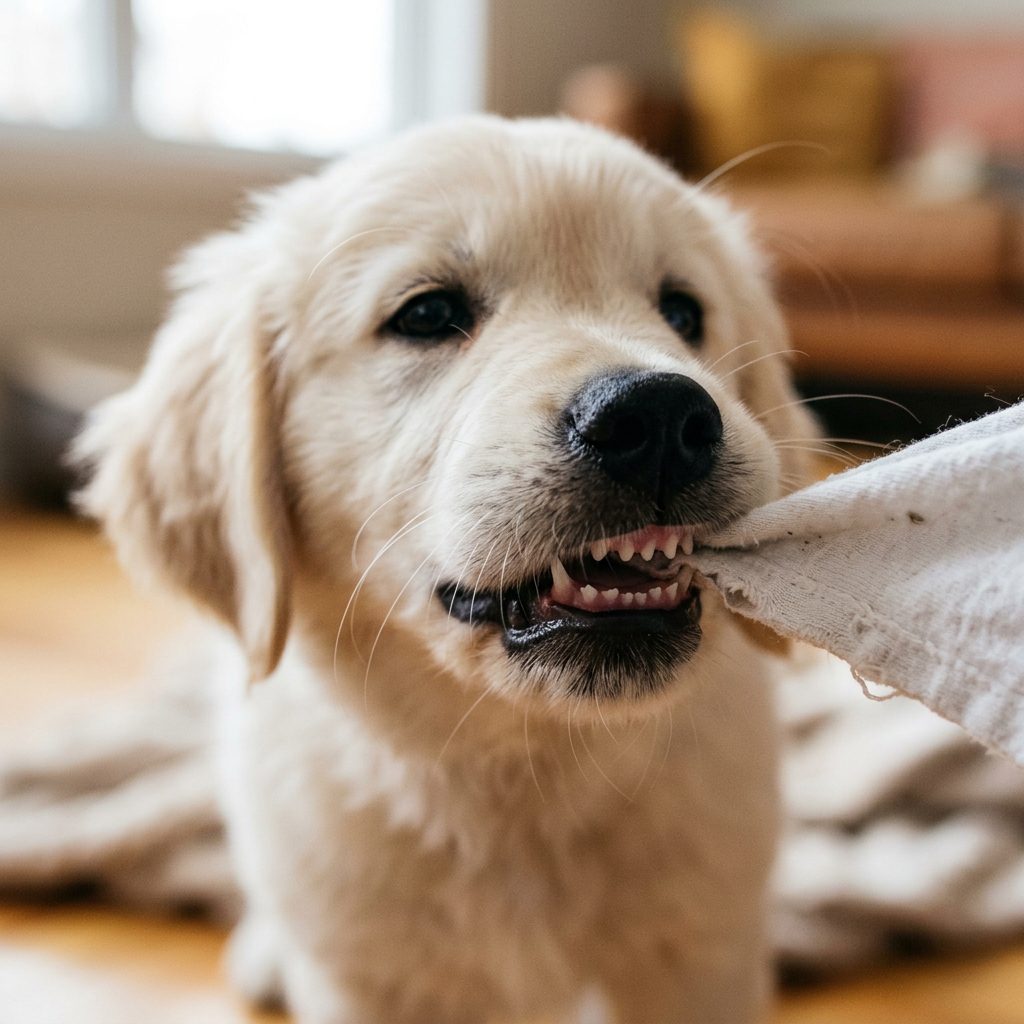
Puppies explore the world with their mouths. If your pup is between 12 to 24 weeks old, they are likely teething. The soft, crinkly texture of a pee pad feels interesting on sore gums. Shredding provides a tactile relief that they find incredibly satisfying.
2. Boredom and Lack of Mental Stimulation
A puppy with too much energy and no job to do will find their own entertainment. If they are confined to a playpen with nothing but a pee pad, that pad becomes their only toy. The sound of tearing paper and the sight of flying fluff provides immediate sensory feedback.
3. Foraging and Predatory Instincts
In the wild, canines shred their prey. The act of ‘dissecting’ a soft object mimics this ancestral behavior. To a puppy, a loose pee pad is essentially a large, flat, stationary ‘prey’ item that is easy to catch and destroy.
The Real Dangers of Pee Pad Ingestion
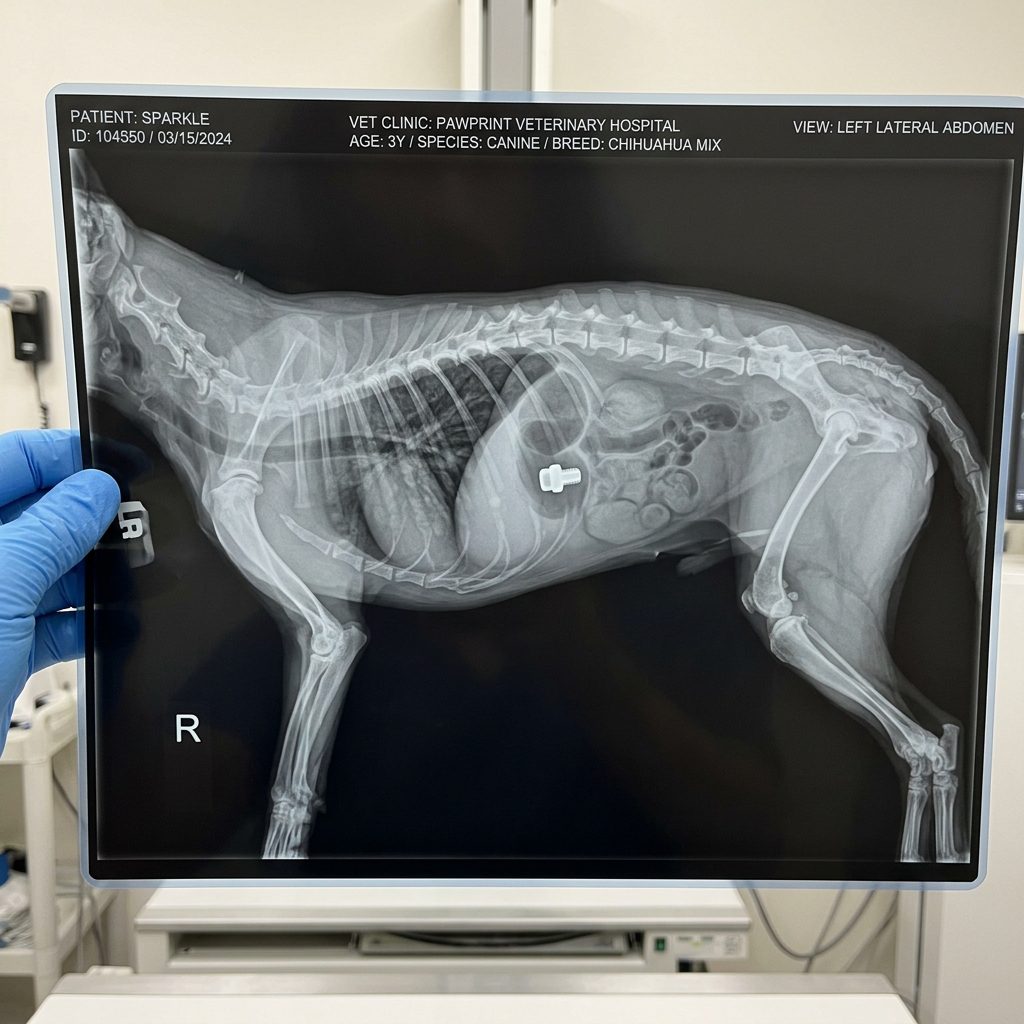
It is vital to distinguish between shredding and ingesting. While shredding is messy, ingestion is a medical emergency. The materials used to make pads absorbent are designed to expand when they touch liquid. Imagine that happening inside a small puppy’s stomach.
| Symptom | What it Indicates | Urgency Level |
|---|---|---|
| Vomiting | Potential blockage or irritation from plastic liners. | High |
| Lethargy | The body is struggling with internal distress or dehydration. | Critical |
| Loss of Appetite | The stomach feels full or painful due to non-food items. | High |
| Abdominal Bloating | Gas or material trapped in the digestive tract. | Critical |
| Straining to Defecate | Physical obstruction preventing waste from passing. | Emergency |
Expert Tip: If you notice your puppy has swallowed a significant portion of a pee pad, do not wait for symptoms to appear. Contact your veterinarian immediately, as the polymers can expand rapidly.
The Anti-Shredding Toolkit: What You Need
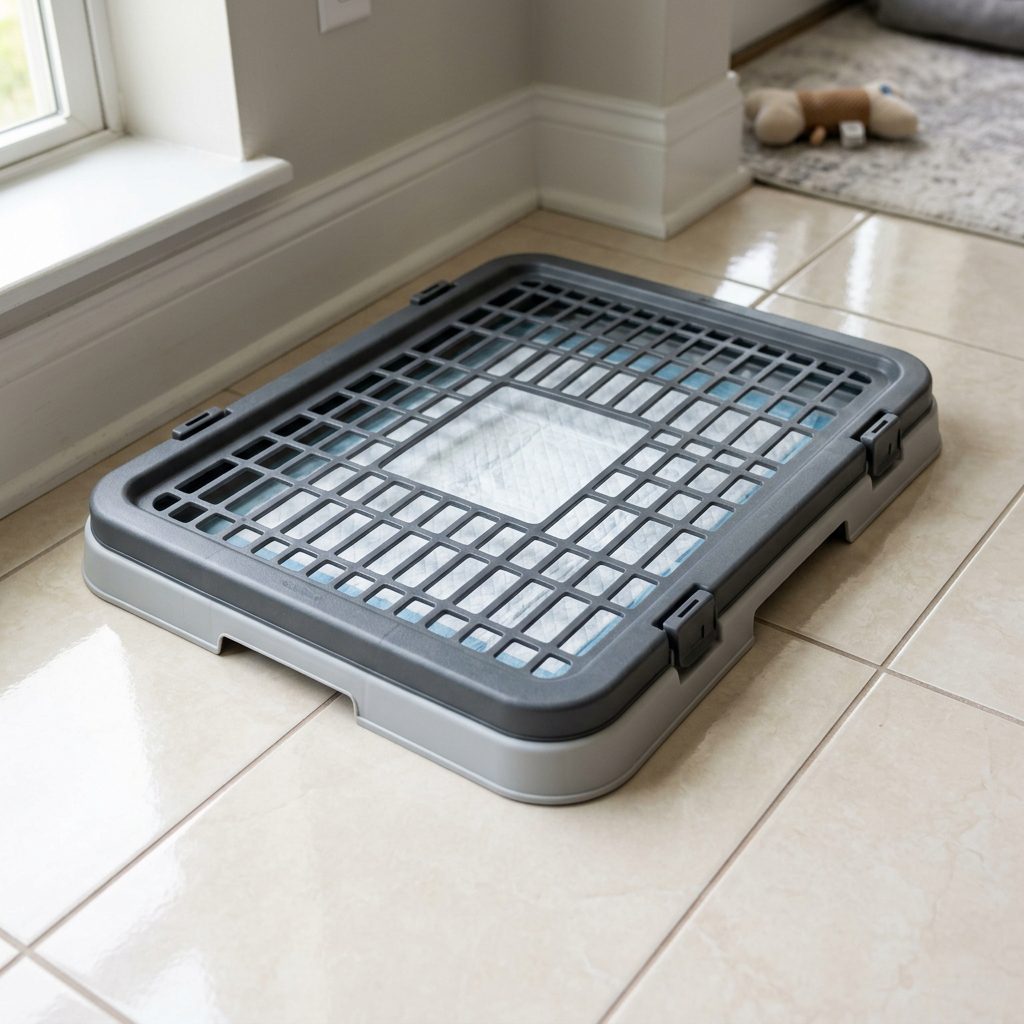
To stop the habit instantly, you need to change the environment. If you keep doing the same thing, you will get the same result. Here are the essential tools every savvy dog owner needs to combat the shredding cycle:
- Pee Pad Holders (Grated): These are plastic trays with a mesh grate on top. The puppy steps on the grate to go potty, but they cannot reach the pad underneath to tear it.
- Heavy-Duty Silicone Mats: Some puppies hate the feeling of plastic grates. A heavy silicone holder with raised edges can make it harder for them to get a ‘grip’ on the corner of the pad.
- Bitter Deterrent Sprays: Applying a pet-safe bitter spray to the edges of the pad can discourage oral contact.
- High-Value Enrichment Toys: Items like stuffed KONGs or snuffle mats provide a legal outlet for the shredding and chewing instinct.
Step-by-Step Guide to Stopping the Habit
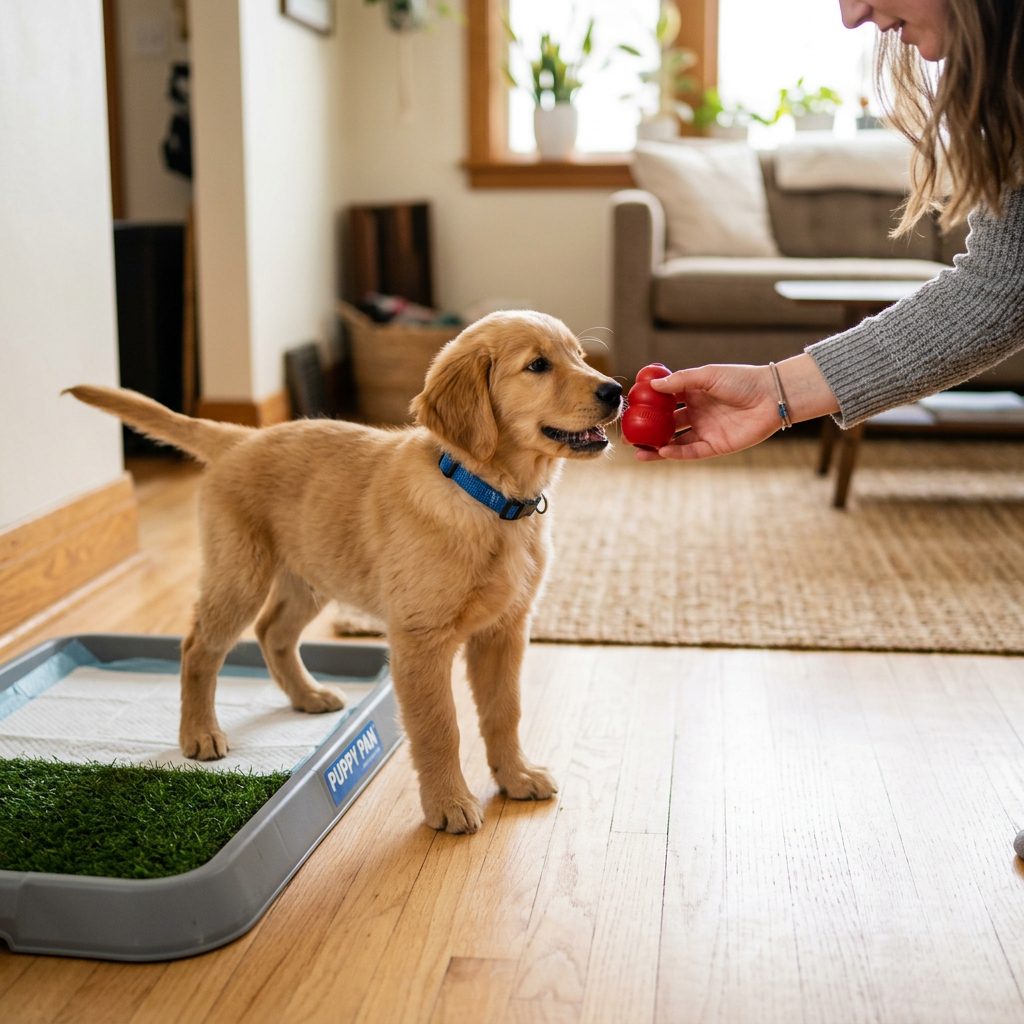
Ready to reclaim your floors? Follow this step-by-step protocol to transition your puppy away from their destructive habit.
Step 1: Secure the Perimeter
The easiest way to stop shredding is to remove the opportunity. Switch to a grated pee pad holder immediately. This physical barrier is the only ‘instant’ fix that works 100% of the time while you work on the behavioral aspect.
Step 2: Increase Physical and Mental Exercise
A tired puppy is a well-behaved puppy. Before you leave your pup alone with a pad, ensure they have had a vigorous play session or a training ‘brain game.’ If their energy is spent, they are more likely to nap than to destroy.
Step 3: The ‘Trade-Up’ Game
If you catch your puppy starting to mouth the pad, do not yell. Yelling often reinforces the behavior because the puppy sees it as ‘attention.’ Instead, calmly walk over with a high-value treat or a favorite toy. Offer the toy as a ‘trade.’ When they drop the pad to take the toy, praise them heavily.
Step 4: Use Bitter Deterrents Correctly
Spray the edges of the pad holder (not the middle where they should go potty) with a bitter apple or cherry spray. Most puppies find the taste repulsive and will stop investigating the area with their mouth after one or two tries.
Step 5: Supervision and Confinement
When you cannot supervise your puppy, they should be in a ‘puppy-proofed’ zone. If they continue to shred pads even with a holder, consider using washable fabric pads which are much harder to tear and lack the dangerous chemical fillers of disposables.
Common Mistakes to Avoid
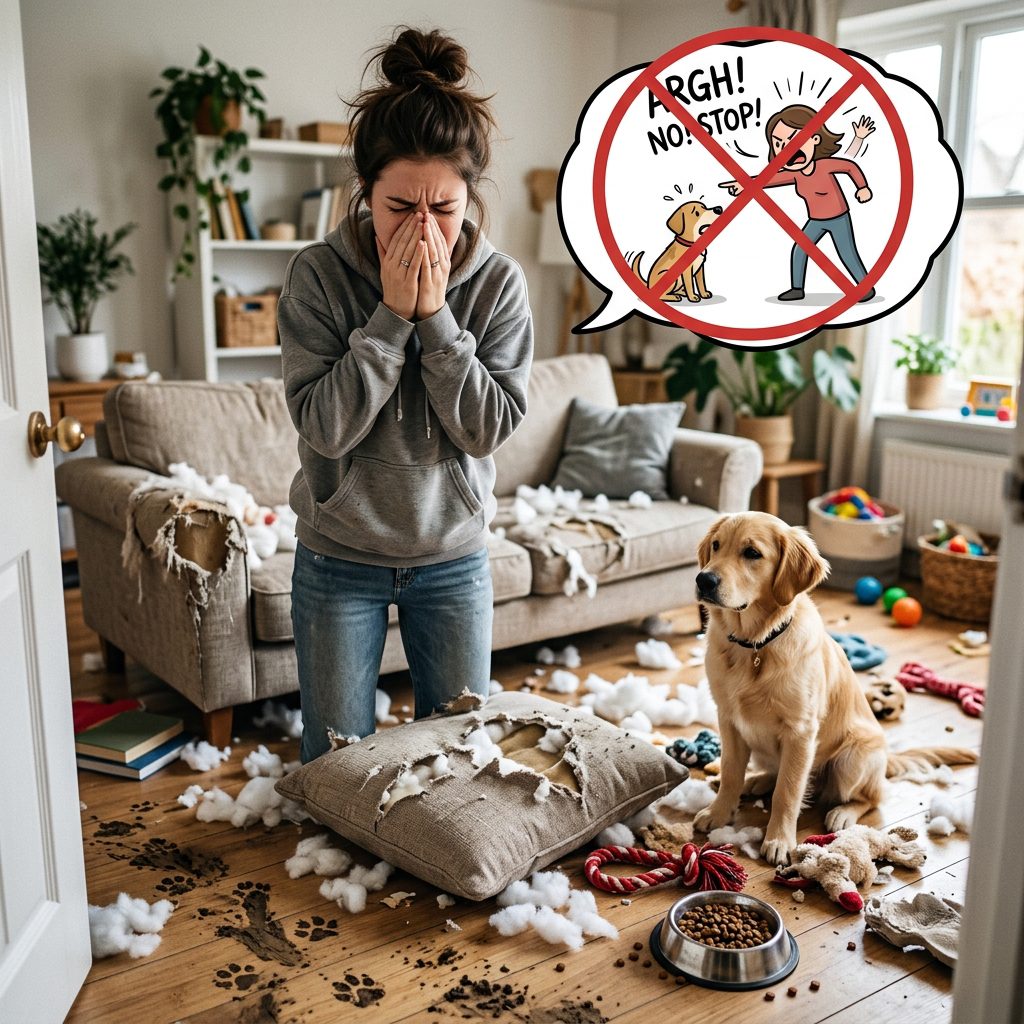
Even the most well-intentioned owners can accidentally make the shredding habit worse. Avoid these common pitfalls:
- Turning it into a Chase: If you chase your puppy to get the shredded pieces, they think it’s a game of ‘keep away.’ They will grab the pad just to get you to run after them.
- Using Pads as Toys: Never give your puppy an old newspaper or a paper towel to play with. They cannot distinguish between ‘legal’ paper and ‘illegal’ pee pads.
- Negative Punishment: Rubbing a puppy’s nose in the mess or hitting them will only make them afraid of you. It does nothing to teach them what to do instead.
Trainer’s Insight: Consistency is key. If you allow them to shred ‘just a little bit’ one day, you have reset the training clock to zero.
Long-Term Alternatives for Persistent Shredders
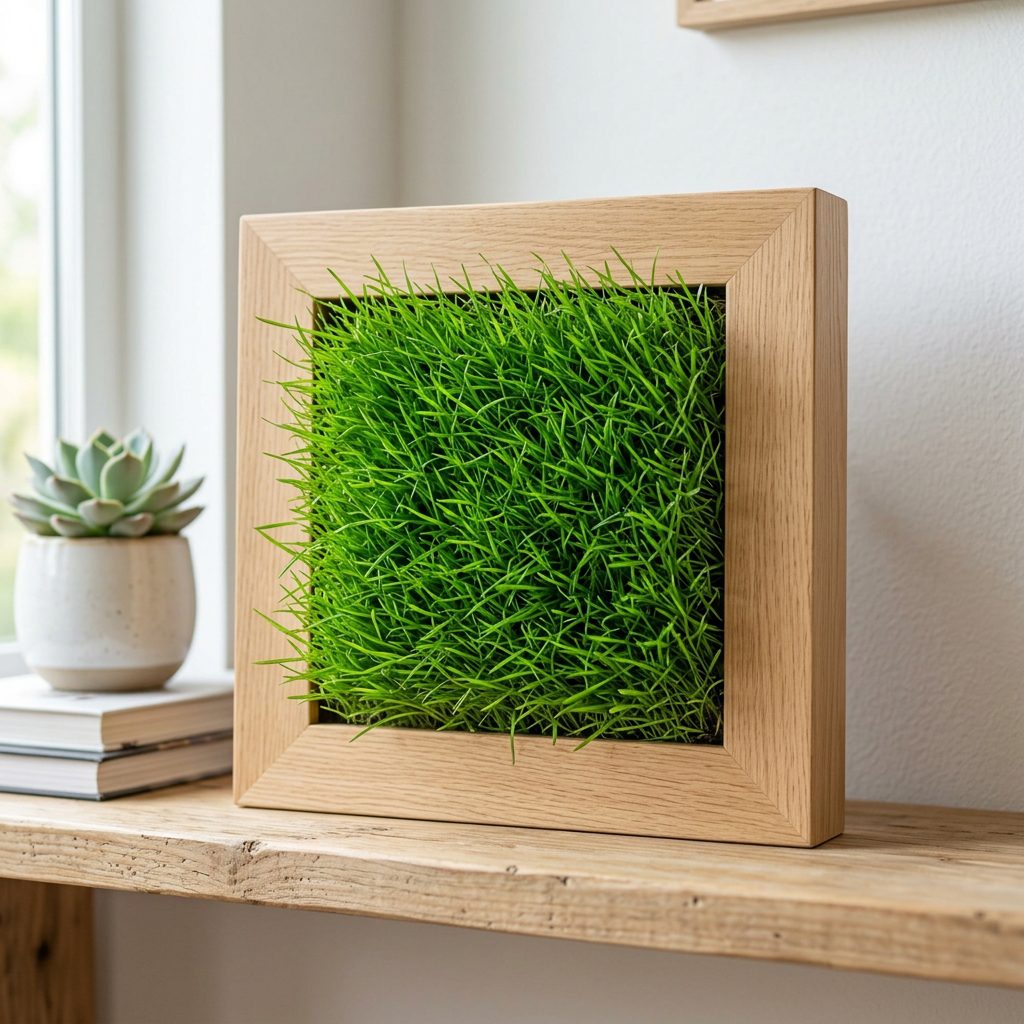
If your puppy is a ‘Master Shredder’ who manages to destroy even the most secure holders, it might be time to look at alternative potty solutions. Not every dog is suited for disposable pads.
| Alternative | Pros | Cons |
|---|---|---|
| Real Grass Patches | Natural scent, hard to shred, helps transition to outdoor potty. | Needs replacement every 2-4 weeks, more expensive. |
| Washable Fabric Pads | Extremely durable, eco-friendly, no dangerous polymers. | Requires frequent laundering, initial cost is higher. |
| Indoor Dog Litter | Impossible to shred, very absorbent. | Requires teaching the dog a new surface, can be messy if spilled. |
Conclusion
Stopping a puppy from shredding pee pads is about more than just keeping your house clean—it is a vital safety measure. By understanding that your puppy is likely bored, teething, or simply following their instincts, you can approach the problem with patience rather than frustration. Utilize a grated holder for an immediate fix, provide plenty of appropriate chew toys, and remain consistent with your redirection training.
Remember, the puppy phase is temporary! With the right tools and a bit of ‘savvy’ management, you can guide your furry friend through this stage safely. If the behavior persists despite your best efforts, don’t hesitate to consult a professional trainer to ensure your pup’s mental needs are being met. Happy training!