Is Your Puppy Scared of Night Walks? 5 Ways To End Dark Fear For Good
The Midnight Standstill
Picture this: It is 9:00 PM. You are ready for bed, but you know your puppy needs one last bathroom break before settling into their crate. You clip on the leash, step out the front door, and suddenly… your puppy hits the brakes. Their tail tucks, their ears go back, and they flat-out refuse to step into the shadows. If this sounds familiar, you are absolutely not alone. As a savvy dog owner, you already know that puppies go through various developmental stages, but seeing your confident little furball suddenly terrified of their own neighborhood can be incredibly frustrating and confusing.
Nighttime walks present a unique set of challenges for young dogs. The familiar sights, sounds, and smells of the day are replaced by eerie shadows, rustling bushes, and glowing streetlights. It is a sensory overload that can easily trigger a puppy’s natural fight-or-flight response. But here is the good news: this is completely fixable.
A puppy’s fear of the dark is rarely about stubbornness; it is a genuine, instinctual response to a world that suddenly looks and sounds completely alien to them.
In this comprehensive guide, we are going to dive deep into canine behavior to understand exactly why your puppy is spooked by the dark. More importantly, we will walk you through a step-by-step, positive-reinforcement strategy featuring five proven ways to end this dark fear for good. By the time you finish reading, you will be equipped with the knowledge, the tools, and the exact training protocols needed to turn your timid pup into a confident night-walker.
Understanding the Shadows: Why Nighttime is Scary for Puppies
Before we can fix the problem, we need to understand the root cause. Why does a puppy who happily chases butterflies at 2:00 PM suddenly act like the sidewalk is made of lava at 8:00 PM? It all comes down to how dogs experience the world differently than we do, especially during their critical developmental phases.
The Canine Visual Experience
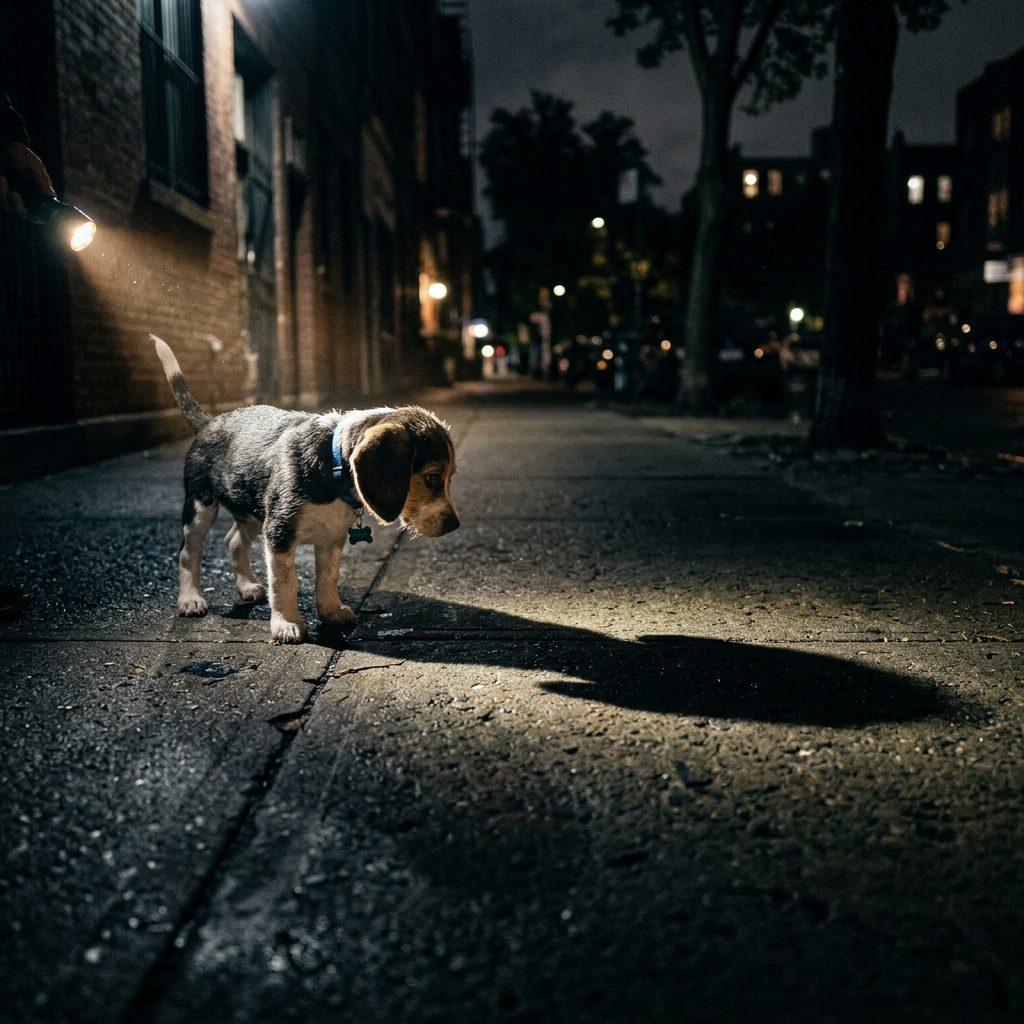
While dogs actually have better night vision than humans thanks to a special reflective layer in their eyes called the tapetum lucidum, their visual acuity (sharpness) is lower. This means that in low light, objects can appear blurry or distorted. A fire hydrant that looks completely normal during the day might look like a menacing, crouching predator in the dim glow of a streetlamp. Long, stretching shadows cast by trees or even your own body can seem like moving entities to a puppy’s sensitive eyes.
Heightened Senses and Spooky Sounds
When visual information is reduced, a dog’s other senses go into overdrive. The nighttime environment is often quieter, meaning sudden noises—a snapping twig, a distant siren, a neighbor taking out the trash—are amplified and isolated. Without the daytime visual context to explain these noises, your puppy’s brain categorizes them as potential threats.
Fear Periods in Puppies
It is also crucial to factor in your puppy’s age. Puppies go through natural “fear impact periods” (typically around 8-11 weeks, and again between 6-14 months). During these windows, a single scary experience—or even just a novel, slightly overwhelming situation like a dark street—can leave a lasting impression. If your puppy is in one of these phases, their sudden reluctance to walk at night is a normal developmental milestone, not a permanent personality flaw. Understanding this helps you approach the training with the empathy and patience your puppy needs.
Tools of the Trade: Gear Up for Night Walk Success

Setting your puppy up for success starts before you even open the front door. Having the right gear can dramatically change the dynamic of your night walks, providing safety, visibility, and high-value motivation. Let’s break down the essential tools every savvy dog owner should have in their nighttime walking arsenal.
| Essential Gear | Why You Need It | Pro Tip for Savvy Owners |
|---|---|---|
| High-Value “Night Only” Treats | Provides overwhelming positive reinforcement to counter-condition fear. | Use something they NEVER get during the day (e.g., real chicken, hot dogs, or freeze-dried liver). |
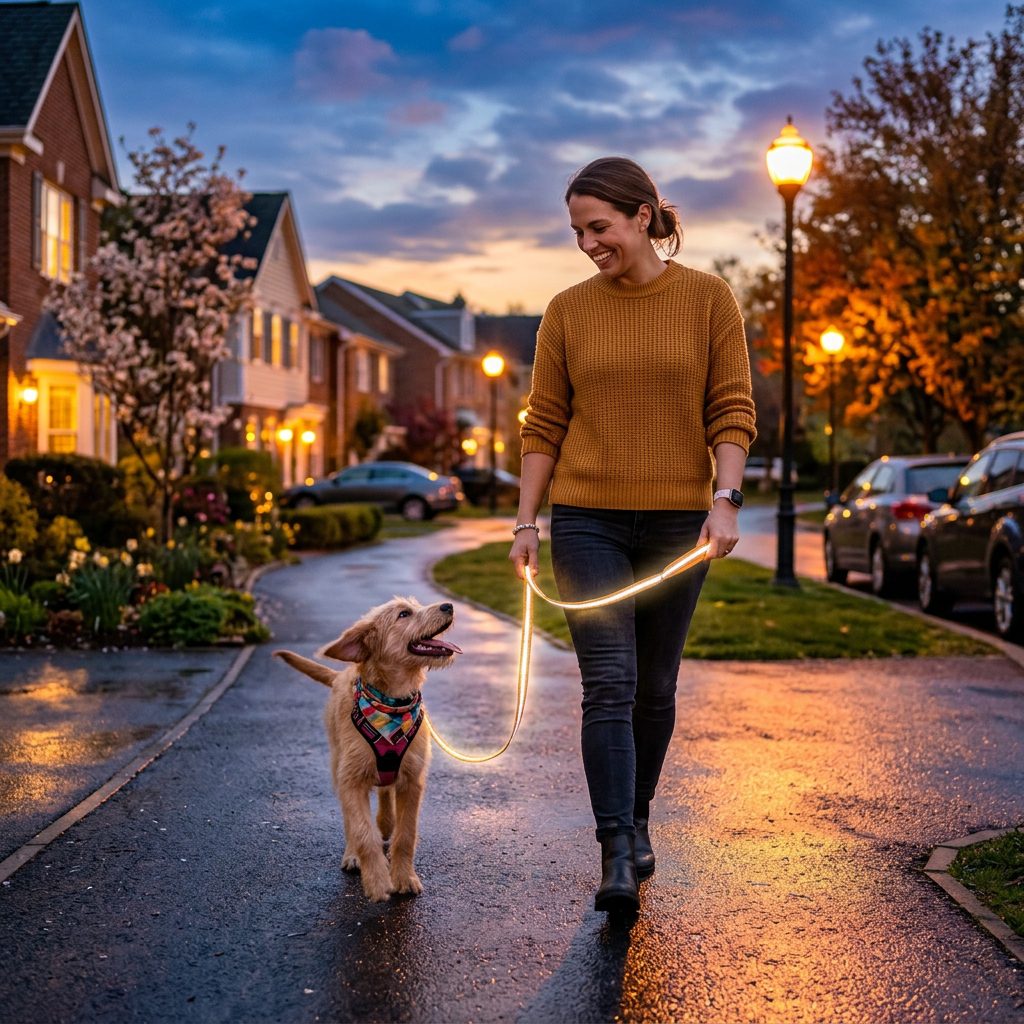
| LED Dog Collar / Harness | Illuminates the immediate area around the puppy, reducing scary shadows. | Choose a soft, glowing color like blue or green; harsh white light can ruin their night vision. |
| Headlamp for the Owner | Keeps your hands free for leash management and treat delivery. | Aim the beam slightly ahead of your dog, not directly at them, to light their path safely. |
| Long-Line Leash (10-15 ft) | Allows the puppy to explore at their own pace without feeling trapped. | Only use in safe, open areas away from traffic to let them sniff out “scary” objects. |
By equipping yourself with these specific tools, you are removing the logistical stress from the walk. You won’t be fumbling with a phone flashlight while trying to dispense treats, and your puppy will have a literal and metaphorical guiding light to help them navigate the scary darkness.
5 Proven Ways to End Dark Fear for Good
Now that you understand the why and have the right tools, it is time to take action. Training a puppy to overcome fear requires a blend of patience, strategy, and impeccable timing. Here are the 5 foolproof methods to transform your puppy into a confident nighttime explorer.
1. The Twilight Transition Method
Do not wait until it is pitch black to start your walk. Plunging a fearful puppy directly into total darkness is known as “flooding,” and it often makes the fear worse. Instead, start your walk just before the sun sets. Let your puppy get engaged in the walk, sniffing and enjoying themselves while it is still light out. As the sun gradually goes down and the streetlights come on, your puppy will slowly acclimate to the changing environment while already in a positive, walking mindset. This gradual transition helps their eyes adjust and prevents the sudden shock of stepping into the dark.
2. The “Magic Pocket” Technique
Remember those high-value treats we mentioned in the gear section? This is where they shine. Create a “Magic Pocket” (or treat pouch) that only comes out when the sun goes down. If your puppy realizes that the absolute best things in the world—like bits of roasted chicken or sharp cheddar cheese—only appear in the dark, their emotional response to nighttime will begin to shift. How to execute: Every time your puppy looks at a shadow, hears a weird noise, or takes a brave step forward in the dark, immediately mark the behavior with a cheerful “Yes!” and deliver a jackpot treat. You are literally rewiring their brain to associate the scary dark with a Michelin-star dining experience.
3. Utilize the Buddy System
Dogs are incredibly social creatures and learn a massive amount through observation, a concept known as social facilitation. If you have a friend or neighbor with a calm, confident adult dog who loves walks, invite them along for a night stroll. When your puppy sees an older dog walking proudly through the dark, unbothered by the shadows and noises, it acts as a massive confidence booster. Your puppy will naturally want to follow the leader. Just ensure the older dog is tolerant of puppies and won’t add to their stress.
4. Establish Micro-Walks and Safe Zones
When a puppy is terrified, a 30-minute walk feels like an eternity. Lower your expectations and focus on quality over quantity. Start with “micro-walks.” Step outside your door, walk to the end of the driveway, give a barrage of treats, and immediately go back inside while the puppy is still feeling relatively okay. Do not wait for them to panic before retreating. By ending the session on a high note, you build a “safe zone” around your home. Over a few days, gradually extend the safe zone to the next house, then the corner, and so on. Slow and steady wins the race.
5. Be the Confident Leader (Watch Your Energy)
Your puppy is deeply tuned into your emotional state. If you are anxious, frustrated, or anticipating that they will freak out, your puppy will feel that tension traveling right down the leash. Keep the leash loose—a tight leash physically communicates tension and traps the dog. Walk with your shoulders back, use a light, happy, conversational tone of voice, and act like a night walk is the most normal, boring thing in the world. If your puppy stops, do not coddle them with a worried “Oh, it’s okay baby, don’t be scared.” Instead, use a confident, upbeat “Let’s go!” and encourage forward momentum.
Troubleshooting: Common Mistakes That Make Fear Worse
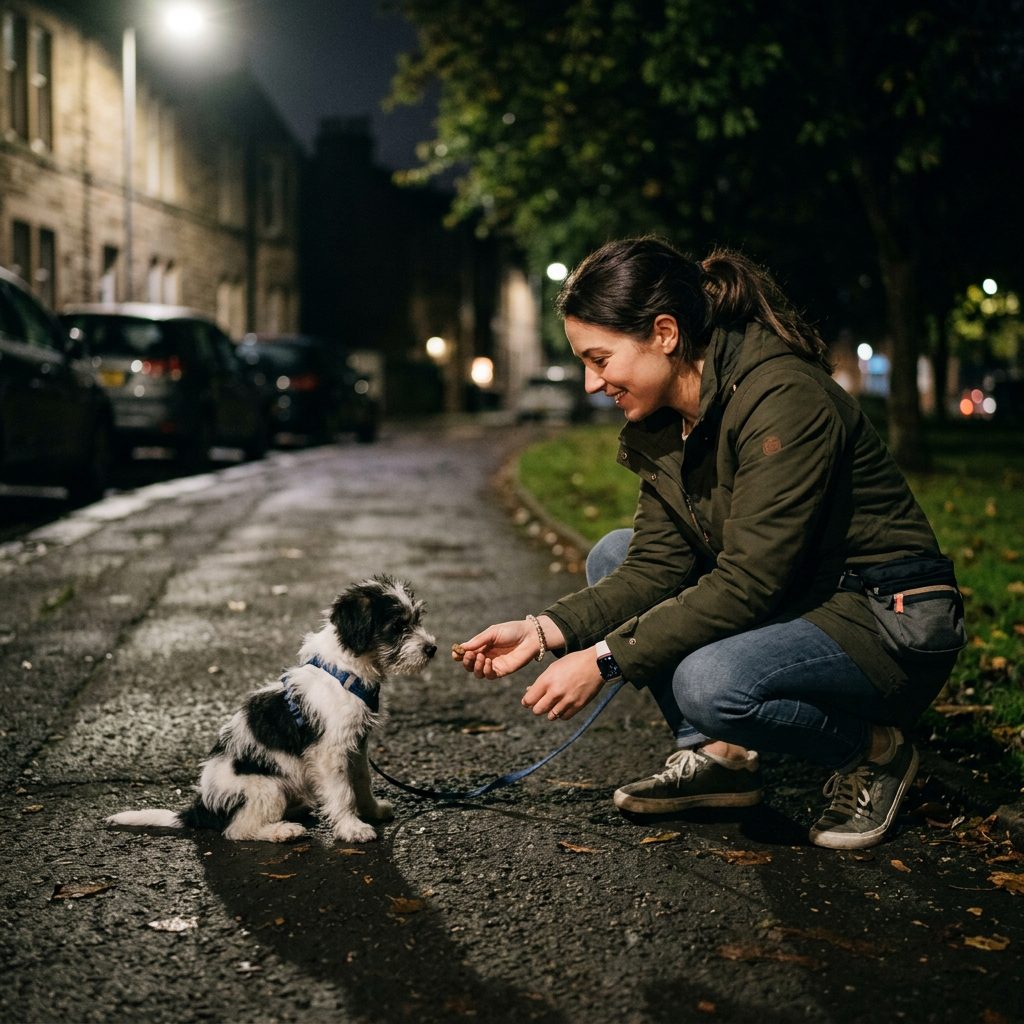
Even the most savvy dog owners can accidentally reinforce their puppy’s fears if they aren’t careful. When working through the 5 steps above, be highly conscious of avoiding these common pitfalls:
- Forcing the Issue: Never drag a terrified puppy by the leash. If they are pancaked to the ground, dragging them removes their agency and confirms that the environment is indeed terrifying. If they absolutely cannot move forward, cheerfully lure them back toward home.
- Accidental Reinforcement: There is a fine line between comforting a dog and reinforcing their fear. Petting a trembling dog and speaking in a worried, high-pitched voice validates their panic. Instead, project calm confidence. Reward bravery, not panic.
- Skipping the Day Walks: Do not stop walking your dog during the day just because you are focusing on night training. They still need their physical exercise and mental stimulation in an environment where they feel safe. A tired puppy is generally a less anxious puppy.
- Ignoring Health Issues: If your puppy’s fear of the dark appears incredibly suddenly or seems extreme, it is always worth a quick check-in with your veterinarian. In rare cases, sudden nighttime reluctance can be linked to early-onset vision issues or an ear infection affecting their balance in low light.
Patience is your greatest asset here. Every puppy learns at their own pace. Some might overcome their fear in three days using the Twilight Transition, while others might need three weeks of the Magic Pocket technique before they feel comfortable leaving the driveway. Celebrate the small victories, stay consistent, and keep the experience as positive as possible.
Conclusion
Stepping Confidently Into the Night
Helping your puppy overcome their fear of night walks is a journey that requires empathy, consistency, and a solid game plan. By understanding how they perceive the dark, gearing up properly, and implementing these five positive-reinforcement strategies, you are doing much more than just getting them to pee before bedtime. You are actively building their self-esteem and strengthening the bond of trust between the two of you.
Remember, there is no rush. Whether it takes a few twilight strolls or a month of high-value chicken treats, the goal is to show your puppy that the dark isn’t full of monsters—it is just a different, quieter playground. Stay patient, keep your energy light and confident, and before you know it, your puppy will be leading the way under the moonlight. Happy walking!