Gross but True: 6 Guaranteed Ways To Stop Your Puppy From Eating Poop
Let’s be completely honest: there is nothing quite like the horror of watching your adorable, fluffy puppy finish their business in the backyard, only to turn around and decide it looks like a gourmet snack. It’s the ultimate ‘gross-out’ moment for any pet parent. You want to shower them with kisses, but the thought of where that mouth has been makes you want to reach for the industrial-strength mouthwash instead.
As a canine specialist, I can tell you that you are definitely not alone. This behavior, scientifically known as coprophagia, is surprisingly common in the puppy world. While it feels like a personal affront to your hygiene standards, for a puppy, it’s often a mix of instinct, curiosity, and sometimes a cry for help regarding their health or diet. But just because it’s ‘natural’ in some contexts doesn’t mean we want it to continue. Not only is it stomach-churning, but it can also lead to the ingestion of parasites and bacteria.
In this comprehensive guide, we are going to move past the ‘yuck’ factor and get down to business. I’m sharing six guaranteed, expert-vetted ways to stop your puppy from eating poop for good. We’ll cover everything from immediate management tactics to long-term behavioral training and nutritional adjustments. By the end of this article, you’ll have a clear roadmap to a poop-free palate and a much fresher-smelling puppy.
Understanding the ‘Why’: Is it Medical or Behavioral?
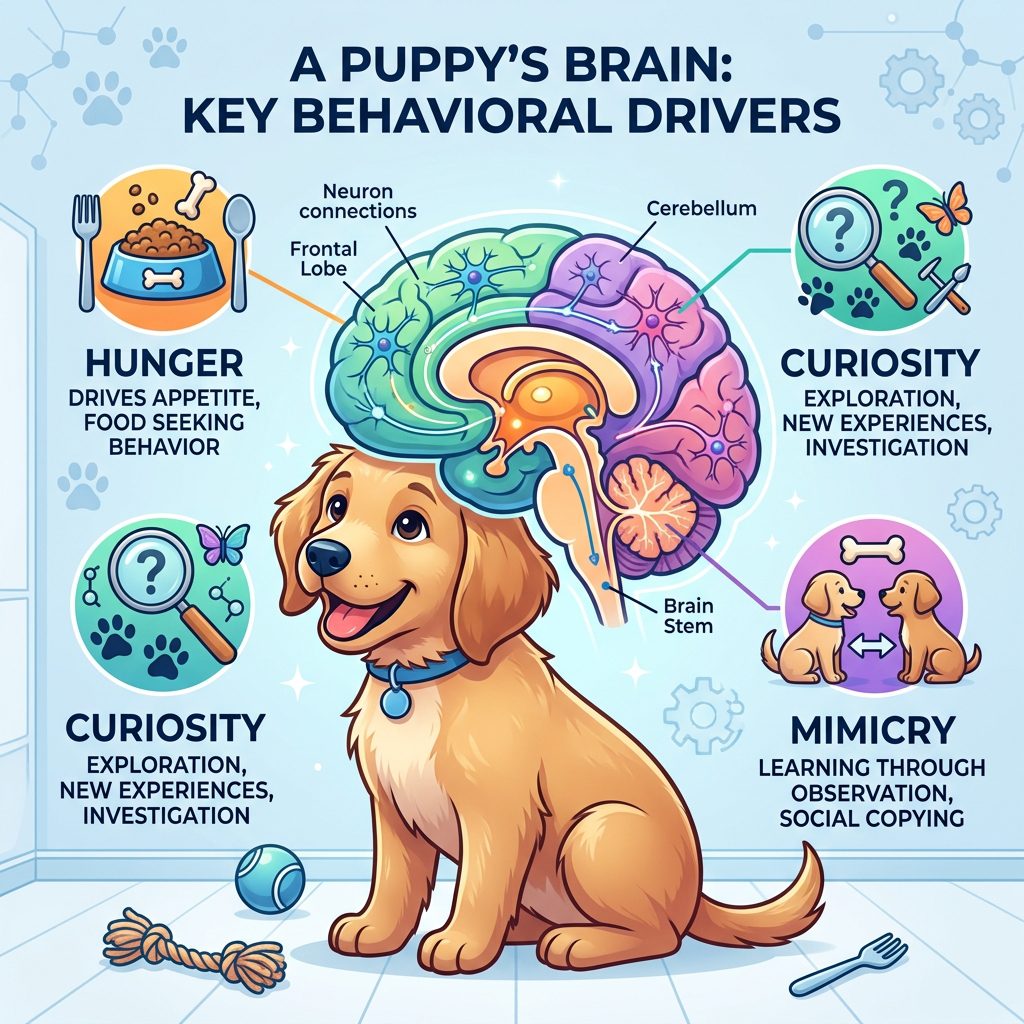
Before we can fix the problem, we have to understand the root cause. Puppies don’t do this to annoy you; they usually have a physiological or psychological driver. In the wild, mother dogs eat their puppies’ waste to keep the ‘den’ clean and hide the scent from predators. Puppies often mimic this behavior or do it out of sheer curiosity—exploring the world with their mouths is what they do best!
Behavioral Triggers
Sometimes, it’s about attention. If your puppy picks up a piece of stool and you immediately scream and chase them, they might think, ‘Hey, this is a great game!’ Boredom and anxiety can also play huge roles. A puppy left alone in a kennel for too long may eat their own waste simply because they have nothing else to do or they are anxious about their environment.
Medical and Nutritional Factors
On the flip side, your puppy might be seeking out nutrients they aren’t getting elsewhere. If their food is low quality or if they have a malabsorption issue, they might try to ‘recycle’ the nutrients. Parasites can also leach nutrients from your puppy, leaving them feeling constantly hungry.
| Category | Potential Cause | Description |
|---|---|---|
| Behavioral | Maternal Mimicry | Puppies copy their mother’s cleaning habits. |
| Behavioral | Attention Seeking | Puppy learns that eating poop gets a big reaction from the owner. |
| Medical | Enzyme Deficiency | The body isn’t breaking down food properly, leaving it smelling like ‘food’ in the stool. |
| Medical | Parasites | Worms stealing nutrients, leading to increased hunger and pica. |
| Nutritional | Low-Quality Diet | Fillers in cheap food aren’t digestible, making the waste more ‘appealing’. |
Expert Tip: If your puppy is eating the waste of other animals, like cats or horses, it’s often because those stools are high in protein or fats that smell like food to a dog.
Way 1: The ‘Poop Fairy’ Method (Management and Sanitation)
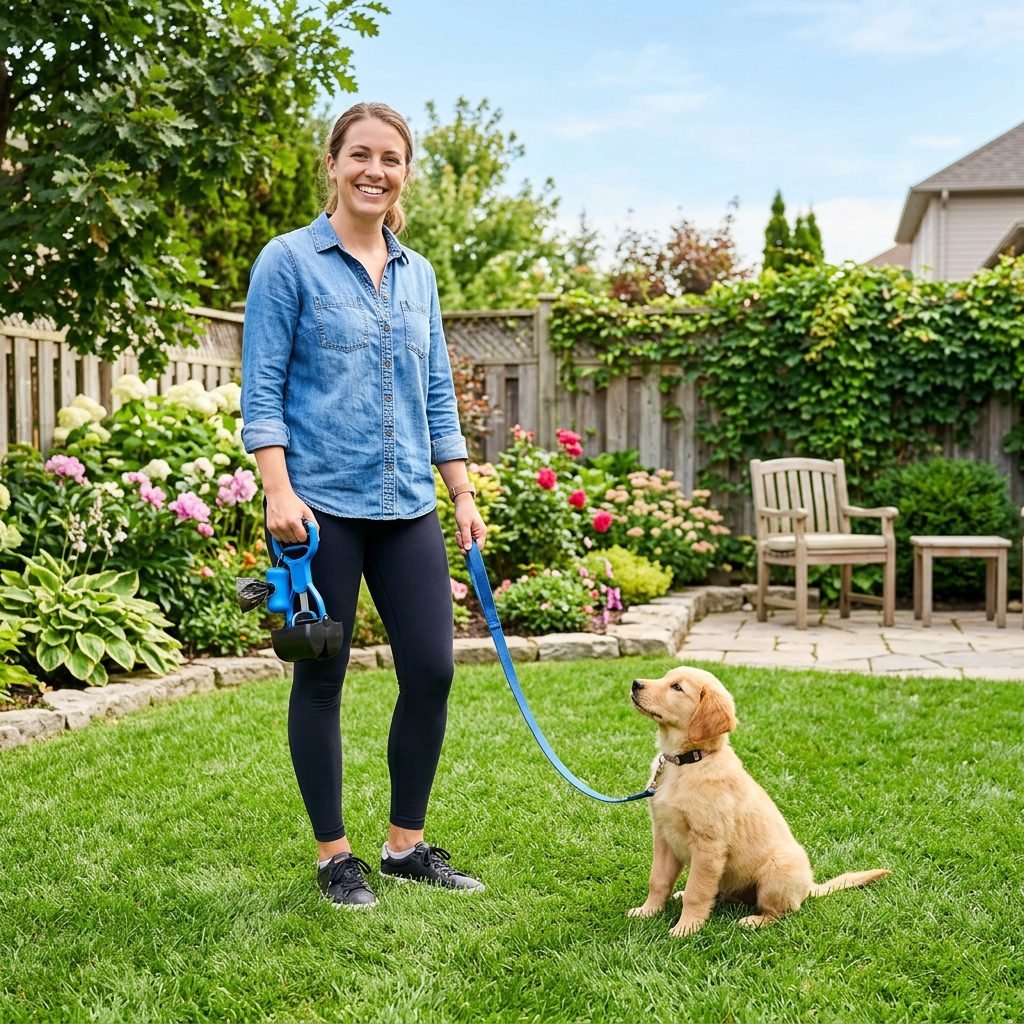
The absolute most effective way to stop a puppy from eating poop is to remove the opportunity entirely. This sounds simple, but it requires 100% consistency. If the ‘snack’ isn’t there, they can’t eat it. This is what I call the Management Phase.
Immediate Cleanup
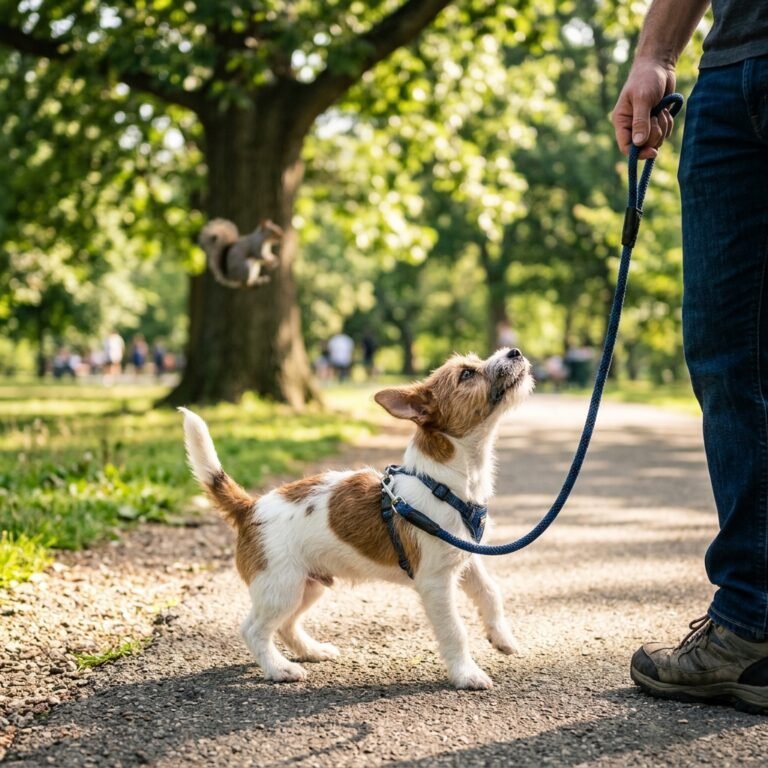
You need to become the fastest scooper in the neighborhood. When you take your puppy out to potty, go with them on a leash. The moment they finish their business, lead them away, reward them with a high-value treat, and then immediately pick up the waste. Do not leave it in the yard for later. For savvy owners, a dedicated ‘poop bin’ with a tight-sealing lid is a must-have tool.
Supervised Potty Breaks
Until the habit is broken, ‘free-roaming’ in the backyard is off-limits. If you let your puppy out alone, you are giving them a buffet. By keeping them on a leash, you maintain control over their focus. This also gives you the perfect opportunity to reward them for not turning around to investigate the stool.
- Use a Pooper Scooper: Keep it near the door so you never have an excuse to wait.
- Flashlight for Night Trips: Don’t let the darkness be an excuse for missing a spot.
- Sanitize the Area: Occasionally use pet-safe outdoor cleaners to remove lingering odors that might attract the puppy back to the same spot.
Way 2: Mastering the ‘Leave It’ Command
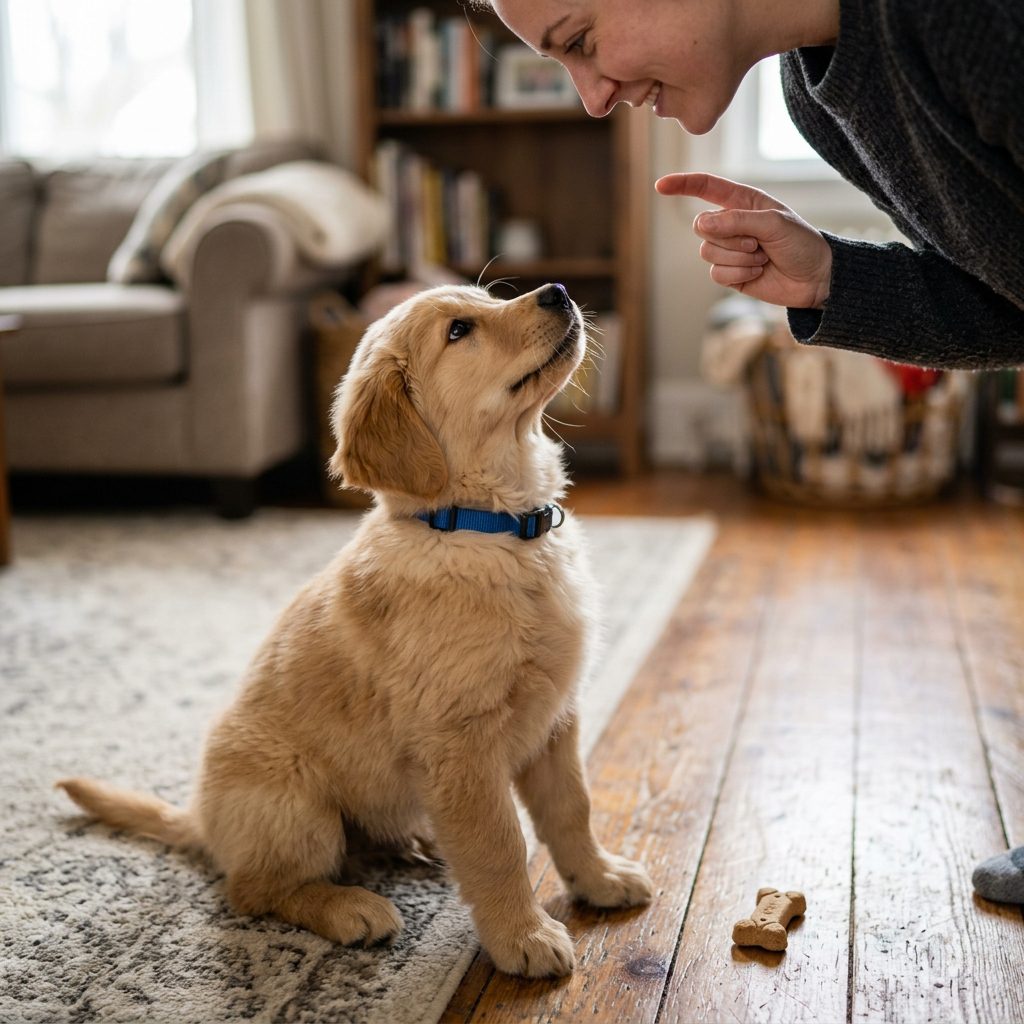
Training is the cornerstone of long-term success. The ‘Leave It’ command is perhaps the most versatile tool in your puppy training arsenal. It tells your puppy that whatever they are looking at is off-limits and that paying attention to you is much more rewarding.
How to Teach ‘Leave It’
- Start Small: Hold a low-value treat in a closed fist. Let the puppy sniff and lick. When they stop and pull away for even a second, say ‘Yes!’ and give them a high-value treat from your other hand.
- Open Palm: Once they master the fist, try an open palm. If they move toward it, cover it up. Reward them only when they look away.
- Floor Training: Place a treat on the floor and cover it with your foot. Use the ‘Leave It’ cue. When they look at you instead of your foot, reward them.
- Real-World Application: Eventually, practice this on walks with ‘decoy’ items (like a toy) before moving to the actual ‘forbidden snacks’ in the yard.
Consistency is key here. You want the ‘Leave It’ cue to be a muscle memory response. When you see your puppy even glance at a piece of stool, the command should snap their attention back to you immediately.
Remember: Never punish your puppy for eating poop after the fact. They won’t associate the punishment with the act that happened minutes ago; they will only learn to be afraid of you.
Way 3: Dietary Additives and Taste Deterrents
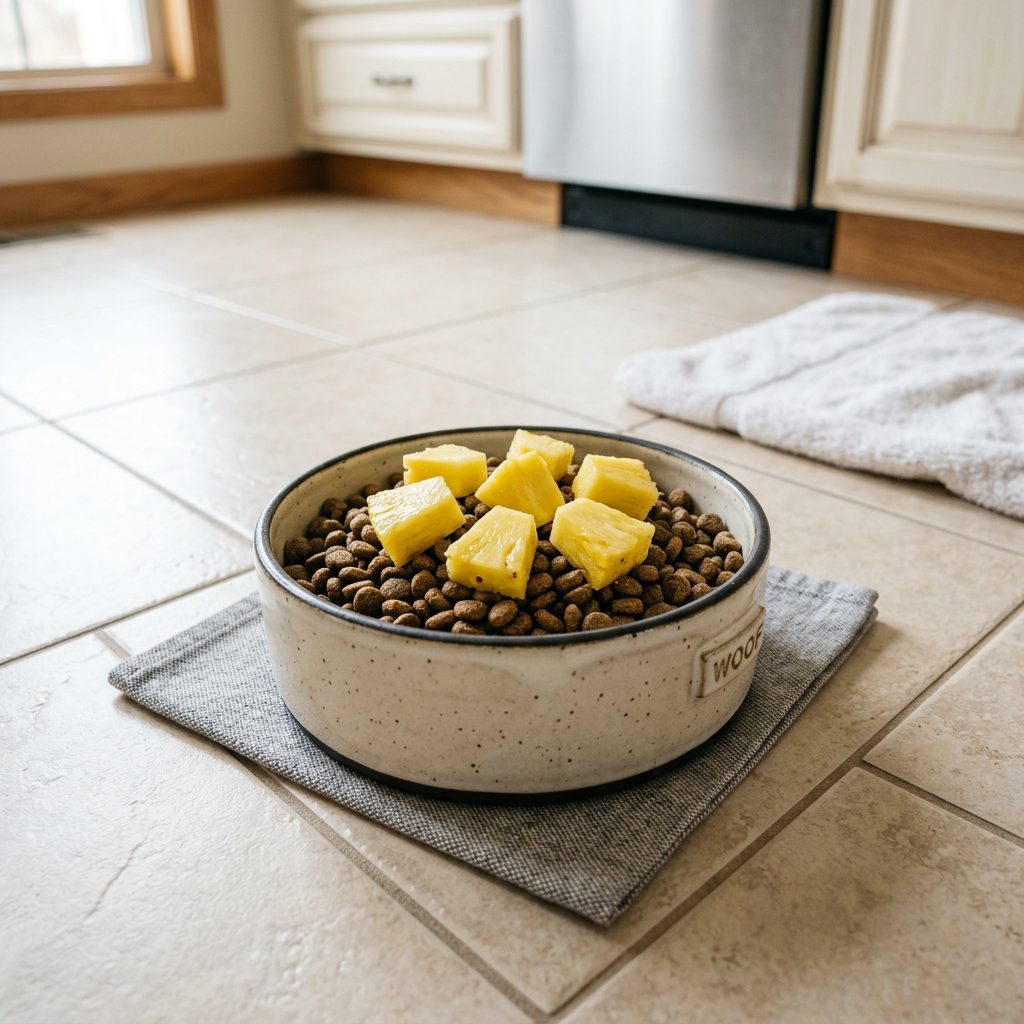
If management and training need a boost, we can look at the ‘flavor’ of the waste itself. There are several safe, non-toxic additives you can put into your puppy’s food that make their stool taste absolutely terrible to them (even worse than it already is!).
Natural Additives
Many owners find success with simple kitchen staples. Pineapple is a classic choice; it contains bromelain, an enzyme that changes the scent and taste of the stool once digested. Canned pumpkin (not pumpkin pie filling!) is another great option—it adds fiber and somehow makes the output less appealing.
Commercial Deterrents
There are many over-the-counter tablets and powders specifically designed for coprophagia. These usually contain ingredients like MSG, peppermint, or capsicum. The goal is to create a negative sensory association. When the puppy tries to eat the stool, the unpleasant taste acts as a natural deterrent.
| Additive | How it Works | Dosage Note |
|---|---|---|
| Pineapple (Fresh/Canned) | Bromelain enzymes change stool pH. | Small chunks only; high sugar content. |
| Canned Pumpkin | Adds fiber and alters taste. | 1-2 tablespoons per meal. |
| Commercial Tabs | Contains bittering agents. | Follow label based on weight. |
| For-Bid™ | Purified plant protein. | Sprinkle on food as directed. |
Note: If you have a multi-dog household, you must give the deterrent to ALL dogs. Otherwise, the puppy will just move on to the ‘untreated’ snacks provided by their siblings!
Way 4: Upgrading Nutrition and Digestive Health
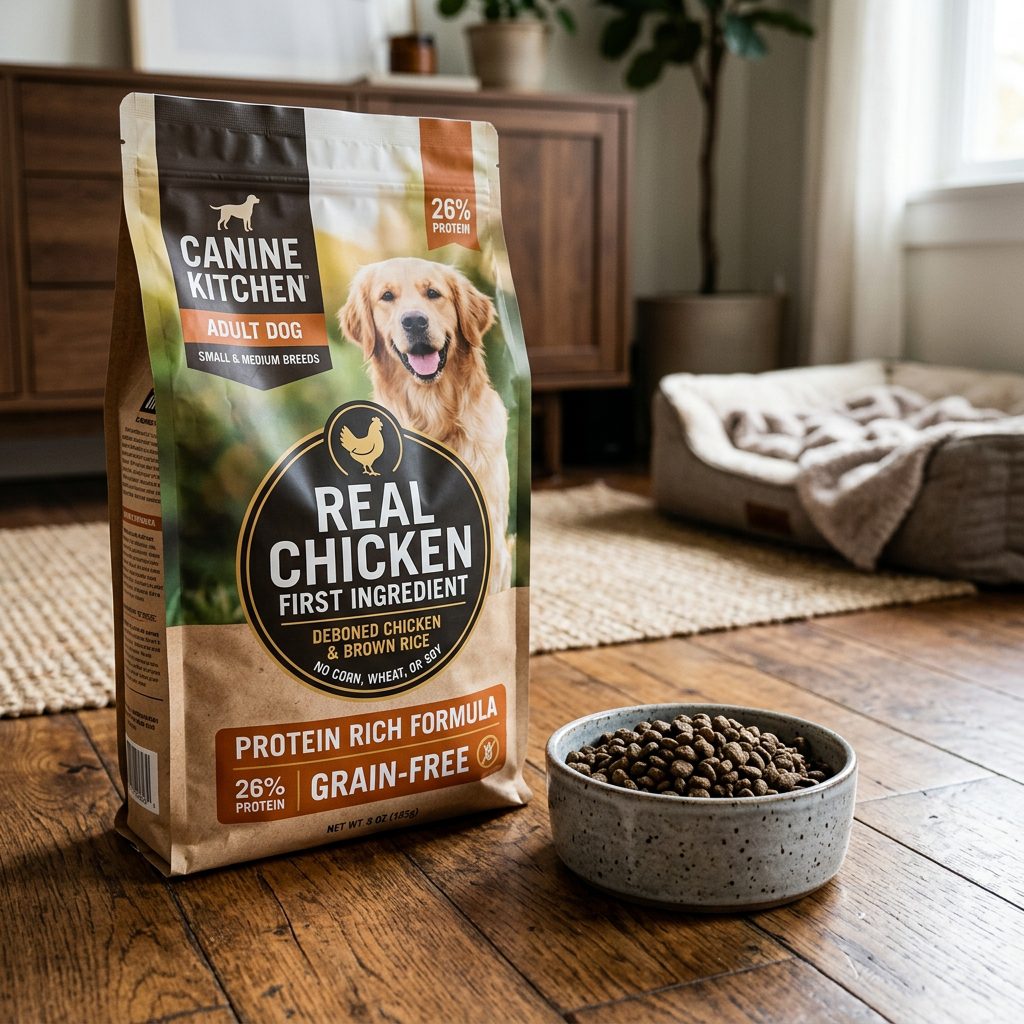
Sometimes, the urge to eat poop comes from a genuine nutritional deficiency. If a puppy’s body isn’t absorbing enough minerals or vitamins, their instincts drive them to seek those nutrients elsewhere. High-quality nutrition can often eliminate the ‘hunger’ for waste.
The Importance of Bioavailable Protein
Check the back of your dog food bag. Is the first ingredient a specific meat (like ‘Chicken’ or ‘Lamb’) or is it ‘Meat By-Product’ or ‘Cereal Grain’? Cheap fillers pass through the puppy’s system largely undigested. This means the resulting stool still smells very much like the original food, which is highly enticing to a hungry pup.
Digestive Enzymes and Probiotics
Adding a probiotic or a digestive enzyme supplement can help your puppy break down their food more efficiently. When the food is fully digested, the stool becomes less ‘nutritious’ and less interesting to the puppy. It also ensures they are getting the maximum benefit from every meal, which can curb the pica-like behaviors.
- Switch to Grain-Free? Not necessarily, but look for low-filler options.
- Increase Meal Frequency: Puppies have tiny stomachs. If they get too hungry between meals, they might scavenge. Try 3-4 small meals a day instead of 2 large ones.
- Vitamin B Supplementation: Some studies suggest a link between Vitamin B deficiency and coprophagia. Consult your vet about a B-complex supplement.
Way 5: Enrichment and Anxiety Management
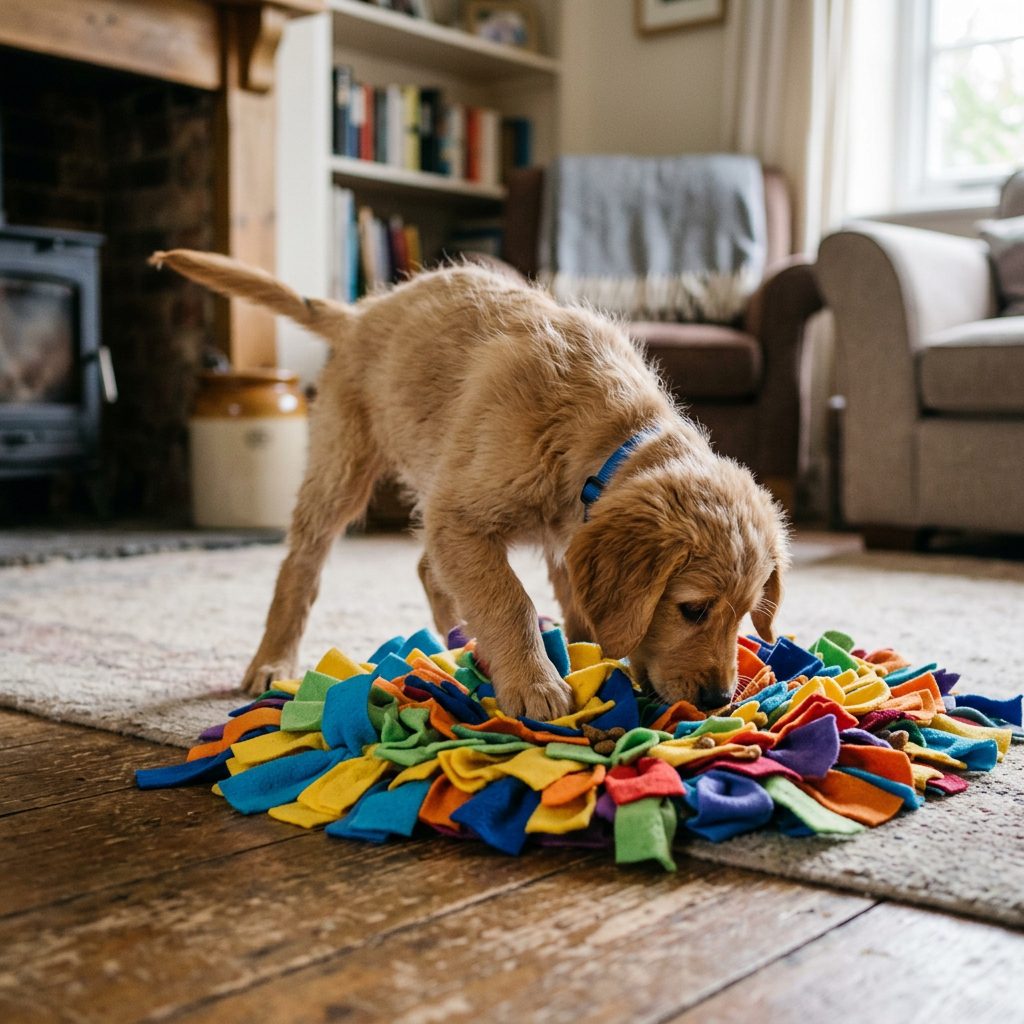
A bored puppy is a creative puppy—and usually, that creativity leads to trouble. If your puppy is left in a yard or a crate with nothing to do, they will find their own entertainment. For some, that involves investigating and consuming waste.
Mental Stimulation
Provide your puppy with interactive toys that challenge their brain. Snuffle mats, Kongs stuffed with frozen peanut butter, and puzzle feeders keep their mouths busy and their minds engaged. If they are mentally exhausted from a good training session or a puzzle, they are much less likely to go looking for ‘forbidden snacks’.
Reducing Stress
Environmental stress can also trigger coprophagia. If a puppy is punished harshly for ‘accidents’ in the house, they may eat the evidence to avoid getting in trouble. This is a fear-based response. Always use positive reinforcement for potty training. If they have an accident, quietly clean it up with an enzymatic cleaner and resolve to take them out more frequently.
Exercise Needs
Physical exercise is just as important as mental stimulation. A tired puppy is a good puppy. Ensure they are getting age-appropriate walks and play sessions. This helps regulate their digestive system and reduces the restless energy that leads to scavenging.
Way 6: When to See the Veterinarian
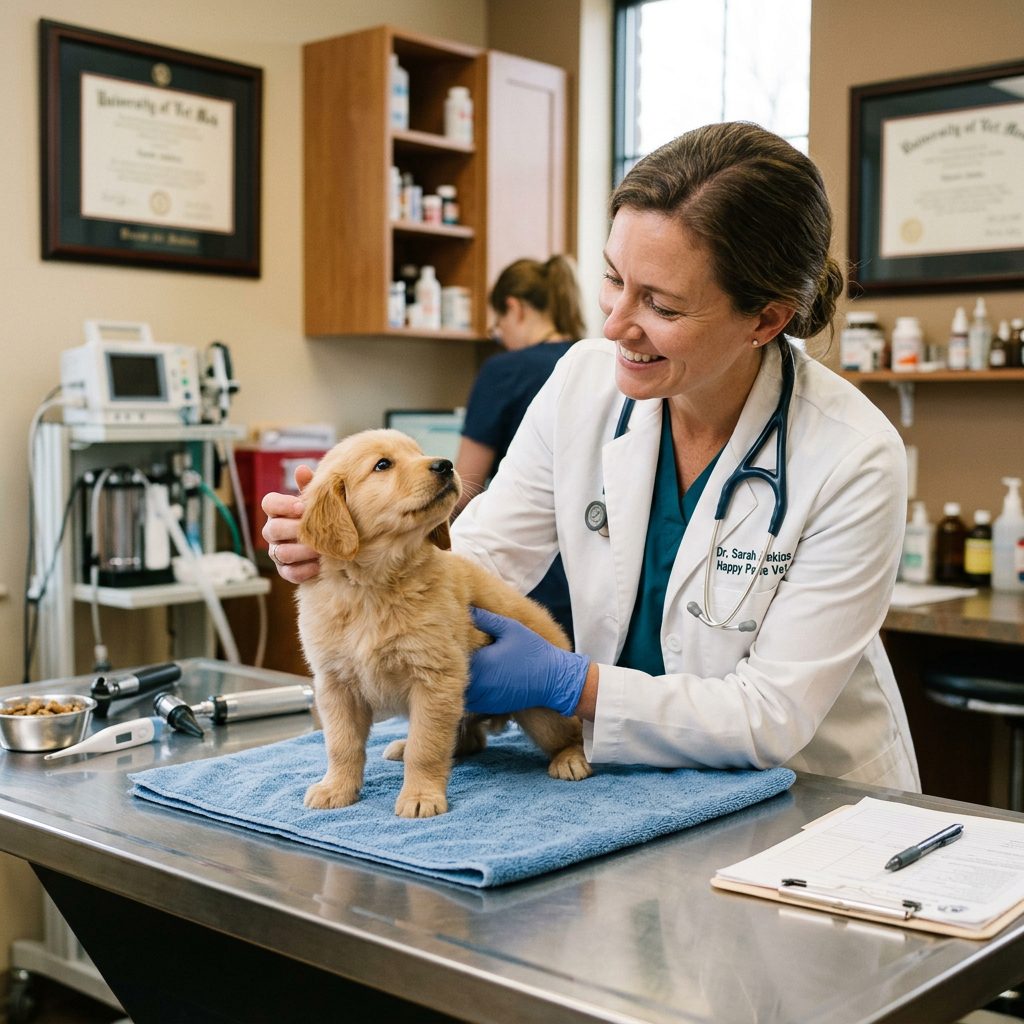
If you have tried management, training, and dietary changes and your puppy is still obsessed with eating poop, it is time for a professional medical evaluation. While most cases are behavioral, some can be symptoms of underlying health issues.
What Your Vet Will Check For
Your vet will likely start with a fecal exam to rule out intestinal parasites like roundworms, hookworms, or giardia. These parasites compete for the puppy’s nutrients, making them ravenously hungry. They may also perform blood tests to check for pancreatic insufficiency or other malabsorption syndromes.
Medical Conditions Linked to Coprophagia
Conditions like Diabetes, Cushing’s disease, or thyroid issues can cause an increase in appetite (polyphagia), which may manifest as eating stool. While these are less common in young puppies, they are always worth ruling out if the behavior is extreme.
Checklist for your Vet Visit:
- When did the behavior start?
- Is the puppy losing weight despite eating?
- Is the stool consistency normal?
- Do they eat their own poop, or the poop of other animals?
- Are they showing other signs of pica (eating rocks, dirt, or fabric)?
Conclusion
Stopping a puppy from eating poop is a marathon, not a sprint. It requires a combination of hyper-vigilant management, consistent positive reinforcement training, and a keen eye on their nutritional needs. Remember that while this habit is undeniably gross to us, your puppy isn’t doing it to be ‘bad’—they are just being a dog.
By implementing the ‘Poop Fairy’ method for cleanliness, mastering the ‘Leave It’ command, and ensuring their diet is top-notch, you are setting your puppy up for success. Be patient, stay consistent, and don’t lose heart. Most puppies will outgrow this phase with the right guidance. Soon enough, those puppy kisses will be something you look forward to again, rather than something you dodge! Keep up the great work, savvy dog owners—your clean yard and fresh-breathed pup will thank you.