Don’t Get Stuck! How to Train a Stubborn Puppy to Walk Through Puddles Without Fear
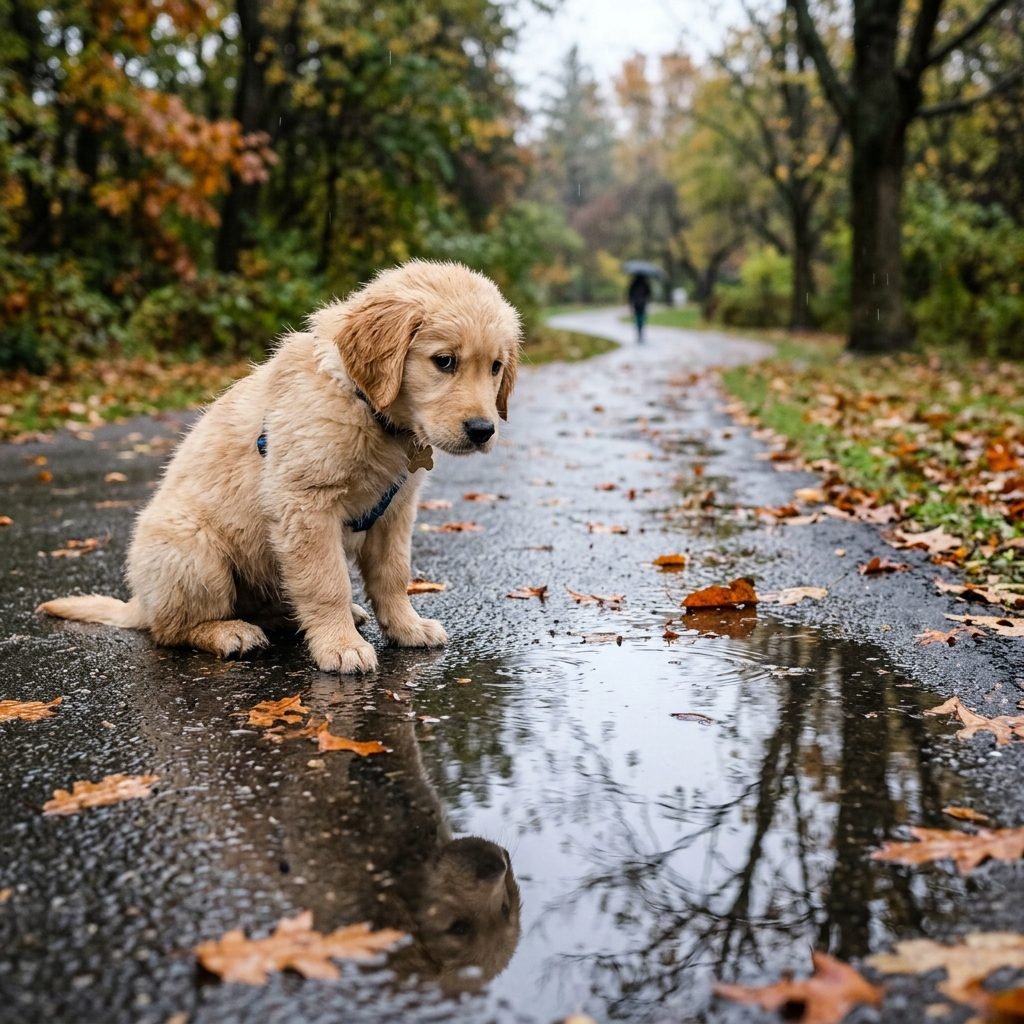
It starts with a simple walk. The sun is peeking through the clouds after a light rain, the air is fresh, and your puppy is trotting along happily—until they see it. The Puddle. To you, it is a half-inch of standing water on the sidewalk. To your puppy, it might as well be a bottomless abyss filled with monsters. Suddenly, your four-legged friend transforms into a furry anchor. They plant their paws, lean back, and refuse to budge. If you try to pull, they resist harder. If you try to lure, they look at you like you have lost your mind.
First of all, take a deep breath. You are not alone! This is an incredibly common hurdle (pun intended) for new puppy owners. While it might feel like your puppy is just being ‘stubborn,’ there is usually a complex mix of sensory overload and natural instinct happening under that fluffy exterior. In this guide, we are going to dive deep—not into the puddle, yet!—into the psychology of why puppies fear water and provide a comprehensive, step-by-step training plan to turn your puddle-shunner into a confident splasher. We will cover everything from the gear you need to the subtle body language cues you should be watching for. By the end of this journey, rainy days will no longer be a source of frustration, but an opportunity for fun and bonding.
Understanding the ‘Puddle Panic’: Why Puppies Freeze
Before we can fix the behavior, we have to understand the ‘why.’ Calling a puppy ‘stubborn’ is a human label we apply to a dog that is actually experiencing conflict. When your puppy stops at a puddle, they aren’t trying to annoy you or ruin your schedule. They are processing a massive amount of sensory information that their brain isn’t quite ready for yet.
The Mystery of Reflection and Depth
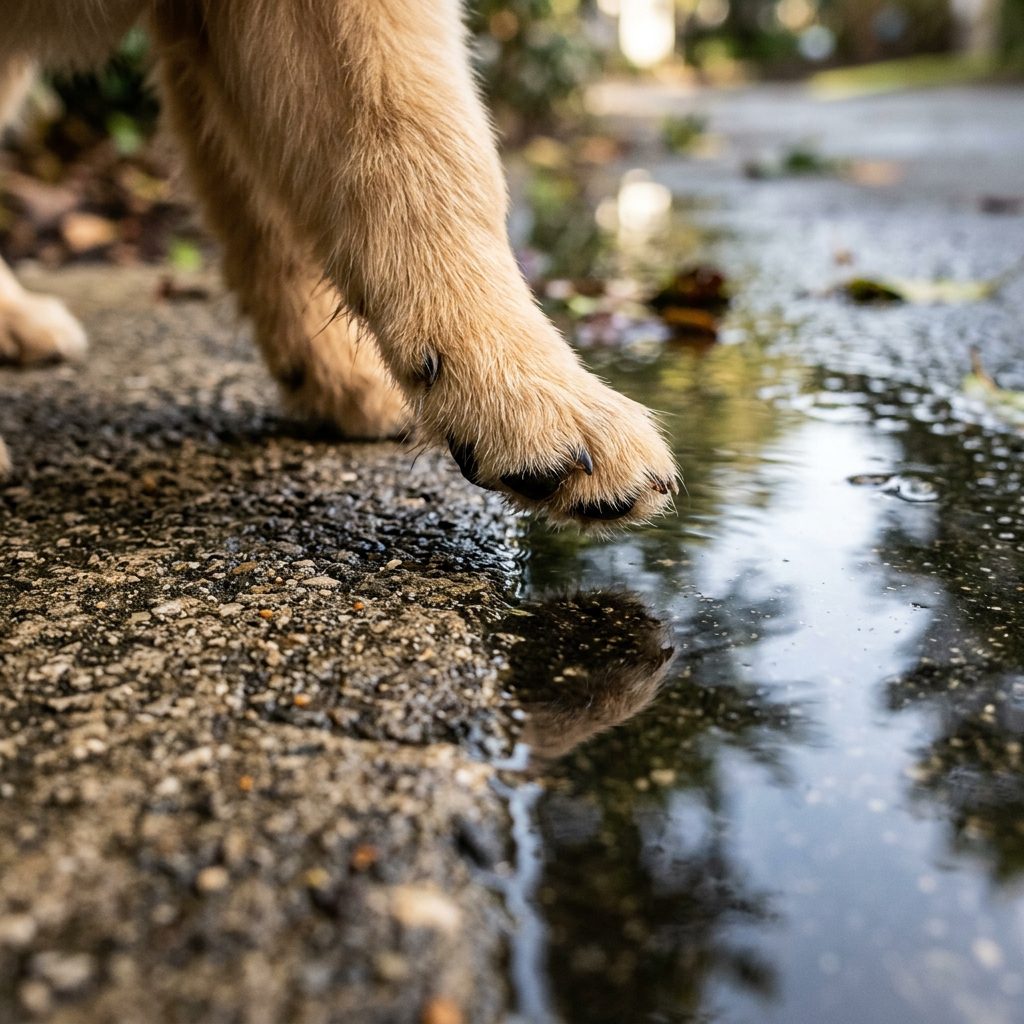
Canine vision is different from ours. Puppies, in particular, are still developing their depth perception. A puddle is a highly reflective surface. To a puppy, that reflection can look like a hole in the ground or a strange, shifting portal. They see the sky reflected in the water and their brain says, ‘Stop! This isn’t solid ground!’
Sensory Sensitivity
A puppy’s paw pads are incredibly sensitive. The cold, wet sensation of water is a brand-new tactile experience. If they haven’t been desensitized to different textures, the sudden transition from dry pavement to cold, wet, and potentially slippery water can be jarring. It triggers a ‘startle’ response, which leads to the freezing behavior you see on the leash.
Pro Tip: Remember that puppies go through ‘fear periods.’ If your previously brave puppy suddenly becomes terrified of puddles at 4 or 5 months old, they might just be in a developmental stage where they are more sensitive to new stimuli.
The Puddle Toolkit: Essential Gear for Rainy Training
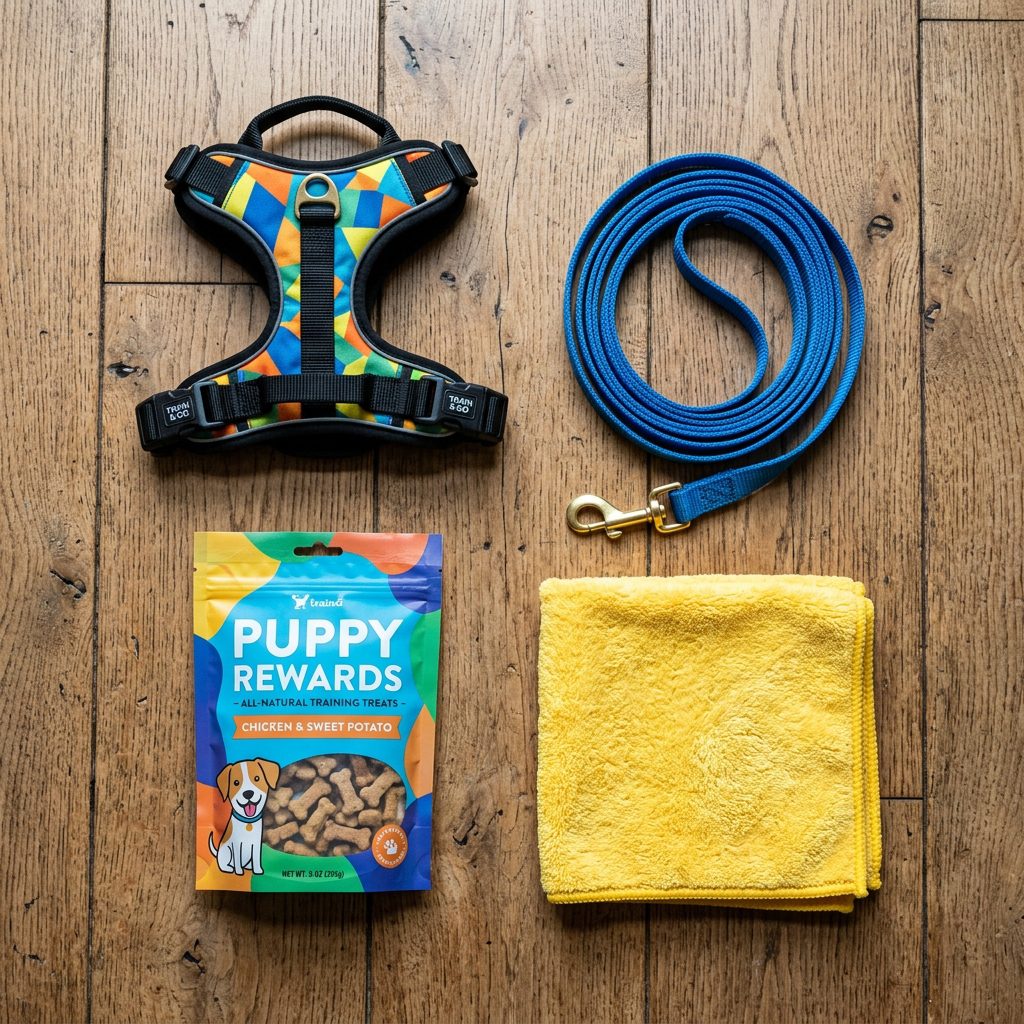
Success in training often depends on having the right tools. You want to make the experience as comfortable and rewarding as possible. If you are struggling with a puppy who hates the wet, consider if your gear is helping or hindering the process.
| Tool | Purpose | Why It Helps |
|---|---|---|
| High-Value Treats | Motivation | Standard kibble won’t cut it. Use boiled chicken or cheese to create a strong positive association. |
| Long Training Lead | Freedom of Movement | A 10-15 foot leash allows the puppy to investigate the puddle without feeling tension from your hand. |
| Non-Slip Boots (Optional) | Paw Protection | For some puppies, the cold is the issue. Boots can provide a barrier while they get used to the visual of water. |
| Microfiber Towel | The ‘After-Party’ | Drying off immediately after a successful crossing makes the ‘scary’ part end on a cozy note. |
Choosing the Right Harness
When training a puppy to move through an obstacle they fear, avoid using a neck collar that might choke them if they pull back. A well-fitted Y-shaped harness distributes pressure across the chest, making them feel more secure and allowing you to guide them gently without causing pain or panic.
Step-by-Step Training: From Pavement to Puddle
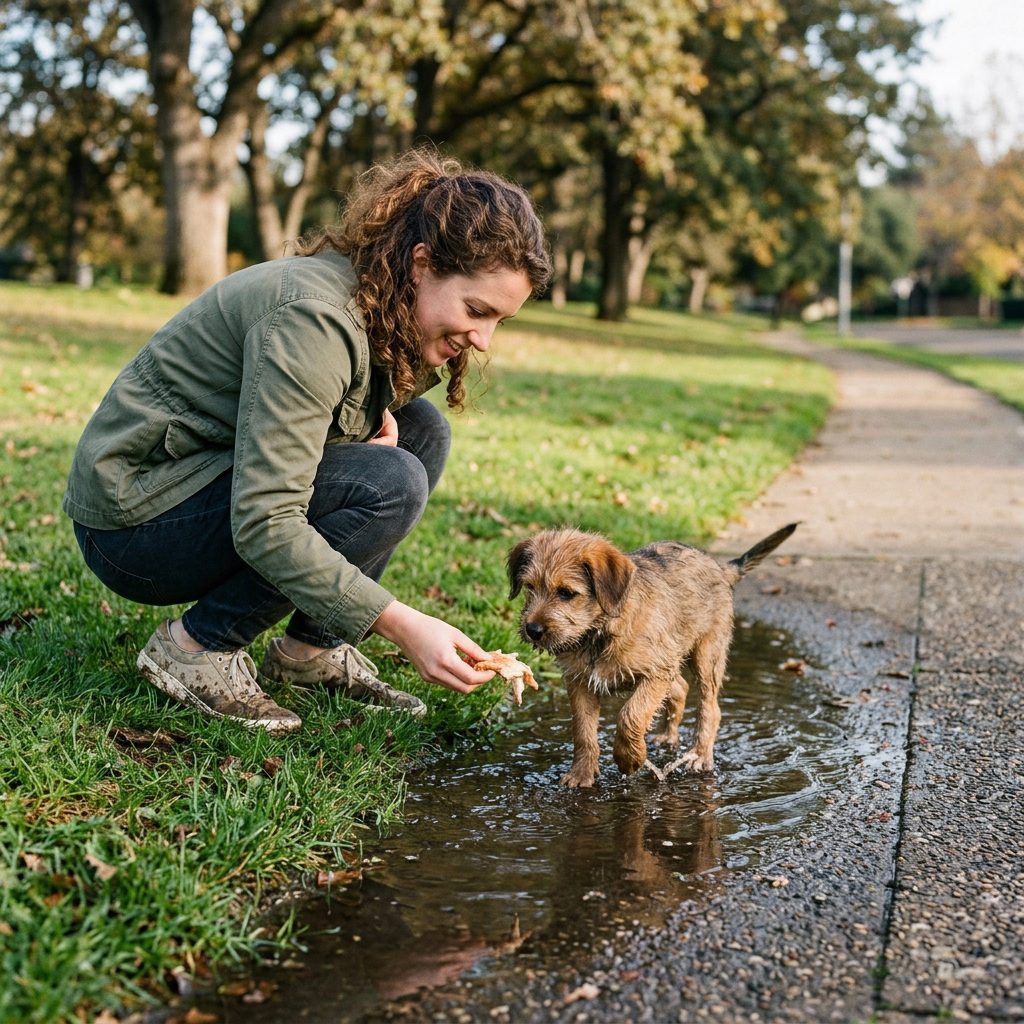
We are going to use a technique called desensitization and counter-conditioning. This means we are slowly introducing the scary thing (the puddle) while providing something the puppy loves (treats and praise).
Step 1: The ‘Dry’ Run
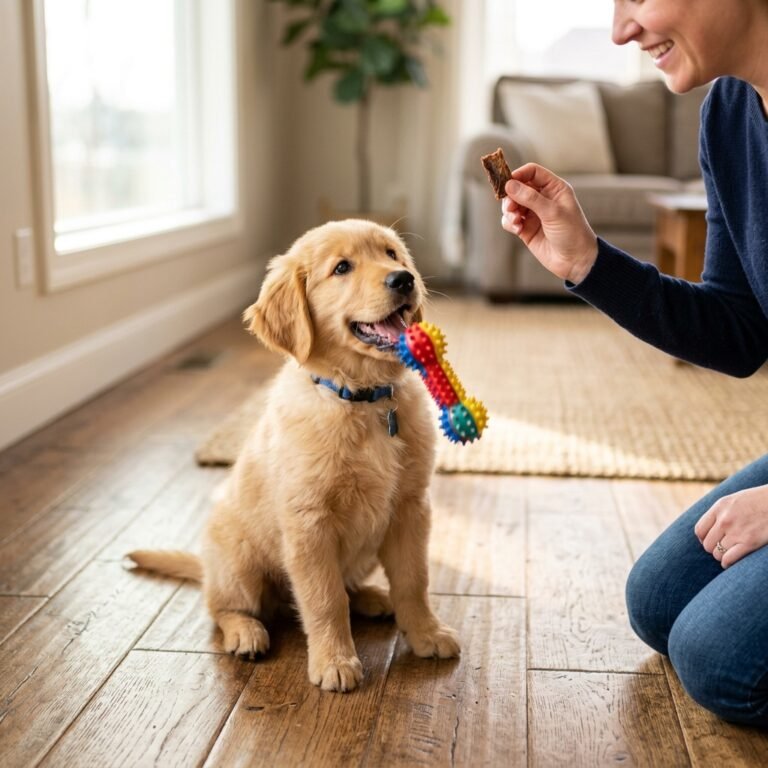
Start at home on a dry day. Create ‘artificial’ puddles using a shallow baking tray or a plastic lid with just a tiny bit of water. Place it in the middle of the living room and let your puppy investigate it at their own pace. Every time they sniff it, give them a treat. When they accidentally step in it, throw a ‘treat party’!
Step 2: Luring with High-Value Rewards
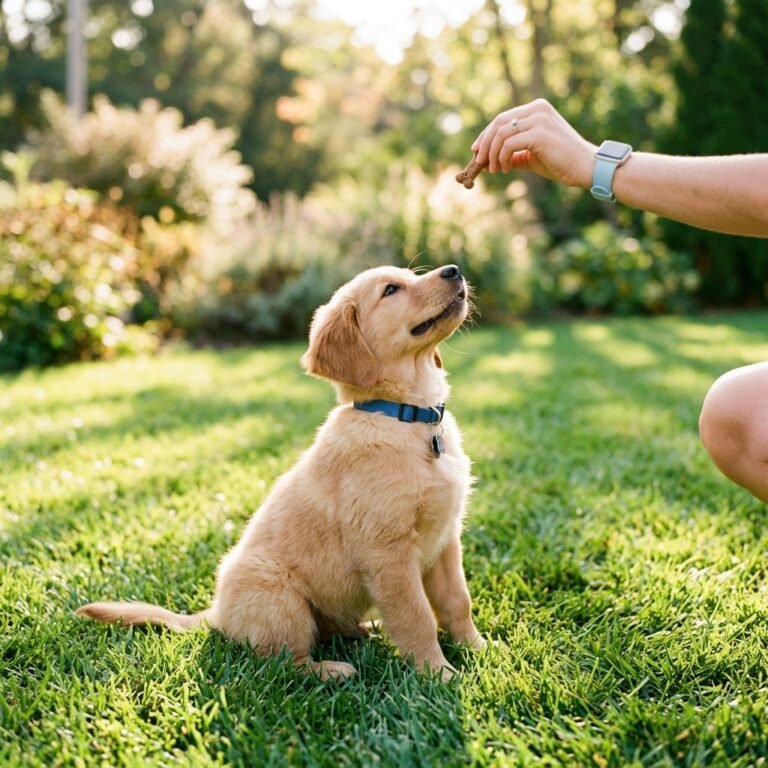
Once you are outside and encounter a real (small) puddle, do not pull the leash. Instead, crouch down on the other side of the puddle. Hold a high-value treat right at their nose level and slowly move it across the water. You want them to focus on the treat so much that they ‘forget’ they are stepping into the water.
Step 3: The ‘Follow the Leader’ Method
Dogs are social learners. If you have a friend with a water-loving older dog, go for a pack walk. Seeing another dog happily splashing through a puddle can give your puppy the ‘social proof’ they need to realize the water isn’t dangerous. If you are alone, walk through the puddle yourself first! Show them it is safe by splashing gently and using a happy, upbeat voice.
Step 4: Increasing the Challenge
Gradually move from tiny, shallow puddles to slightly larger ones. Never force them. If they freeze, take two steps back to a dry area, let them reset, and try a smaller puddle. The goal is 100% success at each stage before moving to the next.
Troubleshooting: What to Do When They Freeze
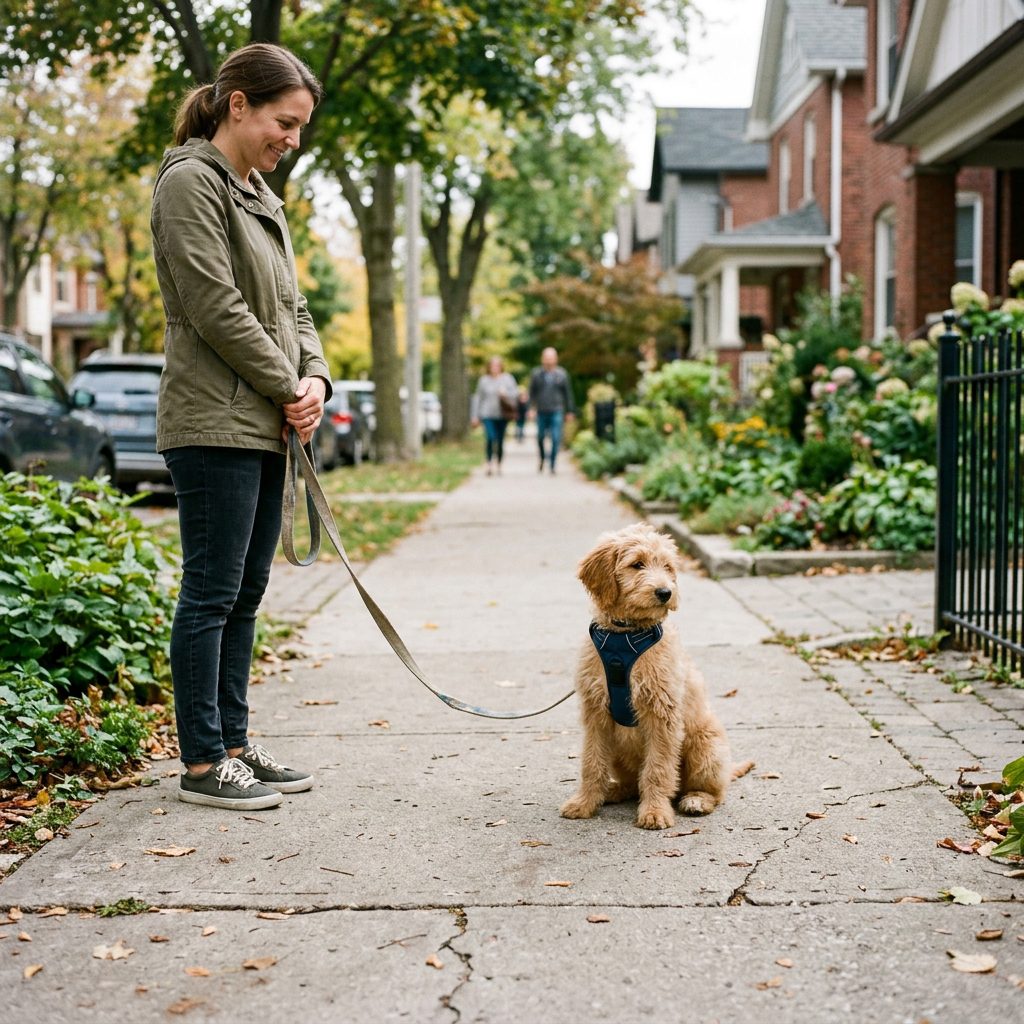
Even with the best training, there will be days when your puppy just says ‘No.’ How you handle these moments is crucial for long-term success. The biggest mistake owners make is getting frustrated and dragging the puppy through the water.
Don’t Pull the Leash
When a dog feels tension on their neck or chest, their natural ‘opposition reflex’ kicks in. They will automatically lean in the opposite direction. If you pull forward, they pull back. Instead, keep the leash loose. If they won’t move, try moving laterally (sideways) rather than forward. Often, a change in angle is enough to break the ‘freeze’ state.
The ‘Touch’ Command
If you have taught your puppy the ‘Touch’ command (where they touch their nose to your hand), use it! Hand targeting is a great way to move a dog’s body without putting pressure on the leash. It turns the ‘scary’ walk into a familiar game.
- Wait it out: Sometimes a puppy just needs 30 seconds to look at the water and realize it isn’t moving or attacking.
- Check for ‘Stacking’: If your puppy is already stressed by loud cars or other dogs, the puddle might be the ‘final straw.’ If they are overwhelmed, just end the walk and try again later.
- Use a ‘Bridge’: If a puddle is huge, look for a ‘dry path’ or a patch of grass next to it. Let them take the easy route first to build momentum.
Post-Puddle Care: Health and Hygiene
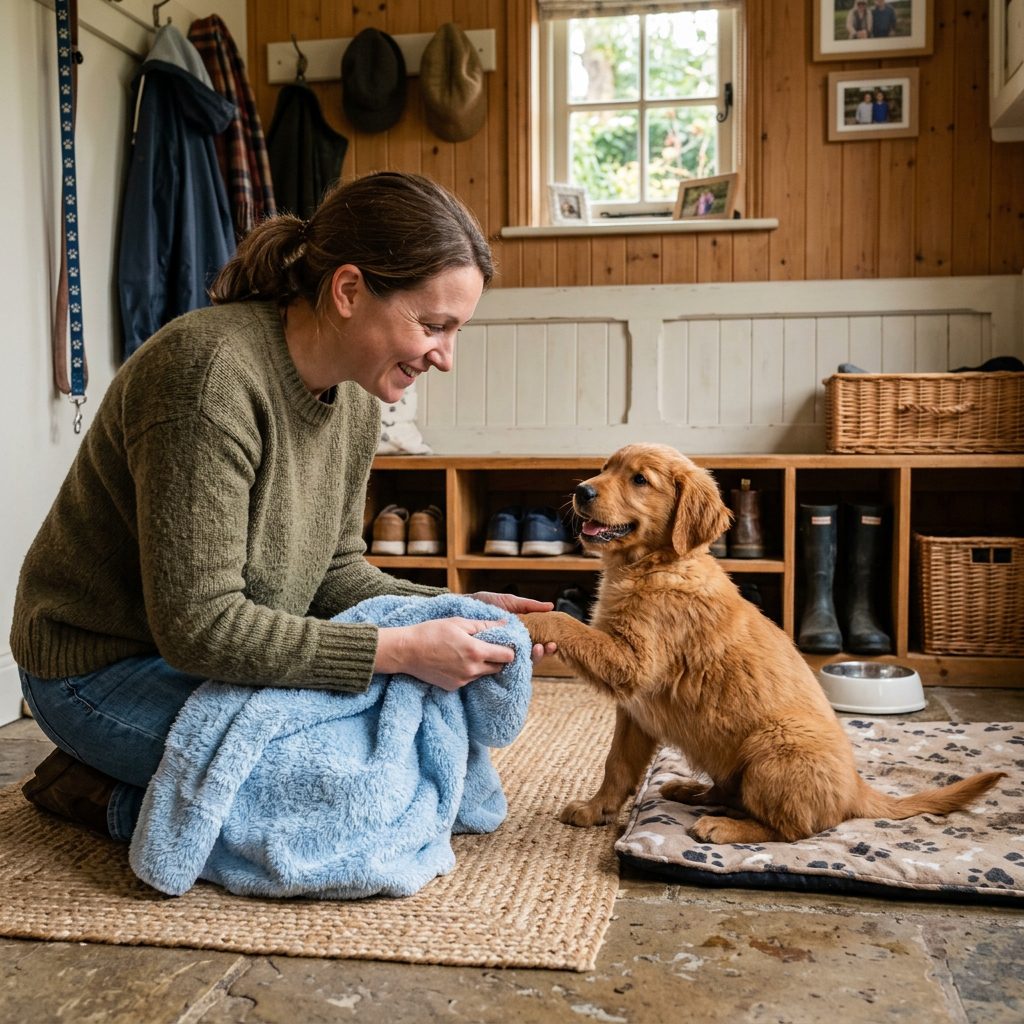
Walking through puddles isn’t just about behavior; it is also about health. City puddles can contain oil, antifreeze, or bacteria like Leptospirosis, which is spread through the urine of wildlife and can be dangerous for puppies.
The Cleaning Routine
Always carry a small towel or paw wipes. As soon as you get home—or even during the walk if the water was particularly dirty—wipe down your puppy’s paws. Check between the toes for any debris or small stones that might have been picked up in the water.
Drying is Key
Wet paws can lead to fungal infections or ‘pododermatitis’ if left damp for too long. Make sure to dry the fur thoroughly. If your puppy learns that after a wet walk comes a warm, cozy towel rub and a special ‘post-walk treat,’ they will actually start looking forward to those rainy outings!
Expert Tip: If your puppy has long hair between their paw pads, keep it trimmed. This reduces the amount of water and mud they soak up, making the experience less heavy and uncomfortable for them.
Conclusion
Training a puppy to walk through puddles is a marathon, not a sprint. It is a lesson in trust. Every time you wait patiently for your puppy to find their courage, or reward them for a brave splash, you are strengthening the bond between you. Remember that ‘stubbornness’ is just a puppy’s way of saying they aren’t quite sure yet. By using positive reinforcement, understanding their sensory world, and keeping things fun, you will eventually have a dog that doesn’t just walk through puddles—they might even start seeking them out for a good splash! Stay consistent, stay patient, and don’t forget your raincoat. Happy splashing!