
The Shocking Reason Your Puppy Freezes on Walks (And How to Cure It)
The Mystery of the Stationary Puppy
You have the leash ready, the treats packed, and your walking shoes laced up. You head out the door with your adorable new puppy, dreaming of a brisk, refreshing stroll through the neighborhood. But then, it happens. Three steps past the driveway, your puppy hits the brakes. They sit. They stare. They become an immovable furry anchor. You gently tug, you whistle, you offer a piece of premium chicken, but nothing works. They are frozen. If you have ever felt the frustration of standing on a sidewalk for twenty minutes while your puppy stares at a discarded soda can, you are not alone. Many savvy dog owners mistake this behavior for stubbornness, laziness, or even a sudden onset of canine defiance. However, as a canine specialist, I am here to tell you that the truth is far more fascinating and, quite frankly, a bit shocking. Your puppy is not being ‘bad’; they are experiencing a neurological phenomenon that we call an ‘Information Processing Logjam.’ In this comprehensive guide, we are going to dive deep into why this happens, how to read your puppy’s silent signals, and the exact step-by-step protocol to transform your stationary pup into a confident walker.
The Information Processing Logjam: Why They Really Freeze

The most shocking reason your puppy freezes is not that they do not want to walk; it is that their brain has literally run out of bandwidth. Imagine trying to download a high-definition feature film using a 1990s dial-up internet connection. That is exactly what is happening in your puppy’s developing brain. While you see a familiar street, your puppy sees a sensory explosion. Every breeze carries a thousand new scents, every distant car engine is a vibrating roar, and every blade of grass is a texture they have never encountered. When the ‘data’ becomes too much, the brain triggers a ‘freeze’ response as a protective mechanism. This is not a choice; it is a neurological system override.
The Fear Period Factor
Between the ages of 8 to 11 weeks, and again around 6 to 14 months, puppies go through ‘fear periods.’ During these windows, things that were perfectly fine yesterday can suddenly become terrifying. A fire hydrant they have passed a dozen times might suddenly look like a lurking monster. During these periods, the freeze response is heightened. Understanding that this is a developmental stage rather than a behavioral flaw is the first step to curing it. By pushing them too hard during these phases, you risk creating a long-term negative association with the outdoors.
The Survival Instinct
In the wild, a young animal that does not understand its environment has one primary defense: staying still. If they do not move, they are less likely to be spotted by a predator. This ancient survival instinct is still hardwired into your puppy’s DNA. When they freeze, they are essentially saying, ‘I do not know if this environment is safe yet, so I will remain invisible until I have gathered more data.’ Recognizing this as an instinctual safety check helps us approach the ‘cure’ with more empathy and less frustration.
Decoding the Body Language: Fear vs. Curiosity
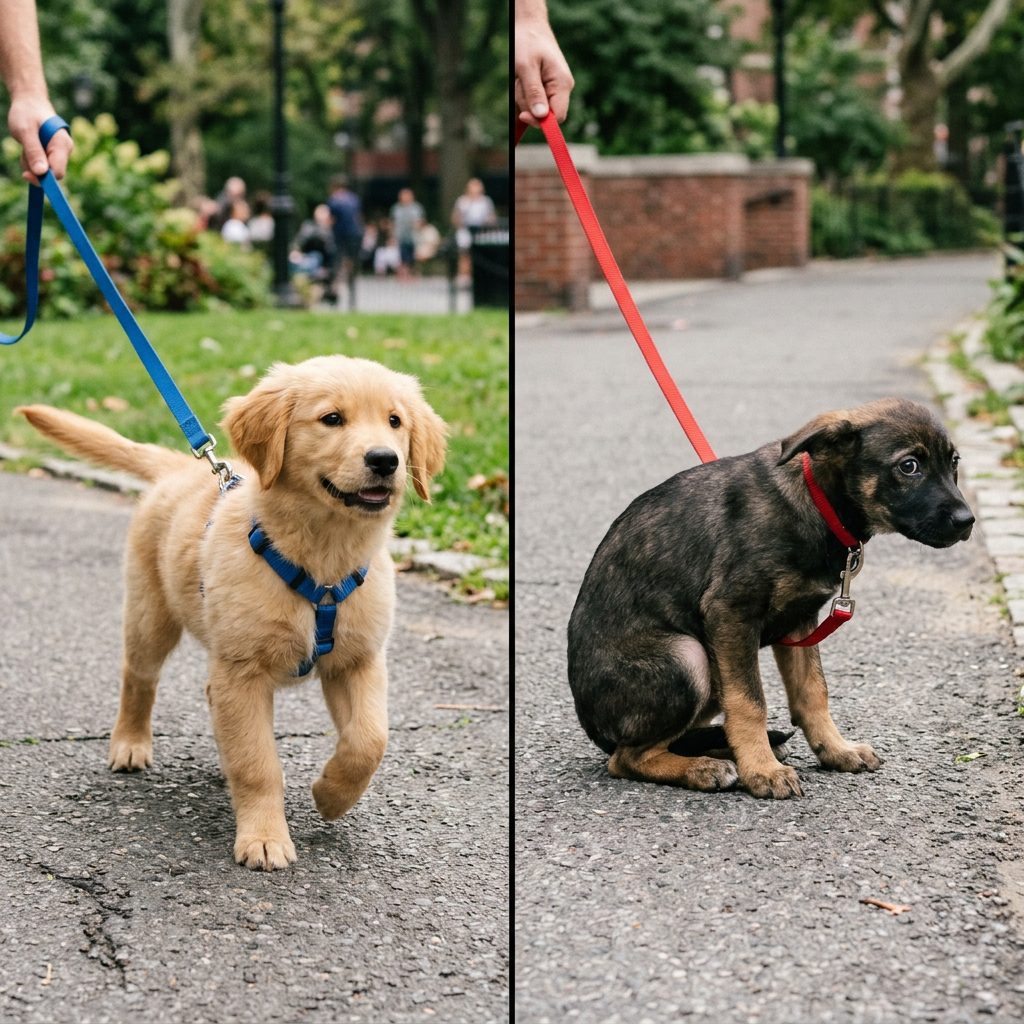
Before you can apply the cure, you must understand what your puppy is telling you. Not all freezes are created equal. Some puppies freeze because they are overwhelmed (fear), while others freeze because they are fascinated (curiosity). Distinguishing between the two is vital for your training approach. If a puppy is curious, they might need a moment to process. If they are fearful, they need distance and support.
| Body Part | The ‘Curious’ Freeze | The ‘Fearful’ Freeze |
|---|---|---|
| Eyes | Bright, focused, blinking normally. | Wide-eyed, showing the whites (whale eye), dilated pupils. |
| Ears | Pricked forward or twitching toward sounds. | Pinned back against the head or held very low. |
| Tail | Neutral or slightly wagging; held at spine level. | Tucked tightly between the legs or held very low and stiff. |
| Posture | Leaning forward, weight on front paws. | Crouched low, weight shifted backward, ‘pancaking’ to the floor. |
If you see signs of a fearful freeze, your goal is to increase the distance between the puppy and the scary stimulus. If it is a curious freeze, the best approach is often to simply wait it out and let the ‘download’ finish.
Tip: Never scold a freezing puppy. Scolding adds another layer of ‘scary data’ to an already overloaded brain, making the freeze last longer and potentially leading to leash reactivity later in life.
The Essential Walk-Ready Toolkit
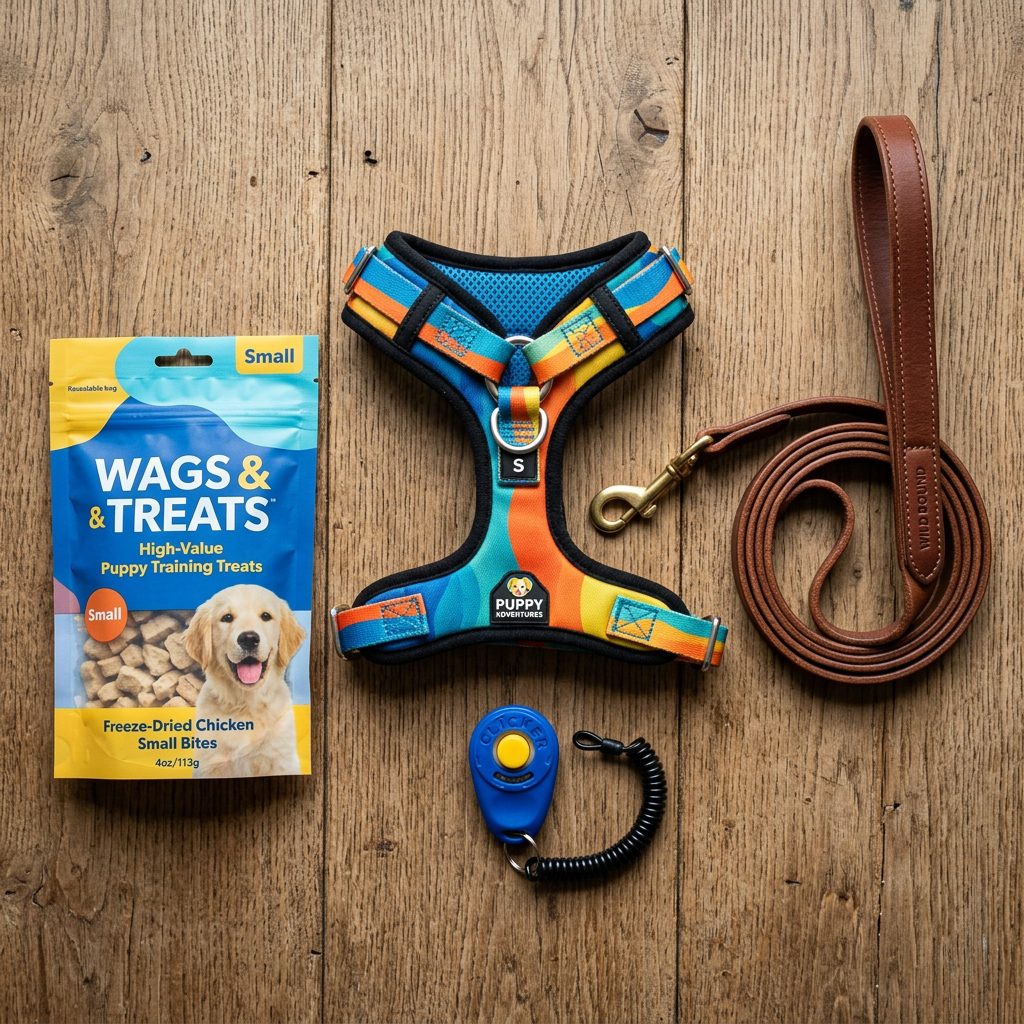
Curing the freeze requires the right equipment. Using the wrong gear can exacerbate the problem by adding physical discomfort to the mental overload. For example, a tightening slip lead or a collar that puts pressure on the throat can trigger a ‘flight or freeze’ response because the puppy feels trapped. We want tools that promote comfort and communication.
Choosing the Right Harness
A well-fitted, Y-shaped harness is often the best choice for puppies prone to freezing. Unlike collars, harnesses distribute pressure across the chest and shoulders. When you need to gently encourage movement, the harness provides a ‘hug’ sensation rather than a ‘choke’ sensation. Look for one with both front and back clips to give you maximum control without causing pain.
The Power of High-Value Rewards
In the world of puppy training, not all treats are created equal. If your puppy is ‘buffering’ on the sidewalk, a dry biscuit probably won’t be enough to reboot their system. You need ‘high-value’ rewards—things like small bits of boiled chicken, string cheese, or freeze-dried liver. These treats act as a powerful motivator that can override the brain’s desire to stay still. We call this ‘counter-conditioning’—pairing something scary or overwhelming with something absolutely delicious.
| Tool | Why It Helps | Best For |
|---|---|---|
| Y-Shaped Harness | Distributes pressure, prevents neck injury. | All puppies, especially fearful ones. |
| 6-Foot Fixed Leash | Provides a consistent boundary and safety. | General neighborhood walks. |
| Squeeze Tube (Peanut Butter) | Allows for continuous licking, which is soothing. | Moving past ‘scary’ stationary objects. |
| Clicker | Marks the exact moment the puppy chooses to move. | Precise communication and confidence building. |
The 5-Step ‘Thaw’ Protocol: How to Get Moving
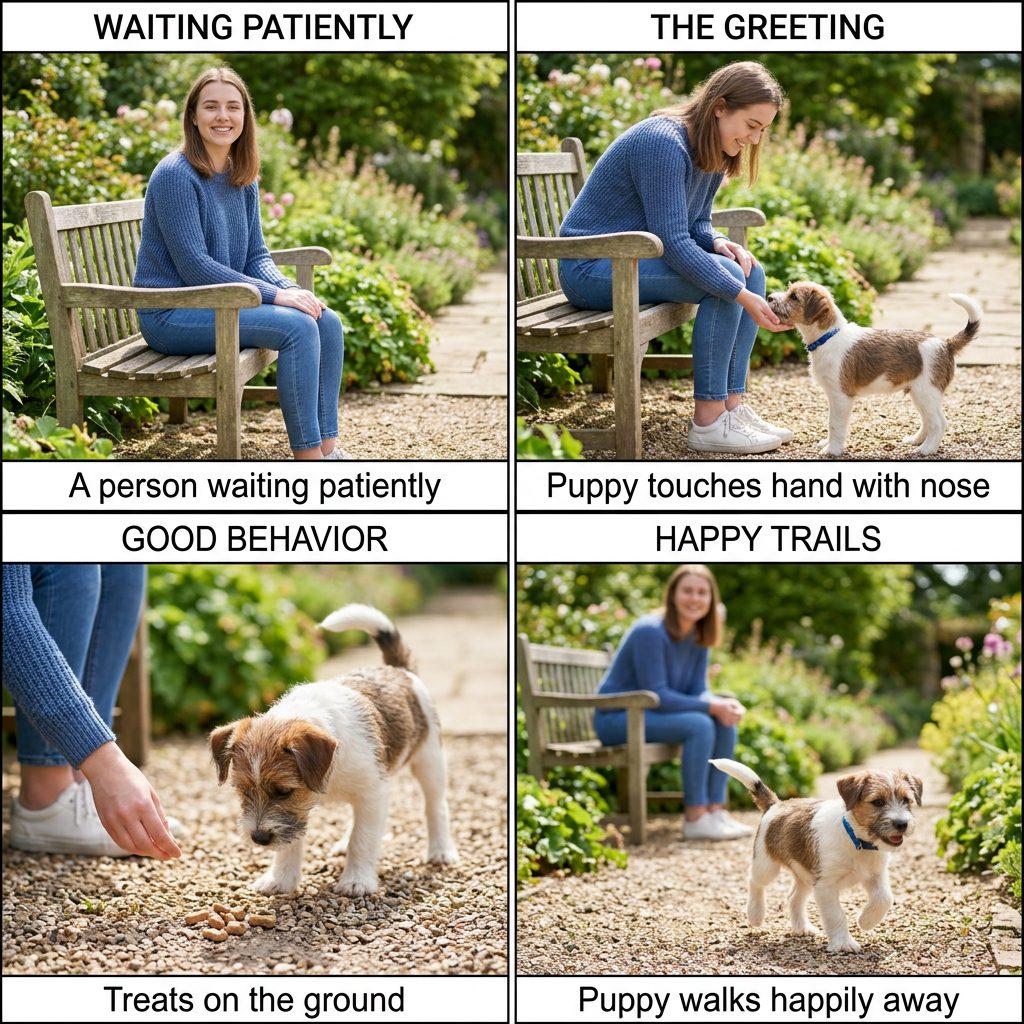
Once you have identified the cause and gathered your tools, it is time to implement the cure. This 5-step protocol is designed to build your puppy’s confidence and teach them that moving forward is both safe and rewarding. Remember, patience is your greatest asset here.
Step 1: The Three-Second Rule
When your puppy freezes, the first thing you should do is… nothing. Stop walking, keep the leash slack, and count to three in your head. Often, the puppy just needs those three seconds to finish processing a sound or sight. If they start moving on their own after the pause, praise them enthusiastically! By giving them this ‘processing time,’ you are respecting their neurological limits.
Step 2: The ‘Touch’ Reset
If the three seconds pass and they are still stuck, use a ‘reset’ command. The ‘Touch’ command (where the puppy touches their nose to your palm) is incredible for this. It shifts their brain from ‘environment processing mode’ into ‘working mode.’ By asking for a simple, known behavior, you break the mental loop of the freeze. When they touch your hand, they usually have to take a step toward you, which physically breaks the freeze.
Step 3: The Scatter Feed
If ‘Touch’ does not work, the puppy might be too over-threshold to focus on a command. In this case, drop 3-5 small, high-value treats on the ground right in front of their nose. Sniffing and searching for food is a naturally calming behavior for dogs. It lowers their heart rate and shifts their focus to the ground. Once they finish the treats, they are often in a much better headspace to continue the walk.
Step 4: Change the Angle
Sometimes a puppy freezes because they are staring directly at something that worries them (a ‘head-on’ conflict). Instead of trying to pull them forward, try walking in a small circle or moving laterally (side-to-side). Changing the angle of approach can make the ‘scary’ object seem less threatening. Movement begets movement; once their legs are moving in a circle, it is much easier to transition back into a forward walk.
Step 5: The ‘Let’s Go’ Cue
As your puppy begins to move, introduce a consistent cue like ‘Let’s Go!’ in a bright, happy tone. Pair this with a slightly faster walking pace for a few steps. Puppies often find it easier to trot than to walk slowly, as the momentum helps them stay focused. Always reward the first few steps of movement with a treat and verbal praise.
Common Pitfalls and How to Avoid Them
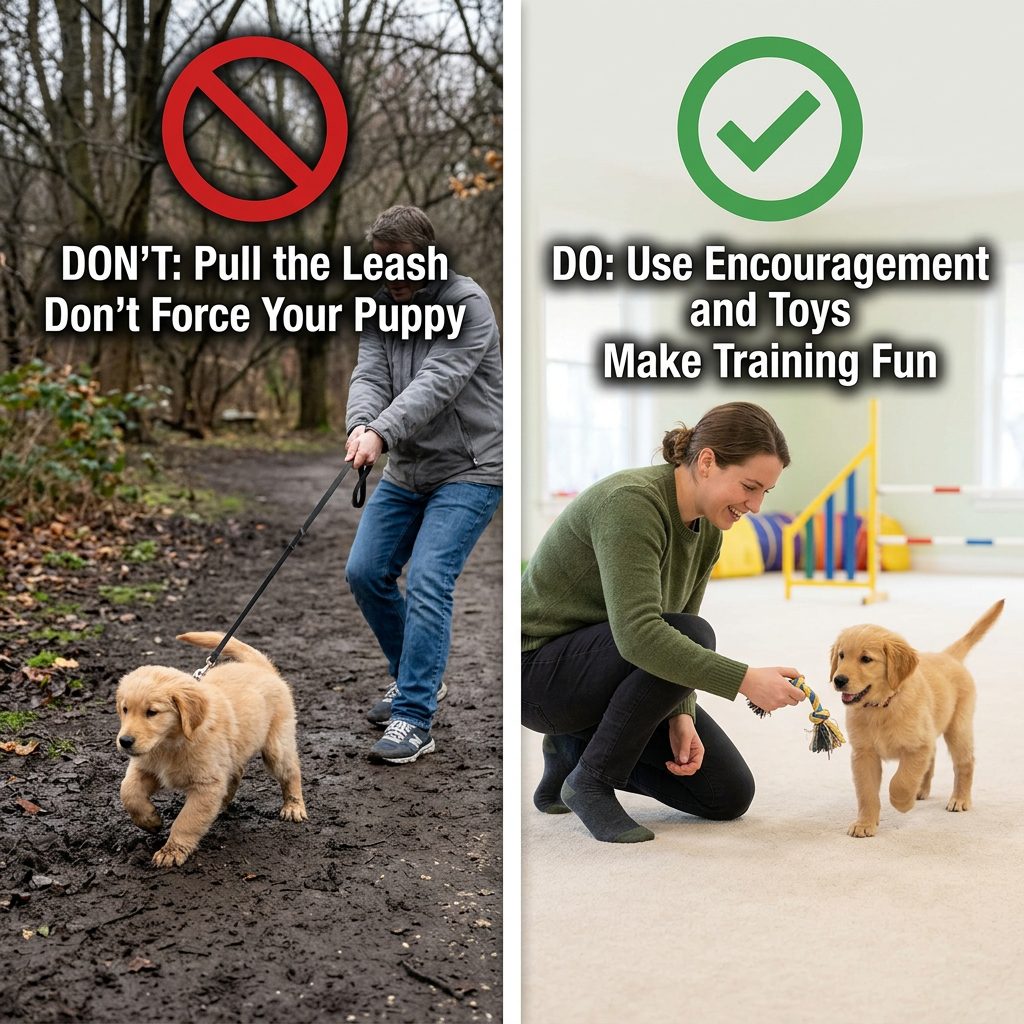
Even with the best intentions, it is easy to fall into habits that actually encourage freezing behavior. Being aware of these pitfalls will help you stay on track and ensure your puppy’s progress is consistent.
The ‘Tug-of-War’ Trap
The most common mistake is pulling on the leash to force the puppy to move. This triggers the ‘opposition reflex’—a physical instinct to pull in the opposite direction of the pressure. The more you pull, the more the puppy digs in their heels. Furthermore, it creates a negative association with the leash. If the leash is always tight, the puppy learns that walks are a struggle, which increases their anxiety and makes them more likely to freeze next time.
Over-Stimulation Overload
Are you taking your 10-week-old puppy to a busy park or a loud construction site? You might be asking too much, too soon. If your puppy freezes every few feet, it is a sign that the environment is too ‘loud’ for their current processing level.
Specialist Tip: Start your ‘walks’ in the hallway of your home, then the backyard, then the driveway. Only move to the sidewalk when the puppy is 100% confident in the previous environment.
Ignoring the ‘Pancake’
When a puppy ‘pancakes’ (lays flat on their belly and refuses to move), they are telling you they are completely overwhelmed. At this point, the brain has shut down. The best thing to do is to pick them up, move them to a ‘safe’ spot (like back toward your house or into your car), and try again another time. Forcing a pancaked puppy to walk can lead to a lifetime of fear-based walking issues.
When to Call in a Professional
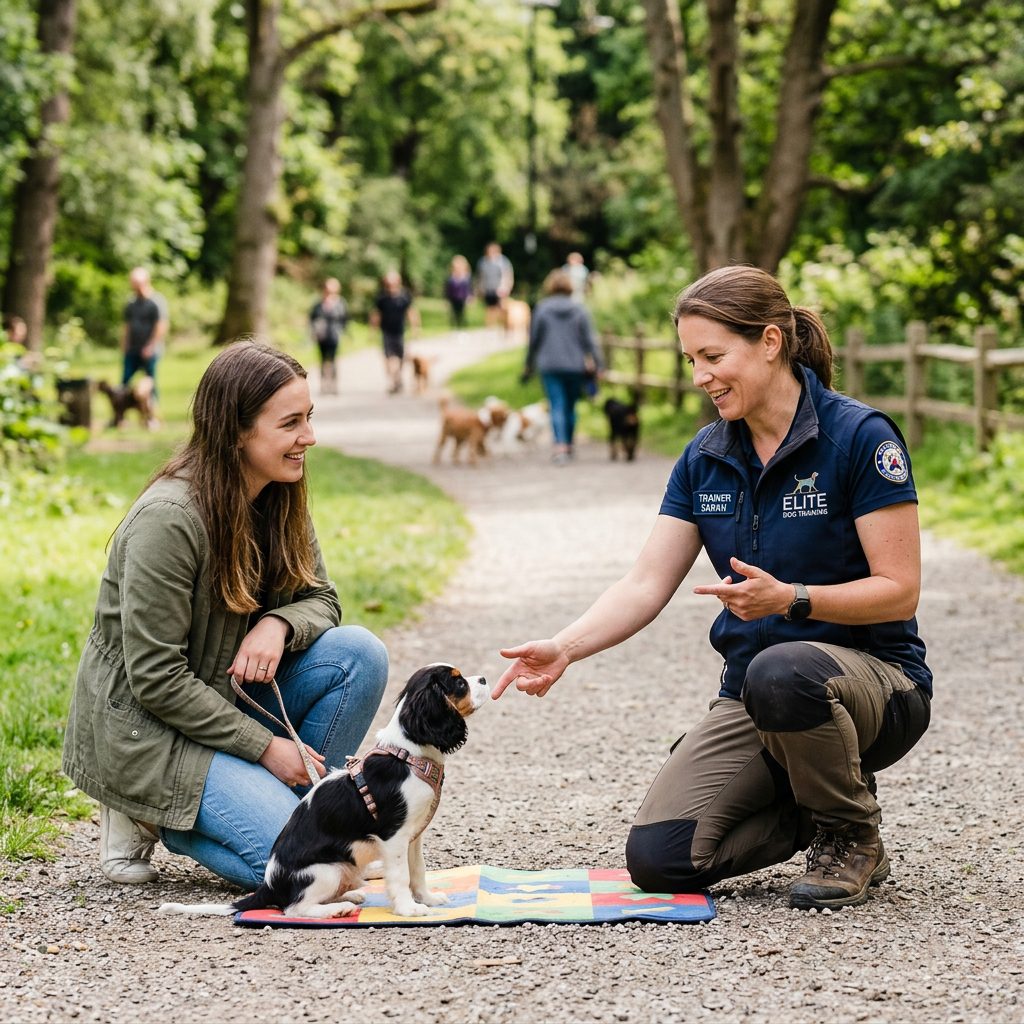
While most cases of the ‘puppy freeze’ are developmental and can be solved with patience and the steps outlined above, some situations require a professional eye. If your puppy’s freezing is accompanied by extreme trembling, attempts to bolt, or redirected aggression (nipping at the leash or your legs when they can’t move), it may be time to consult a certified professional dog trainer (CPDT-KA) or a veterinary behaviorist.
Signs You Need Professional Help
- The freezing behavior is getting worse despite consistent training.
- Your puppy shows signs of ‘generalized anxiety’ even inside the home.
- The puppy refuses to eat high-value treats when outdoors (a sign they are way over their stress threshold).
- You feel your own frustration rising to a level that is damaging your bond with the puppy.
A professional can help create a customized desensitization plan and ensure that there isn’t an underlying medical issue, such as joint pain or vision problems, that could be contributing to the behavior. Remember, seeking help is a sign of a savvy, responsible owner!
Conclusion
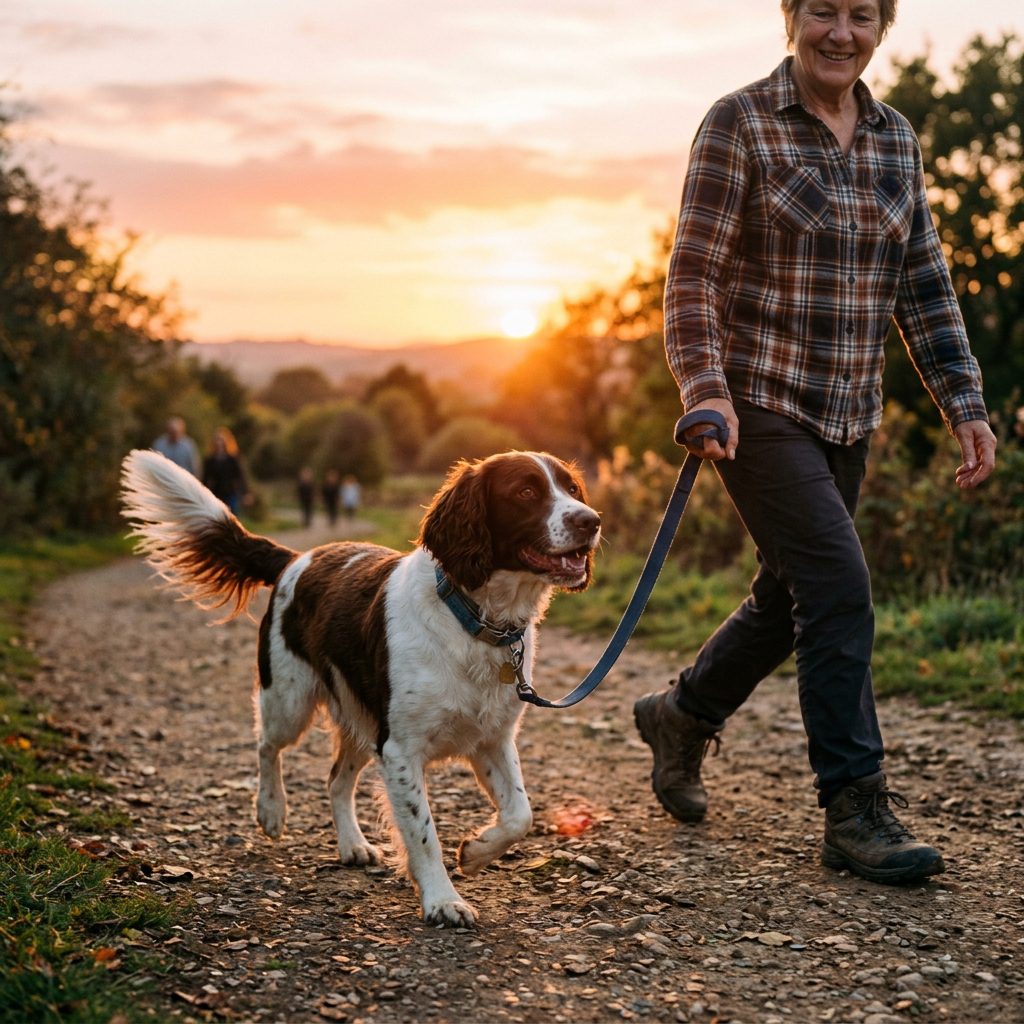
Patience is the Path to Progress
The ‘shocking’ reason your puppy freezes is simply that the world is a very big, very loud, and very new place. By viewing the freeze as a ‘processing logjam’ rather than an act of defiance, you can transform your walks from a source of frustration into a beautiful opportunity for bonding and confidence building. Remember to pack your high-value treats, keep the leash slack, and give your puppy the three seconds they need to download the world around them. With time, consistency, and the 5-step ‘thaw’ protocol, those stationary moments will become fewer and farther between. Soon enough, you will be enjoying those brisk, refreshing strolls you always dreamed of. Happy walking!
Conclusion
The Long Walk Ahead
Training a puppy is a marathon, not a sprint. The freezing phase is just one of many developmental hurdles you will face as a savvy dog owner. By approaching this challenge with science-based techniques and a compassionate heart, you are not just ‘curing’ a behavior; you are building a foundation of trust that will last for the rest of your dog’s life. Keep practicing, stay positive, and don’t forget to celebrate the small victories—even if it’s just a few extra steps down the block!