Stop the Destruction! How to Keep Your Puppy From Chewing Your Door Draft Stoppers
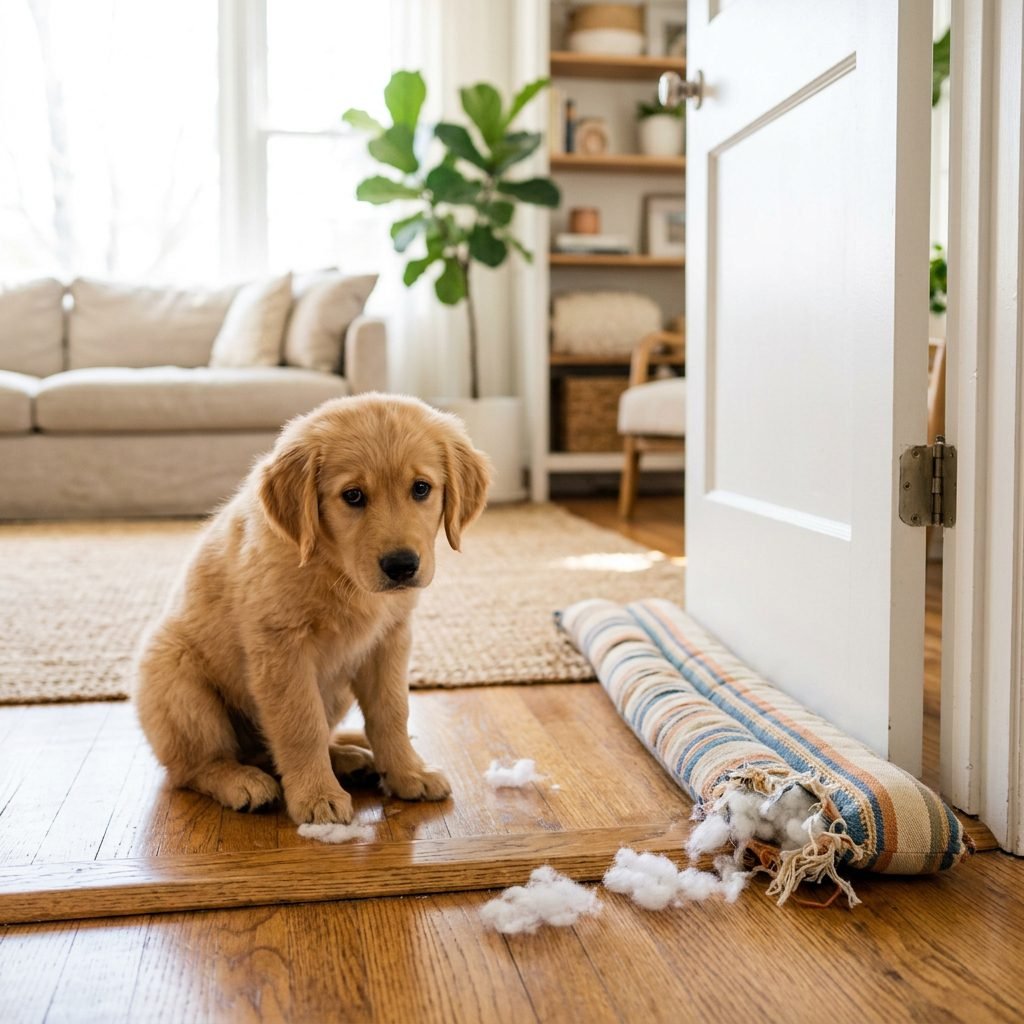
We have all been there. You walk into the hallway only to find a trail of sand, buckwheat, or polyester stuffing leading away from the bottom of your front door. At the end of that trail sits your adorable, wide-eyed puppy, looking immensely proud of the ‘snake’ they just successfully hunted. While door draft stoppers are fantastic for keeping our homes cozy and energy-efficient, to a puppy, they are the ultimate forbidden fruit. They are low to the ground, often filled with interesting textures, and have a floppy, prey-like movement that triggers every predatory instinct in a young canine brain.
Stopping this behavior isn’t just about saving your $20 investment in home decor; it is about safety. Ingesting the materials inside these stoppers can lead to serious gastrointestinal blockages or choking hazards. In this comprehensive guide, we are going to dive deep into why your puppy is obsessed with these fabric tubes and provide you with a world-class training blueprint to protect your home and your furry friend’s health. Let’s turn that ‘chew monster’ back into a well-behaved companion.
Understanding the ‘Why’: Why Puppies Love Draft Stoppers
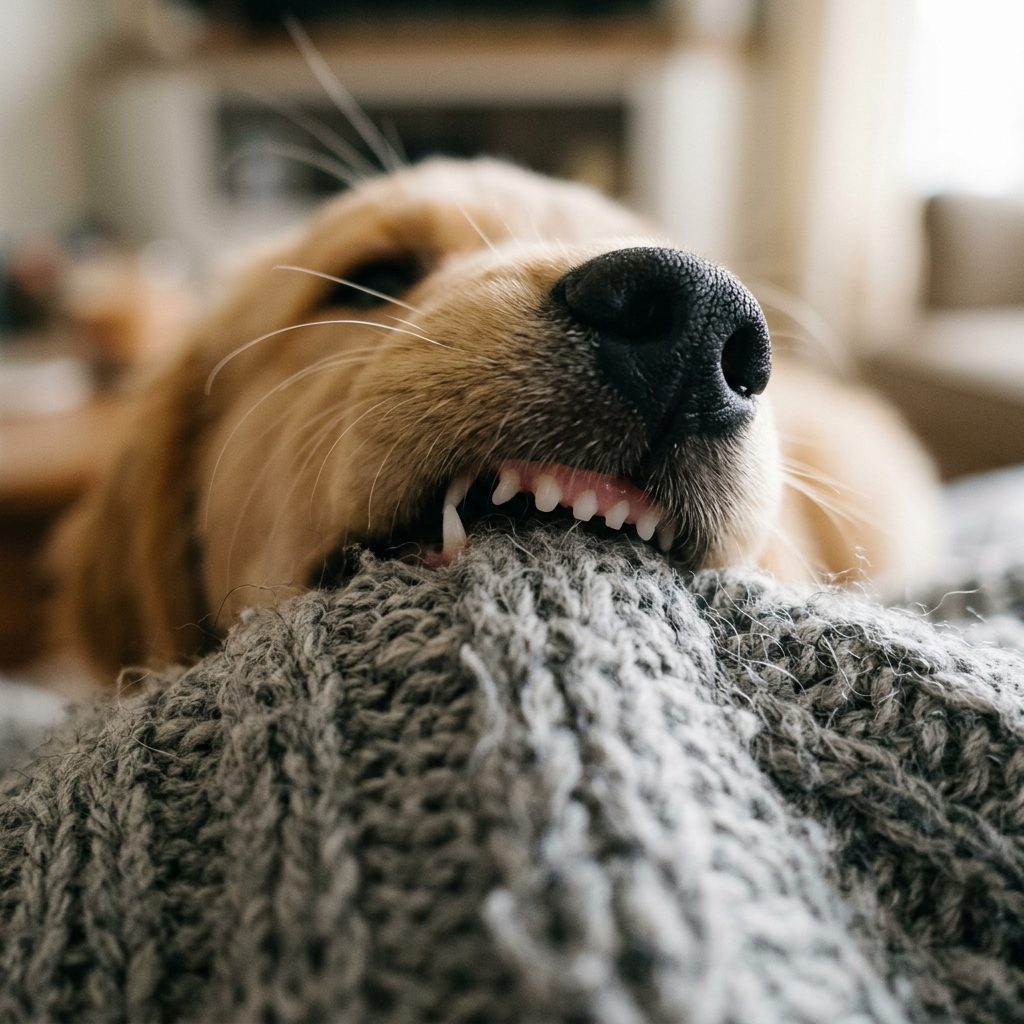
Before we can fix the behavior, we have to understand what is driving it. Puppies don’t chew to be spiteful; they chew because it is their primary way of interacting with the world. Door draft stoppers, in particular, hit the ‘trifecta’ of puppy attraction.
1. The Teething Factor
Between 3 and 6 months of age, puppies go through an intense teething phase. Their gums are sore, and applying pressure to objects helps alleviate the discomfort. The soft yet firm texture of most draft stoppers provides the perfect resistance for those incoming adult teeth.
2. Sensory Stimulation and Filling
Draft stoppers are rarely just fabric. They are often filled with weighted materials like dried beans, sand, or plastic pellets. When a puppy bites down, these materials shift and make noise, providing immediate sensory feedback. It is essentially a giant, silent rattle that feels great to crunch.
3. The ‘Prey’ Movement
If you have a draft stopper that isn’t weighted heavily, it likely slides across the floor when the door opens or when the puppy paws at it. This erratic, sliding motion mimics the movement of a small animal, which can trigger a puppy’s natural prey drive, encouraging them to ‘kill’ the stopper by shaking and shredding it.
Expert Tip: Understanding the motivation helps you choose the right replacement. If they love the crunch, find a toy with a similar internal texture!
The Strategic Management Phase: Tools and Immediate Fixes
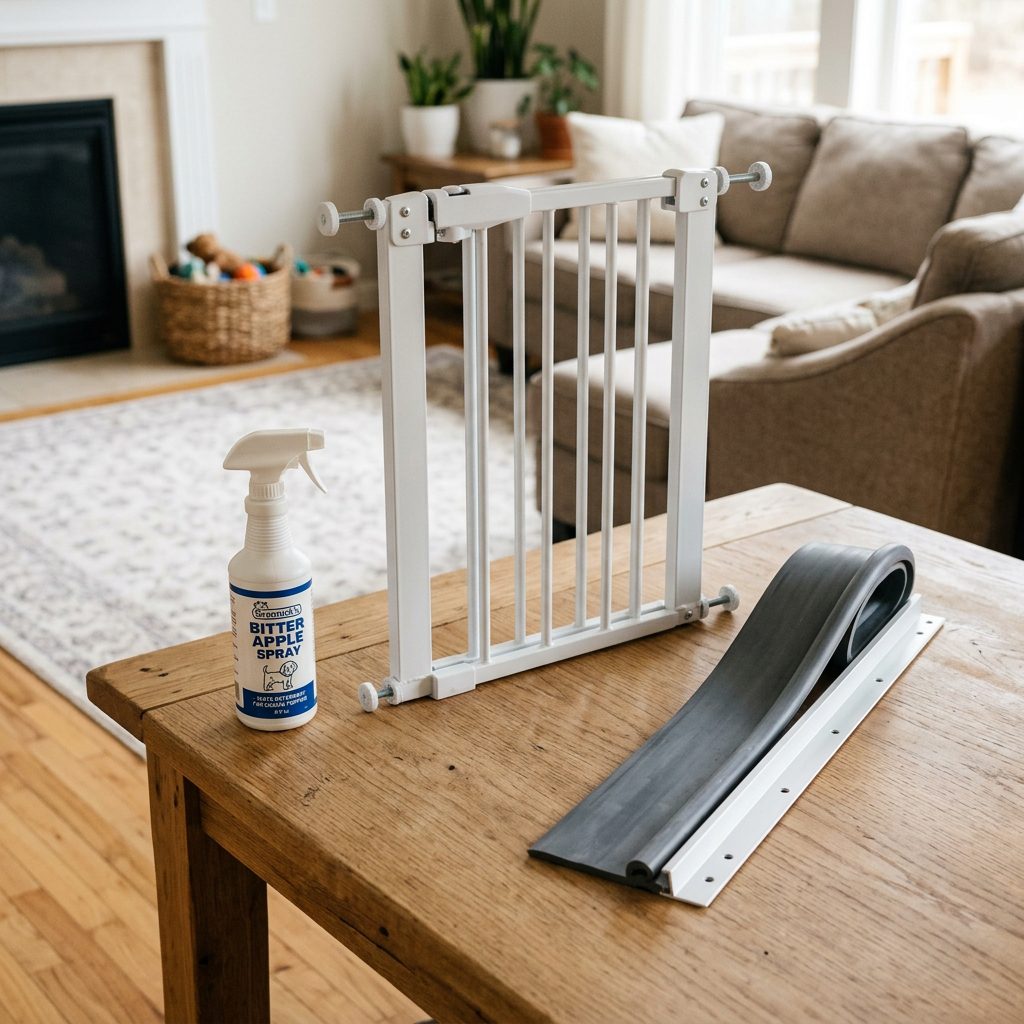
Training takes time, but your draft stoppers are under attack now. Management is the process of setting your puppy up for success by preventing the opportunity to fail. If the puppy can’t get to the stopper, they can’t practice the bad habit.
Essential Tools for Prevention
To get started, you may need a few items from your local pet store or hardware shop. Use the table below to compare the most effective management tools.
| Tool | Purpose | Pros/Cons |
|---|---|---|
| Taste Deterrent Spray | Applied to the stopper to make it taste bitter (e.g., Bitter Apple). | Easy to use; some puppies actually like the taste. |
| Physical Barriers | Using baby gates or exercise pens to block access to the door. | 100% effective; can be bulky and inconvenient for humans. |
| Heavy-Duty Stoppers | Switching to rubber or silicone ‘sweep’ style stoppers attached to the door. | Highly durable; requires installation with screws or adhesive. |
| Visual Blockers | Placing a piece of furniture or a heavy box in front of the stopper. | Free; can be an eyesore in the entryway. |
The ‘Out of Sight’ Rule
If you are in the heat of the teething phase, the best advice is often the simplest: Remove the draft stopper temporarily. Until your puppy has mastered basic impulse control commands like ‘Leave It,’ having a tempting item directly on their level is like leaving a toddler alone with a bowl of candy and expecting them not to touch it. Reintroduce the stopper only during supervised training sessions.
The Step-by-Step Guide to Training ‘Leave It’
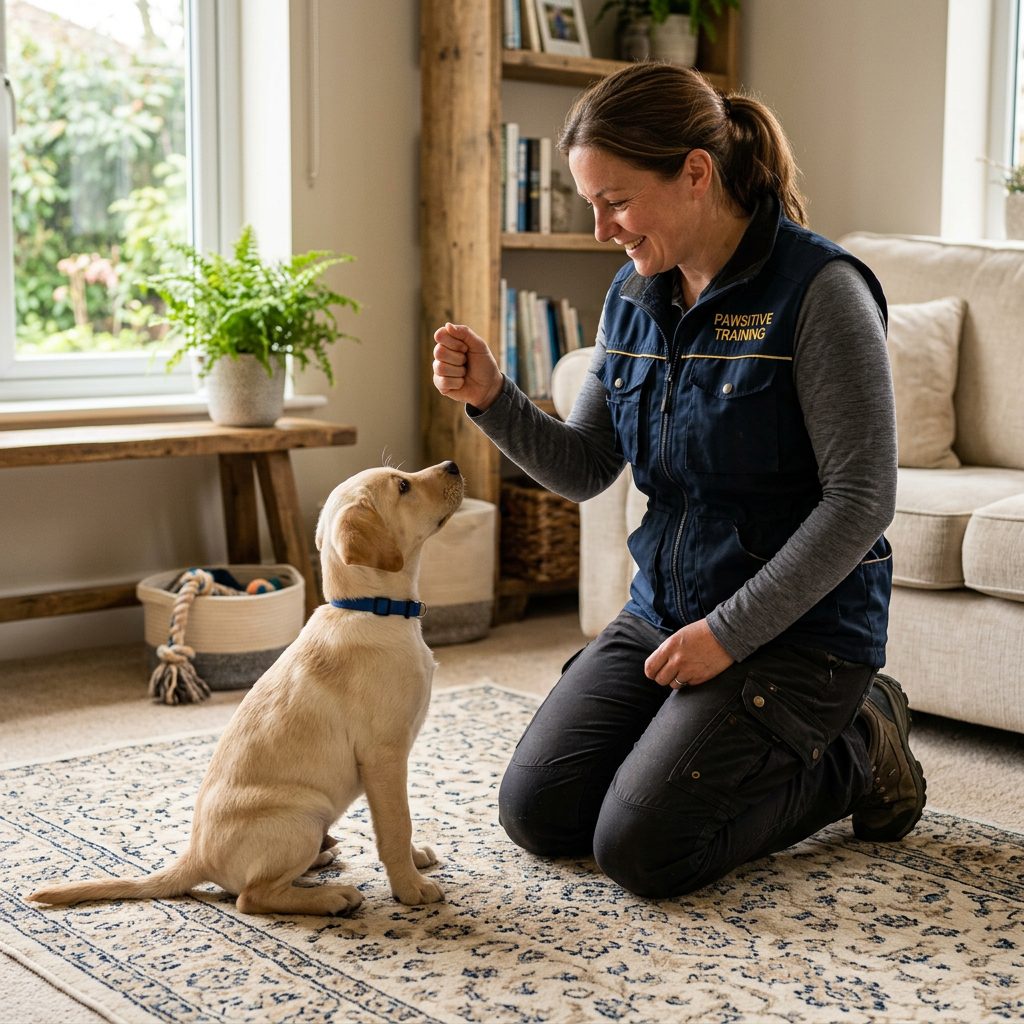
The ‘Leave It’ command is the single most important tool in your training arsenal for protecting your home. This command teaches your puppy that ignoring a tempting object leads to a much better reward from you.
Step 1: The Hand Game
Place a low-value treat in your palm and show it to your puppy. Close your fist. Your puppy will likely sniff, lick, and paw at your hand. Stay silent. The moment they pull their head away or stop trying to get the treat, say ‘Yes!’ and give them a high-value treat from your other hand. Never give them the treat they were trying to get.
Step 2: The Floor Challenge
Once they understand the hand game, place a treat on the floor and cover it with your foot. When they stop trying to get it, reward them with a better treat from your hand. Eventually, do this with just your hand hovering near the treat, then with no cover at all.
Step 3: Applying it to the Draft Stopper
- Place the draft stopper on the floor while your puppy is on a leash.
- As they move toward it, say ‘Leave It’ in a firm but calm voice.
- Gently use the leash to prevent them from reaching it (don’t jerk, just hold steady).
- The second they look away from the stopper and at you, reward them with a high-value treat and tons of praise.
- Repeat this daily for 5-10 minutes.
Training Takeaway: Consistency is key. If you let them chew it ‘just once’ because they look cute, you reset their progress by weeks.
Redirection and Appropriate Alternatives
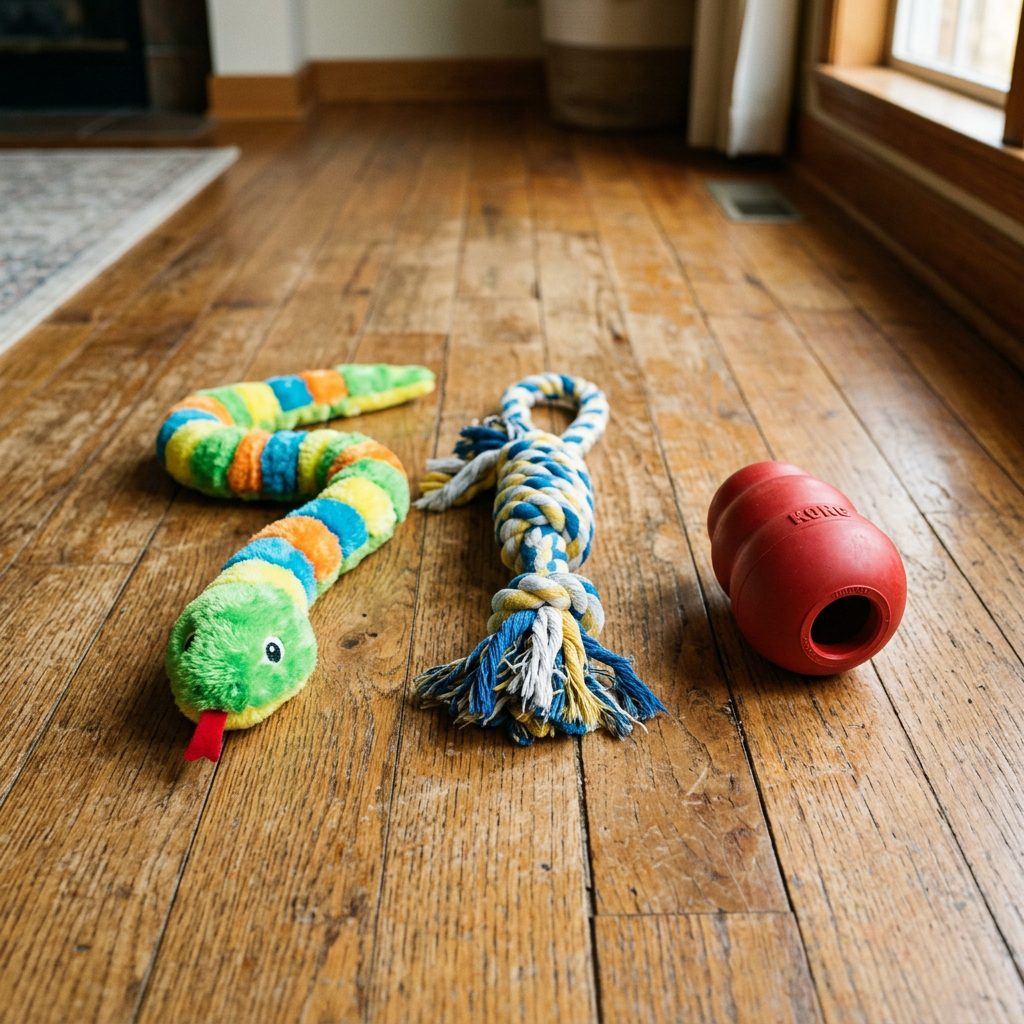
You cannot simply tell a puppy ‘No.’ You must give them a ‘Yes.’ If you take away the draft stopper, you must provide an alternative that satisfies the same urge. If your puppy likes the draft stopper, they likely enjoy long, soft, or crinkly items.
Choosing the Right Replacement
Look for toys that mimic the physical characteristics of the stopper. Here is a guide to matching the toy to the ‘chew style’:
| Stoppers Feature | Replacement Toy Type | Recommended Material |
|---|---|---|
| Long/Floppy Shape | Tug Ropes or ‘Snake’ Toys | Braided cotton or reinforced plush. |
| Grainy/Sandy Fill | Crinkle Toys | Toys with internal Mylar or plastic film. |
| Soft Fabric Surface | Comfort Plushes | Double-stitched fleece or canvas. |
| Heavy Weight | Weighted Rubber KONGs | Durable, food-grade natural rubber. |
The ‘Trade Up’ Technique
If you catch your puppy with the draft stopper in their mouth, do not chase them. Chasing turns it into a game of ‘Keep Away,’ which puppies love. Instead, grab a high-value toy or a piece of cheese and show it to them. When they drop the stopper to investigate the new item, say ‘Thank You,’ take the stopper, and engage them in a vigorous game with the appropriate toy.
Troubleshooting: When the Chewing Won’t Stop
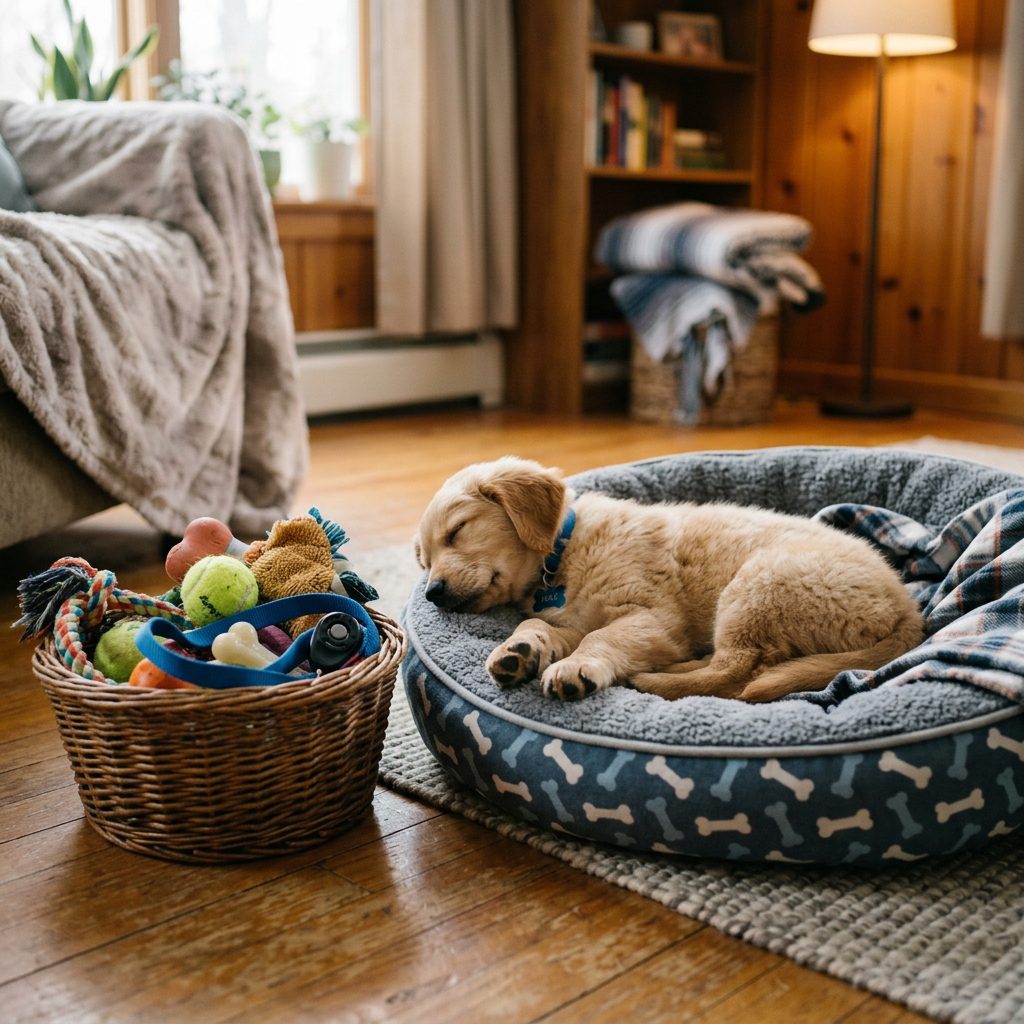
If you have tried management and basic training but your puppy is still obsessed with destruction, there might be underlying factors at play. Let’s look at the most common hurdles.
Is it Boredom?
A tired puppy is a well-behaved puppy. If your pup is destroying things, they may have too much pent-up energy. Increase their mental stimulation with puzzle feeders and sniff-walks. A puppy who has just spent 20 minutes solving a food puzzle is much less likely to go hunting for a draft stopper.
Is it Separation Anxiety?
Does the chewing only happen when you are gone? If the destruction is centered around the door (the exit point), your puppy might be experiencing anxiety about your departure. In this case, the chewing is a coping mechanism, and you may need to consult a professional behaviorist to work on desensitization.
Common Mistakes to Avoid
- Scolding after the fact: If you find a chewed stopper an hour later, scolding the puppy is useless. They won’t associate the punishment with the past action.
- Using old socks/shoes as toys: This teaches the puppy that fabric household items are fair game. Only give them items that are clearly ‘dog toys.’
- Inconsistency: If one family member allows the chewing and another doesn’t, the puppy will remain confused and the behavior will persist.
Conclusion
Protecting your door draft stoppers from a curious puppy requires a three-pronged approach: Management, Training, and Enrichment. By preventing access while they are young, teaching a reliable ‘Leave It’ command, and providing satisfying alternatives, you can save your home decor and help your puppy grow into a respectful adult dog. Remember, this phase is temporary! With patience and consistency, your puppy will eventually learn that the ‘fabric snakes’ at the bottom of the door are boring, and the real fun happens with you and their own toys. Stay positive, keep the treats handy, and enjoy the journey of puppy parenthood!