
Stop Excessive Barking In Seconds: The Step-by-Step Guide To The ‘Quiet’ Command
The Sound of Silence: Reclaiming Your Peace
We have all been there. You are settled in for a relaxing evening, or perhaps you are in the middle of an important video call, when suddenly—BARK! BARK! BARK! Your furry best friend has spotted a leaf blowing across the driveway, a delivery person three houses down, or perhaps a ghost that only dogs can see. While barking is a natural form of canine communication, excessive barking can quickly turn from a minor annoyance into a major stressor for both you and your neighbors.
As a savvy dog owner, you know that shouting ‘Shut up!’ at a barking dog usually only results in one thing: the dog thinks you are barking along with them. To truly stop excessive barking in seconds, you need a structured, reliable communication tool. That tool is the ‘Quiet’ command. This guide is designed to take you through the psychology of why dogs bark and provide a meticulous, step-by-step roadmap to installing a ‘mute button’ that actually works, all while strengthening the bond you share with your pet.
The goal of training the ‘Quiet’ command is not to silence your dog forever, but to give you the ability to acknowledge their alert and then signal that the ‘job’ is done.
In the following sections, we will dive deep into the mechanics of bark control. We will cover the essential gear you need, the exact steps to follow, and the common pitfalls that trip up even the most dedicated owners. By the end of this guide, you will have the expertise to transform a chaotic, noisy household into a sanctuary of calm.
Decoding the Language of Woof: Why Your Dog Is Barking
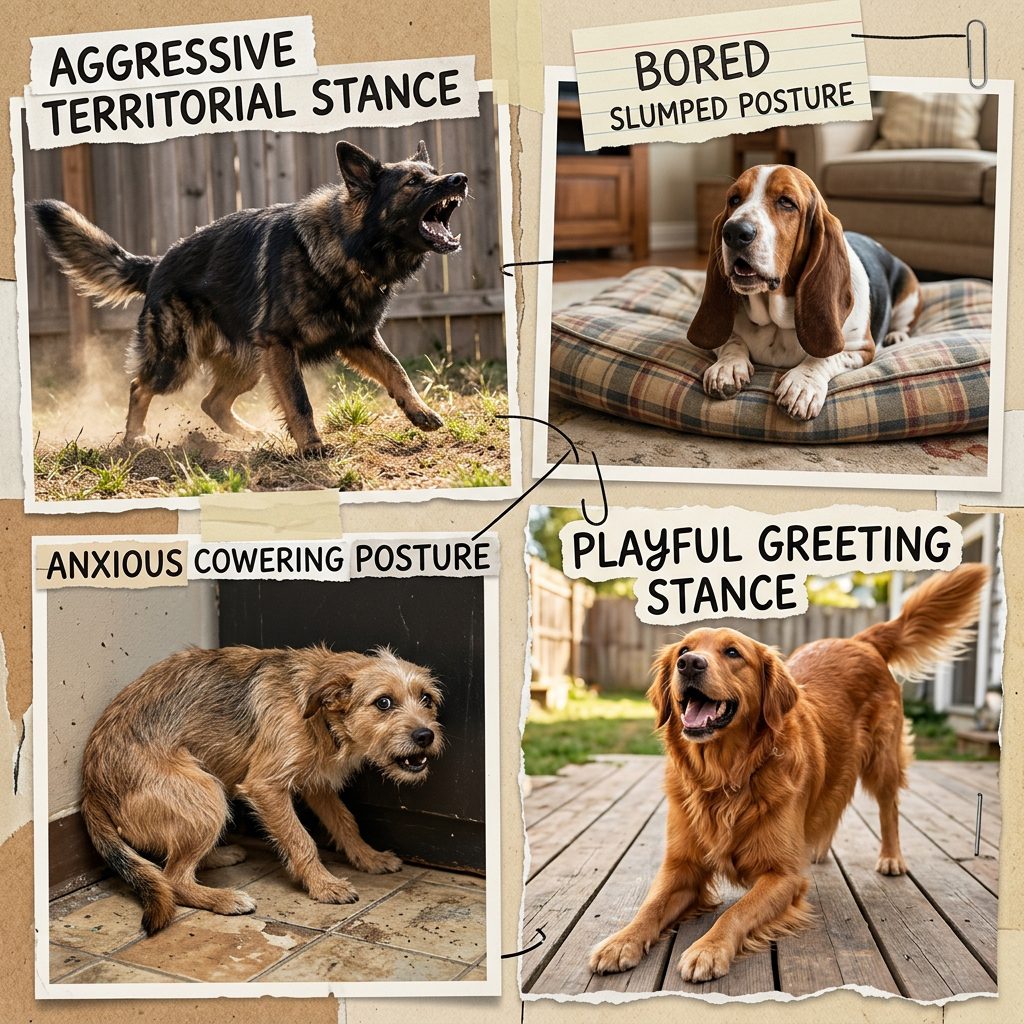
Before we can fix the noise, we have to understand the source. Dogs do not bark to be ‘bad’; they bark because they are trying to tell us something. If we ignore the underlying cause, the ‘Quiet’ command will only be a temporary band-aid. Savvy owners must distinguish between different types of barks to apply the right training pressure.
Common Types of Barking
- Alert/Territorial Barking: This is the most common. Your dog sees a ‘threat’ (the mailman) and wants to warn the pack.
- Attention-Seeking Barking: Your dog has learned that making noise gets you to look at them, feed them, or throw a ball.
- Boredom/Frustration Barking: A repetitive, monotonous bark that happens when a dog is under-stimulated.
- Fear/Anxiety Barking: A high-pitched, frantic bark often accompanied by pacing or tucked tails.
To help you identify your dog’s specific triggers, refer to the table below which breaks down bark characteristics and the likely motivation behind them.
| Bark Sound/Body Language | Likely Motivation | Best Initial Response |
|---|---|---|
| Sharp, loud, forward-leaning posture | Alert / Territorial | Acknowledge and redirect |
| High-pitched, repetitive, tail wagging | Excitement / Greeting | Ignore until calm |
| Monotonous, rhythmic, ‘hollow’ sound | Boredom | Increase physical/mental exercise |
| Short yips, looking directly at you | Attention-Seeking | Total withdrawal of attention |
Understanding these nuances allows you to tailor your ‘Quiet’ training. For instance, an alert barker needs to know you’ve taken over ‘guard duty,’ while an attention-seeker needs to learn that quiet is the only way to get what they want.
The Ultimate Bark-Busting Toolkit: What You Need Before You Start
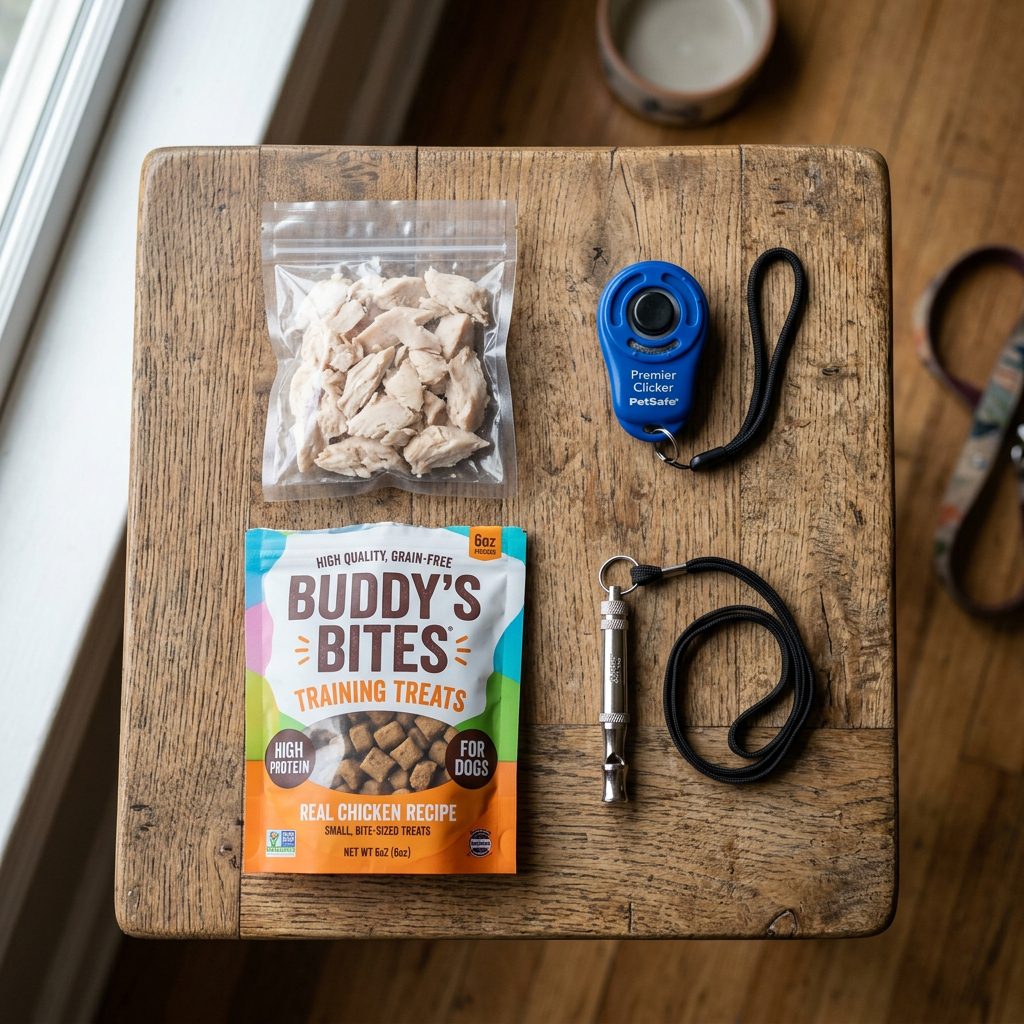
You wouldn’t try to build a house without a hammer, and you shouldn’t try to train a complex command like ‘Quiet’ without the right tools. Because we are using positive reinforcement, our primary goal is to make ‘being quiet’ more rewarding than ‘making noise.’
Essential Training Gear
- High-Value Treats: Not your everyday kibble. Think small pieces of boiled chicken, freeze-dried liver, or tiny cubes of low-sodium cheese. The reward must be ‘worth it’ for the dog to stop their exciting barking.
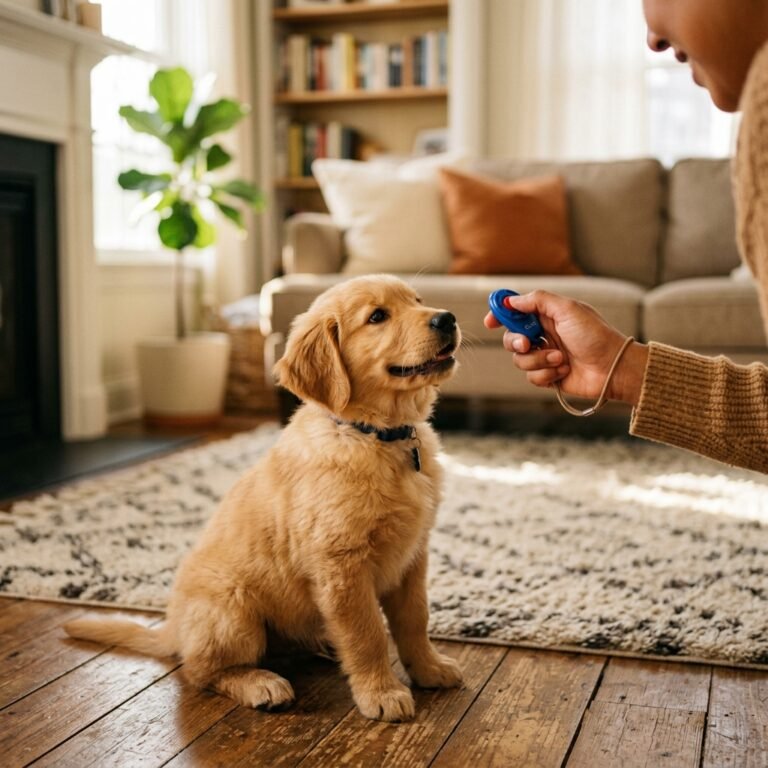
- A Clicker (Optional): If you are already clicker-trained, this is the best way to mark the exact second of silence. If not, a consistent verbal marker like ‘Yes!’ works too.
- A Controlled Trigger: You need a way to make your dog bark on purpose during training. A doorbell, a recording of a knock, or a friend walking past the window are perfect.
- Patience and a Calm Demeanor: Your energy travels down the leash. If you are frustrated, your dog will be too.
The Reward Hierarchy
Not all treats are created equal. Use this table to plan your reward strategy based on the difficulty of the environment.
| Environment Difficulty | Recommended Reward | Why? |
|---|---|---|
| Low (Quiet Living Room) | Standard Kibble / Dry Biscuit | Low distraction means low ‘pay’ is okay. |
| Medium (Backyard with Squirrels) | Commercial Soft Training Treats | Smellier treats help maintain focus. |
| High (Front Door / New People) | Fresh Chicken / Steak / Cheese | Competing with a major trigger requires the ‘Jackpot.’ |
Pro Tip: Keep a small jar of ’emergency treats’ in every room where barking usually happens. If you have to run to the kitchen to get a treat, you’ve already missed the window of opportunity!
The Core Method: Teaching the ‘Quiet’ Command Step-by-Step
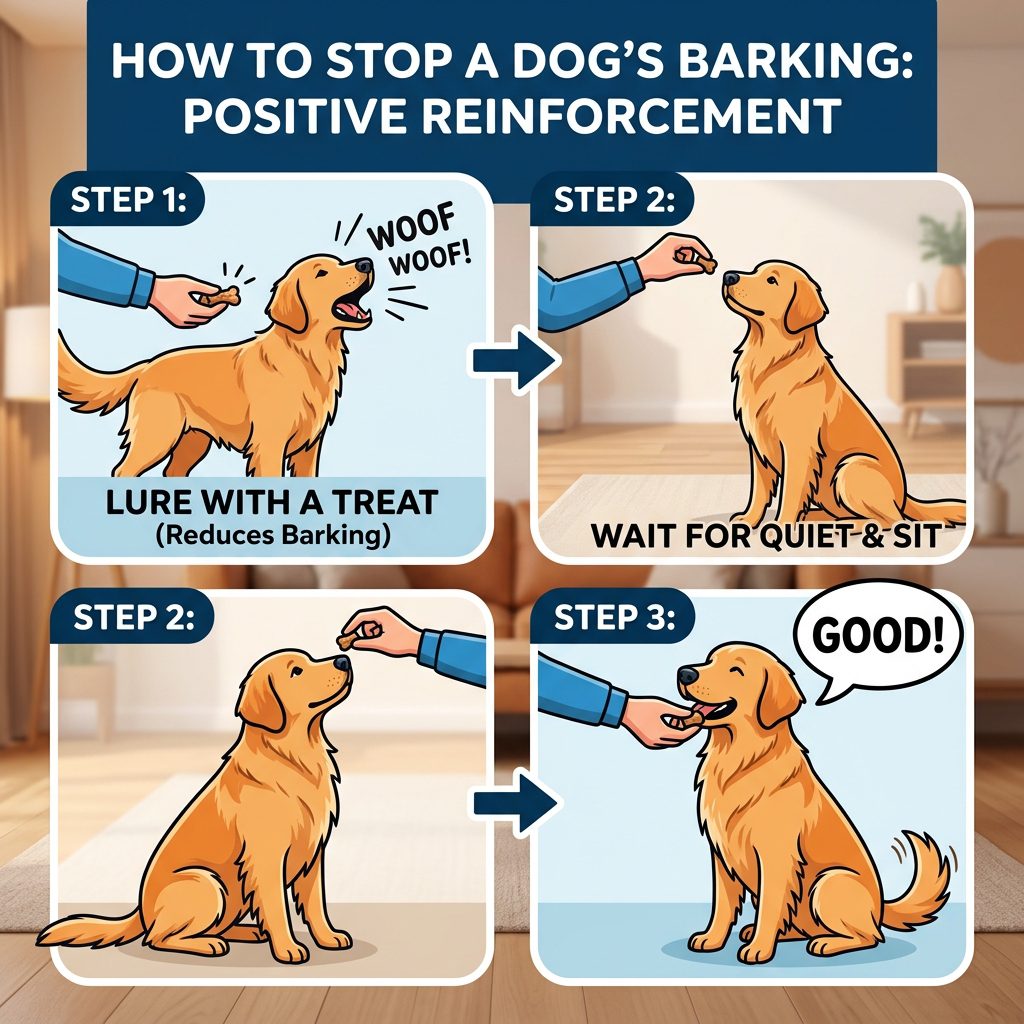
Now we get to the heart of the matter. We are going to use a technique often called ‘Speak and Quiet.’ Paradoxically, teaching your dog to bark on command is often the easiest way to teach them to stop. It gives you control over the behavior.
Step 1: Trigger the Bark
Use your controlled trigger (like knocking on a table). When your dog barks, label it with a command like ‘Speak!’ or ‘Alert!’ Do this a few times until they understand that ‘Speak’ means ‘Make noise.’
Step 2: The Interruption
While your dog is barking, hold a high-value treat right in front of their nose. Most dogs cannot bark and sniff simultaneously. The second they stop barking to investigate the treat, you have your window.
Step 3: The ‘Quiet’ Command
While they are sniffing and silent, say the word ‘Quiet’ in a firm but calm, conversational tone. Do not shout it. Wait for 2-3 seconds of continued silence.
Step 4: Mark and Reward
Immediately after those few seconds of silence, click your clicker or say ‘Yes!’ and give them the treat. Repeat this process 5-10 times per session.
Step 5: Increasing the Duration
Slowly increase the amount of time they must be silent before they get the treat. Move from 2 seconds to 5, then 10, then 30. You are building their ‘silence muscle.’
| Training Phase | Goal | Success Criteria |
|---|---|---|
| Phase 1: Introduction | Associate ‘Quiet’ with the act of stopping | Stops barking immediately for treat sniff |
| Phase 2: Duration | Maintain silence for longer periods | Holds silence for 10+ seconds consistently |
| Phase 3: Real World | Apply command to natural triggers | Stops barking at the actual doorbell on first command |
Remember: If your dog starts barking again before you give the treat, you waited too long. Go back to a shorter duration and build up again slowly. Consistency is the secret sauce here.
Troubleshooting: When the ‘Quiet’ Command Doesn’t Work
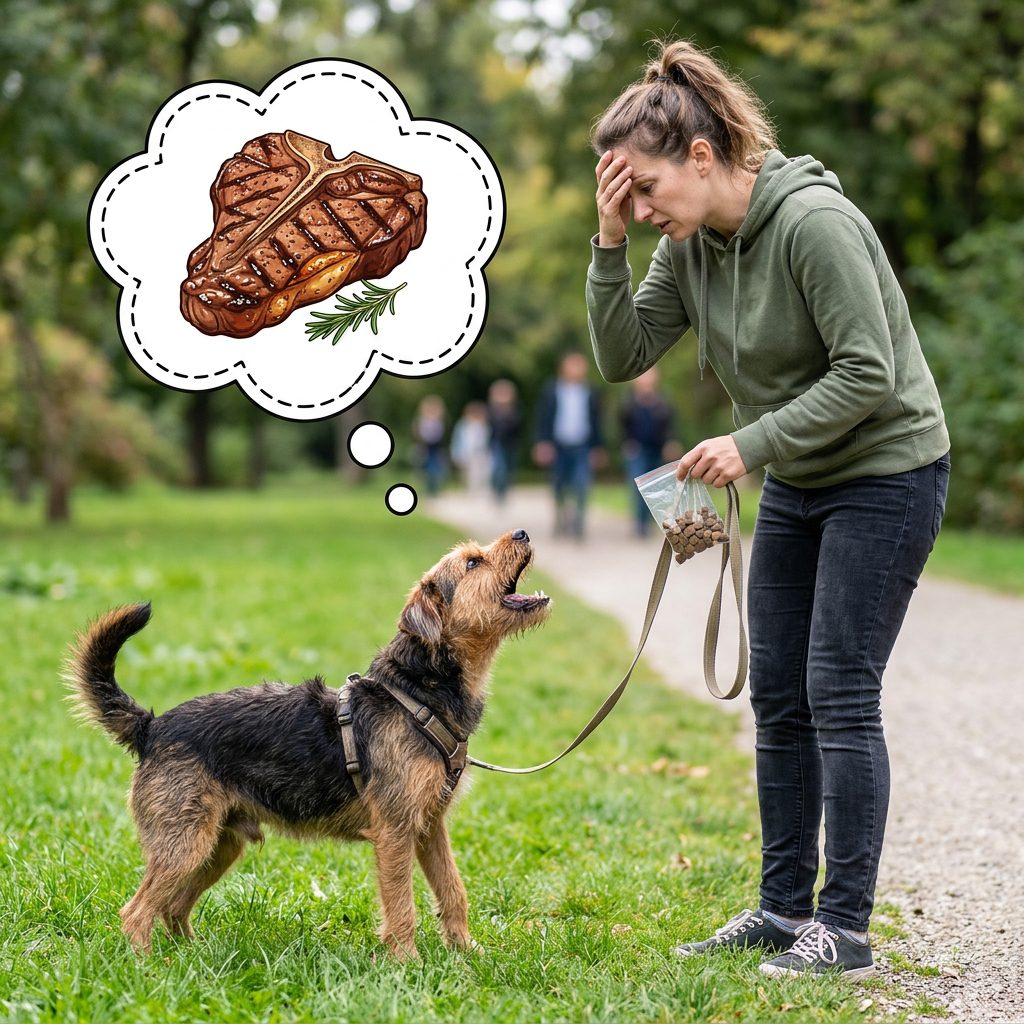
Even with the best intentions, training can hit a wall. If your dog isn’t responding to the ‘Quiet’ command, it’s usually due to one of three things: the reward isn’t high enough, the trigger is too intense, or you are accidentally reinforcing the barking.
Common Mistakes to Avoid
- Shouting the Command: When you yell ‘QUIET!’, the dog hears your loud energy and thinks, ‘Great, we’re both yelling at the mailman!’ Keep your voice lower than their bark.
- Inconsistency: If you let them bark at the window on Mondays but try to use the ‘Quiet’ command on Tuesdays, they will be confused. The rule must be the same every day.
- Rewarding Too Late: If you give the treat after they have started barking again, you are accidentally rewarding the second bark, not the silence.
The ‘Threshold’ Concept
If your dog is ‘over threshold,’ their brain is in a state of pure reaction, and they literally cannot hear your commands. You need to move them further away from the trigger (the door, the fence, the other dog) until they can focus on you again.
Trainer’s Secret: If your dog is stuck in a barking loop, try a ‘pattern interrupt.’ A sudden, weird noise (like a squeak or a whistle) can break their focus long enough for you to give the ‘Quiet’ command.
| Problem | Probable Cause | The Fix |
|---|---|---|
| Dog ignores the treat | Reward value too low / Over threshold | Switch to ‘Jackpot’ treats or move further away |
| Dog barks immediately after treat | Duration not built up | Reward faster, then slowly add 1 second at a time |
| Dog only listens inside the house | Lack of generalization | Practice in the yard, on walks, and at the park |
Pro-Level Strategies: Consistency, Generalization, and Lifestyle Tweaks
Once your dog understands the command in the quiet of your living room, it’s time to take it to the ‘Pro’ level. This involves Generalization—teaching the dog that ‘Quiet’ means the same thing whether you’re at home, at the park, or at the vet.
Environmental Management
Don’t set your dog up for failure. If they bark at people passing the window, use frosted window film or keep the blinds closed during peak ‘traffic’ hours while you are still in the training phase. Reducing the number of times they ‘practice’ the bad behavior makes the good behavior easier to learn.
The ‘Thank You’ Protocol
For alert barkers, sometimes they just want to know you’ve heard them. Try this: When they bark at a noise, walk to them, look at what they are barking at, say ‘Thank you, I see it. Quiet,’ and then lead them away. By acknowledging the ‘threat,’ you are assuming the role of protector, allowing them to stand down.
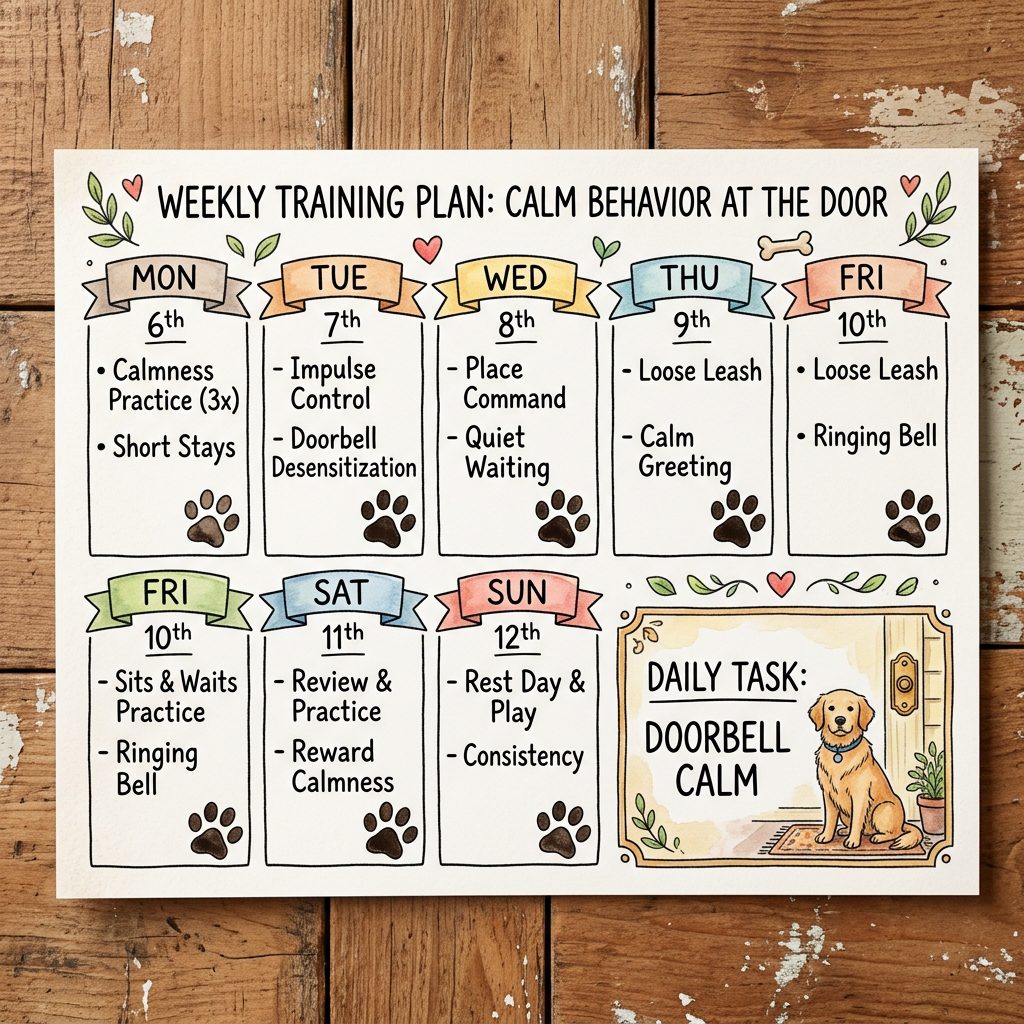
A Sample 7-Day Training Schedule
Follow this schedule to see massive improvements in just one week.
| Day | Focus Area | Daily Goal |
|---|---|---|
| Day 1-2 | The ‘Speak’/’Quiet’ Link | 10 successful reps of stopping a ‘Speak’ on command |
| Day 3 | Adding Duration | Hold silence for 15 seconds before reward |
| Day 4 | Controlled Triggers | Use a doorbell recording; 80% success rate |
| Day 5 | Distraction Training | Practice ‘Quiet’ while a family member tosses a toy nearby |
| Day 6 | Outdoor Practice | Practice in the backyard with neighborhood noises |
| Day 7 | Real-World Test | Use command during a natural barking event |
Keep training sessions short (no more than 5 minutes) but frequent. Dogs have short attention spans, and three 5-minute sessions are far more effective than one 15-minute marathon.
Conclusion
A Quieter, Happier Home Awaits
Mastering the ‘Quiet’ command is one of the most rewarding challenges you can undertake with your dog. It is about more than just peace and quiet; it is about developing a sophisticated level of communication and mutual respect. By understanding the why behind the bark, preparing your toolkit, and following the step-by-step process, you are giving your dog the clarity they crave.
Remember that progress isn’t always linear. There will be days when a particularly loud truck or a very bold squirrel causes a setback. That is okay. Stay calm, stay consistent, and always keep your rewards high-value. You are not just stopping a noise; you are helping your dog navigate a loud, confusing human world with confidence. Happy training, and enjoy the well-deserved silence!