Stop the Chase! How to Safely Stop Your Puppy From Obsessively Chasing Flies Indoors
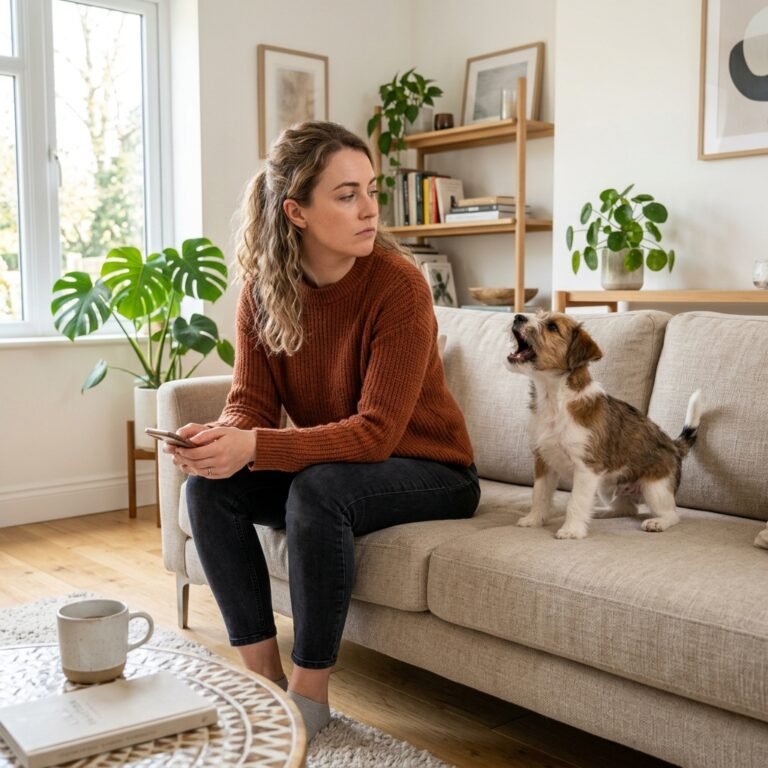
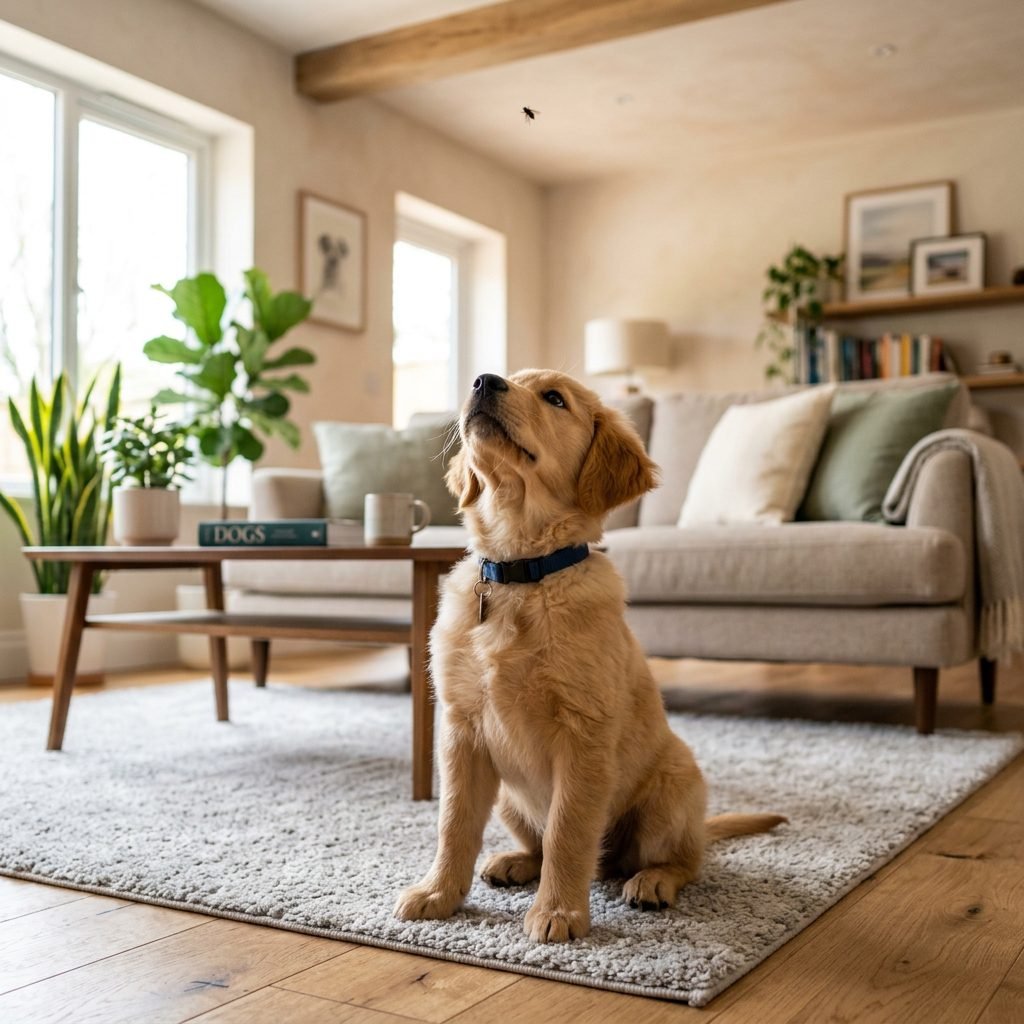
We have all been there: you are sitting on the sofa, trying to enjoy a quiet evening, when suddenly your puppy transforms into a furry whirlwind. They are leaping over coffee tables, snapping at the air, and crashing into the curtains. The culprit? A single, solitary housefly. While it might look hilarious at first—often referred to by dog lovers as the hunt for the elusive ‘sky raisin’—obsessive fly chasing can quickly transition from a cute quirk to a frustrating and even dangerous habit.
For savvy dog owners, understanding the ‘why’ behind the ‘woof’ is the first step to a harmonious home. Puppies are naturally inquisitive, and their predatory instincts are finely tuned to movement. However, when fly chasing becomes an obsession, it can lead to anxiety, physical injury, or even a rare neurological condition. In this comprehensive guide, we are going to dive deep into the psychology of the chase and provide you with a step-by-step roadmap to reclaim your living room and keep your pup safe, calm, and focused.
Understanding the Motivation: Why Puppies Hunt ‘Sky Raisins’
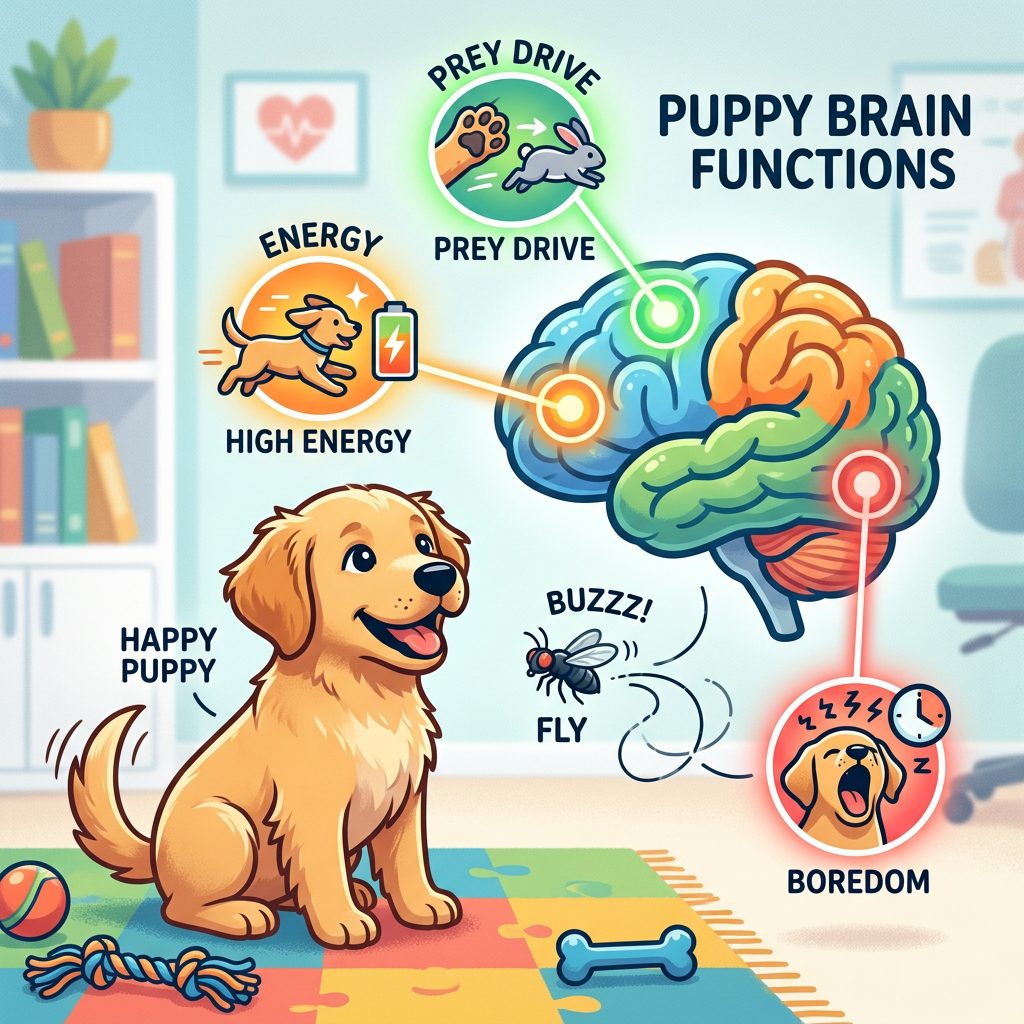
Before we can stop the behavior, we have to understand what is driving it. Puppies are essentially little learning machines with high-speed processors and a biological hardwiring for movement. When a fly buzzes past, it triggers several internal systems simultaneously.
The Predatory Sequence
Domestic dogs still possess the ‘predatory motor pattern’ inherited from their ancestors. This sequence typically involves: Search, Stalk, Chase, Grab-Bite, and Kill-Bite. For a puppy, a fly is the perfect target because it is fast, unpredictable, and small enough to ‘catch’ without a fight. The buzzing sound also provides auditory stimulation that keeps the puppy in a high state of arousal.
Boredom and Pent-Up Energy
Often, fly chasing is simply a symptom of a puppy with too much energy and not enough to do. If a pup hasn’t had enough physical exercise or mental stimulation, they will find their own ‘job.’ Unfortunately, that job often involves chasing anything that moves, including shadows, laser pointers, or insects.
The Difference Between Play and Obsession
It is important to distinguish between a puppy having a bit of fun and a puppy developing a compulsive disorder. Use the following table to help identify where your puppy falls on the spectrum:
| Behavior Trait | Normal Playful Chasing | Obsessive/Compulsive Chasing |
|---|---|---|
| Duration | Lasts a few minutes until the fly is gone or lost. | Continues for hours, even after the fly has left. |
| Redirectability | Can be easily distracted with a toy or treat. | Ignores all external stimuli; ‘locked in’ on the hunt. |
| Physical State | Happy, wagging tail, relaxed body. | Tense, dilated pupils, frantic movements, panting. |
| Recovery | Settles down quickly once the activity ends. | Remains anxious or hyper-vigilant for a long time. |
Expert Tip: If your puppy seems to be snapping at things that aren’t there, or if they cannot be snapped out of the behavior with high-value treats, it is time to consult a veterinarian to rule out ‘Fly Snapping Syndrome,’ which can be a form of seizure or OCD.
Phase 1: Essential Tools and Preparation
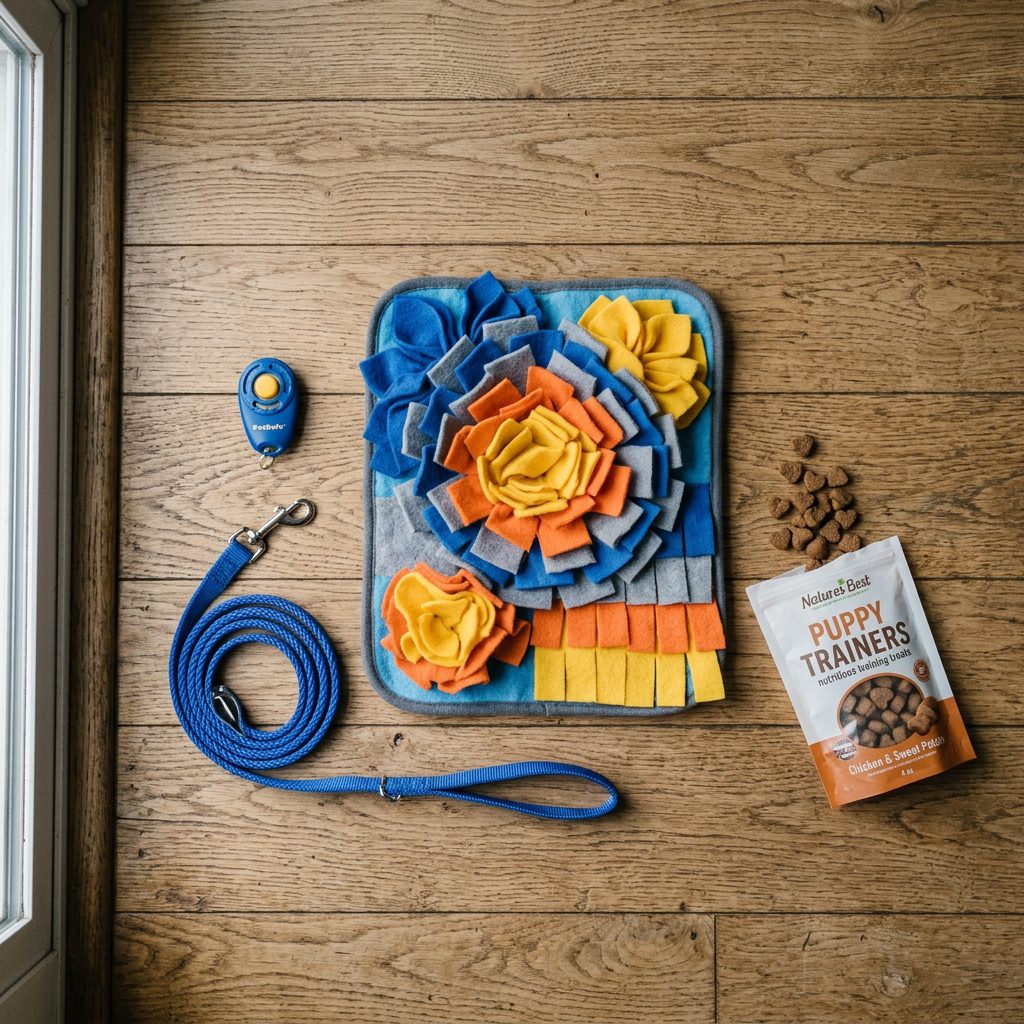
Training a puppy to ignore a moving target requires more than just willpower; you need the right tools to set them up for success. We want to move from a reactive state (shouting ‘No!’ when they chase) to a proactive state (rewarding them for staying calm).
What You Will Need
- High-Value Rewards: Forget the standard kibble. You need something ‘smelly and delicious’ like boiled chicken, tiny pieces of cheese, or freeze-dried liver.
- A Training Clicker: This helps mark the exact moment your puppy chooses not to chase.
- A Long Line or House Lead: A light leash that drags behind your puppy indoors can help you safely redirect them without having to grab their collar.
- Interactive Toys: Snuffle mats, Kongs, or puzzle feeders to drain that mental energy.
- Indoor Fly Control: Prevention is key! Use non-toxic fly traps or ultrasonic repellers to reduce the triggers in the first place.
Once you have your toolkit ready, the goal is to make you more interesting than the fly. This is the golden rule of puppy training: the reward for listening to you must always outweigh the reward of the naughty behavior.
Phase 2: The Step-by-Step Training Guide to Redirection
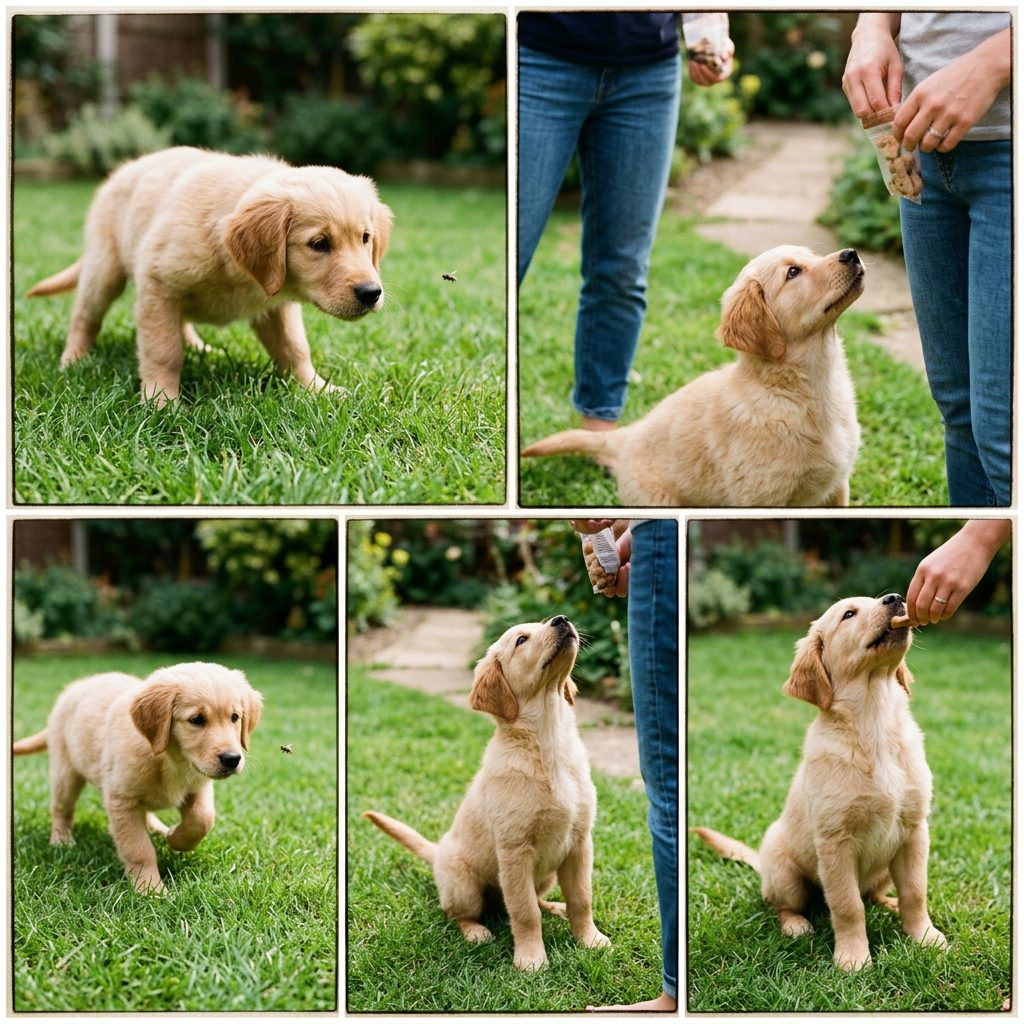
The secret to stopping the chase is teaching your puppy that ‘boring is rewarding.’ We are going to use three core commands: ‘Look at Me,’ ‘Leave It,’ and ‘Place.’
Step 1: Strengthening the ‘Look at Me’ Command
This command breaks the puppy’s hyper-focus. In a quiet room with no flies, say your puppy’s name. The moment they make eye contact, click and reward. Gradually increase the distraction level. Eventually, when a fly appears, you want to be able to say ‘Look at Me’ and have your pup turn away from the fly to look at you.
Step 2: The ‘Leave It’ Protocol
Teaching ‘Leave It’ is a life-saving skill. Start by holding a treat in a closed fist. When the puppy stops sniffing/pawing at your hand, click and reward with a different treat. Move to treats on the floor. Finally, use a moving toy to simulate a fly. When the puppy ignores the moving toy on command, they are ready for the real thing.
Step 3: Implementing the ‘Place’ Command
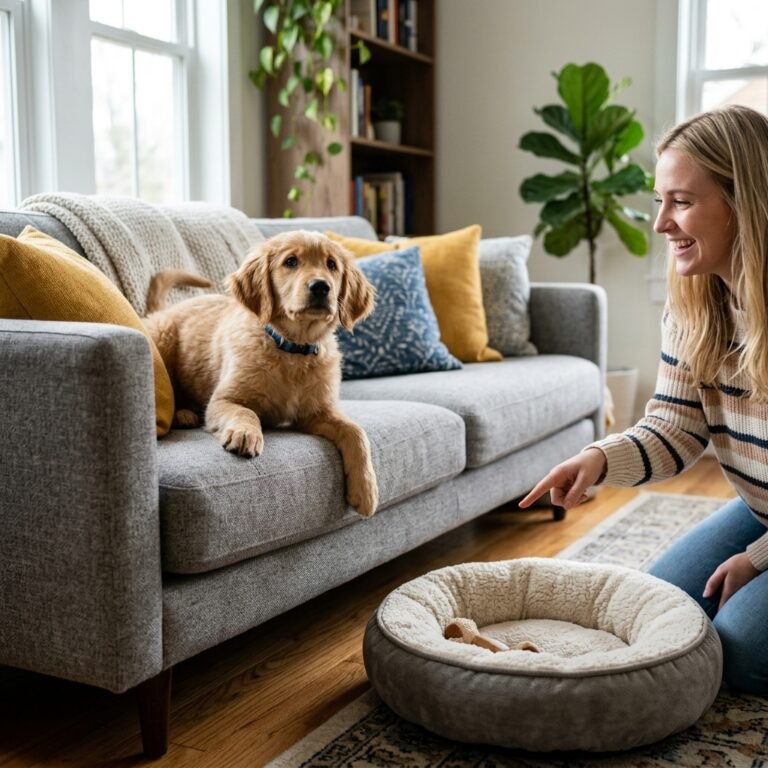
When a fly enters the room and your puppy starts to load up (stiffening their body), immediately give the ‘Place’ command. This tells the puppy to go to their bed or a specific mat and stay there until they have calmed down. This removes the ‘chase’ element and replaces it with a ‘settle’ task.
The ‘Interrupt and Redirect’ Method
- Observe: Catch the behavior the second the puppy notices the fly (before the actual chase starts).
- Interrupt: Use a neutral sound like a ‘tch-tch’ or a whistle to get their attention.
- Redirect: Immediately ask for a known command (like ‘Sit’) or toss a toy in the opposite direction.
- Reward: If they choose the toy or the command over the fly, give them a jackpot of treats.
Managing the Environment: Reducing the Triggers
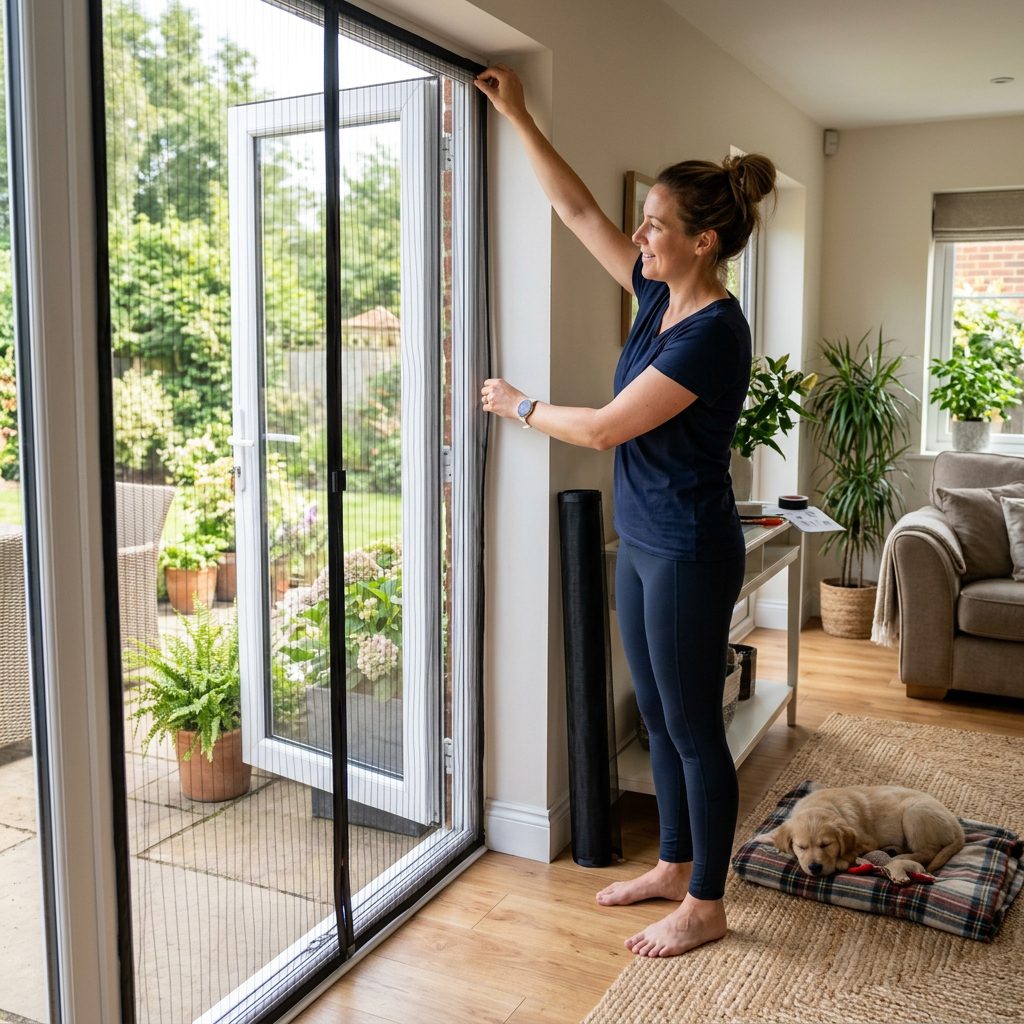
While you are working on the training, you need to manage the environment to prevent the behavior from being self-rewarding. Every time your puppy successfully chases or catches a fly, they get a ‘dopamine hit’ that reinforces the habit.
Proactive Environmental Controls
- Screen Doors and Windows: Ensure all entry points have fine-mesh screens to keep insects out.
- Hygiene Matters: Flies are attracted to food waste and pet waste. Keep the kitchen counters clean and scoop the yard regularly to reduce the local fly population.
- Visual Blockers: If your puppy chases flies through a specific window, consider using frosted window film or closing the blinds during peak fly hours (usually mid-afternoon).
The ‘No-Fly Zone’ Schedule
Consider the times of day when flies are most active and plan your high-intensity training or exercise sessions during those windows. A tired puppy is a puppy that is less likely to care about a buzzing insect.
| Time of Day | Fly Activity Level | Recommended Puppy Activity | |
|---|---|---|---|
| Early Morning | Low | Long walk or outdoor fetch. | |
| Mid-Day | High | Indoor mental puzzles/Snuffle mats. | |
| Late Afternoon | Very High | Training session in a ‘safe’ room. | |
| Evening | Low | Cuddle time and relaxation. |
Troubleshooting: When the Chase Won’t Stop
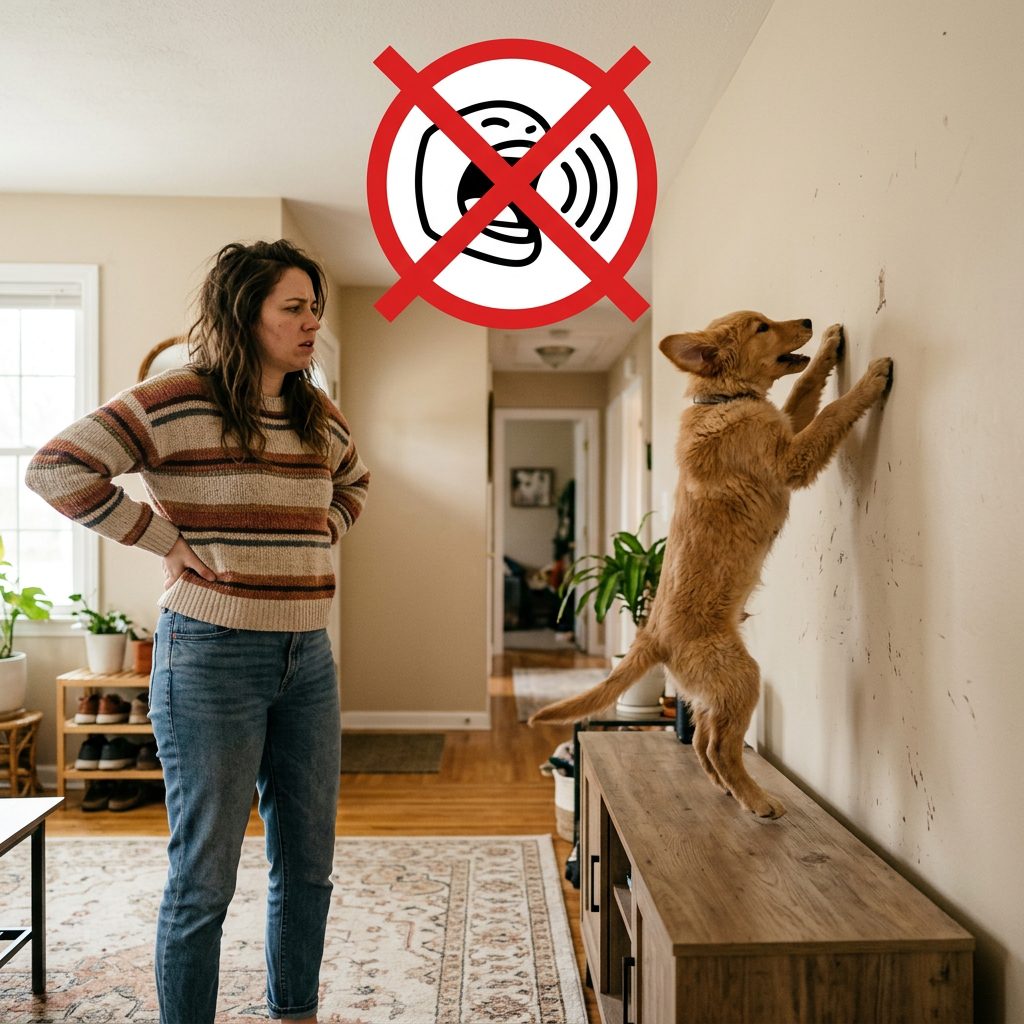
Even with the best training, some puppies are more persistent than others. If you find yourself struggling, consider these common pitfalls.
Mistake 1: Turning the Chase into a Game
If you run after your puppy shouting ‘No, stop it!’ while they are chasing a fly, the puppy often thinks you are joining in on the hunt. This adds social reinforcement to the behavior. Instead of chasing the puppy, move calmly and use your ‘Place’ command or a lure to lead them away.
Mistake 2: Using Punishment
Never scold or punish your puppy for chasing flies. This can create anxiety, and for some dogs, anxiety actually increases compulsive behaviors. Positive reinforcement is the only way to create long-term behavioral change.
Mistake 3: Underestimating Mental Fatigue
Physical exercise is great, but it builds an athlete. Mental exercise builds a calm dog. If the fly chasing persists, double down on ‘brain work.’ Try hiding treats around the house (the ‘Find It’ game) to redirect their hunting instinct into a productive, nose-based activity rather than a sight-based one.
Takeaway: Persistence is key. Habits aren’t formed overnight, and they aren’t broken overnight either. Consistency in your redirection will eventually win out.
Health and Safety: When to Call the Professional
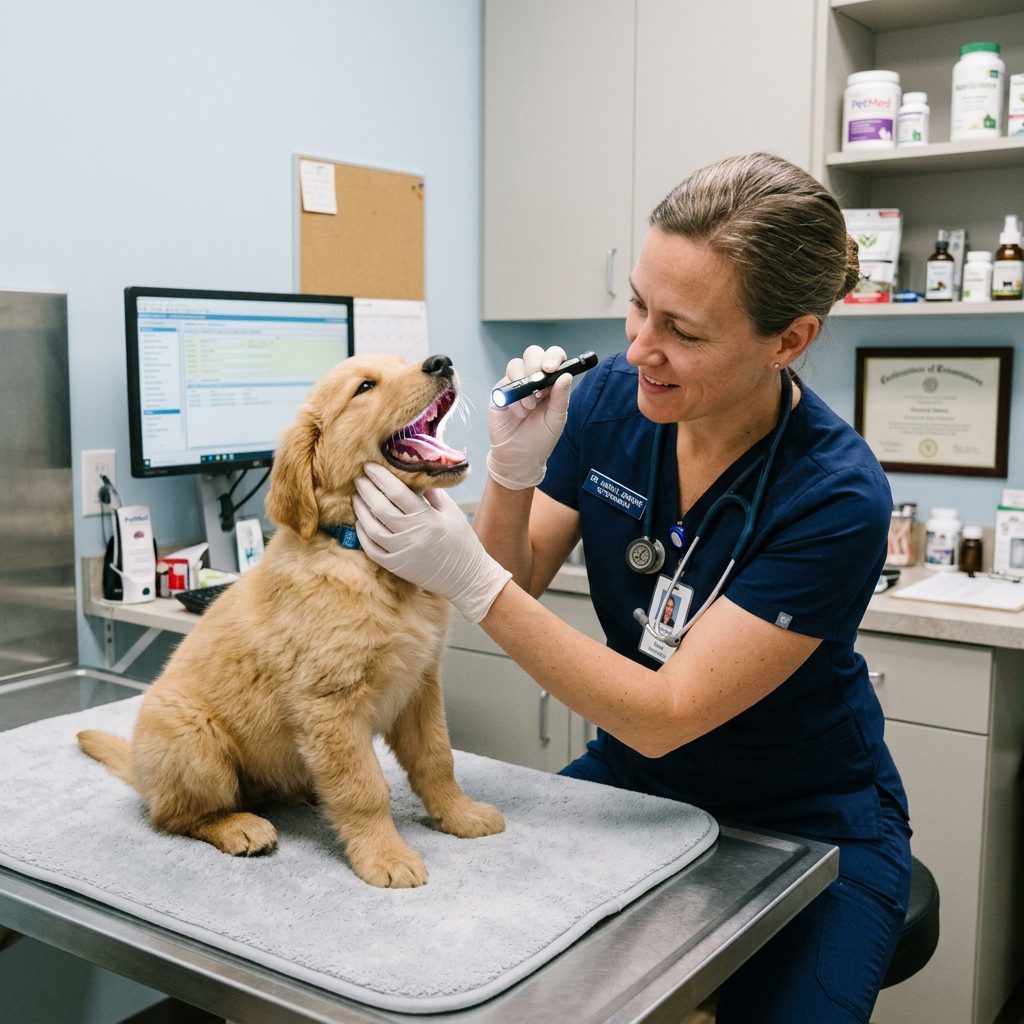
While most fly chasing is behavioral, there are instances where it is a medical concern. As a savvy owner, you should know the red flags.
Fly Snapping Syndrome (Partial Seizures)
Some dogs suffer from a condition where they appear to snap at non-existent flies. This is often a form of focal seizure or a gastrointestinal issue causing discomfort that the dog interprets as an external threat. If your puppy is ‘snapping’ in an empty room, please see a vet.
The Danger of Stings
Not everything that buzzes is a harmless housefly. Bees, wasps, and hornets can enter the home. A puppy who is used to snapping at flies may accidentally catch a ‘spicy fly’ (a bee), leading to painful stings in the mouth or throat, which can cause life-threatening swelling. If your puppy is stung, monitor for hives, excessive drooling, or difficulty breathing, and head to the emergency vet immediately.
Eye Strain and Physical Injury
Obsessive chasing can lead to puppies crashing into furniture, causing strains or sprains. Constant upward looking can also cause neck strain. If you notice any limping or lethargy after a ‘chase session,’ give your pup a break and consult your vet.
Conclusion
Stopping your puppy from obsessively chasing flies indoors is about more than just peace and quiet—it is about teaching your young dog how to manage their impulses and focus their energy productively. By understanding their natural prey drive, providing the right mental outlets, and using consistent, positive reinforcement training, you can turn a frantic hunter into a calm companion.
Remember, every puppy is an individual. Some will learn to ignore the ‘sky raisins’ in a week, while others might need a few months of management. Stay patient, keep your treats handy, and don’t forget to celebrate the small victories—like the first time a fly buzzes past and your puppy looks at you instead of the bug. You’ve got this!