Ankle Biter! 5 Safe Ways to Stop Your Puppy Chasing and Nipping Kids
Welcome to the Land Shark Phase!
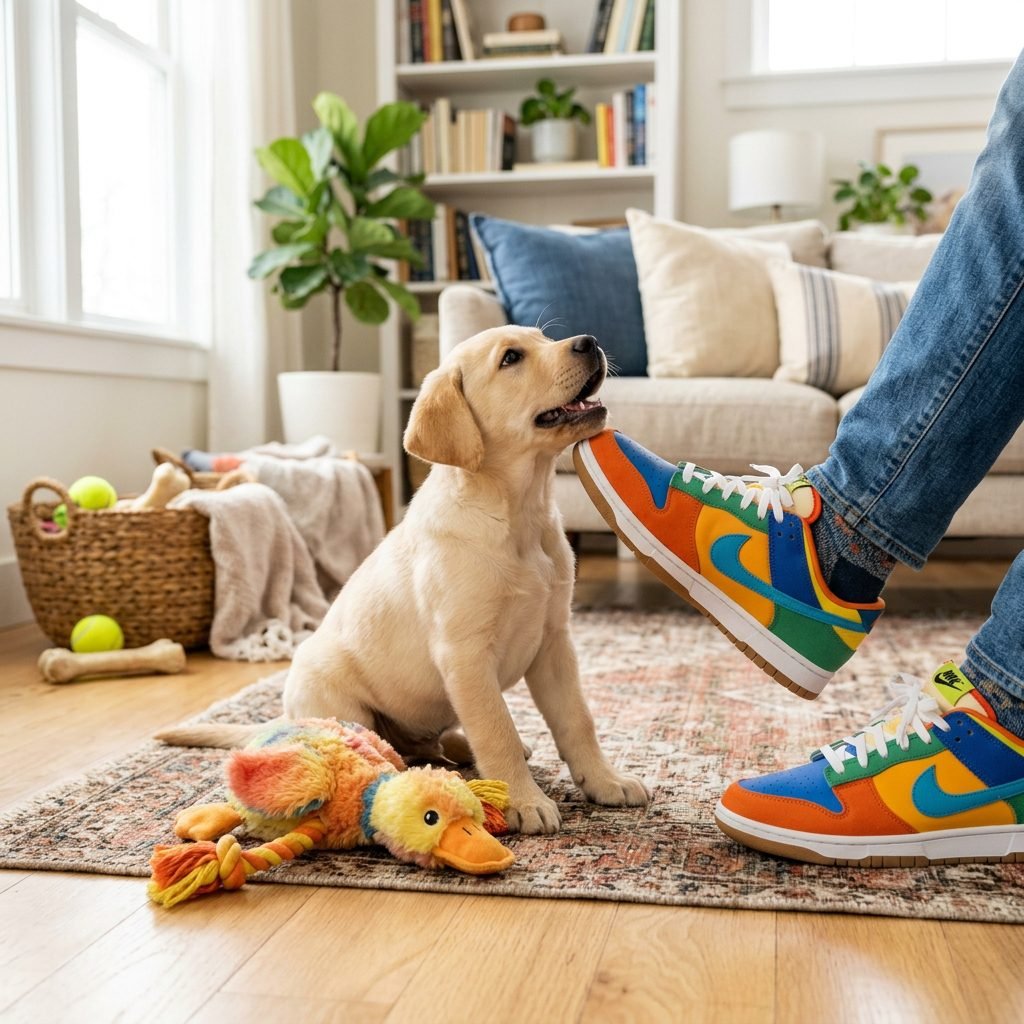
If you have recently brought a new puppy into your home, you might feel like you have invited a tiny, furry piranha rather than a cuddly companion. It is a common scene: your children are running through the hallway, laughing and playing, and suddenly, your puppy is hot on their heels, snapping at their heels and nipping at their pant legs. While this behavior is perfectly natural for a puppy, it can be scary for children and frustrating for parents. This guide is designed to help you navigate this ‘ankle biter’ phase using safe, humane, and effective training methods. We are going to dive deep into why puppies do this and, more importantly, how you can stop it while keeping the bond between your kids and your pup strong and happy.
The first thing to understand is that your puppy isn’t being ‘mean’ or ‘aggressive.’ They are simply being a puppy. In the wild, or even in a litter of siblings, chasing and nipping are how puppies learn to interact, develop motor skills, and understand social boundaries. However, human skin is much thinner than puppy fur, and human children move in ways that trigger a puppy’s natural predatory instincts. Our goal today is to bridge that communication gap. We will walk through the tools you need, the specific steps to take, and how to troubleshoot common setbacks. By the end of this article, you will have a clear roadmap to turn your little land shark into a well-behaved family member.
Understanding the ‘Why’ Behind the Bite
The Predatory Motor Pattern
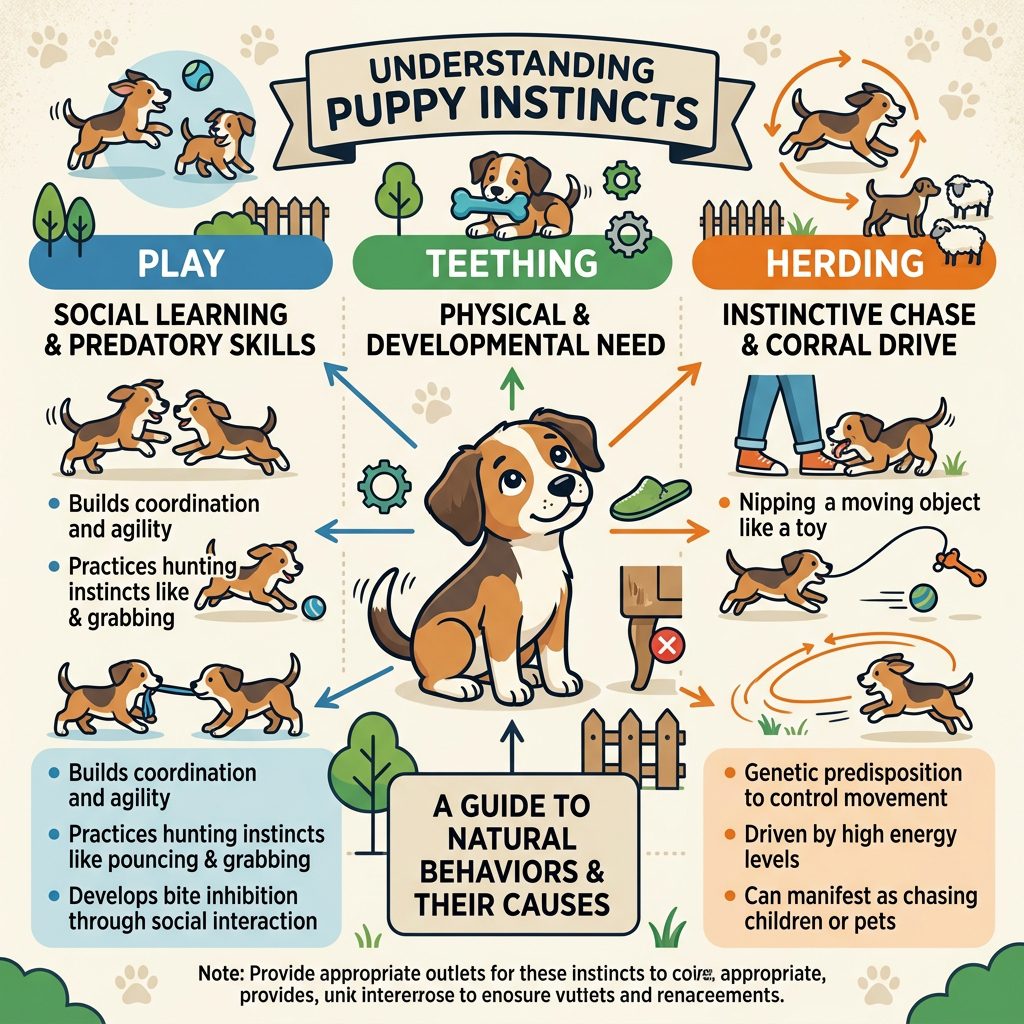
To stop the behavior, we first have to understand where it comes from. Puppies are born with a set of behaviors known as the ‘predatory motor pattern.’ This includes orienting, stalking, chasing, and grabbing. When a child runs past a puppy, their high-pitched voice and quick, erratic movements mimic the movements of small prey. This flips a switch in the puppy’s brain that says, ‘Chase that!’
Teething and Exploration
Puppies also use their mouths to explore the world, much like human babies use their hands. Between 12 and 24 weeks of age, puppies go through intense teething. Their gums are sore, and the pressure of biting down on something—even a moving ankle—provides temporary relief. Understanding that this is a developmental stage helps us approach training with patience rather than anger.
| Behavior | Puppy Motivation | Human Perception |
|---|---|---|
| Nipping Ankles | Play and Herding Instinct | Aggression or Hurting |
| Chasing Running Kids | Predatory Drive / Fun | Scary or Dangerous |
| Growling during Tug | Excitement / Vocalization | Mean or Vicious |
Essential Tools for Success
Setting Your Environment Up for Victory
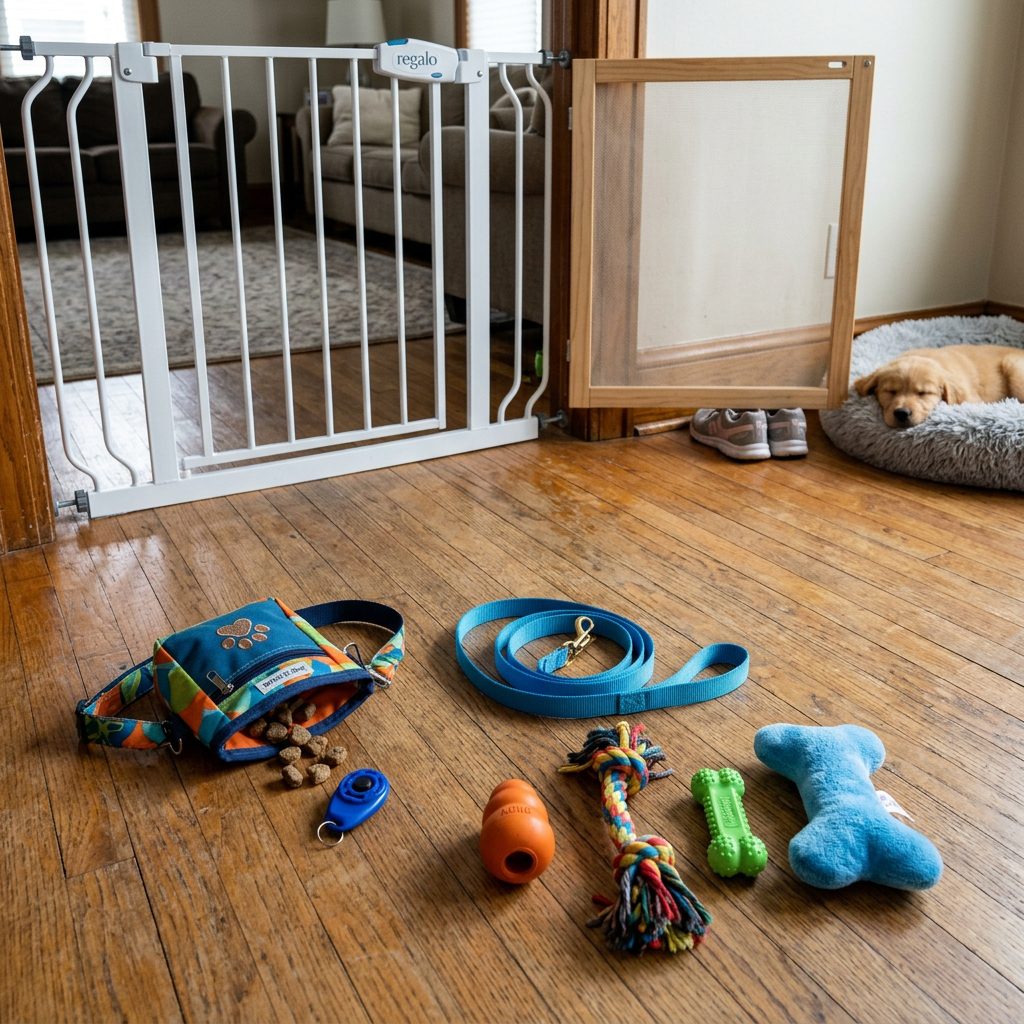
Before we dive into the training steps, you need to have the right gear. Managing a puppy and kids simultaneously is a juggling act, and these tools act as your ‘extra set of hands.’ You wouldn’t try to build a house without a hammer; don’t try to train a puppy without these essentials.
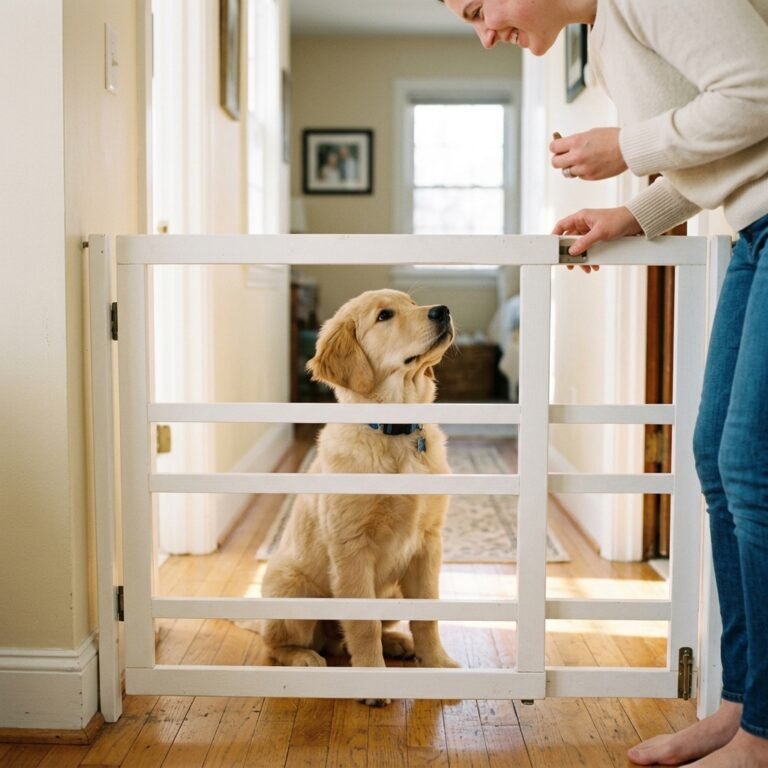
- Exercise Pens and Baby Gates: These are vital for creating ‘safe zones’ where the puppy can relax away from the chaos of playing children.
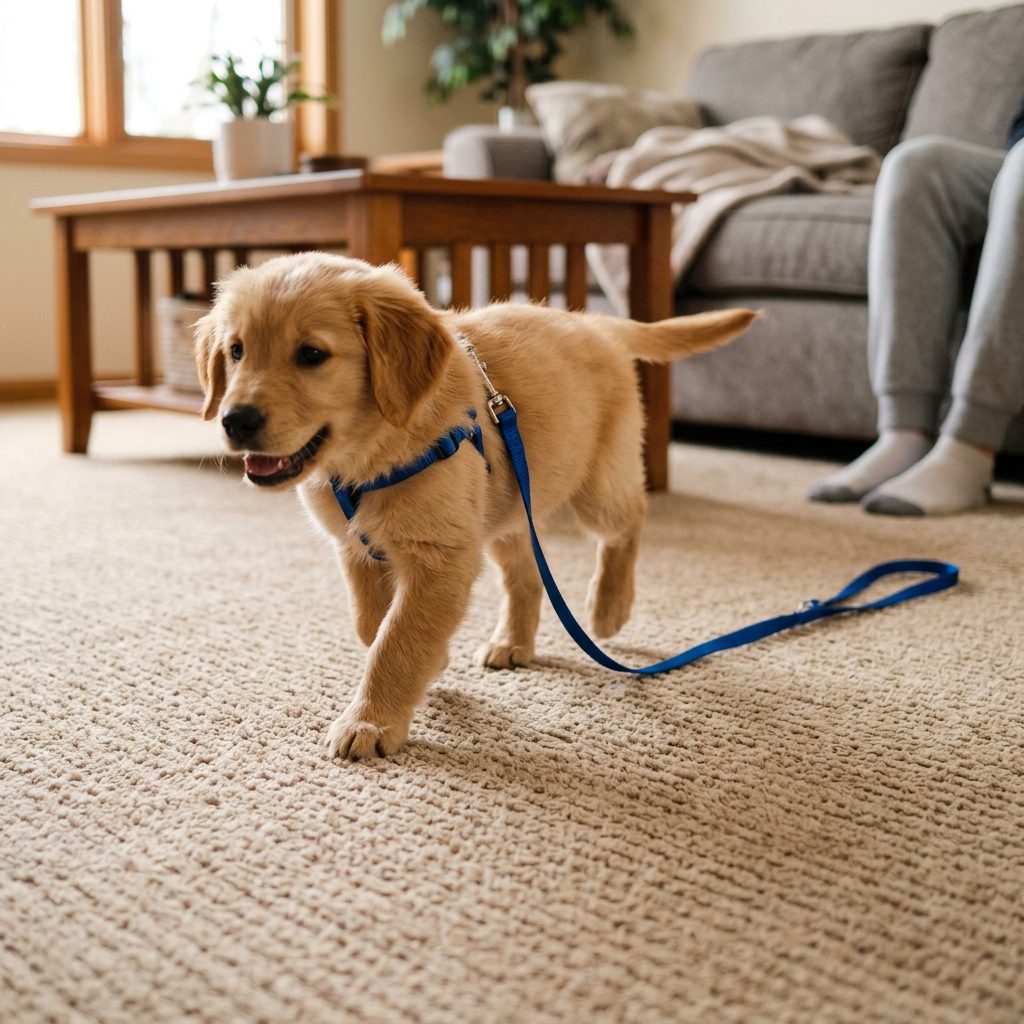
- Long Drag Leash (Indoor): A light, 5-10 foot leash that the puppy wears (under supervision) allows you to stop a chase without having to grab the puppy’s collar.
- High-Value Redirection Toys: Keep a variety of textures ready—soft plushies, rubber chew toys, and cold teething rings.
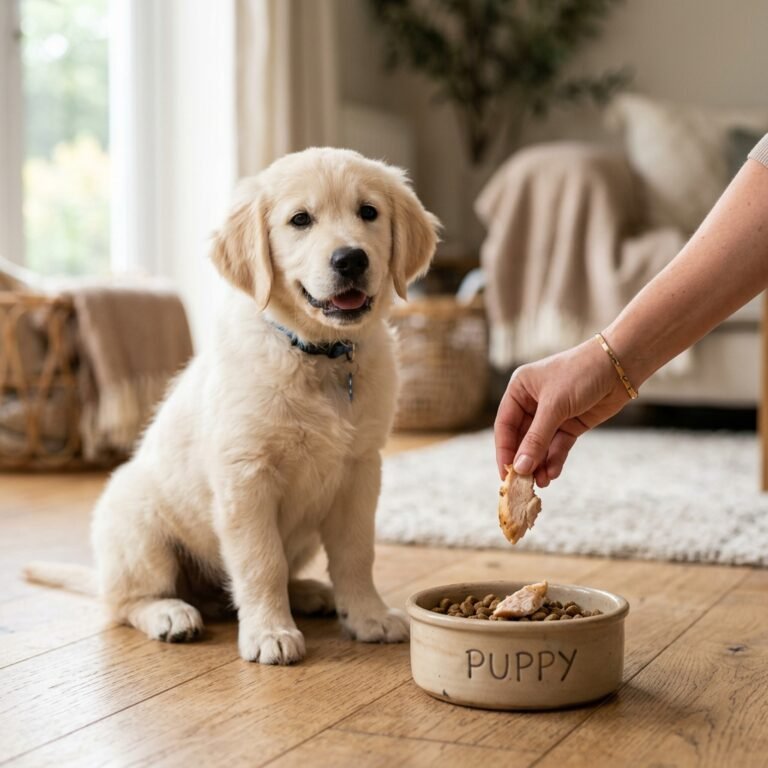
- Treat Pouch: You need to be able to reward good behavior the second it happens. Keep small, pea-sized treats on your person at all times.
Expert Tip: Management is 90% of the battle. If you can’t actively supervise the puppy and the kids, use a baby gate to keep them separated. Prevention is much easier than fixing a habit!
The 5 Safe Ways to Stop the Nipping
Step 1: The ‘Be a Statue’ Method
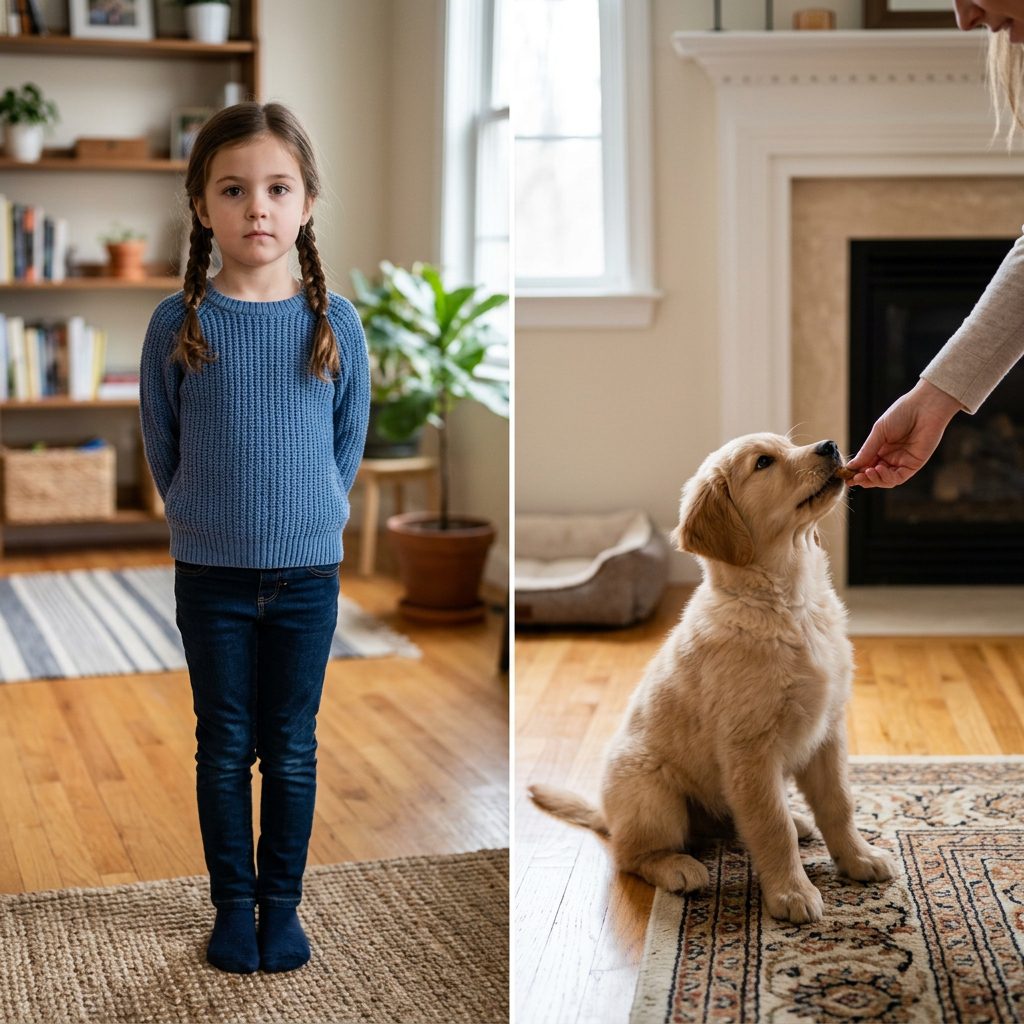
The most important lesson for children is that movement fuels the chase. When the puppy starts nipping, the child should stop moving immediately, tuck their hands into their armpits, and look at the sky. By becoming ‘boring,’ the child removes the reward (the fun movement) that the puppy was seeking.
Step 2: The Proactive Redirection
Don’t wait for the bite to happen. If you see your puppy’s eyes dilate and their body stiffen as they watch a child, they are about to pounce. This is the moment to toss a toy in the opposite direction. You are teaching the puppy that ‘chasing the ball is better than chasing the toddler.’
Step 3: Teaching ‘Four on the Floor’
We want to reward the puppy for having all four paws on the ground. Use your treat pouch to frequently drop treats near your puppy whenever they are standing calmly near the children. This builds a positive association with ‘calmness’ around the kids.
Step 4: The Reverse Time-Out
Instead of putting the puppy in a ‘naughty corner,’ the human should leave the area. If the puppy nips, say a calm ‘Ouch’ or ‘Too bad,’ and step over a baby gate into another room for 30 seconds. This teaches the puppy that nipping makes the ‘fun’ (you) disappear.
Step 5: Mandatory Nap Times
Just like toddlers, puppies get ‘cranky’ when they are overtired. An overstimulated puppy is much more likely to nip and chase. Ensure your puppy is getting 18-20 hours of sleep a day. If the nipping becomes frantic, it is likely time for a crate nap.
Training the Kids: The Other Half of the Equation
Kids Are Part of the Training Team
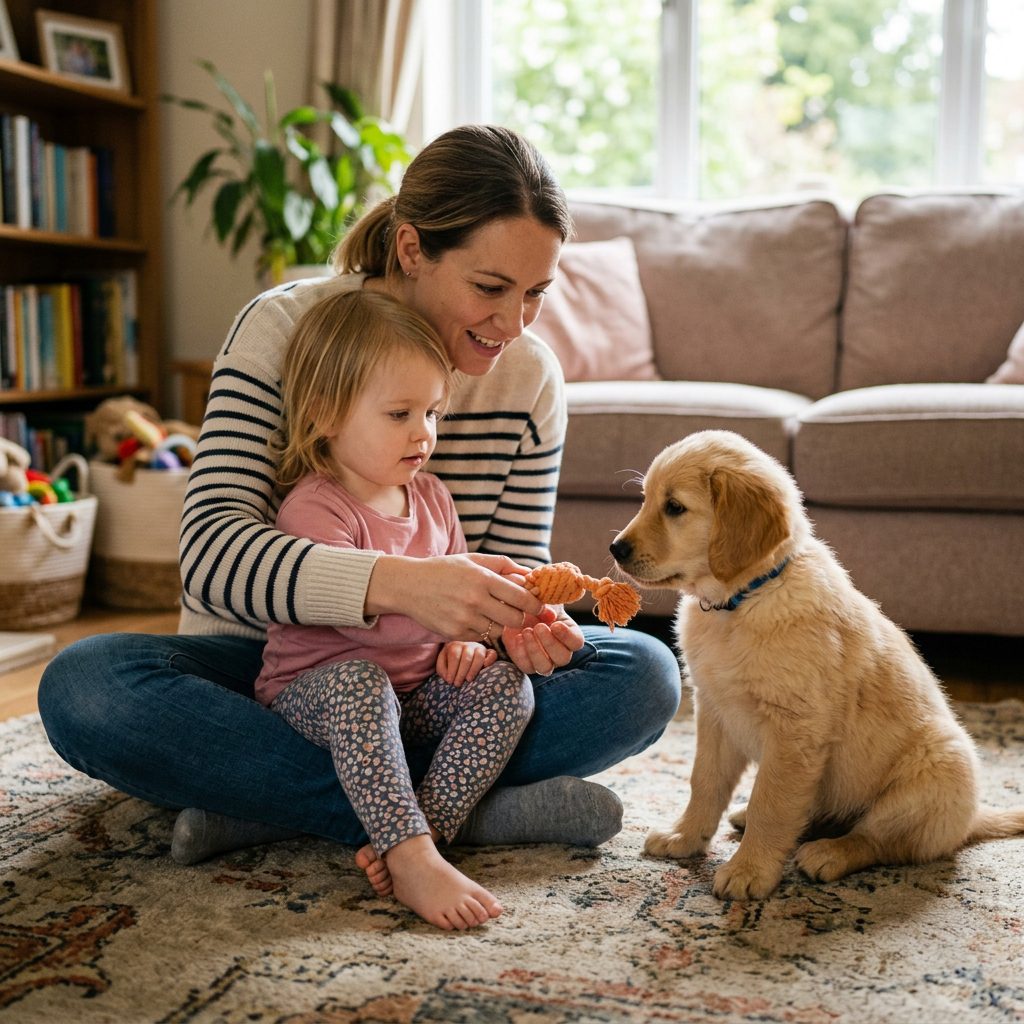
Puppy training is a family affair. Children need to be taught how to interact with the puppy to avoid triggering the nipping reflex. It is helpful to give children specific ‘jobs’ so they feel involved in the process rather than being ‘victims’ of the puppy’s play.
- The ‘No Running’ Rule: Explain that running inside the house is like an invitation for the puppy to play ‘tag’ with their teeth.
- Gentle Petting: Teach kids to pet the puppy on the chest or chin rather than reaching over the head, which can be perceived as a threat or a play-invite.
- Toy Duty: Give the child a specific toy that they are allowed to use to interact with the puppy, such as a long fleece tug toy that keeps the puppy’s mouth far from their hands.
| Kid Action | Puppy Reaction | Better Alternative |
|---|---|---|
| Screaming/Running | Excitement / Chasing | Walking slowly / Quiet voice |
| Flailing arms | Biting at hands | Keeping hands close to body |
| Pushing puppy away | Thinking it is a wrestling game | Turning away and ignoring |
Common Mistakes and Troubleshooting
What Not to Do
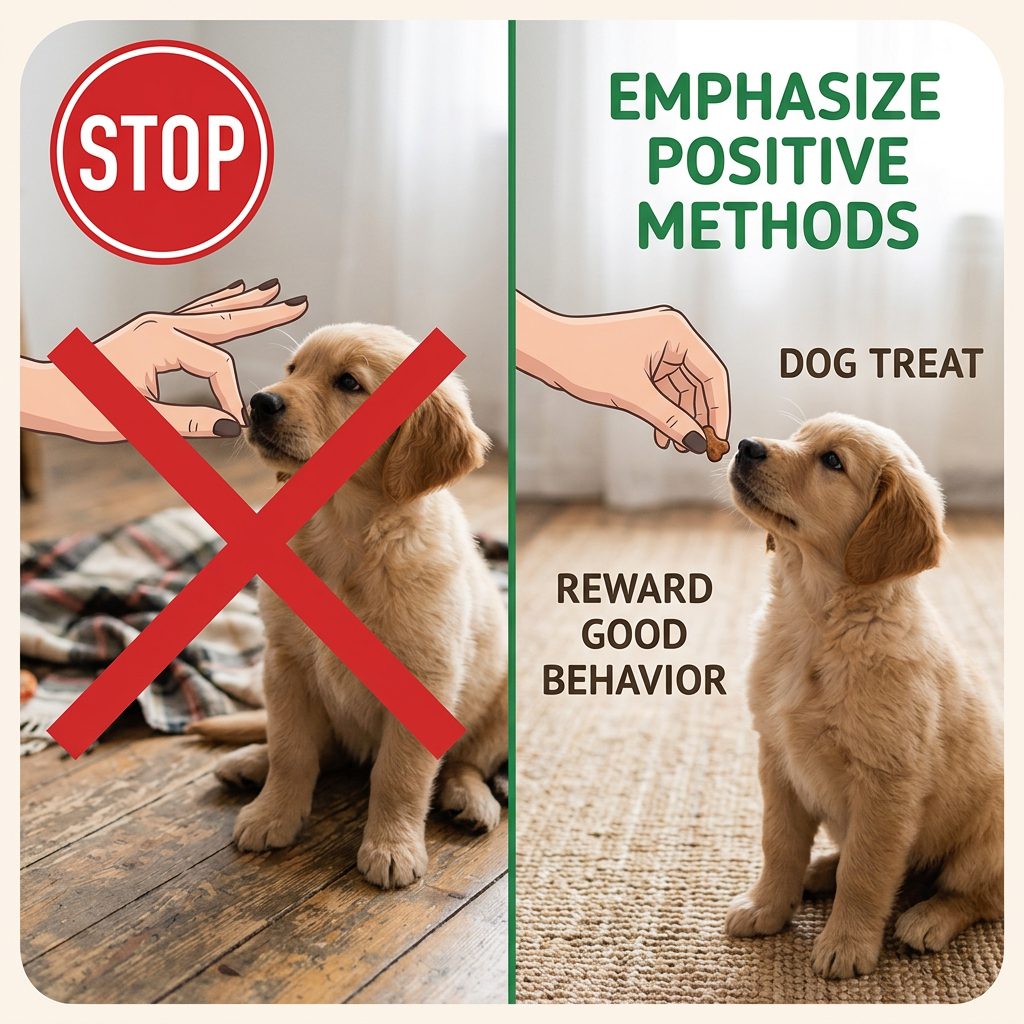
When we are frustrated, it is easy to fall into old-school habits that can actually make the problem worse. Avoid these common pitfalls to ensure your puppy grows up to be a confident, non-aggressive adult.
- Physical Punishment: Never hit, flick the nose, or hold the puppy’s mouth shut. This creates fear and can turn play-nipping into defensive aggression.
- Playing ‘Rough’ with Hands: If you use your hands to wrestle with the puppy, you are teaching them that human skin is a toy. Always use a tool or toy between you and the pup.
- Inconsistency: If Mom allows nipping but Dad doesn’t, the puppy will be confused. Everyone in the household must follow the same rules.
When to Call a Professional
If your puppy is lunging at faces, snarling (not play-growling), or if the nipping is accompanied by stiff body language and bared teeth, it may be more than just puppy play. In these cases, reaching out to a certified positive reinforcement trainer or a veterinary behaviorist is the safest move for your family.
Advanced Management: The ‘Leash in the House’ Strategy
The Power of the Drag Leash
One of the most underutilized tools in puppy training is the indoor drag leash. By letting your puppy wear a light leash while they are supervised in the house, you gain immediate control over their movement without needing to physically overpower them. If the puppy starts to fixate on a child’s heels, you can gently pick up the end of the leash and guide them toward a chew toy or into their exercise pen.
This prevents the ‘catch me if you can’ game that many puppies love. When you try to grab a puppy that is nipping, they often think you are joining in the game, which causes them to zoom around even faster. The leash breaks this cycle and allows for a calm, quiet redirection that doesn’t escalate the puppy’s energy levels.
Conclusion
A Little Patience Goes a Long Way
Stopping a puppy from nipping and chasing kids doesn’t happen overnight. It is a process of managing the environment, teaching the puppy what to do instead, and educating your children on how to be ‘boring’ when things get too wild. Remember, this phase is temporary! As your puppy matures and their adult teeth come in, the urge to mouth everything will naturally diminish—provided you have set the right boundaries now.
Stay consistent, keep your treat pouch full, and don’t forget to celebrate the small wins. When you see your puppy choose to grab a toy instead of a sneaker, or when your child successfully ‘becomes a statue’ during a zoomie session, you are winning the training game. You’re building a foundation of trust and safety that will last a lifetime. Happy training!