No Squirming! The Genius Way to Train Your Puppy to Accept Eye Drops Without a Fight
If you have ever tried to put eye drops into a wiggly, suspicious, or flat-out terrified puppy, you know it can feel less like medical care and more like a high-stakes wrestling match. You are trying to be the responsible pet parent, but your puppy is convinced that the tiny plastic bottle in your hand is a weapon of mass destruction. It is a stressful experience for everyone involved: you feel like the ‘bad guy,’ and your puppy learns that being handled results in scary, unpredictable events.
But what if I told you there is a better way? A way that doesn’t involve pinning your puppy down, covering their head with a towel, or chasing them behind the sofa? The secret lies in a concept called Cooperative Care. This isn’t just a fancy training term; it is a revolutionary approach to husbandry and medical procedures that gives your dog a voice in the process. By using desensitization and counter-conditioning, we can transform ‘eye drop time’ from a battle of wills into a calm, predictable routine where your puppy actually opts in to the treatment.
In this comprehensive guide, we are going to break down the ‘Genius Way’ to train your puppy. We will move away from force and move toward partnership. Whether your puppy currently has an infection that needs immediate treatment or you are being proactive for the future, these steps will ensure that your dog’s eyes—and your relationship with them—stay healthy and bright.
The Toolkit: Preparing for Success
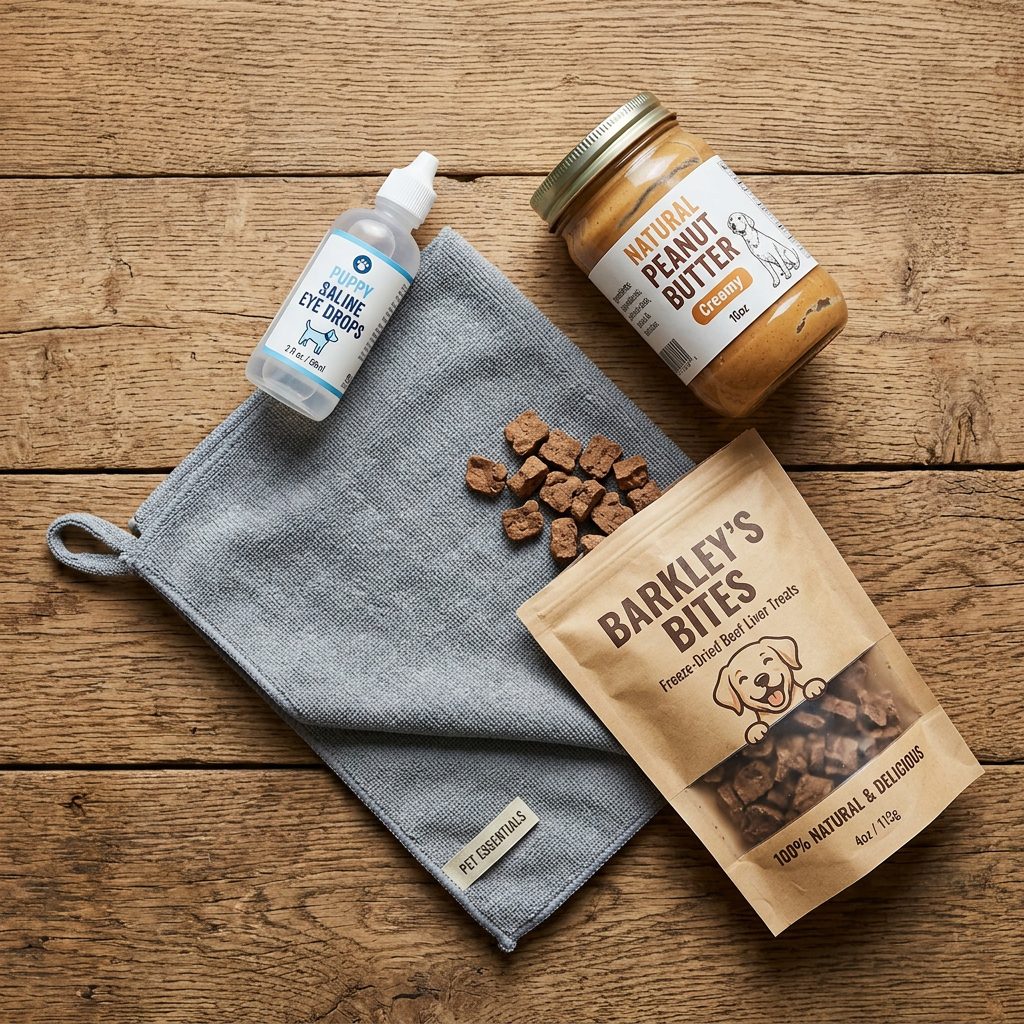
Before we even think about touching your puppy’s eyes, we need to gather our supplies. Training for medical procedures requires a higher level of motivation than teaching a simple ‘sit.’ We are asking the puppy to tolerate something potentially uncomfortable, so the rewards must be world-class.
Selecting the Right Rewards
When it comes to eye drops, ‘boring’ kibble usually won’t cut it. We need high-value, high-moisture treats that the puppy can lick or nibble slowly. This keeps their focus on the food and creates a positive association with the handling.
| Reward Type | Why It Works | Best Use Case |
|---|---|---|
| Peanut Butter/Squeeze Cheese | Allows for continuous licking, which is self-soothing. | During the actual administration of the drop. |
| Boiled Chicken or Freeze-Dried Liver | Extremely high value and easy to swallow quickly. | Rewarding the ‘approach’ and ‘touch’ phases. |
| Plain Yogurt on a Lick Mat | Provides a long-lasting distraction. | For puppies who are extremely sensitive to being held. |
The Environment
Choose a location where your puppy feels safe. Avoid slippery floors where they might feel unstable. A rug or a yoga mat provides excellent traction. Ensure the lighting is bright enough for you to see what you are doing, but not so harsh that it causes the puppy to squint or turn away.
The Philosophy: Why Cooperative Care Wins
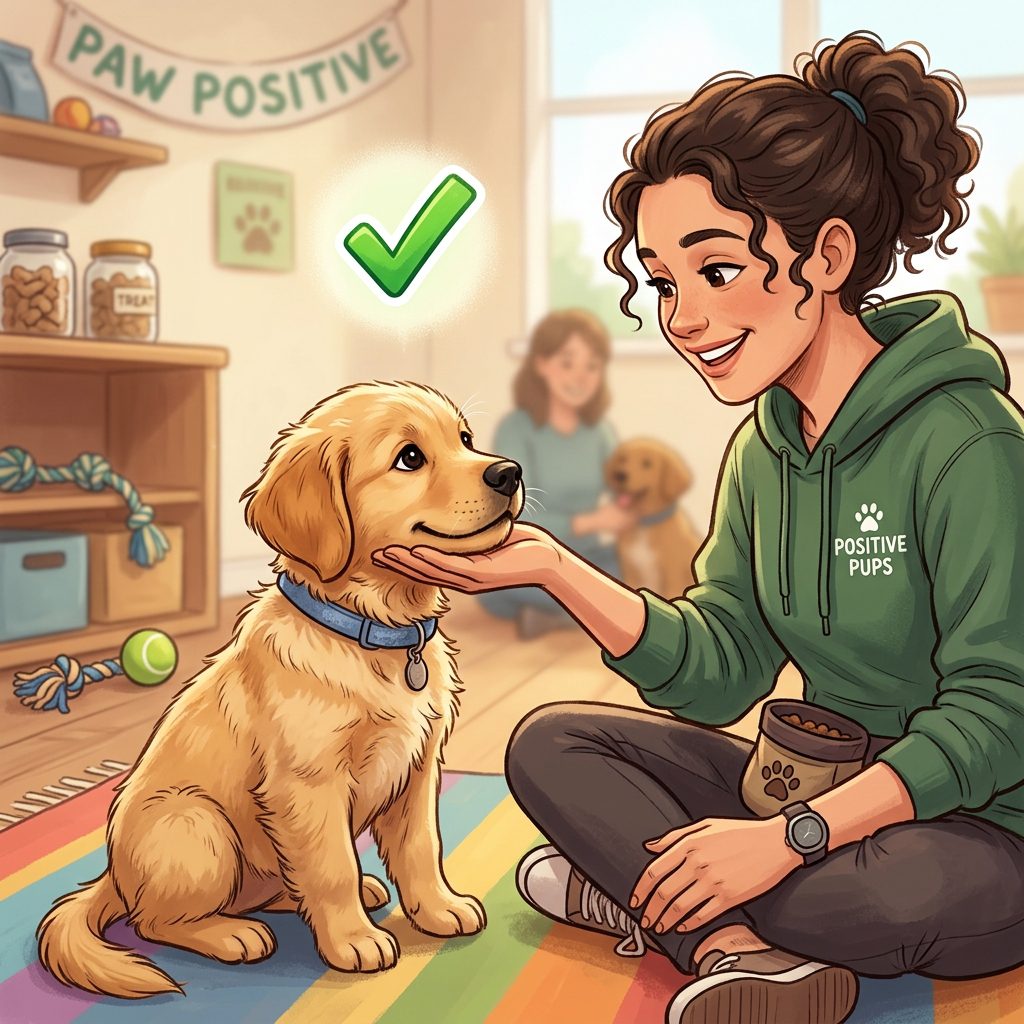
The traditional method of administering eye drops usually involves ‘restraint and force.’ While this might get the medicine in the eye today, it creates a dog that will run and hide the moment they see the medicine bottle tomorrow. Cooperative Care changes the dynamic. We want to teach the puppy that they have a choice, and that choosing to stay still results in something wonderful.
The Power of the ‘Start Button’
A ‘start button’ behavior is a specific action your dog performs to tell you, ‘I am ready, you may begin.’ For eye drops, the most effective start button is the Chin Rest. By teaching your puppy to rest their chin in your hand or on a towel, you give them a way to signal their comfort. If they lift their head, you stop. This sounds counter-intuitive—why would you stop if you need to get the medicine in? Because by stopping, you build trust. When the puppy realizes that they can stop the process by moving away, they are actually more likely to stay still because they don’t feel trapped.
Trust is the foundation of all medical training. A puppy who trusts you is a puppy who will let you help them when they are in pain.
The 7-Step Training Protocol
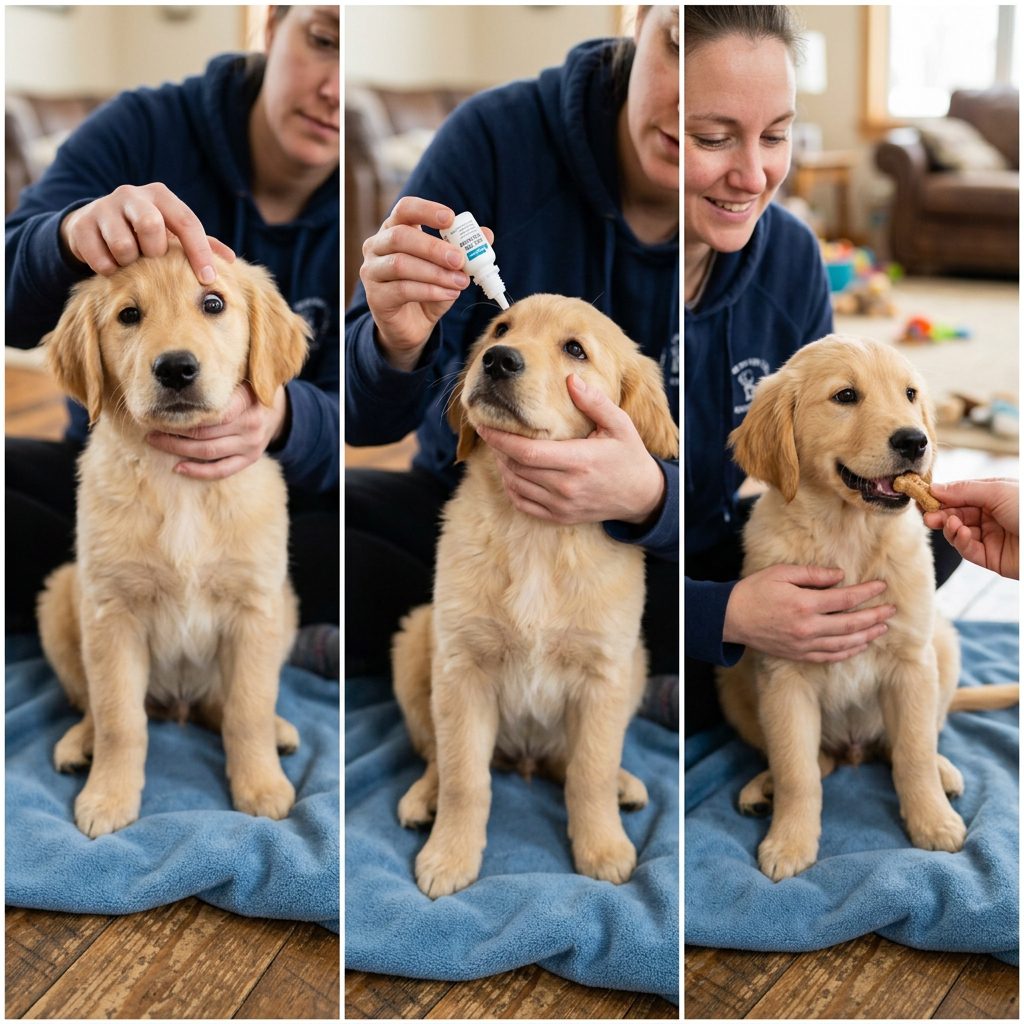
Do not try to do all of these steps in one day. Depending on your puppy’s temperament, you might spend three days on Step 1 and only ten minutes on Step 2. Follow the puppy’s lead.
Step 1: The Scent of the Bottle
Show the puppy the eye drop bottle (closed). Let them sniff it. As soon as they look at it or sniff it, say ‘Yes!’ and give a high-value treat. Repeat 10-15 times until they see the bottle and look at you expectantly for a treat.
Step 2: The Face Touch
With your empty hand, gently stroke the area around the puppy’s eye. Do not poke the eye! Just touch the brow and the cheek. Reward heavily. We are desensitizing the sensitive nerves around the ocular orbit.
Step 3: The ‘Head Tilt’ Position
Gently place your hand under the puppy’s chin and encourage them to look up toward the ceiling. You can use a treat held above their nose to lure them into this position. Reward for holding the ‘nose up’ position for just one second, then two, then five.
Step 4: The Bottle Near the Eye
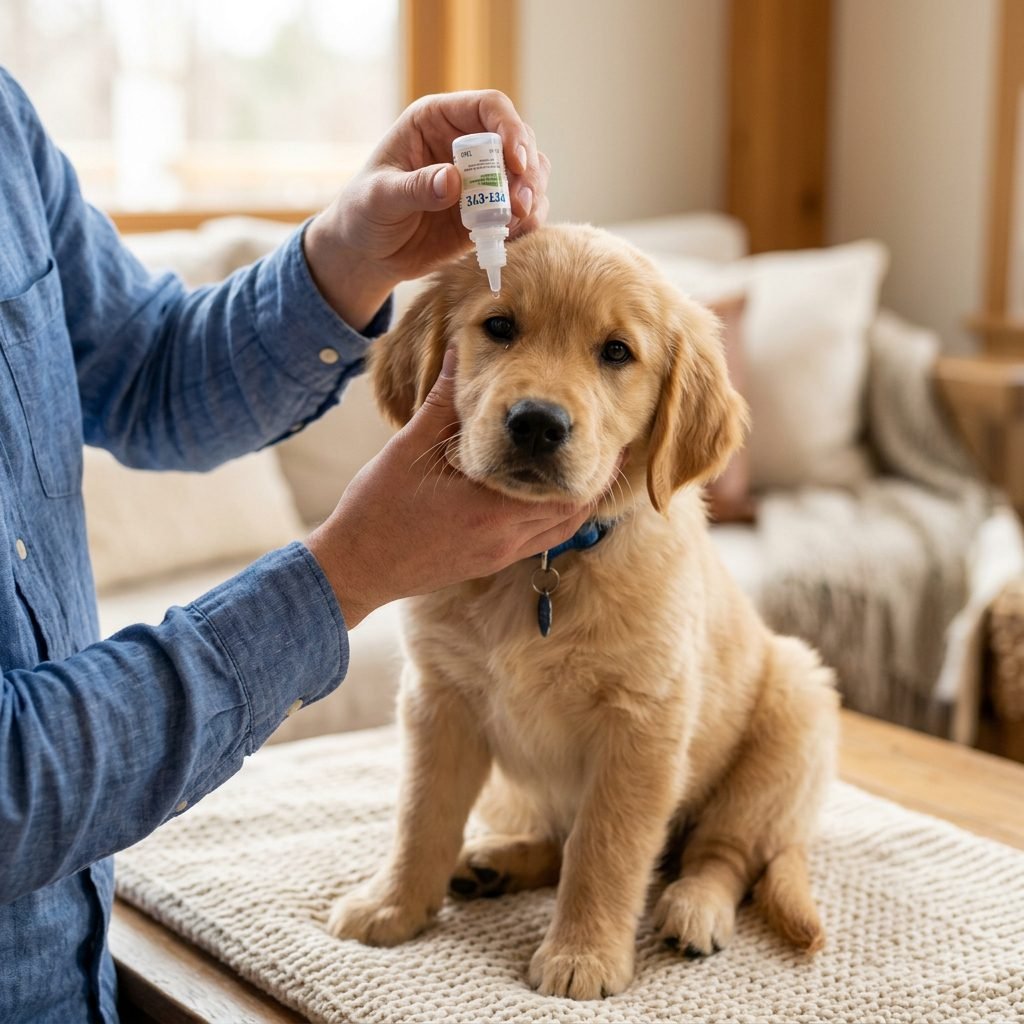
Hold the bottle in one hand and touch the puppy’s forehead with the base of that hand. This stabilizes your hand so that if the puppy moves, your hand moves with them, preventing you from accidentally poking the eye. Reward the puppy for staying still while the bottle is near their face.
Step 5: The Lid Lift
This is often the part puppies dislike most. Use your thumb to gently pull the upper eyelid up or your index finger to pull the lower lid down. Do this for a split second, reward, and release. Pro tip: Pulling the lower lid down to create a ‘pocket’ is often easier and less scary for the dog than pulling the upper lid up.
Step 6: The Mock Drop (Saline)
Before using real medication, use a simple saline solution (ensure it is preservative-free and safe for dogs). This allows you to practice without wasting expensive meds or worrying about stinging. Squeeze one drop onto the puppy’s cheek first, then eventually into the eye. Huge rewards follow!
Step 7: The Real Deal
Once the puppy is a pro at the saline drops, introduce the actual medication. Keep the vibe ‘low-key’ and happy.
Troubleshooting: What to Do When It Goes Wrong
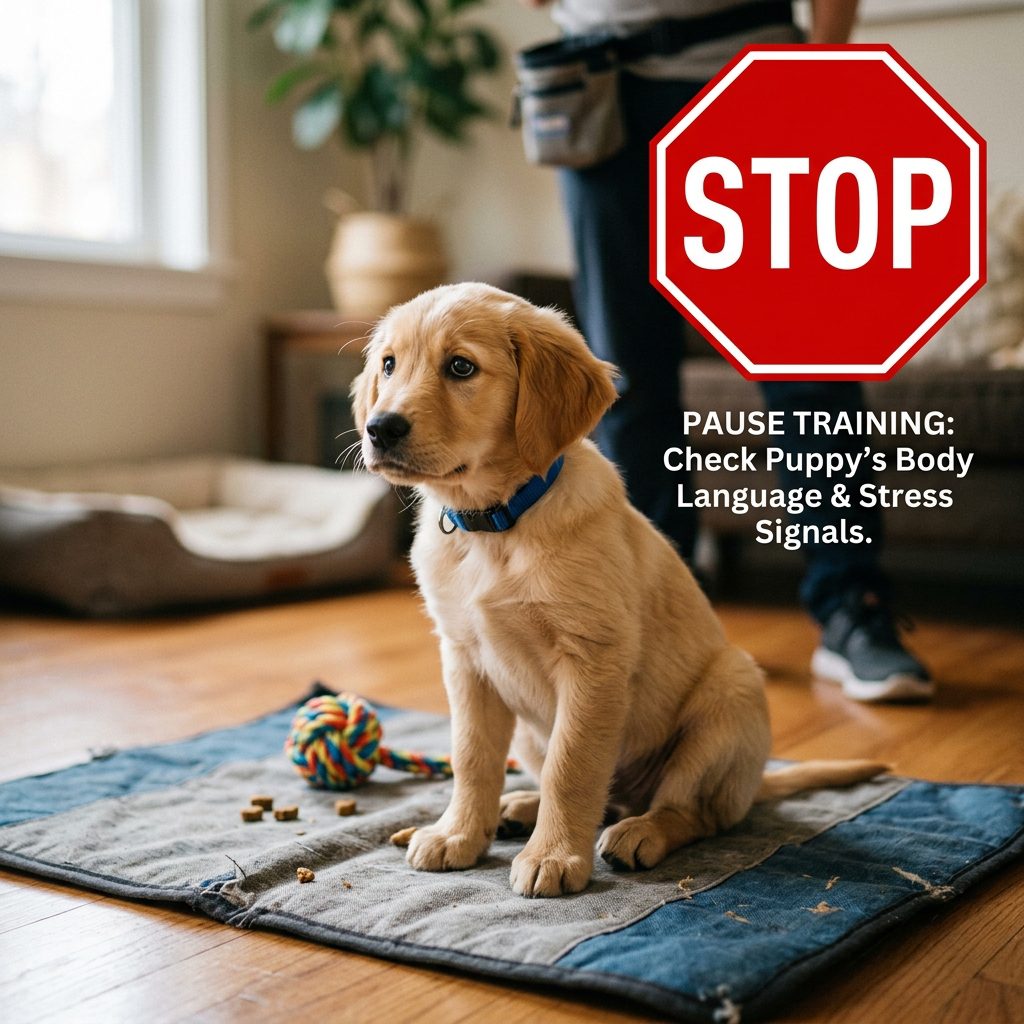
Even with the best training, setbacks happen. If your puppy starts snapping, growling, or bolting, it is a sign that you have moved too fast. You have exceeded their ‘threshold.’
Common Roadblocks and Solutions
- The Puppy Runs When They See the Bottle: You skipped Step 1. Go back to just having the bottle on the floor during meal times. Let its presence mean ‘food is coming.’
- The Puppy Squints Their Eyes Shut: This is a fear response. Spend more time on Step 2 (Face Touch) and use a higher-value lickable treat like squeeze cheese to keep their mouth moving, which makes it harder to clench the facial muscles.
- The Puppy Struggles When Held: Stop holding them. Try the ‘Chin Rest’ method where the puppy chooses to place their head in your hand rather than you grabbing their muzzle.
If you are dealing with a painful eye infection right now and don’t have weeks to train, you may need to use a ‘management’ strategy. This involves a two-person job where one person provides a constant stream of high-value lickable treats while the other quickly administers the drop. However, as soon as the infection clears, return to the training protocol so you are ready for next time.
Health Check: Recognizing Eye Issues
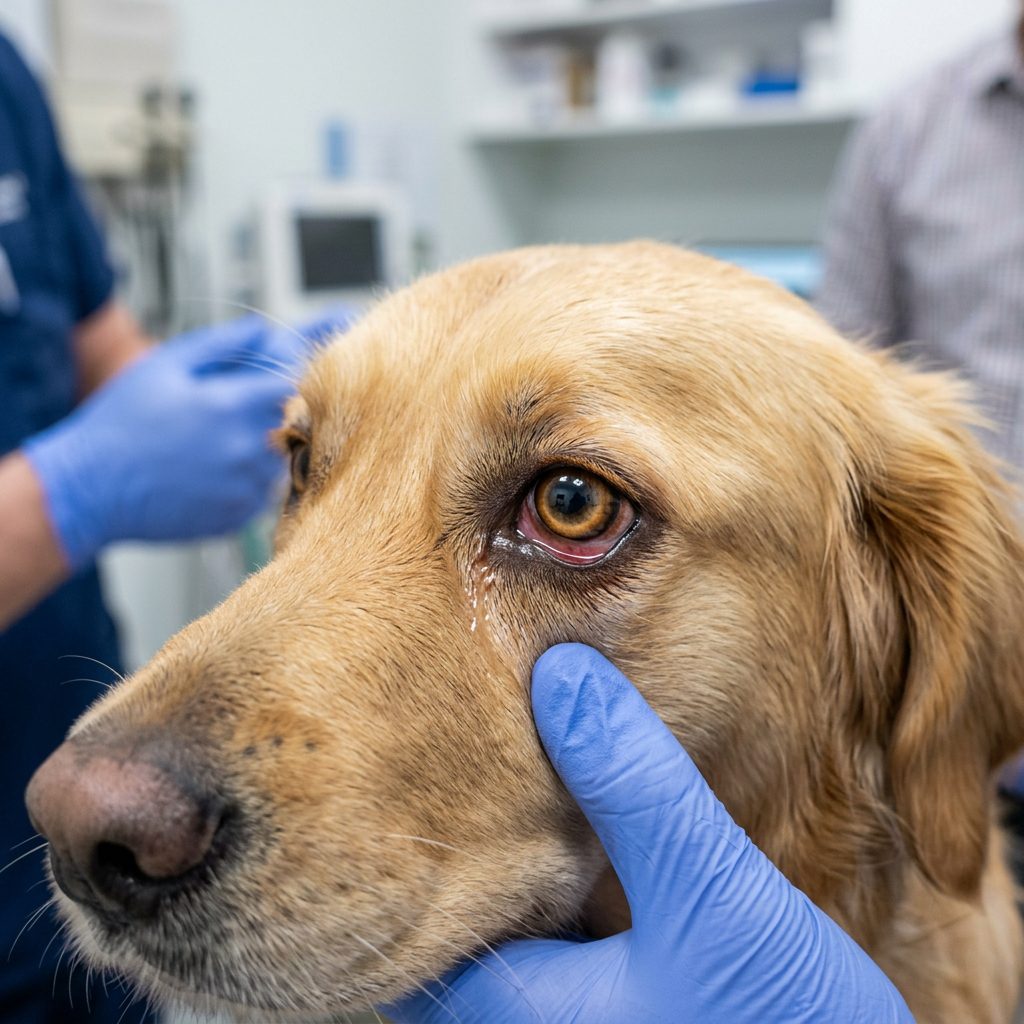
Training is essential, but knowing when to use your skills is equally important. Puppies are prone to various eye issues, from scratches (corneal ulcers) to allergies and infections (conjunctivitis). Being able to spot these early can save your puppy from unnecessary pain.
| Symptom | Potential Cause | Urgency |
|---|---|---|
| Excessive Squinting | Pain, Foreign Object, or Ulcer | High – See Vet Today |
| Yellow/Green Discharge | Bacterial Infection | Moderate – See Vet Soon |
| Cloudiness in the Eye | Glaucoma or Severe Trauma | Emergency – See Vet Now |
| Redness/Swelling | Allergies or Irritation | Low to Moderate |
Always consult your veterinarian before putting anything in your dog’s eye. Some human eye drops are toxic to dogs, and using a steroid-based drop on a corneal ulcer can actually cause the eye to melt. Always use exactly what your vet prescribes!
Conclusion
Training your puppy to accept eye drops is about so much more than just ocular health. It is a masterclass in communication, patience, and empathy. When you take the time to teach your puppy that they don’t need to fear medical handling, you are setting them up for a lifetime of stress-free veterinary visits. You are building a bond based on the ‘Genius Way’—the way of trust and cooperation.
Remember, every puppy learns at their own pace. Some will be ‘Eye Drop Experts’ in a weekend, while others might take a month to feel truly comfortable. Stay consistent, keep the treats flowing, and never lose your sense of humor. You’ve got this, and your puppy’s bright, healthy eyes will be all the thanks you need!