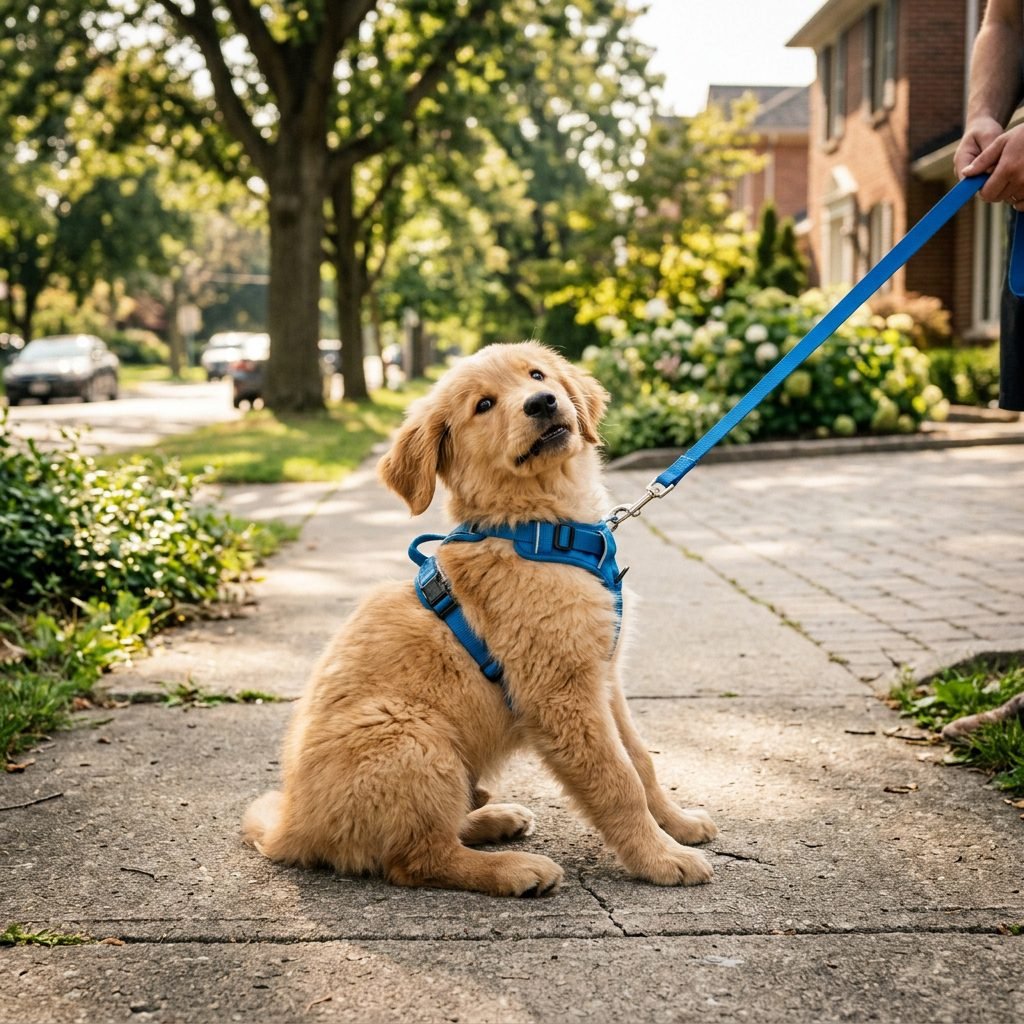
The Moonwalk Dog: Why Your Puppy Walks Backwards on Leash (And How to Fix It!)
The Mystery of the Canine Moonwalk
You’ve finally gotten your new puppy, you’ve picked out the cutest little collar and leash set, and you’re ready for that first Instagram-worthy stroll around the neighborhood. You step out the door, give a gentle tug, and instead of a confident trot, your puppy transforms into a furry Michael Jackson. They plant their front paws, tuck their tail, and begin a frantic, backwards shuffle—the dreaded moonwalk.
As a savvy dog owner, you know that behavior is communication. When your puppy walks backwards, they aren’t just being stubborn or ‘difficult.’ They are telling you something about their internal state, their comfort level with the gear, or their understanding of the leash’s purpose. This behavior is incredibly common, yet it can be one of the most frustrating hurdles for new owners. If left unaddressed, it can lead to a lifetime of stressful walks or, worse, a puppy who slips out of their collar and into danger.
In this comprehensive guide, we are going to dive deep into the canine psyche to understand exactly why this happens. We will look at the Opposition Reflex, the impact of ill-fitting gear, and the role of environmental overstimulation. Most importantly, I will provide you with a professional-grade, step-by-step training protocol to turn those reverse gears into forward momentum. Let’s get your puppy moving in the right direction!
Understanding the ‘Why’: The Root Causes of Backwards Walking
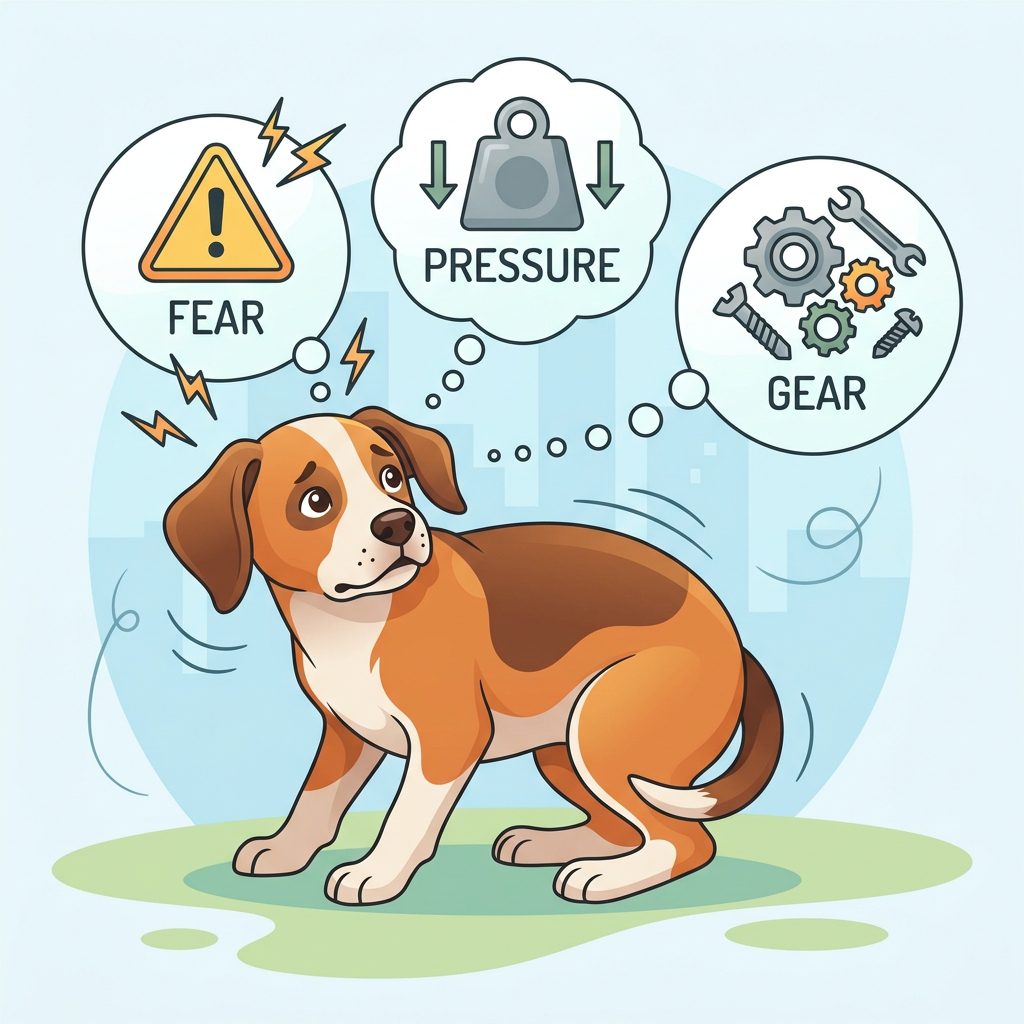
Before we can fix the behavior, we must diagnose the cause. Puppies don’t have a ‘reverse’ gear by default; they usually back up as a reaction to a specific stimulus. Here are the most common reasons why your puppy is moonwalking:
1. The Opposition Reflex
Dogs have a natural instinct called the Opposition Reflex. This is a physical impulse to pull against pressure. If you pull forward on the leash, your puppy’s instinct is to lean or pull in the opposite direction. For many puppies, this manifests as a sudden backward anchor-drop.
2. Gear Sensitization and Discomfort
Imagine wearing a stiff, heavy backpack that you don’t know how to adjust. That is often how a puppy feels in their first harness or collar. If the gear pinches, rubs, or feels restrictive, the puppy may back away from the sensation, trying to ‘walk out’ of the discomfort.
3. Environmental Thresholds
The world is a big, scary place for a young dog. If your puppy encounters a ‘scary’ object—a trash can, a loud truck, or even a fluttering leaf—their immediate response might be to create distance. Since they are attached to you by a leash, the only way to create that distance is to back up away from the perceived threat.
4. Lack of Leash Clarity
Simply put, your puppy doesn’t know what the leash means. To them, it’s just a restrictive tether. They haven’t yet learned that ‘pressure means follow.’ Without this education, backing up is a logical way to explore the limits of their confinement.
| Behavior Trigger | Psychological Root | Physical Manifestation |
|---|---|---|
| Tight Leash | Opposition Reflex | Leaning back/Planting paws |
| New Environment | Fear/Anxiety | Rapid backing away from stimulus |
| Heavy Collar | Sensory Overload | Trying to ‘duck’ out of the collar |
| Confusion | Lack of Training | Spinning and reversing |
Expert Tip: Never ‘win’ a tug-of-war with a backing puppy. Pulling back harder only reinforces the opposition reflex and can lead to a collapsed trachea or a slipped collar.
The Essential Toolkit: Gear That Encourages Forward Motion
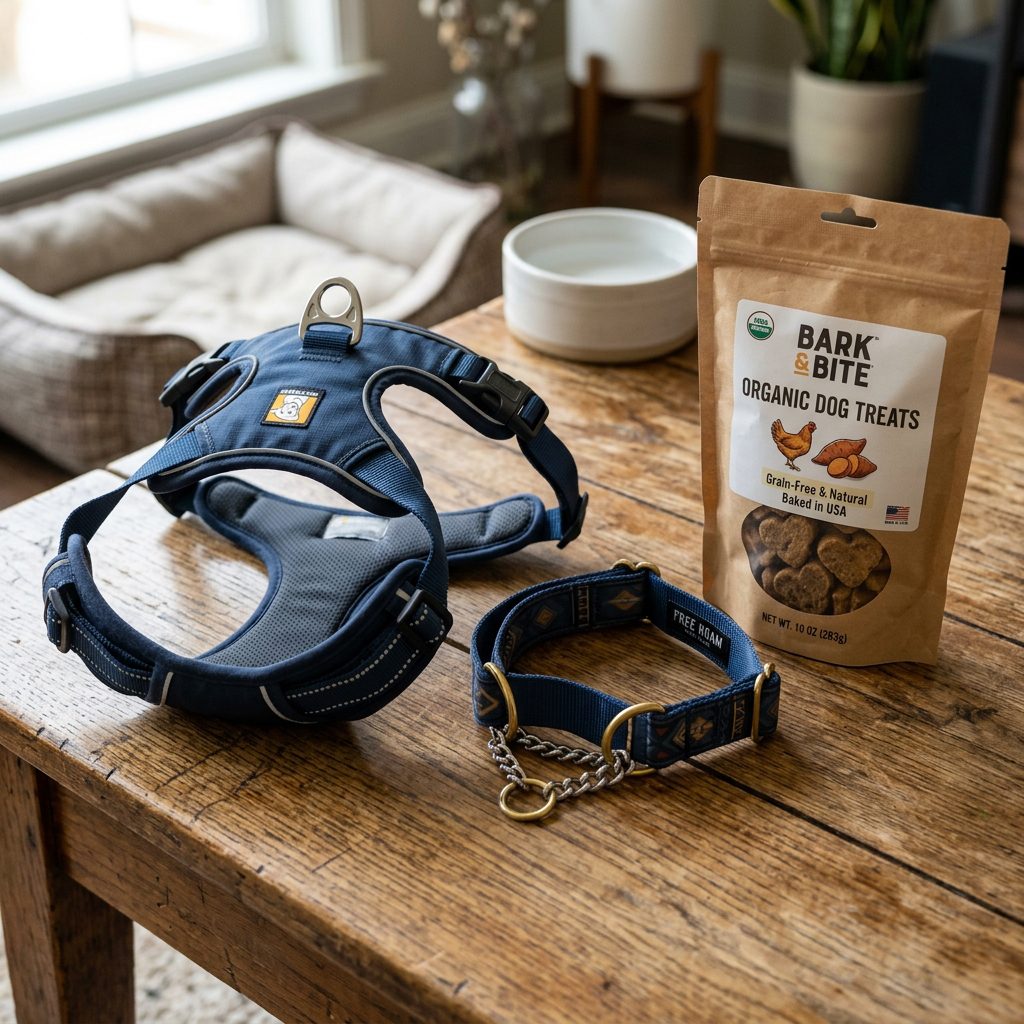
Not all walking gear is created equal. If your puppy is a chronic moonwalker, your choice of equipment can either exacerbate the problem or help solve it. Savvy owners know that the right tool makes the training process significantly smoother.
Choosing the Right Harness
For puppies who back up, a Front-Clip Harness is often a game-changer. When a puppy tries to back up or pull against a front-clip attachment, the tension gently pivots them back toward you, breaking the straight-line tension that fuels the opposition reflex. Avoid ‘step-in’ harnesses that can be easily backed out of if they aren’t fitted perfectly.
The Safety of the Martingale
If your puppy is an escape artist who backs out of their collar, a Martingale collar (also known as a limited-slip collar) is an essential safety tool. It tightens slightly when tension is applied, preventing the puppy from slipping their head out, but it has a physical limit so it cannot choke the dog like a traditional slip lead.
The Power of High-Value Rewards
You cannot train forward motion with kibble alone. You need ‘high-value’ rewards—think small pieces of boiled chicken, string cheese, or freeze-dried liver. These treats act as a ‘magnet,’ drawing the puppy forward through their nose.
| Gear Item | Pros for Moonwalkers | Cons |
|---|---|---|
| Front-Clip Harness | Redirects movement toward the owner | Can interfere with shoulder gait if poorly fitted |
| Martingale Collar | Prevents escaping/slipping the collar | Requires precise fitting to be safe |
| 6-Foot Fixed Leash | Provides consistent boundaries | No ‘give’ for sudden stops |
| Long Line (15ft+) | Allows for ‘decompressing’ walks | Difficult to manage in high-traffic areas |
The Step-by-Step Fix: From Moonwalk to Model Walker
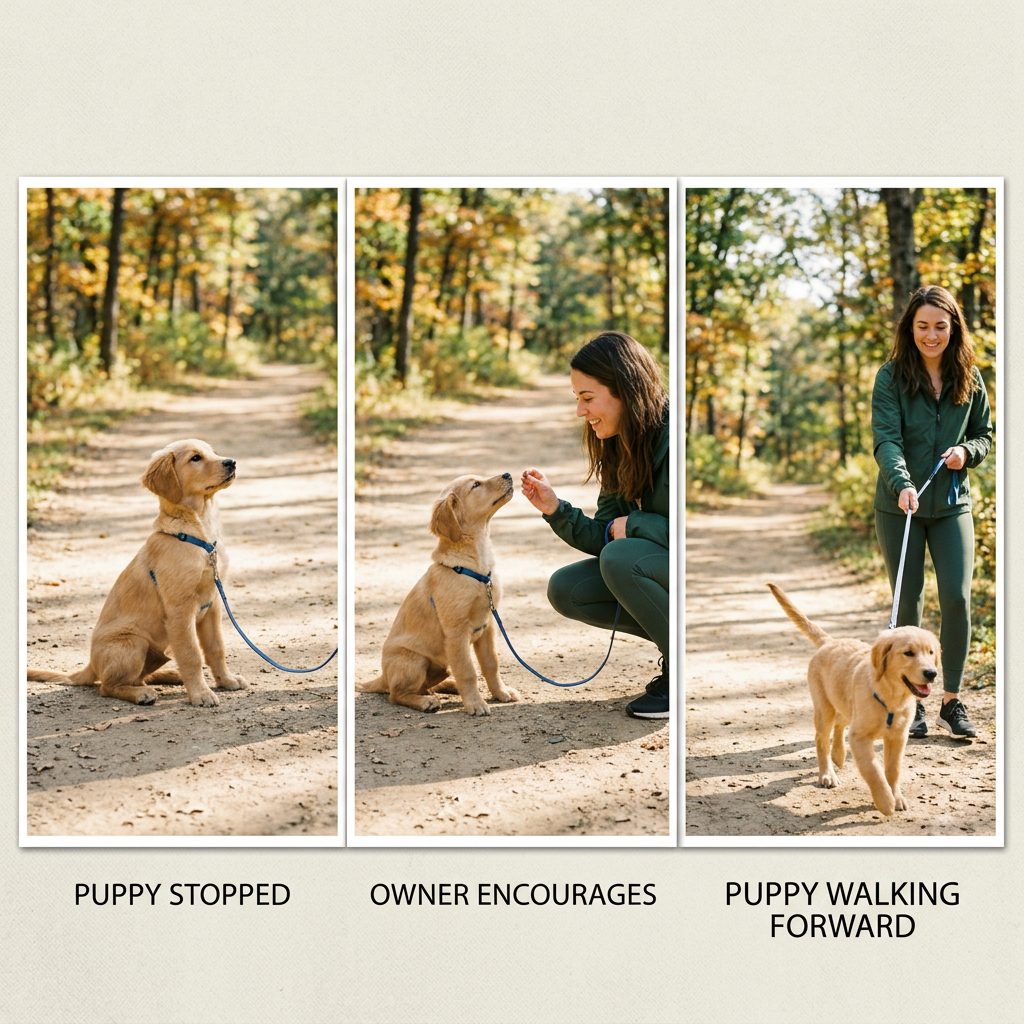
Training a puppy to stop walking backwards requires patience, consistency, and a ‘follow-me’ mentality. Follow this 4-phase plan to rebuild your puppy’s confidence on the leash.
Phase 1: The ‘Leash is a Party’ Association
Before you even leave the house, spend three days making the leash the best thing ever. Put the leash on your puppy inside the house and immediately drop a handful of treats. Let them drag the leash around (under supervision) while playing. We want the puppy to associate the weight and feel of the leash with good things, not restriction.
Phase 2: The ‘Follow the Magnet’ Game
With the leash on, hold a high-value treat right at your puppy’s nose. Start walking backward yourself, luring the puppy forward toward you. When they take two or three steps forward, say ‘Yes!’ and give the treat. You are teaching them that forward motion equals reward.
Phase 3: Managing the Tension
The moment you feel your puppy start to plant their paws to back up, STOP. Do not pull. Instead, melt your body language. Crouch down, pat your legs, and use a high-pitched, inviting voice. As soon as the puppy takes a single step toward you, release the tension and reward heavily. We are teaching them that moving toward the owner makes the ‘scary’ tension go away.
Phase 4: The ‘U-Turn’ Technique
If your puppy backs up because they are scared of something ahead, don’t force them to face it. Instead, perform a cheerful U-turn. Walk in the opposite direction for a few feet, then turn back around. This teaches the puppy that they can ‘escape’ pressure by following you, rather than by backing away independently.
- Identify the trigger (the moment they stop).
- Release all leash tension immediately.
- Lure with a high-value treat or exciting body language.
- Reward the first ‘forward’ paw movement.
- Increase duration of forward walking gradually.
Troubleshooting: Common Mistakes and How to Avoid Them
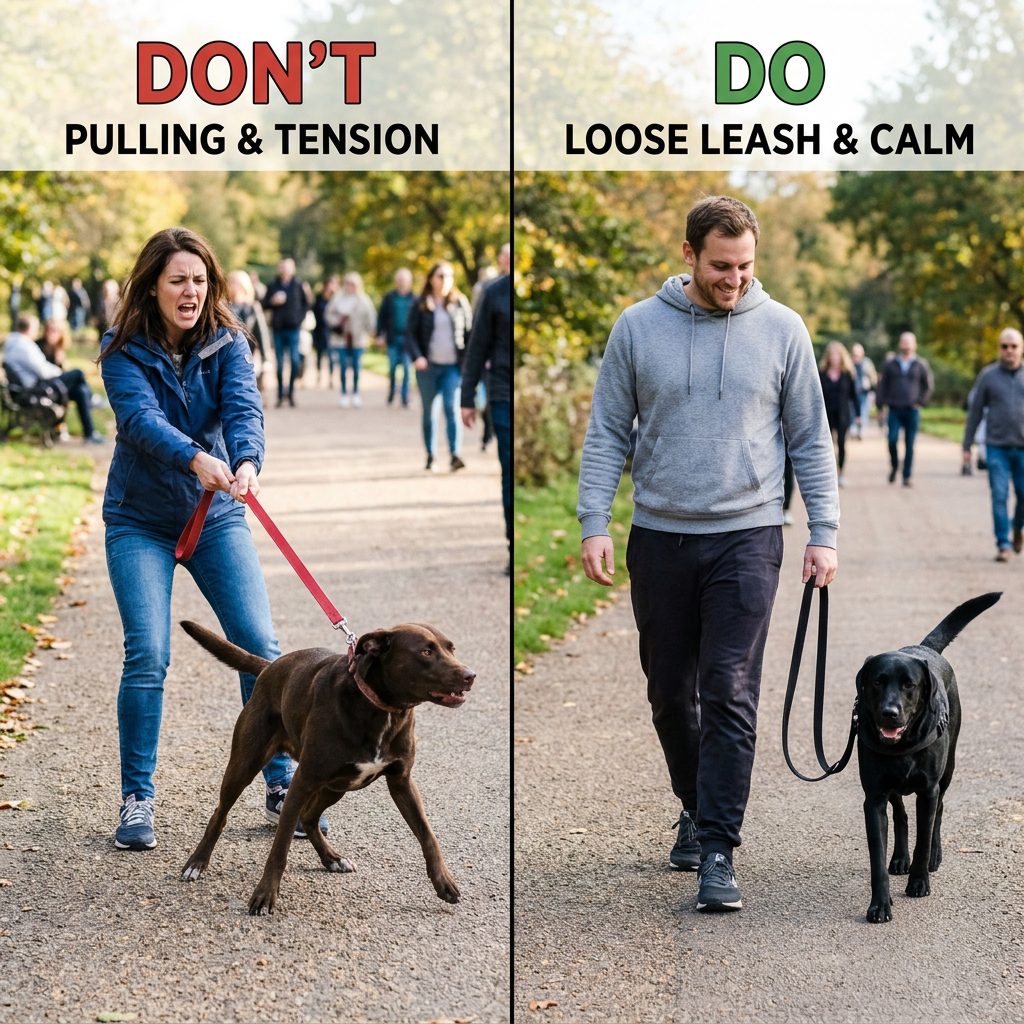
Even the best trainers hit roadblocks. If your puppy is still moonwalking despite your best efforts, check if you are making these common mistakes:
Mistake 1: Tightening the Leash
Many owners subconsciously keep a ‘short, tight leash.’ This constant tension keeps the puppy in a state of low-level stress and constantly triggers that opposition reflex. Solution: Keep a ‘J’ shape in your leash at all times.
Mistake 2: Using the Leash to Correct, Not Direct
If you jerk the leash when the puppy backs up, you are adding a negative correction to an already stressful situation. This makes the puppy more likely to back up next time to avoid the jerk. Solution: Use your voice and treats to direct; use the leash only as a safety tether.
Mistake 3: Training in High-Distraction Areas Too Soon
If your puppy can’t walk forward in your hallway, they certainly won’t do it at a busy park. Solution: Start in a ‘boring’ environment and slowly increase the difficulty level.
Takeaway: Patience is your greatest tool. A puppy’s brain is still developing, and their ‘flight’ instinct is very close to the surface. Your job is to be the calm, predictable leader they can trust.
When to See a Professional: Health and Behavioral Red Flags
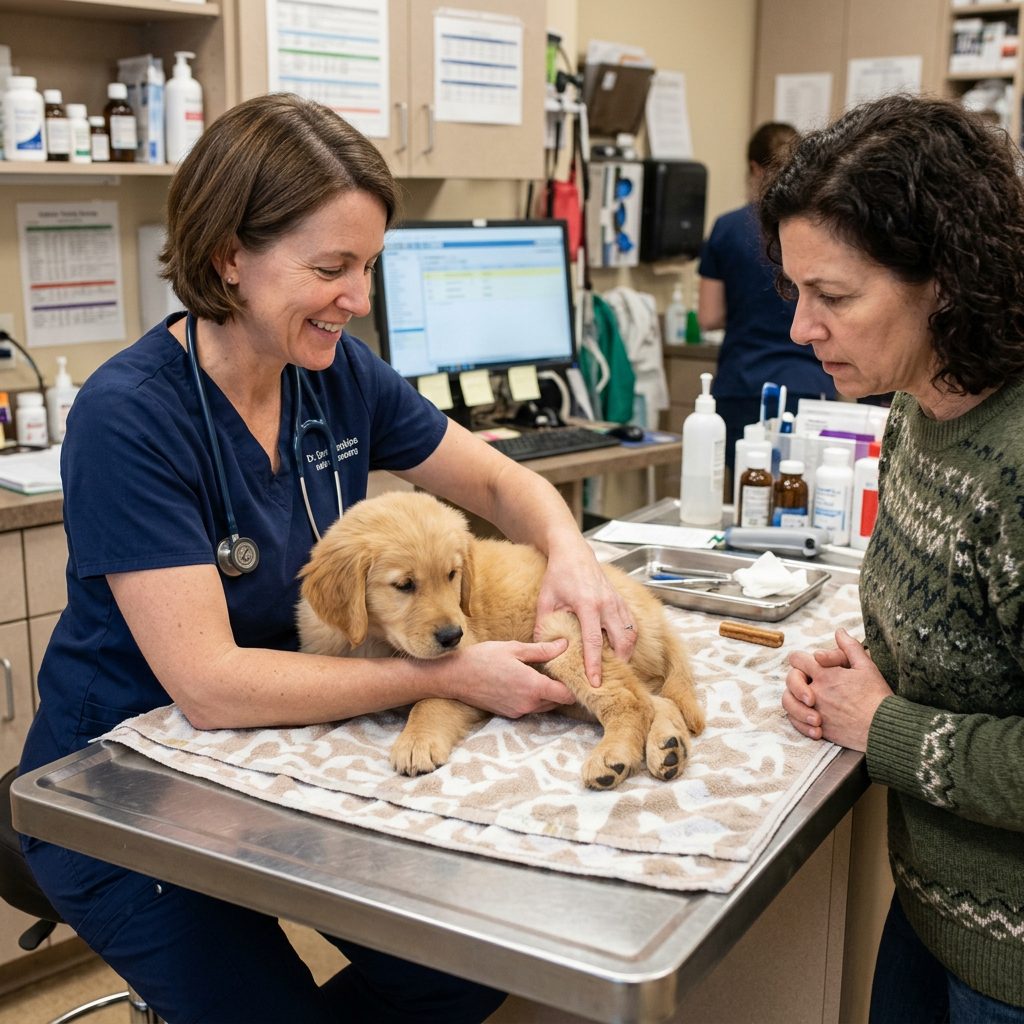
While moonwalking is usually a training or confidence issue, there are times when it might indicate something more serious. Savvy owners know when to call in the experts.
Physical Pain and Discomfort
If your puppy suddenly starts backing up and also shows signs of limping, yelping when touched, or a strange gait, they may have a physical injury. Luxating patellas (kneecaps that pop out) or early-onset hip issues can make walking forward painful, leading the dog to try alternative movements.
Severe Environmental Phobia
If your puppy experiences a ‘shutdown’ where they back up, tremble, and refuse to take treats, they may be suffering from a localized phobia or Generalized Anxiety Disorder. In these cases, a certified Veterinary Behaviorist or a professional positive-reinforcement trainer is necessary to implement a desensitization plan.
Neurological Considerations
In rare cases, backing up can be a ‘stereotypy’ or a neurological tic. If the behavior happens even when the leash is off and occurs in a repetitive, trance-like manner, a veterinary neurological consult is recommended.
| Red Flag | Potential Cause | Action Needed |
|---|---|---|
| Yelping or whimpering | Physical Pain/Injury | Vet Exam |
| Refusal of high-value treats | Extreme Stress/Fear | Certified Trainer Consult |
| Backing up without a leash | Neurological/Habitual | Vet/Neurologist |
| Aggression when moved forward | Pain-based or Fear-based | Professional Behaviorist |
Conclusion
Walking Toward a Brighter Future
The ‘Moonwalk’ might be a frustrating phase in your puppy’s development, but it is rarely a permanent one. By understanding that this behavior is rooted in instinct, gear discomfort, or lack of confidence, you can approach the problem with the empathy and expertise your puppy deserves. Remember to focus on loose-leash success, use the right safety gear like a Martingale or front-clip harness, and always keep your pockets full of the ‘good stuff.’
Every successful step forward is a win for your bond. Stay consistent, stay patient, and soon enough, your puppy will be leading the way with a wagging tail and a confident trot. Happy walking!