Teach Your Multi-Dog House To Share: 3 Easy Games That Stop Toy Hoarding Fast
The Chaos of the Multi-Dog Household
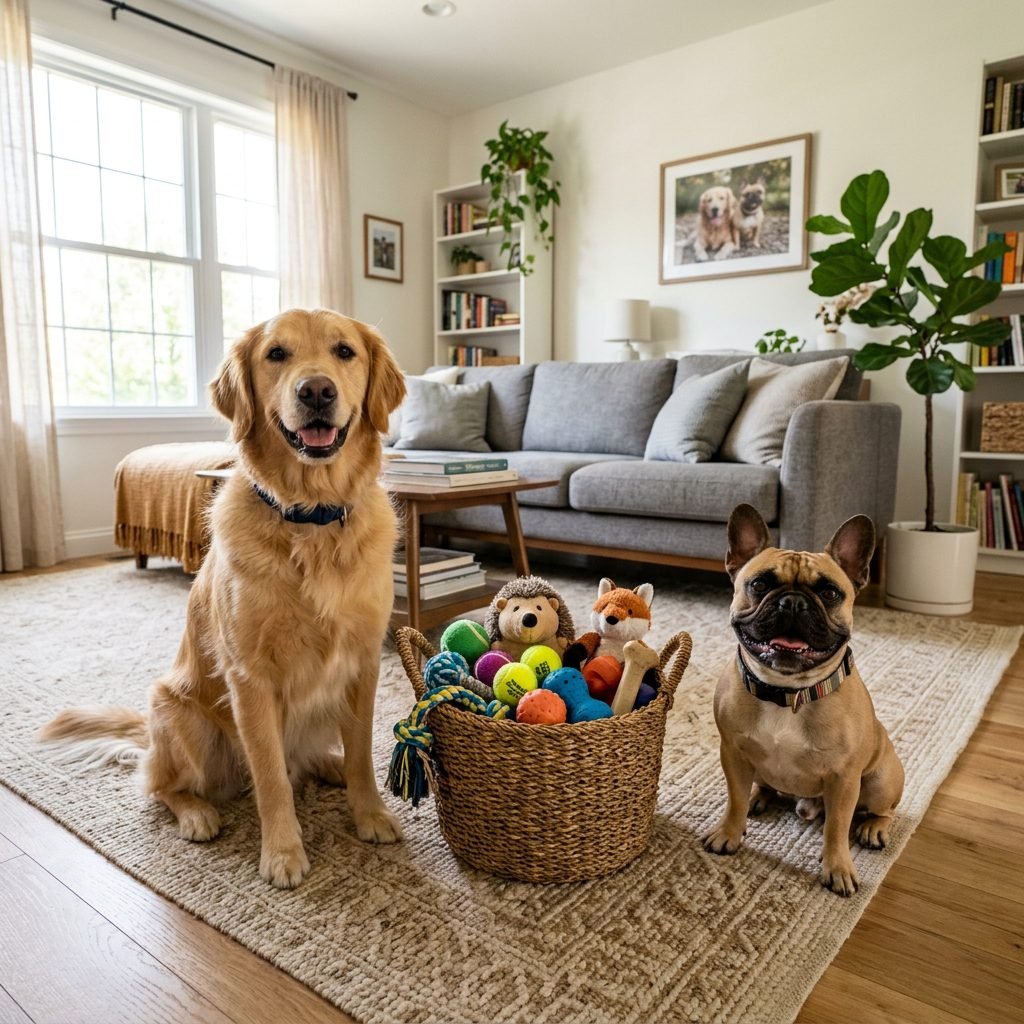
Living in a multi-dog household is often a dream come true—double the tail wags, double the cuddles, and double the personality. But for many savvy dog owners, that dream can quickly turn into a stressful standoff when toys are involved. You know the scene: one dog gathers every squeaky ball in the house into a private pile, while the other sits dejectedly in the corner. Or worse, a simple game of fetch turns into a tense growling match over a single frayed rope.
Toy hoarding, professionally known as resource guarding, is a natural canine instinct, but it’s one that can create a toxic environment in your home. The good news? Sharing isn’t just a human virtue; it’s a skill that can be taught. By turning training into a series of rewarding challenges, we can shift your dogs’ mindset from scarcity to abundance. In this guide, we are going to dive deep into the psychology of the ‘hoarder’ and provide you with three easy, science-backed games that will stop toy hoarding fast and bring peace back to your living room.
Understanding the Hoarder: Why Dogs Refuse to Share
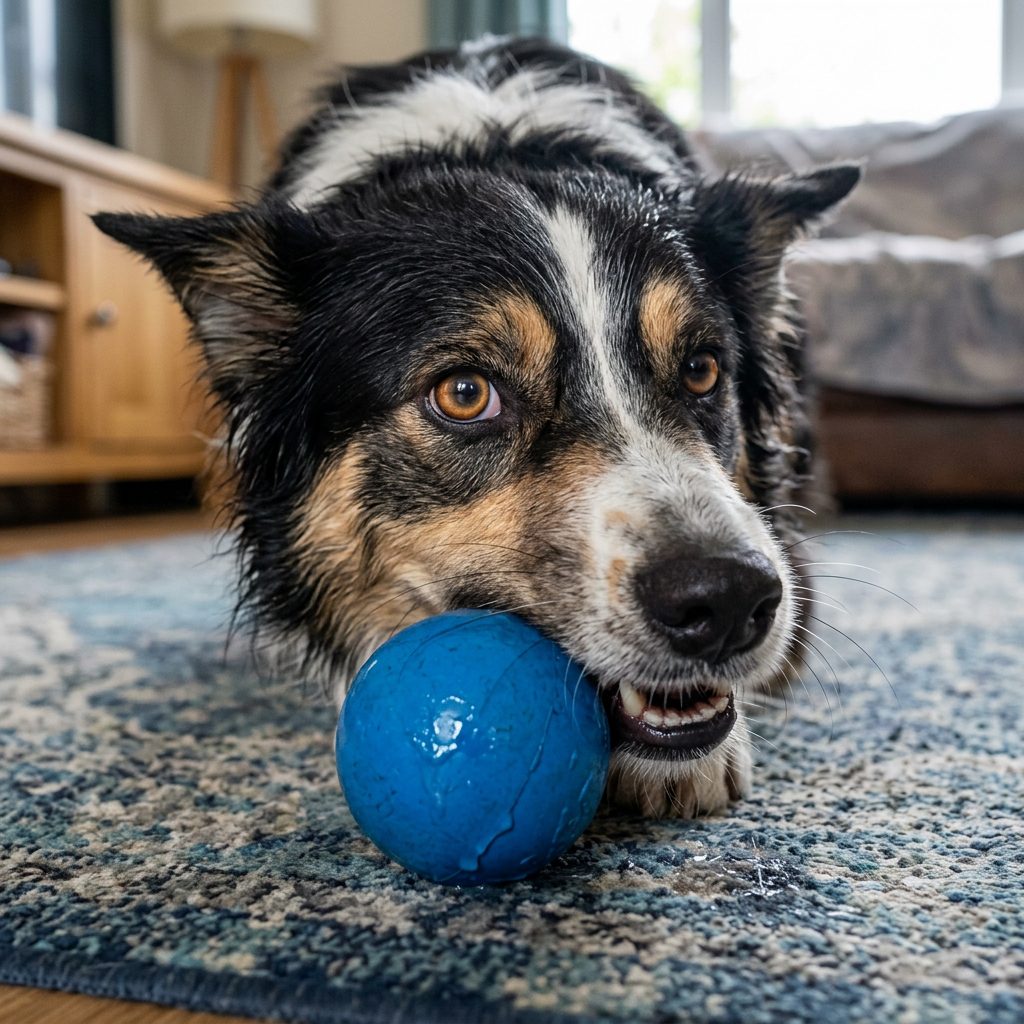
Before we pick up a single toy, we have to understand the ‘why’ behind the behavior. Dogs don’t hoard toys because they are ‘mean’ or ‘dominant.’ In the wild, resources like food and high-value items were scarce. Protecting what you have was a survival mechanism. In our modern homes, even though there are plenty of toys to go around, some dogs still feel that primal urge to protect their ‘loot.’
It is crucial to distinguish between healthy play and problematic hoarding. Use the table below to evaluate your dogs’ current behavior:
| Behavior | Normal Playful Possession | Problematic Hoarding/Guarding |
|---|---|---|
| Body Language | Loose, wiggly, inviting others to chase. | Stiff, frozen, hovering over the item. |
| Eye Contact | Soft eyes, looking at you or the other dog playfully. | Hard stare, ‘whale eye’ (showing the whites of the eyes). |
| Response to Approach | Will drop the toy or run away to be chased. | Growling, snapping, or physically blocking the item. |
| Item Value | Enjoys the toy for the activity. | Values the item only because others want it. |
Expert Tip: If your dog shows extreme aggression—such as biting or lunging—consult a certified professional behaviorist. These games are designed for mild-to-moderate hoarding and preventative training.
Game 1: The ‘Trade-Up’ Challenge
The Philosophy of the Trade
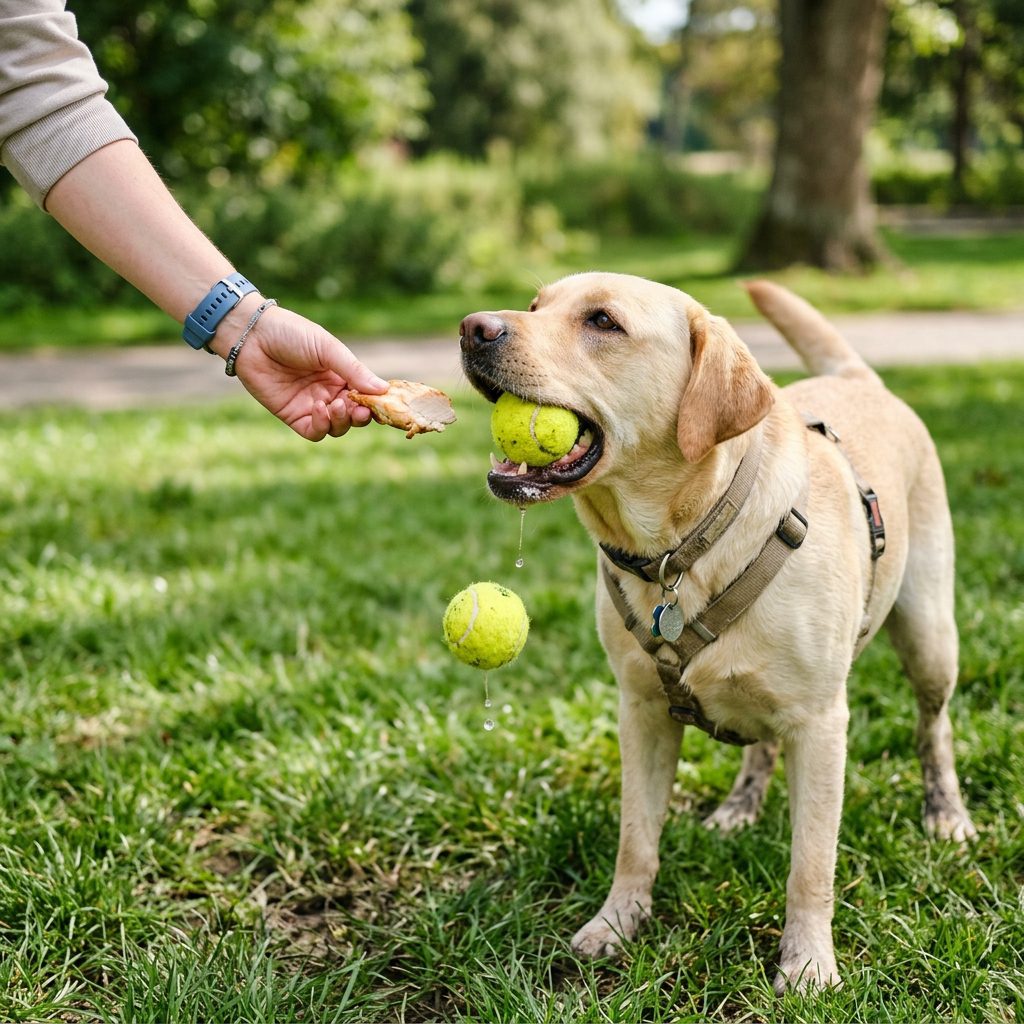
The biggest mistake owners make is simply taking a toy away from a hoarding dog. This confirms the dog’s fear: ‘If I let this go, it disappears forever.’ The Trade-Up Challenge teaches the dog that giving up an item actually results in getting something better.
How to Play
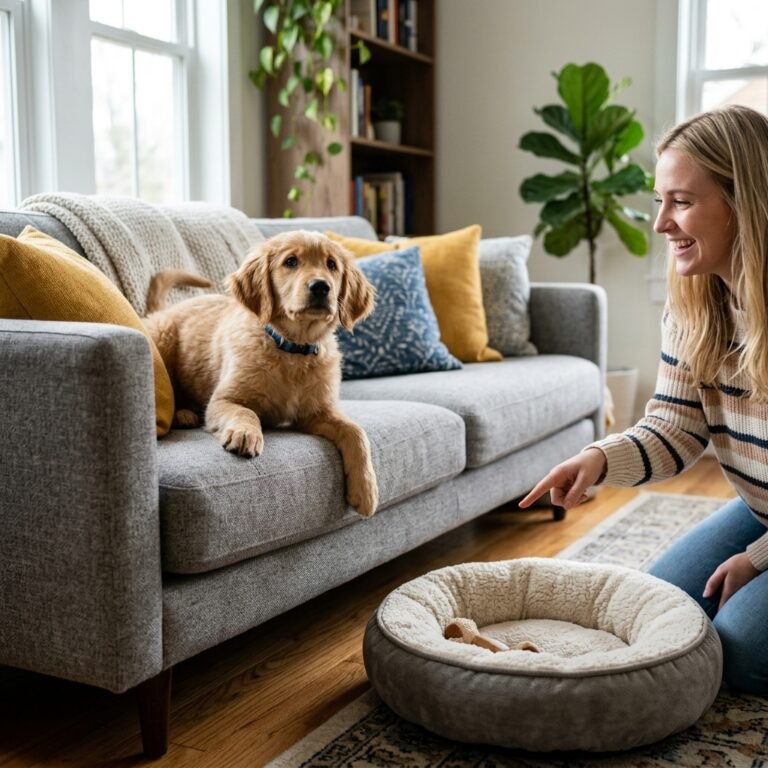
- Step 1: The Low-Value Item. Start with a toy your dog likes but isn’t obsessed with. Let them hold it.
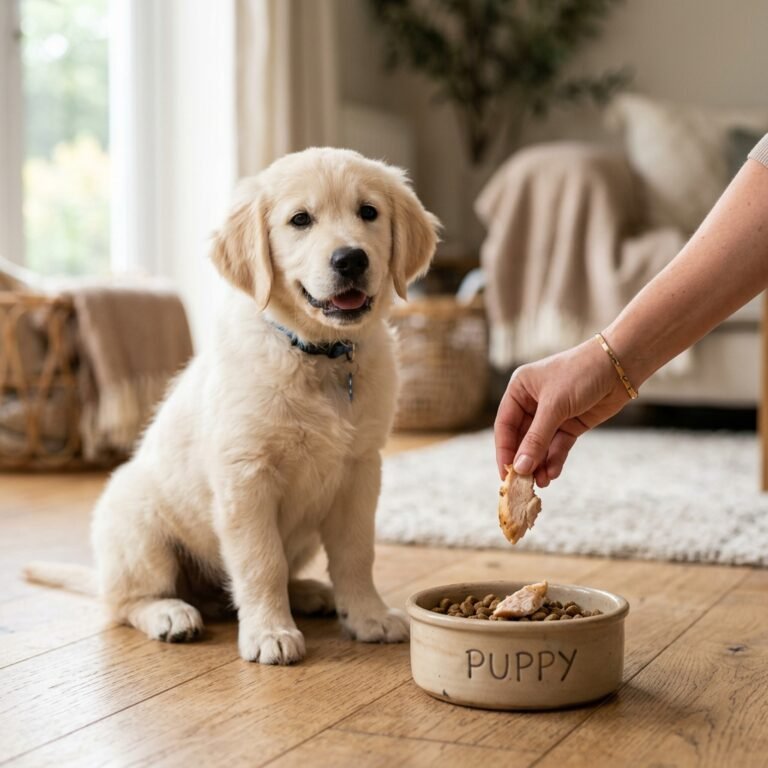
- Step 2: The ‘Better’ Offer. Approach with a high-value treat (think boiled chicken or freeze-dried liver). Show it to them.
- Step 3: The Swap. As soon as they drop the toy to take the treat, say a cue word like ‘Thank you’ or ‘Trade.’
- Step 4: The Bonus. Give them the treat, and then—this is the secret sauce—give the toy back.
By giving the toy back, you are teaching the dog that ‘sharing’ with you doesn’t mean losing their prize. It means getting a treat AND keeping the toy. Once they are pros at trading with you, you can move to the next level.
Game 2: The ‘Bystander Bonus’ Protocol
Rewarding the ‘Patient Observer’
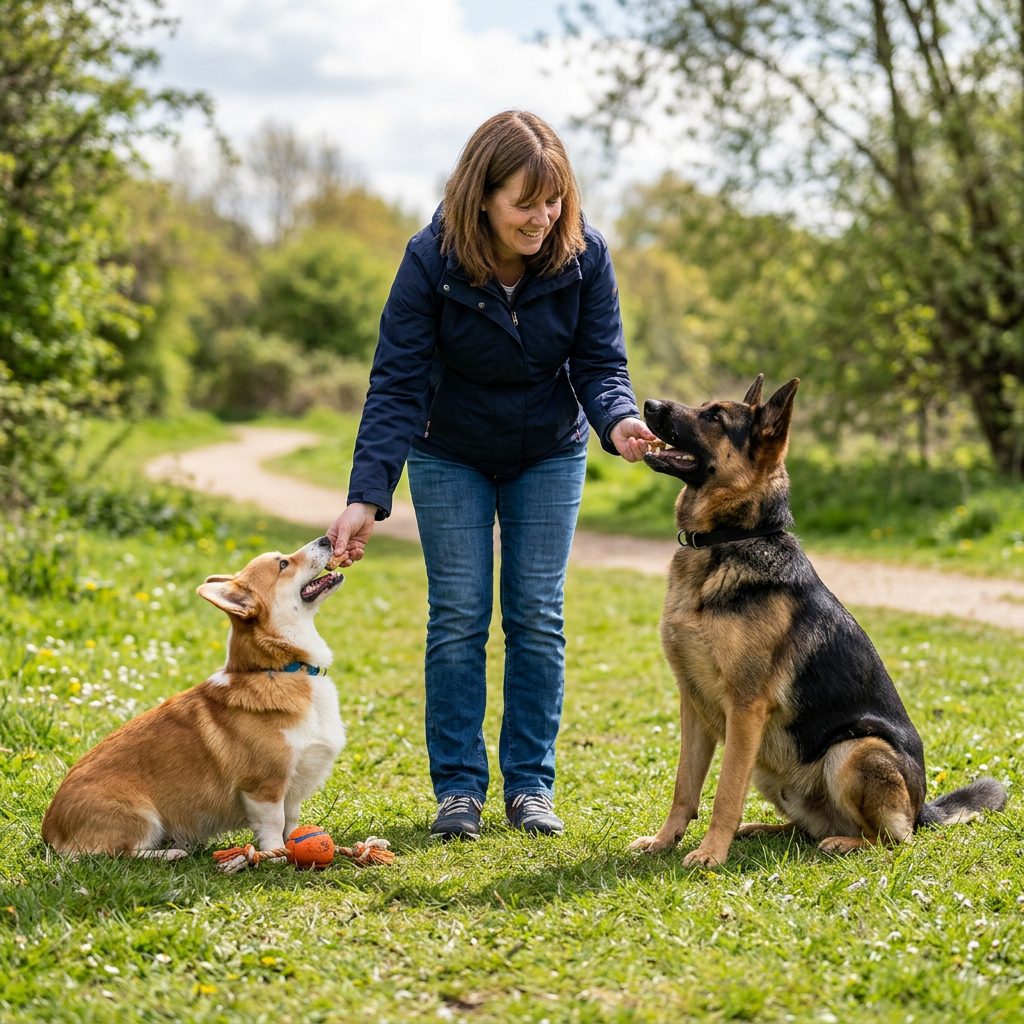
Often, hoarding is triggered by the presence of another dog. The ‘Bystander Bonus’ focuses on the dog who doesn’t have the toy. This game reduces the tension between the dogs by making the presence of a ‘competitor’ a signal for rewards.
Setup and Execution
- Place Dog A (the hoarder) on a leash or behind a baby gate with a toy.
- Have Dog B (the ‘victim’ of the hoarding) stand nearby.
- Every time Dog A looks at Dog B without growling or stiffening, toss Dog A a treat.
- Simultaneously, give Dog B a treat for just standing there calmly.
This creates a ‘win-win’ scenario. Dog A learns that Dog B’s presence equals treats, not a threat to their toy. Dog B learns that being calm around the hoarder is highly profitable.
Progression Table
| Level | Distance | Intensity |
|---|---|---|
| Beginner | 10 feet apart | Low-value chew toy |
| Intermediate | 5 feet apart | Favorite squeaky toy |
| Advanced | Side-by-side | Brand new, high-value toy |
Game 3: The ‘Switch-A-Roo’ Relay
Dynamic Sharing in Motion
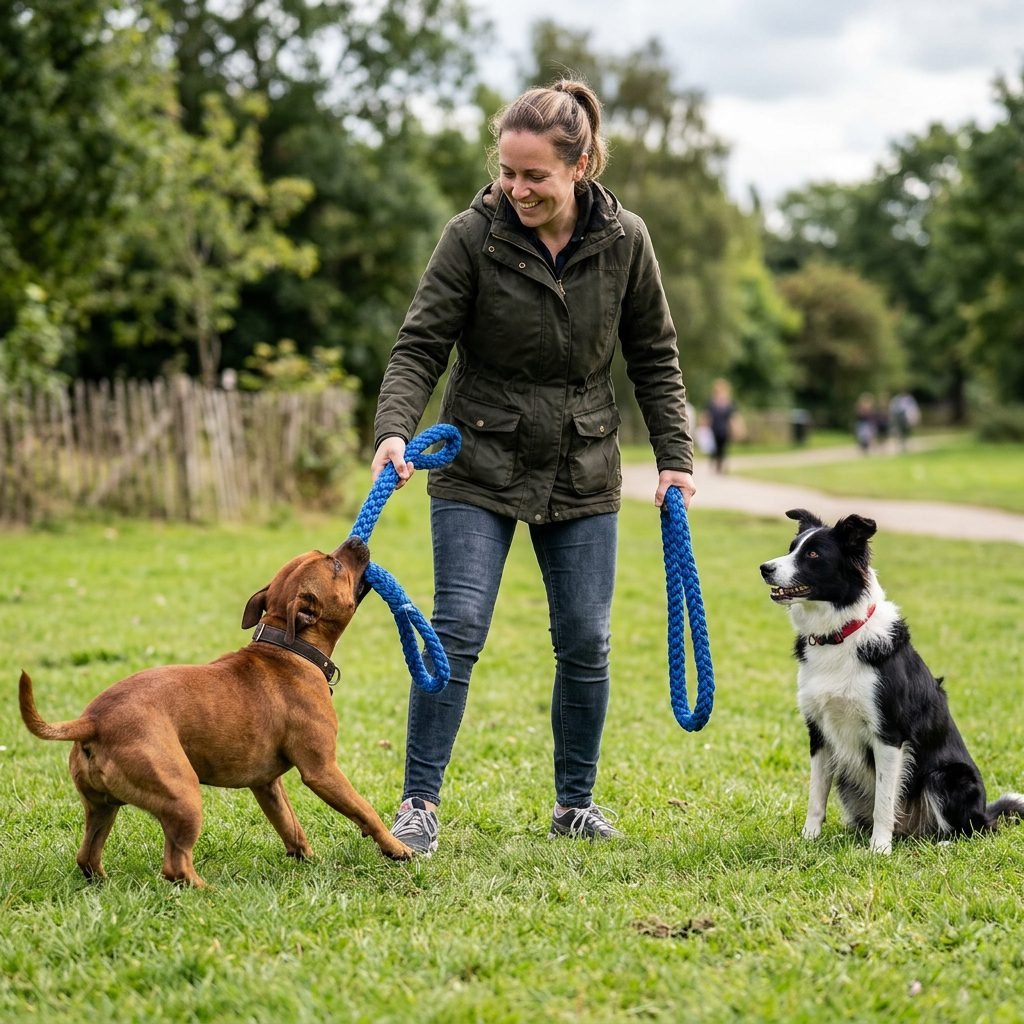
This is the most advanced game and requires two identical toys. This game stops the ‘one toy is better than the other’ mentality and encourages active movement and release.
The Steps to Success
Hold two identical ‘boring’ toys (like two plain rubber rings). Squeak or wiggle Toy A. When the dog grabs it, play for five seconds. Then, go ‘dead’ with Toy A (stop moving it) and immediately start making Toy B the most exciting thing in the world. The moment the dog drops Toy A to grab Toy B, praise them enthusiastically!
Why This Works
- It teaches that the human is the source of the fun, not the object.
- It builds the ‘drop it’ muscle memory in a high-arousal state.
- In a multi-dog setting, you can do this with both dogs, swapping toys back and forth so they learn that ‘out with the old, in with the new’ is a fun, non-threatening cycle.
Pro Tip: Use a timer! Keep these sessions to 3-5 minutes. You want to end the game while the dogs are still excited and successful, not when they are tired or frustrated.
Common Mistakes and Troubleshooting
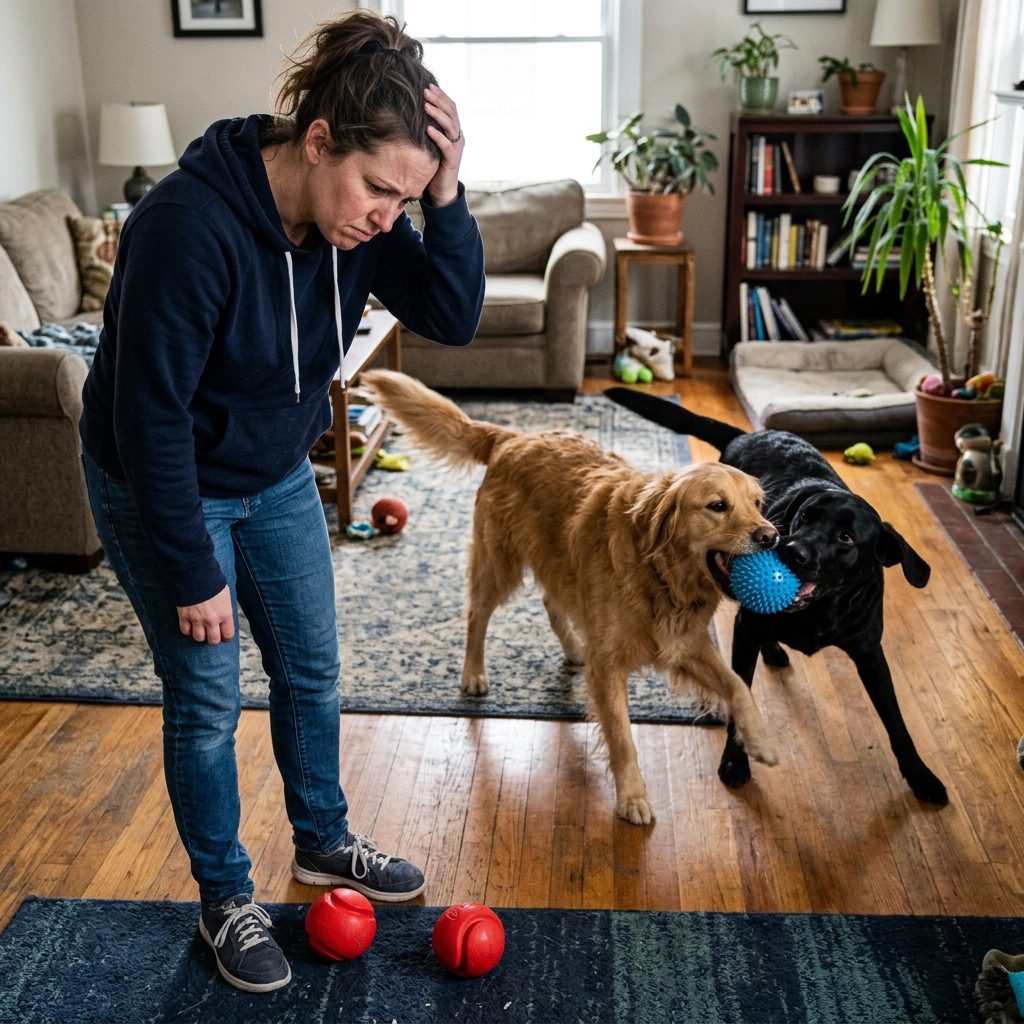
Even the best trainers hit speed bumps. If you find your progress stalling, check if you are falling into these common multi-dog traps:
1. Punishing the Growl
Never scold a dog for growling. A growl is a warning. If you take away the warning, the dog may go straight to a bite next time. Instead, use the growl as information that you are moving too fast and need to increase the distance or value of the reward.
2. The ‘Equal Toys’ Fallacy
Owners often think buying two of everything solves the problem. It doesn’t. To a hoarder, the ‘best’ toy is whichever one the other dog has. Focus on the behavior, not the inventory.
3. Inconsistent Cues
Ensure everyone in the household is using the same words. If you say ‘Trade’ and your partner says ‘Give it,’ the dog will get confused and revert to their guarding instincts.
Conclusion
From Hoarding to Harmony
Transforming a multi-dog household from a place of tension to a place of sharing doesn’t happen overnight, but with consistency and these three games, you will see a dramatic shift. Remember that patience is your greatest tool. You are undoing thousands of years of instinctual behavior and replacing it with trust.
By implementing the Trade-Up Challenge, the Bystander Bonus, and the Switch-A-Roo Relay, you aren’t just stopping toy hoarding; you are building a deeper bond with your dogs and fostering a peaceful pack dynamic. Keep your sessions short, your treats high-value, and your attitude positive. You’ve got this, savvy dog owner! Your living room floor—and your dogs’ relationship—will thank you.