Why Your Puppy Snaps When You Grab Their Collar (And How to Stop It)
It is a moment that can catch even the most prepared puppy parent off guard: you reach out to grab your puppy’s collar—perhaps to lead them away from a mud puddle or to clip on a leash—and suddenly, those tiny, needle-sharp teeth snap at your hand. It is startling, sometimes painful, and often leaves owners feeling worried that they might have an aggressive dog on their hands.
First, take a deep breath. Collar sensitivity, or ‘collar shyness,’ is an incredibly common behavior in developing puppies. It rarely stems from a desire to dominate or hurt you. Instead, it is usually a combination of instinct, fear, or a simple lack of training. As savvy dog owners, understanding the root cause of this behavior is the first step toward fixing it. In this guide, we are going to dive deep into the psychology of why puppies snap when their collars are handled and provide you with a comprehensive, step-by-step training plan to turn that snap into a tail wag.
The Psychology of the Snap: Why Puppies React

To solve the problem, we must first understand the ‘why.’ Puppies don’t have words, so they use their mouths to communicate. When a puppy snaps at a hand reaching for their neck, they are usually expressing one of four things.
1. The Startle Reflex
The area around a dog’s neck is incredibly vulnerable. In the wild, predators go for the neck. If you reach out quickly or from behind, your puppy’s natural ‘fight or flight’ instinct may kick in before their logic does. This is especially true for puppies who are tired or overstimulated.
2. Negative Associations
Think about the times you grab your puppy’s collar. Is it to take them away from a fun game of fetch? Is it to put them in their crate when you leave? Is it to drag them into the bathtub? If the collar grab consistently predicts the end of ‘the good stuff,’ your puppy will quickly learn to resent it. They snap because they want to keep doing what they’re doing.
3. Hand Shyness and Body Sensitivity
Some puppies are naturally more sensitive to touch than others. A hand looming over their head can be intimidating. If a puppy hasn’t been properly desensitized to being handled, the sudden pressure on their neck can feel restrictive and scary.
4. Physical Pain or Discomfort
Always rule out medical issues first. If your puppy has a neck injury, a skin irritation under the collar, or even ear pain, a reach toward the collar can cause a pain response. If this behavior started suddenly, a vet check is a must.
Expert Tip: Never punish a puppy for snapping during a collar grab. Punishing the ‘warning’ (the snap) can lead to a dog that bites without warning in the future. Instead, focus on changing their emotional response to the hand.
Preparation: Tools and Environment
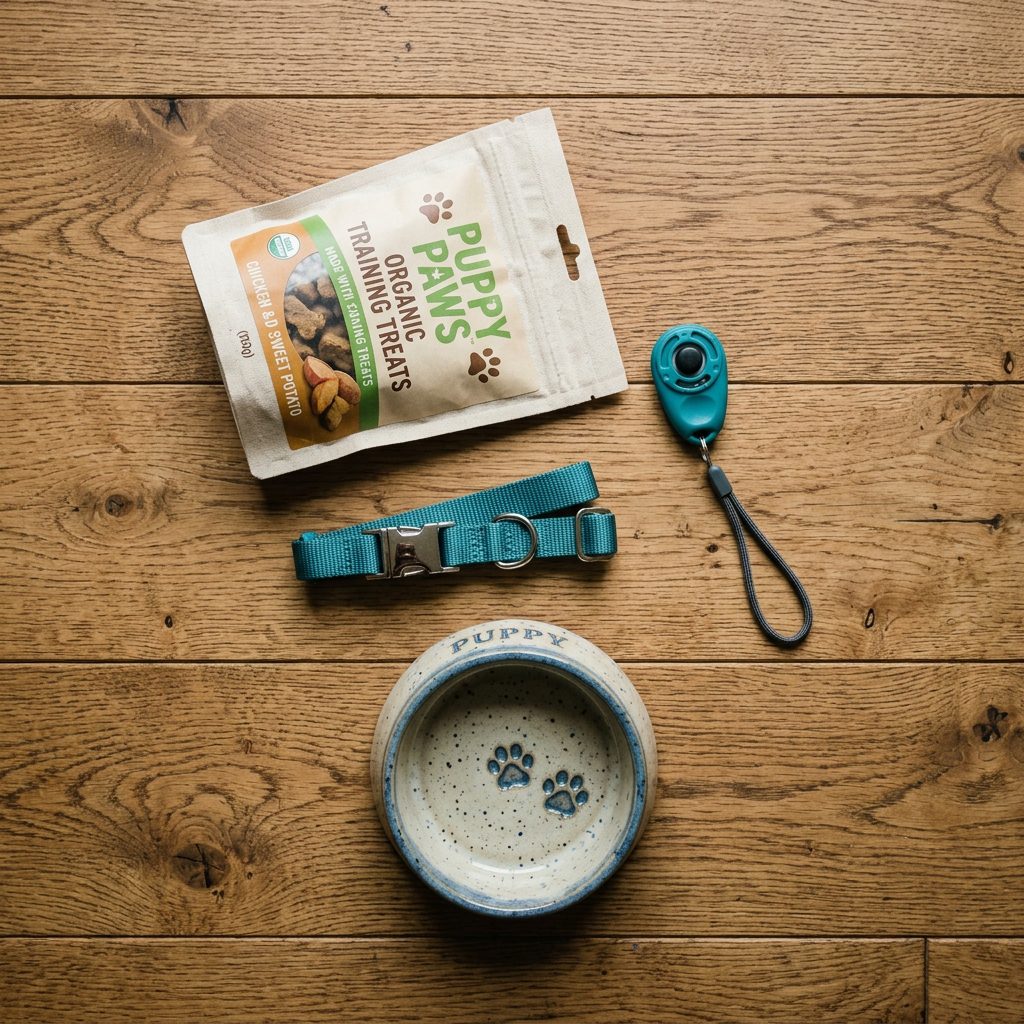
Before we start the training process, you need to set yourself up for success. Training a puppy to love collar grabs requires the right motivation and a controlled environment.
Essential Training Kit
You will need high-value rewards. We aren’t talking about standard kibble; we need something that makes your puppy’s eyes light up. Think small pieces of boiled chicken, freeze-dried liver, or tiny bits of cheese.
| Tool | Purpose | Requirement |
|---|---|---|
| High-Value Treats | To create a positive association | Pea-sized, soft, and smelly |
| Flat Collar | The standard training collar | Properly fitted (two-finger rule) |
| Clicker (Optional) | To mark the exact moment of success | Consistent sound |
| Quiet Space | To minimize distractions | Indoor, low-traffic area |
Managing the Environment
During the initial phases of training, avoid ‘testing’ your puppy in high-stress situations. If you know they snap when you try to take them inside from the yard, use a long line (a 15-20 foot leash) instead of grabbing the collar. This prevents the behavior from being practiced while you are still in the training phase.
Step-by-Step Guide: The ‘Gotcha’ Game
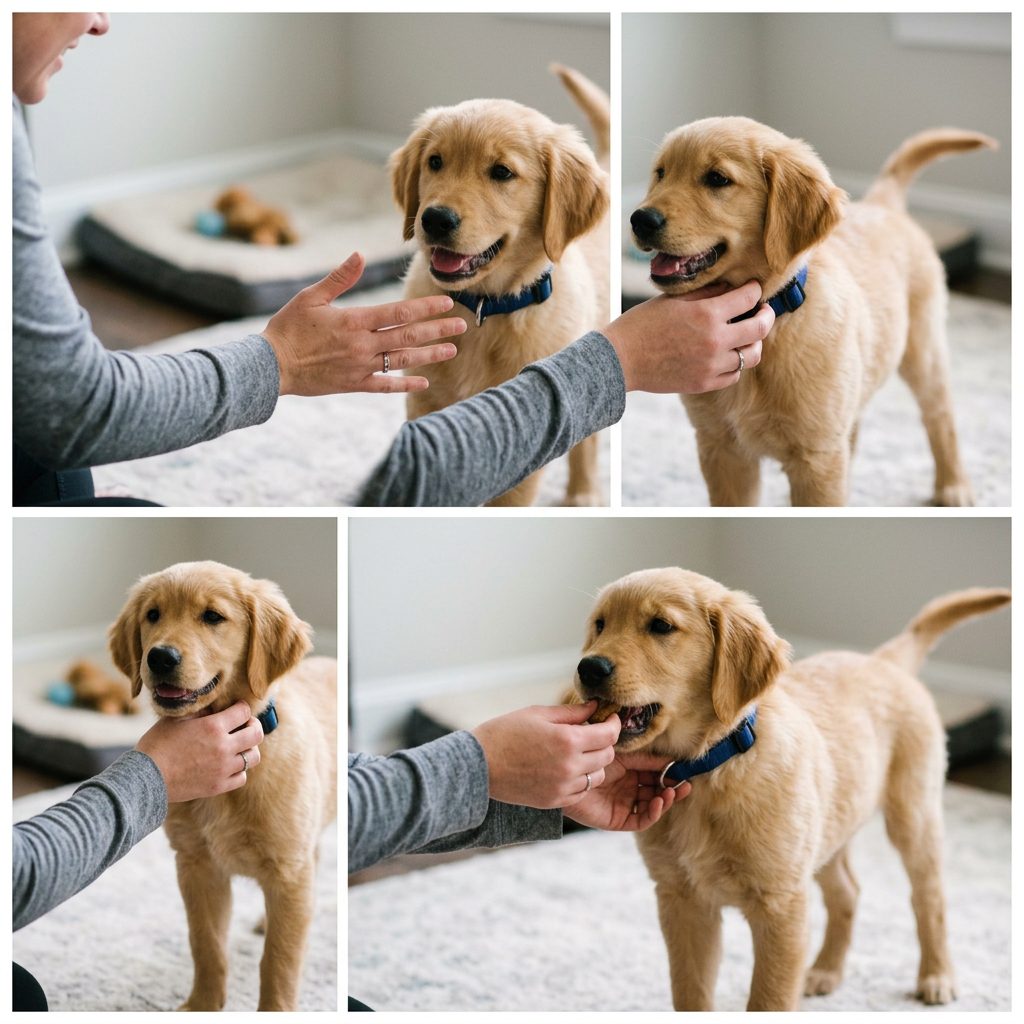
The goal of this training is to teach your puppy that a hand reaching for the collar is the best thing in the world because it predicts a delicious treat. We call this the ‘Gotcha’ Game.
Step 1: The Reach (No Touch)
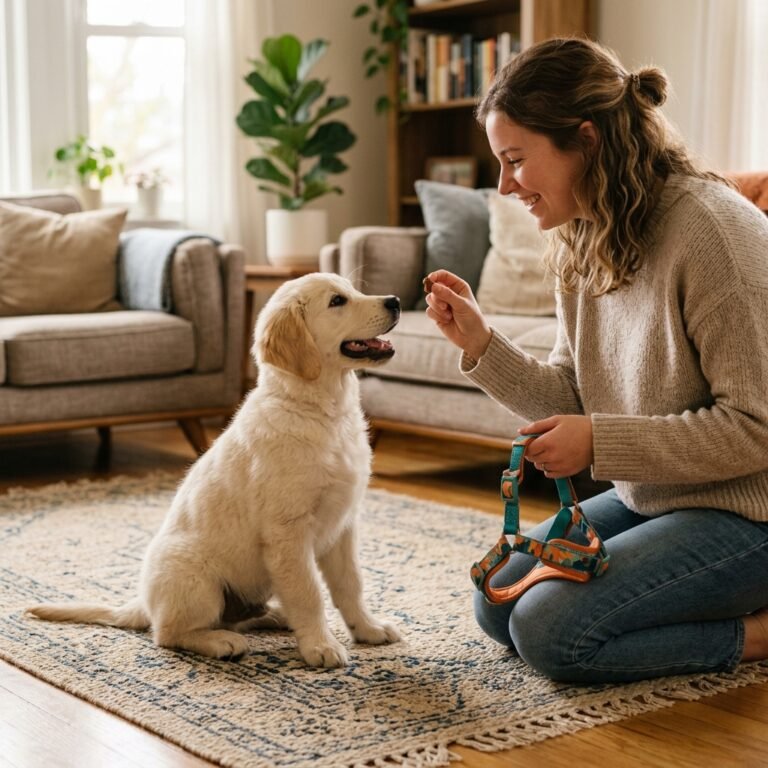
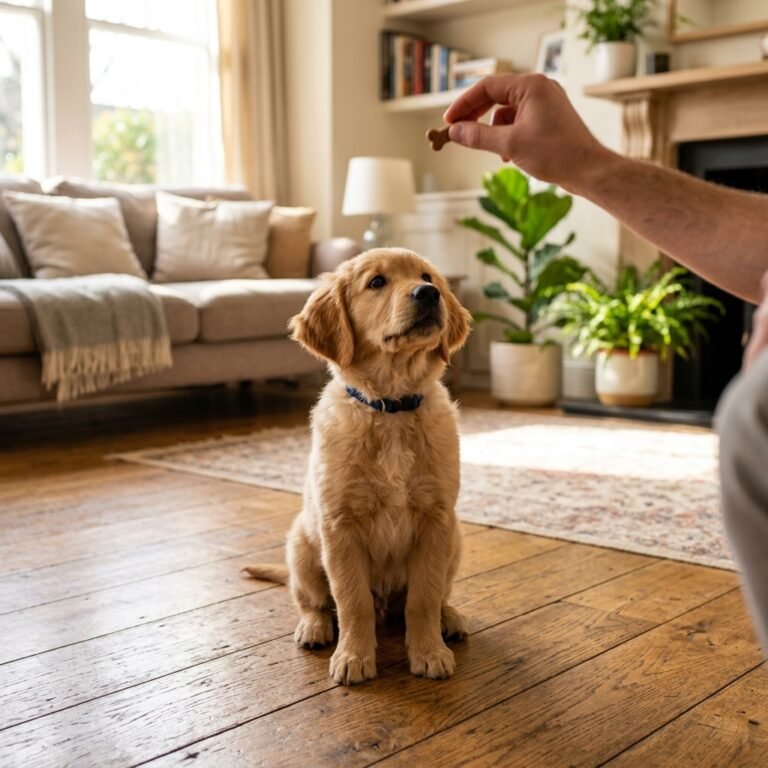
Start with your puppy in a calm state. Reach your hand toward their collar, but stop about 6 inches away. Immediately say ‘Yes!’ or click, and give them a treat with your other hand. Repeat this 10 times. We want the puppy to see the hand moving and start looking for the treat.
Step 2: The Two-Finger Touch
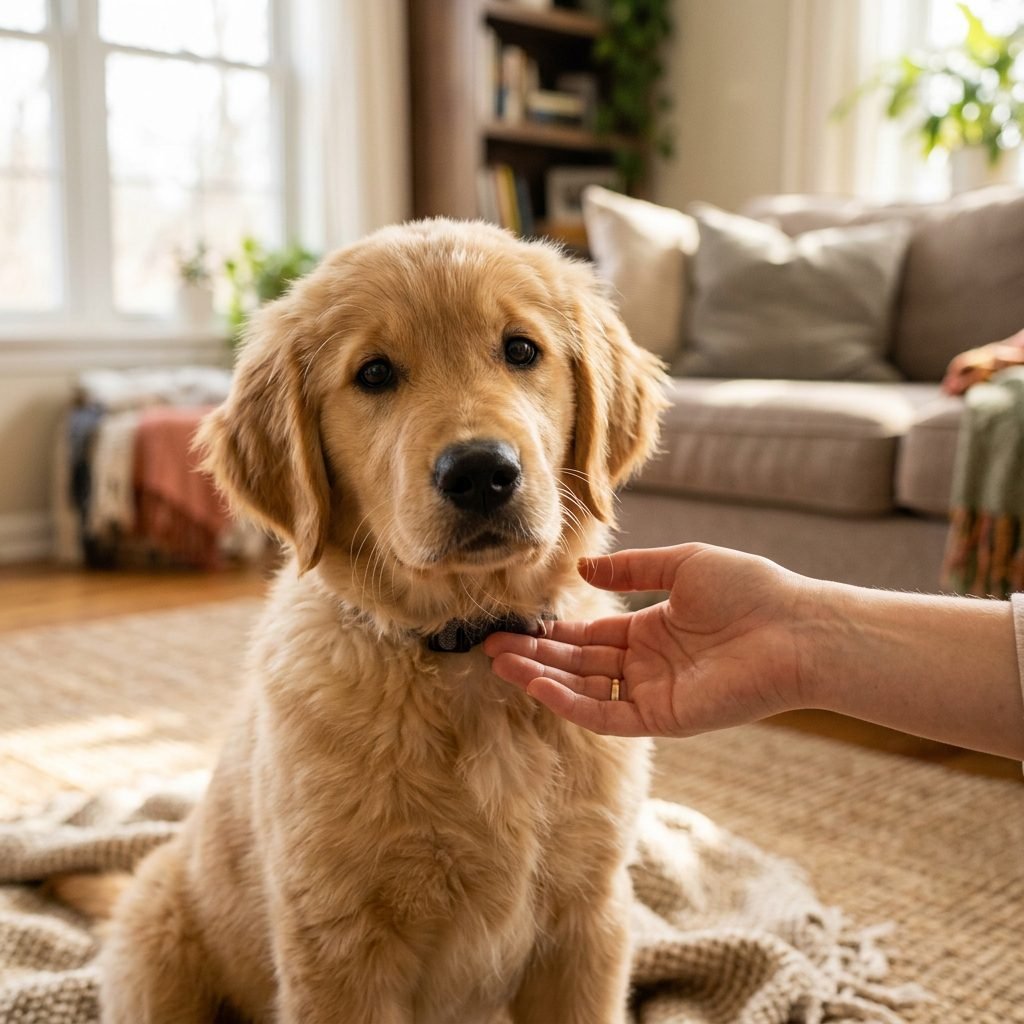
Once your puppy is happy with the reach, move closer. Briefly touch the collar with two fingers. Don’t grab it yet—just a light touch. Touch -> Mark (‘Yes!’) -> Treat. If the puppy flinches or snaps, you moved too fast. Go back to Step 1.
Step 3: The Gentle Grasp
Now, gently wrap your fingers around the collar. Do not pull or apply pressure. Just hold it for one second. Mark and treat while your hand is still on the collar. This is crucial: the treat happens because the hand is on the collar.
Step 4: The ‘Gotcha’ and Move
Once your puppy is comfortable being held, start adding a tiny bit of movement. Gently jiggle the collar or move it an inch to the side. Mark and treat. Gradually increase the duration of the hold.
Step 5: Generalization
Practice this in different rooms, while the puppy is standing, sitting, or lying down. Have different family members (under supervision) play the ‘Gotcha’ game so the puppy learns that all hands near the collar are good news.
Training Note: Keep sessions short! 2 to 3 minutes is plenty for a puppy’s attention span. End on a high note where the puppy is successful.
Common Mistakes and How to Avoid Them
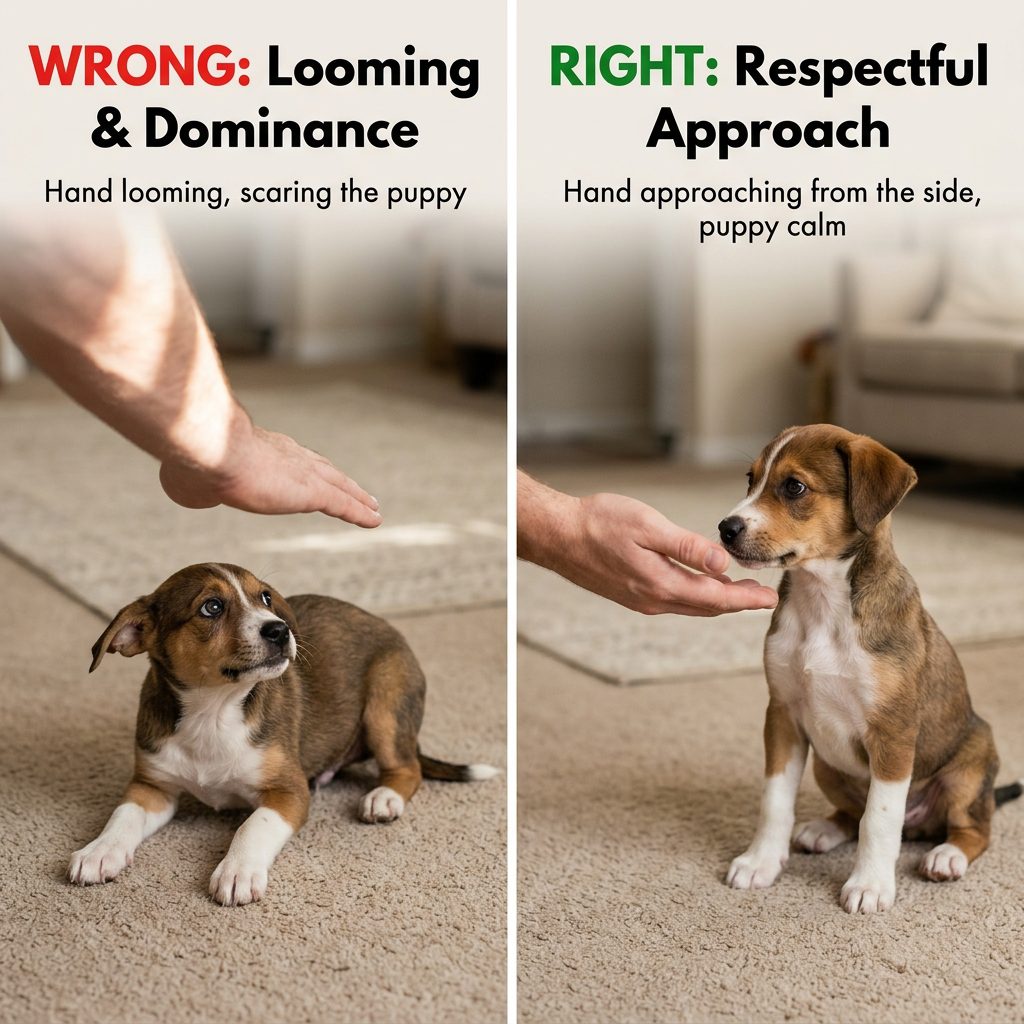
Even the best-intentioned owners can make mistakes that stall progress. Here are the most common pitfalls when dealing with collar-sensitive puppies.
Using the Collar as a Handle for Punishment
If you grab the collar only when you are angry or when the puppy has done something ‘wrong,’ the puppy will associate the collar grab with your negative emotion. Never use the collar to shake or jerk the puppy.
Moving Too Quickly
Desensitization takes time. If you jump from ‘no touch’ to ‘firm grip’ in one session, you risk a setback. Watch your puppy’s body language. If their ears go back, their body stiffens, or they lick their lips, they are uncomfortable. Slow down.
The ‘Looming’ Approach
Reaching directly over the top of a puppy’s head is threatening. Instead, reach from the side or from underneath the chin. This is much less intimidating for a puppy and reduces the startle response.
Lack of Consistency
If you play the ‘Gotcha’ game on Monday but then roughly grab the puppy’s collar on Tuesday because you’re in a hurry, you are sending mixed signals. Consistency is the key to building trust.
Advanced Techniques: Using a ‘House Lead’
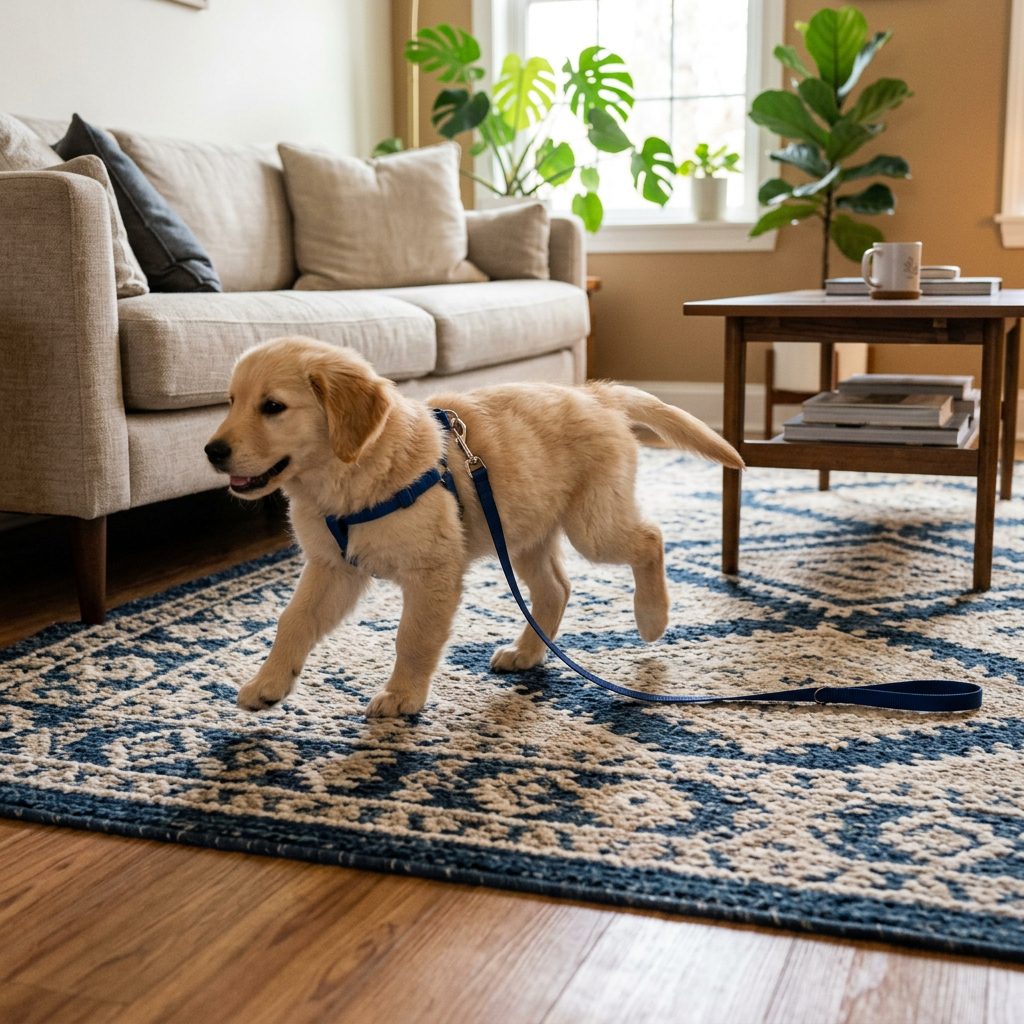
If your puppy is currently in a phase where they are snapping frequently, using a ‘house lead’ is a brilliant management tool. A house lead is simply a light, short leash (usually 3-4 feet) with the handle cut off (to prevent snagging) that the puppy wears while supervised indoors.
Why Use a House Lead?
- Safety: You can step on the lead or pick it up to redirect the puppy without having to put your hands near their neck.
- Prevention: It stops the ‘catch me if you can’ game that often leads to frustrated owners grabbing collars.
- Transition: It allows you to guide the puppy gently, which is a bridge toward being comfortable with collar handling.
While the puppy wears the house lead, you should still continue the ‘Gotcha’ game training. The lead is a management tool, not a replacement for training.
When to Seek Professional Help
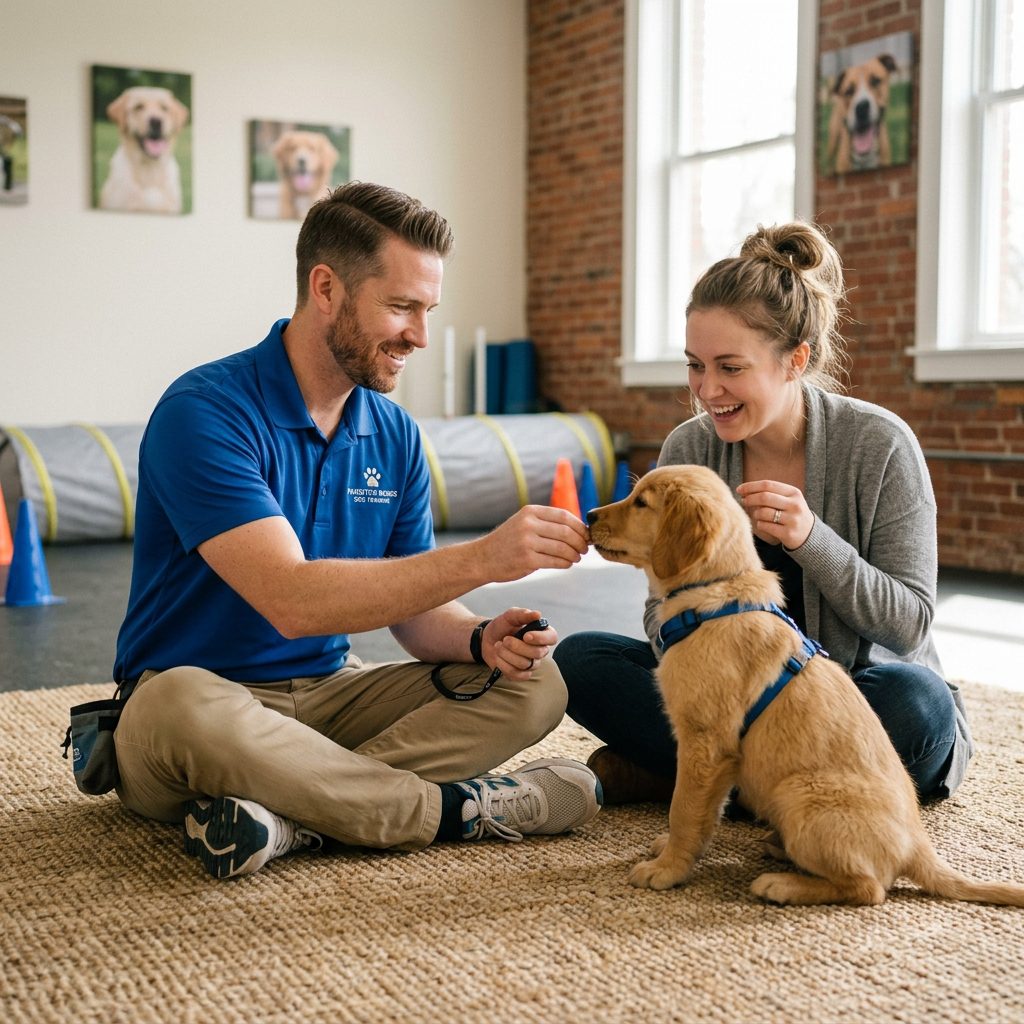
While most collar snapping is normal puppy behavior, there are instances where you should consult a certified professional dog trainer or a veterinary behaviorist.
Red Flags to Watch For:
- Multiple Bites: If the puppy isn’t just snapping but is making contact and breaking skin repeatedly.
- Resource Guarding: If the snapping only happens when the puppy has a toy or food.
- Intense Stiffening: If the puppy freezes and stares intensely (whale eye) before you even touch the collar.
- No Progress: If you have been consistently training for 2-3 weeks with no improvement in their reaction.
A professional can help determine if there is underlying fear-based aggression or if the puppy is struggling with impulse control at a level that requires a specialized plan.
Conclusion
Dealing with a puppy that snaps when you grab their collar can be disheartening, but it is a hurdle that almost every dog owner can overcome with patience and positive reinforcement. By understanding that your puppy is likely acting out of fear or a lack of understanding, you can shift your approach from frustration to education.
Remember, every interaction you have with your puppy is a training moment. By turning the ‘scary’ collar grab into the ‘Gotcha’ game, you aren’t just stopping a bad behavior—you are building a foundation of trust and cooperation that will last a lifetime. Stay consistent, keep your treats high-value, and celebrate the small victories. Before you know it, your puppy will be leaning into your hand instead of snapping at it.