How to Help a Puppy Scared of Slippery Hardwood Floors
The ‘Bambi on Ice’ Struggle
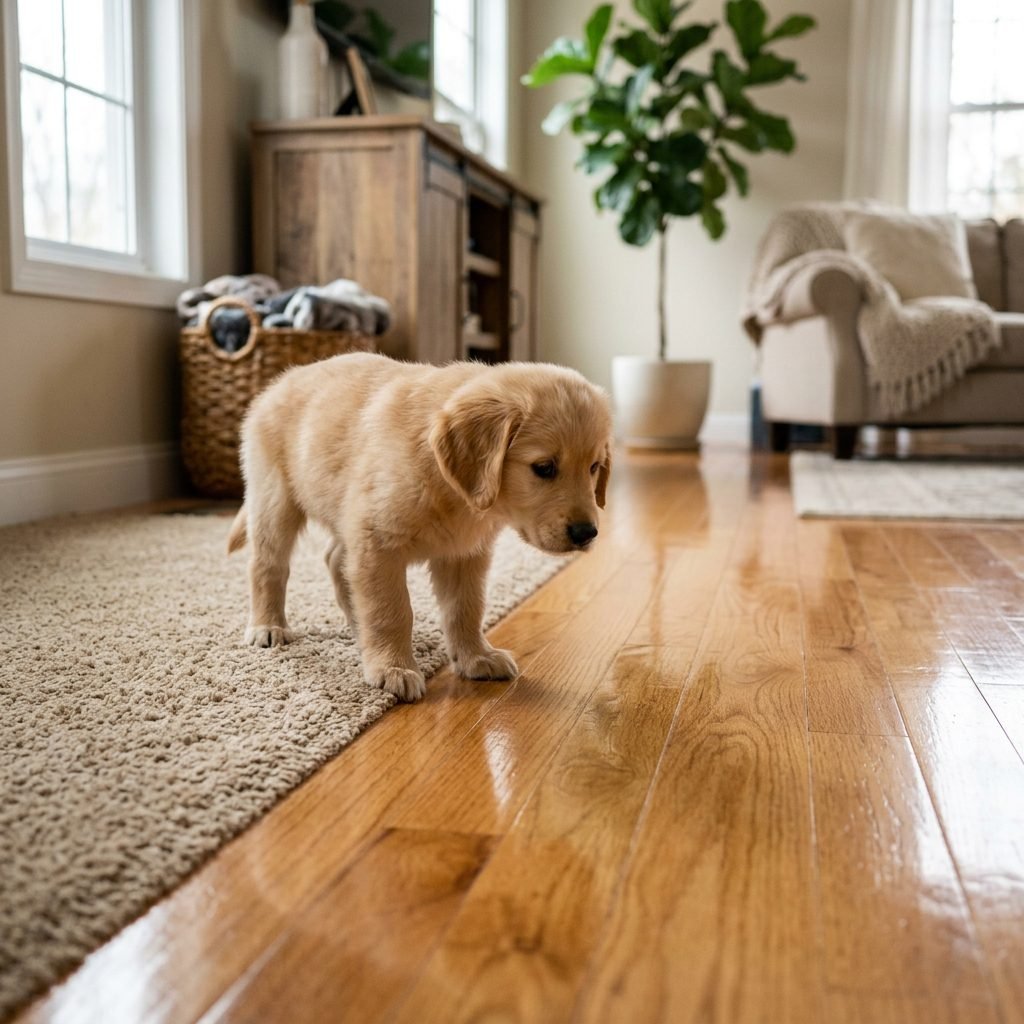
We have all seen it: that adorable, slightly panicked ‘Scooby-Doo’ moment where a puppy’s legs go in four different directions as they try to navigate a polished hallway. While it might look a little funny at first, for a young puppy, the sensation of losing traction can be genuinely terrifying. This isn’t just a physical challenge; it is a psychological one that can lead to long-term anxiety about certain rooms or surfaces in your home. As savvy dog owners, we want our homes to be a sanctuary, not an obstacle course of fear.
In this comprehensive guide, we are going to dive deep into the why behind this common canine phobia and provide you with a professional roadmap to transform your pup from a sliding skater into a confident walker. We will cover everything from immediate environment hacks to the nuanced behavioral training required to build lasting confidence. By understanding the mechanics of your puppy’s paws and their instinctual fear of unstable ground, you can create a training plan that is both empathetic and effective.
Helping a puppy overcome a fear of slippery floors is about more than just traction; it is about building trust in their own body and in the environment you provide for them.
Understanding the Science of the Slip
To solve the problem, we first need to understand why puppies find hardwood, tile, or laminate floors so intimidating. It isn’t just a matter of ‘learning to walk.’ Puppies are in a critical developmental stage where their proprioception—the sense of self-movement and body position—is still maturing. When they hit a surface that doesn’t offer the resistance they expect, their entire sensory system goes into overdrive.
The Evolutionary Instinct
In the wild, unstable ground often means danger—think of thin ice, loose scree, or mud. A dog’s natural instinct when they feel their feet sliding is to grip. On a hard, polished surface, the more they try to grip with their claws, the less surface area of their paw pads makes contact with the floor, which actually increases the sliding. This creates a feedback loop of panic: the puppy slips, they try to grip harder, they slip more, and their brain registers the floor as a ‘predator’ or a ‘trap.’
The Impact of Visual Depth Perception
Puppies also have developing vision. A highly reflective, dark hardwood floor can look like water or a deep void to a puppy. They may not realize it is a solid surface. If they have had one bad fall where they splayed their legs (often called ‘pancake-ing’), that single traumatic event can create a lasting negative association. Our goal is to replace that fear with positive, controlled experiences.
Immediate Safety Fixes and Traction Tools
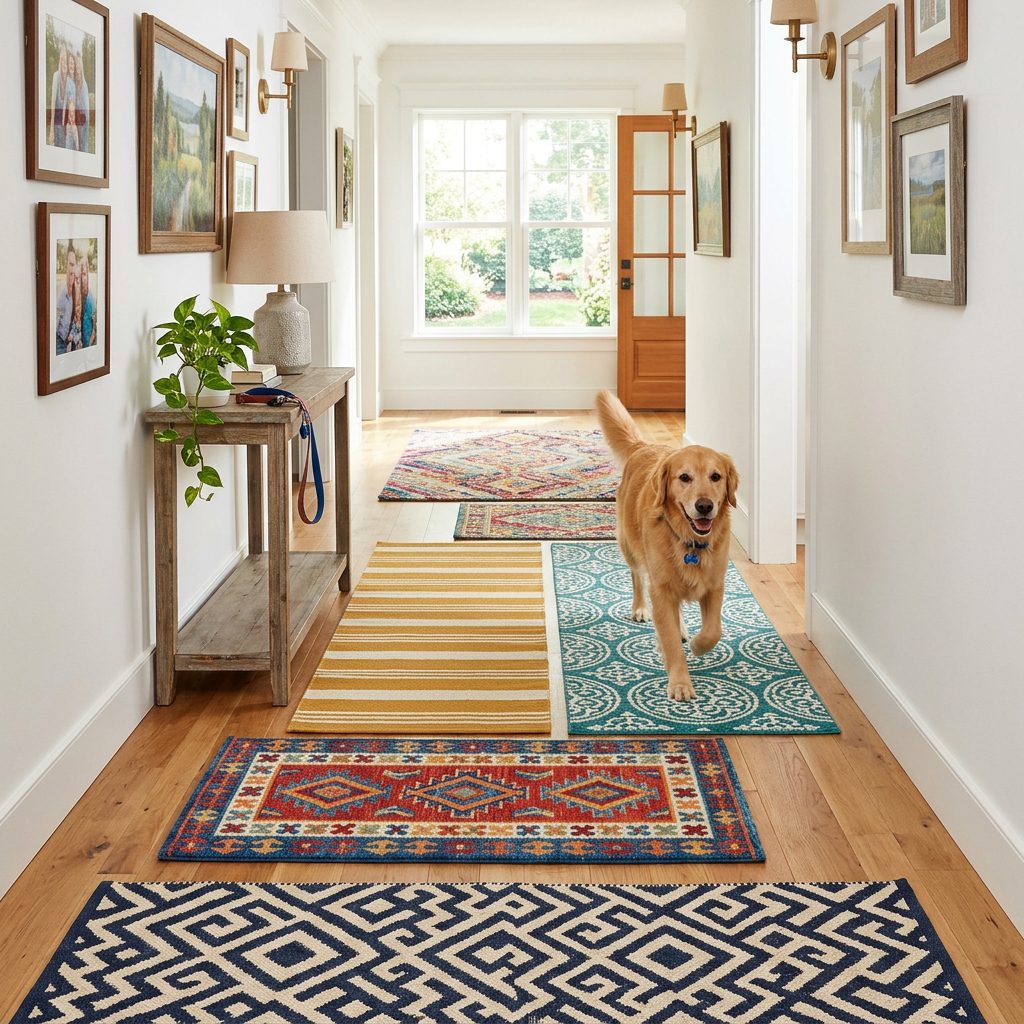
Before we start the training process, we need to make the environment safer. You wouldn’t ask a human to learn to ice skate without pads, and we shouldn’t ask a puppy to navigate ‘the danger zone’ without some help. Modifying your home temporarily will prevent further ‘splay’ injuries, which can actually damage a puppy’s developing joints and ligaments.
Creating a ‘Safe Path’
The most effective immediate solution is to use area rugs and runners. You don’t need to carpet your entire house, but creating a ‘lily pad’ system where the puppy can hop from one rug to another allows them to move through the house without entering a full-blown panic. Over time, we can move these rugs further apart.
Below is a comparison of common traction aids you might consider for your home and your pup:
| Tool | Pros | Cons |
|---|---|---|
| Area Rugs/Runners | Permanent solution, easy for the dog to see. | Can be expensive, requires cleaning. |
| Anti-Slip Paw Wax | Invisible, provides great grip on pads. | Needs frequent reapplication, can leave prints. |
| Non-Slip Socks/Booties | Maximum traction for the individual dog. | Many puppies hate wearing things on their feet. |
| Yoga Mats | Cheap, excellent grip, very portable. | Not aesthetically pleasing for long-term use. |
| Toe Grips | Directly helps with nail-to-floor traction. | Requires precise fitting, can fall off. |
The Importance of Grooming
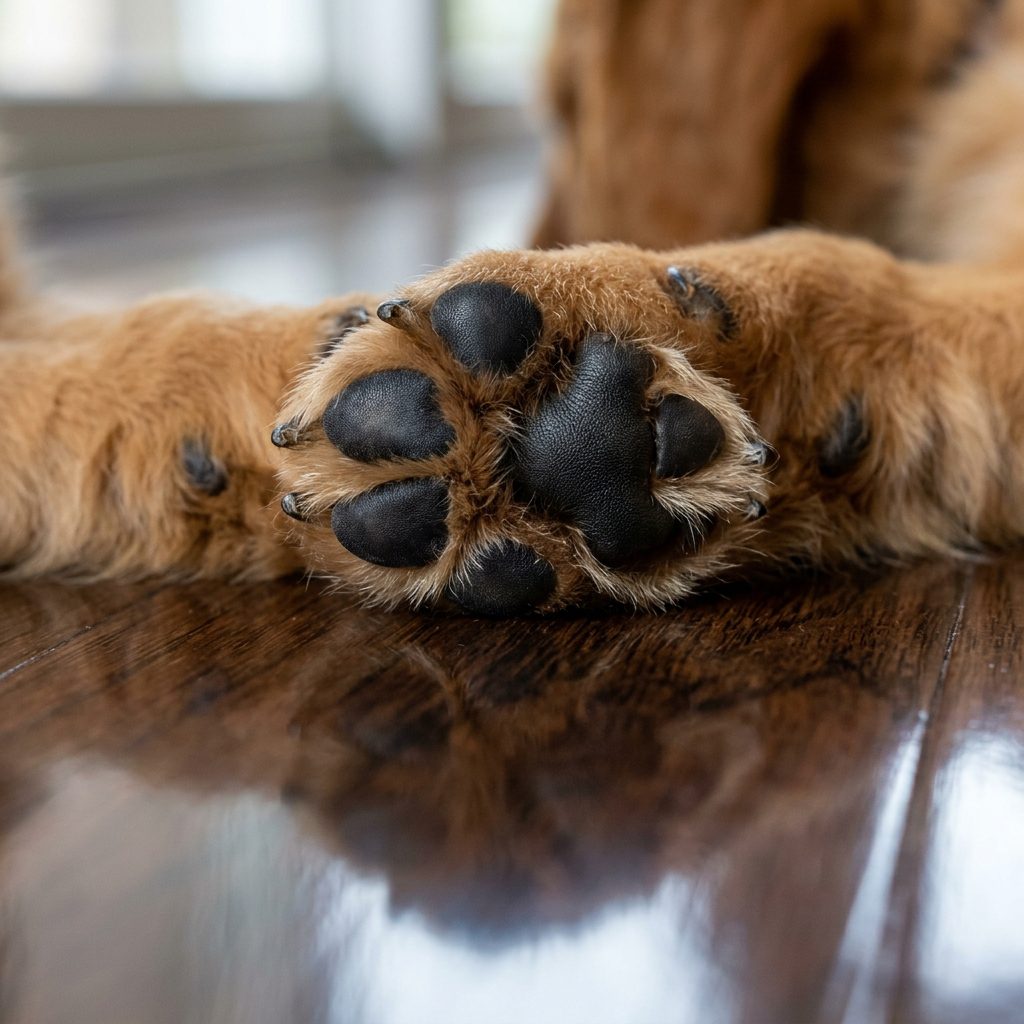
Many owners overlook the simplest fix: grooming. If your puppy has long tufts of hair growing between their paw pads (common in breeds like Golden Retrievers or Poodles), they are essentially walking on fur slippers. This hair acts as a lubricant on hardwood. Keeping the hair trimmed flush with the pads and keeping nails short is vital. Long nails tilt the paw backward, reducing the surface area of the grippy pads.
The 5-Step Confidence Building Program
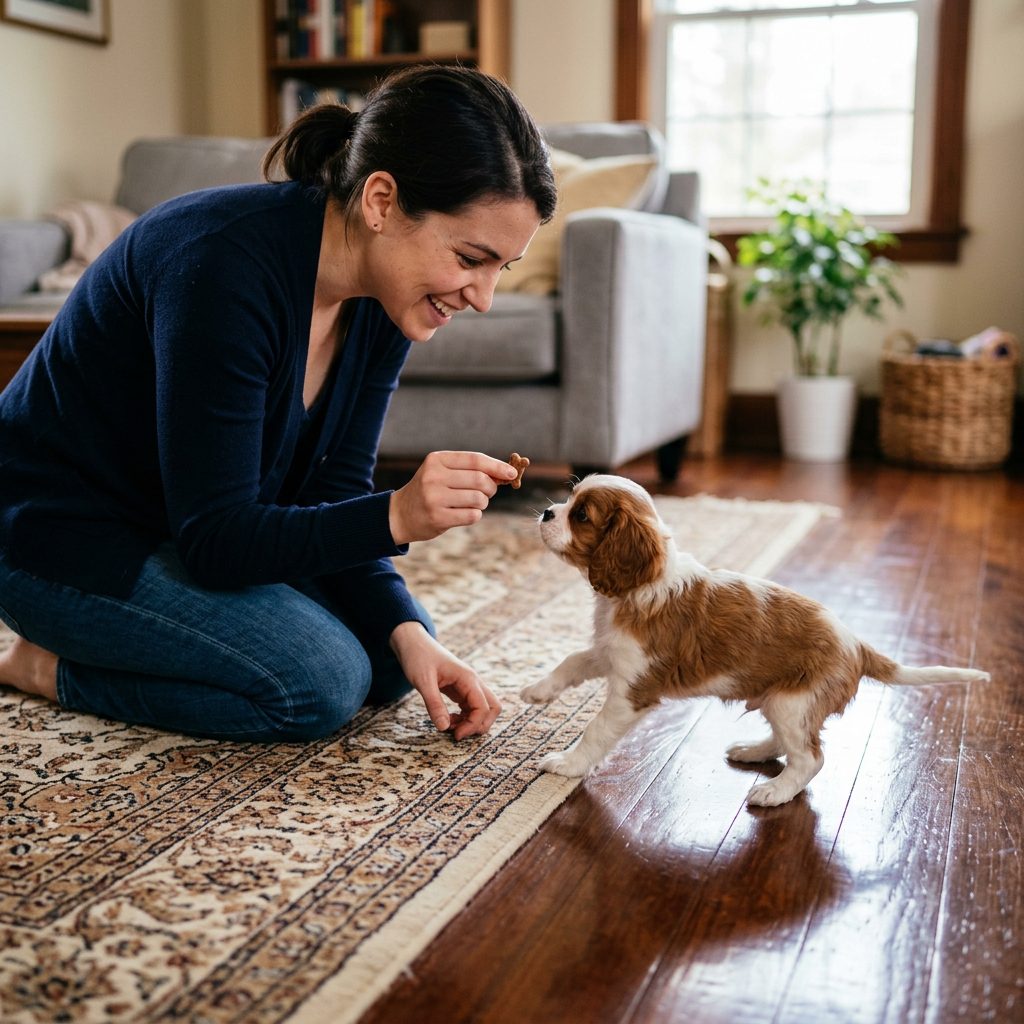
Once the environment is stabilized, it is time for desensitization and counter-conditioning. We want to change the puppy’s emotional response to the floor from ‘Oh no, I’m going to fall!’ to ‘Hey, this is where the treats happen!’
Step 1: The ‘Borders’ Game
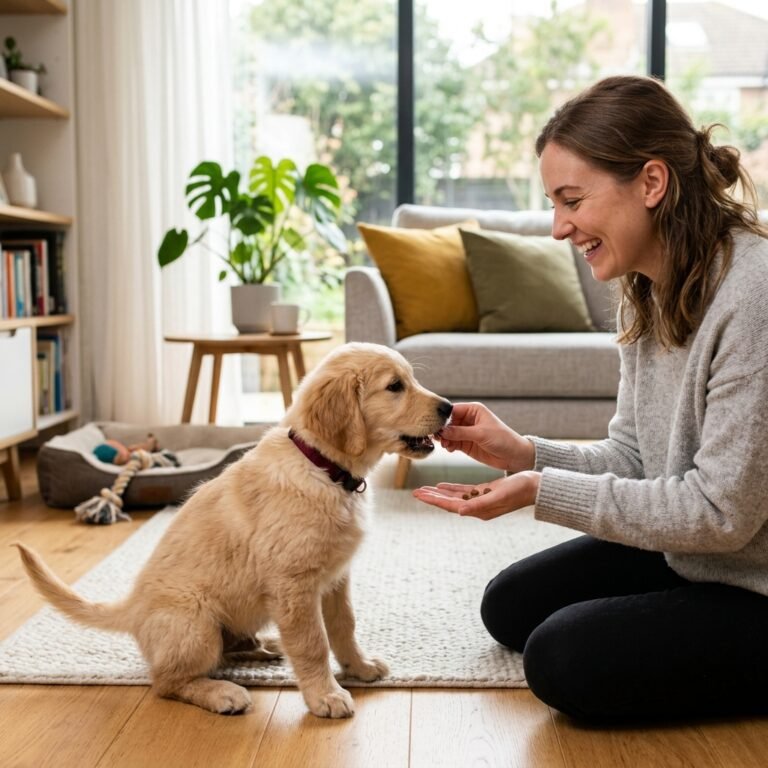
Start at the edge of a carpeted area where it meets the hardwood. Sit on the carpet and place a high-value treat (think boiled chicken or cheese) just an inch onto the hardwood. Let the puppy stretch their neck to get it without moving their paws off the carpet. Repeat this until they are lunging for the treat with zero hesitation.
Step 2: The Single Paw Milestone
Place the treat slightly further away so the puppy must place one paw on the slippery surface to reach it. As soon as that paw touches the wood and they take the treat, give them massive verbal praise. ‘Yes! Good dog!’ Immediately lure them back to the ‘safe’ carpet. We want them to know they can go on and off the surface at will.
Step 3: Scatter Feeding
Once they are comfortable with two paws on the floor, start ‘scattering.’ Toss 5-10 small treats across a small patch of the hardwood. This encourages the puppy to move their head down and sniff. Sniffing is a naturally calming behavior for dogs. It also forces them to shift their weight incrementally as they ‘vacuum’ up the treats, which builds muscle memory for balance.
Step 4: The ‘Follow Me’ Lure
Using a lure (a treat held at their nose), slowly walk backward across the hardwood. Encourage your puppy to follow you for three steps, then reward. Do not pull them or use a leash to force them. The movement must be their choice. If they freeze, go back to Step 3.
Step 5: Increasing Duration and Distance
Gradually increase the distance they have to travel. Start incorporating their favorite toys. A moving toy, like a rolled ball, can sometimes distract a puppy from their fear, triggering their ‘prey drive’ which overrides the ‘fear drive.’ However, be careful not to make them sprint, as a slip during play can set progress back.
Common Mistakes to Avoid
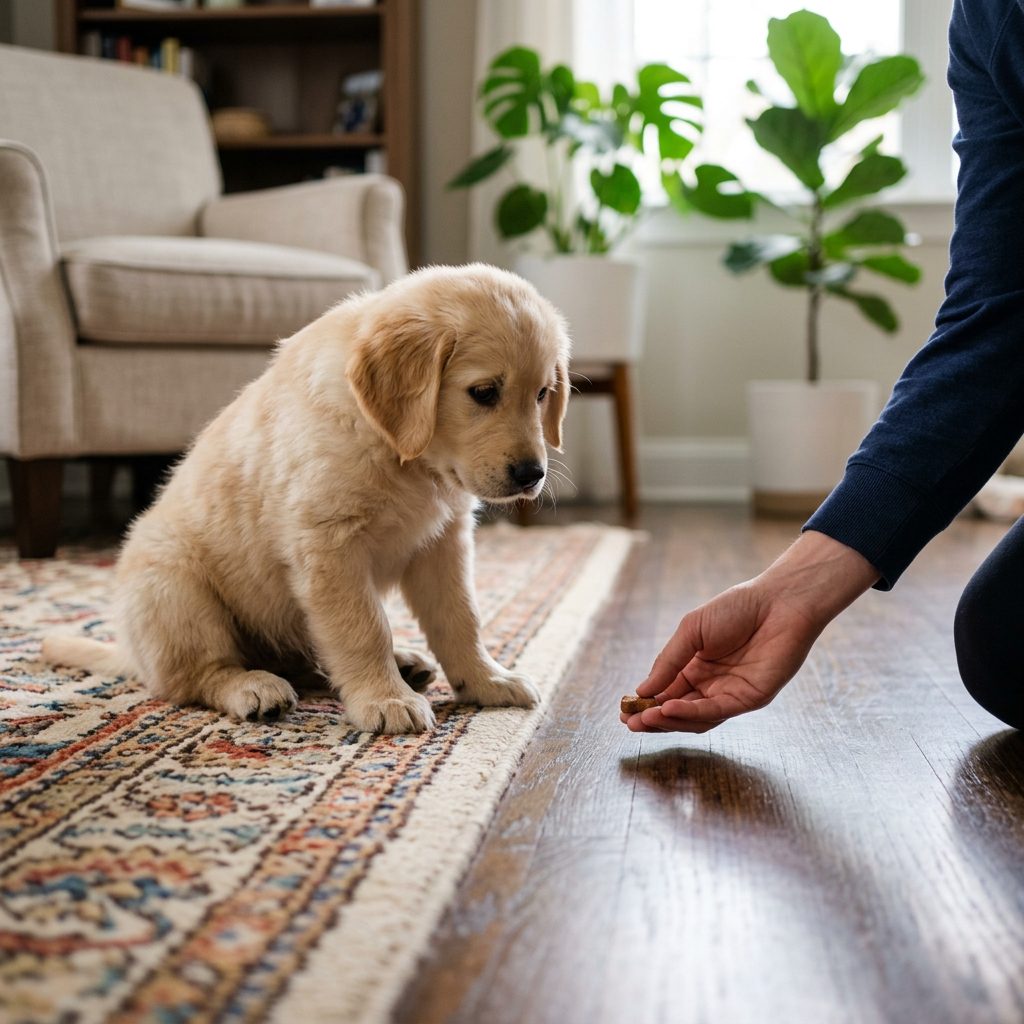
In our eagerness to help, we sometimes accidentally make the fear worse. Behavioral modification is a delicate process, and puppies are incredibly sensitive to our energy and body language.
- Forcing the Issue: Never drag, pull, or carry your puppy onto the floor and set them down in the middle of it. This is known as ‘flooding’ and it usually results in a ‘shut down’ puppy who trusts you less.
- Over-Excitement: While praise is good, being too loud or frantic can startle a nervous puppy. Keep your voice low, calm, and encouraging.
- Ignoring the ‘Slip’: If your puppy slips during a session, don’t just keep going. Stop, comfort them, and move back to a carpeted area. End on a successful, easy note so they don’t finish the session feeling like a failure.
- Poor Timing: Don’t try to train this when the puppy is already tired or over-stimulated. Choose a time when they are calm and slightly hungry (so the treats are more motivating).
Patience is the fastest way to get results. If you try to rush a puppy’s confidence, you will end up taking two steps back for every step forward.
Long-Term Maintenance and Health Considerations
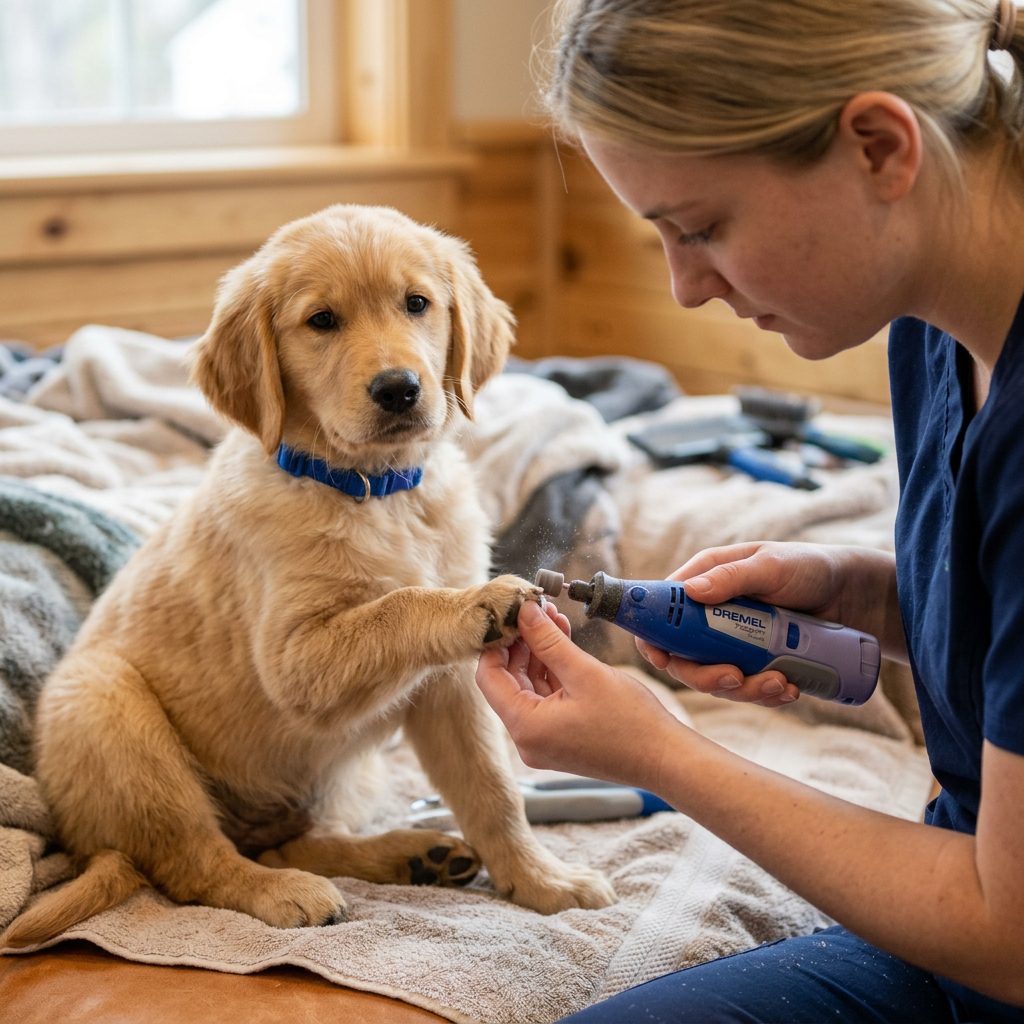
Even after your puppy is walking confidently, you need to maintain the physical aspects of their traction. As puppies grow, their weight and center of gravity change, which can occasionally cause a ‘relapse’ in confidence.
The Paw Pad Health Check
Dry, cracked pads have less grip than healthy, supple ones. During the winter, salt and ice can dry out a puppy’s feet. Use a pet-safe paw balm to keep the skin hydrated. Think of it like the difference between a dry, hard rubber tire and a soft, grippy one.
Monitoring for Orthopedic Issues
If your puppy continues to struggle significantly even with traction aids and training, it is worth a visit to the vet. Conditions like hip dysplasia or luxating patellas can make a puppy feel unstable on their legs, making slippery floors feel even more dangerous than they actually are. A vet can rule out any physical pain that might be contributing to the fear.
The ‘Toe Nail’ Rule
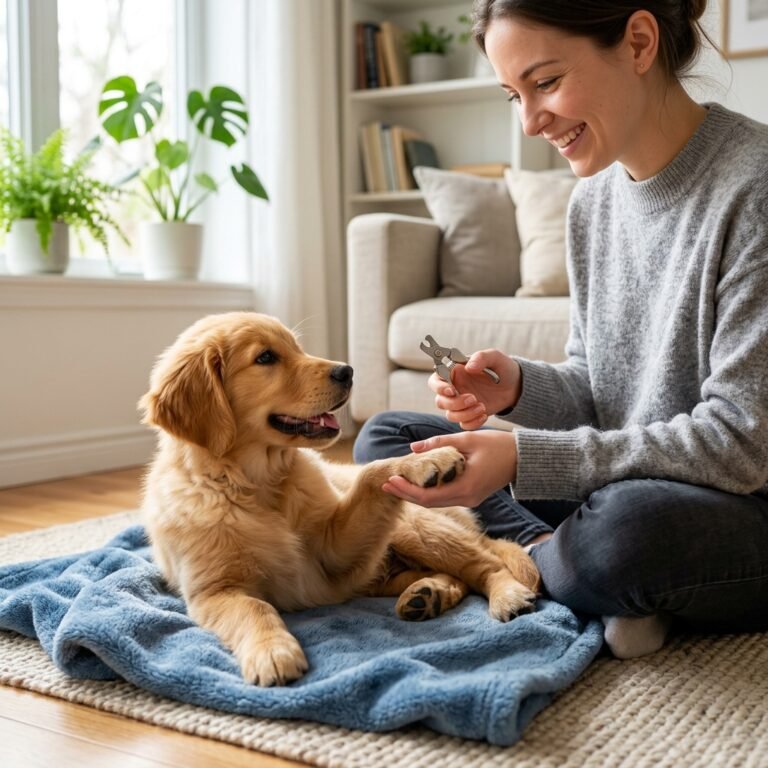
A good rule of thumb: if you can hear your puppy’s nails ‘clicking’ on the floor, they are too long. Short nails allow the pad to make full contact with the ground. Get your puppy used to nail trims early so that this maintenance doesn’t become another source of stress.
Conclusion
From Skating to Striding
Helping a puppy overcome their fear of slippery hardwood floors is a journey that combines home renovation, grooming, and behavioral psychology. By implementing ‘safe paths’ with rugs, keeping those paws neatly trimmed, and using a gradual, treat-based training approach, you are doing more than just fixing a household nuisance. You are teaching your puppy how to face their fears, how to trust their own body, and most importantly, that you are a partner who will help them navigate the world safely.
Remember, every puppy learns at their own pace. Some might be sprinting across the oak floors in a weekend, while others might need a few weeks of ‘lily pad’ hopping. Stay consistent, stay positive, and soon enough, the only sound you will hear on your hardwood floors is the happy pitter-patter of confident paws.