Stop The Wet Mess! 7 Genius Ways To End Puppy Excitement Peeing Forever
You walk through the front door after a long day at work, and your puppy is absolutely ecstatic to see you. Their entire body wiggles, their tail is a blur of motion, and then—it happens. A small puddle appears on the floor. It is the classic ‘happy pee,’ and while it comes from a place of pure love, it is a habit that most dog owners are eager to break. As a canine behavior specialist, I hear this story daily. Savvy dog owners often worry that their puppy is being defiant or that their potty training has failed, but the truth is far more fascinating (and manageable!).
Excitement urination, often confused with submissive urination, is an involuntary reflex. It is not a choice your puppy is making; it is a physical response to a surge of adrenaline and joy that their young bladder simply cannot contain yet. The good news? With the right approach, patience, and these 7 genius strategies, you can help your puppy gain the emotional and physical control they need to keep your floors dry. In this comprehensive guide, we are going to dive deep into the psychology of the ‘wet mess’ and provide you with a step-by-step roadmap to ending excitement peeing forever.
Understanding the Science of the Puddle
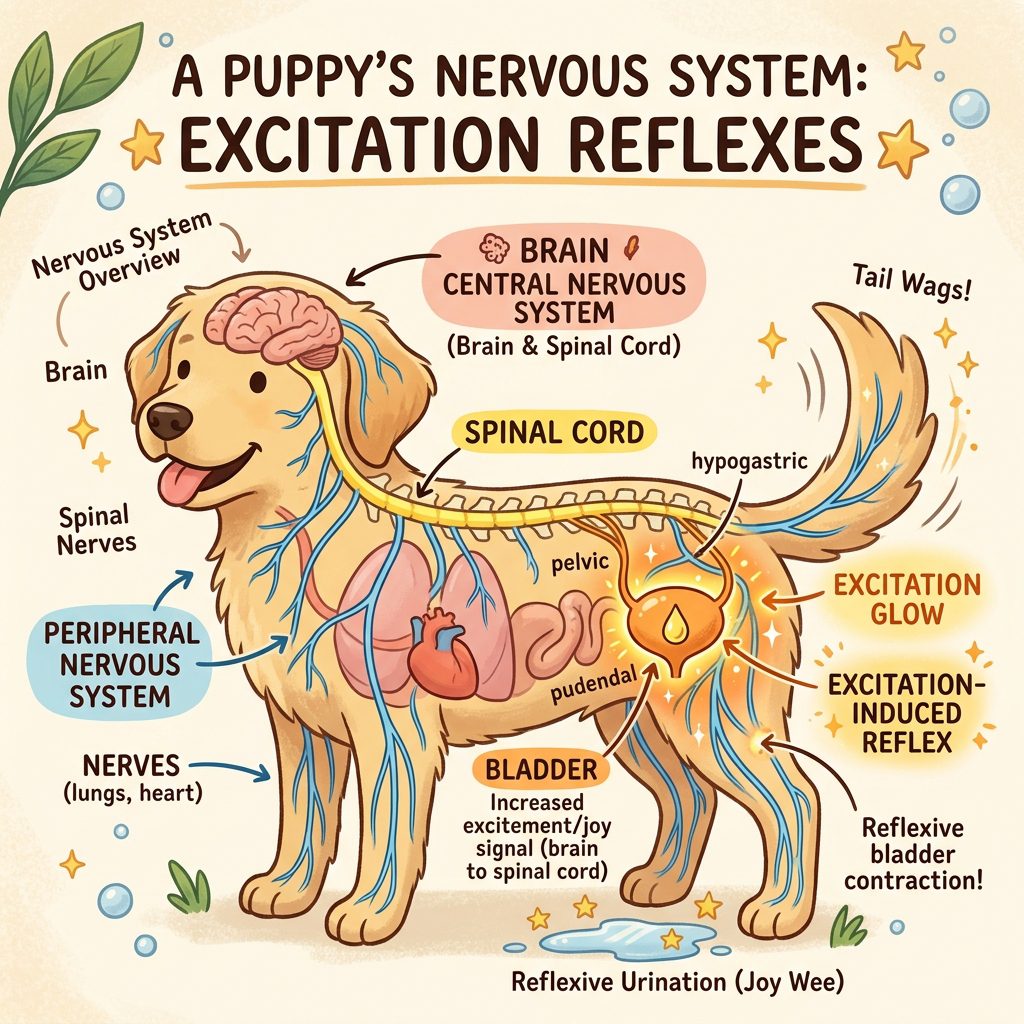
Before we can fix the behavior, we have to understand what is happening inside that wiggly puppy body. Excitement urination is most common in puppies under one year of age. Their nervous systems are still developing, and their internal urethral sphincter—the muscle that holds urine in—is not yet strong enough to withstand a massive spike in excitement. When a puppy gets overwhelmed with joy, their body essentially ‘short-circuits,’ and the bladder releases.
Excitement vs. Submissive vs. Potty Training Issues
It is crucial to distinguish between these three behaviors because the solutions are very different. Use the table below to identify what your puppy is experiencing.
| Behavior Type | Primary Trigger | Body Language |
|---|---|---|
| Excitement Urination | High-energy greetings, play, or new toys. | Wiggly, jumping, panting, high tail wag. |
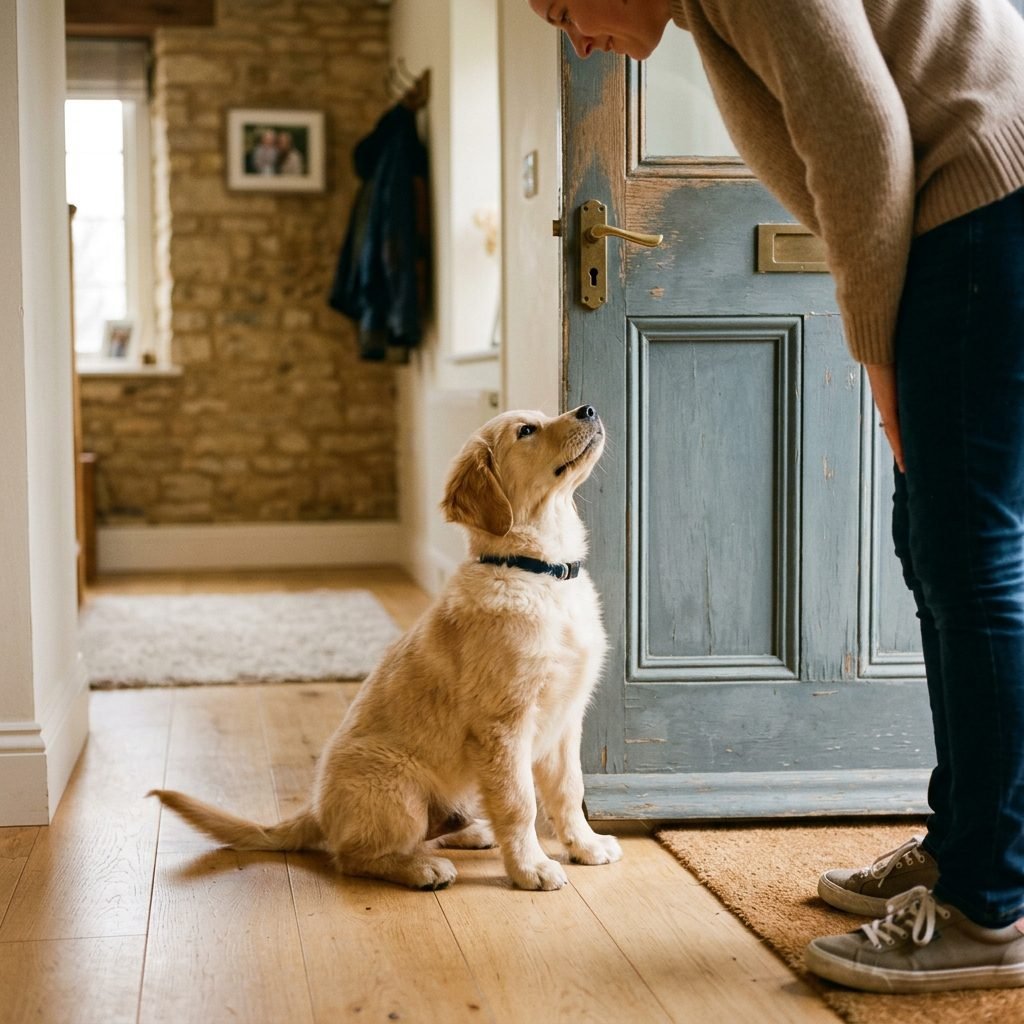
| Submissive Urination | Scolding, leaning over the dog, loud voices. | Cowering, tail tucked, ears back, belly up. |
| Incomplete Potty Training | Full bladder, lack of routine. | Sniffing, circling, wandering to a quiet corner. |
If your puppy is leaking because they are genuinely happy to see you, you are dealing with excitement urination. If they are cowering or rolling onto their back when you approach, that is submissive urination, which requires a focus on confidence building and a very gentle touch. Today, we are focusing on the ‘happy’ variety.
1. The ‘Low-Key’ Greeting Strategy
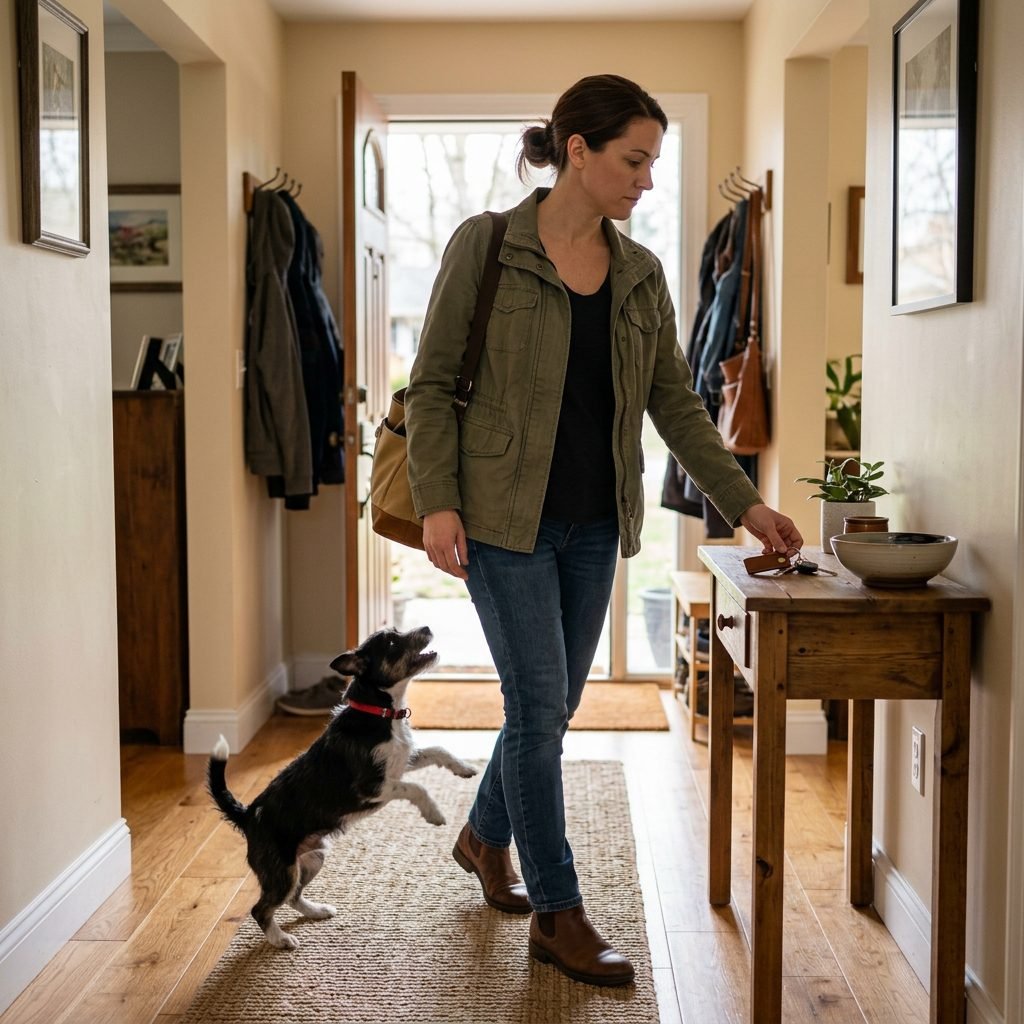
The most common trigger for excitement peeing is the moment you walk through the door. If you enter the house with a high-pitched ‘Hi baby! I missed you!’, you are essentially pouring gasoline on a fire. The surge of adrenaline you trigger is too much for their bladder to handle.
The Zero-Attention Rule
When you arrive home, ignore your puppy. This sounds harsh to a dog lover, but it is the kindest thing you can do for their bladder. Do not look at them, do not speak to them, and do not touch them for the first five to ten minutes. Walk in, put your keys away, take off your coat, and perhaps even go to the kitchen to get a glass of water. Wait until the puppy has settled down and stopped jumping or whining before you offer a calm, low-energy pat on the head.
Pro Tip: If your puppy is still leaking even with no attention, try keeping your greetings entirely outdoors where a mess doesn’t matter, until they grow out of the phase.
2. Redirect with a High-Value Task
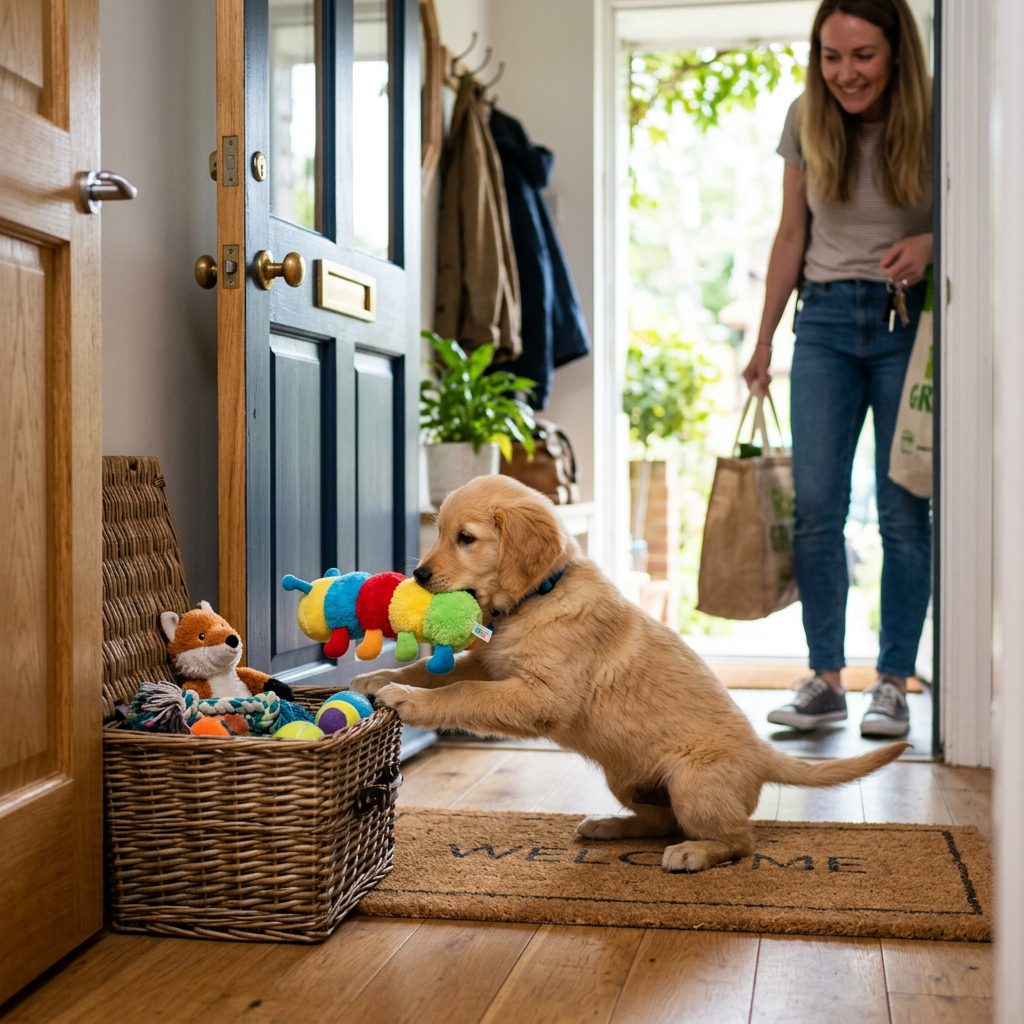
If your puppy’s brain is 100% focused on how much they love you, their bladder will follow suit. By giving them a ‘job’ to do the moment you walk in, you shift their mental energy from pure emotion to a cognitive task. This mental shift can actually help them maintain physical control.
The ‘Find Your Toy’ Game
Keep a basket of favorite toys near the entrance. As soon as you enter, calmly point to the basket or toss a toy across the room. If the puppy’s mouth is busy carrying a toy, they are less likely to focus on the overwhelming excitement of your arrival. You can also try the ‘Scatter Feed’ method: drop a few pieces of high-value kibble or small treats on the floor. The act of sniffing and searching for treats activates the parasympathetic nervous system, which is the ‘rest and digest’ system, counteracting the high-arousal ‘fight or flight’ (or in this case, ‘wiggle and pee’) response.
3. Master the ‘Four on the Floor’ Rule
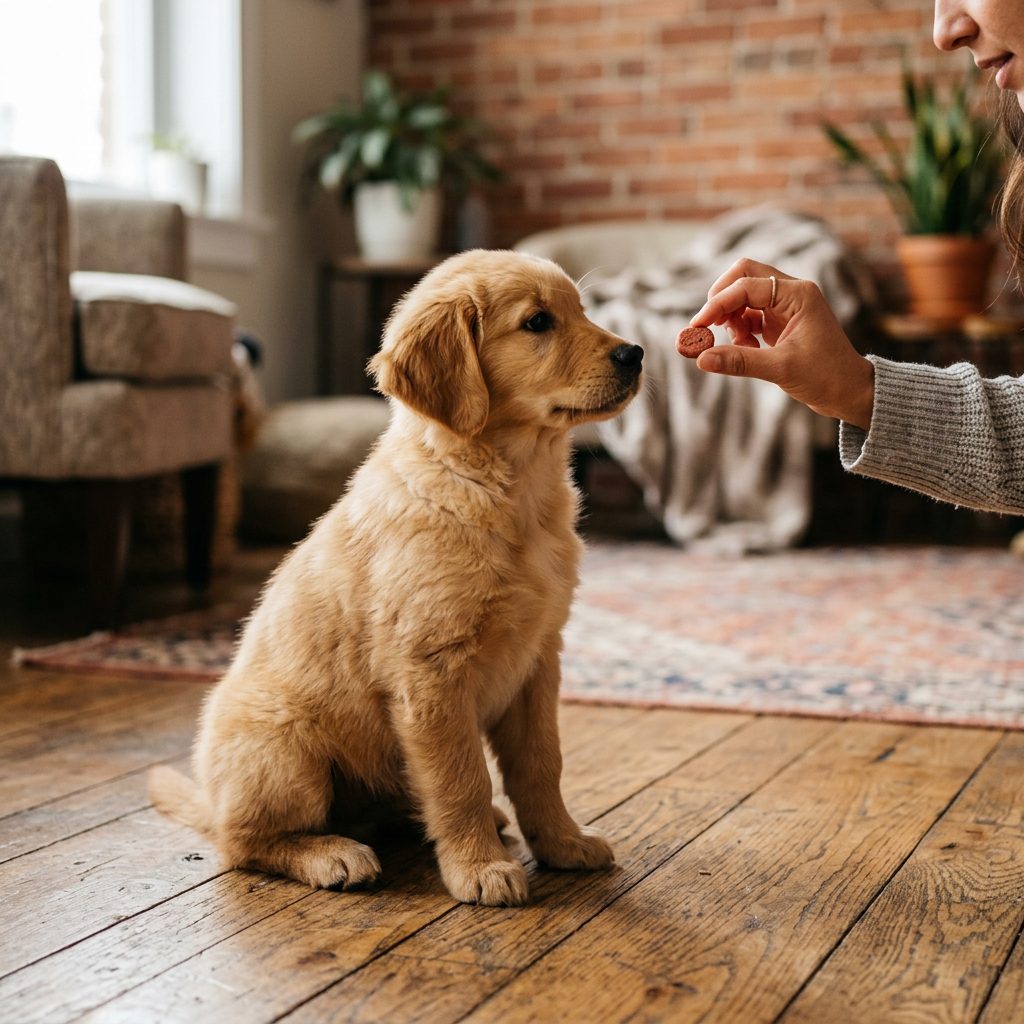
Jumping and vertical movement often put extra pressure on a puppy’s bladder. By rewarding only ‘four on the floor’ (all four paws touching the ground), you encourage a physical posture that is more conducive to bladder control. When a puppy jumps, they are in a high-arousal state; when they sit or stand calmly, they are in a more regulated state.
Training Calmness
Practice ‘calm sits’ throughout the day, not just when you come home. Reward your puppy with treats and praise only when they are in a relaxed state. If you are greeting them and they start to wiggle too much, immediately stand up straight and look away. This ‘negative punishment’ (removing something they want—your attention) teaches them that calm behavior is the only way to get what they desire.
4. Desensitize the ‘Arrival Cues’
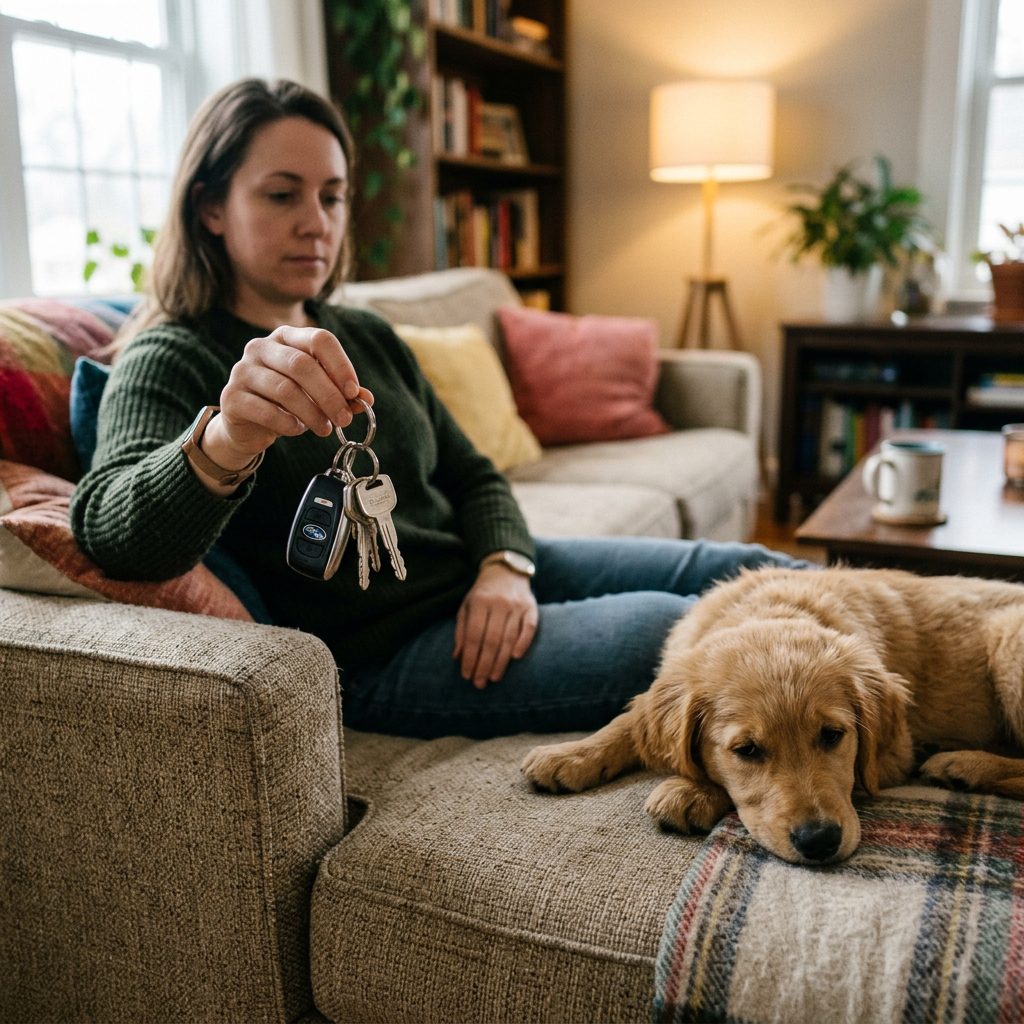
Puppies are incredibly observant. They know you are coming home long before you open the door. They hear the car in the driveway, the jingle of keys, or the sound of the garage door. By the time you walk in, their excitement level is already at a 10 out of 10. To fix this, you need to desensitize them to these triggers.
The ‘Fake Arrival’ Drill
Several times a day, perform your arrival cues without actually leaving or coming home. Jingle your keys while sitting on the couch. Open and close the front door. Put on your coat and then go sit at the dining table. By repeating these actions without the ‘reward’ of a high-energy greeting, the sounds lose their power to trigger an adrenaline spike. Eventually, your actual arrival will become just another mundane event in the puppy’s day.
5. Environmental Management & Outdoor Transitions
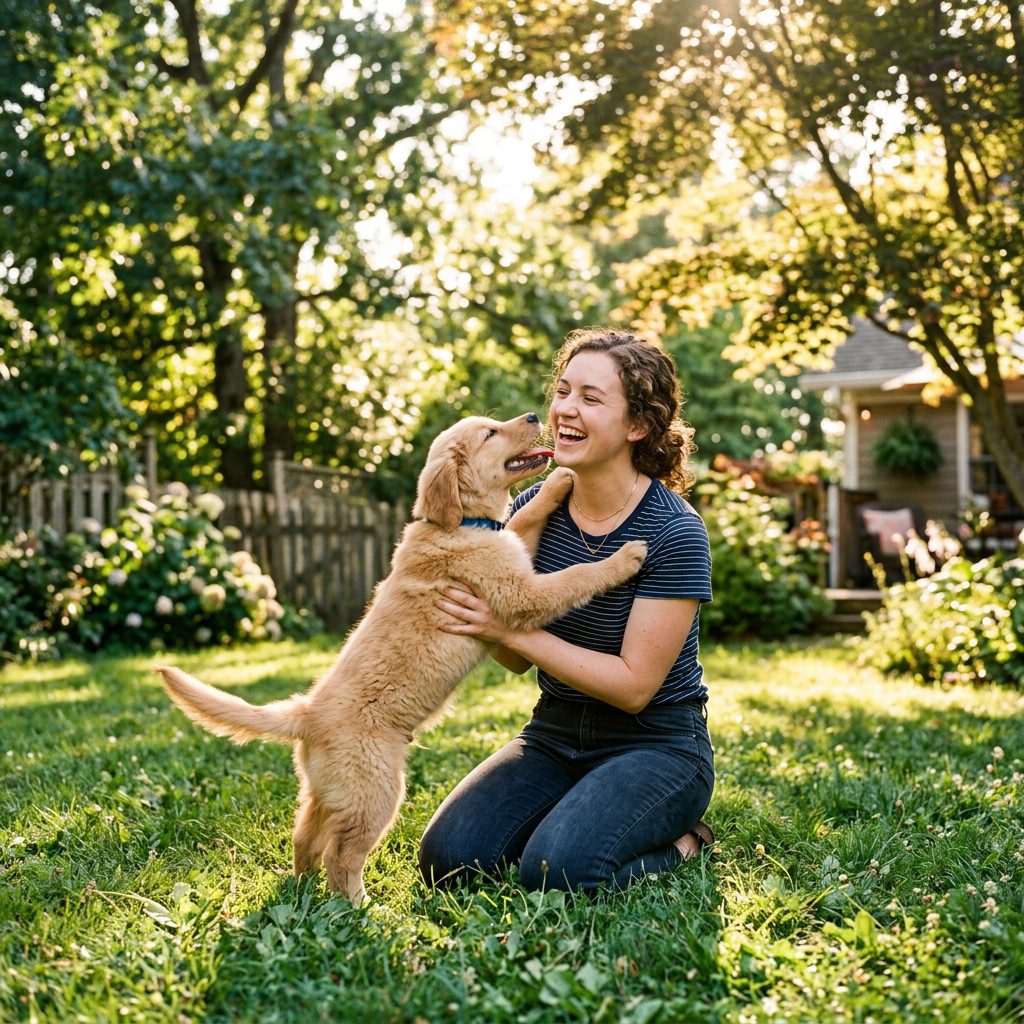
Sometimes, the best way to end the wet mess is to change where the mess happens. If you know your puppy is going to leak, set them up for success by managing their environment. This prevents the habit from becoming ingrained in their ‘indoor’ behavior profile.
The Outdoor Greeting Ritual
If possible, have someone let the puppy into a fenced yard right before you arrive. If you live alone, try to enter through a back gate or meet your puppy in the yard first. When the ‘happy pee’ happens on the grass, it isn’t a ‘mess’—it’s just nature. Over time, as the puppy matures and gains better muscle control, they will naturally stop leaking, and because they never developed the habit of doing it on your rug, the transition to dry indoor greetings will be seamless.
| Management Tool | Purpose | Best For |
|---|---|---|
| Enzymatic Cleaner | Breaks down pheromones to prevent repeat accidents. | Any indoor accident. |
| Puppy Wraps/Diapers | Temporary physical barrier for indoor greetings. | Chronic excitement leakers. |
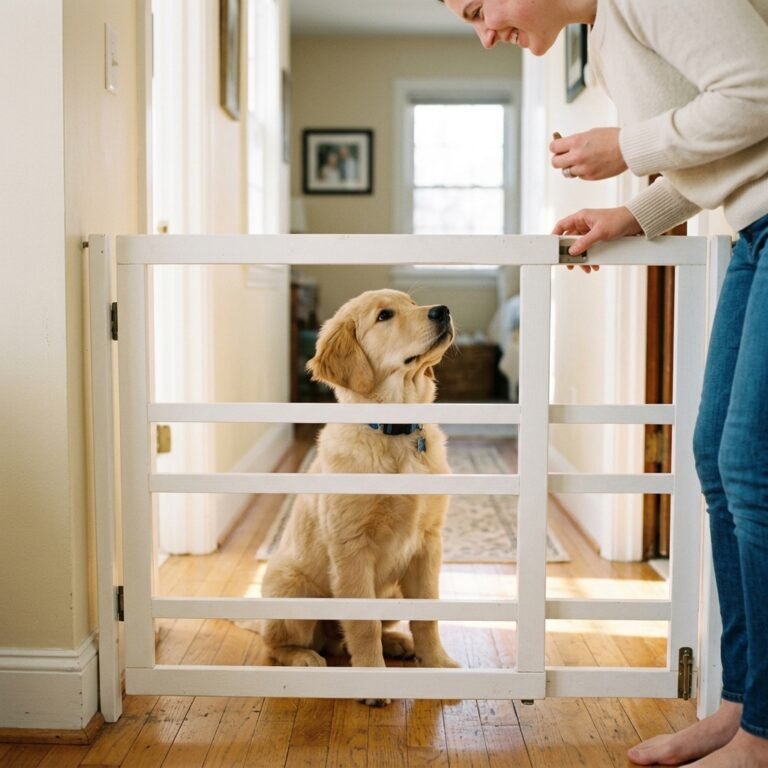
| Baby Gates | Prevents the puppy from rushing the door. | Controlling greeting intensity. |
6. Building Confidence and Physical Maturity
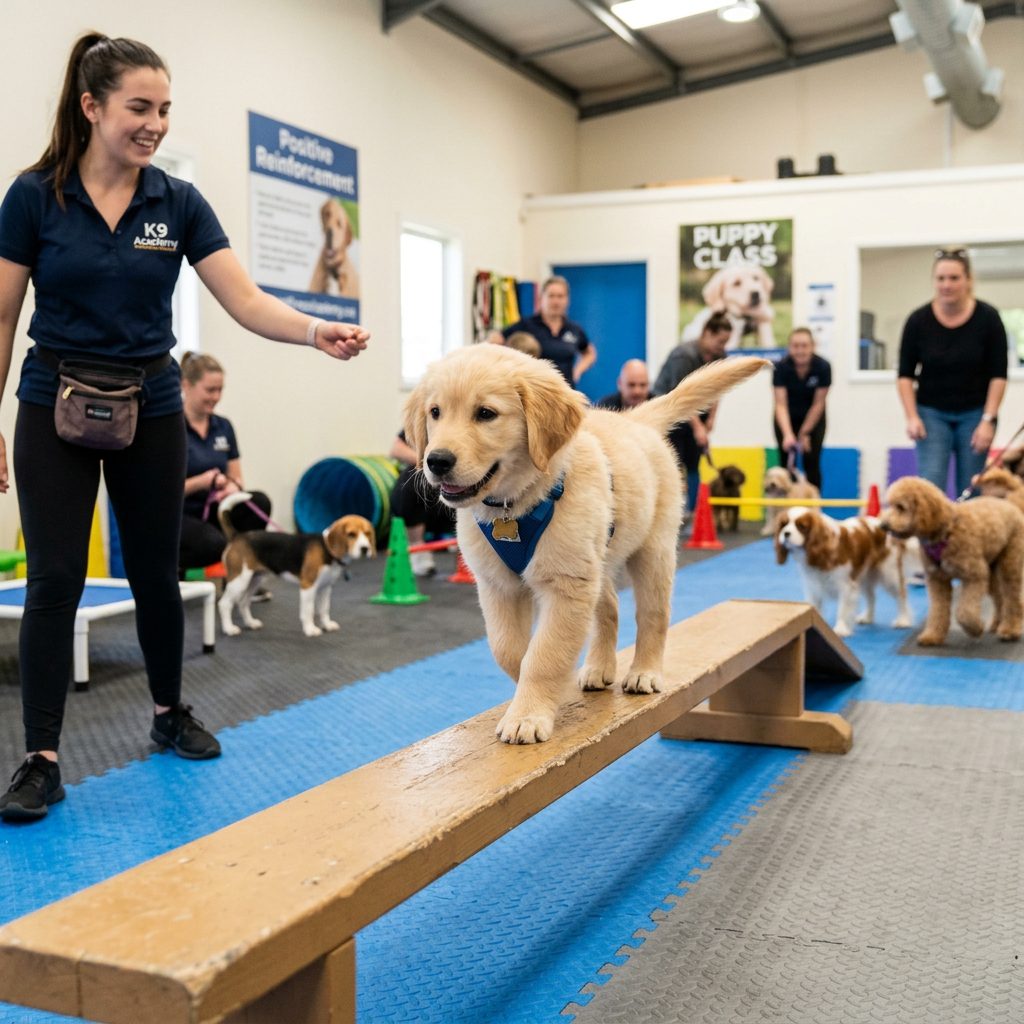
While excitement peeing is often about joy, it can sometimes have a ‘submissive’ component, especially in shy puppies. Building your puppy’s confidence through trick training and socialization can help them feel more ‘level-headed’ during social interactions. Additionally, you must respect the timeline of physical maturity.
The Role of the Bladder Muscle
Just like human toddlers, puppies have varying rates of physical development. Some puppies have full bladder control by 6 months, while others (especially smaller breeds) may take until 12 or 14 months. Ensure your puppy is getting frequent potty breaks—at least every 2 hours for young pups—to ensure their bladder is never completely full when an excitement trigger occurs. A half-empty bladder is much less likely to leak than a full one!
7. Rule Out Medical Issues
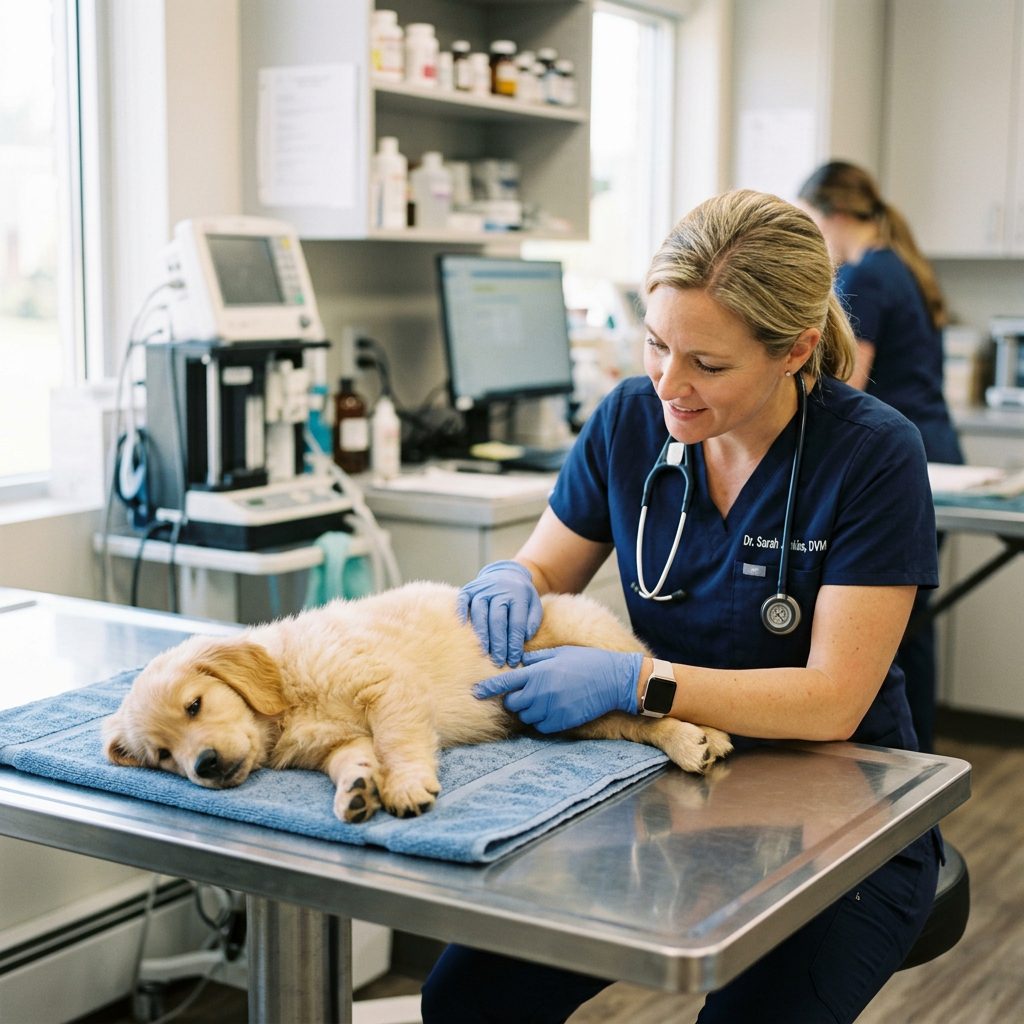
If you have tried all the training tips and your puppy is still leaking—or if the leaking seems to happen even when they aren’t excited—it is time for a trip to the veterinarian. There are several medical conditions that can mimic or exacerbate excitement urination.
When to See the Vet
If you notice any of the symptoms in the table below, schedule an appointment. A simple round of antibiotics or a specialized diet might be all that is needed to solve the ‘mess’ once and for all.
| Condition | Red Flag Symptoms | Common Treatment |
|---|---|---|
| UTI | Straining, blood in urine, frequent licking. | Antibiotics. |
| Ectopic Ureter | Constant dribbling, even during sleep. | Surgery or specialized management. |
| Incompetence | Leaking while relaxed or sleeping. | Medication (e.g., Phenylpropanolamine). |
Conclusion
Ending puppy excitement peeing is a journey that requires a blend of behavioral science, environmental management, and a whole lot of patience. Remember, your puppy isn’t trying to make your life difficult; they are simply overwhelmed by how much they love you! By implementing the ‘Low-Key Greeting,’ redirecting their energy, and desensitizing them to arrival cues, you are giving them the tools they need to grow into a confident, dry, and well-behaved adult dog.
Don’t get discouraged by setbacks. Every puppy develops at their own pace. Keep your enzymatic cleaner handy, stay consistent with your ‘ignore’ rule, and celebrate the small victories—like the first time they greet you with a wagging tail and a dry floor. You’ve got this, and your puppy is lucky to have such a dedicated, savvy owner!