Are You Misreading Your Puppy? 7 Crucial Body Language Signs Every Owner Must Know
The Silent Language of Your New Best Friend
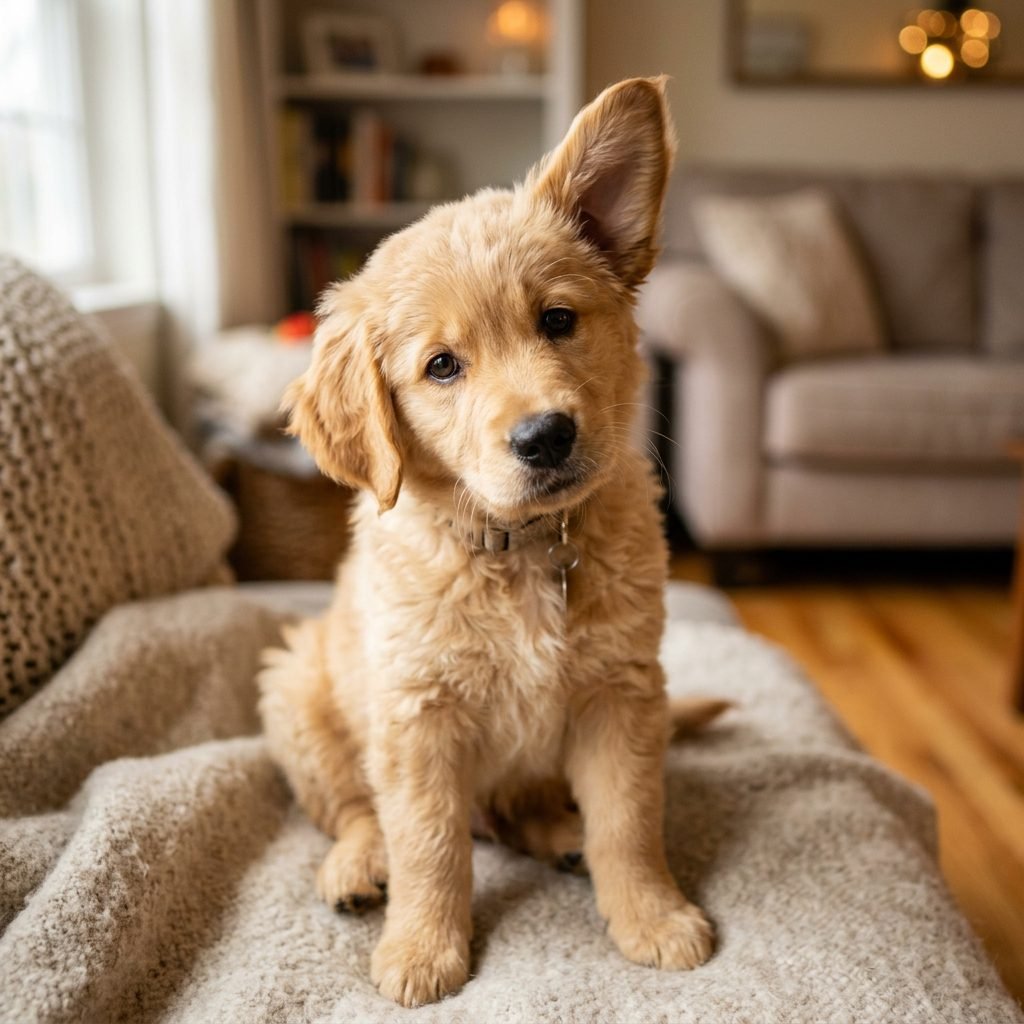
Bringing a new puppy home is a whirlwind of joy, sharp teeth, and adorable snores. But beneath that fluffy exterior lies a complex communication system that most new owners completely overlook. Puppies don’t speak English, Spanish, or French; they speak ‘Dog.’ While we wait for them to understand our commands like ‘sit’ or ‘stay,’ they are constantly broadcasting their feelings, intentions, and stress levels through subtle physical cues. Understanding puppy body language isn’t just a party trick; it is the foundation of a safe, trusting relationship.
Many behavior issues that crop up later in a dog’s life stem from early misunderstandings. When a puppy tries to tell us they are overwhelmed and we keep pushing, we inadvertently teach them that their subtle signals don’t work, which can lead to more drastic measures like growling or snapping. In this guide, we are going to dive deep into the seven most crucial body language signs. By the end of this article, you won’t just be a puppy owner; you’ll be a puppy whisperer.
The Tail: More Than Just a Happy Meter
Decoding the Wag
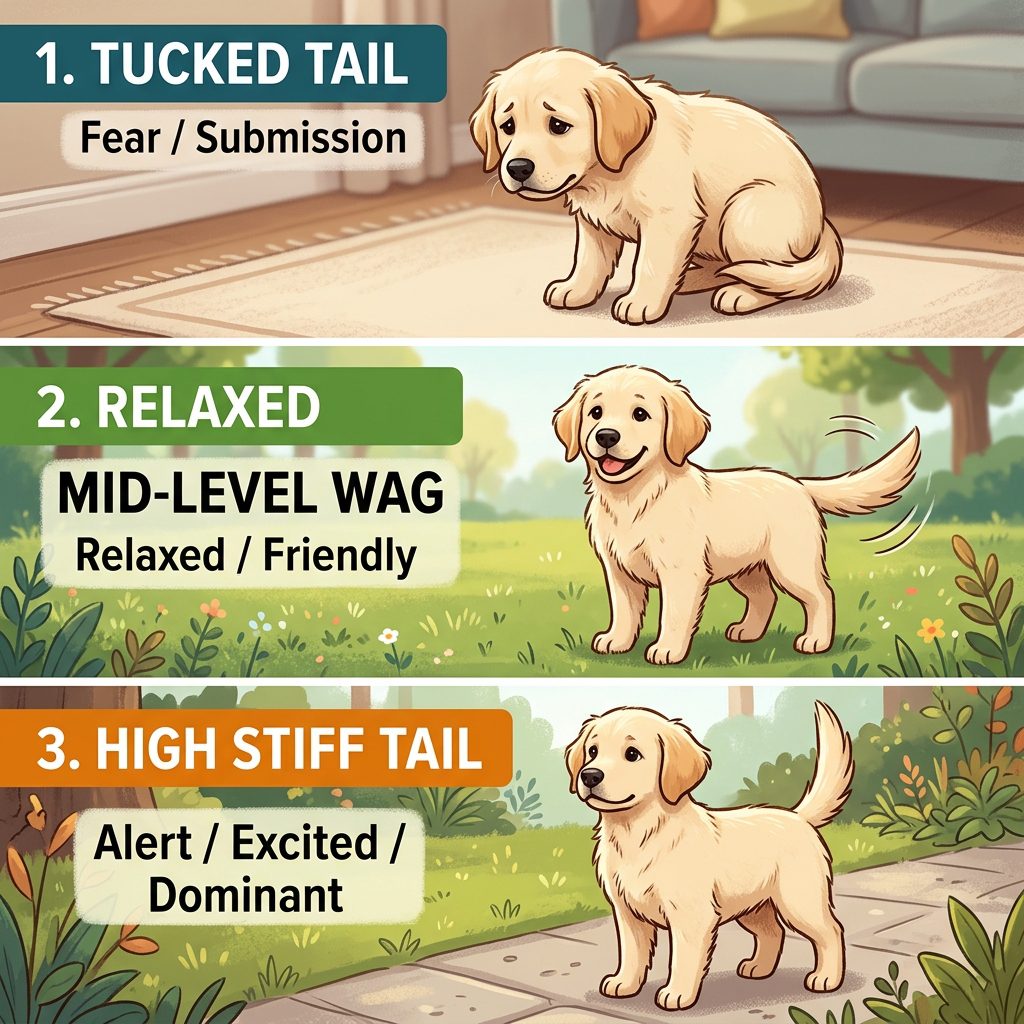
One of the biggest myths in the dog world is that a wagging tail always means a happy dog. This misconception can lead to many ‘out of nowhere’ nips. A tail is more like a speedometer for emotional arousal; it tells you how intense the puppy is feeling, but not necessarily what they are feeling. To truly understand the tail, you have to look at the height, the speed, and the tension.
For example, a low, slow wag often indicates a puppy who is feeling a bit uncertain or submissive. Conversely, a tail held high and stiff, vibrating with a fast ‘flagging’ motion, usually indicates high arousal or even agitation. This puppy is ‘on alert’ and might be ready to react to something in their environment.
| Tail Position | Likely Emotion | Owner Response |
|---|---|---|
| Low and Tucked | Fear or Anxiety | Give the puppy space and remove stressors. |
| Mid-Level, Loose Wag | Relaxed and Happy | Continue interaction and play. |
| High, Stiff, and Fast | High Arousal/Alert | Calm the situation down and redirect focus. |
| Slow, Hesitant Wag | Uncertainty | Encourage gently with a soft voice. |
Expert Tip: Always look at the base of the tail. If the muscles there are tense, the puppy is likely feeling some level of stress, regardless of how fast the tip is moving.
The Eyes: Windows to the Puppy Soul

Soft Eyes vs. Hard Stares
A puppy’s eyes can tell you everything you need to know about their comfort level. When a puppy is relaxed and happy, their eyes will appear soft and almond-shaped. You might even see them squinting slightly, which is a sign of affection and peace. However, when things take a turn, the eyes are often the first place the change manifests.
The most important sign to watch for is Whale Eye. This is when a puppy widens their eyes so much that the whites (the sclera) show in a crescent shape. This usually happens when a puppy is guarding a toy, feeling cornered, or is extremely anxious. It is a clear ‘please back off’ signal. Another red flag is the ‘Hard Stare.’ If a puppy freezes and stares intensely at a person or another dog without blinking, they are likely feeling confrontational or highly focused on a perceived threat.
- Dilated Pupils: Often a sign of fear or high excitement (adrenaline).
- Averted Gaze: A puppy looking away is trying to diffuse tension and show they are not a threat.
- Blinking: Frequent blinking can be an ‘appeasement’ gesture, meant to show they are friendly.
Ear Positions: Directional Cues of Intent
Listening to the Lean
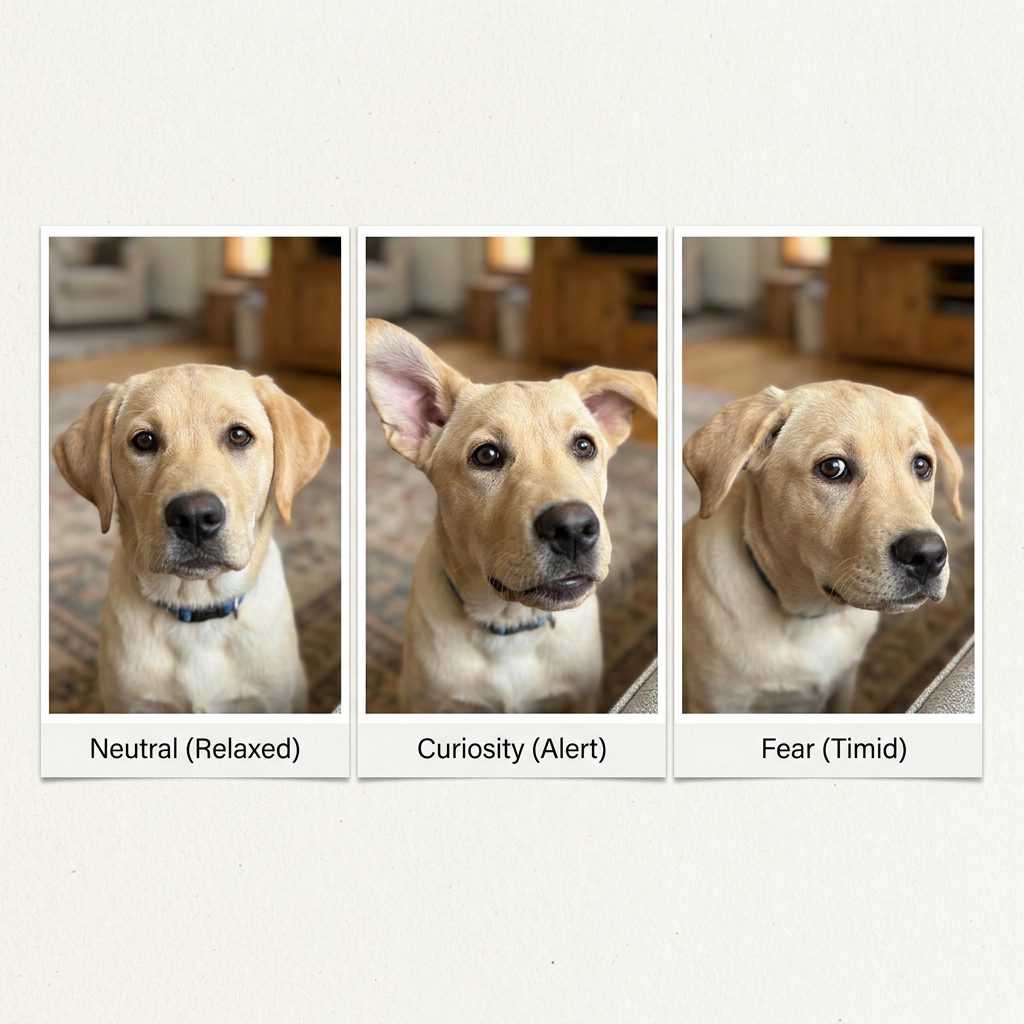
Puppy ears come in all shapes and sizes, from the floppy ears of a Beagle to the upright ‘bat ears’ of a Frenchie. Regardless of the breed, the muscles at the base of the ears move in similar ways to convey emotion. When a puppy is curious or engaged, their ears will be forward and ‘pricked’ toward the sound or object of interest.
When a puppy is feeling fearful or submissive, they will pull their ears back. In extreme cases of fear, the ears may be pinned flat against the head. This is often accompanied by a lowered head and a cowering body posture. Interestingly, ears that are slightly back but not pinned often indicate a friendly, ‘I’m no threat’ greeting. It is all about the degree of tension you see in the surrounding facial muscles.
Ear Positioning Guide
- Neutral: Ears are in their natural resting position for the breed.
- Forward: Interest, curiosity, or potential hunting drive.
- Back/Pinned: Fear, anxiety, or extreme submission.
- Changing Directions: The puppy is trying to process multiple stimuli and may be feeling overwhelmed.
The Mouth: Panting, Yawning, and Lip Licking
Beyond Just Hunger
We often think a puppy’s mouth is only for eating or nipping, but it’s a vital communication tool. A relaxed puppy will have a slightly open mouth, sometimes with the tongue lolling out—this is the ‘doggy smile.’ However, owners often misread stress panting for heat exhaustion. If your puppy is panting rapidly in a cool room, they are likely feeling significant anxiety.
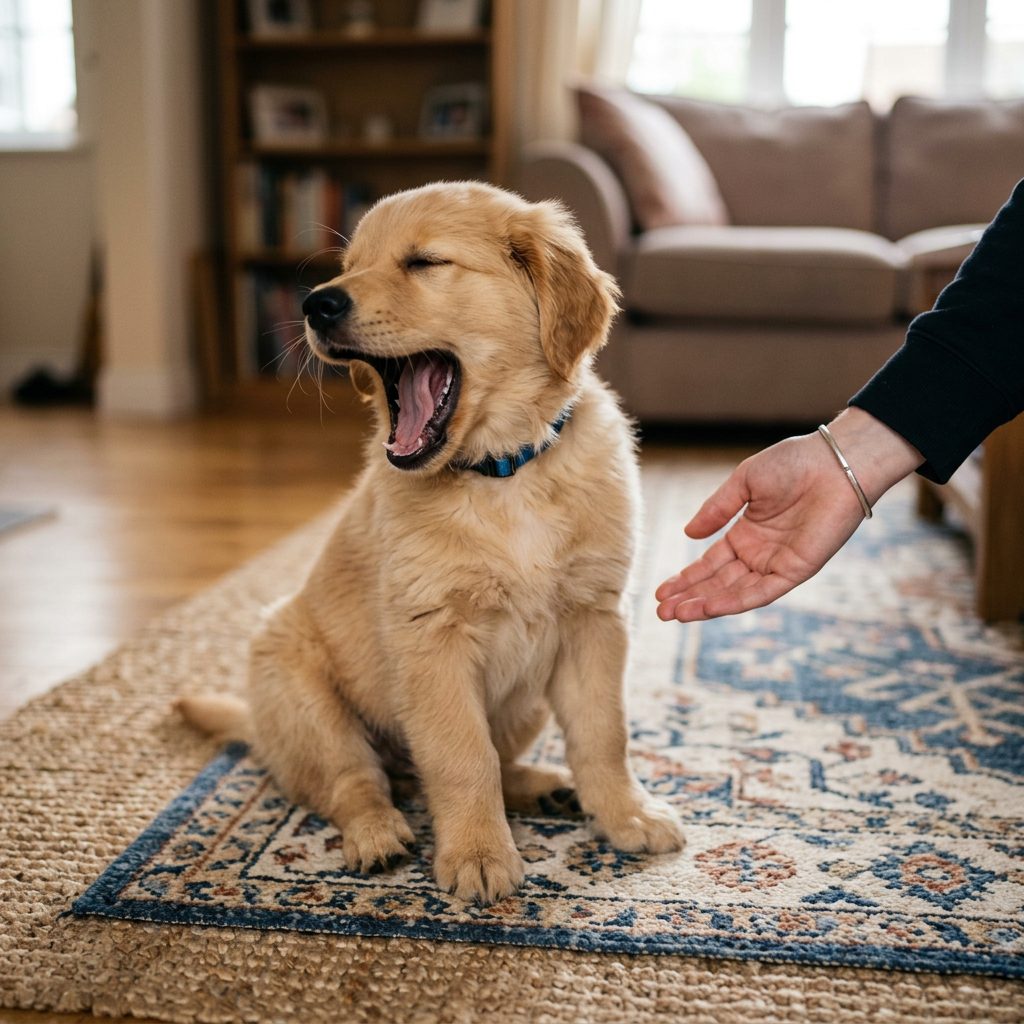
Two of the most frequently missed signs are yawning and lip licking. In the canine world, these are known as ‘calming signals.’ If you are hugging your puppy and they yawn, they aren’t tired; they are politely asking you to stop. Similarly, a quick flick of the tongue to lick the nose when there is no food around is a sign that the puppy is trying to self-soothe or appease someone they find intimidating.
| Mouth Signal | Common Misinterpretation | Actual Meaning |
|---|---|---|
| Yawning | Sleepiness | Stress or discomfort |
| Lip Licking | Hunger/Thirst | Appeasement or anxiety |
| Tightly Closed Lips | Concentration | High tension/Potential bite risk |
| C-Shaped Pucker | Aggression | Warning (The ‘submissive grin’ looks similar but is different!) |
Posture and Movement: The ‘Whole Body’ Approach
Stiffness vs. Wiggling
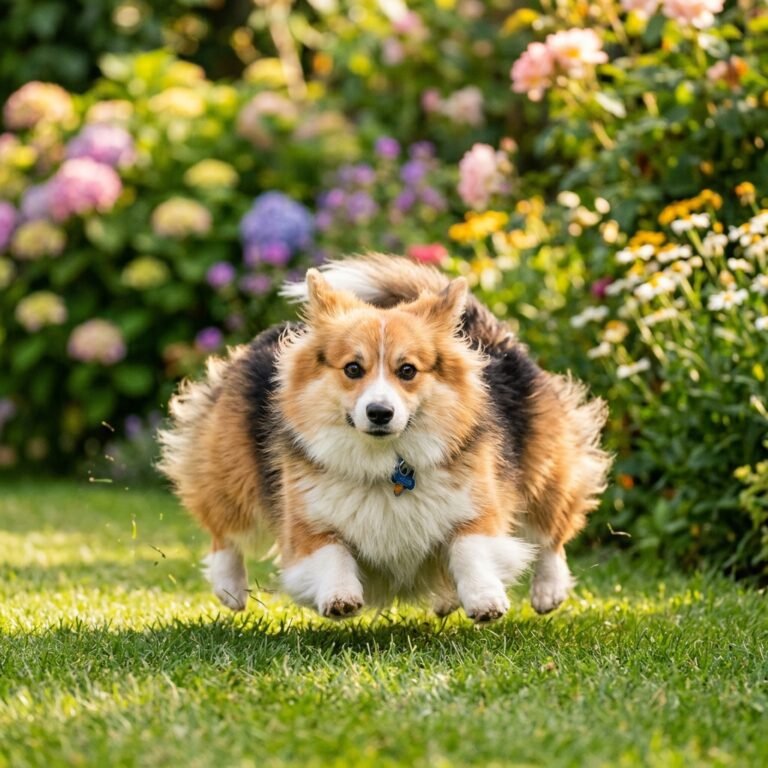
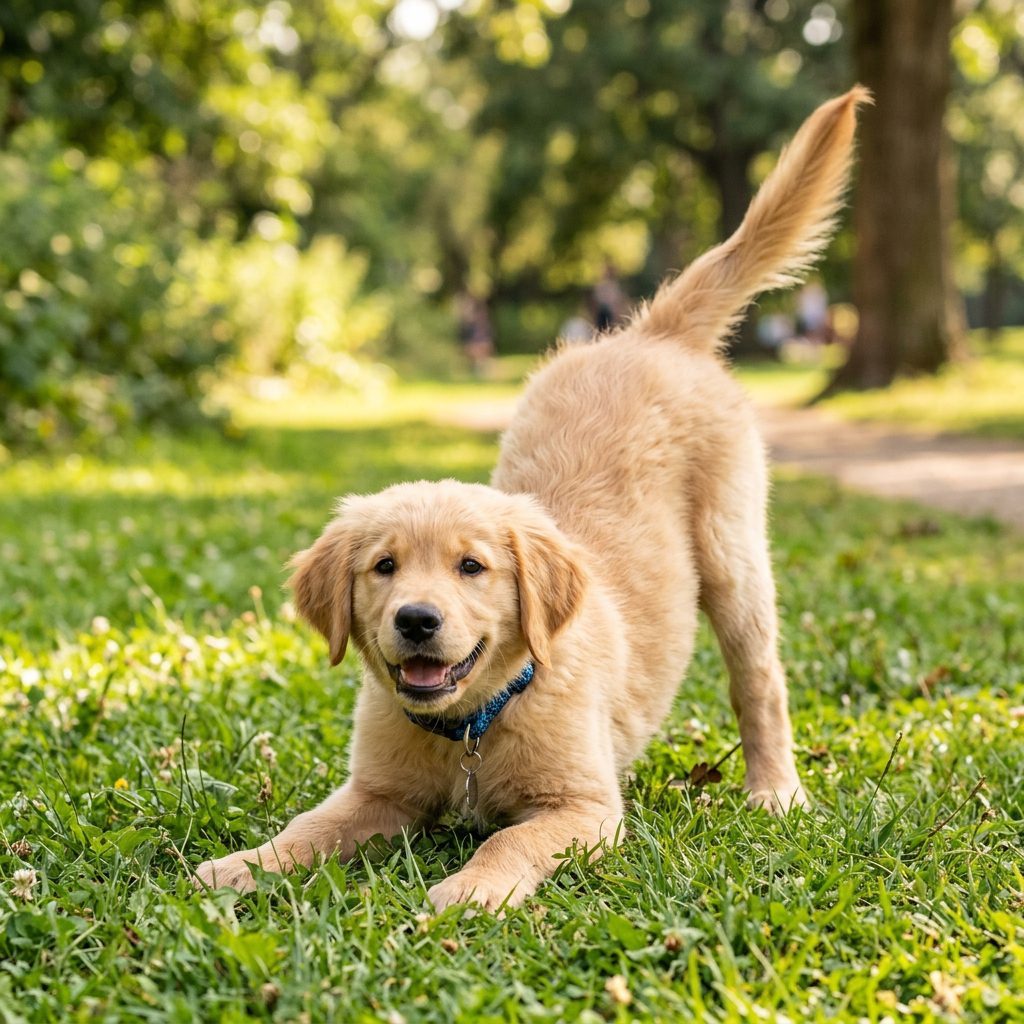
The overall silhouette of your puppy says a lot. A happy, social puppy is ‘wiggly.’ Their body is loose, their movements are fluid, and they might even do the famous ‘C-shape’ wiggle where their back end tries to meet their front end. This looseness is a sign of comfort and lack of threat.
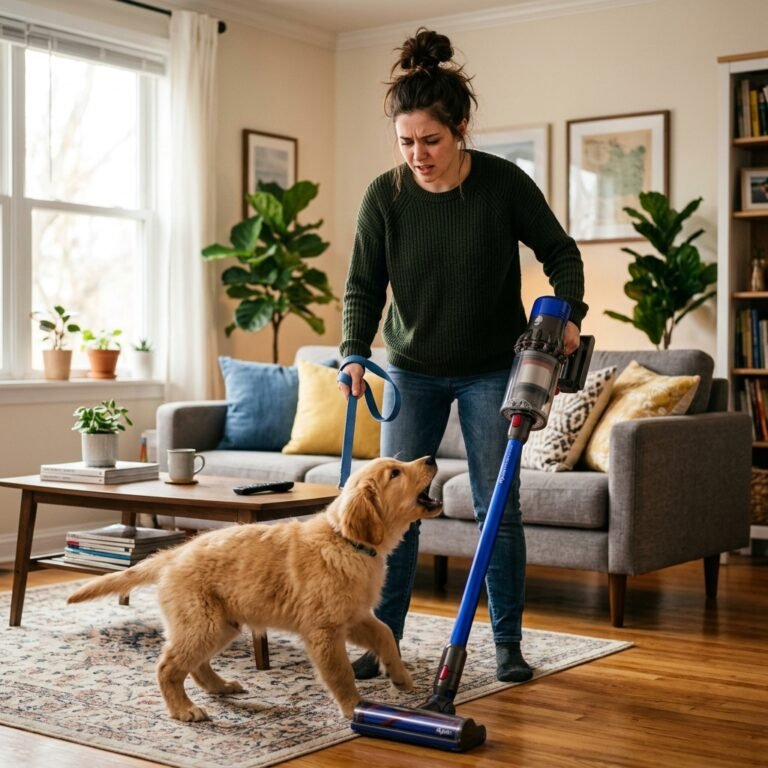
On the flip side, freezing is one of the most dangerous signs an owner can ignore. If a puppy suddenly goes stiff and still, they are in a ‘stop and think’ moment that often precedes a bite or a flight response. Another common movement is the ‘Shake-off.’ You might see your puppy shake their whole body as if they are wet, even when they are bone dry. This usually happens after a stressful encounter (like a vet visit or a loud noise) and is their way of literally ‘shaking off’ the adrenaline and resetting their nervous system.
Takeaway: A loose puppy is a safe puppy. A stiff puppy needs a break.
Putting It All Together: Context is Everything
The Importance of the Environment
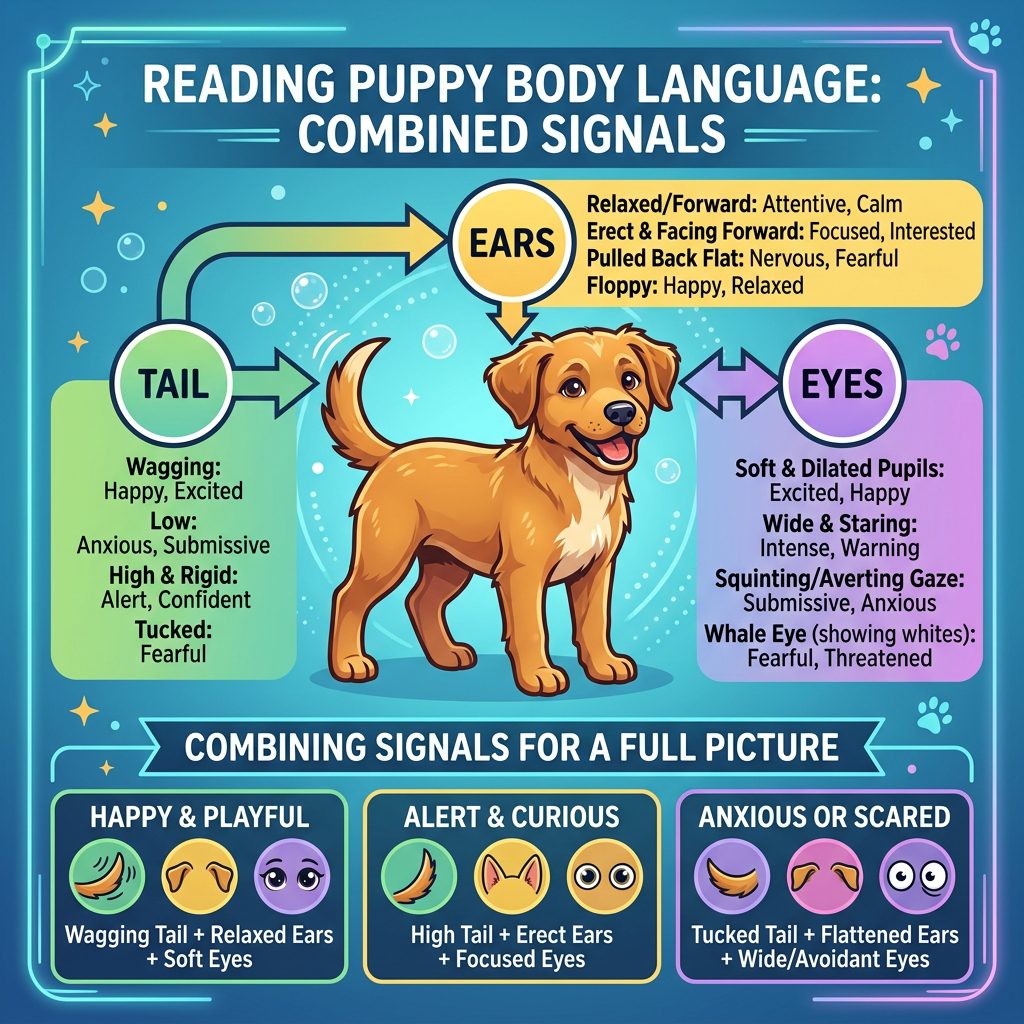
To be a truly savvy owner, you must learn to read body language in context. A puppy with hackles raised (the hair along the spine standing up, known as piloerection) isn’t always aggressive; they could just be extremely surprised or over-stimulated. You have to look at the ‘cluster’ of signals. If the tail is wagging loosely, the mouth is open, and the hackles are up, it’s likely just over-excited play. If the hackles are up, the tail is stiff, and the puppy is growling, that is a different story entirely.
Always ask yourself: What is happening around my puppy? Are there loud noises? Is another dog being too pushy? Is a child hovering over them? By combining the physical signs with the environmental context, you get the full picture of your puppy’s emotional state. This allows you to intervene before a puppy feels the need to escalate their behavior.
The Checklist for Reading Your Puppy
- Check the Tail (Height and tension).
- Check the Eyes (Soft or hard?).
- Check the Ears (Forward or back?).
- Check the Mouth (Yawning or licking?).
- Check the Body (Loose or stiff?).
- Observe the surroundings.
Conclusion
Building the Bond of a Lifetime
Learning to read your puppy’s body language is like learning a new language to speak with your best friend. It requires patience, observation, and a willingness to see things from their perspective. When you start noticing the subtle lip licks, the ‘whale eyes,’ and the stress shakes, you can provide the support your puppy needs to grow into a confident, well-adjusted adult dog.
Remember, communication is a two-way street. By respecting your puppy’s silent requests for space or comfort, you are building a foundation of trust that will last a lifetime. Keep practicing, stay observant, and enjoy the journey of discovering the incredible world of canine communication. Your puppy will thank you for it!