Are Acorns Poisonous? How To Stop Your Puppy Eating Acorns And Leaves Fast!
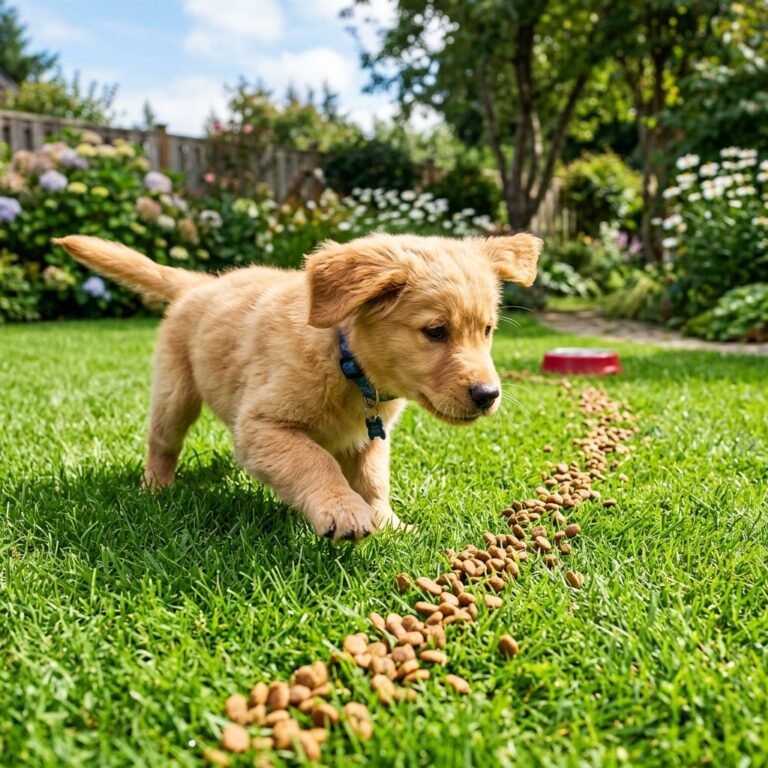
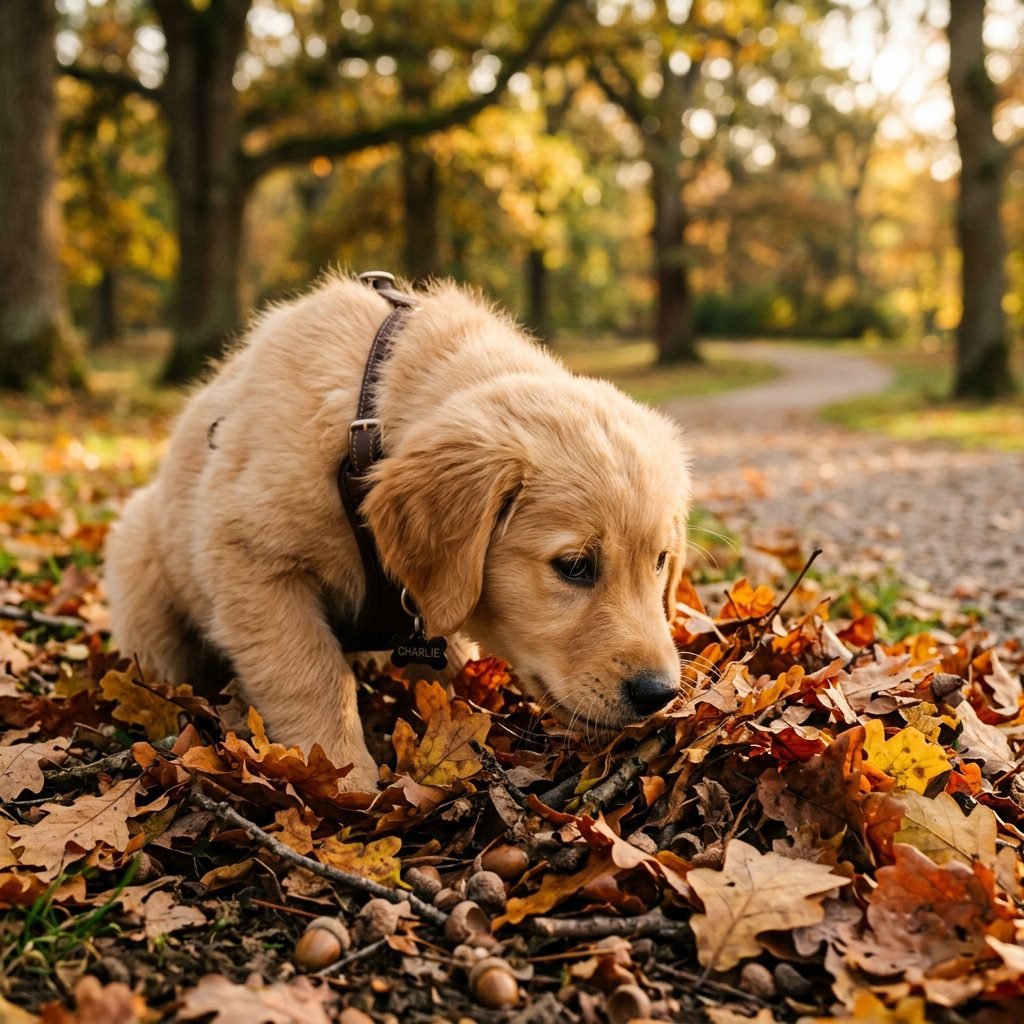
Hey there, fellow dog lovers! As the air turns crisp and the leaves transform into a vibrant tapestry of reds and golds, we all look forward to those refreshing autumn walks with our furry companions. However, for a savvy dog owner with a curious puppy, the change of season brings a hidden danger lurking right beneath our feet: the humble acorn. If you have ever watched your puppy transform into a furry vacuum cleaner the moment they hit a patch of oak trees, you are certainly not alone. It is a common struggle, but one that requires our immediate attention.
You might be wondering, “Are acorns really that bad?” or “Is it just a bit of extra fiber?” The truth is more complex and significantly more serious than a simple tummy ache. Acorns and oak leaves contain compounds that can be toxic to our canine friends, and their physical structure poses a major risk for internal blockages. In this comprehensive guide, we are going to dive deep into the science of acorn toxicity, identify the warning signs you need to watch for, and most importantly, I will walk you through the professional training steps to stop this behavior fast. Let’s keep those tails wagging safely this fall!
The Science of Danger: Why Acorns and Oak Leaves are Toxic
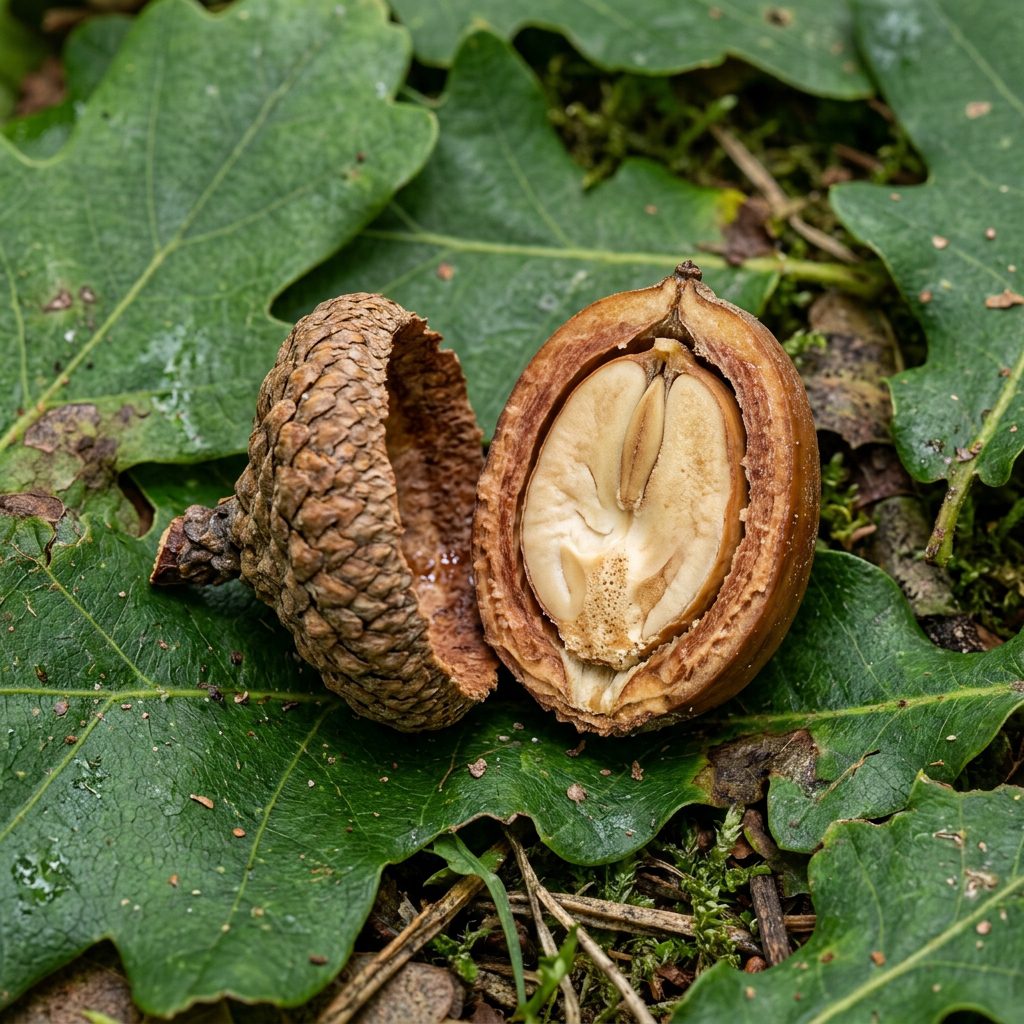
When we talk about the dangers of acorns, we are primarily talking about Quercus poisoning. Oak trees (the Quercus genus) produce tannins, which are polyphenolic compounds that serve as a natural defense mechanism for the tree. While humans often enjoy tannins in moderate amounts in tea or wine, they are a different story for your puppy.
Understanding Tannins and Gallic Acid
When a puppy chews and swallows an acorn or an oak leaf, the tannins are broken down in the digestive tract into gallic acid and pyrogallol. These substances are highly irritating to the gastrointestinal lining and, more critically, can cause severe damage to the kidneys and liver. Because puppies have smaller bodies and developing systems, even a small amount of these toxins can have a disproportionate impact compared to an adult dog.
Physical Obstruction Risks
Beyond the chemical toxicity, acorns present a mechanical danger. Their hard, woody shells are difficult to break down. If swallowed whole or in large chunks, they can easily become lodged in the narrow passages of a puppy’s digestive tract. This can lead to a life-threatening bowel obstruction that often requires emergency surgery to resolve.
| Risk Factor | Potential Consequence | Severity Level |
|---|---|---|
| Tannin Ingestion | Kidney and Liver Damage | High/Critical |
| Sharp Shell Fragments | Gastrointestinal Lacerations | Moderate |
| Whole Acorn Swallowing | Bowel Obstruction | Life-Threatening |
| Moldy Acorns/Leaves | Tremorgenic Mycotoxin Poisoning | High |
Recognizing the Symptoms of Acorn Poisoning

As a savvy owner, being able to spot the early warning signs of toxicity can save your puppy’s life. Symptoms usually manifest within a few hours of ingestion, though kidney damage may take a few days to become apparent through behavioral changes. If you suspect your puppy has sampled the local oak tree’s offerings, keep a close eye out for these clinical signs.
Gastrointestinal Distress
The most immediate signs are usually related to the stomach and intestines. This includes vomiting (which may contain blood), diarrhea (often dark or bloody), and a clear loss of appetite. You might also notice your puppy arching their back or whining, which indicates abdominal pain.
Neurological and Systemic Signs
In cases of severe poisoning, the toxins affect the central nervous system and major organs. Look for lethargy, excessive drooling, tremors, or even seizures. If the kidneys are failing, you may notice a change in drinking habits—either excessive thirst or a total refusal to drink—and a change in urination frequency.
Expert Tip: If you see your puppy eating acorns, do not wait for symptoms to appear. Contact your veterinarian or a pet poison helpline immediately. Early intervention is the key to a full recovery.
Step-by-Step Guide: The ‘Leave It’ Command for Autumn Safety
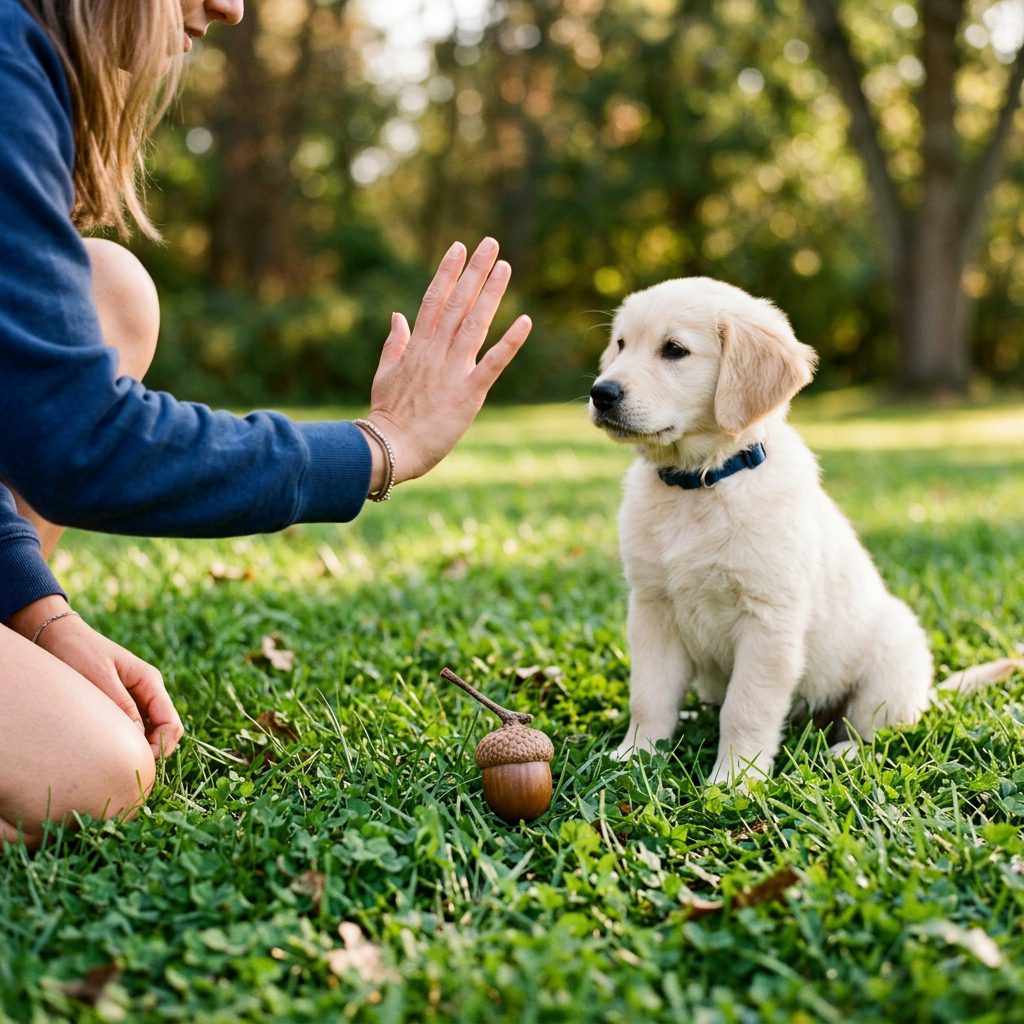
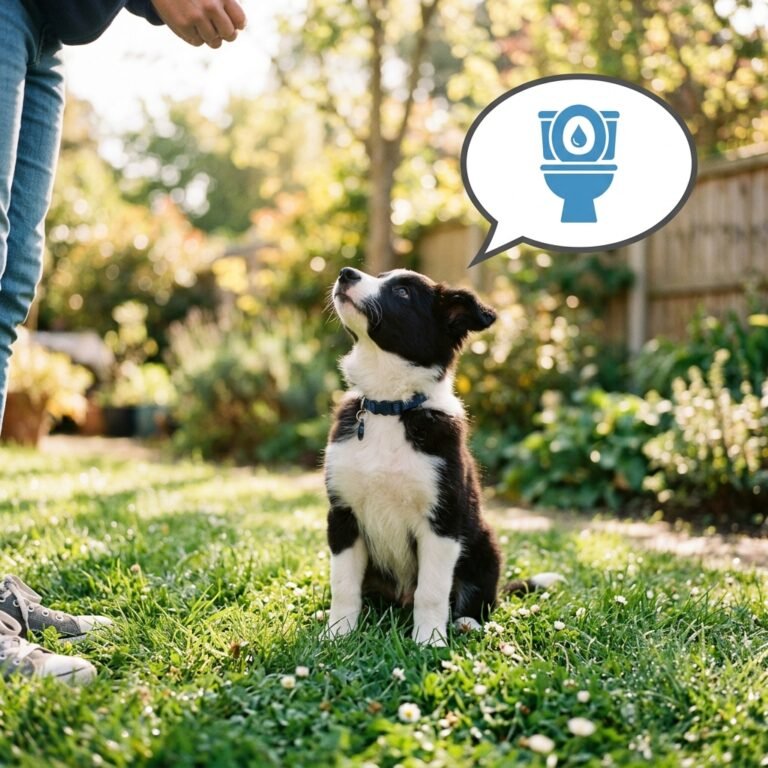
The most effective way to protect your puppy is through proactive training. The “Leave It” command is the gold standard for preventing your dog from picking up dangerous items. Here is how to master it in three phases.
Phase 1: The Foundation (Indoors)
- Place a low-value treat (like a piece of kibble) in your closed fist and present it to your puppy.
- Your puppy will likely sniff, lick, or paw at your hand. Ignore this behavior.
- The moment your puppy pulls back or stops trying to get the treat, say “Yes!” or click your trainer, and reward them with a high-value treat (like chicken or cheese) from your other hand.
- Repeat this until the puppy immediately backs away when they see your closed fist.
Phase 2: The Floor Challenge
- Once they master the hand, place a treat on the floor and cover it with your hand.
- Say “Leave it.” If they back away, reward them with the high-value treat from your pocket.
- Gradually move your hand further away until the treat is uncovered, but be ready to cover it if they lunge!
Phase 3: The Real World (The Acorn Test)
- Move the training outside to a controlled area with a few acorns on the ground.
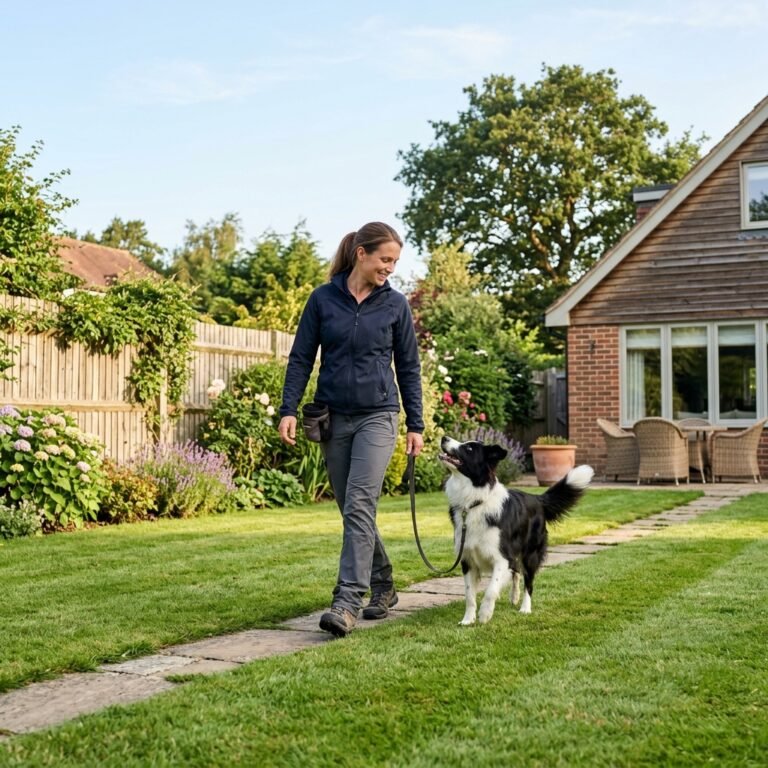
- Keep your puppy on a short leash. As you approach an acorn, give the “Leave it” command before they reach it.
- Reward heavily when they look up at you instead of the acorn. You want them to associate ignoring the acorn with getting something much better from you!
Management Strategies: Keeping the Yard Safe
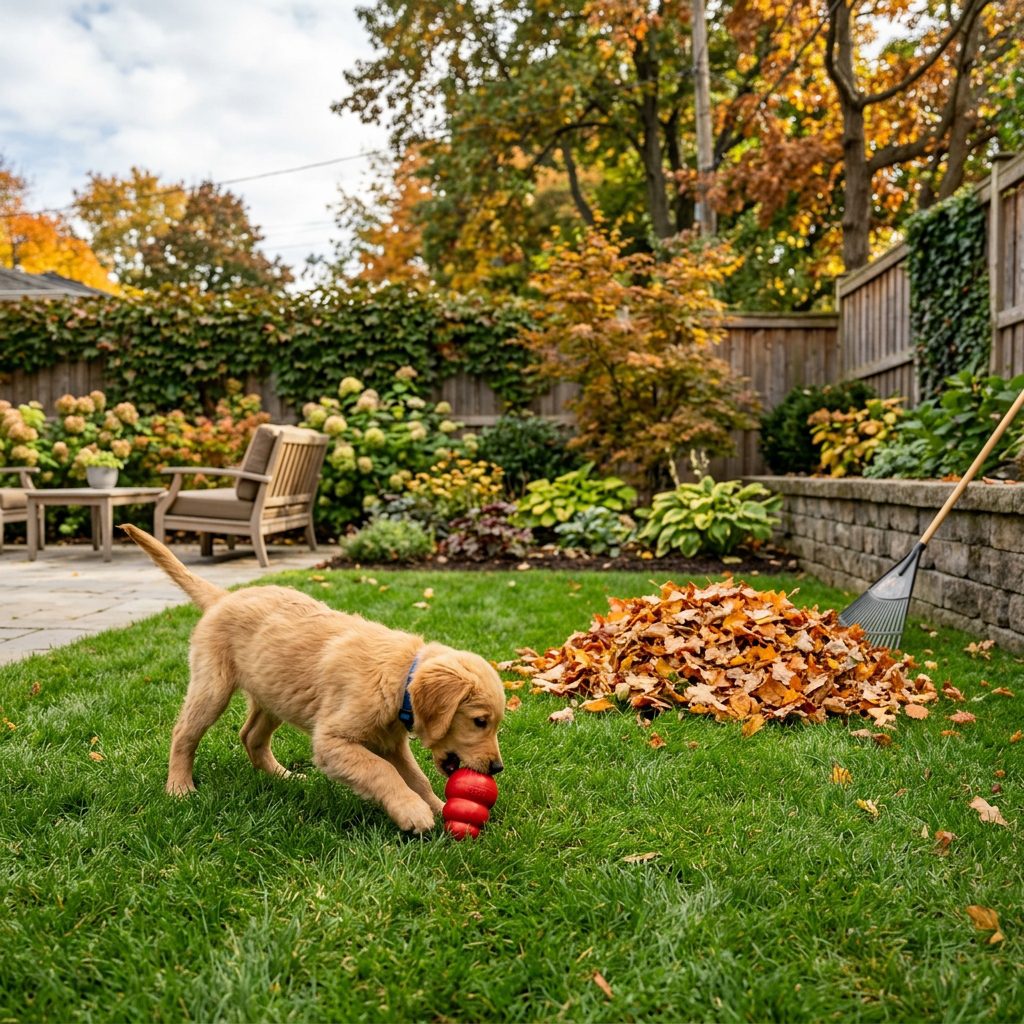
While training is essential, puppies are notorious for their lack of impulse control. Management is the second pillar of safety. If your yard is home to oak trees, you need a plan to minimize exposure during the peak acorn-drop season.
Physical Barriers and Cleanup
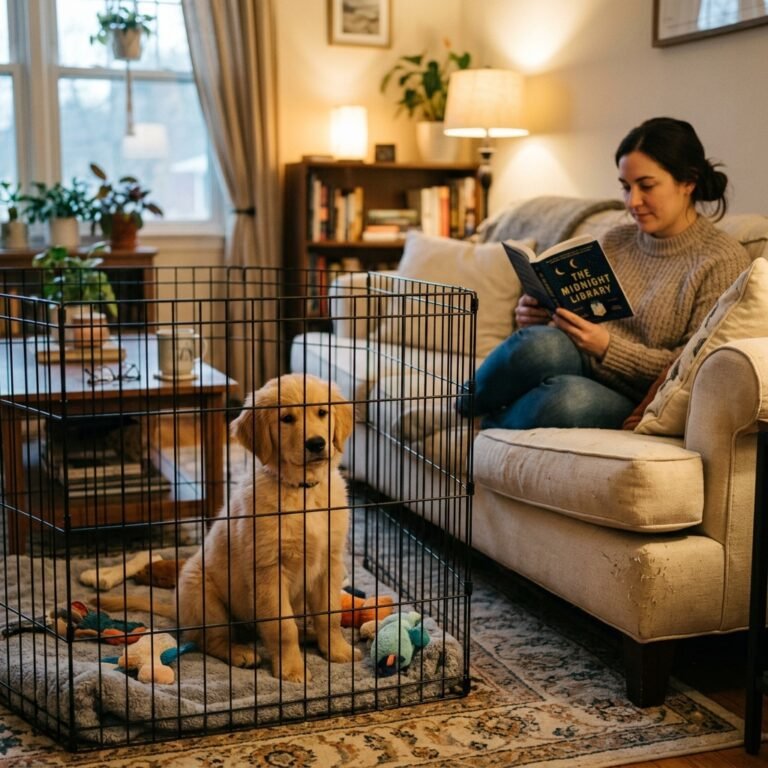
Consider using temporary fencing or exercise pens to block off the areas directly under oak trees during the autumn months. Regular yard maintenance is also vital. Using a leaf vacuum or a heavy-duty rake to clear away acorns and fallen leaves daily can significantly reduce the temptation for your puppy.
The Power of Enrichment
Often, puppies chew on acorns because they are bored or seeking sensory stimulation. Provide safer alternatives that satisfy that urge to crunch. Durable rubber toys, frozen carrots, or specific puppy-safe chews can redirect their energy. If they have something better to do, they are less likely to go hunting for oak debris.
| Management Tool | Purpose | Pros |
|---|---|---|
| Basket Muzzle | Prevents scavenging on walks | Highly effective, allows panting |
| Long Training Lead | Control in open spaces | Allows freedom while maintaining safety |
| Leaf Vacuum | Removing yard debris | Fast and efficient cleanup |
| Puzzle Toys | Mental stimulation | Reduces boredom-based chewing |
What to Do If Your Puppy Eats an Acorn
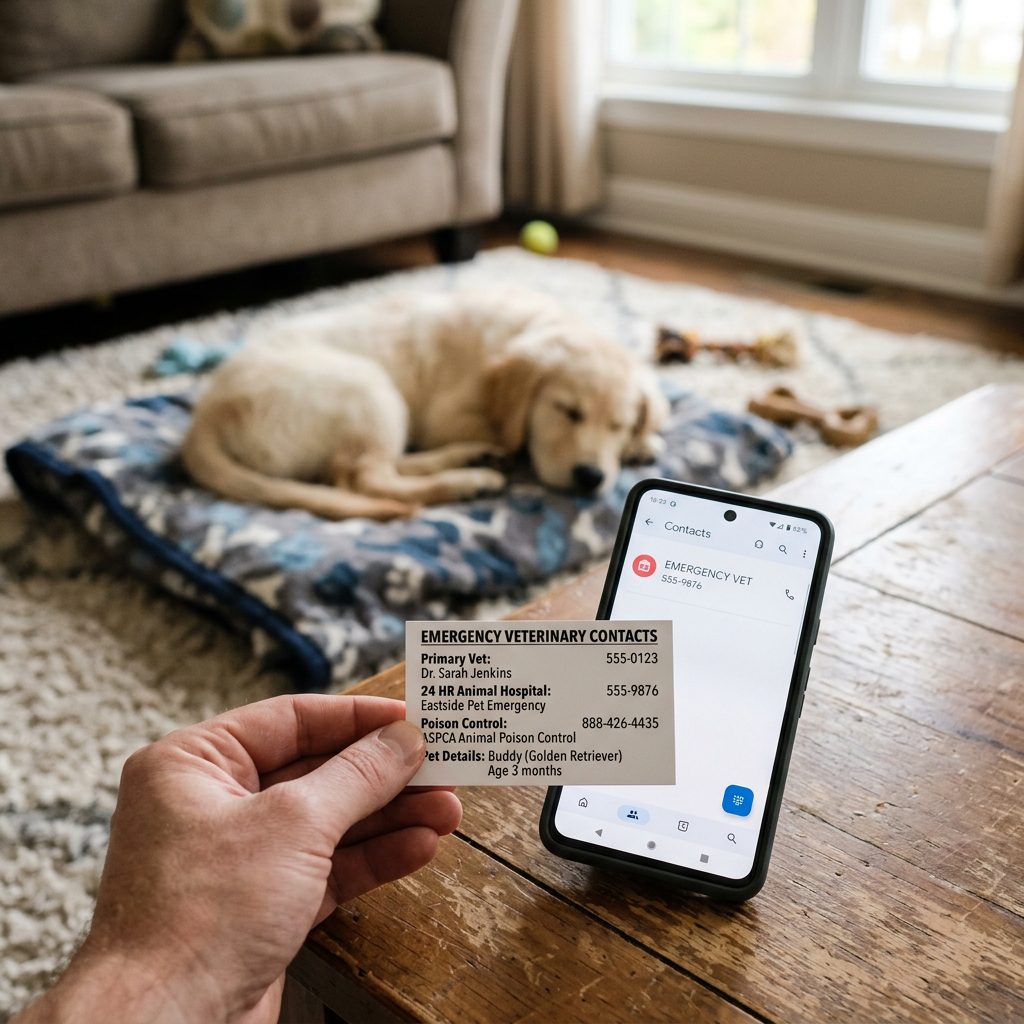
Accidents happen, even to the most vigilant owners. If you catch your puppy mid-swallow or find evidence that they have been snacking on acorns, stay calm and follow these steps.
1. Remove the Access
Immediately move your puppy away from the area to prevent them from eating more. Check their mouth to see if there are any remaining fragments you can safely remove.
2. Call the Professionals
Contact your veterinarian or the ASPCA Animal Poison Control Center (888-426-4435). Be prepared to provide your puppy’s approximate weight, the type of acorn (if known), and how much you think they consumed.
3. Do Not Induce Vomiting Unless Instructed
This is critical. Because acorn shells are sharp and hard, inducing vomiting can sometimes cause more damage to the esophagus than leaving the acorn in the stomach. Only induce vomiting if a veterinary professional specifically tells you to do so.
4. Monitor for Blockage
Even if toxicity isn’t the primary concern, the risk of obstruction remains. Watch for straining during bowel movements, a bloated abdomen, or a sudden onset of lethargy. These are signs that the acorn is stuck and requires surgical intervention.
Conclusion
Autumn should be a time of joy and exploration for you and your puppy, not a time of fear. By understanding the risks associated with acorns and oak leaves, you are already steps ahead of the average pet owner. Remember that the combination of consistent training, proactive management, and quick action is your best defense against Quercus poisoning.
Keep practicing that “Leave It” command every single day, and don’t be afraid to use high-value rewards to compete with the allure of the crunchy autumn floor. Your puppy relies on you to be their advocate and their guide. Stay vigilant, stay positive, and enjoy the beautiful fall colors knowing your pup is safe and sound. Happy training!