Drama Queen? 4 Genius Tricks To Get Your Stubborn Puppy To Walk On Wet Grass Without Whining
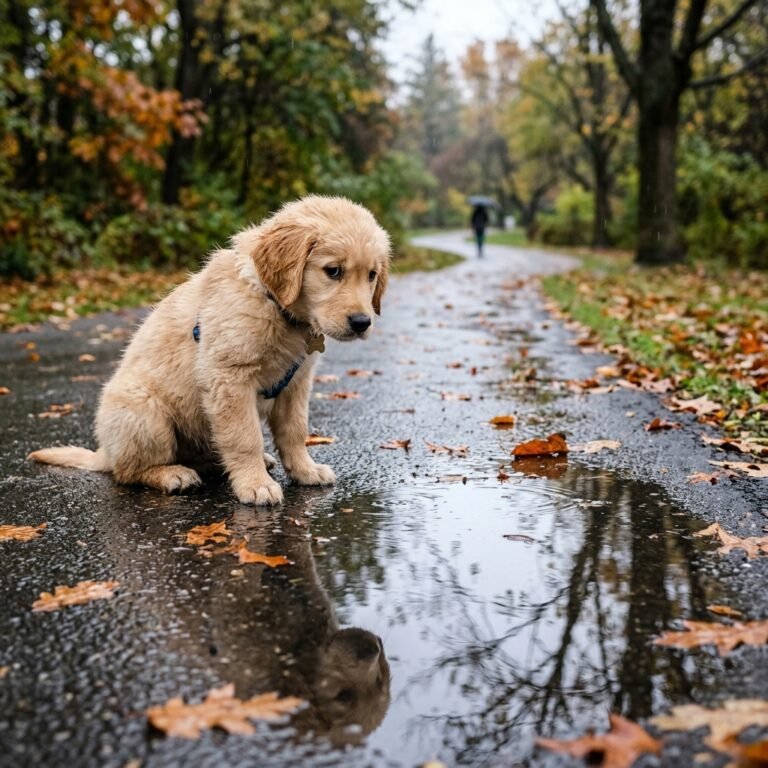
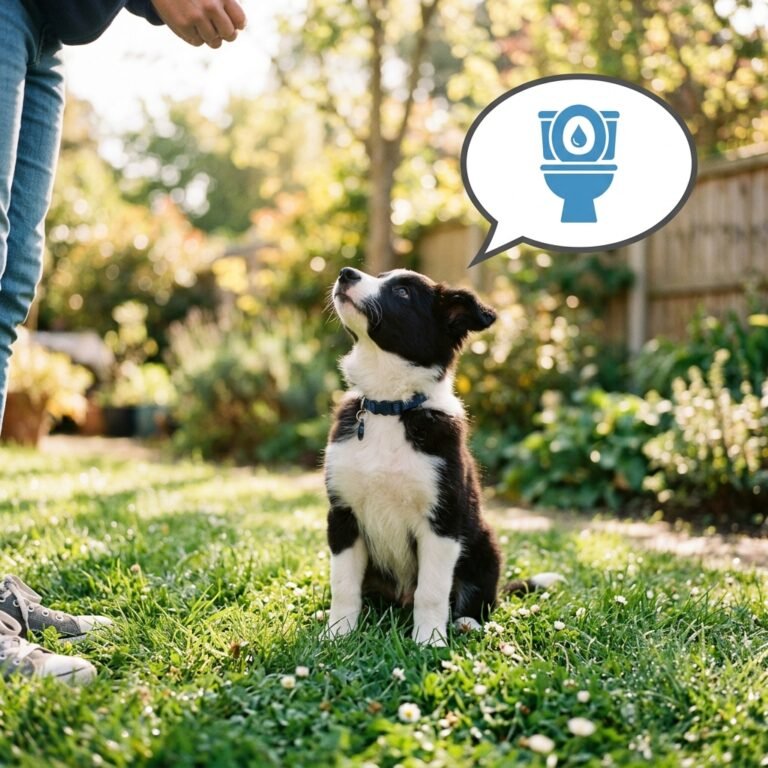
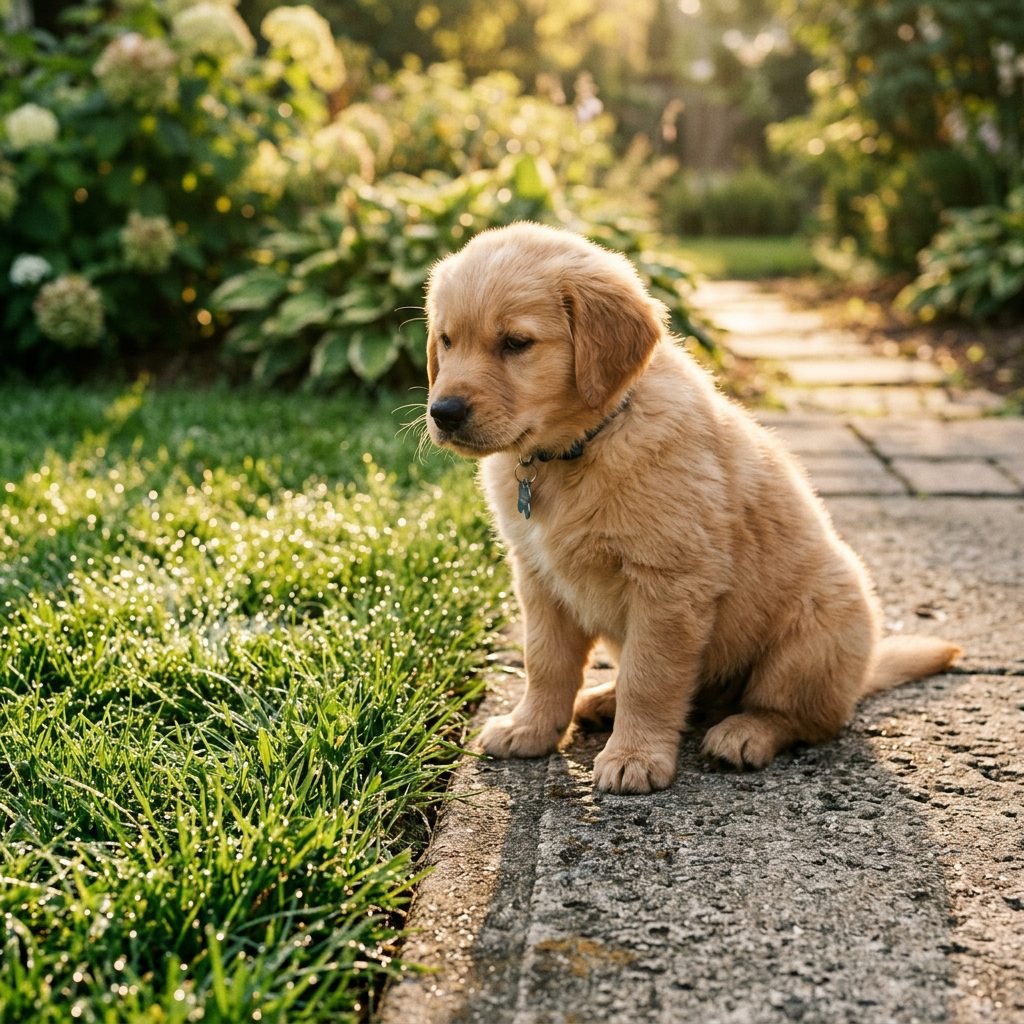
Hey there, fellow savvy dog owners! We have all been there. It is 6:00 AM, your coffee is rapidly getting cold, and you are standing in your backyard in your pajamas. You take a step onto the lawn, but your adorable new puppy slams on the brakes right at the edge of the patio. They look at the morning dew shimmering on the blades of grass as if it were a field of hot lava. Then comes the pathetic whining, the lifting of one tiny paw, and the absolute refusal to move forward. Congratulations, you have a certified drama queen on your hands!
If your stubborn puppy refuses to walk on wet grass, you are far from alone. This is one of the most common, yet least talked about, frustrations of puppy parenthood. As a canine specialist, I hear this complaint constantly. Puppies are incredibly sensitive to new textures and temperatures, and wet grass can feel like a shocking, uncomfortable sensory overload to their delicate paw pads. But here is the good news: you do not have to spend the rest of your dog’s life carrying them to a dry patch of dirt or cleaning up accidents on your patio.
In this comprehensive guide, we are going to dive deep into the canine psychology behind this dramatic behavior. More importantly, I am going to share four genius, field-tested tricks that will help your stubborn pup conquer their fear of the wet lawn. We will cover the essential prep work, step-by-step training techniques, and troubleshooting tips for when things do not go exactly according to plan. Grab your coffee, take a deep breath, and let us transform your little diva into an all-weather adventurer!
Understanding the Drama: Why Your Puppy Hates Wet Grass
Before we can fix the problem, we need to understand the root cause. It is easy to label our puppies as stubborn or dramatic, but from their perspective, the fear and hesitation are entirely real. To a young dog, the world is a giant, overwhelming place filled with bizarre sensations. When you understand what is happening inside their furry little heads, it becomes much easier to approach the training with the empathy and patience required for success.
The Sensory Overload of Wet Paws
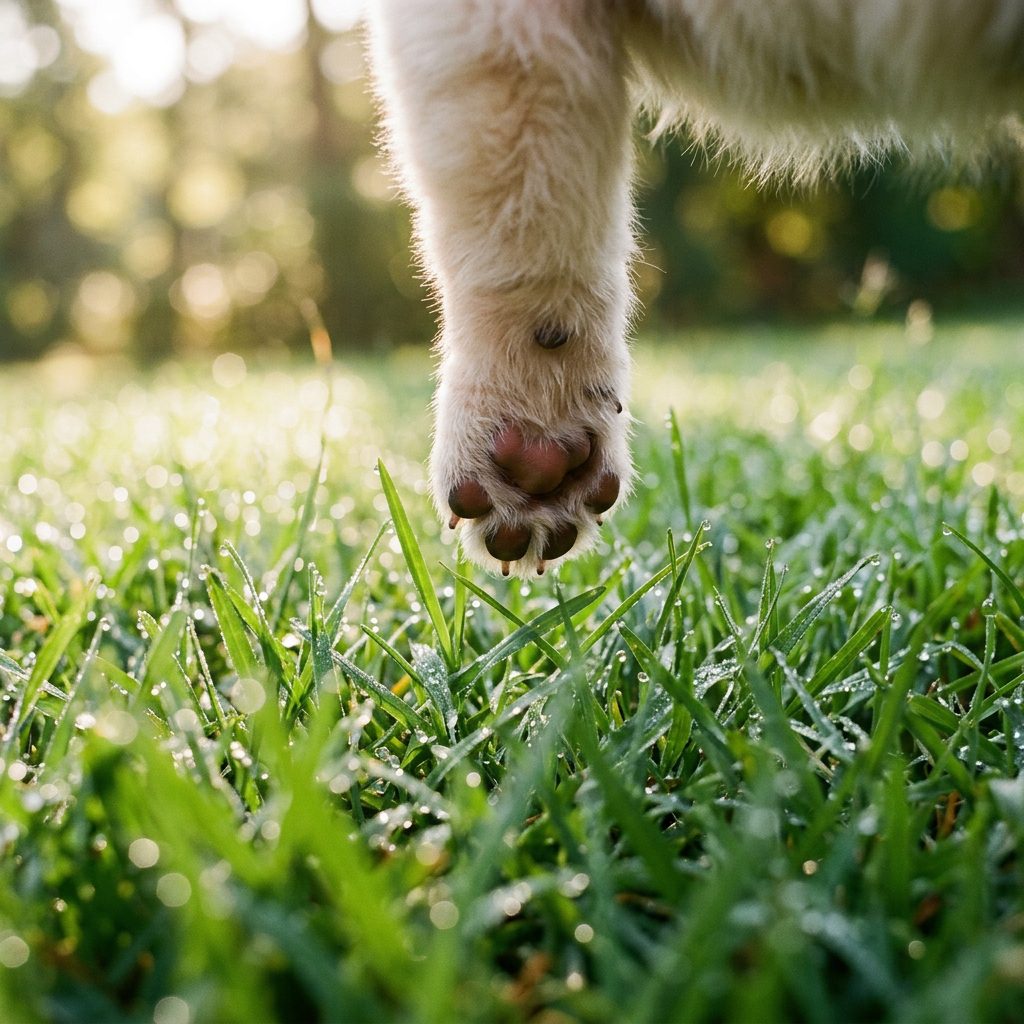
Puppies are born with incredibly soft, sensitive paw pads. Unlike adult dogs whose pads have toughened up through months or years of walking on rough surfaces, a puppy’s paws are delicate. When they step onto wet grass, they are hit with a triple threat of sensory input: the cold temperature of the water, the strange tickling sensation of the grass blades, and the unsettling feeling of moisture sinking into the fur between their toes. For a dog that has spent its short life on soft blankets, warm carpets, and dry floors, this is a massive shock to the system.
Patience is your greatest tool. Remember, your puppy isn’t trying to make you late for work; they are genuinely experiencing a sensory environment that feels unsafe and uncomfortable to them.
Lack of Early Socialization
Another major factor is early socialization. If a breeder raised the litter primarily indoors or in a dry, climate-controlled environment, the puppy simply lacks the foundational exposure to different weather conditions. The critical socialization window for puppies closes around 14 to 16 weeks of age. If they haven’t experienced wet grass during this period, their default reaction to it later will often be suspicion or outright fear. This is why introducing novel textures early on is a staple of expert canine behavioral training.
The Human vs. Puppy Perspective
To really drive this point home, let us look at a breakdown of how we view the backyard versus how our puppies view it on a dewy morning.
| Environmental Factor | Human Perspective | Puppy Perspective |
|---|---|---|
| Morning Dew | A beautiful, refreshing sign of a new day. | Freezing cold water attacking my sensitive toes! |
| Tall Grass | Needs to be mowed this weekend. | A dense, wet jungle that touches my belly and makes me shiver. |
| The Patio Edge | The boundary to the potty zone. | The last safe, dry haven before the terrifying wet wilderness. |
| Your Urgency | I need to get to work, please just go potty. | Why is my human stressed? This wet place must be dangerous! |
As you can see, what is a simple morning routine for us is a complex, potentially frightening scenario for them. By shifting our perspective, we can approach the training process not as a battle of wills, but as a confidence-building exercise.
The Prep Work: Tools You Need for Success
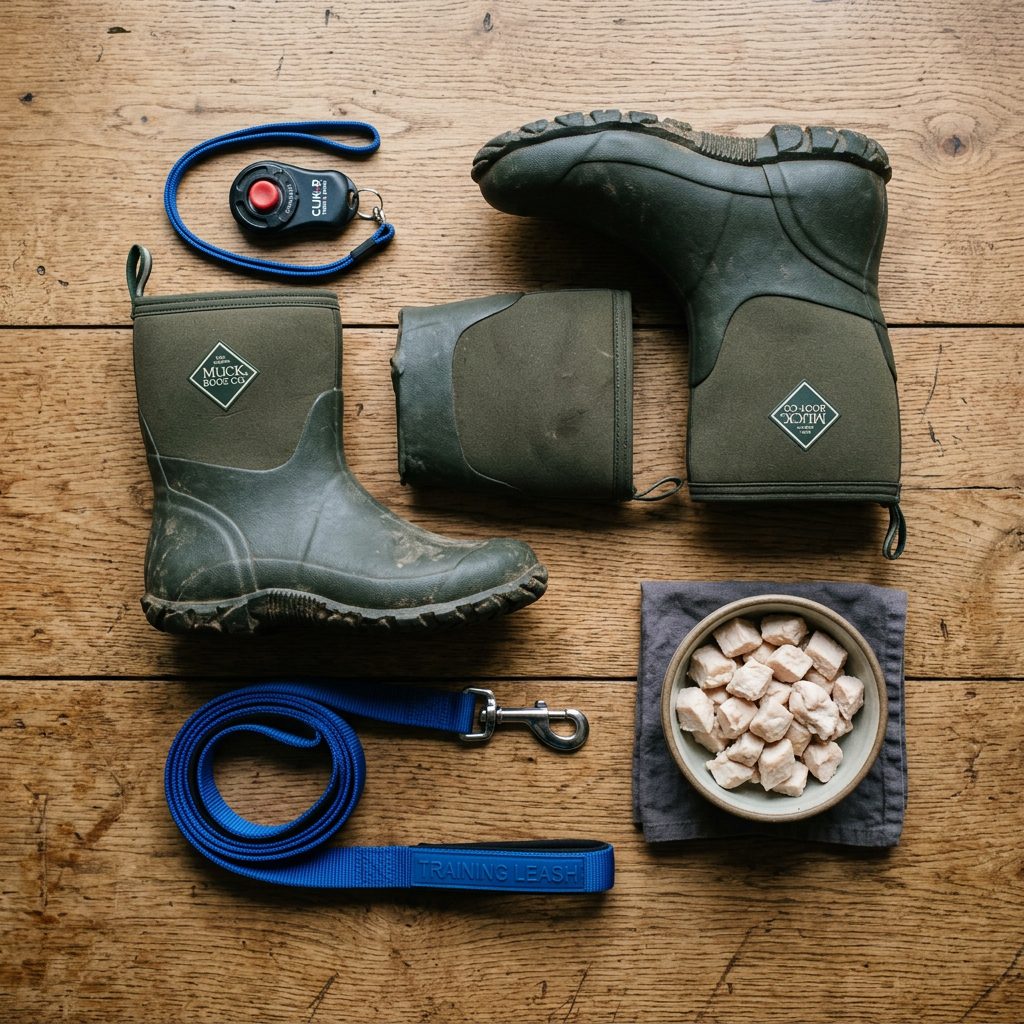
You would not go camping without a tent, and you should not tackle wet-grass training without the right gear. Setting yourself up for success is half the battle. When dealing with a stubborn puppy, you need high-value incentives and the right tools to communicate effectively. Here is exactly what you need to gather before you step outside.
1. Ultra-High-Value Treats
When I say high-value, I do not mean your dog’s regular dry kibble or those stale biscuits from the back of the pantry. We need the big guns. You are asking your puppy to do something they actively despise, so the paycheck needs to reflect the hard work. Think pungent, soft, and irresistible. Boiled chicken breast, tiny cubes of mild cheddar cheese, or freeze-dried beef liver are excellent choices. The smellier, the better. You want the aroma of the treat to completely override their anxiety about the wet grass.
2. A Clicker (Optional but Highly Recommended)
If you are not already using a clicker for training, now is a fantastic time to start. A clicker provides a sharp, distinct sound that tells your puppy, “Yes! That exact thing you just did is what I want, and a treat is coming.” It is much faster and more precise than verbal praise, which is crucial when you are trying to reward a puppy for simply letting one paw touch the wet grass.
3. Waterproof Gear for You
This might sound silly, but your comfort matters too. If you are standing in the wet grass in your slippers, shivering and visibly annoyed, your puppy is going to pick up on that negative energy. Dogs are incredibly intuitive empaths. If you are stressed, they are stressed. Put on some waterproof boots and a warm jacket so you can stand in the grass comfortably and project calm, confident energy.
4. Familiar Towels or Mats
Grab two or three old towels or cheap bath mats. We will be using these for one of our genius tricks later. They should be items that smell like your house and feel familiar and safe to your puppy’s paws.
| Tool Needed | Why It Is Essential | Expert Tip |
|---|---|---|
| High-Value Treats | Motivates the puppy to overcome fear. | Keep pieces pea-sized so the puppy doesn’t get full too fast. |
| Clicker | Marks the exact moment of bravery. | Charge the clicker indoors first so they know click = treat. |
| Waterproof Boots | Keeps the owner calm and comfortable. | Step confidently into the grass to show it is safe. |
| Old Towels | Creates a familiar bridge to the scary grass. | Don’t use freshly washed towels; let them smell like home. |
The 4 Genius Tricks to Conquer the Dew
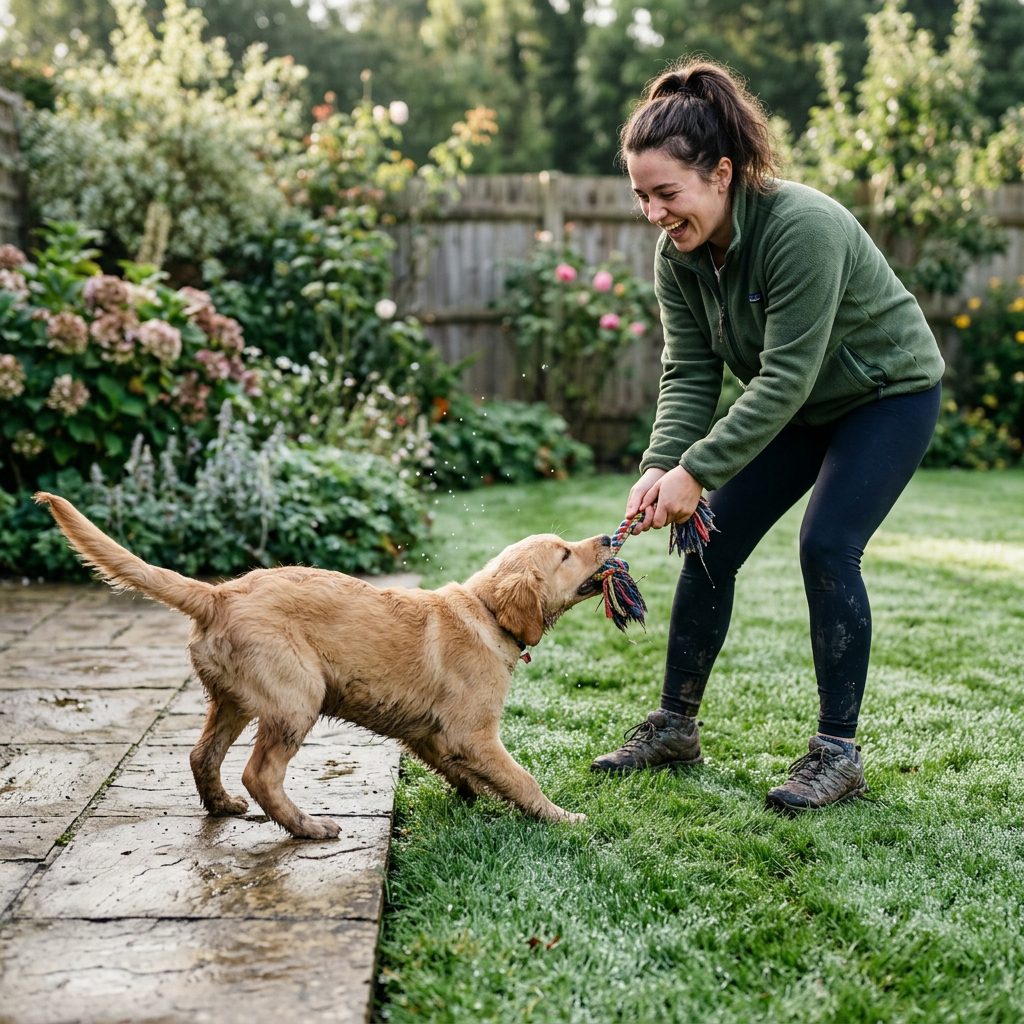
Alright, you understand the psychology, and you have your gear ready. It is time to get to work. Here are four genius, progressive tricks to get your drama queen puppy happily prancing through the wet grass. Depending on your dog’s specific personality, one of these methods will be the golden ticket.
Trick 1: The Hansel and Gretel Treat Trail
This trick is perfect for food-motivated puppies. The goal is to let them discover that the wet grass is actually a magical place where delicious things appear. Start with your puppy on the dry patio. Take a handful of your ultra-high-value treats and let your puppy sniff them. Then, right in front of their eyes, toss one treat just an inch into the wet grass. Do not say anything; just wait.
Usually, the desire for the chicken or cheese will outweigh the hesitation. They will stretch their neck, maybe place one paw on the grass, and snatch the treat. Click and praise enthusiastically! Next, toss a treat three inches into the grass. Then six inches. You are creating a trail of rewards that slowly lures them further into the yard. By focusing their brain on foraging, you distract them from the sensation on their paws.
Trick 2: The Island Hopping Technique
If your puppy is deeply fearful and the treat trail isn’t working, we need to build a bridge. This is where your old towels come in. Place a towel on the wet grass right next to the patio. Encourage your puppy to step onto the towel. Because it is dry and familiar, they will usually oblige. Reward them.
Next, place a second towel a few feet away. Encourage them to walk from the first towel to the second. They will have to take one or two steps on the wet grass to get there. When they do, throw a massive party with treats and praise. Over the next few days, gradually increase the distance between the towels, forcing them to take more steps on the wet grass. Eventually, you can remove the towels entirely. They are learning that the wet grass is safe in small, manageable doses.
Trick 3: The Confident Canine Buddy System
Dogs are pack animals, and they learn a tremendous amount through observation, a concept known as social facilitation. If you have an older, confident dog, or if you have a friend with a dog that loves the outdoors, use them to your advantage! Take both dogs outside together.
When your puppy sees the older dog happily running through the wet grass, sniffing, and going potty without dying, it shifts their perspective. The older dog acts as a visual guarantee that the environment is safe. You can even toss treats into the grass for the older dog. When your puppy sees someone else getting the good snacks, their FOMO (Fear Of Missing Out) will often override their fear of the wet grass. Suddenly, they will be out there competing for the treats.
Trick 4: The High-Drive Distraction Game
Some puppies are not highly food motivated, but they go absolutely crazy for toys. For these high-drive dogs, we use play to bypass the logical, fearful part of their brain. Grab their absolute favorite toy—a tug rope, a squeaky squirrel, or a tennis ball.
Start playing vigorously with them on the dry patio. Get them super engaged, tugging, and running in small circles. Once they are fully in the “zone” and focused only on the toy, slowly back up into the wet grass while continuing the game. Keep the energy high and your voice excited. Often, the puppy will follow the toy right into the grass without even realizing their paws are wet. By the time they notice, they are already having too much fun to care.
| Trick Name | Best For This Type of Puppy | Effort Level |
|---|---|---|
| Hansel & Gretel Trail | Highly food-motivated dogs. | Low |
| Island Hopping | Severely anxious or fearful dogs. | Medium |
| Canine Buddy System | Social dogs who suffer from FOMO. | Low (if you have a second dog) |
| High-Drive Distraction | Toy-motivated, energetic dogs. | High |
Troubleshooting Common Wet Weather Mistakes
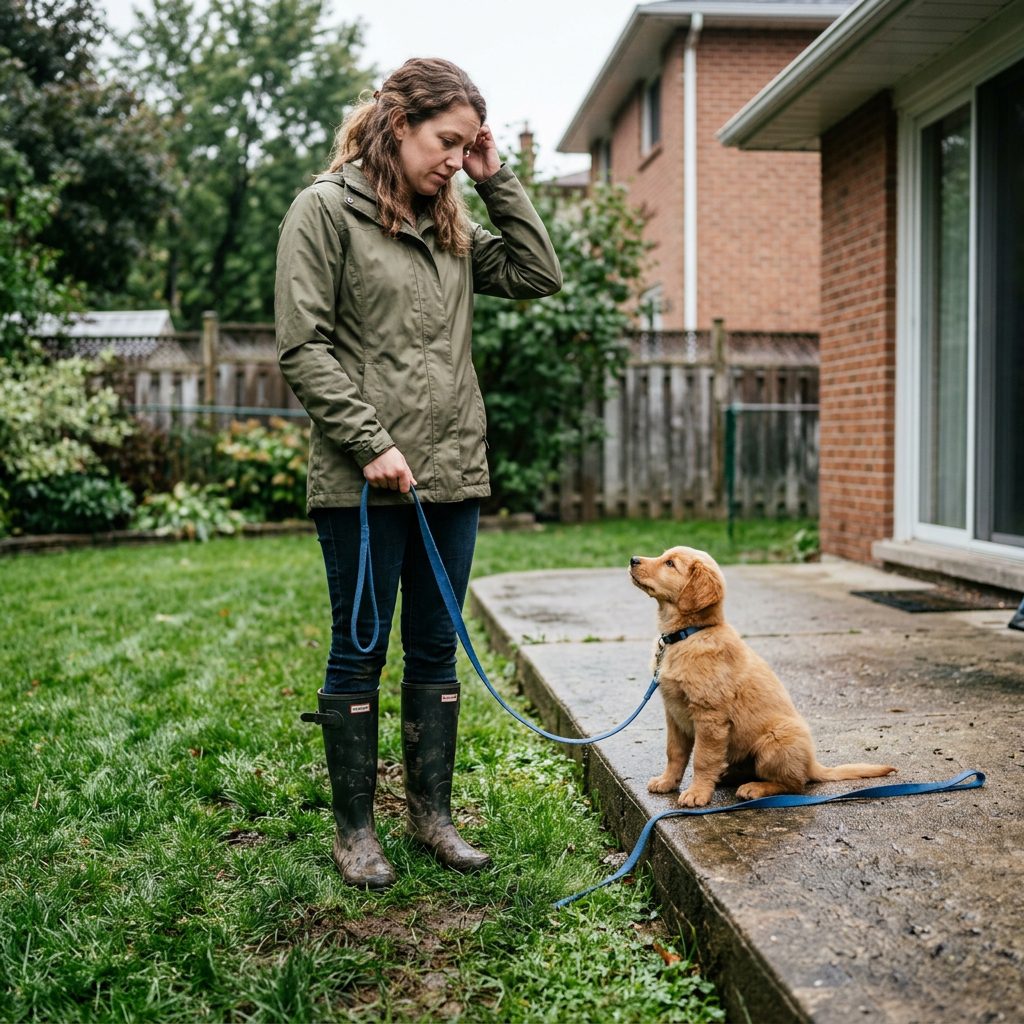
Even with the best tricks and the tastiest treats, puppy training rarely goes perfectly on the first try. You are bound to hit a few roadblocks. As a savvy dog owner, knowing how to troubleshoot these issues is what separates success from ongoing frustration. Let us look at some common mistakes and how to fix them.
The Puppy Pees on the Patio
This is the classic counter-move of the stubborn puppy. You stand in the grass, they stand on the patio, and while maintaining direct eye contact with you, they squat and pee on the concrete. It is infuriating, but you must not yell or punish them. If you punish them, they will associate going potty in front of you with fear, leading to hidden accidents in the house.
The Fix: Management is key here. If they refuse to step off the patio, scoop them up calmly and bring them back inside. Put them in their crate or tether them to you for 10 to 15 minutes, then try again. They only get freedom once they have successfully gone potty in the grass. Additionally, consider using a puppy playpen set up directly in the grass. Carry them to the pen, place them inside, and wait. This removes the patio option entirely.
The “Freeze and Whine”
Some puppies will take one step onto the grass, realize it is wet, freeze like a statue, and begin to whine pitifully. It is heartbreaking, and your first instinct might be to pick them up and comfort them.
Do not pick up a whining puppy in the grass! Picking them up reinforces the behavior. You are essentially telling them, “You are right, this is terrifying, let me save you.”
The Fix: Instead of picking them up, crouch down to their level right where you are in the grass. Use your happy, high-pitched voice. Offer a treat right at their nose. If they won’t take it, gently toss it near their paws. Wait them out. Give them the time to process the environment. If they take even one step forward, click and reward massively.
Pulling on the Leash
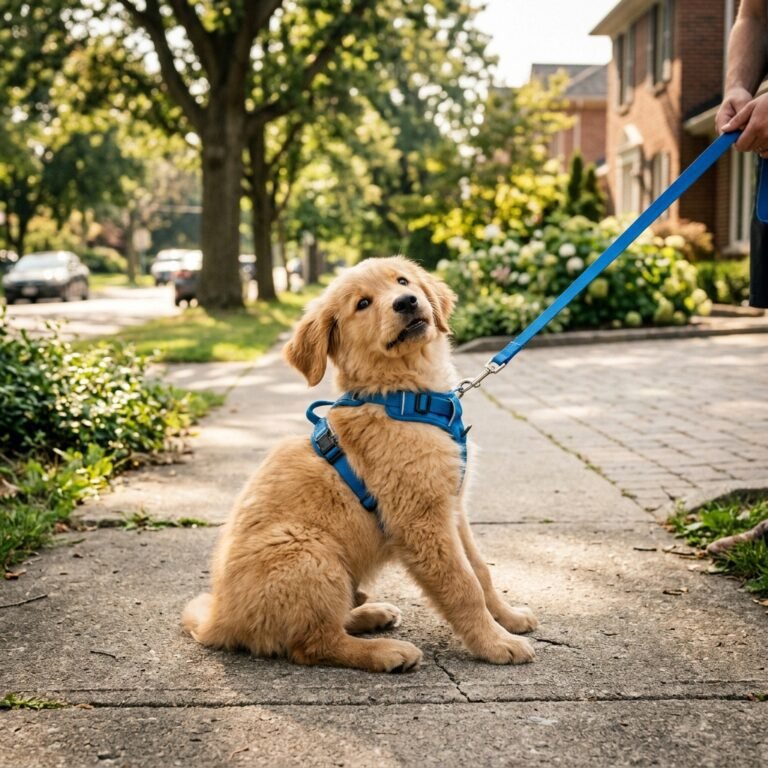
If you are using a leash (which is highly recommended for potty training), you might find yourself accidentally dragging the puppy into the grass. This is a huge mistake. Forcing a dog into a scary situation creates a negative association. We want them to choose to enter the grass.
The Fix: Keep the leash loose. Stand in the grass yourself, face your puppy, and use your treats or toys to lure them. The leash is only there to prevent them from running back inside the house, not to drag them forward. Patience is your best friend here. Let it be their choice.
Consistency and Long-Term Success: From Dew to Downpours
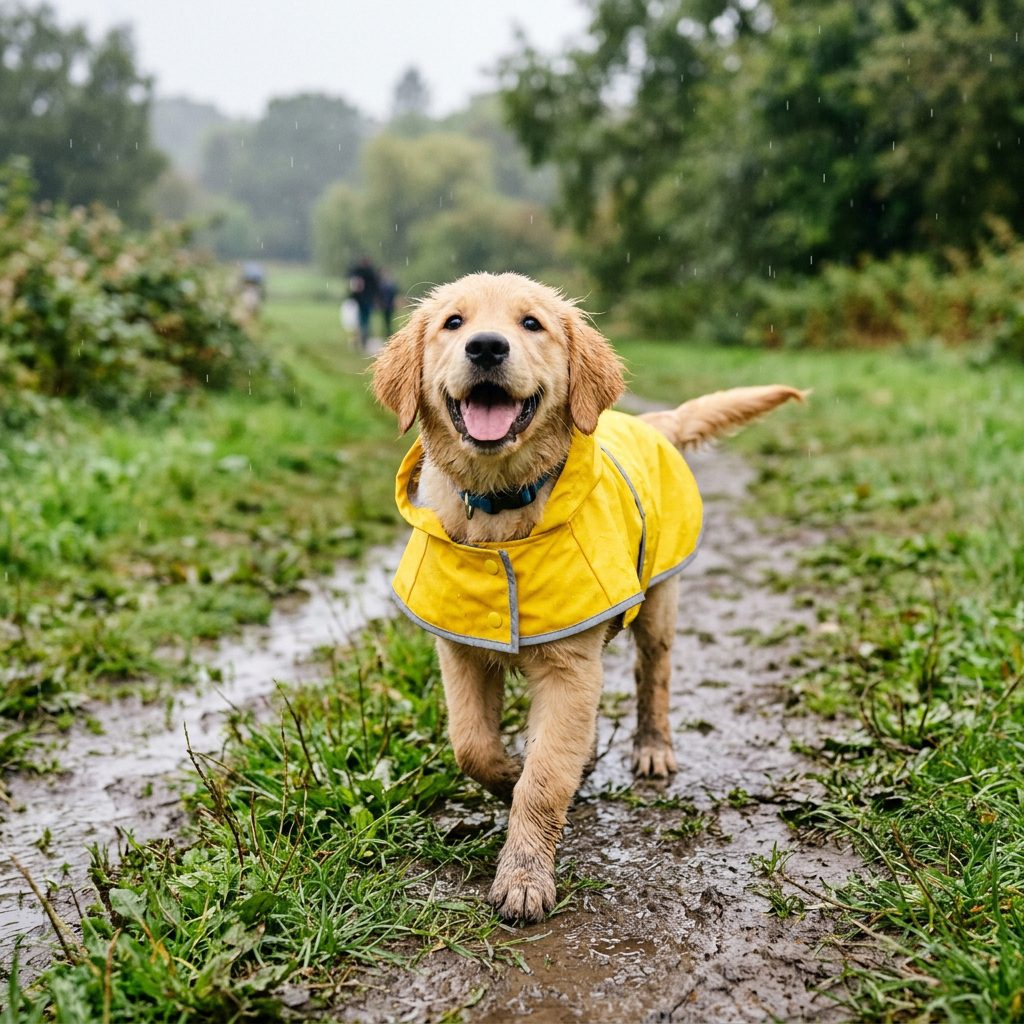
Congratulations! By using the tricks above, your puppy has finally taken their first confident steps onto the wet morning grass. But the journey does not end here. Dog training is all about consistency. A single success does not mean the behavior is permanently fixed. To ensure your drama queen permanently hangs up their crown, you need to maintain the routine.
Maintain the Reward Schedule
Do not immediately stop giving treats just because they walked on the grass once. You need to build a strong, long-lasting positive association. For the next two to three weeks, continue to heavily reward your puppy every single time they step onto wet grass and go potty. Gradually, you can transition to an intermittent reward schedule—treating them every other time, then every third time, until verbal praise is enough.
Transitioning to Rain
Once your puppy has mastered the morning dew, the next boss battle is actual rain. Rain introduces a new sensory challenge: water falling from the sky and hitting their coat. The good news is that the foundational confidence you built with the wet grass will carry over.
When it rains, repeat the same tricks. Grab the high-value treats, put on your own raincoat, and go out there with them. Do not just open the back door and expect them to go out alone in a downpour. Lead by example. You might also want to invest in a well-fitting dog raincoat. Some puppies hate the feeling of wet fur more than wet paws, and a raincoat can provide that extra layer of security they need.
Final Thoughts on Your Savvy Training Journey
Training a stubborn puppy requires a delicate balance of authority, empathy, and creativity. By understanding their sensory limitations and using positive reinforcement, you are doing more than just teaching them to walk on wet grass. You are building a bond of trust. You are proving to your puppy that you are a safe, reliable leader who will help them navigate a scary world.
Stay patient, keep your sense of humor, and celebrate the small victories. Before you know it, your little drama queen will be splashing through puddles and begging to play outside, regardless of the weather!
Conclusion
Dealing with a puppy who acts like a total drama queen over wet grass can test the patience of even the most savvy dog owners. However, as we have explored, this hesitation is rooted in genuine sensory discomfort and a lack of early socialization, not just pure stubbornness. By shifting your perspective and equipping yourself with the right tools—like ultra-high-value treats, clickers, and your own waterproof gear—you can transform a frustrating morning routine into a powerful bonding experience.
Remember to experiment with the four genius tricks: the Treat Trail, Island Hopping, the Buddy System, and the High-Drive Distraction. Every dog is unique, and finding the right motivational trigger is the key to unlocking their confidence. Avoid common pitfalls like carrying your puppy or pulling them on the leash, and instead, let them choose to be brave at their own pace.
With consistency, empathy, and a pocket full of cheese, your stubborn pup will soon realize that the wet grass isn’t a scary obstacle, but just another fun part of their big, exciting world. Happy training!