Restore Peace! How to Stop Your Pushy Puppy from Stealing the Older Dog’s Bed
The Battle of the Beds: Restoring Harmony
Bringing a new puppy into your home is supposed to be a time of joy, but for many resident senior dogs, it feels more like a hostile takeover. One of the most common flashpoints for conflict in a multi-dog household is the ‘Great Bed Robbery.’ You know the scene: your dignified older dog settles into their favorite orthopedic cushion, only for a whirlwind of puppy energy to descend, nipping and nudging until the senior dog sighs and retreats to the hard floor. It is heartbreaking to watch, and as a savvy dog owner, you know that peace in the pack depends on clear boundaries.
While it might look like your puppy is being ‘dominant,’ the reality is usually much simpler. Puppies are social sleepers, seeking warmth and the comforting scent of their elders. However, they also lack ‘doggy manners’ and impulse control. If left unchecked, this behavior can lead to resentment from your older dog or even defensive aggression. In this comprehensive guide, we will dive deep into the psychology of bed stealing and provide you with a step-by-step roadmap to ensure every dog in your home has a safe, respected place to rest. Let us transform your living room from a battlefield back into a sanctuary.
Understanding the ‘Bed Bandit’ Psychology
Why Puppies Steal Beds
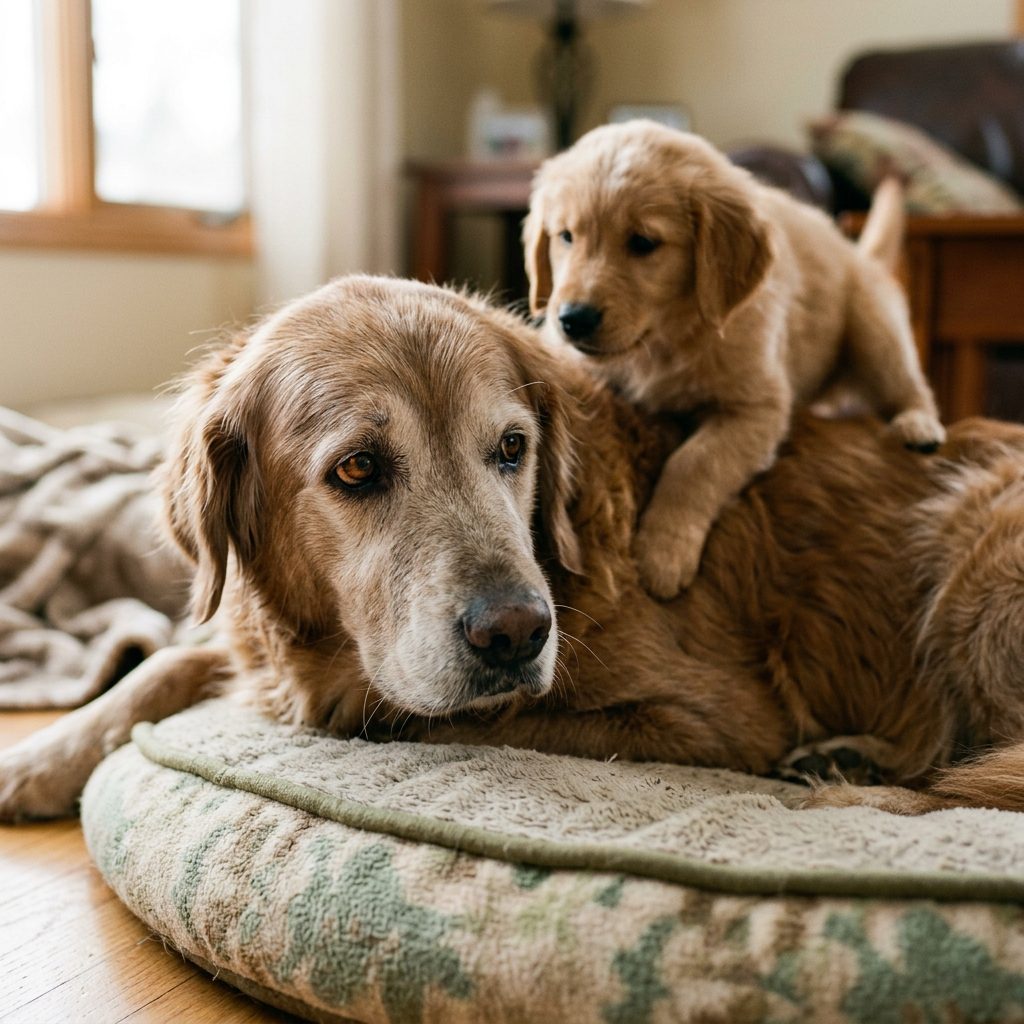
Before we can fix the behavior, we have to understand the motivation. Puppies do not wake up plotting to overthrow the senior dog’s monarchy. Instead, their actions are driven by several natural instincts. First, social sleeping is a survival mechanism in the wild; puppies huddle together for warmth and protection. Your older dog represents the ultimate source of security, so the puppy naturally wants to be where they are.
Secondly, your older dog’s bed is a ‘high-value’ location. It smells strongly of the pack leader (your senior dog) and is often the most comfortable spot in the room. To a puppy, the senior dog’s bed isn’t just a cushion; it is a premium piece of real estate that comes with a built-in heater—the older dog themselves!
The Senior Dog’s Perspective
For your older dog, their bed is more than a place to sleep; it is their safe haven. As dogs age, they often deal with joint pain, decreased mobility, and a lower tolerance for physical pestering. When a puppy invades that space, it is a violation of their personal boundaries. If the senior dog is forced to move, they lose their sense of security. This is why we must intervene; we are not just training the puppy, we are advocating for the older dog.
The Essential Toolkit for Peaceful Coexistence
Setting the Stage for Success
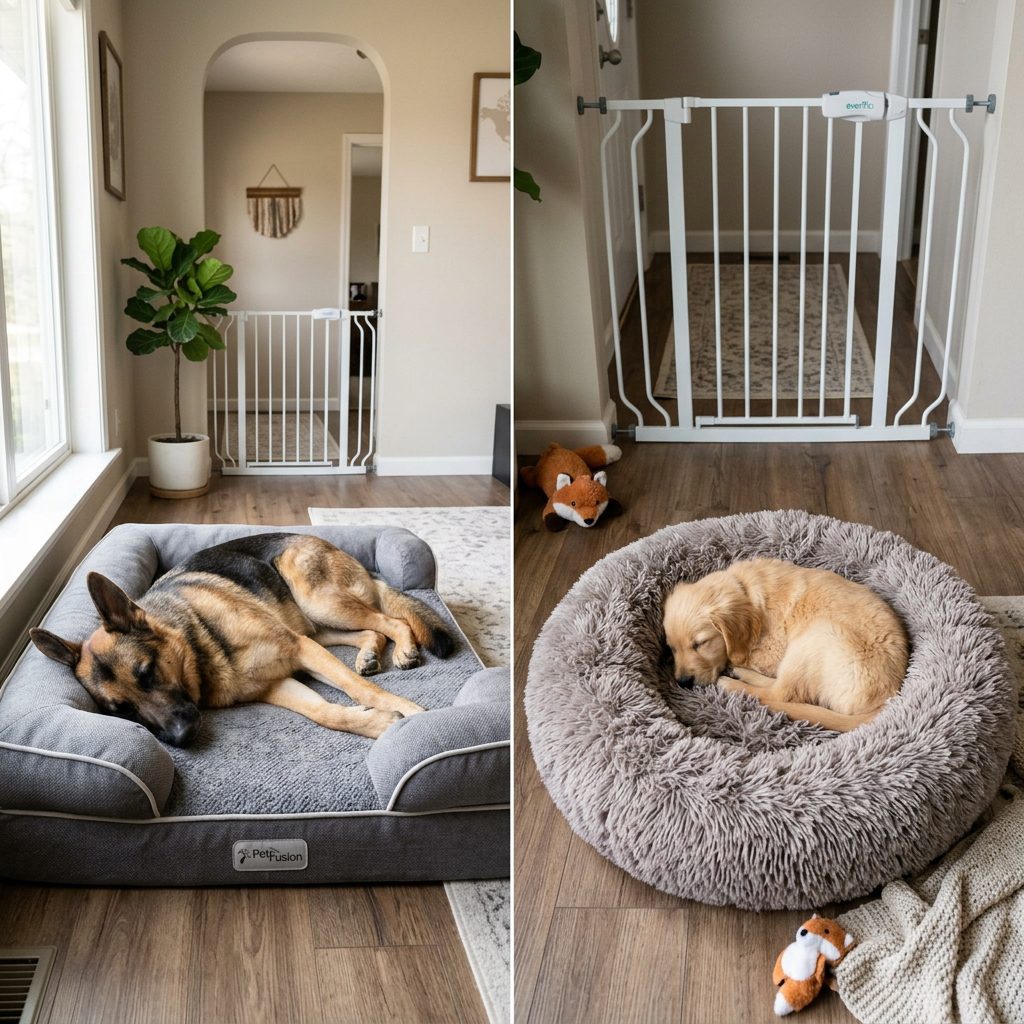
To stop bed stealing, you need the right environment and tools. You cannot expect a puppy to respect a boundary if they do not have a compelling alternative. This means providing the puppy with a bed that is just as—if not more—appealing than the senior dog’s bed.
Use the following table to ensure you have the right gear for both dogs:
| Feature | For the Senior Dog | For the Pushy Puppy |
|---|---|---|
| Bed Type | Orthopedic memory foam for joint support. | High-walled ‘cuddler’ bed or a snuggle-puppy bed. |
| Location | A quiet corner away from high-traffic areas. | Close to the owner or in a playpen area. |
| Incentive | Pheromone sprays to keep the area calming. | Safe chew toys (Kongs) to encourage staying put. |
| Management | A ‘No-Puppy Zone’ created by baby gates. | A house lead (thin leash) for quick corrections. |
Expert Tip: Consider buying two identical beds if the puppy seems obsessed with the specific texture of the senior dog’s bed. Sometimes, removing the ‘novelty’ of the older dog’s cushion is half the battle.
Step-by-Step Guide to Stopping the Theft
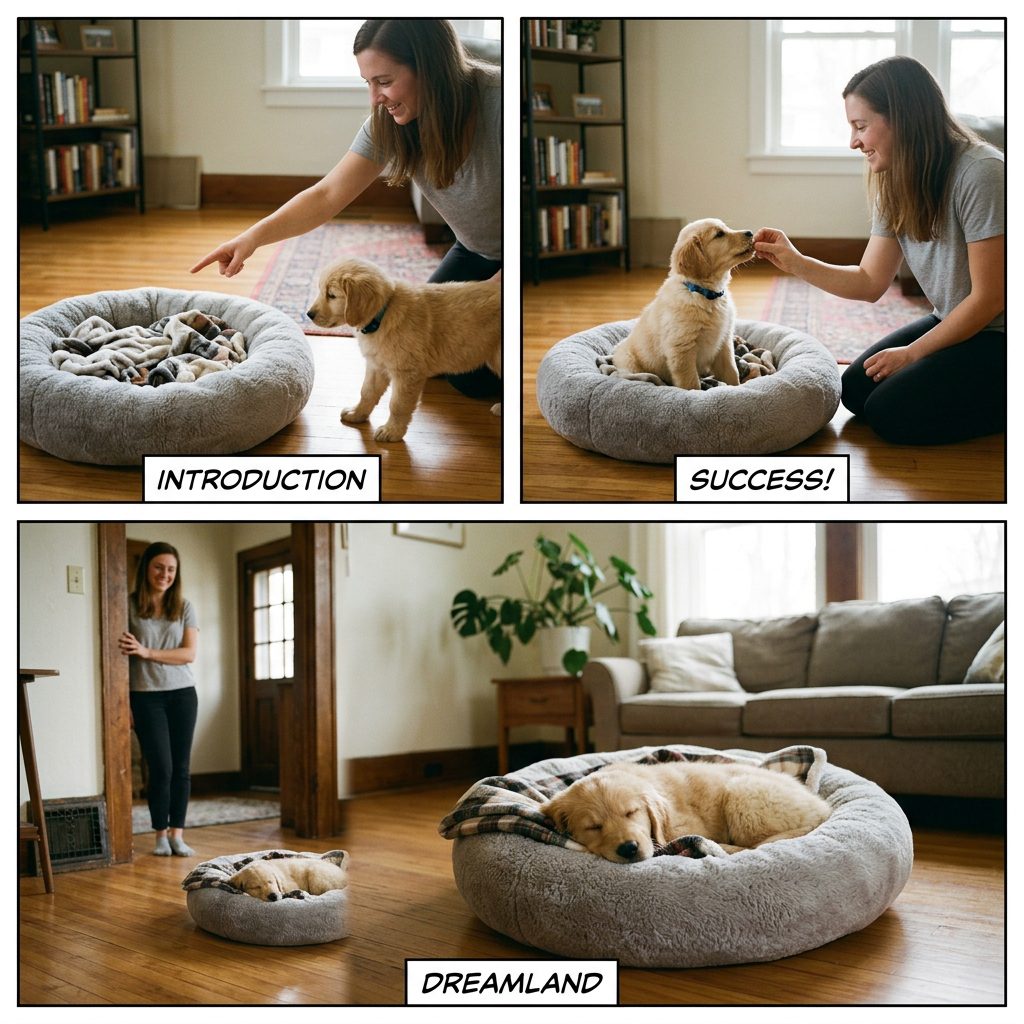
Step 1: Establishing the ‘Place’ Command
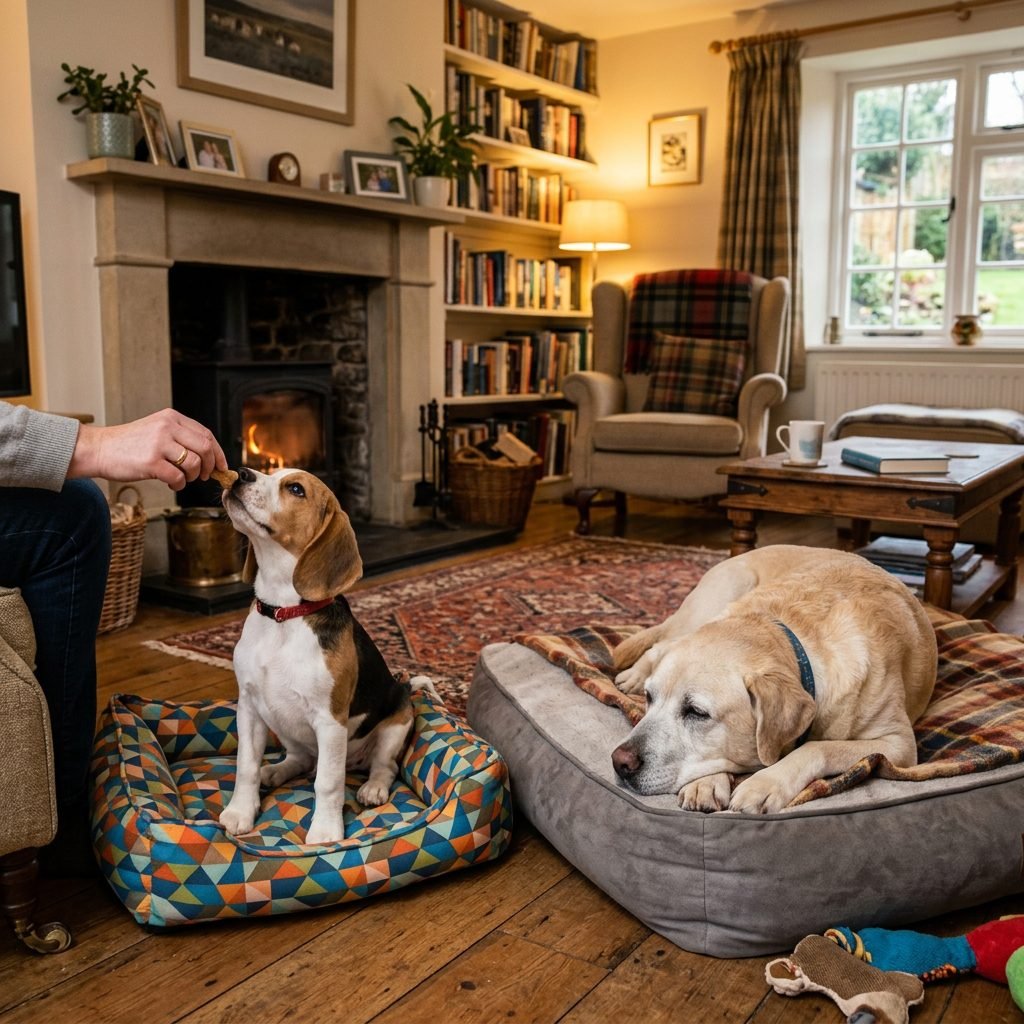
The foundation of solving this issue is a rock-solid ‘Place’ command. You want your puppy to understand that their bed is the most rewarding place on earth. Start by luring the puppy onto their bed with a high-value treat. As soon as all four paws are on the bed, say ‘Place’ and reward them. Repeat this until the puppy moves to the bed just by hearing the word.
Step 2: The ‘Interception’ Technique
You must be proactive. Watch for the ‘pre-theft’ body language: the puppy staring at the older dog, the low-crouch stalk, or the sudden trot toward the senior’s bed. Interrupt the behavior before it happens. Use a verbal cue like ‘Uh-uh’ or a finger snap, then immediately direct the puppy to their own bed and reward them heavily when they settle there.
Step 3: Positive Reinforcement for the Senior Dog
While training the puppy, do not forget the senior dog. When the puppy approaches the senior dog’s bed and you redirect them, give the senior dog a small treat too. This creates a positive association for the older dog, teaching them that the puppy’s presence near their bed results in good things, rather than a loss of their sleeping spot.
Step 4: Using the House Lead
If your puppy is particularly persistent, keep a ‘house lead’ (a light leash with the handle cut off) attached to their collar. This allows you to gently guide the puppy away from the older dog’s bed without having to grab their collar, which can sometimes trigger a ‘zoomie’ or a play-bite response. Use the lead to physically lead them to their designated ‘Place.’
Step 5: Rewarding the ‘Settled’ State
The most important part of training is rewarding the puppy when they are already being good. If you see your puppy choose their own bed and lie down voluntarily, ‘drop’ a treat between their paws quietly. This reinforces the choice they made on their own.
Managing the Environment and Preventing Relapses
The Power of Management
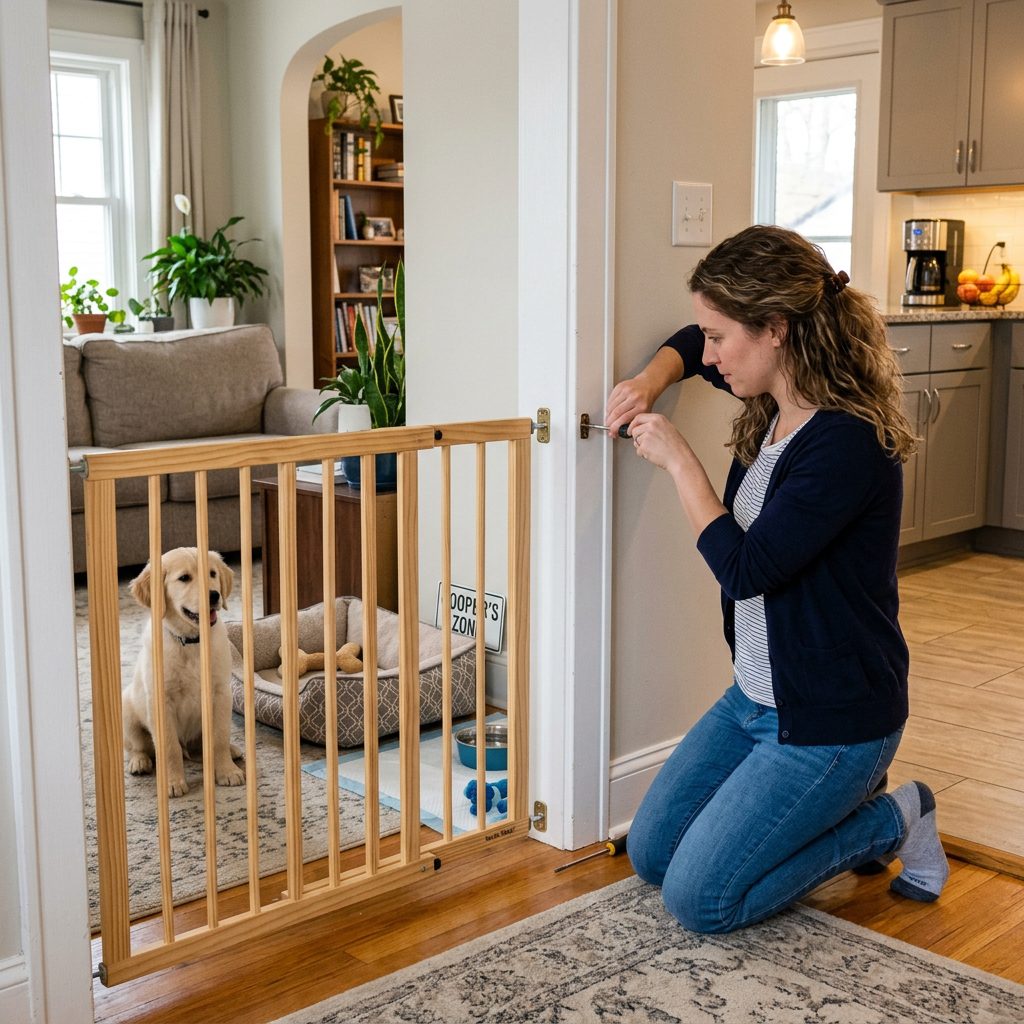
Training takes time, and you cannot monitor the dogs 24/7. When you are busy cooking dinner or taking a shower, use management tools to prevent the puppy from practicing the unwanted behavior. A puppy who successfully steals a bed five times a day is learning that the behavior works. Use baby gates or an x-pen to keep the puppy in a separate area where they only have access to their own bed.
Scent Swapping
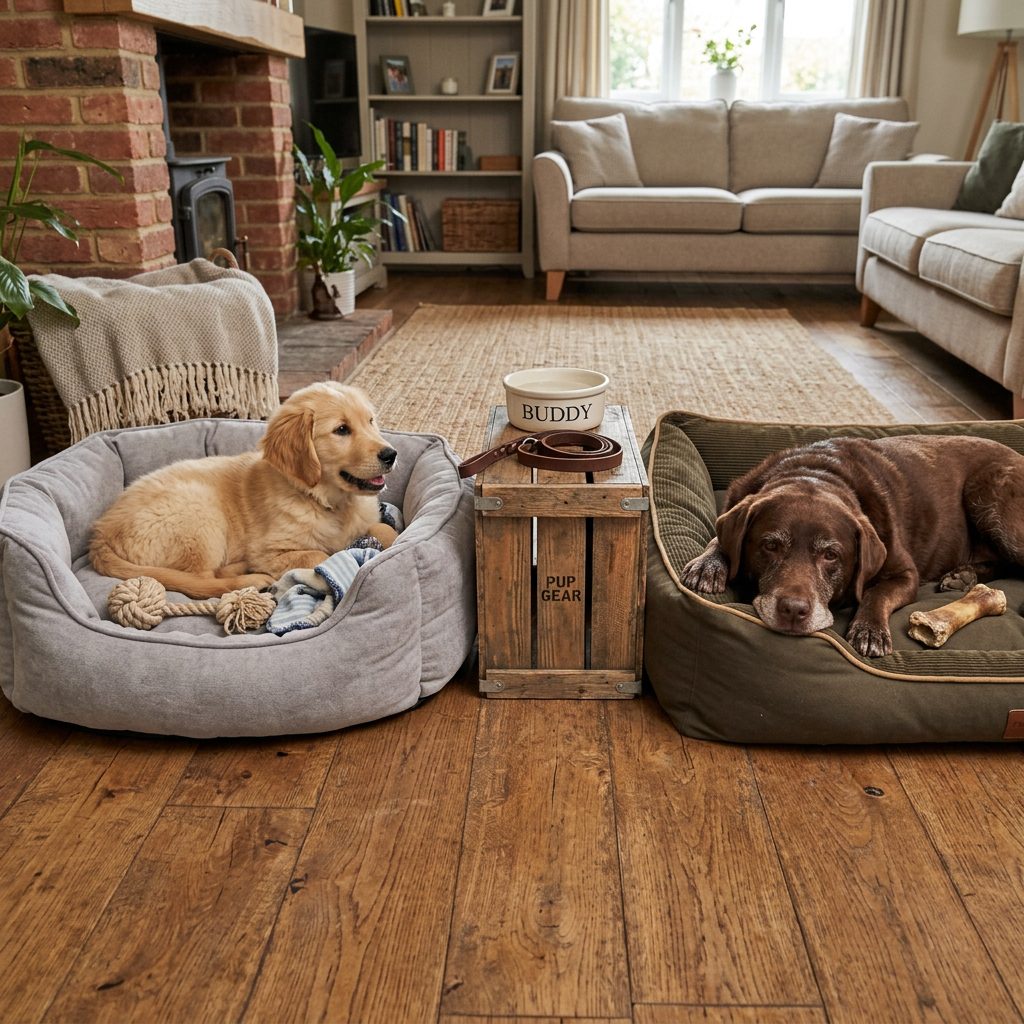
Sometimes, the puppy steals the bed because it smells like their favorite person—the older dog. You can use this to your advantage. Take a small blanket the senior dog has slept on and place it in the puppy’s bed. This provides the ‘scent comfort’ the puppy is looking for without requiring them to evict the older dog.
When to Intervene and When to Let It Go
It is important to recognize the difference between a puppy ‘testing boundaries’ and a puppy ‘snuggling.’ If your older dog is happy to share and the puppy is being gentle, you may not need to intervene. However, if you see any of the following signs from your senior dog, it is time to step in:
- Lip curling or growling.
- Whale eye (showing the whites of the eyes).
- Getting up and leaving the room as soon as the puppy arrives.
- Stiffening of the body.
Common Mistakes to Avoid
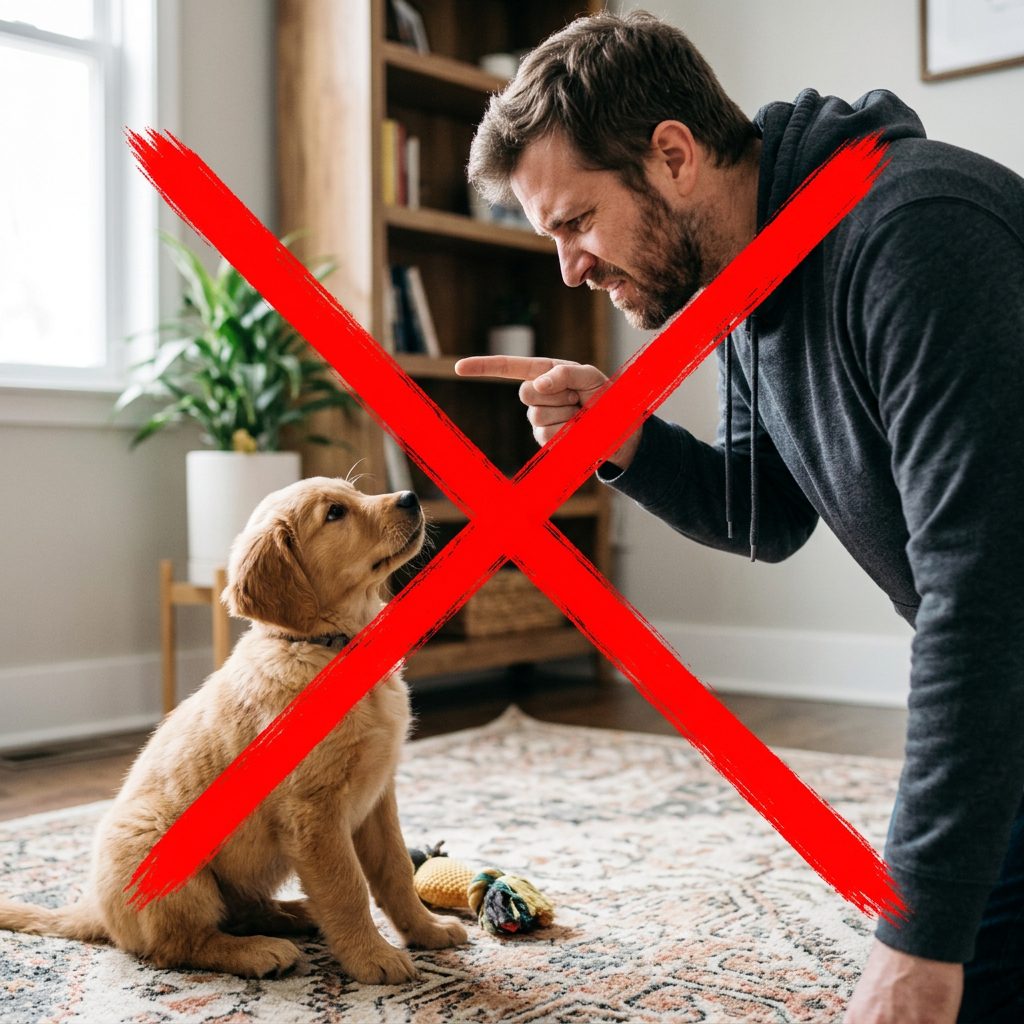
Mistake 1: Punishing the Puppy
Never yell at or physically punish the puppy for bed stealing. They are not being ‘bad’; they are being puppies. Punishment will only make the puppy fearful of you or the older dog, which can lead to actual aggression later on. Stick to proactive redirection.
Mistake 2: Expecting the Senior Dog to ‘Handle It’
Many owners believe the older dog will ‘teach the puppy a lesson.’ While some balanced adult dogs are great at giving corrections, many senior dogs are too passive or too frail to stand up for themselves. Do not force your senior dog to be the disciplinarian. That is your job as the pack leader.
Mistake 3: Inconsistency
If you let the puppy steal the bed ‘just once’ because it looks cute, you are resetting the training clock. Dogs thrive on consistency. Ensure everyone in the household—kids and partners included—follows the same rules: The senior dog’s bed is a puppy-free zone.
Troubleshooting Persistent Bed Stealers
What if the Puppy Won’t Stay Put?
If your puppy immediately jumps off their bed the moment you stop treating them, you may need to increase the ‘value’ of the bed. Use long-lasting chews like bully sticks or stuffed frozen Kongs that are only given when the puppy is on their bed. This builds ‘duration’—the ability to stay in one place for an extended period.
The ‘Double Bed’ Strategy
In some cases, the puppy isn’t after the bed, but the proximity to the older dog. Try placing the puppy’s bed directly next to the senior dog’s bed. This allows the puppy to feel ‘part of the pack’ while still maintaining physical boundaries. If the puppy tries to migrate from their bed to the senior’s, use a small physical barrier like a couch cushion between the two beds to define the space.
Addressing Nighttime Issues
Bed stealing often happens at night when you are asleep. If this is the case, the puppy should be crated or kept in a separate room until they are mature enough to respect boundaries without supervision. Sleep is vital for your senior dog’s health; do not let a pestering puppy ruin their recovery time.
Conclusion
A Peaceful Future for Your Pack
Restoring peace to your home doesn’t happen overnight, but with patience and consistency, your pushy puppy will eventually learn the ‘rules of the house.’ By advocating for your senior dog and providing your puppy with the tools they need to succeed, you are building a foundation of mutual respect. Remember, the goal isn’t just to stop a behavior; it is to ensure that your older dog feels safe and honored in their golden years, while your puppy grows into a well-mannered, confident adult.
Stay patient, keep the treats handy, and celebrate the small victories—like the first time you see both dogs napping soundly on their own beds at the same time. You’ve got this!