5 Shocking Reasons Your Puppy Freezes In A Harness (And How To Fix It Instantly!)
Hey there, savvy dog parents! We have all been there. You have just picked out the most adorable, perfectly sized harness for your new furry best friend. You are dreaming of long, peaceful walks through the neighborhood, stopping for cute photo ops, and showing off your new pup to the world. But the second you slip that harness over their head and clip it into place, something bizarre happens. Your playful, bouncy puppy suddenly turns into a furry statue. They plant their paws, drop their belly to the floor, and absolutely refuse to take a single step. It is the dreaded ‘harness freeze,’ and if you are dealing with it right now, you are definitely not alone!
As a canine specialist who has worked with hundreds of puppies, I can tell you that this behavior is incredibly common, but it can also be incredibly frustrating. You might be wondering if your puppy is just being stubborn, if the harness is hurting them, or if you are doing something wrong. Do not worry! Your puppy is not trying to give you a hard time; they are simply having a hard time adjusting to a very unnatural sensation. In this comprehensive guide, we are going to dive deep into the 5 shocking reasons your puppy freezes in a harness. More importantly, we are going to walk through a foolproof, step-by-step process to fix it instantly, using positive reinforcement and a whole lot of empathy.
Expert Tip: Patience is your superpower here. Your puppy is experiencing the world for the very first time. By understanding their perspective, you can transform harness time from a stressful battle into a fun, rewarding game!
So, grab your clicker, a handful of high-value treats, and let us get your puppy moving comfortably and confidently on their leash!
Reason 1 & 2: Sensory Overload and the ‘Restrictive Hug’ Effect
1. Total Sensory Overload
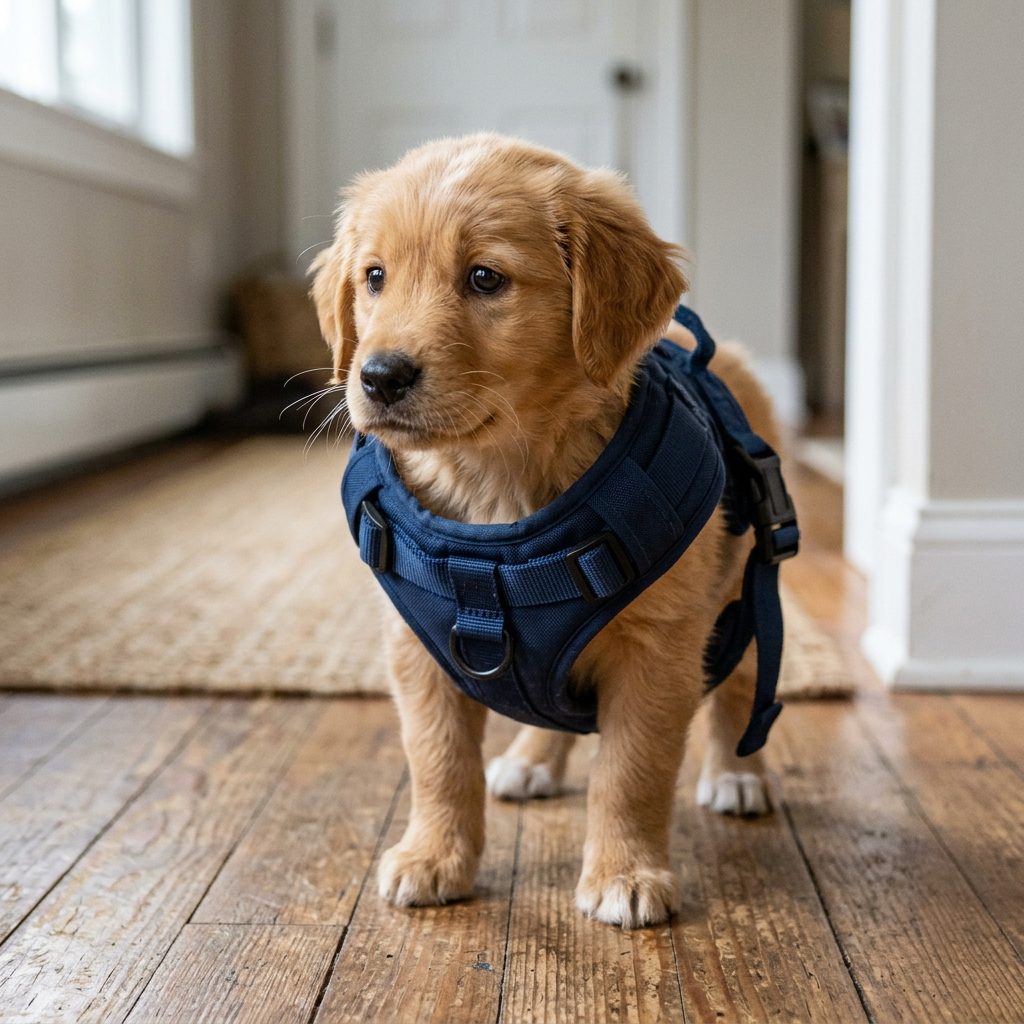
Imagine someone suddenly strapping a heavy, unfamiliar vest onto your body, one that rubs against your skin every time you move. For a young puppy, wearing a harness for the first time is a massive sensory shock. Puppies have highly sensitive skin and fur follicles. When a harness is placed on them, it activates nerve endings across their back, chest, and armpits all at once. This sudden influx of sensory information can overwhelm their tiny nervous system, causing them to simply shut down and freeze. It is their brain’s way of saying, ‘Whoa, too much input! Let’s just stop moving until we figure out what is attacking us.’
2. The ‘Restrictive Hug’ Effect
Dogs, by nature, are incredibly sensitive to pressure. Many harnesses, especially those designed to prevent pulling, work by applying gentle pressure to the dog’s chest or shoulders. While this is great for an adult dog who pulls, for a puppy, this pressure can feel like a restrictive hug. In the canine world, pressure across the back and shoulders can sometimes mimic the feeling of being pinned or dominated by another dog. This instinctual response triggers a freeze reflex. They drop low to the ground to protect their vital organs and signal submission. It is not stubbornness; it is a deep-rooted biological response!
| Harness Style | Sensory Impact on Puppy | Best For |
|---|---|---|
| Standard Back-Clip | Mild pressure on back, less restrictive on legs. | Beginner puppies learning to wear gear. |
| Front-Clip (No-Pull) | Pressure on chest and shoulders, can alter gait. | Older puppies who have started pulling. |
| Step-In Harness | Pressure under armpits, easy to put on. | Small breeds, but watch for chafing. |
| Tactical/Vest Harness | Heavy sensory input, covers a lot of body area. | Not recommended for young, sensitive pups. |
Reason 3 & 4: Hidden Pinch Points and Accidental Bad Memories
3. Hidden Pinch Points and Poor Fit
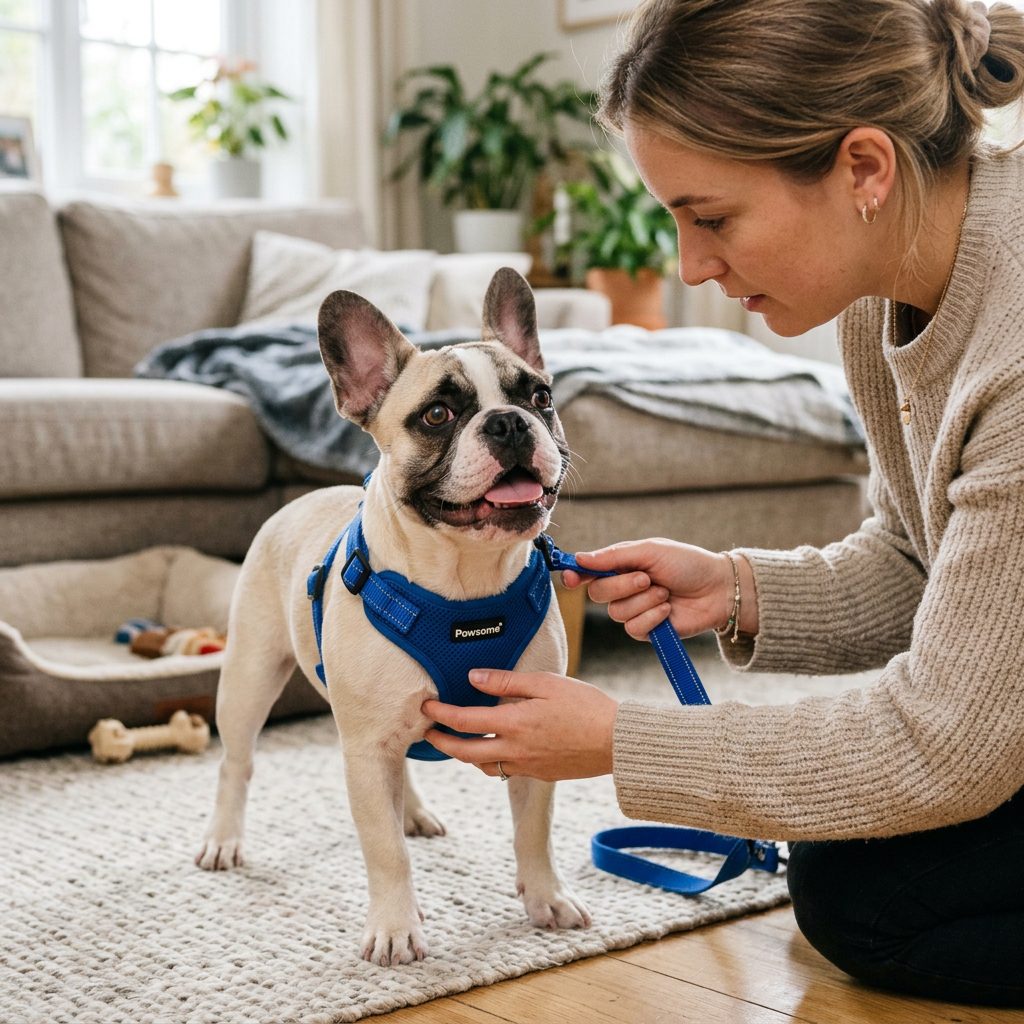
One of the most shocking—and easily fixable—reasons your puppy is freezing is that the harness is physically uncomfortable. Puppies grow at lightning speed, and a harness that fit perfectly last week might be pinching them today. If a harness is too tight, it can restrict their breathing or pinch the sensitive skin behind their front legs (the axillary area). Conversely, if a harness is too loose, it can shift around, causing uncomfortable friction and chafing. If your puppy takes two steps, feels a pinch, and stops, they quickly learn that moving equals pain. Always check the ‘two-finger rule’: you should be able to comfortably slip two fingers between the harness and your puppy’s body at any point.
4. Accidental Negative Associations
Puppies are little association machines. They constantly link objects to experiences. Think about what usually happens right after you put the harness on. Do you immediately take them to the vet for shots? Do you put them in the car, which makes them carsick? Do you drag them outside into the freezing rain? If the harness consistently predicts something scary or unpleasant, your puppy will freeze the moment they see it. They are essentially saying, ‘If I don’t let you put this on me, the bad thing won’t happen!’ Overcoming this requires completely rewiring their brain to associate the harness with the best things in the world.
- Check for Redness: After taking the harness off, inspect your puppy’s armpits and chest for any red marks or missing fur.
- Adjust Daily: Make it a habit to check the fit of the harness every single day. Puppy growth spurts happen overnight!
- Wash the Gear: Sometimes, stiff, dirty nylon can cause chafing. A quick wash can soften the material.
Reason 5: The Opposition Reflex (The Push-Back Instinct)
5. The Opposition Reflex
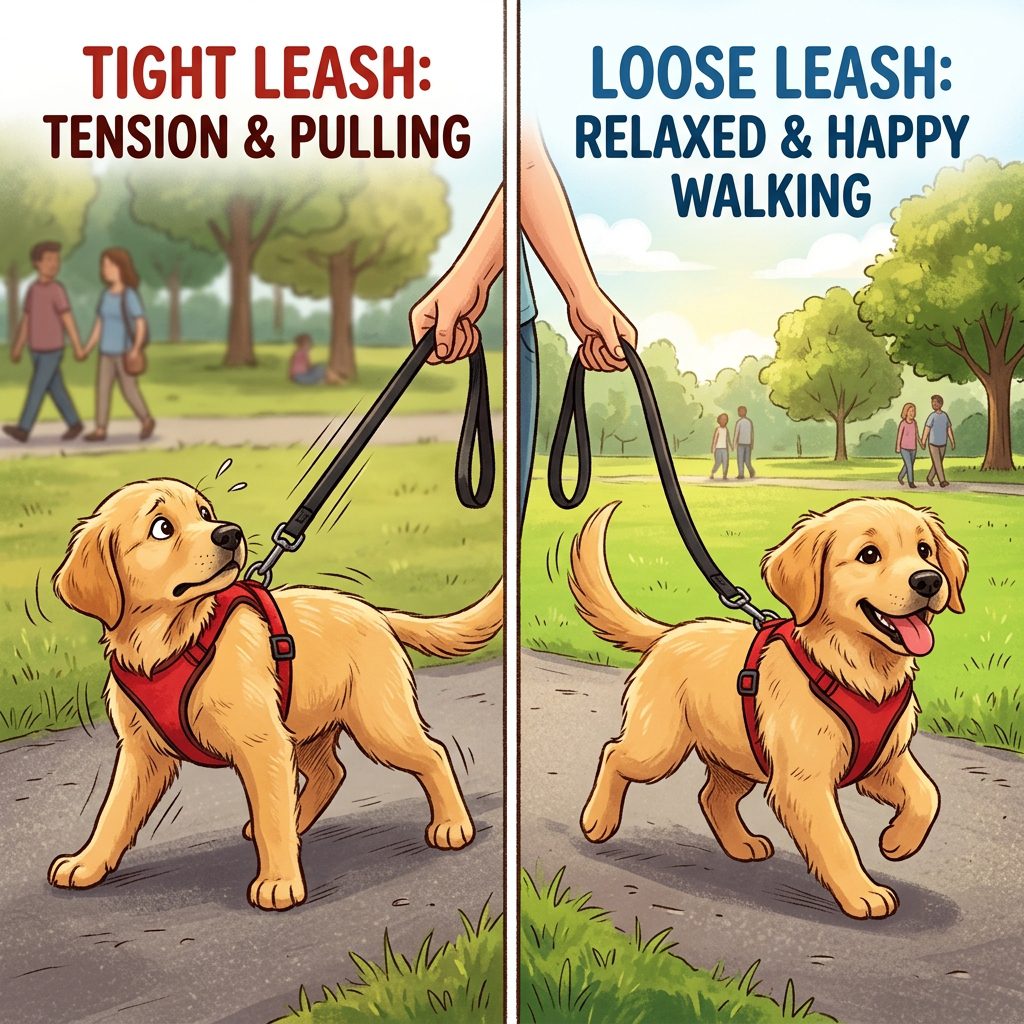
This is perhaps the most fascinating and misunderstood reason why puppies freeze and refuse to walk. Have you ever noticed that the harder you pull on your puppy’s leash, the harder they pull backward in the opposite direction? This is not your puppy trying to spite you; it is a natural, instinctual behavior known as the Opposition Reflex (or Thigmotaxis). When a dog feels pressure against a part of their body, their automatic reflex is to lean or pull against that pressure.
When your puppy stops walking and you instinctively pull the leash to get them moving, the harness tightens around their chest. Their opposition reflex kicks in, and they plant their feet firmly into the ground, pulling their weight backward. The more you pull, the more they resist. It turns into a frustrating game of tug-of-war where nobody wins. To break this cycle, you have to do the exact opposite of what your instincts tell you: you have to release the pressure. By creating a loose leash, you remove the trigger for the opposition reflex, allowing your puppy to relax and make the choice to move forward on their own.
Pro Trainer Tip: Never drag a freezing puppy. Dragging not only triggers the opposition reflex but can also cause physical injury to their developing joints and severely damage the trust between you and your dog.
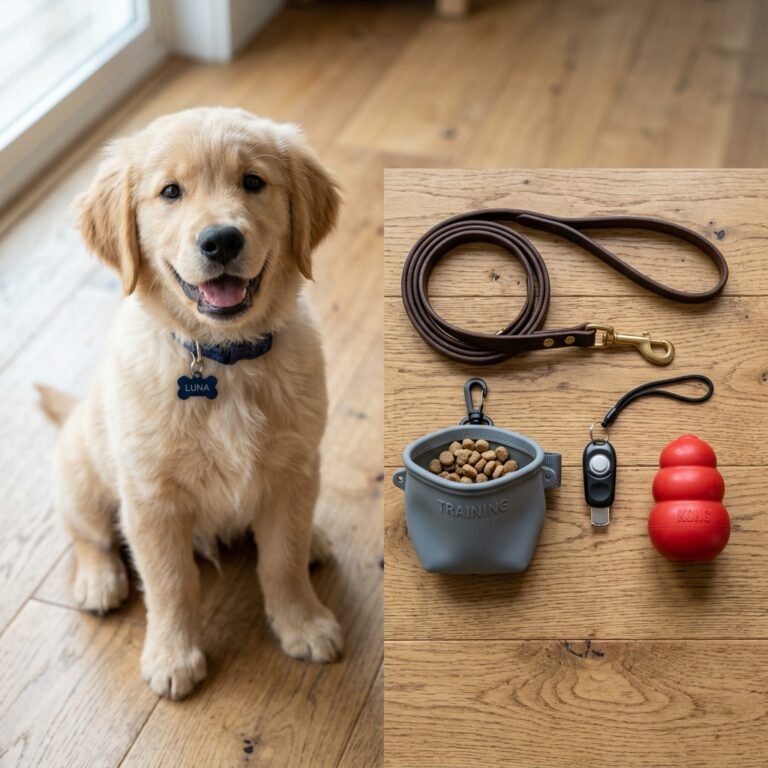
Tools Needed for Harness Desensitization
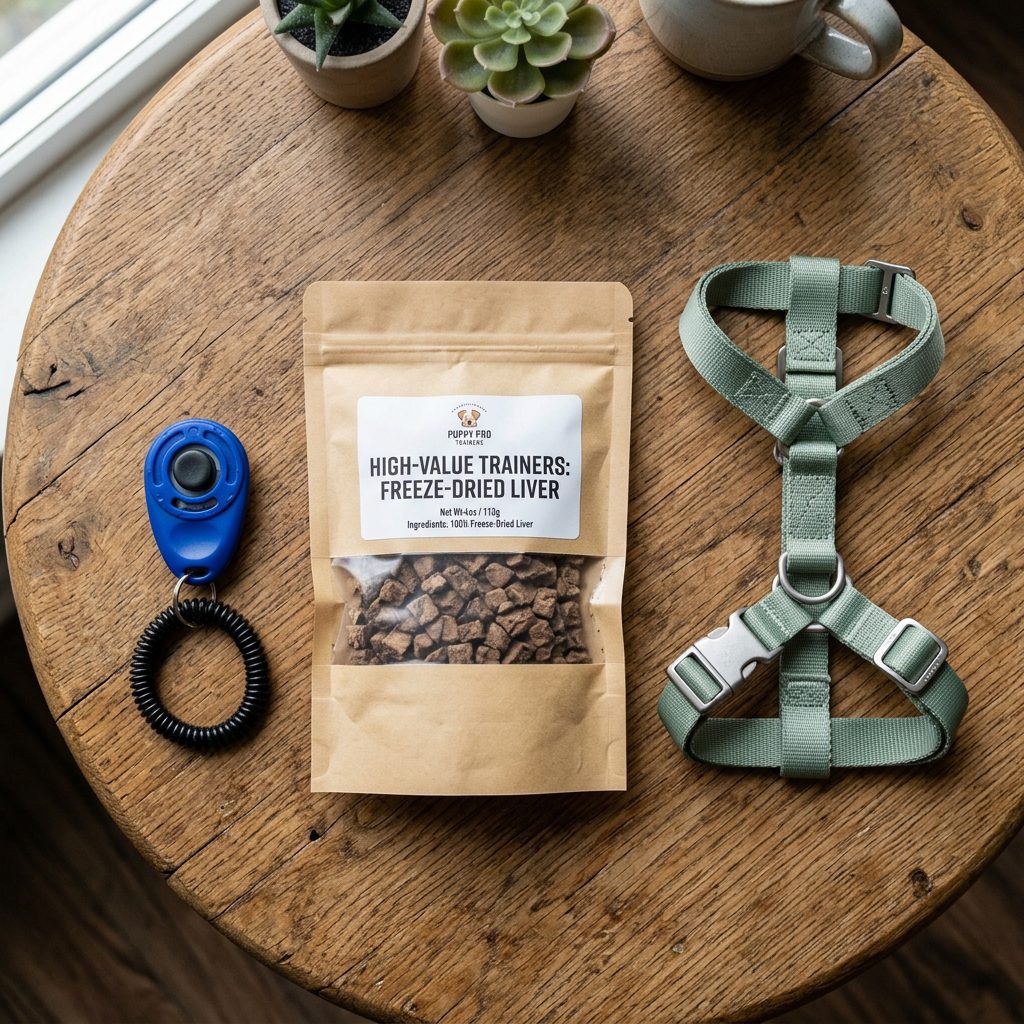
Now that we understand the ‘why’ behind the harness freeze, it is time to talk about the ‘how.’ Fixing this behavior does not require magic; it requires a strategic, step-by-step desensitization process. But before we begin, you need to gather the right tools. Setting yourself up for success means having the right equipment to make the training session as positive and rewarding as possible for your savvy little pup.
- High-Value Treats: Forget the dry kibble. You need the big guns for this. Think boiled chicken breast, tiny pieces of hot dog, freeze-dried liver, or a squeeze tube of dog-safe peanut butter. The reward must be better than the discomfort of the harness.
- A Clicker (Optional but Recommended): A clicker provides a sharp, consistent sound that tells your puppy exactly when they did the right thing. If you do not have a clicker, a consistent marker word like ‘Yes!’ works perfectly.
- A Lightweight, Minimalist Harness: If your puppy is terrified of a bulky vest harness, downgrade to a simple, lightweight strap harness. Less fabric means less sensory input.
- A Quiet Environment: Start this training inside your home, in a room with zero distractions. Do not try to fix the harness freeze on a busy sidewalk with cars driving by.
| Treat Type | Value Level | Best Used For |
|---|---|---|
| Dry Kibble | Low | General daily feeding, basic obedience in low-distraction areas. |
| Soft Chewy Treats | Medium | Learning new tricks inside the house. |
| Boiled Chicken / Cheese | High | Overcoming fears, harness desensitization, high-distraction areas. |
The Step-by-Step Guide to Unfreezing Your Puppy
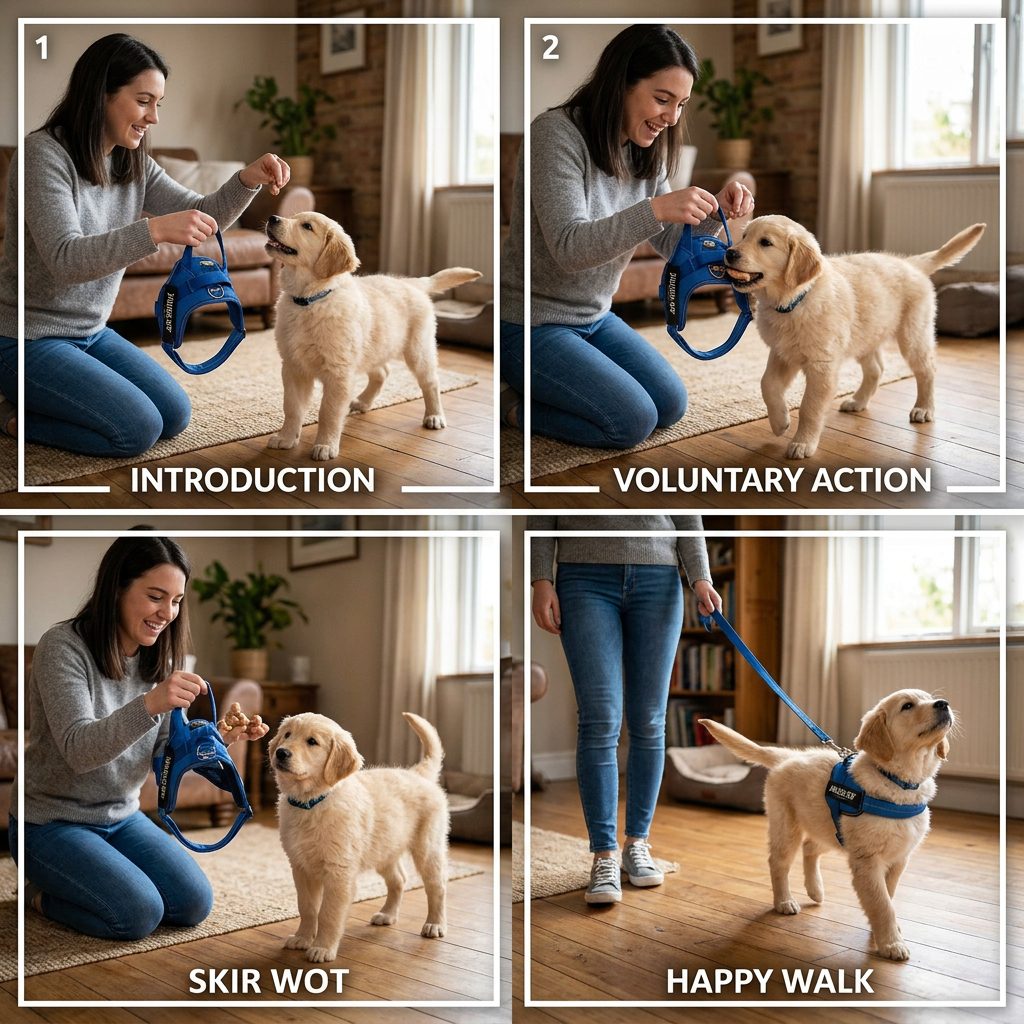
Alright, savvy dog owners, it is time for action. This step-by-step guide is designed to change your puppy’s emotional response to the harness from fear to sheer joy. Remember, do not rush through these steps. Move at your puppy’s pace. If they freeze or show signs of stress, go back to the previous step.
Step 1: The Sniff Test
Bring the harness out and lay it on the floor. Do not try to put it on your puppy. Let them approach it on their own terms. Every time they look at or sniff the harness, click (or say ‘Yes!’) and toss them a high-value treat. You want them to think, ‘Wow, every time this weird fabric thing appears, chicken falls from the sky!’ Do this for 3-5 minutes a day until they are excitedly looking for the harness.
Step 2: The Head Game
If you are using an over-the-head harness, hold the neck loop open. Hold a high-value treat on the other side of the loop. Encourage your puppy to poke their nose through the hole to get the treat. Do not force the harness onto them; let them push their head through voluntarily. Once they eat the treat, let them pull their head out. Repeat this until they are confidently shoving their head through the loop.
Step 3: The Clip and Treat
Once your puppy is comfortable with the harness resting on their body, gently clip it together. The moment the clip snaps, give them a jackpot of treats (3-4 pieces of chicken in a row). Keep the harness on for just 30 seconds while you feed them, then unclip it and take it off. The fun stops when the harness comes off. Gradually increase the time they wear it inside the house.
Step 4: The Indoor Walk
With the harness on, clip the leash to it. Do not pull. Instead, take a few steps away, crouch down, and excitedly call your puppy to you in your happiest, most encouraging voice. When they take a step toward you, reward them heavily. Practice walking around your living room, making it a fun game of follow-the-leader.
- Introduce the harness visually and reward.
- Encourage voluntary interaction (putting head through).
- Clip the harness, reward heavily, and remove quickly.
- Extend wear time indoors with fun activities.
- Attach leash and practice loose-leash walking indoors.
Troubleshooting & Common Mistakes to Avoid
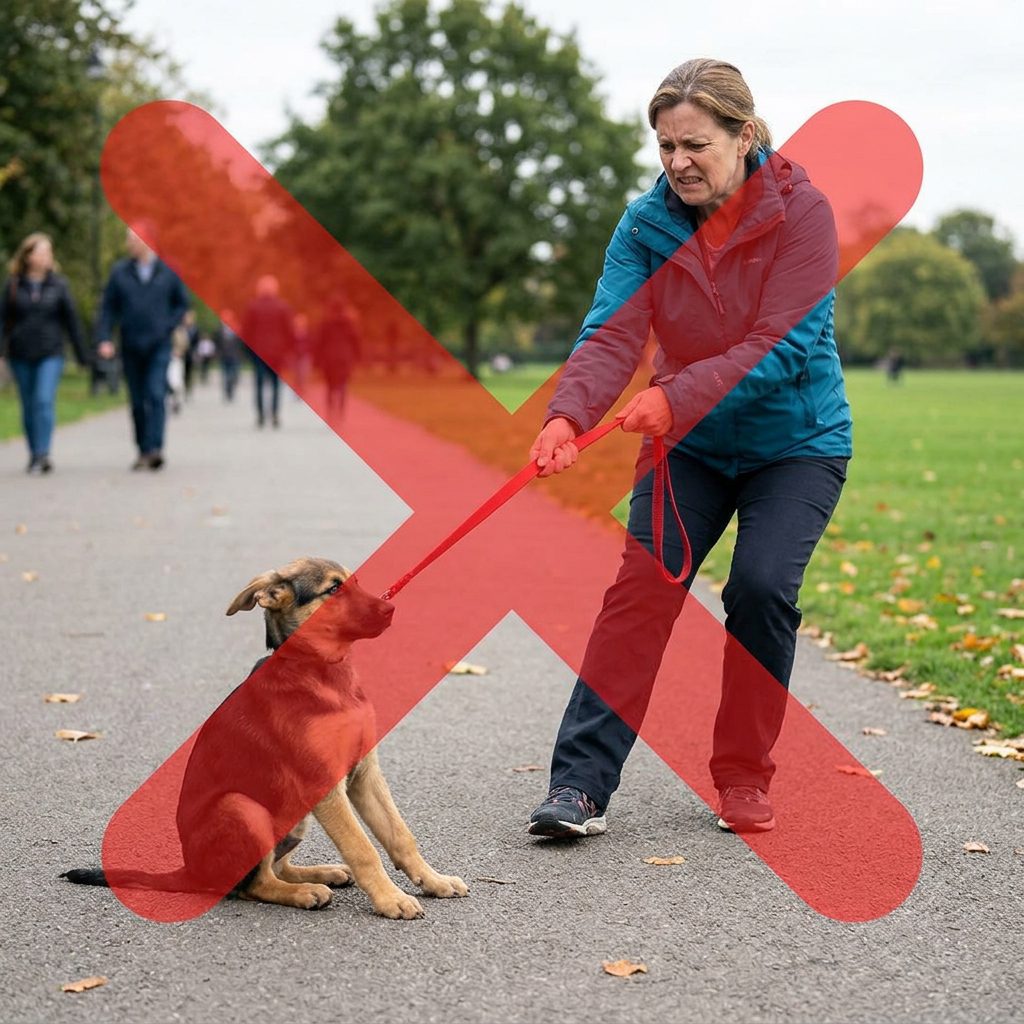
Even with the best intentions, things might not go perfectly right away. Dog training is a journey, not a sprint! If you find your puppy is still freezing up, you might be accidentally falling into some common training traps. Let us troubleshoot the most frequent mistakes dog owners make during harness training.
Mistake 1: Leaving the Harness on All Day
Some owners think that leaving the harness on 24/7 will help the puppy ‘get used to it.’ In reality, this can cause severe chafing, matting of the fur, and chronic stress. The harness should only be worn during walks or specific training sessions. It should be a predictor of fun, not a permanent piece of clothing.
Mistake 2: Luring with Pressure
If your puppy freezes, do not pull the leash while holding a treat in front of their nose. This creates a conflicting emotional state. They want the treat, but they are terrified of the leash pressure. Always drop the leash tension completely before offering a treat to coax them forward.
Mistake 3: Rushing the Process
The biggest mistake is trying to go from Step 1 to a full neighborhood walk in a single day. If your puppy freezes outside, they are over threshold. Take a step back. Practice in the backyard, then the driveway, then just in front of your house. Expand their world slowly.
Behavioral Insight: A ‘frozen’ puppy is a stressed puppy. If your dog refuses treats while frozen, their stress level is too high. You must lower the criteria—move to a quieter environment or take the harness off and try again later.
| The Problem | The Cause | The Instant Fix |
|---|---|---|
| Puppy runs away when they see the harness. | Negative association or fear of the clipping sound. | Leave the harness on the floor surrounded by high-value treats. |
| Puppy walks fine inside, but freezes outside. | Environmental overload (too many sights/sounds). | Practice in a highly familiar, quiet outdoor space like a fenced yard first. |
| Puppy bites at the harness or leash. | Frustration or treating the gear like a toy. | Redirect to a favorite tug toy immediately, reward for dropping the leash. |
Conclusion
Dealing with a puppy that freezes in their harness can certainly test your patience, but it is a highly solvable problem. By understanding the sensory overload, checking for proper fit, and respecting the opposition reflex, you are already lightyears ahead of most dog owners. Remember, your puppy relies on you to show them that the world—and the gear they wear to explore it—is safe and fun.
Take your time, use those high-value treats generously, and celebrate the small victories. A single step forward in a harness is a massive leap in your puppy’s confidence. Keep your training sessions short, positive, and upbeat. Before you know it, the sight of the harness will have your puppy doing happy zoomies by the front door, eager to explore the world by your side. Happy walking, savvy dog parents!