The Best Treats for Puppy Training (Ranked by High-Value Motivation Power!)
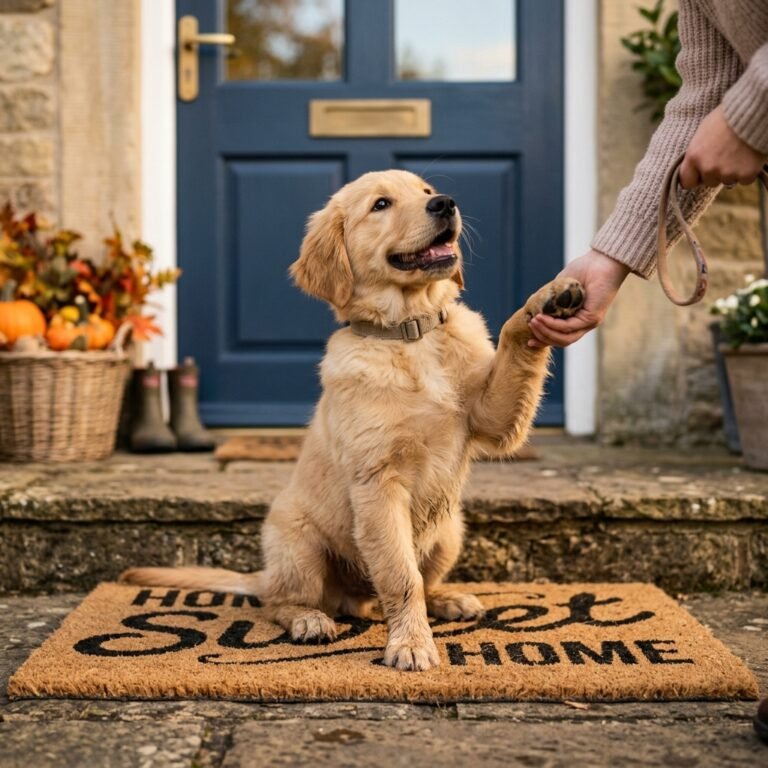
Hey there, savvy dog parents! If you have recently welcomed a bouncing, energetic puppy into your home, you already know that training is at the top of your to-do list. But here is a little secret that professional dog trainers know: your puppy views training just like a job, and just like us, they want to be paid well for their hard work! Positive reinforcement is the gold standard for shaping canine behavior, but not all ‘paychecks’ are created equal. If you are struggling to get your pup to focus when there are squirrels, other dogs, or just an interesting leaf blowing across the yard, you likely have a currency problem.
In the world of dog training, treats are your currency. To get top-tier focus and rapid learning, you need to understand how to leverage high-value treats. Think of plain dry kibble as a few pennies, while a piece of freeze-dried liver is a hundred-dollar bill. In this comprehensive guide, we are going to dive deep into the psychology of canine motivation, break down the absolute best treats for puppy training, and rank them by their high-value motivation power. Grab a coffee, get comfortable, and let’s turn your easily distracted puppy into an obedience superstar!
The Treat Hierarchy: Understanding High, Medium, and Low-Value Rewards
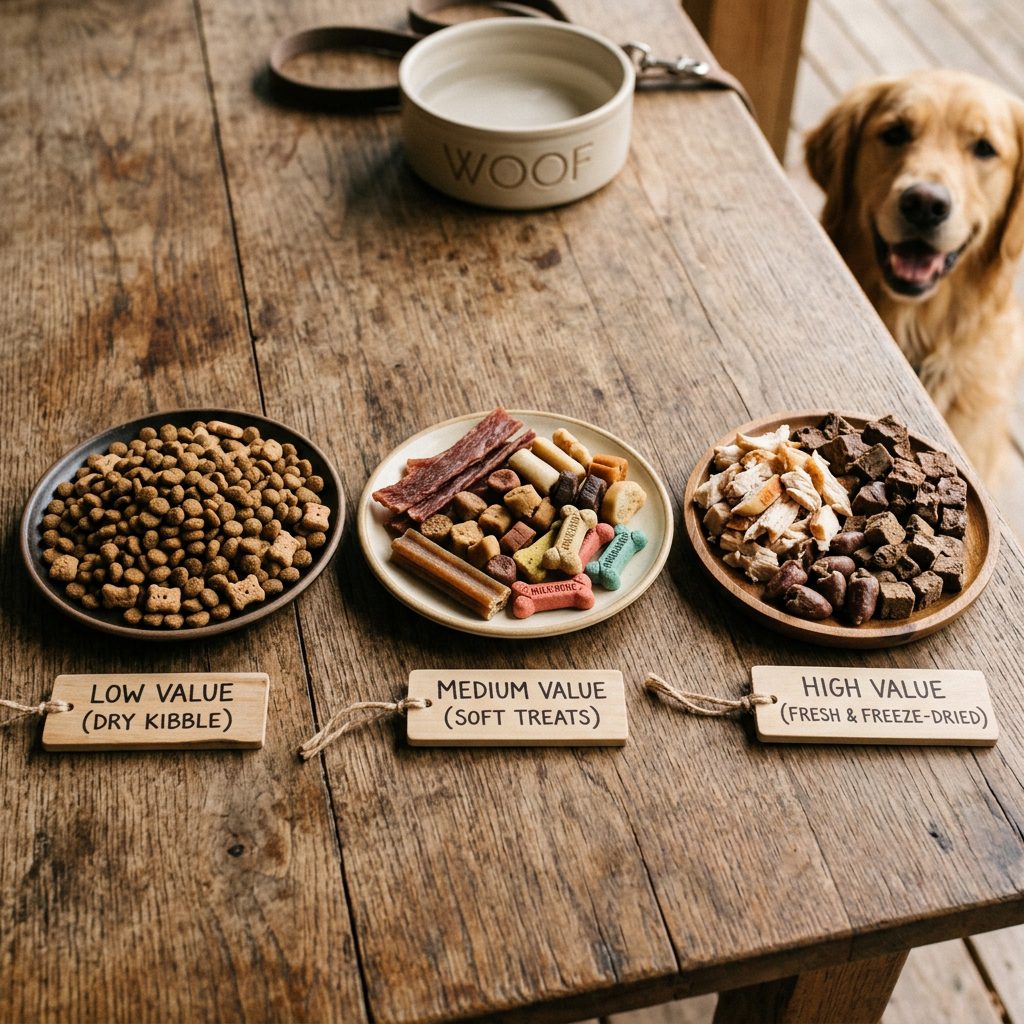
Before we get to the official rankings, we need to talk about the Treat Hierarchy. As a savvy owner, you need to be strategic about what treats you use and when you use them. If you give your puppy a piece of premium steak for sitting in the quiet living room, what are you going to offer them when you are trying to teach recall at a chaotic dog park? You always want to match the value of the reward to the difficulty of the task and the level of environmental distraction.
Low-Value Treats
These are the everyday, standard rewards. Usually, this is just your puppy’s regular daily kibble. Low-value treats are perfect for practicing behaviors your puppy already knows in a quiet, distraction-free environment, like your kitchen or living room. They are also great for capturing calm behavior throughout the day.
Medium-Value Treats
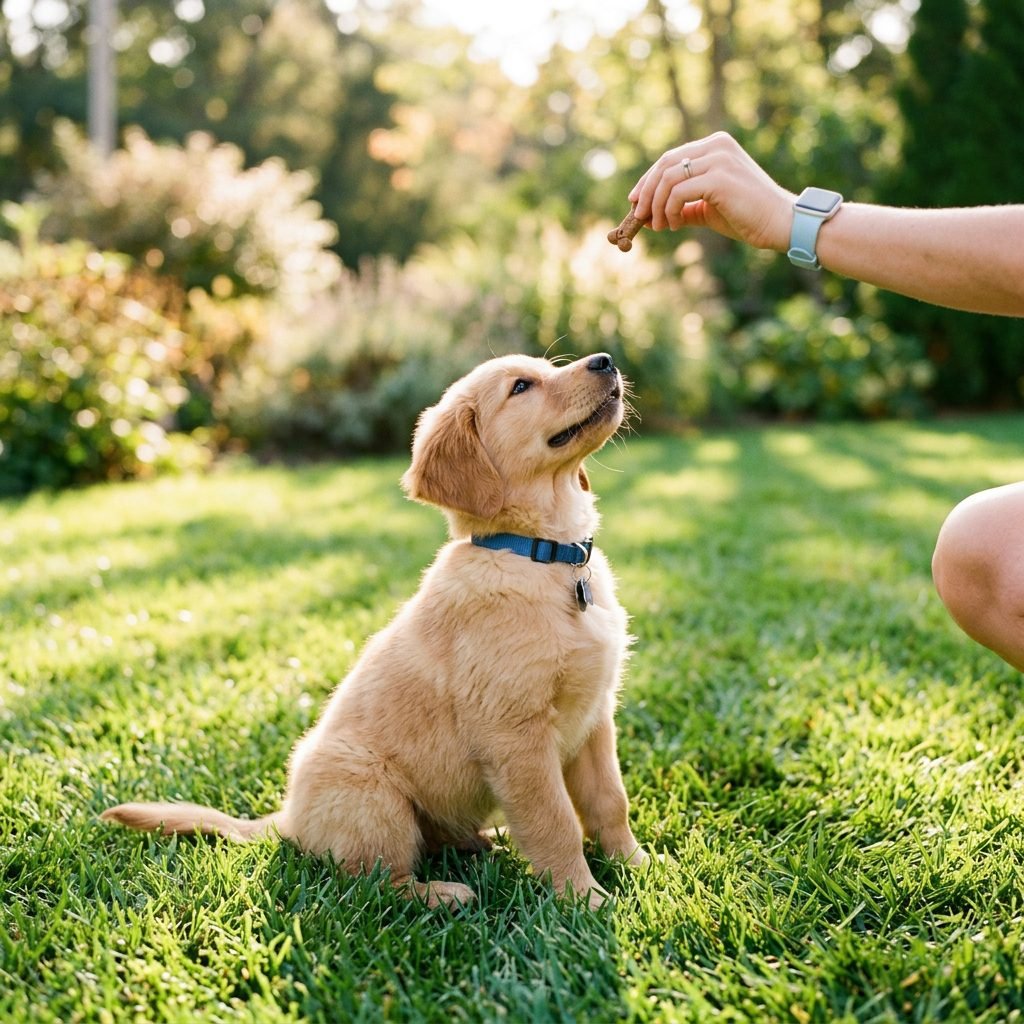
These are a step up from kibble. Think of standard store-bought biscuit treats, training soft-chews, or even some safe vegetables like tiny carrot cubes. Use medium-value treats when you are introducing a new trick in a quiet environment, or practicing known commands in a slightly more distracting environment, like your backyard.
High-Value Treats
This is the heavy artillery. High-value treats are highly aromatic, soft, moist, and usually made of pure meat or cheese. You bring these out when you are teaching a highly complex behavior, working in a highly distracting environment (like a pet store or a park), or working on critical safety commands like an emergency recall. Let’s look at how they compare.
| Treat Value Level | Best Use Case | Environment | Typical Examples |
|---|---|---|---|
| Low Value | Reviewing mastered commands, shaping calm behavior | Indoors, zero distractions | Daily kibble, plain Cheerios, green beans |
| Medium Value | Learning new basic commands, moderate duration work | Backyard, quiet street walks | Commercial training soft-chews, jerky bits |
| High Value | Emergency recall, counter-conditioning, heavy socialization | Dog parks, vet visits, busy streets | Freeze-dried liver, boiled chicken, cheese, hot dogs |
The Official Ranking: High-Value Puppy Treats (By Motivation Power)
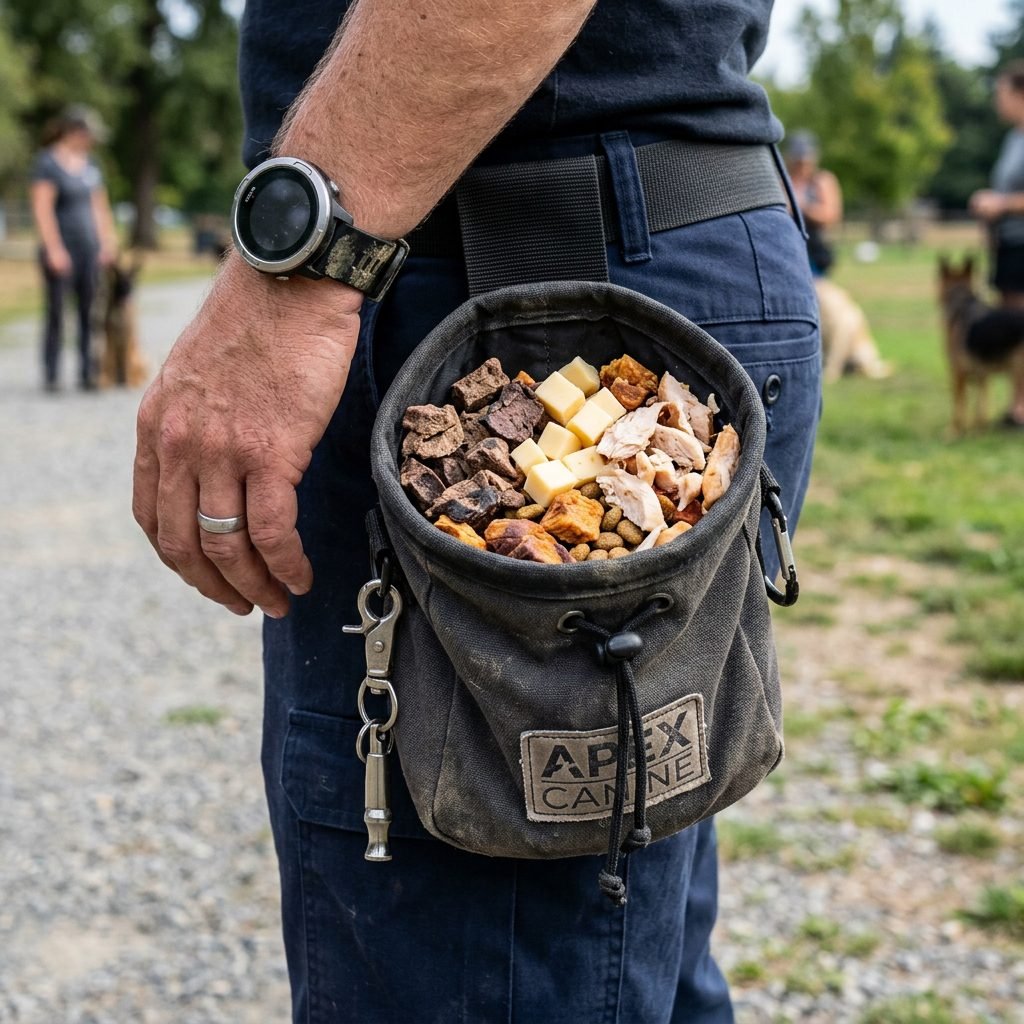
Now for the main event! We have ranked the absolute best high-value training treats based on their scent profile, palatability, and overall motivation power. Remember, every puppy is an individual, so you may need to experiment to see which of these makes your specific dog go wild.
1. Freeze-Dried Meat (Liver, Lung, and Tripe)
Motivation Power: 10/10
Taking the number one spot is freeze-dried raw meat, specifically liver, beef lung, and green tripe. Why? Because the freeze-drying process locks in the intense, pungent aroma that dogs are biologically wired to crave. They are incredibly lightweight, easy to break into microscopic pieces (perfect for tiny puppy mouths), and do not leave your hands feeling greasy.
Pro Tip: Beef liver is incredibly rich. Use it sparingly to avoid giving your puppy an upset tummy!
2. Freshly Boiled Chicken Breast
Motivation Power: 9.5/10
You can never go wrong with plain, boiled chicken breast. It is highly digestible, making it incredibly gentle on sensitive puppy stomachs. The moisture content makes it very easy for puppies to swallow quickly, which is crucial during rapid-fire training sessions where you do not want your dog stopping to chew for ten seconds. Simply boil it with no salt or spices, let it cool, and shred it into pea-sized bits.
3. Squeeze Tubes (Wet Food, Peanut Butter, or Cream Cheese)
Motivation Power: 9/10
This is a secret weapon used by professional trainers. You can buy reusable silicone squeeze tubes (like those used for travel shampoo) and fill them with wet dog food, pureed meat, or xylitol-free peanut butter. Instead of handing the dog a treat, you just let them take a quick lick from the tube. This is phenomenal for teaching loose-leash walking, as you can deliver the reward continuously while moving.
4. Cheese and Hot Dogs (The Classic Lures)
Motivation Power: 8.5/10
String cheese and plain hot dogs are legendary in the training world. They are cheap, easy to cut into perfectly uniform tiny cubes, and dogs absolutely lose their minds for them. However, they rank slightly lower because they are not the healthiest options. They are high in sodium and fat. They should be used strictly as a ‘jackpot’ reward for breakthroughs in training, not as an everyday staple.
5. Premium Commercial Soft Training Treats
Motivation Power: 7.5/10
For convenience, you cannot beat a high-quality, store-bought training treat. Brands that focus on single-source proteins with limited ingredients are best. Look for treats specifically labeled as ‘training treats’ because they are usually formulated to be very small (around 2-3 calories per treat) and soft enough for quick consumption.
| Rank | Treat Type | Pros | Cons |
|---|---|---|---|
| #1 | Freeze-Dried Liver/Tripe | Intense smell, highly motivating, easy to break | Can cause loose stools if overfed |
| #2 | Boiled Chicken | Extremely gentle on digestion, highly palatable | Requires prep time, spoils quickly if left out |
| #3 | Squeeze Tubes | Continuous reward, no chewing required, clean hands | Can be messy to fill, requires buying tubes |
| #4 | Cheese / Hot Dogs | Cheap, easy to prep, dogs love the salt/fat | Unhealthy in large amounts, high calorie |
| #5 | Commercial Soft Treats | Convenient, perfectly sized, long shelf life | Lower motivation power than real meat, can have fillers |
The Art of Delivery: How to Give Treats for Maximum Impact
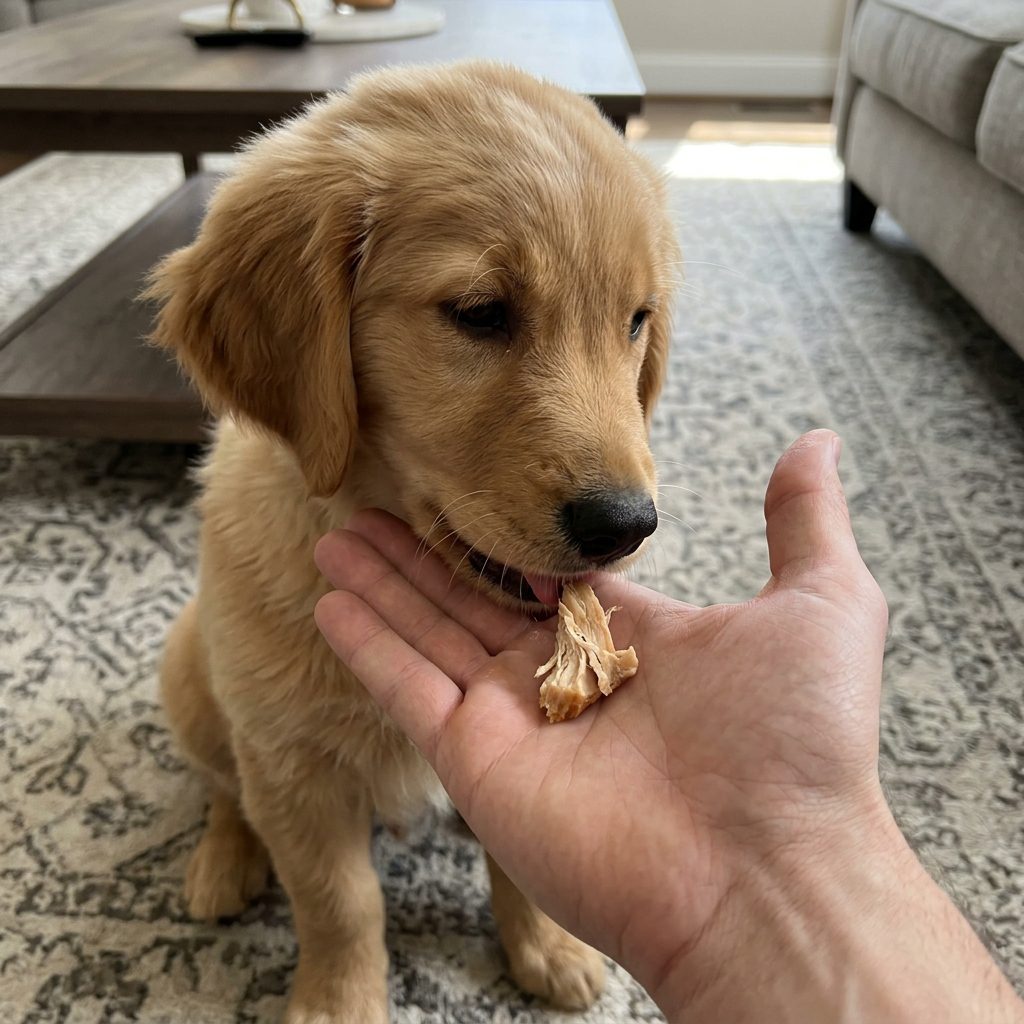
Having the best treats in the world will not help if your delivery mechanics are flawed. How and when you give the treat is just as important as what the treat is. Let’s refine your handling skills so you can communicate clearly with your pup.
Timing is Everything: The 1-Second Rule
Dogs live in the absolute present moment. When your puppy performs a desired behavior (like their bottom hitting the floor for a ‘sit’), you have approximately 1 to 2 seconds to deliver the treat. If you wait five seconds, your puppy might have looked away or scratched their ear, and you end up accidentally rewarding the ear scratch instead of the sit! Use a marker word like a sharp, upbeat ‘Yes!’ or a mechanical clicker the exact millisecond the behavior happens, then follow up with the treat.
The Flat Palm Technique
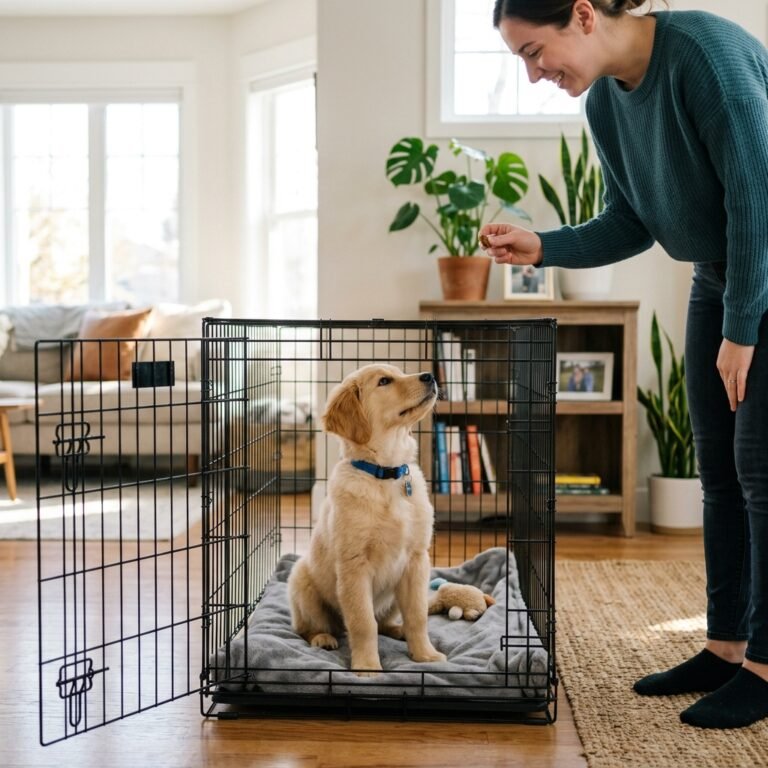
Puppies are famous for their needle-sharp teeth. If you pinch a treat between your thumb and index finger, an over-enthusiastic puppy might accidentally nip your fingers. Instead, place the tiny treat in the center of a flat, open palm. This forces the puppy to use their tongue to gently lap up the treat, saving your fingers from accidental bites and teaching bite inhibition.
Fading the Lure
A common trap savvy owners fall into is bribery. If you always have a treat in your hand before you ask for a command, your dog learns to only work when they see the money upfront. You must transition from luring (using the treat to guide the dog into position) to rewarding.
- Step 1: Lure the dog into position with the treat in your hand.
- Step 2: Use an empty hand to guide the dog into position (the hand signal), then immediately pull a treat from your pouch to reward them.
- Step 3: Give the verbal command without the hand signal, and reward from the pouch when they comply.
By keeping the treats hidden in a pouch or on a counter until *after* the behavior is marked, you teach your puppy that obedience makes the treats appear, rather than the treats causing the obedience.
Protecting Tiny Tummies: Treat Safety and Caloric Balance
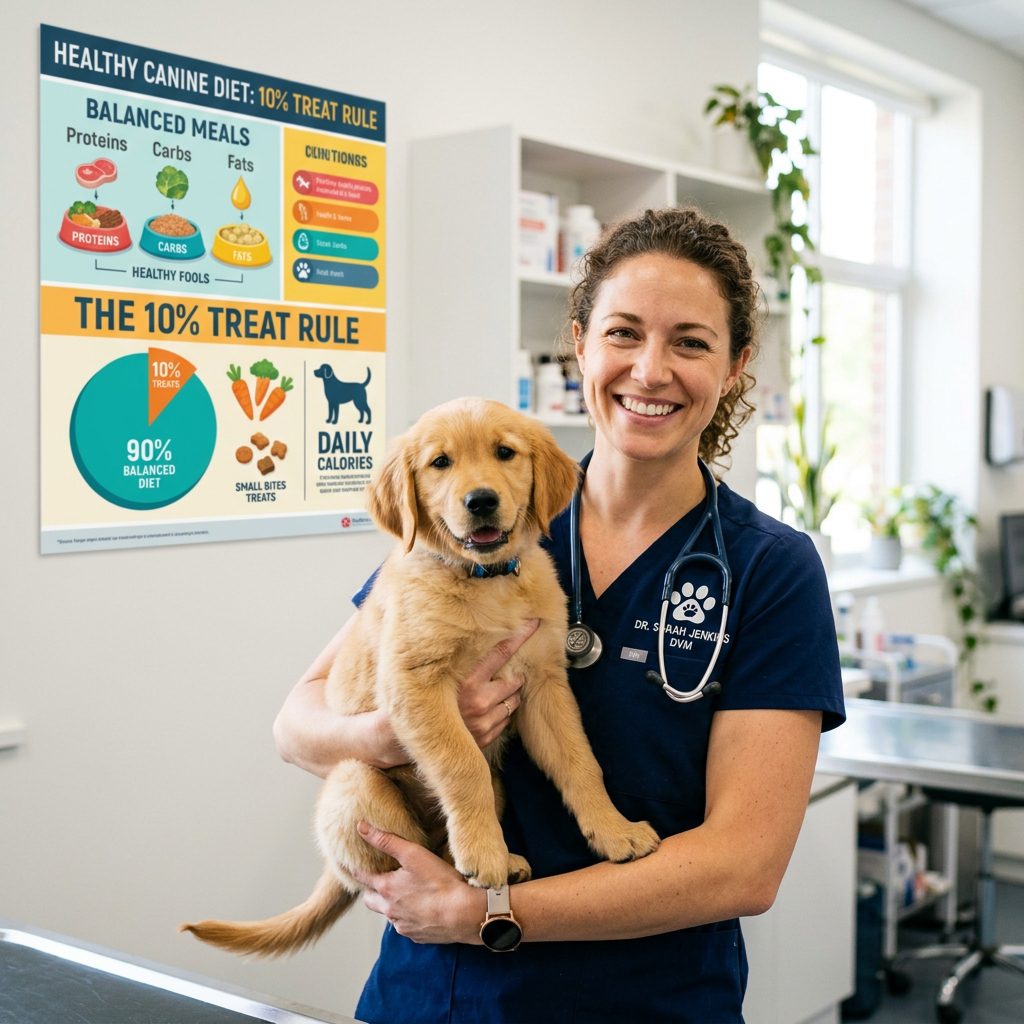
As we wrap up our masterclass on high-value treats, we must put on our veterinary health hats. Puppies have incredibly sensitive digestive systems, and their bodies are growing rapidly. Flooding their system with rich, high-fat treats can lead to two major issues: canine obesity and severe gastrointestinal distress (the dreaded puppy diarrhea).
The Golden 10% Rule
Veterinary nutritionists agree on a standard guideline: treats should never make up more than 10% of your puppy’s daily caloric intake. The remaining 90% must come from their complete and balanced puppy food to ensure they get the right ratio of calcium, phosphorus, and essential vitamins for bone and brain development.
If you are doing heavy training on a particular day, you need to reduce their mealtime kibble proportionally. For example, if your puppy gets 1 cup of food a day, and you use a handful of hot dogs and cheese for a training class, you might only feed them 3/4 of a cup of kibble that day to balance the calories.
Size Matters: Think ‘Pea-Sized’
Your puppy does not care how big the treat is; they only care that they got one! A massive chunk of steak is processed in their brain the exact same way as a piece of steak the size of a green pea. To maximize your training repetitions without overfeeding, cut all your high-value treats into incredibly tiny pieces. For small breeds like Yorkies or Chihuahuas, the treats should be the size of half a grain of rice.
Watch for Allergies and Intolerances
When introducing a new high-value treat, do it slowly. Give just one or two pieces and wait 24 hours to monitor their stool. Chicken and beef are common allergens for some dogs. If you notice itching, red ears, or loose stools after introducing a new treat, stop immediately and switch to a novel protein like lamb, salmon, or rabbit.
Conclusion
Training your puppy is one of the most rewarding journeys you will ever embark on. By understanding the treat hierarchy and strategically utilizing high-value rewards like freeze-dried liver, boiled chicken, or a quick lick from a squeeze tube, you are setting yourself up for rapid success. Remember, you are building a lifelong bond based on trust, clear communication, and positive reinforcement. Keep those training sessions short, upbeat, and fun! Always monitor their caloric intake to keep them fit and healthy, fade those lures so you don’t end up with a dog who only works for bribes, and most importantly, enjoy the process. Your puppy is eager to learn—you just need to make sure you are paying them what they are worth! Happy training, savvy dog parents!