Why Is My 12-Week-Old Puppy Humping? (And How to Stop It)
The ‘Blush-Worthy’ Puppy Phase
You’re sitting on the sofa, enjoying a quiet evening with your adorable new 12-week-old puppy, when suddenly, things get a bit… awkward. Your little ball of fluff starts humping their favorite plush toy, your leg, or even the air. Before you spiral into a panic thinking you have a ‘troubled’ pup or that puberty has arrived way too early, let me stop you right there: this is perfectly normal behavior.
As a canine specialist, I see this all the time. It’s one of the most common concerns savvy dog owners bring up during their first few weeks of puppy parenthood. While it can be embarrassing when your puppy decides to mount your neighbor’s leg during a backyard barbecue, at 12 weeks old, this behavior is rarely about sex. It’s about big emotions, a developing nervous system, and a lack of impulse control.
In this comprehensive guide, we’re going to dive deep into the ‘why’ behind the hump. We’ll explore the psychological and physiological reasons your puppy is acting out, and most importantly, I’ll provide you with a step-by-step, positive reinforcement strategy to redirect that energy into more appropriate behaviors. By the end of this article, you’ll not only understand your puppy better but also have the tools to keep your social gatherings hump-free. Let’s get started!
The ‘Why’ Behind the Hump: It’s Not What You Think
Understanding Puppy Arousal
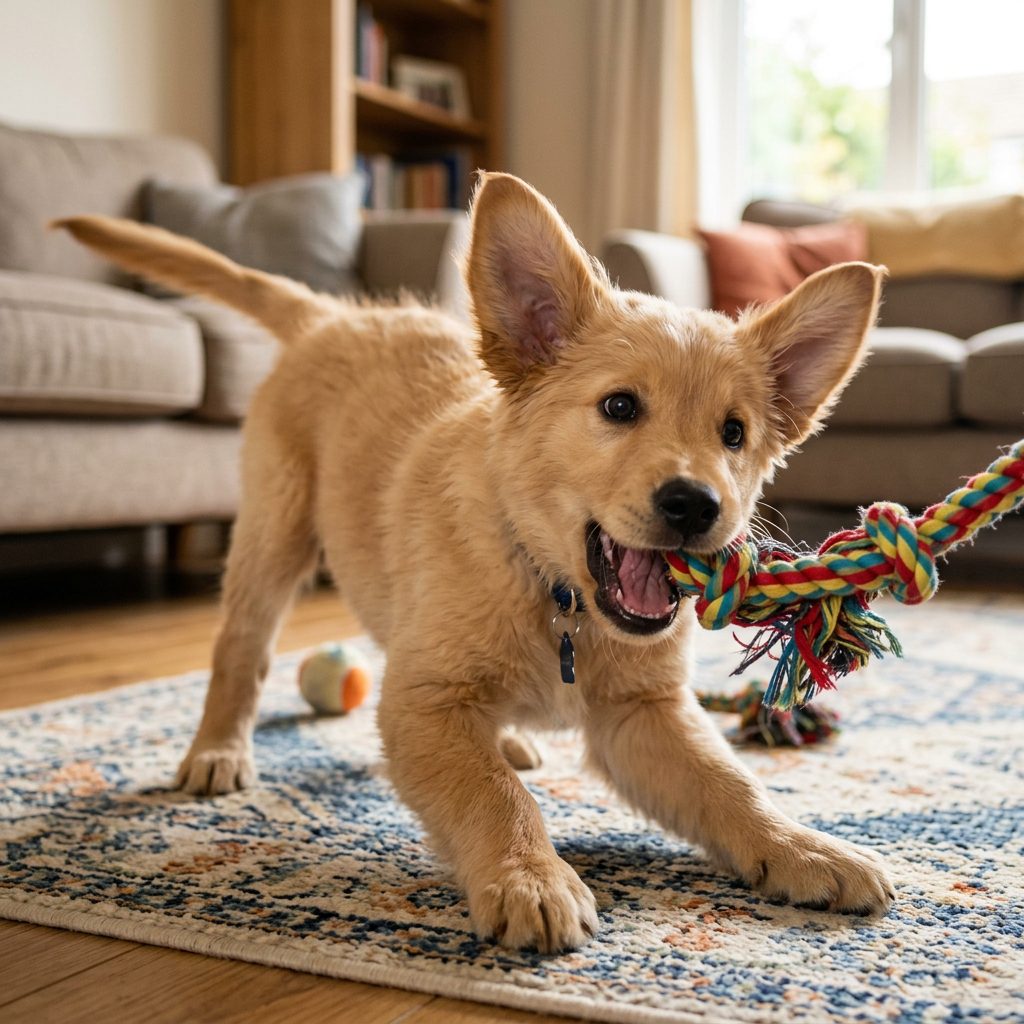
First and foremost, let’s clear the air: humping in a 12-week-old puppy is almost never a sexual act. At this age, puppies are still months away from sexual maturity. Instead, humping is what we call a displacement behavior or a sign of high arousal. In the dog world, ‘arousal’ doesn’t mean ‘sexy time’; it refers to the state of the nervous system being revved up.
Think of your puppy like a toddler who has had way too much birthday cake and is now running in circles screaming. The puppy’s brain is simply overwhelmed with excitement, stress, or even exhaustion, and that energy has to go somewhere. Humping is a physical outlet for that internal pressure.
Common Triggers for Puppy Humping
To stop the behavior, we first need to identify what’s causing it. Here is a breakdown of the most common triggers for a 12-week-old puppy:
| Trigger | Why It Happens | Common Signs |
|---|---|---|
| Over-Excitement | The puppy is so happy or stimulated they can’t contain it. | Humping during play or when guests arrive. |
| Stress or Anxiety | A way to self-soothe when feeling overwhelmed. | Humping after a scary noise or in a new environment. |
| Overtiredness | Like a ‘cranky’ toddler, the pup loses impulse control. | Humping late at night or after a long day. |
| Play Solicitation | They want to engage but don’t know how to ask politely. | Humping other dogs or your legs to get attention. |
Expert Tip: If your puppy starts humping right after a session of ‘zoomies,’ it’s a classic sign of over-arousal. Their ‘bucket’ of excitement is overflowing, and they’re looking for a way to empty it!
Is It Dominance? (Spoiler: Probably Not)
Debunking the Dominance Myth
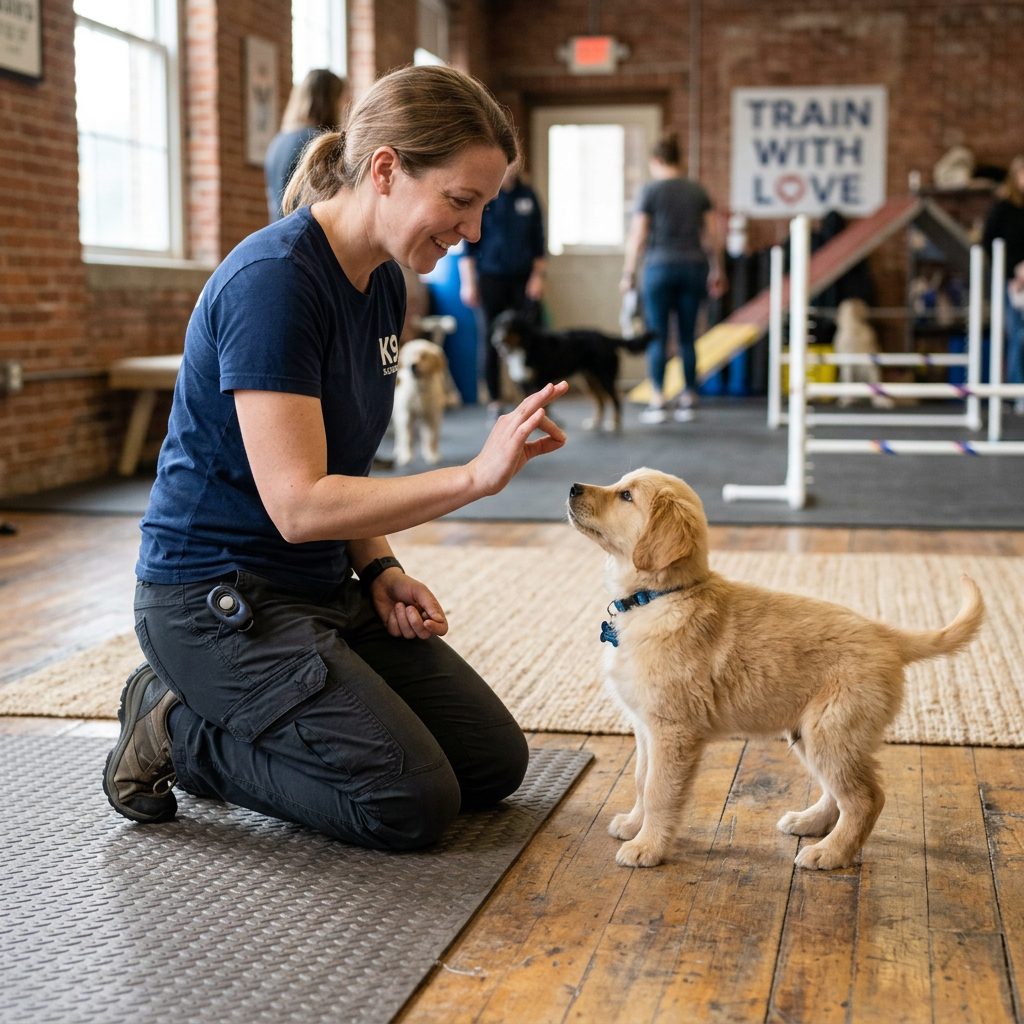
For decades, old-school training advice suggested that humping was a puppy’s way of ‘asserting dominance’ over you. I want you to erase that from your mind right now. Modern canine science has moved far beyond the ‘alpha’ and ‘dominance’ theories. Your 12-week-old puppy isn’t trying to take over the household or become the ‘boss’ of you.
When a puppy humps your leg, they aren’t saying, ‘I am the king of this castle.’ They are saying, ‘I am so excited/stressed/tired right now and I don’t know what to do with my body!’ Treating this as a power struggle often leads to punitive training methods that can damage the bond you’re building with your pup. Instead of ‘showing them who’s boss,’ our goal is to show them how to regulate their emotions.
The Role of Play and Socialization
At 12 weeks, puppies are in the heart of their socialization period. They are learning how to interact with the world. Sometimes, humping is just ‘bad manners’ in play. They might try it with another dog, and a well-socialized adult dog will usually give them a ‘correction’ (a growl or a snap) that tells the puppy, ‘Hey, that’s not how we play.’ Since we aren’t dogs, we have to use different methods to teach those same social boundaries.
The 5-Step Guide to Stopping the Behavior
A Positive Reinforcement Strategy
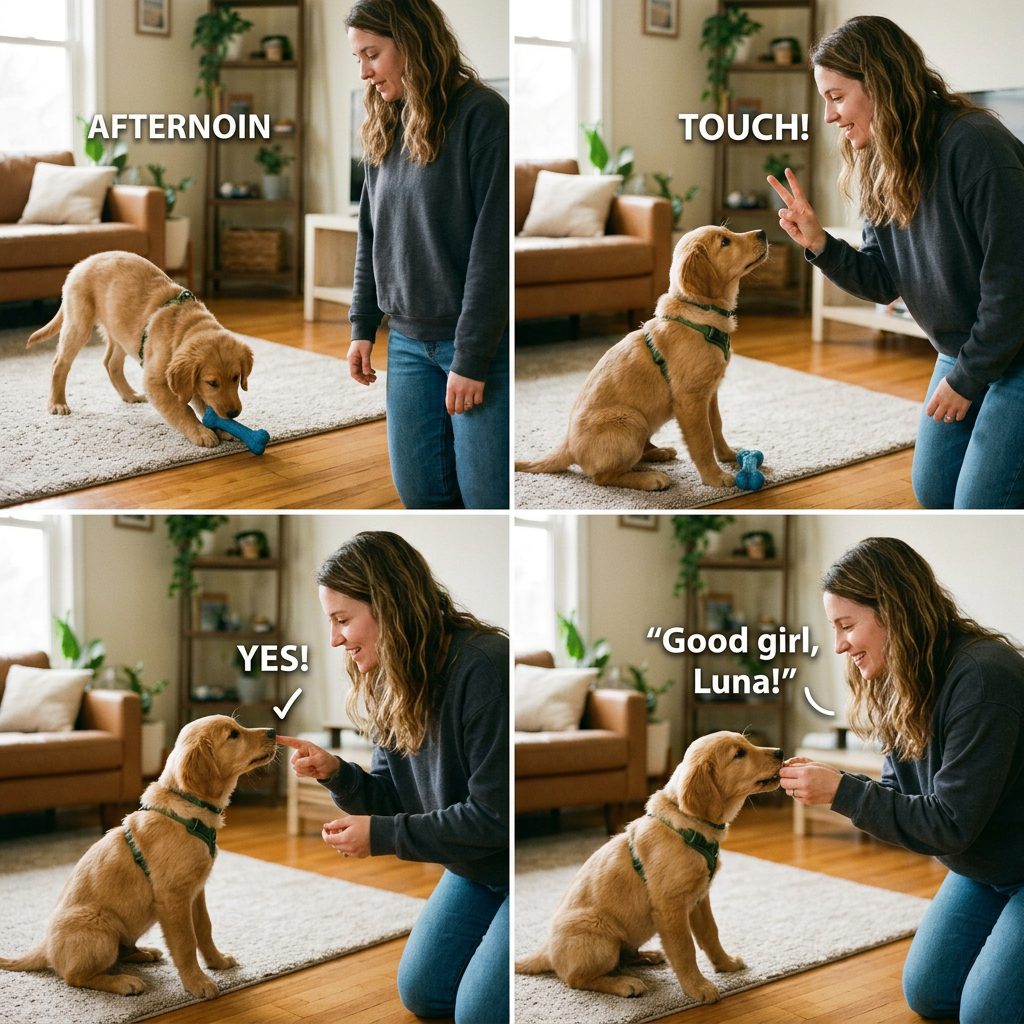
Now that we understand the ‘why,’ let’s talk about the ‘how.’ We want to stop the humping without scaring the puppy or creating a negative association. Follow this step-by-step protocol to redirect your pup’s energy.
Step 1: Identify the Warning Signs
Most puppies have a ‘tell’ before they start humping. They might get a glazed look in their eyes, start panting heavily, or begin ‘mouthing’ your clothes more intensely. If you can catch the behavior before it starts, you’re 90% of the way there.
Step 2: Interrupt (Don’t Punish)
The moment you see the behavior starting, use a neutral interrupter. A quick ‘Oops!’ or a kissy noise is enough to break their focus. Avoid yelling ‘NO!’ or pushing them off forcefully, as this can actually increase their arousal level (they might think you’re playing back!).
Step 3: Redirect to an Appropriate Target
Once you’ve broken their focus, immediately give them something else to do. This is where a high-value toy or a scatter feed comes in. Toss a handful of kibble on the floor or hand them a long-lasting chew. You are giving that ‘overflowing energy’ a safe place to land.
Step 4: Practice the ‘Sit’ or ‘Touch’ Command
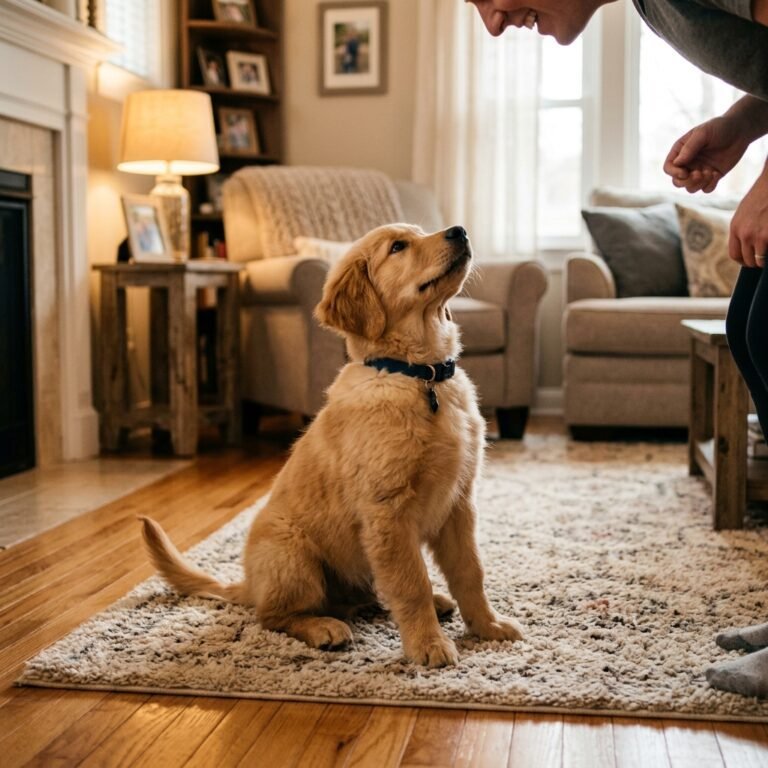
Ask your puppy for a known behavior like a ‘Sit’ or a ‘Touch’ (bumping their nose to your palm). This forces the puppy to use the ‘thinking’ part of their brain rather than the ‘reactive’ part. When they comply, reward them heavily with praise and a treat.
Step 5: Implement a ‘Calm Down’ Period
If the humping is happening because the puppy is overstimulated or overtired, the best solution is a nap. Gently lead them to their crate or exercise pen with a stuffed Kong. Often, 10 minutes of quiet time is all they need to reset their nervous system.
Key Takeaway: Consistency is king. Every member of the household needs to follow the same ‘Interrupt and Redirect’ protocol for it to work effectively.
Tools and Environment Management
Setting Your Puppy Up for Success
Sometimes, the best way to stop a behavior is to prevent it from happening in the first place. This is called environmental management. If your puppy always humps a specific giant teddy bear, the simplest solution is to put that teddy bear away for a few weeks.
The ‘Safe Space’ Strategy
Ensure your puppy has a dedicated space where they can go when they feel overwhelmed. This could be a crate, a playpen, or a specific corner of the room. When you see the arousal levels climbing—maybe during a lively game of fetch—proactively move the puppy to their safe space before the humping begins.
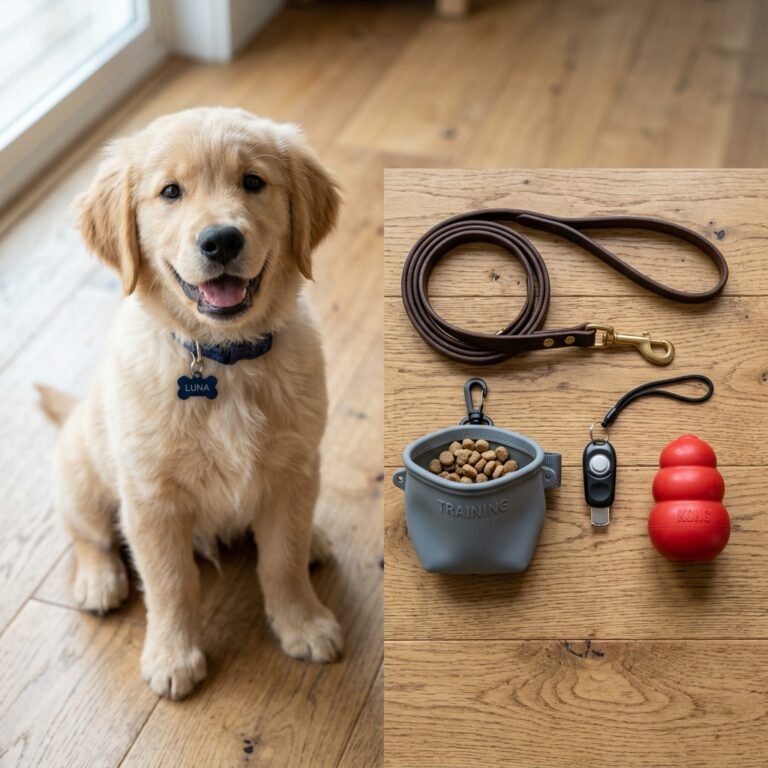
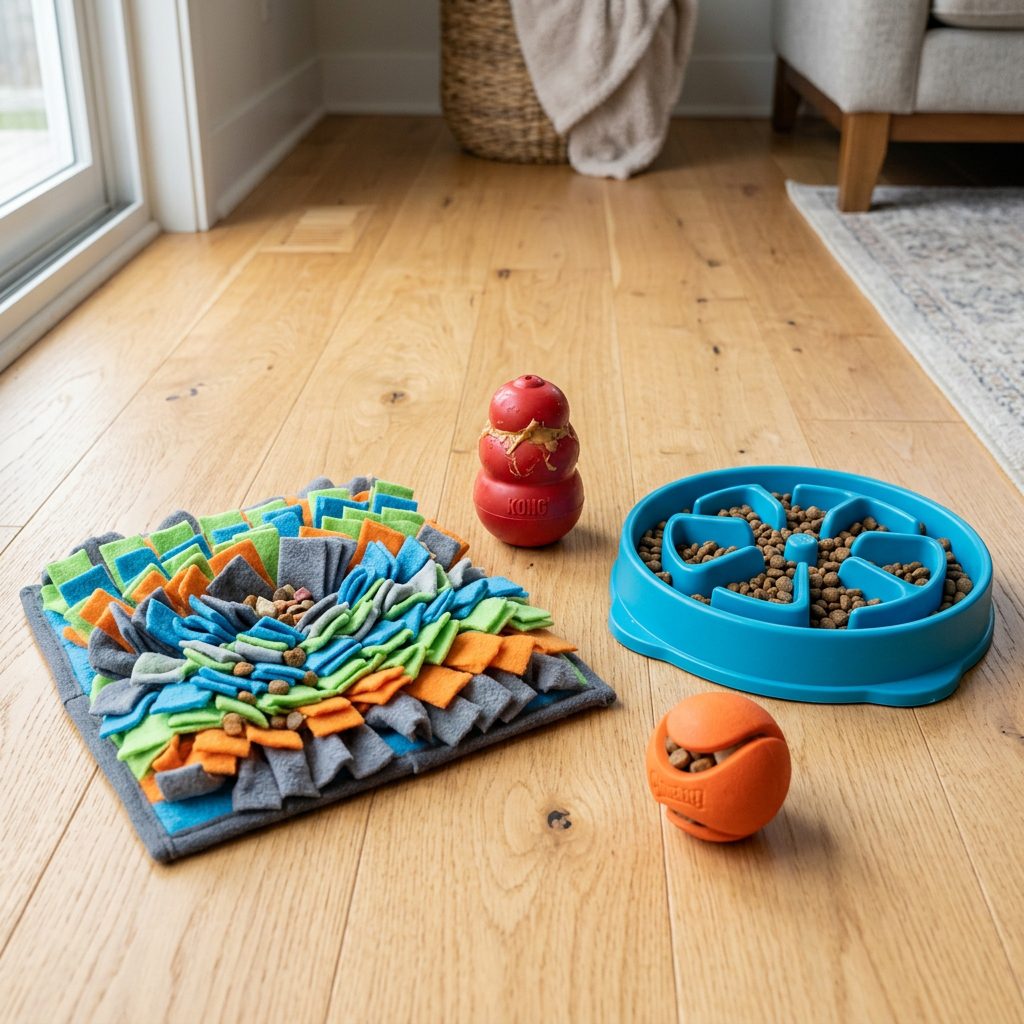
Essential Tools for Redirecting Energy
- Snuffle Mats: These encourage foraging behavior, which is naturally calming for dogs.
- Lick Mats: Licking releases endorphins that help lower a puppy’s heart rate.
- Puzzle Toys: Mental stimulation is often more tiring (in a good way) than physical exercise.
- Long-Line Leashes: If your puppy humps guests, keeping them on a light house-line allows you to gently guide them away without a physical struggle.
By providing these outlets, you’re giving your puppy a ‘toolbox’ of behaviors that feel just as good as humping but are much more socially acceptable.
Common Mistakes to Avoid
What NOT to Do
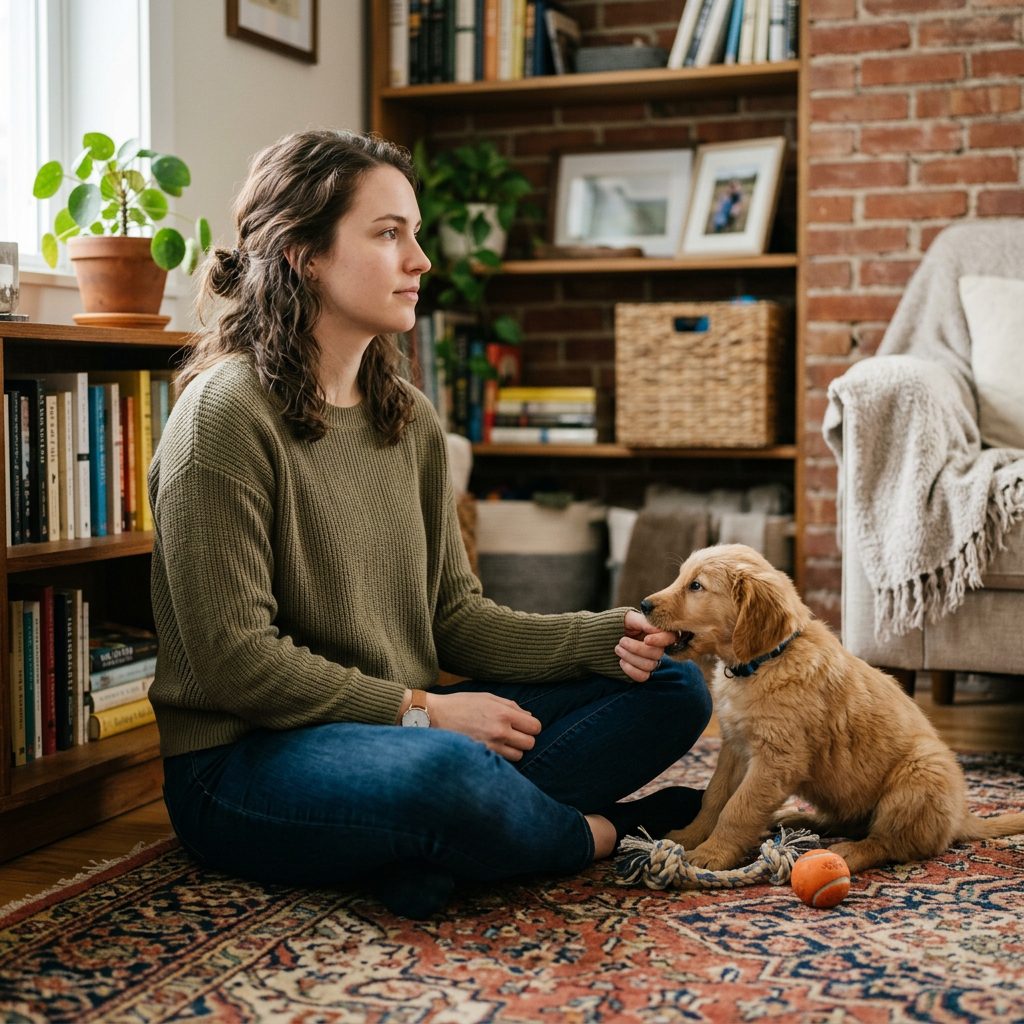
In our quest to stop the humping, it’s easy to fall into some common traps. Here are a few things to avoid:
- Laughing: It’s hard not to giggle sometimes, but laughter is a form of attention. If your puppy thinks humping makes you happy or starts a game, they’ll do it more often.
- Physical Punishment: Kneeing the dog or ‘alpha rolling’ them will only teach them to fear you. It doesn’t address the underlying stress or excitement.
- Ignoring It Completely: While you don’t want to give ‘bad’ attention, simply letting them hump away can allow the behavior to become a ‘self-reinforcing’ habit. The physical act feels good to them, so they’ll keep doing it if not redirected.
- Over-Exercising: You might think a tired dog is a good dog, but an overtired puppy is a humping puppy. Stick to the ‘5 minutes of exercise per month of age’ rule.
Remember: Your puppy is just a baby. They aren’t being ‘bad’; they are just learning how to exist in a human world with very strange rules!
When to See a Vet or Professional Trainer
Rule Out Medical Issues
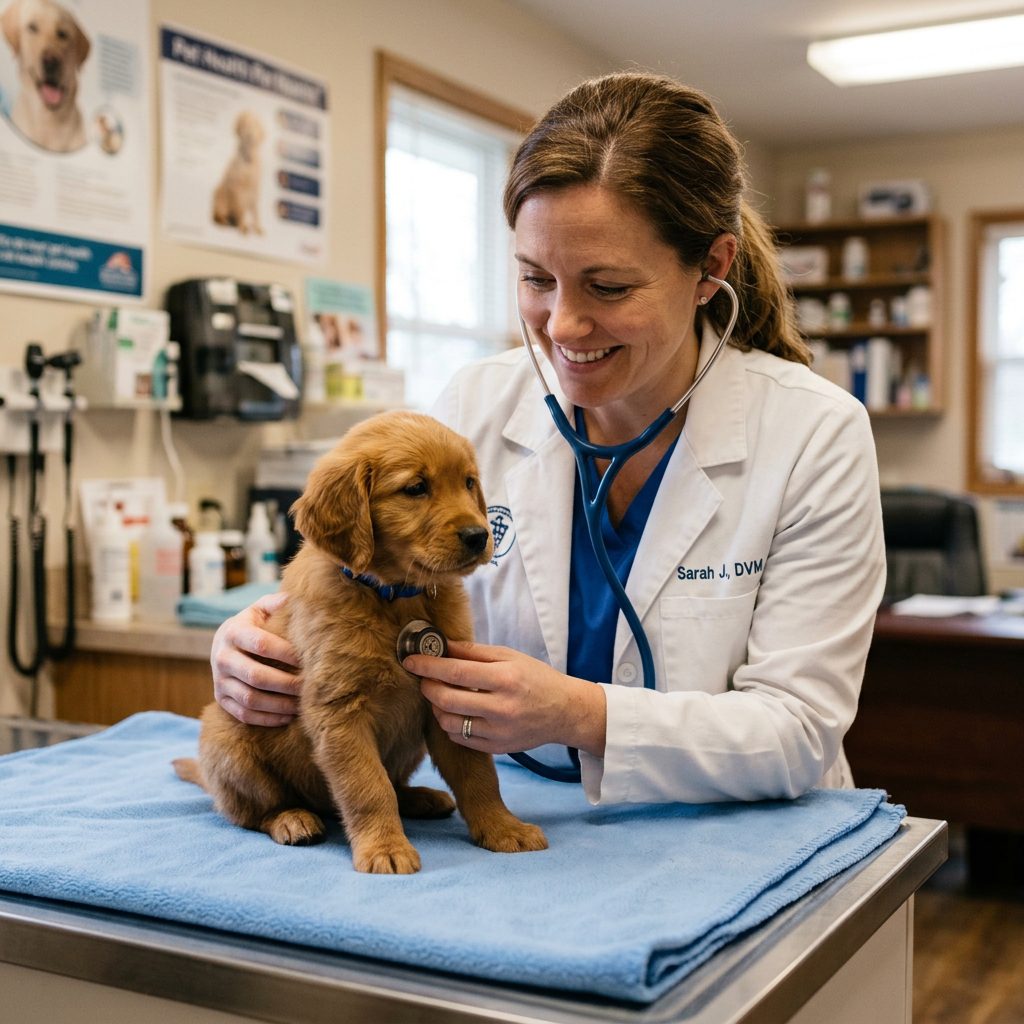
While 95% of puppy humping is behavioral, there is a small chance it could be medical. If your 12-week-old puppy is humping excessively and also showing these signs, it’s time for a vet visit:
- Licking their genital area constantly.
- Whining while urinating.
- Straining to go to the bathroom.
- Visible redness or swelling.
These could be signs of a Urinary Tract Infection (UTI), skin allergies, or irritation. If the puppy feels discomfort in that area, they may hump objects to try and ‘scratch the itch’ or soothe the pain.
When to Call a Trainer
If you’ve tried redirection and management for several weeks and the behavior is escalating into aggression (growling or snapping when you try to move them), it’s time to call a certified positive reinforcement trainer. They can help you identify subtle triggers you might be missing and create a tailored plan for your specific pup.
Conclusion
Patience, Persistence, and Plenty of Treats
Having a 12-week-old puppy who humps can feel like a social catastrophe, but I promise you, it’s just a passing phase in the grand journey of puppyhood. By understanding that this behavior is a symptom of high arousal and excitement rather than a bid for world domination, you can approach the situation with the empathy and patience your puppy needs.
Focus on catching those early warning signs, redirecting that frantic energy into a fun game or a calming chew, and ensuring your pup gets plenty of rest. Before you know it, your puppy will have developed the impulse control they need to keep all four paws on the floor. You’ve got this, and your puppy is lucky to have such a savvy, dedicated owner. Now, go grab a bag of treats and enjoy those puppy cuddles—hump-free!