The Exact Forced Nap Schedule That Cures Crazy, Over-Tired Puppy Tantrums
If you have recently brought a new puppy into your home, you are likely currently living in a state of beautiful, chaotic, and slightly painful bliss. One moment, your puppy is a literal angel, snuggling into your neck with that sweet puppy breath; the next, they have transformed into a ‘Sharknado’—a whirling dervish of teeth, growls, and frantic running that seems impossible to stop. Most new owners assume their puppy has ‘too much energy’ and try to tire them out with more play, more walks, and more stimulation. However, as a canine specialist, I am here to tell you that the opposite is usually true. Your puppy isn’t hyper; they are over-tired. Much like human toddlers, puppies do not have an ‘off’ switch. When they cross the threshold of exhaustion, their brains stop processing information, their impulse control vanishes, and they enter a state of frantic over-stimulation. This is where the forced nap schedule becomes your greatest tool for sanity. In this guide, we will dive deep into the biological necessity of sleep for puppies and provide you with a step-by-step schedule that will transform your ‘land shark’ into the calm, focused companion you dreamed of.
The Science of the ‘Puppy Witching Hour’
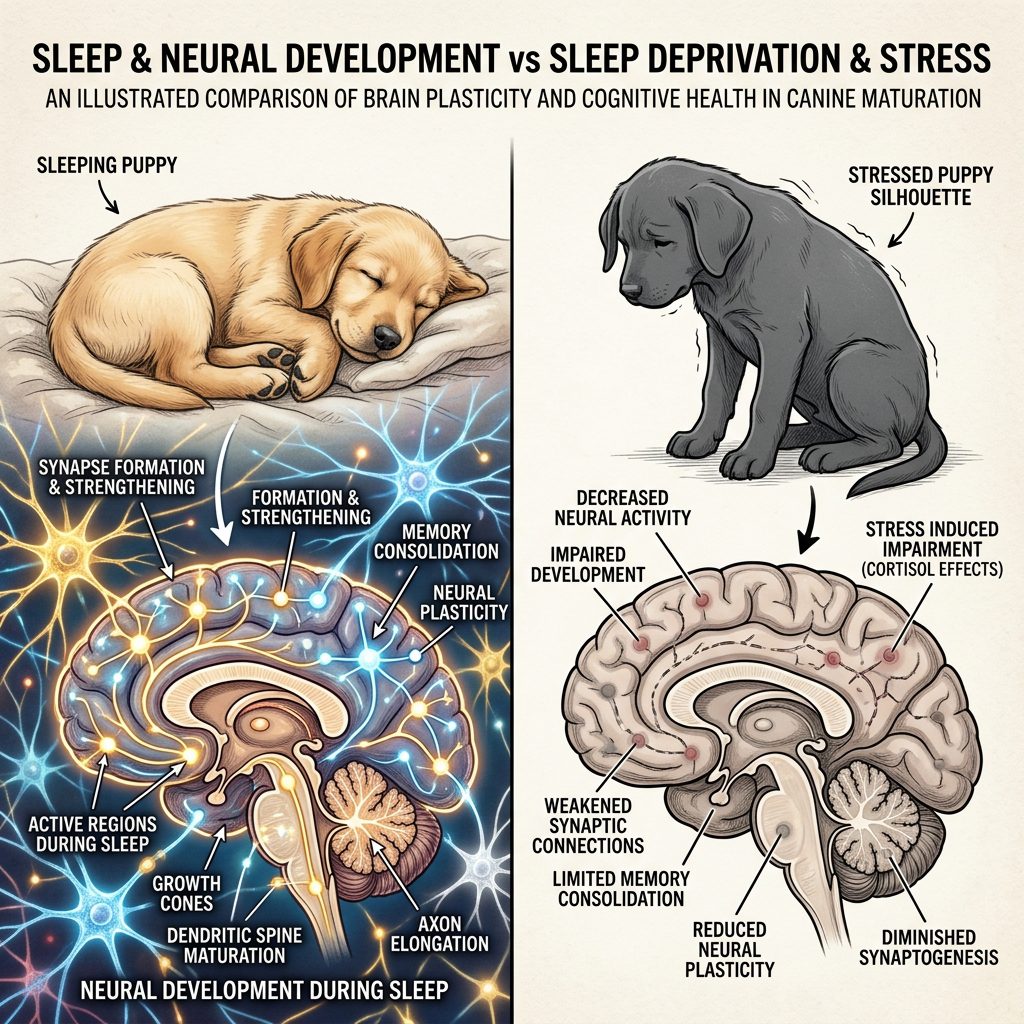
To understand why forced naps are necessary, we first need to look at the biology of a developing canine. A puppy between 8 and 20 weeks old requires an incredible amount of sleep—typically between 18 and 20 hours per day. This sleep isn’t just for rest; it is when their bodies grow, their immune systems strengthen, and, most importantly, when their brains process everything they learned during their ‘up’ time. When a puppy stays awake for too long, their body begins to produce cortisol and adrenaline to keep them going. This creates a state of hyper-arousal.
An over-tired puppy is a puppy that has lost the ability to regulate their own emotions. At this stage, no amount of training or ‘no’ commands will work because the puppy’s brain is effectively offline.
This leads to the infamous ‘witching hour,’ usually occurring in the late afternoon or evening, where the puppy becomes increasingly mouthy, begins humping, or runs ‘zoomies’ that result in furniture being knocked over. By implementing a forced nap schedule, you prevent the puppy from ever reaching this state of chemical imbalance, keeping them in a ‘learning-ready’ frame of mind throughout the day.
Identifying the ‘Sharknado’: Signs Your Puppy Is Over-Tired
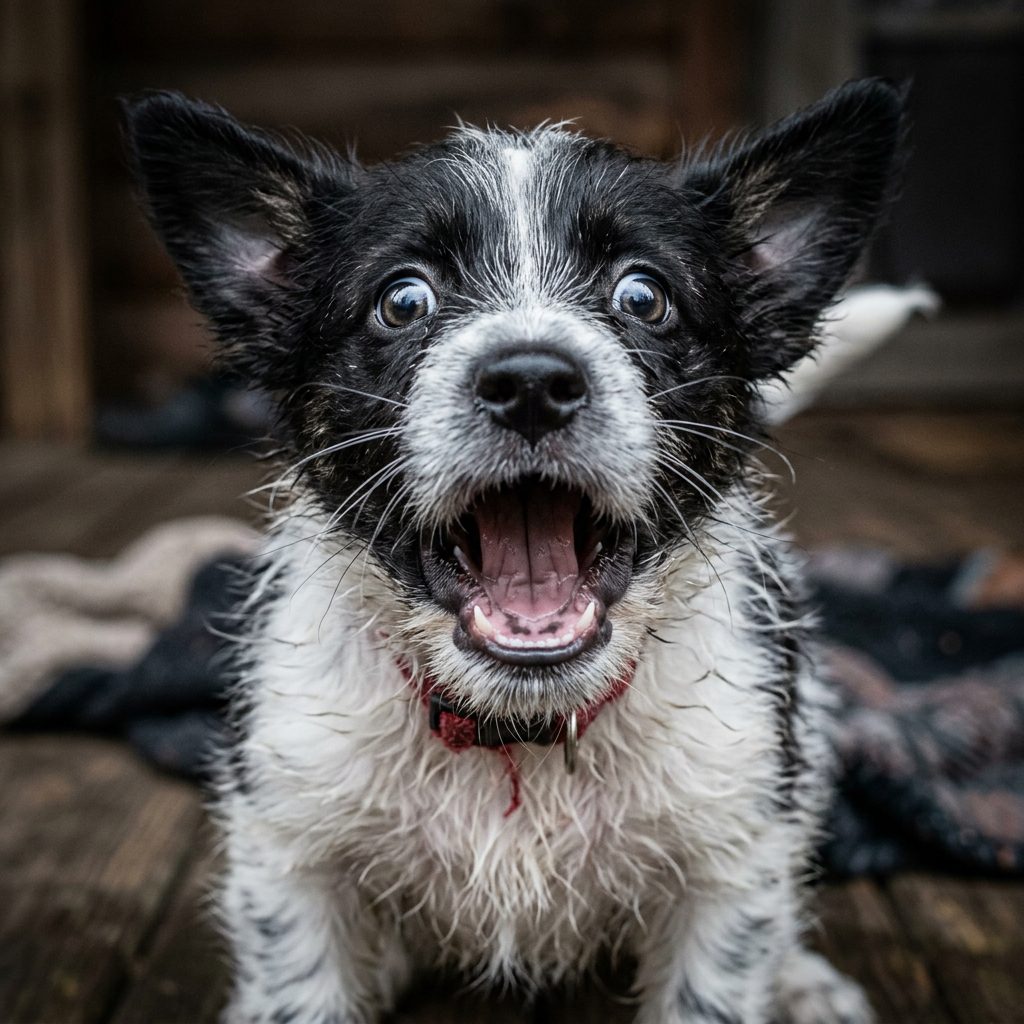
Savvy dog owners need to be able to read the subtle (and not-so-subtle) signs that a nap is overdue. While every puppy is different, there are universal red flags that indicate your pup has crossed the line from ‘playful’ to ‘exhausted.’
Common Red Flags
- Hard Biting: If your puppy’s play biting suddenly becomes harder, more frequent, and they are lunging at your clothes or ankles, they are likely over-tired.
- Ignoring Known Commands: If your pup usually sits on command but is suddenly ‘blowing you off,’ their brain is too tired to focus.
- The ‘Glazed’ Look: Look at your puppy’s eyes. If they look wide, red-rimmed, or glassy, they are in a state of hyper-arousal.
- Excessive Barking or Growling: Vocalizing more than usual for no apparent reason is a sign of frustration and fatigue.
- Frantic Zoomies: While zoomies can be a normal release of energy, zoomies that end in biting or crashing into things are a cry for a nap.
By catching these signs early, you can transition your puppy to their nap space before the full-blown tantrum begins. Remember, the goal is to be proactive, not reactive.
The Golden Rule: 1 Hour Up, 2 Hours Down
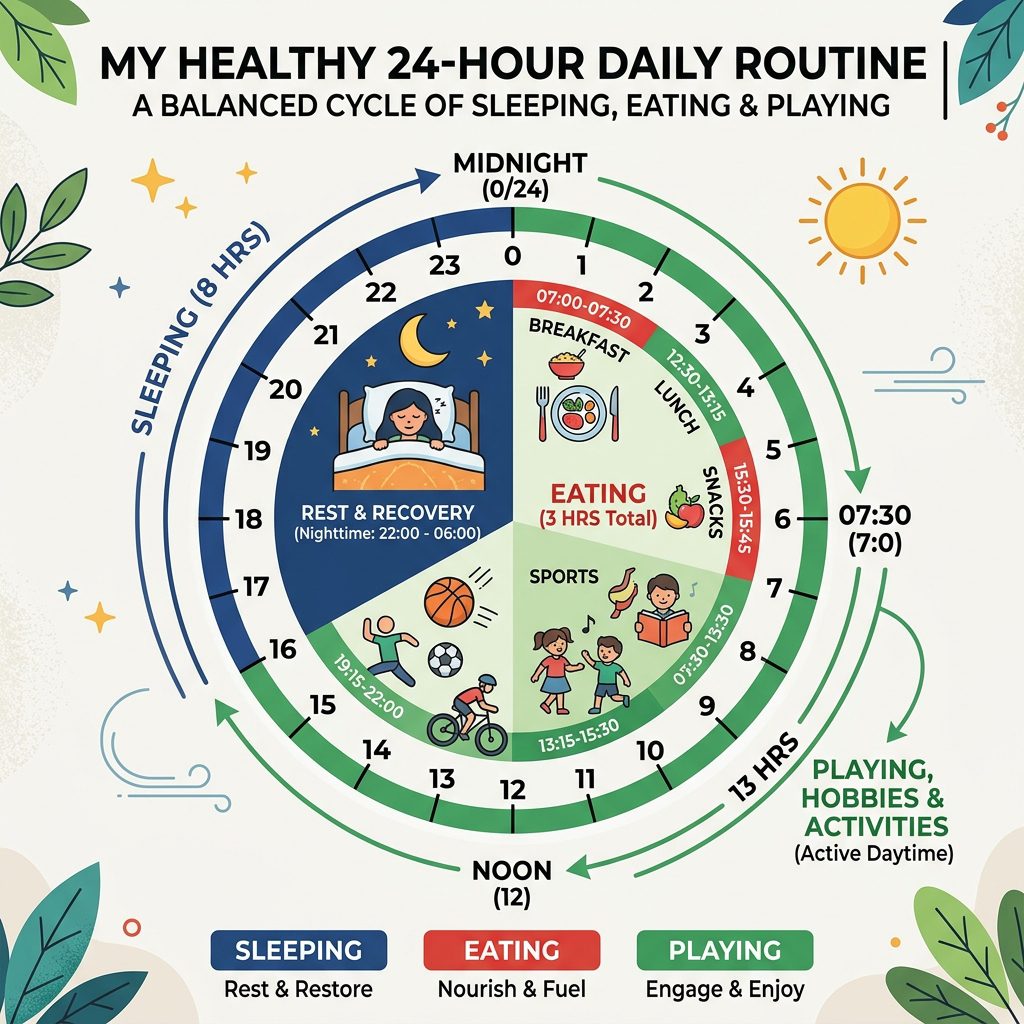
The most effective forced nap schedule follows a simple ratio: for every one hour of awake time, your puppy should have two hours of sleep time. This 1:2 ratio ensures they are getting the 18-20 hours of sleep they require while still having plenty of time for socialization, training, and bonding. Below is a sample schedule for a typical puppy day.
| Time | Activity | Goal |
|---|---|---|
| 7:00 AM – 8:00 AM | Wake up, Potty, Breakfast, Training | Physical & Mental Engagement |
| 8:00 AM – 10:00 AM | Forced Nap #1 (Crate) | Deep Rest |
| 10:00 AM – 11:00 AM | Potty, Short Walk, Play | Socialization |
| 11:00 AM – 1:00 PM | Forced Nap #2 (Crate) | Deep Rest |
| 1:00 PM – 2:00 PM | Potty, Lunch, Training | Mental Stimulation |
| 2:00 PM – 4:00 PM | Forced Nap #3 (Crate) | Deep Rest |
| 4:00 PM – 5:00 PM | Potty, Play, Tethered Time | Bonding |
| 5:00 PM – 7:00 PM | Forced Nap #4 (Crate) | Deep Rest |
| 7:00 PM – 8:30 PM | Potty, Dinner, Family Time | Relaxation |
| 8:30 PM – 9:30 PM | Quiet Time/Chewing | Winding Down |
| 10:00 PM | Final Potty & Bedtime | Overnight Sleep |
This schedule may seem rigid, but it provides the structure puppies crave. Dogs are creatures of habit, and knowing exactly when they will eat, play, and sleep reduces anxiety significantly.
Creating the Ultimate Nap Sanctuary
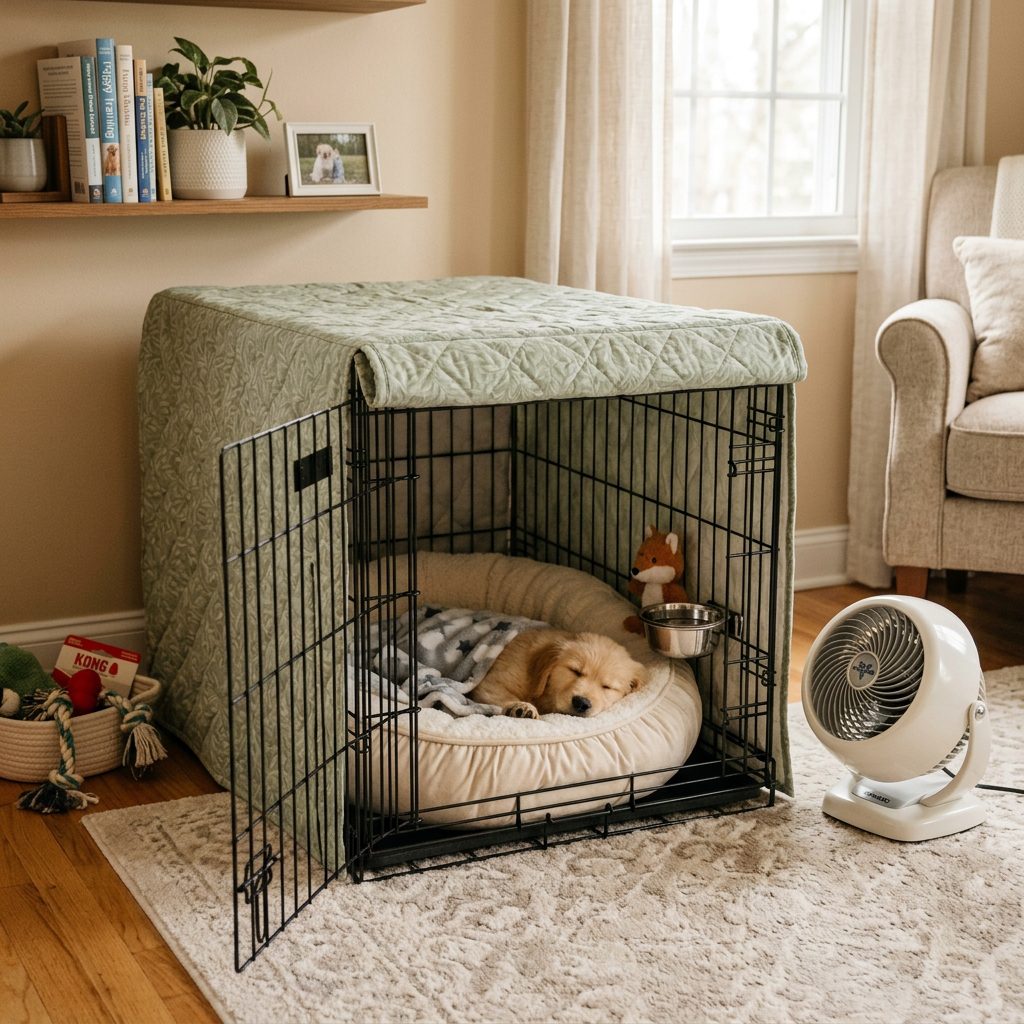
You cannot simply tell a puppy to ‘go take a nap’ and expect them to curl up on the rug. Their FOMO (Fear Of Missing Out) is too strong. You must create an environment that triggers their natural denning instinct.
Essential Tools for Success
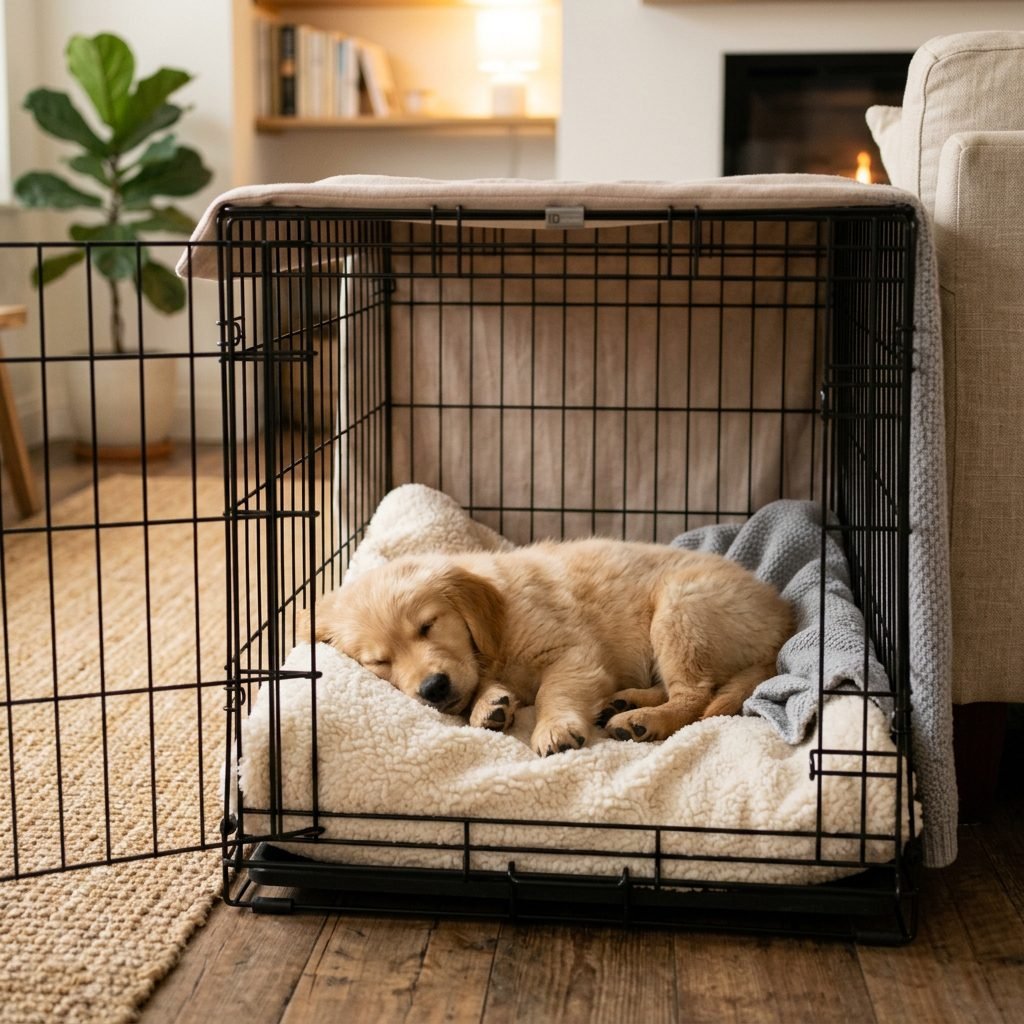
- The Crate: A properly sized crate is the gold standard for forced naps. It limits their movement and prevents them from getting distracted by toys or family members.
- Crate Cover: Using a dark, breathable cover or a heavy blanket over the crate mimics a dark den and signals to the puppy’s brain that it is time for melatonin production.
- White Noise: A fan or a dedicated white noise machine can drown out the sounds of the household—the TV, the dishwasher, or people talking—which might otherwise wake the puppy.
- Temperature Control: Puppies can’t regulate their temperature as well as adults. Ensure the room is cool (around 68-72°F).
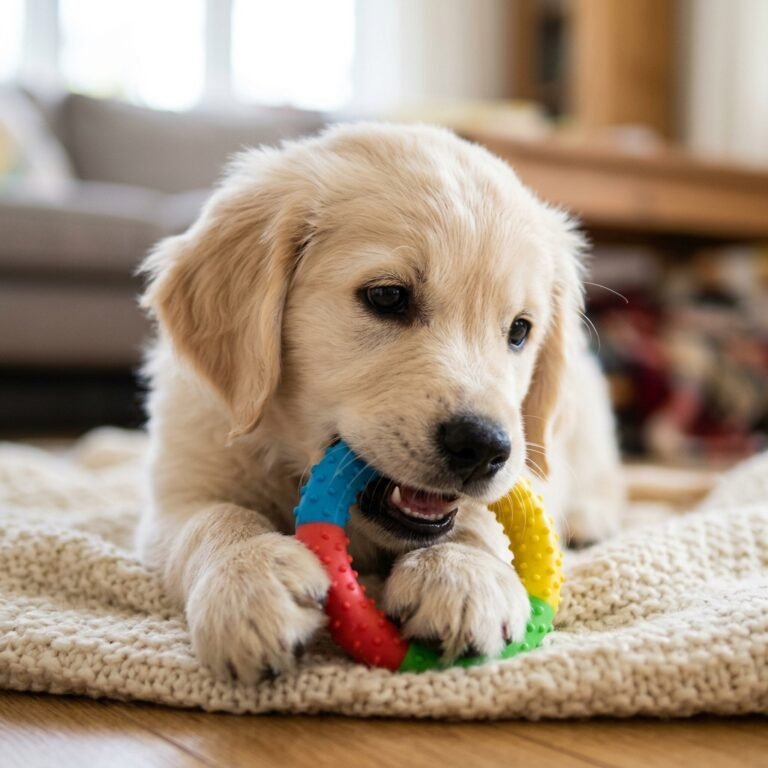
- Safe Chew Toy: Sometimes a puppy needs 5 minutes of ‘self-soothing’ before they drift off. A safe, durable chew toy can help them transition.
By making the crate a ‘spa-like’ environment, your puppy will eventually begin to look forward to their quiet time.
Step-by-Step: Implementing the Forced Nap
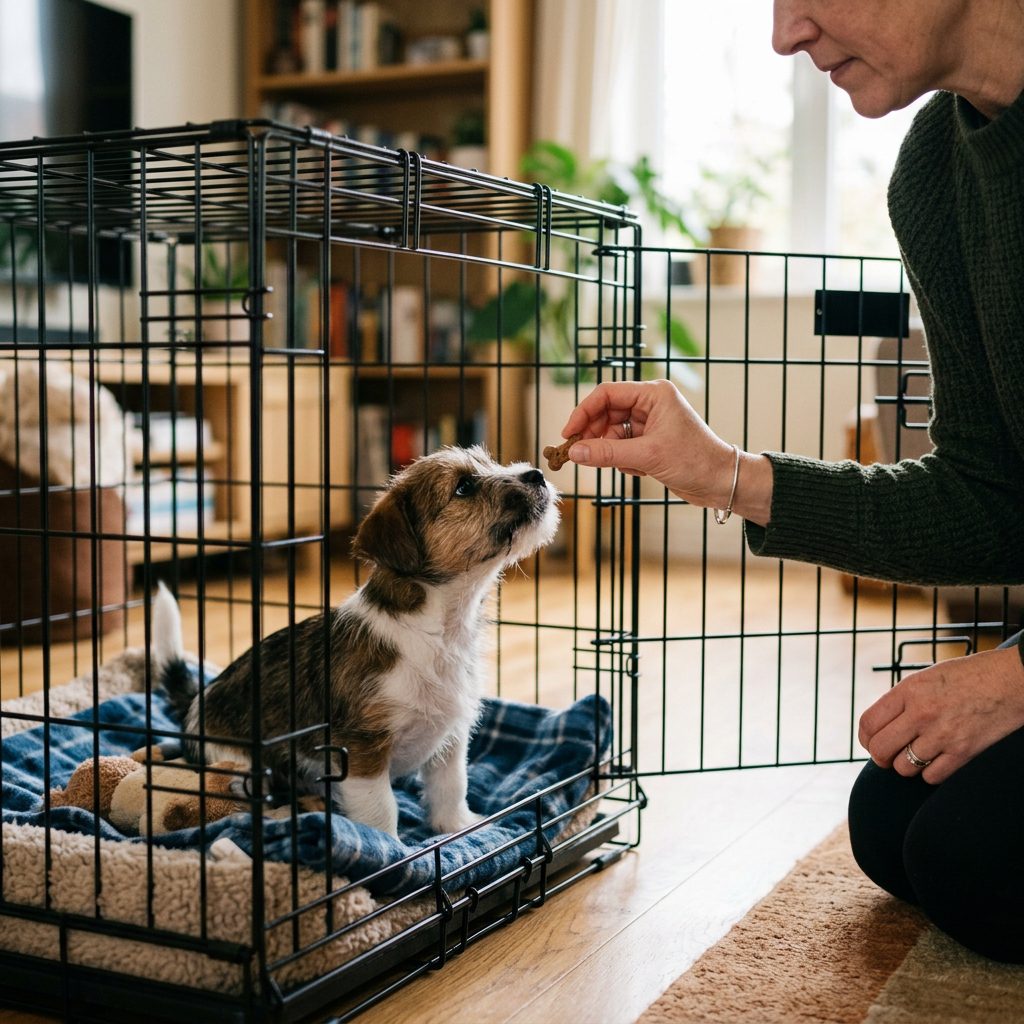
Transitioning from play to a nap requires a gentle ‘cool down’ period. You shouldn’t go from a high-intensity game of tug directly into the crate.
The Transition Process
- The 15-Minute Wind Down: About 15 minutes before nap time, stop all high-energy play. Switch to gentle petting or let them sniff in the yard.
- The Potty Break: Always ensure the puppy has an empty bladder and bowels before a nap. A puppy who has to pee will not settle.
- The ‘Lure’ and Reward: Use a high-value treat to lure the puppy into the crate. Never force or shove them in, as this creates a negative association.
- The Quiet Command: Use a consistent cue like ‘Nap time’ or ‘In your house.’ Give them the treat once they are inside.
- Walk Away: Once the door is closed and the cover is down, leave the room. Your presence will only encourage them to stay awake to interact with you.
Consistency is the key. If you follow this routine every single time, the puppy will begin to enter the crate voluntarily when they see the signs of nap time approaching.
Troubleshooting: What to Do When Your Puppy Protests
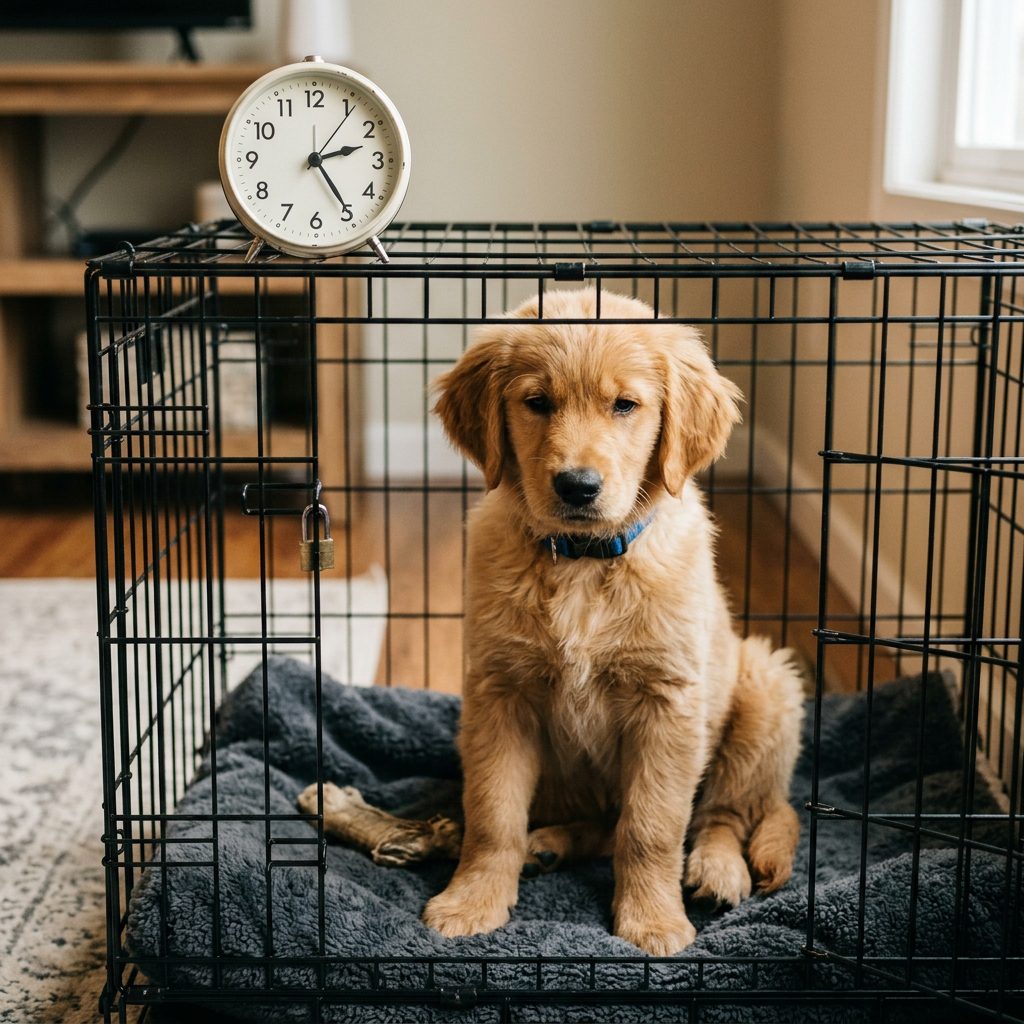
It is perfectly normal for a puppy to whine or bark for a few minutes when first placed in their crate for a forced nap. However, you need to distinguish between ‘demand barking’ and ‘distress.’
The 10-Minute Rule
If your puppy is whining or barking, wait 10 minutes. Most puppies will settle and fall asleep within this window. If they are still barking frantically after 10 minutes, check the following:
- Do they need to potty? (If so, take them out on a leash, no talking, no play, then straight back in).
- Are they physically uncomfortable? (Too hot/cold).
- Are they hungry?
Pro Tip: Never let a puppy out while they are actively barking. Wait for even a 3-second ‘lull’ in the noise to open the door, so you aren’t rewarding the barking behavior.
If your puppy is suffering from true separation anxiety (panting, drooling, or injuring themselves), you may need to consult a professional trainer to work on crate desensitization specifically.
Adjusting the Schedule as Your Puppy Grows
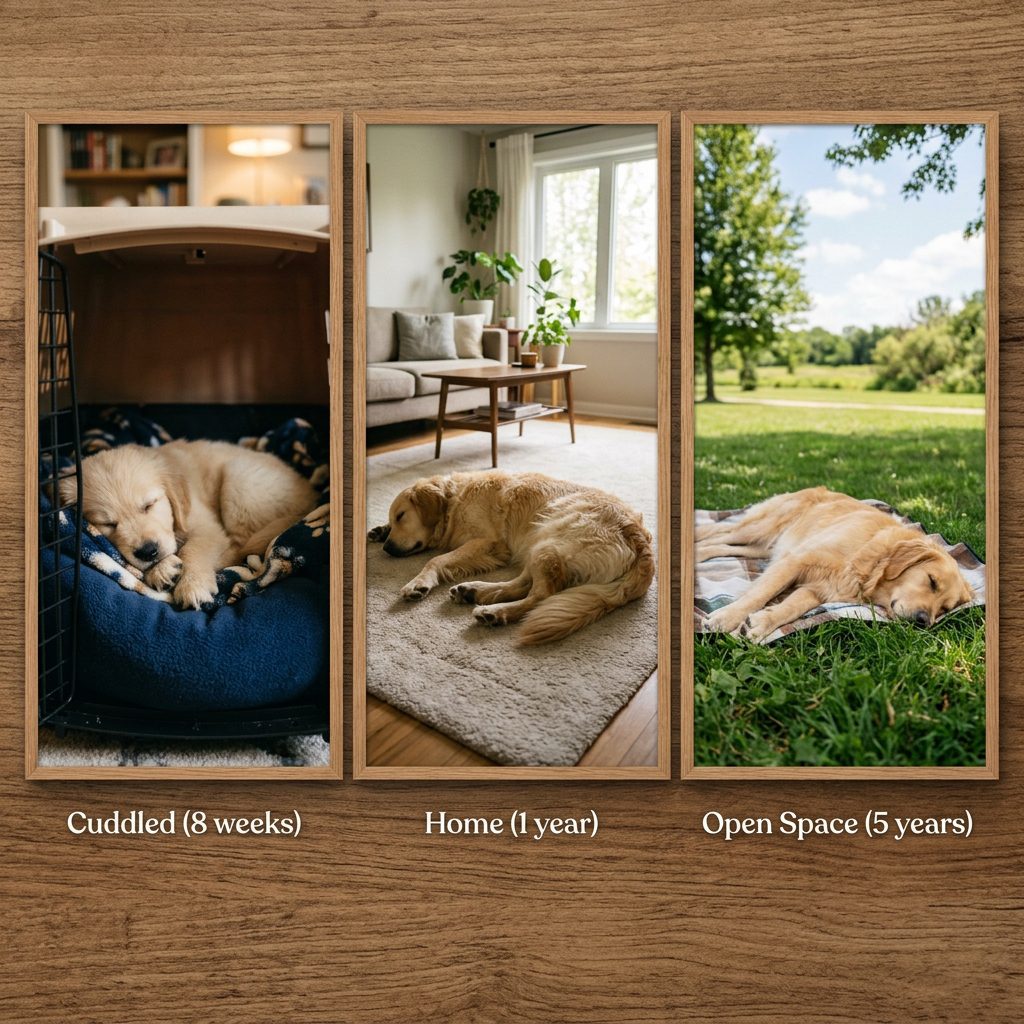
As your puppy matures, their sleep needs will gradually decrease, and their ability to hold their bladder will increase. You won’t need to force naps forever, but you should phase them out slowly.
| Age | Sleep Needed | Nap Ratio |
|---|---|---|
| 8-12 Weeks | 18-20 Hours | 1 hour up / 2 hours down |
| 4-5 Months | 16-18 Hours | 1.5 hours up / 2 hours down |
| 6-9 Months | 14-16 Hours | 2 hours up / 1.5 hours down |
| 12 Months+ | 12-14 Hours | Self-regulated naps / ‘Place’ training |
By the time your dog is a year old, they should have developed the ‘off-switch’ naturally because you taught them how to rest during their formative months. Eventually, the ‘forced’ nap in a crate can transition to a ‘settle’ on a dog bed in the same room as you.
Conclusion
Implementing a forced nap schedule is not ‘mean’ or ‘lazy’ parenting; it is one of the kindest things you can do for your developing puppy. By ensuring they get the 18-20 hours of sleep their biology demands, you are setting them up for a lifetime of emotional stability and good behavior. You will find that your training sessions are more productive, your ankles are less bruised from puppy teeth, and your bond with your dog grows stronger because you aren’t constantly frustrated by their ‘crazy’ behavior. Stick to the 1:2 rule, create a peaceful sanctuary, and remember: a sleeping puppy is a growing, learning, and happy puppy. You’ve got this!