3 AM Noise! How to Stop Your Puppy Scratching and Digging at the Plastic Crate Pan
The Midnight Symphony Nobody Asked For
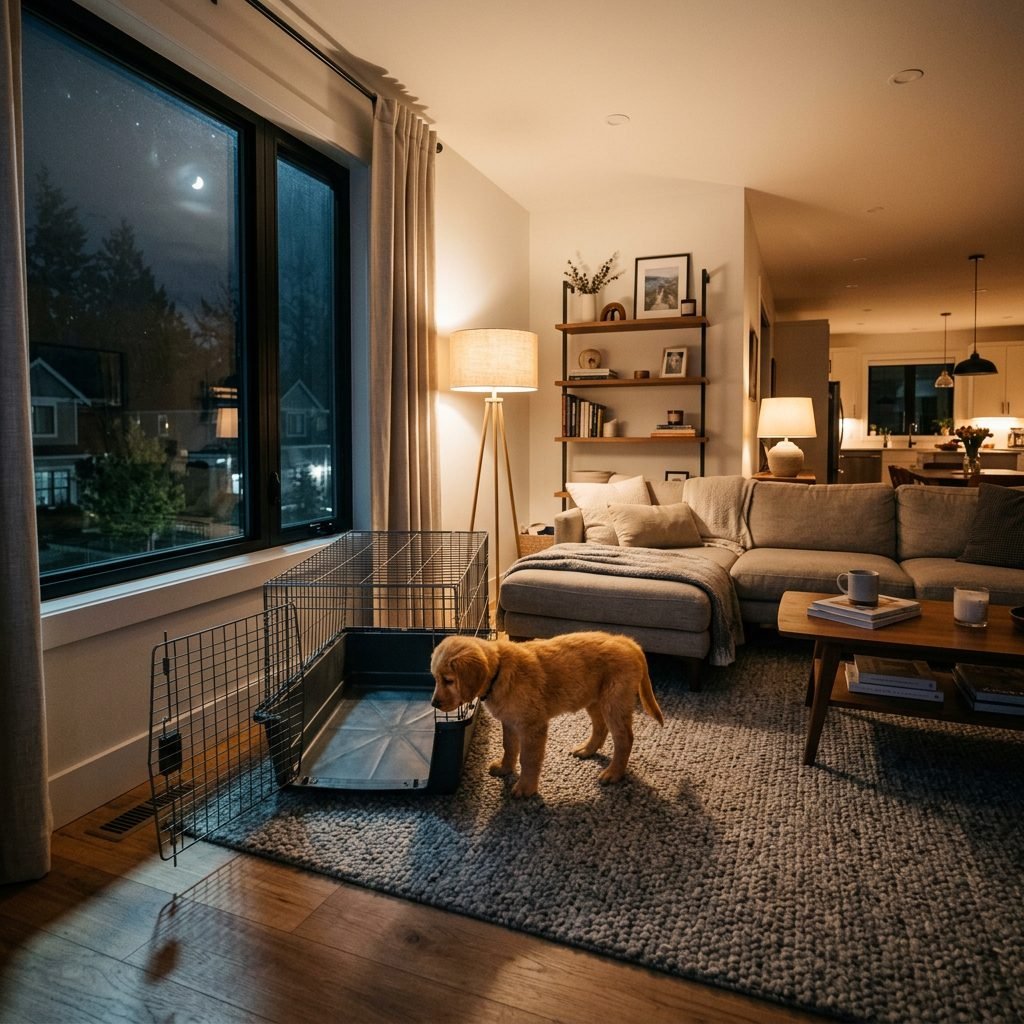
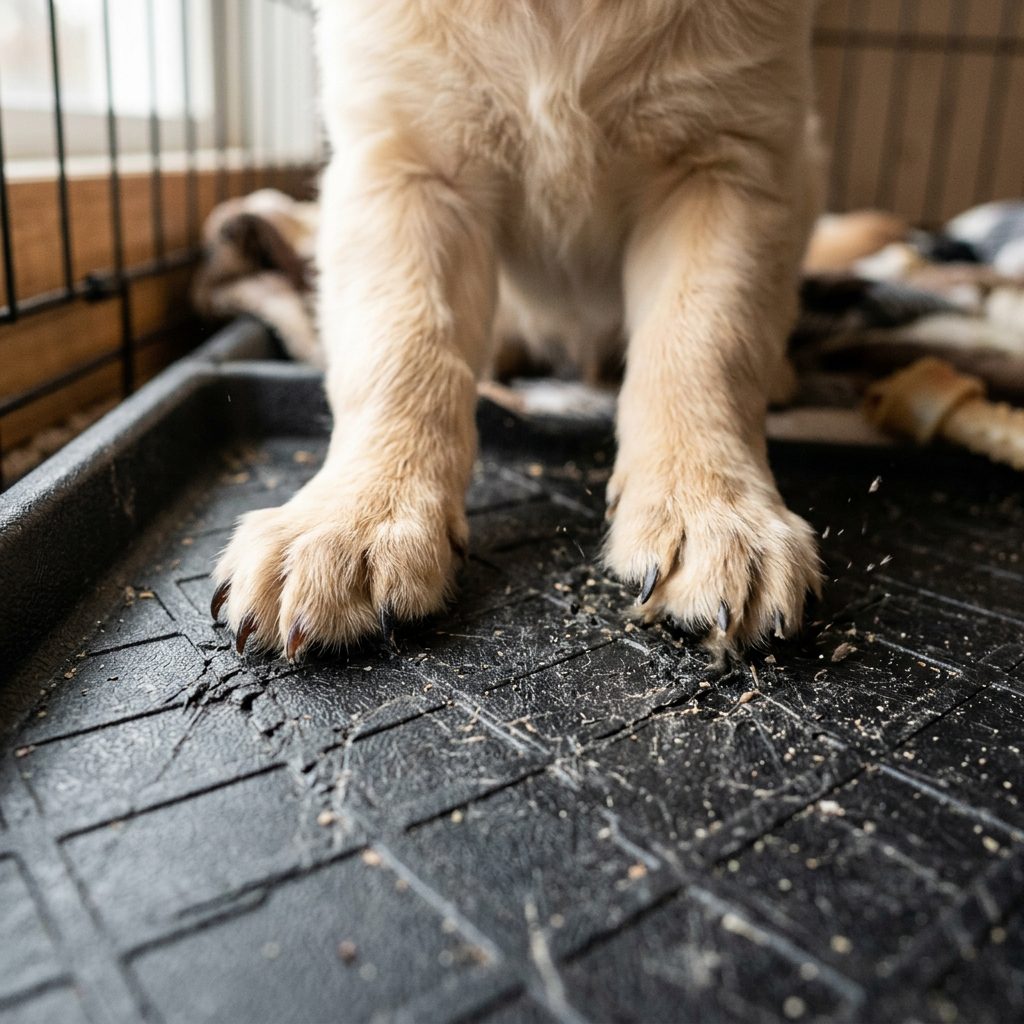
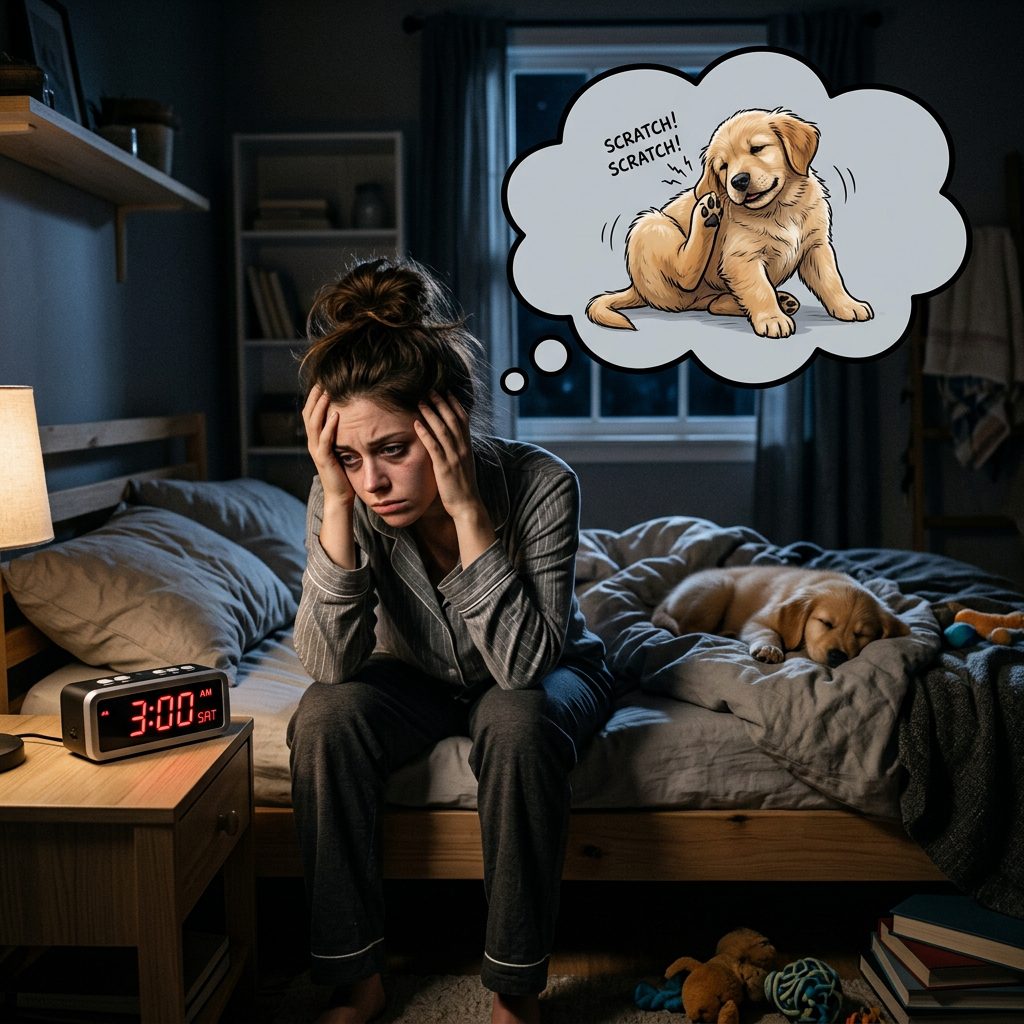
It’s 3:00 AM. You were finally in a deep sleep when the sound starts: scritch, scritch, CLANG, scritch. It sounds like a construction crew is working inside your bedroom, but it’s actually just your eight-pound fluffball trying to tunnel through the bottom of their plastic crate pan. If you are a savvy dog owner, you know that crate training is a cornerstone of a well-adjusted dog, but the noise of claws on plastic can test even the most patient soul. You aren’t alone; this is one of the most common complaints among new puppy parents.
As a canine specialist, I’ve seen this behavior hundreds of times. While it feels like your puppy is trying to drive you crazy, there is actually a fascinating set of biological and psychological reasons behind this behavior. From ancestral denning instincts to simple boredom, your puppy is communicating with you through every scratch. In this comprehensive guide, we are going to dive deep into why this happens and, more importantly, provide you with a definitive, step-by-step roadmap to stop the noise and get your full eight hours of sleep back. We’ll cover everything from immediate equipment fixes to long-term behavioral modifications that will turn the crate into a silent sanctuary.
The Psychology of the Scratch: Why Puppies Dig
Understanding the Denning Instinct
Before we can fix the behavior, we have to understand the ‘why.’ Dogs are ancestral den animals. In the wild, a mother dog would dig a shallow depression in the earth to create a safe, temperature-controlled environment for her pups. This instinct doesn’t disappear just because your puppy is living in a suburban home. When your puppy scratches at the plastic pan, they are often trying to ‘arrange’ their bedding or create a more comfortable nesting spot.
Common Culprits for Crate Digging
- Temperature Regulation: Plastic pans can be surprisingly cold or uncomfortably warm. Digging is a way to find a ‘cooler’ or ‘warmer’ spot beneath the surface.
- Excess Energy: If your puppy didn’t get enough mental or physical stimulation during the day, that energy has to go somewhere. The crate pan becomes a convenient outlet for frustration.
- Anxiety and Confinement: For some puppies, the crate feels restrictive. Digging is a displacement behavior—a way to cope with the stress of being enclosed.
- The Texture Factor: Let’s be honest: plastic pans are slippery. If your puppy tries to stand up and their paws slide, they may scratch to try and find ‘traction’ on a surface that offers none.
Pro Tip: Observe your puppy’s body language. If they are digging frantically with a tucked tail, it’s likely anxiety. If they dig for a moment and then curl up, it’s likely nesting.
The Toolkit: Essential Gear to Silence the Noise
Choosing the Right Crate Accessories
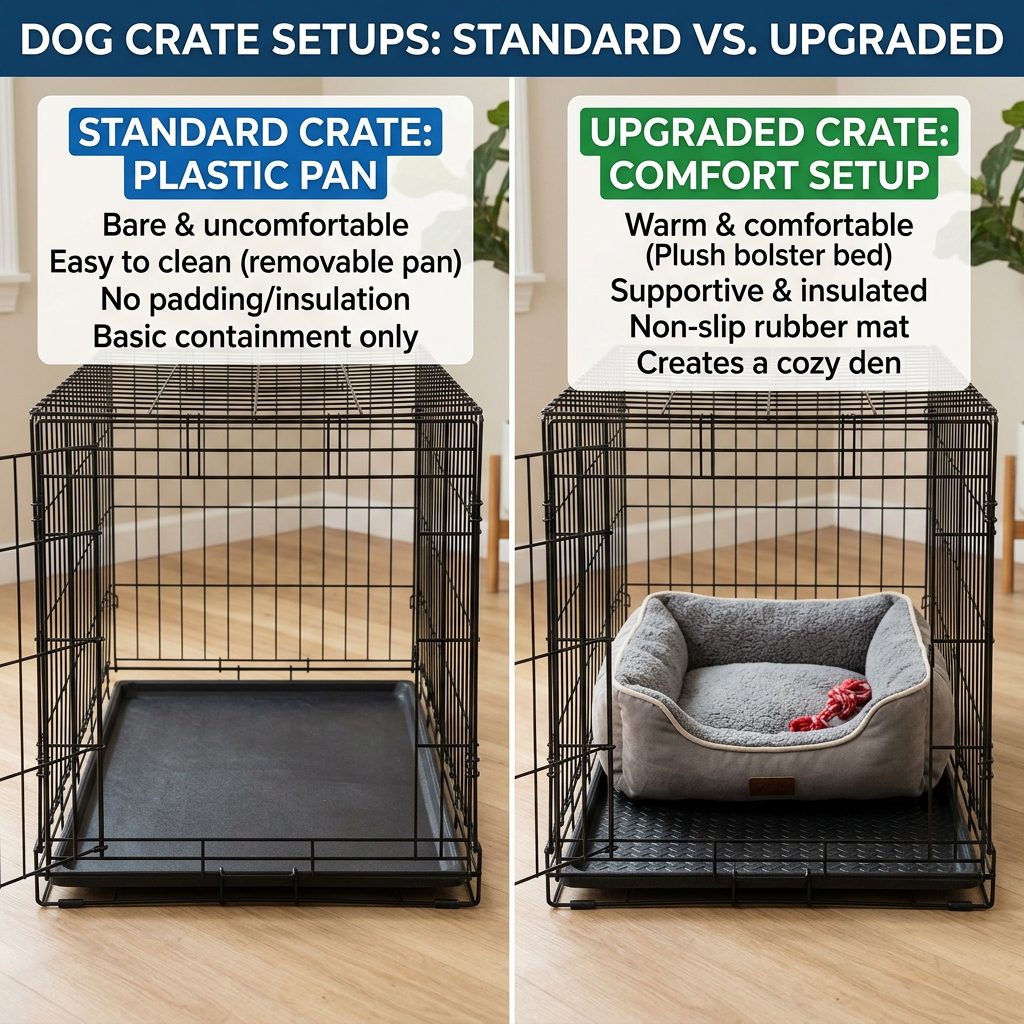
Sometimes, the solution isn’t training—it’s equipment. The standard plastic pan that comes with most wire crates is essentially a giant drum. Every claw movement is amplified by the hollow space beneath it. By modifying the environment, you can dampen the sound significantly. Below is a comparison of the best materials to use to silence the crate pan.
| Solution | Noise Reduction | Pros | Cons |
|---|---|---|---|
| Anti-Slip Rubber Mat | High | Stops the pan from sliding; dampens impact noise. | Can be chewed if not fitted perfectly. |
| Vet Bed (DryFur) | Medium | Moisture-wicking; very soft; mimics natural grass/dirt. | Bulky to wash. |
| Crate Pad with Bolsters | High | Creates a ‘nest’ feeling; covers the plastic entirely. | Puppies may chew the stuffing. |
| Cardboard Underlay | Low | Free and easy to replace. | Not a long-term solution; puppy might eat it. |
The ‘Silent Bottom’ Hack
One of my favorite tricks for savvy owners is to place a layer of yoga mat material or thin foam underneath the plastic pan, between the pan and the wire floor of the crate. This eliminates the ‘clatter’ of the plastic hitting the metal wires, which is often 50% of the noise you hear at 3 AM.
Step-by-Step Guide to Stopping the Digging
A Proactive Training Approach
Silencing the pan is a great start, but we also want to address the behavior itself. Follow these steps to teach your puppy that the crate is for sleeping, not for landscaping.
Step 1: The ‘Drains and Gains’ Method
Before bedtime, ensure your puppy has had both physical exercise (a walk or play session) and mental exercise (a snuffle mat or basic command training). A tired puppy is a quiet puppy. If they have ‘zoomies’ in the crate, you haven’t drained their battery enough.
Step 2: Desensitize the Plastic Pan
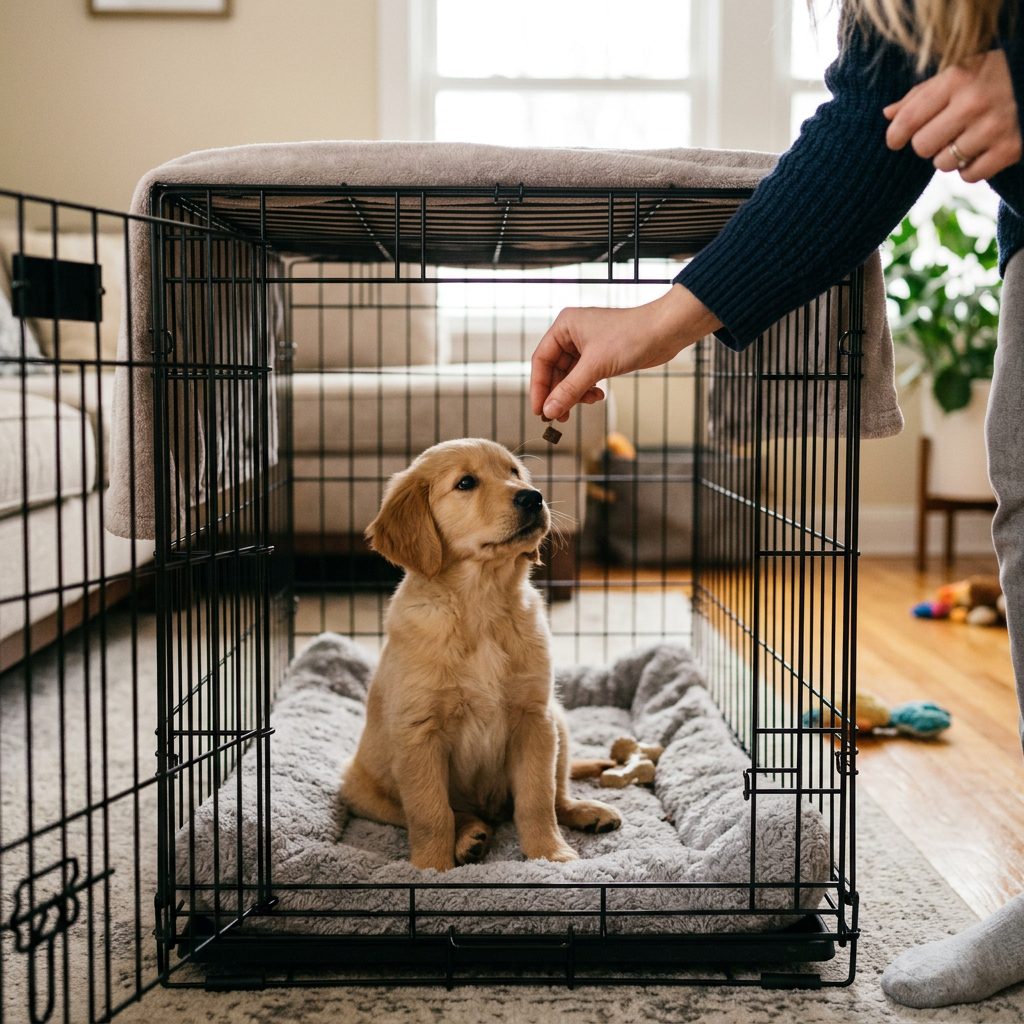
During the day, toss high-value treats onto the pan. Let the puppy walk in, hear the noise of their paws on the plastic, eat the treat, and walk out. We want them to associate the sound of the pan with something positive rather than something to be fought against.
Step 3: Introduce the ‘Quiet’ Command
When your puppy starts to scratch, use a neutral interrupter like a soft ‘Eh-eh.’ The moment they stop scratching, wait for three seconds of silence, then calmly drop a treat into the crate. You are rewarding the cessation of the digging.
Step 4: Optimize the Sleeping Environment
Ensure the crate is in a room that is roughly 68-72 degrees Fahrenheit. Use a white noise machine to drown out external sounds that might startle the puppy into a digging frenzy. Cover three sides of the crate with a breathable cover to create a true ‘den’ atmosphere.
Common Mistakes to Avoid
Don’t Make the Noise Worse
When you’re sleep-deprived, it’s easy to react in ways that actually reinforce the behavior you’re trying to stop. Avoid these common pitfalls to ensure your training stays on track.
- Yelling from the Bedroom: If you shout ‘Quiet!’ from your bed, you are giving the puppy attention. To a lonely puppy, even negative attention is a win. They will continue to scratch just to hear your voice.
- Letting Them Out Immediately: If you open the crate door while they are actively digging, you have just taught them that digging is the ‘key’ that unlocks the door. Always wait for at least ten seconds of silence before opening the crate.
- Using Excessive Bedding for Chewers: If your puppy is a ‘shredder,’ don’t fill the crate with blankets to stop the noise. They might ingest the fabric, leading to a dangerous intestinal blockage. Stick to heavy-duty rubber mats in this case.
- Ignoring Potty Needs: Sometimes, frantic digging is a sign that the puppy’s bladder is full. If the digging is accompanied by whining and it’s been more than 4 hours, take them out for a ‘boring’ potty break (no play, no talking, just business).
Expert Insight: Consistency is the enemy of bad habits. If you let them out once for digging, you’ve reset your progress by a week. Stay strong!
When Digging Becomes a Medical Concern

Identifying Obsessive-Compulsive Behaviors
While most crate digging is normal puppy behavior, there are instances where it may indicate an underlying health or psychological issue. As a savvy owner, you should know the red flags that warrant a call to your veterinarian or a certified behaviorist.
Signs of Separation Anxiety
If the digging is so intense that the puppy is causing self-injury (bloody paws, broken nails) or if they are salivating excessively, this isn’t just ‘nesting.’ This is a panic response. Separation anxiety requires a specialized desensitization protocol and, in some cases, pharmaceutical support.
Skin Irritations and Allergies
Is your puppy digging at the pan, or are they scratching themselves and hitting the pan in the process? If you notice redness on their belly, constant licking of the paws, or ear shaking, the ‘noise’ might actually be an allergic reaction to their food or the detergent used on their crate bedding.
The ‘Digging’ Table: Normal vs. Abnormal
| Behavior | Normal Puppy Instinct | Potential Medical/Behavioral Issue |
|---|---|---|
| Duration | 1-5 minutes before settling. | Persistent digging for 20+ minutes. |
| Physical State | Calm or slightly playful. | Panting, dilated pupils, trembling. |
| Condition of Paws | Healthy, no damage. | Raw pads, torn nails, or bleeding. |
| Response to Distraction | Stops when offered a toy. | Unable to stop even for high-value treats. |
Conclusion
Restful Nights are Within Reach
Stopping the 3 AM crate concerto requires a blend of the right gear, consistent training, and a dash of empathy for your puppy’s natural instincts. By addressing the physical noise of the plastic pan with mats and dampeners, and satisfying your puppy’s mental and physical needs before bed, you can transform the crate from a source of frustration into a place of peace. Remember, the puppy phase is fleeting. With patience and the strategies outlined above, you’ll soon find yourself waking up to the sound of your alarm clock rather than the sound of scratching claws. Happy training, and sweet dreams!