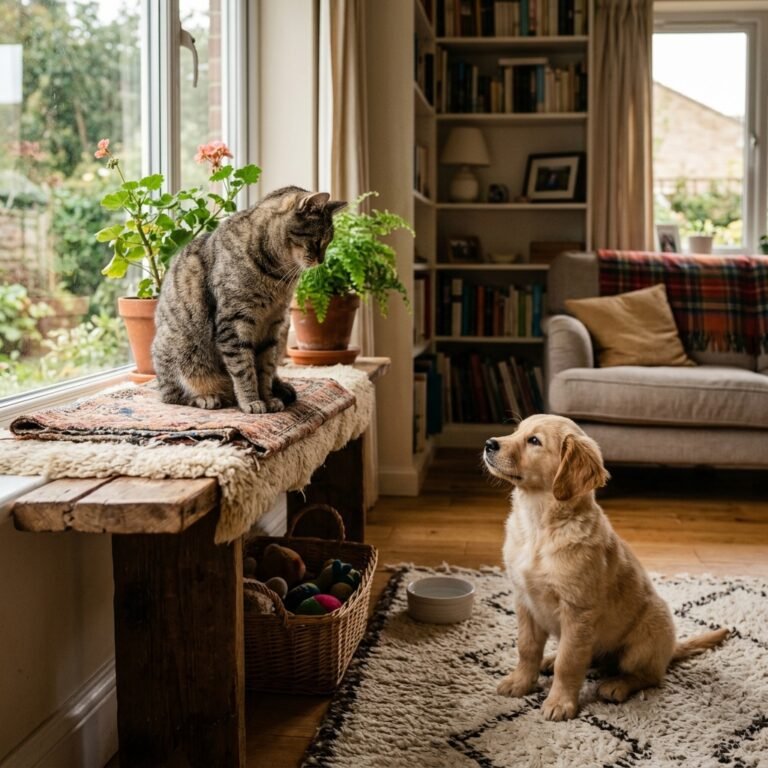

The Dark Truth About Littermate Syndrome (And How To Raise Two Puppies Successfully)
We have all seen the adorable photos on social media: two tiny, fluffy siblings curled up together, sleeping in a perfect circle of puppy love. It looks like the ultimate dream for any dog lover. You think, Why get one when I can get two? They will keep each other company, they will never be lonely, and I can get the puppy stage over with all at once! It sounds like a win-win situation, right? Well, as a canine specialist who has seen the fallout of this decision more times than I can count, I am here to tell you that the reality is often far less photogenic. This phenomenon is known as Littermate Syndrome, and it is the ‘dark truth’ that many breeders and shelters forget to mention. But do not panic! If you have already brought home two furry bundles of joy, or if you are dead-set on the idea, there is a way to do it right. In this comprehensive guide, we are going to dive deep into the psychology of sibling bonds, the red flags you need to watch for, and a step-by-step blueprint for raising two puppies into independent, confident adult dogs.
Understanding the Psychology: What is Littermate Syndrome?

Littermate Syndrome (also known as sibling toxicity) is a non-scientific term used by trainers and behaviorists to describe a suite of behavioral issues that arise when two puppies of similar age—not necessarily biological siblings—are raised in the same household at the same time. The core of the problem is that the puppies form such an intense, primary bond with each other that they fail to bond properly with their human family. This hyper-attachment creates a ‘bubble’ where the dogs rely on each other for emotional regulation, which stunts their individual development.
Why It Happens
In a normal puppy-owner relationship, the human is the center of the puppy’s world. The human provides food, security, and guidance. However, when two puppies are together 24/7, they look to each other for these cues. They develop a shorthand language that excludes humans, making training significantly more difficult. Imagine trying to learn a new language while your best friend is constantly whispering jokes in your ear; that is what it is like for a puppy with Littermate Syndrome to try and listen to your commands.
Littermate Syndrome is essentially a failure of individualization. The puppies become two halves of a whole rather than two distinct individuals.
The risks are not just limited to ‘not listening.’ The dark truth includes severe separation anxiety, intense fear of new environments, and, most heartbreakingly, extreme aggression between the two dogs as they reach social maturity.
The Red Flags: Identifying the Symptoms Early

Early intervention is the key to preventing a behavioral disaster. Many owners mistake these signs for ‘cute’ behavior or ‘just being puppies,’ but they are actually early indicators of a co-dependency that will become problematic later. It is vital to compare healthy puppy behavior with the symptoms of Littermate Syndrome.
| Behavior Category | Healthy Development | Littermate Syndrome Sign |
|---|---|---|
| Separation | Puppy may whine briefly but settles quickly. | Extreme distress, howling, or self-harm when apart. |
| Training Focus | Puppy watches the owner for cues and treats. | Puppy constantly checks in with the other puppy. |
| Socialization | Curious about new dogs and people. | Fearful, reactive, or aggressive toward outsiders. |
| Play Style | Plays with toys and humans; takes breaks. | Obsessive, frantic wrestling with the sibling only. |
The Fear Factor
One of the most common symptoms is ‘neophobia’—the fear of anything new. Because these puppies have each other as a constant safety blanket, they never learn to process the world on their own. When taken out individually, a puppy with Littermate Syndrome may shut down entirely, refusing to walk, eat treats, or even acknowledge their surroundings. This lack of confidence is the foundation for future fear-aggression.
The Step-by-Step Guide to Raising Two Puppies Successfully

Can you raise two puppies at once? Yes. Is it twice the work? No, it is four times the work. To succeed, you must commit to a ‘divide and conquer’ strategy. The goal is to ensure each puppy develops their own personality, confidence, and relationship with you. Follow these steps strictly for the first 6 to 12 months.
Step 1: Separate Sleeping Quarters
The puppies should not share a crate. In fact, their crates should ideally be in different rooms initially. This forces them to learn how to self-soothe and sleep without the physical warmth and heartbeat of their sibling. If they must be in the same room, place the crates on opposite sides so they cannot see or touch each other.
Step 2: Individual Training Sessions
You cannot train two puppies at the same time. One will always be the ‘leader’ and the other the ‘follower.’ To prevent this, take Puppy A into the backyard for 15 minutes of focus work while Puppy B stays inside with a chew toy. Then, swap. This ensures both puppies learn to listen to you without looking at their sibling for the ‘correct’ answer.
Step 3: Solo Socialization Outings
This is the most critical step. You must take the puppies to the vet, the park, and the pet store separately. They need to learn that the world is safe even when their sibling isn’t there to protect them. If they only experience the world together, they will never develop the resilience needed to be a stable adult dog.
Step 4: Structured Playtime
Allow them to play together, but keep it structured. Use a whistle or a specific word to interrupt play every few minutes, ask for a ‘sit,’ and then release them back to play. This teaches them that you are still in charge of the fun and prevents the play from becoming too frantic or aggressive.
The Management Schedule: A Day in the Life

To manage two puppies without losing your mind (or your carpets), you need a rigorous schedule. The key is staggering their activities so they spend more time apart than they do together during the formative months. This might feel heartless at first, but you are actually giving them the gift of independence.
| Time of Day | Puppy A Activity | Puppy B Activity |
|---|---|---|
| 07:00 AM | Individual Walk with Owner | Quiet time in crate with a stuffed Kong |
| 08:00 AM | Breakfast in crate | Individual Walk with Owner |
| 10:00 AM | Short Training Session (Sit/Stay) | Napping in separate room |
| 12:00 PM | Supervised Joint Play (15 mins) | Supervised Joint Play (15 mins) |
| 02:00 PM | Solo Socialization Trip (Car ride) | Napping in crate |
| 06:00 PM | Dinner in crate | Individual Training Session |
By following this type of schedule, you are ensuring that the puppies’ most high-value experiences—eating, walking, and learning—are associated with you, not each other. This builds the human-canine bond that is so often missing in Littermate Syndrome cases.
The Dark Side: Same-Sex Aggression and When to Rehome

We need to talk about the hardest part of this journey. Sometimes, despite your best efforts, the bond between siblings turns sour. This is particularly common with two females (Same-Sex Aggression). As the puppies hit social maturity (between 12 and 24 months), the hyper-attachment can flip into intense rivalry. Because they know each other’s weaknesses so well, these fights can be incredibly violent and difficult to stop.
Knowing When to Pivot
If you notice that your puppies are beginning to ‘bully’ one another—where one puppy is constantly pinning the other, stealing toys, or preventing the other from reaching you—you need to consult a professional behaviorist immediately. In some extreme cases, the kindest thing you can do for the dogs is to rehome one of them. While this is a heartbreaking decision, it often results in both dogs suddenly ‘blooming’ into happy, relaxed pets once the pressure of the sibling dynamic is removed.
Rehoming isn’t a failure; sometimes it is the ultimate act of love to give a dog the chance to be an individual.
Essential Tools for Success
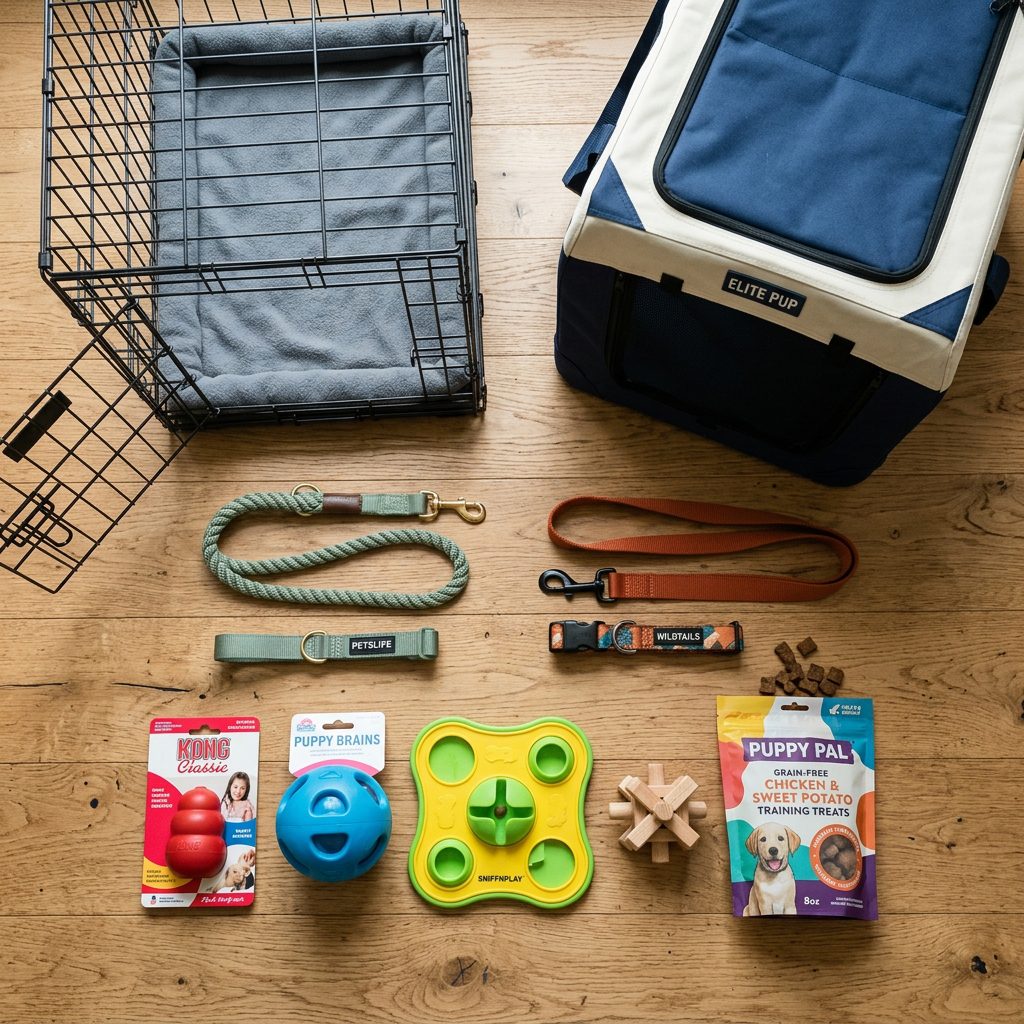
Raising two puppies requires the right gear. You cannot rely on a single leash or a shared bowl. Here are the non-negotiables for your multi-puppy toolkit:
- Two High-Quality Crates: Essential for enforced naps and separate sleeping.
- Long Lines (15-20ft): Great for individual recall training in open spaces.
- Visual Barriers: Use baby gates or exercise pens with blankets draped over them to prevent the puppies from obsessing over each other’s movements.
- High-Value Treats: You need to be more interesting than the other puppy, so break out the freeze-dried liver or chicken!
- Interactive Toys: Puzzle feeders and Kongs are vital for keeping one puppy occupied while you work with the other.
Pro Tip: Label everything. Having a ‘Puppy A’ and ‘Puppy B’ set of gear helps you stay organized and ensures that each dog feels they have their own ‘stuff,’ reducing resource guarding risks.
Conclusion
Raising two puppies at once is a monumental challenge that should not be taken lightly. The ‘Dark Truth’ of Littermate Syndrome is that it can rob your dogs of their confidence and ruin the peaceful home you envisioned. However, by understanding the risks and committing to the ‘divide and conquer’ method, you can successfully navigate these murky waters. It requires discipline, time, and a lot of patience, but seeing two well-adjusted, independent adult dogs who enjoy each other’s company without being crippled by co-dependency is a reward like no other. If you feel overwhelmed, remember that seeking help from a professional trainer is a sign of a savvy, responsible owner. You’ve got this!