Teach Your Puppy to Sit and Stay in Under 10 Minutes (Step-by-Step Guide)
Welcome to the Fast Track of Puppy Parenting!
So, you’ve brought home a bundle of fur, energy, and—let’s be honest—a little bit of chaos. Congratulations! Being a puppy parent is one of the most rewarding journeys you’ll ever embark on. But as those tiny teeth start exploring your furniture and those paws start jumping on every guest, you realize that a little bit of structure goes a long way. You might be thinking, ‘Can I really teach my puppy anything in just ten minutes?’ The answer is a resounding yes!
Puppies are like little sponges. While their attention spans are famously short (think of a goldfish on espresso), their ability to form associations is incredibly fast. In this guide, we aren’t just looking for long-term mastery—that takes weeks of consistency. Instead, we are looking for that ‘lightbulb moment’ where your puppy understands exactly what you want from them. By focusing on high-value rewards and clear communication, we can establish the foundations of ‘Sit’ and ‘Stay’ before your coffee even gets cold. Let’s dive into the psychology of canine learning and get those paws planted firmly on the ground!
The Essential Toolkit for Rapid Success
Preparation is Half the Battle
Before we start the clock, we need to ensure you have the right tools. Training a puppy without the proper gear is like trying to build a house without a hammer. To achieve a 10-minute breakthrough, you need to minimize distractions and maximize motivation.
1. High-Value Treats
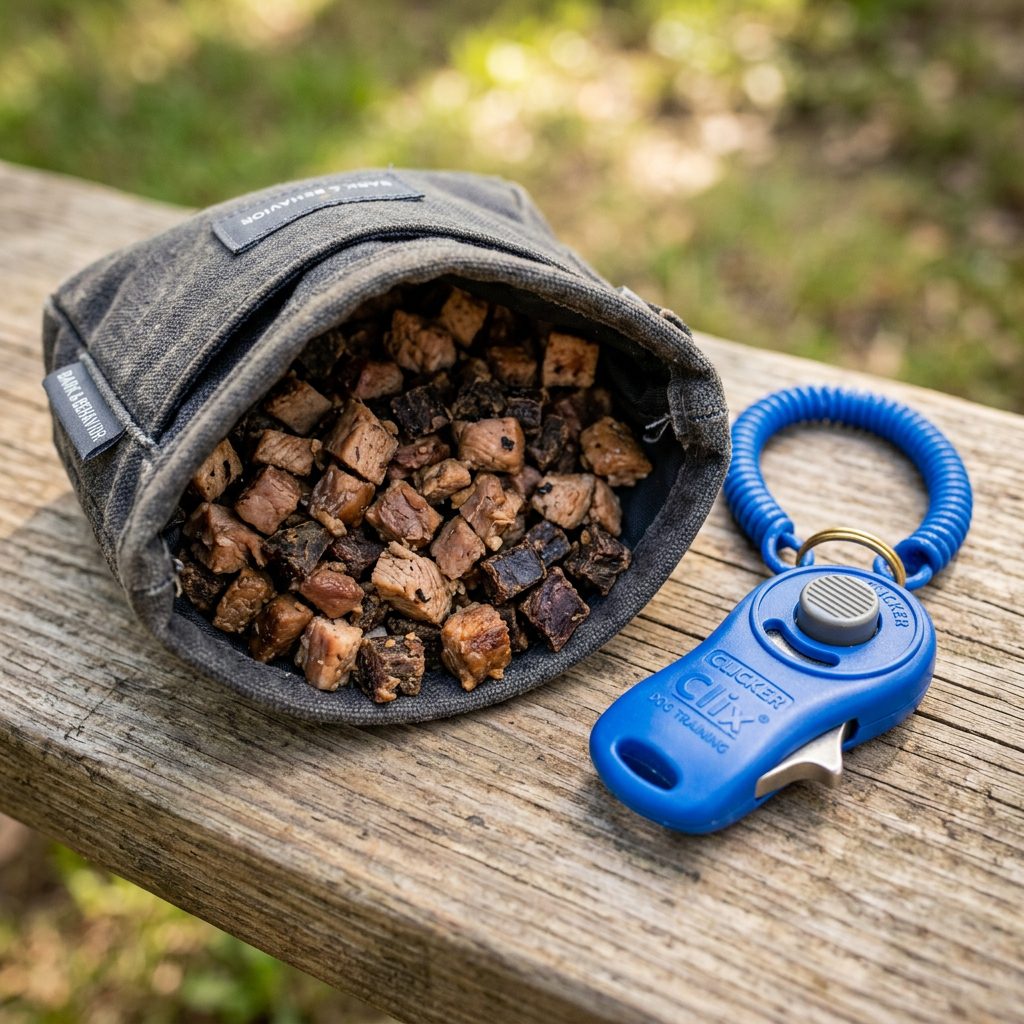
In the world of dog training, not all treats are created equal. For a brand-new command, you need ‘Level 10’ treats—things your puppy rarely gets. Think small pieces of boiled chicken, freeze-dried liver, or tiny bits of low-sodium cheese. These should be no larger than a pea so your puppy can swallow them instantly and get back to work.
2. A Quiet Environment
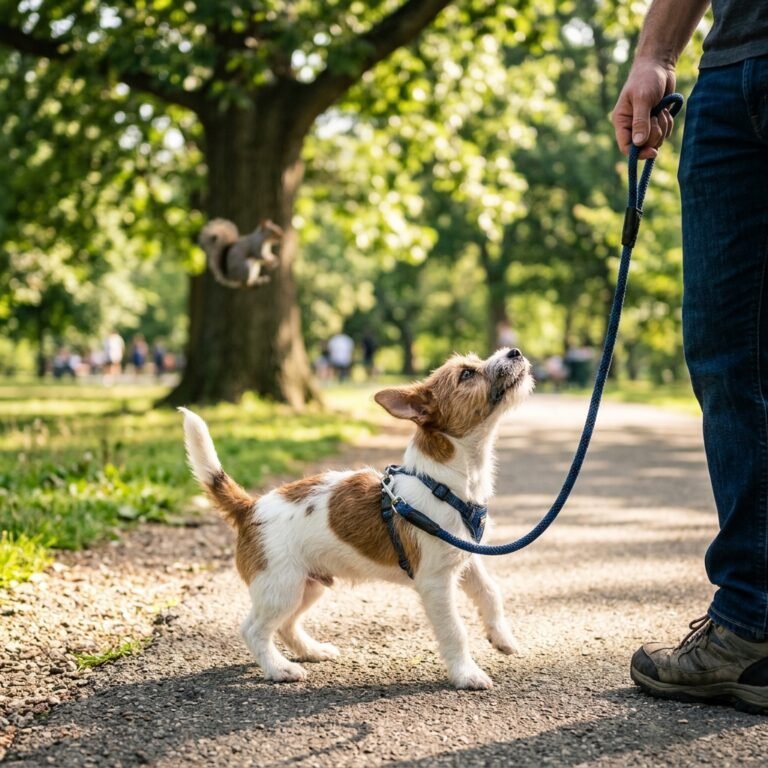
Your backyard might be great, but for the first 10 minutes, there are too many squirrels, smells, and breezes. Choose a boring hallway or a quiet corner of the living room. We want the most interesting thing in the world to be you.
3. A Marker (Clicker or Word)
You need a way to tell your puppy EXACTLY when they did the right thing. A clicker is fantastic, but a consistent verbal marker like ‘Yes!’ works just as well. This bridge connects the action to the reward.
| Reward Type | Value Level | Best Use Case |
|---|---|---|
| Kibble | Low | Daily meals or known tricks |
| Store-bought Biscuits | Medium | Reinforcing good behavior |
| Freeze-Dried Liver/Chicken | High | Learning new, difficult commands |
The 4-Minute ‘Sit’ Mastery
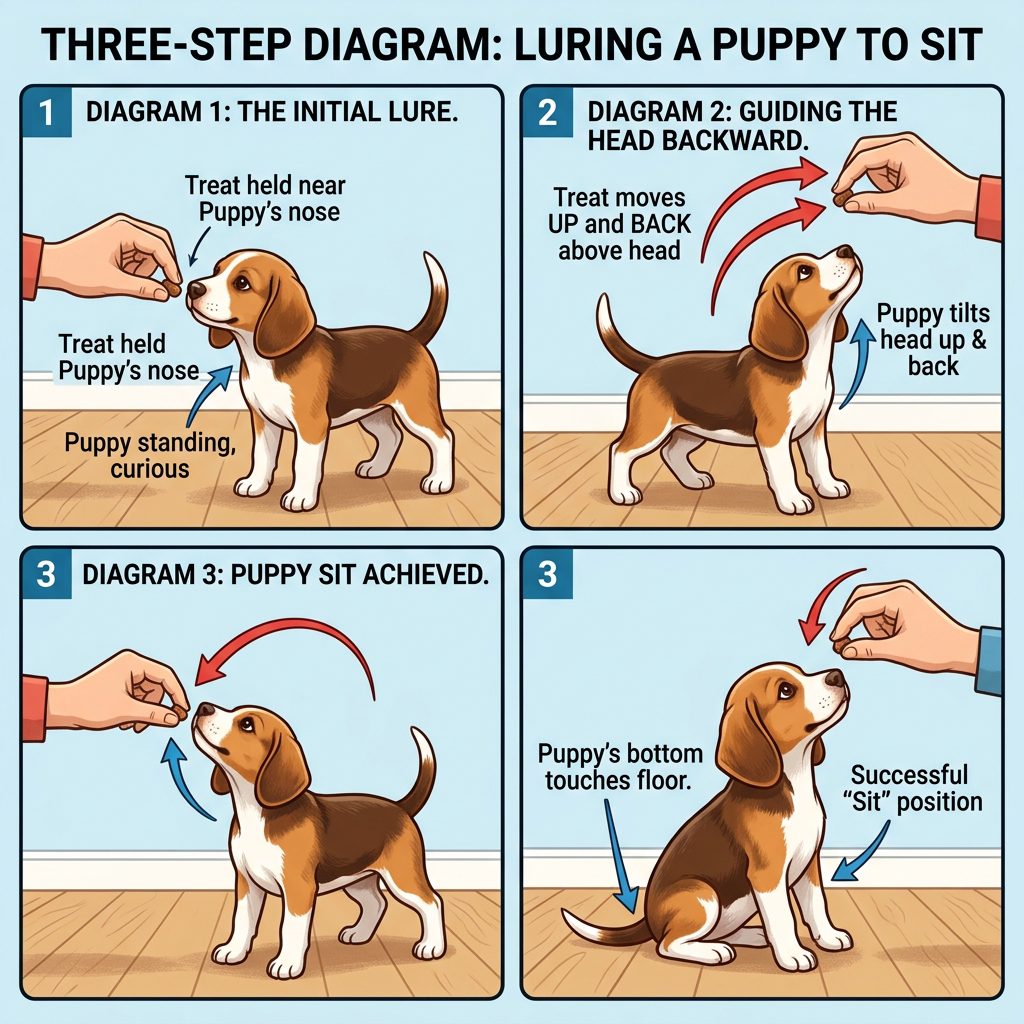
Step-By-Step: The Lure Method
The ‘Sit’ is the gateway to all other obedience. We use a technique called luring because it guides the puppy into the position without any physical force. Never push your puppy’s bottom down; we want them to choose to sit.
Step 1: The Nose Magnet (Minute 1)
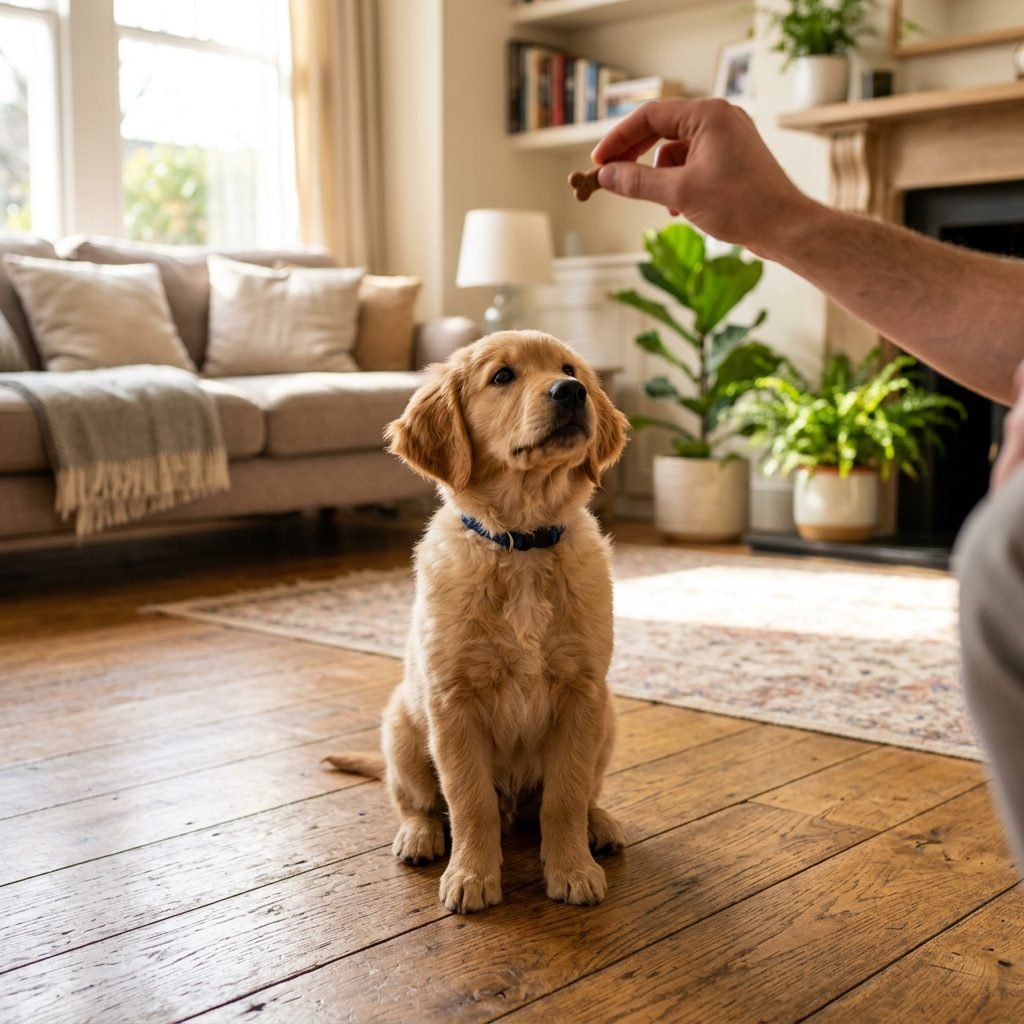
Hold a treat between your thumb and forefinger. Put it right in front of your puppy’s nose. Once they are sniffing it, you have their full attention. You are now the center of their universe.
Step 2: The Arc (Minute 2)
Slowly move your hand back over the puppy’s head toward their tail. As their nose goes up to follow the treat, their bottom will naturally go down. It’s simple geometry! The moment their tail-end touches the floor, mark it (‘Yes!’ or Click) and give the treat immediately.
Step 3: Adding the Verbal Cue (Minute 3)
Now that they are doing the motion, say ‘Sit’ just as they begin to lower their rear. Repeat this 5-10 times. We are pairing the physical action with the sound.
Step 4: Fading the Lure (Minute 4)
Try the same hand motion but without a treat in your hand. This becomes your hand signal. If they sit, ‘Yes!’ and then pull a treat from your pocket. This teaches them they don’t always need to see the food to get the reward.
Pro Tip: Keep your hand movements slow and steady. If you move too fast, the puppy might jump up to grab the treat instead of sitting.
The 6-Minute ‘Stay’ Foundation
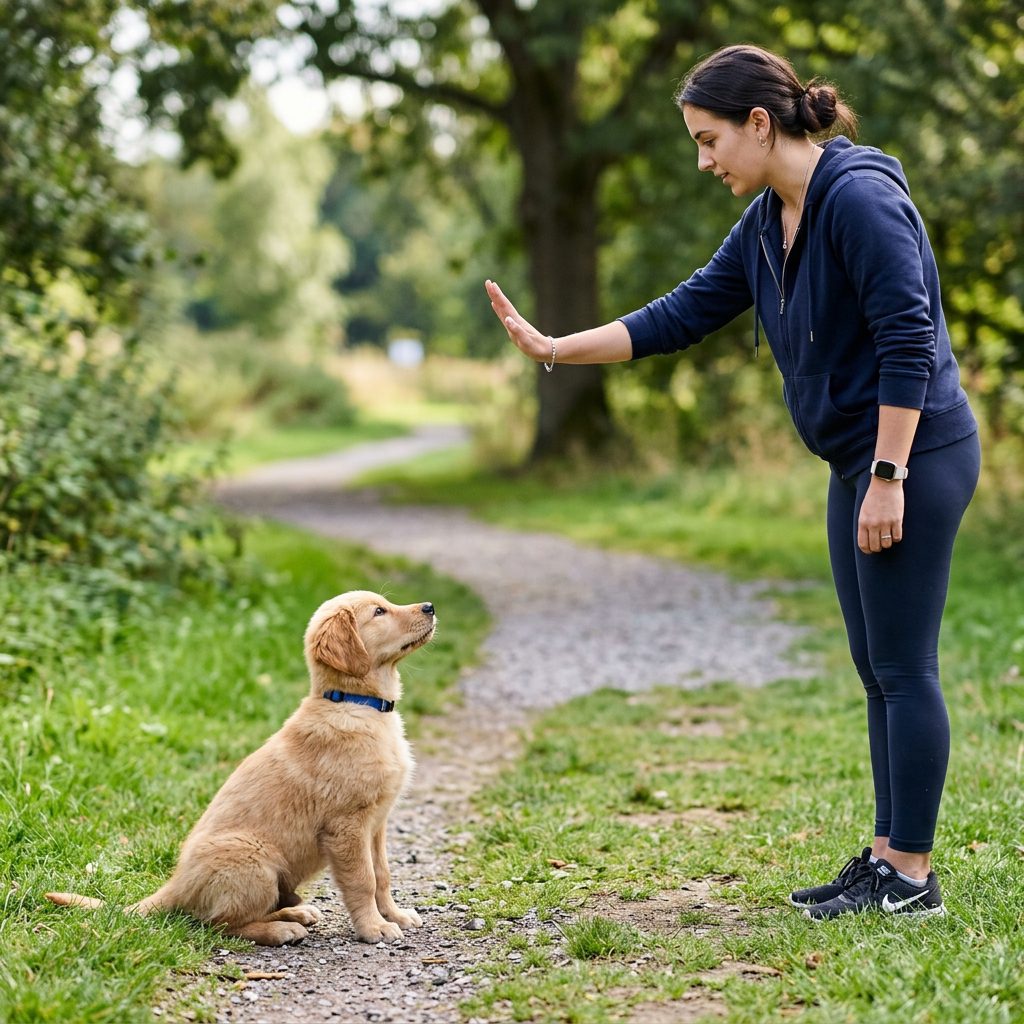
Transitioning from Sit to Stay
Teaching ‘Stay’ is harder because it asks a puppy to not do something. It requires impulse control. We break this down using the ‘Three Ds’: Duration, Distance, and Distraction. In our first 6 minutes, we focus primarily on Duration.
The Initial Concept (Minute 5-6)
Ask your puppy to ‘Sit’. Once they are settled, hold your hand up like a stop sign and say ‘Stay’. Wait for just one second. If they don’t move, mark ‘Yes!’ and reward. The key here is to reward them while they are still sitting. We want them to learn that the stay itself is what earns the prize.
Building Duration (Minute 7-8)
Slowly increase the time. Two seconds, then three, then five. If the puppy breaks the stay, don’t get frustrated. Simply say ‘Oops!’ and start over at a shorter duration. We want to set them up for a 100% success rate.
Adding the Release Word (Minute 9)
Every ‘Stay’ needs an end. Choose a release word like ‘Free!’ or ‘Okay!’. Toss a treat a few inches away so they have to get up to get it. This clearly defines the boundary between ‘working’ and ‘being free’.
Taking a Step Back (Minute 10)
In the final minute, try taking one small step back after saying ‘Stay’. Immediately step back in, mark, and reward. You are now introducing Distance. If they can do one step, you’ve successfully built the foundation!
Troubleshooting and Common Mistakes
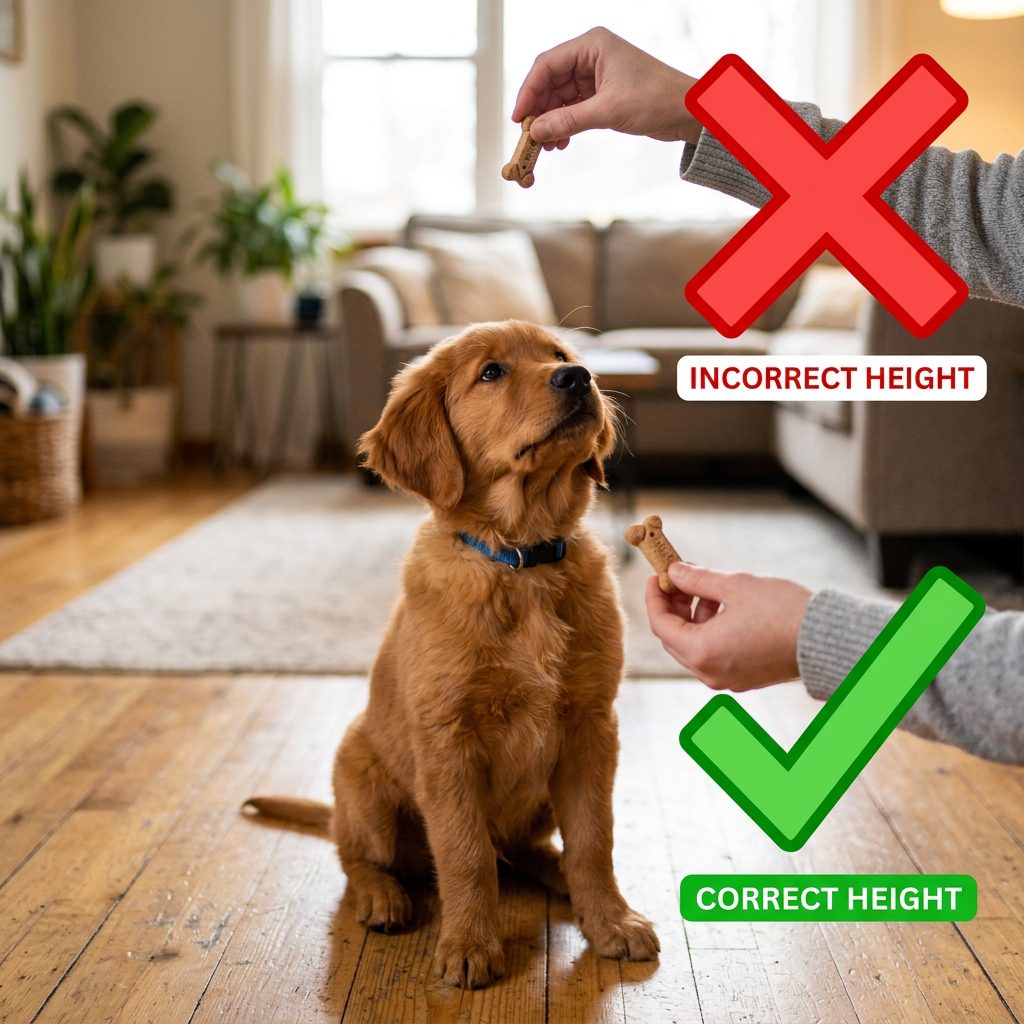
Why Isn’t It Working?
Even with the best intentions, puppy training can hit a few snags. Here are the most common reasons a 10-minute session might stall and how to fix them instantly.
The ‘Pogo Stick’ Puppy
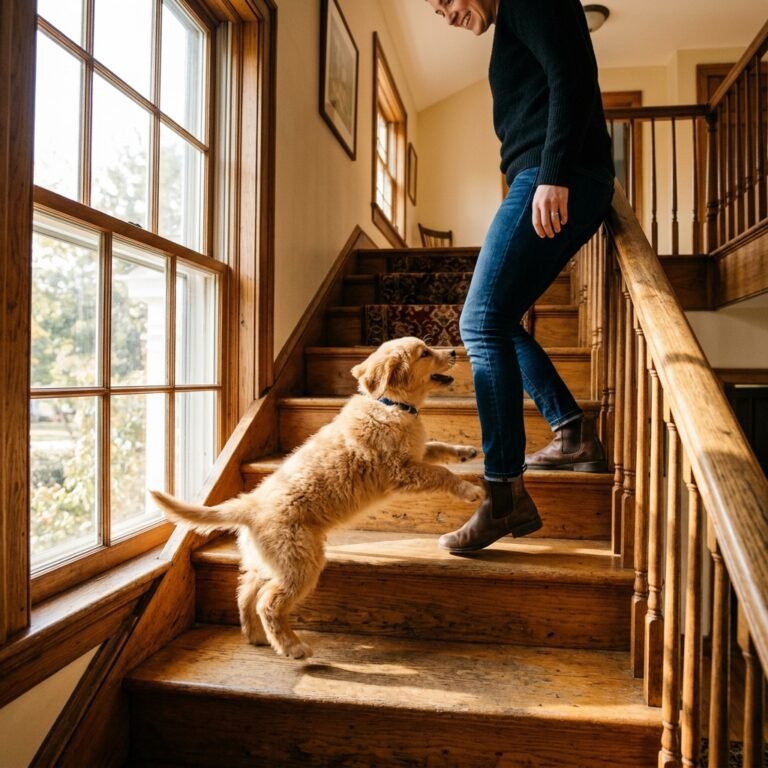
If your puppy keeps jumping up for the treat, you are likely holding it too high. Keep the lure close to their nose—almost touching it. If they jump, hide the treat in your closed fist and wait for them to have four paws on the floor before trying again.
The Distracted Explorer
If your puppy wanders off to sniff a rug, the treats aren’t high-value enough, or the puppy is tired. Puppies have ‘zoomie’ windows and ‘nap’ windows. Aim for the window right after a nap when they are alert but not over-stimulated.
The ‘Poisoned’ Cue
If you say ‘Sit, sit, sit, SIT!’ you are teaching your dog that they don’t have to listen until the fourth time. Only say the command once. If they don’t do it, go back to luring with the hand signal.
| Problem | Likely Cause | The Quick Fix |
|---|---|---|
| Puppy jumps up | Lure is too high | Lower your hand to nose-level |
| Puppy ignores you | Low-value treats | Switch to chicken or cheese |
| Puppy walks away | Overtired/Overstimulated | End session, try again in 1 hour |
| Puppy barks | Frustration | Simplify the task to a 1-second win |
Beyond the First 10 Minutes: Next Steps
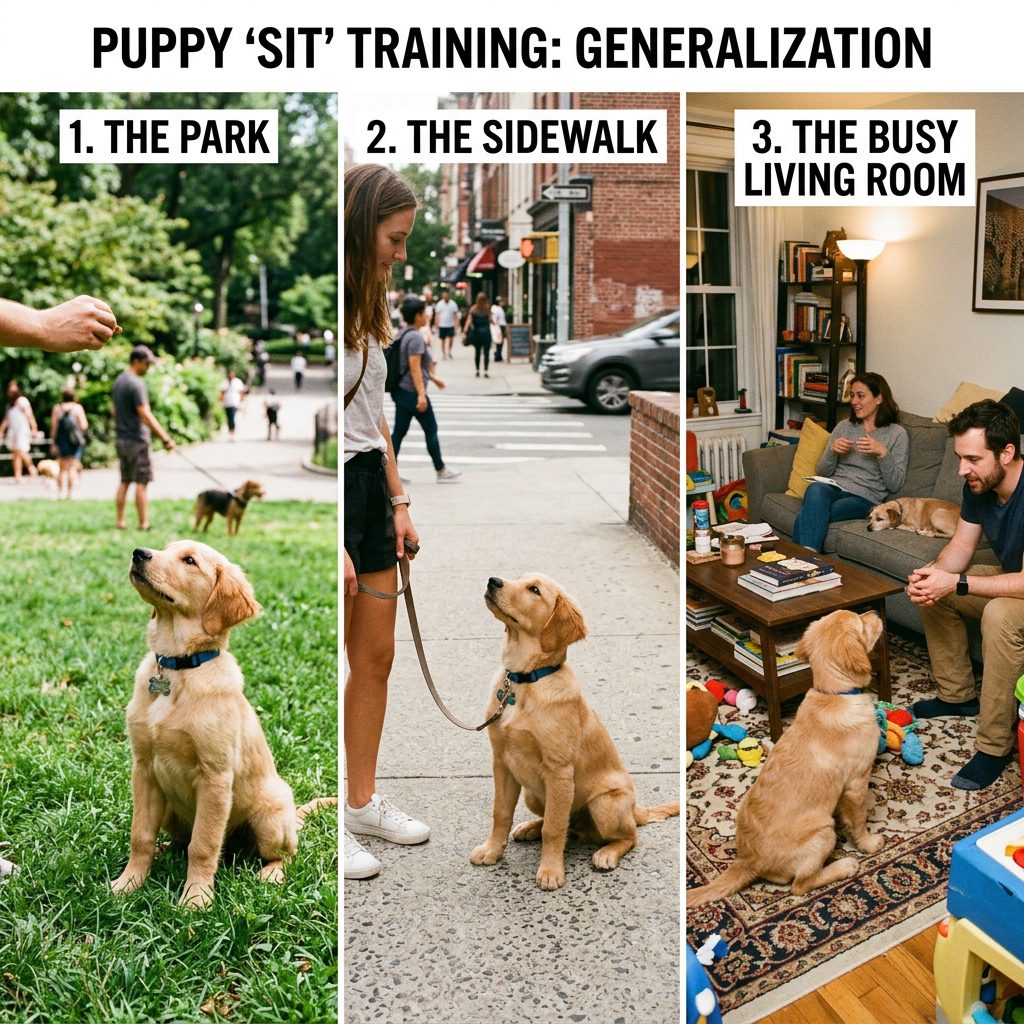
Generalization and Consistency
You’ve had a great first 10 minutes, but the journey doesn’t end here. To turn these ‘lightbulb moments’ into lifelong habits, you need to practice Generalization. Dogs are very situational learners; a puppy who knows ‘Sit’ in the kitchen might ‘forget’ it entirely at the park.
Short Bursts are Better
Don’t try to do hour-long training sessions. Stick to 2-3 sessions of 5-10 minutes per day. This keeps training fun and prevents your puppy from souring on the process. Always end on a successful note so they look forward to the next time.
The 3 Ds Deep Dive
As your puppy gets better, continue to push the boundaries of the Three Ds:
- Duration: Can they stay for 30 seconds? A minute?
- Distance: Can you walk to the other side of the room? Into another room?
- Distraction: Can they stay while you bounce a ball? While someone else walks by?
Remember: Training is a conversation, not a series of demands. Listen to your puppy’s body language. If they start yawning, scratching, or looking away, they are telling you they’ve had enough for now. Respect their limits, and you’ll build a bond of trust that lasts a lifetime.
Conclusion
You’ve Got This!
Teaching your puppy to sit and stay in under ten minutes isn’t magic—it’s communication. By using high-value rewards, clear markers, and consistent hand signals, you’ve just opened a channel of understanding between you and your best friend. Don’t worry if every session isn’t perfect; progress isn’t a straight line. Some days your puppy will be a star pupil, and other days they’ll act like they’ve never heard the word ‘Sit’ in their life. Stay patient, stay positive, and keep those treats handy. You are well on your way to raising a well-behaved, confident, and happy dog. Happy training!