This 3-Step Trick Stops Puppy Leash Biting Forever (No More Ruined Leashes!)
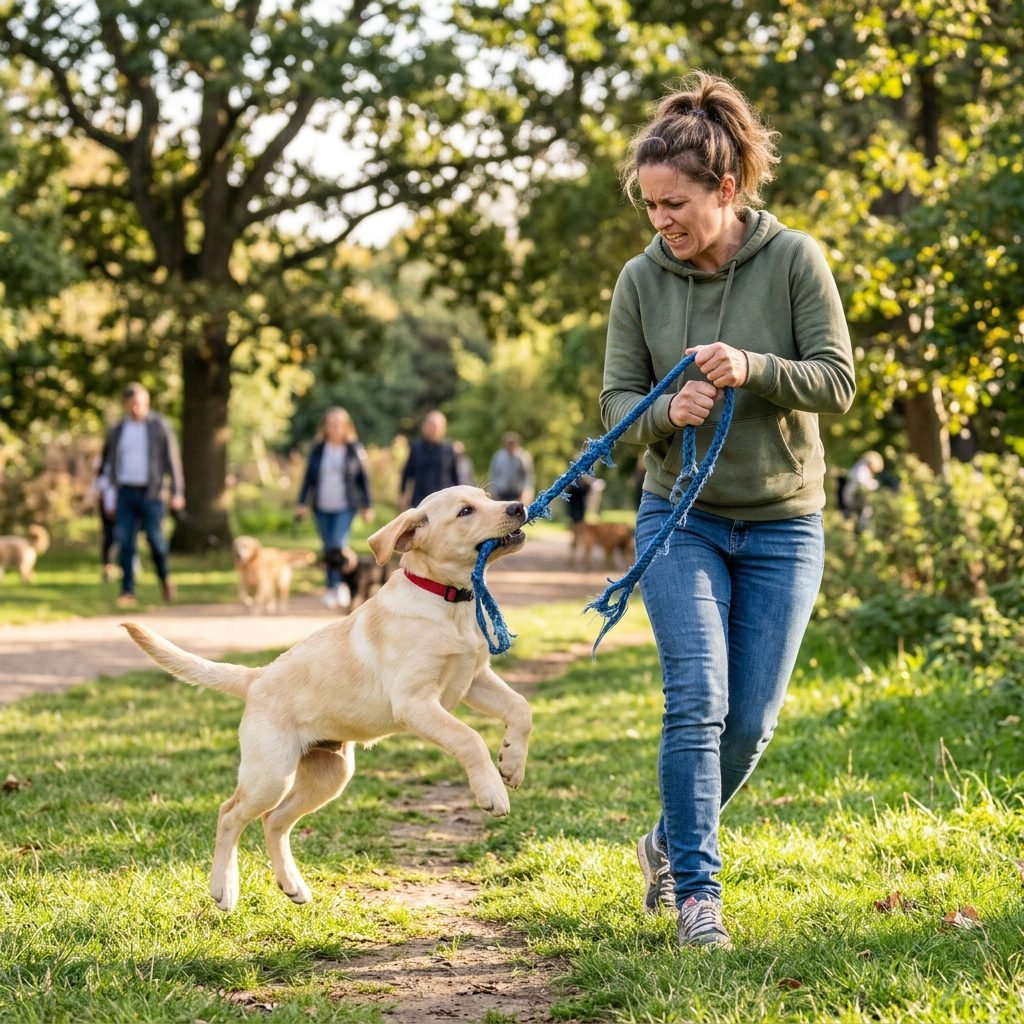
We have all been there: you finally have a spare moment to take your adorable new puppy for a walk, dreaming of a peaceful stroll through the neighborhood. You clip on the leash, step out the door, and—snap!—your puppy turns into a tiny, furry alligator. Instead of walking, they are growling, shaking their head, and performing a high-stakes game of tug-of-war with their own lead. Not only is it frustrating, but it is also expensive as you watch yet another twenty-dollar leash get shredded by those razor-sharp puppy teeth.
As a canine specialist, I can tell you that leash biting is one of the most common complaints among savvy dog owners. It often feels like a personal affront or a sign of aggression, but in reality, it is usually a mix of overstimulation, playfulness, and a lack of impulse control. The good news? You do not have to settle for a life of frayed nylon and stressful outings. In this guide, I am going to reveal a 3-step trick that shifts your puppy’s focus from the leash to you, effectively ending the biting behavior forever. We will dive deep into the psychology of why they do it, the tools you need to succeed, and the exact steps to transform your walks from a battle of wills into a bonding experience.
Understanding Why Puppies Bite the Leash
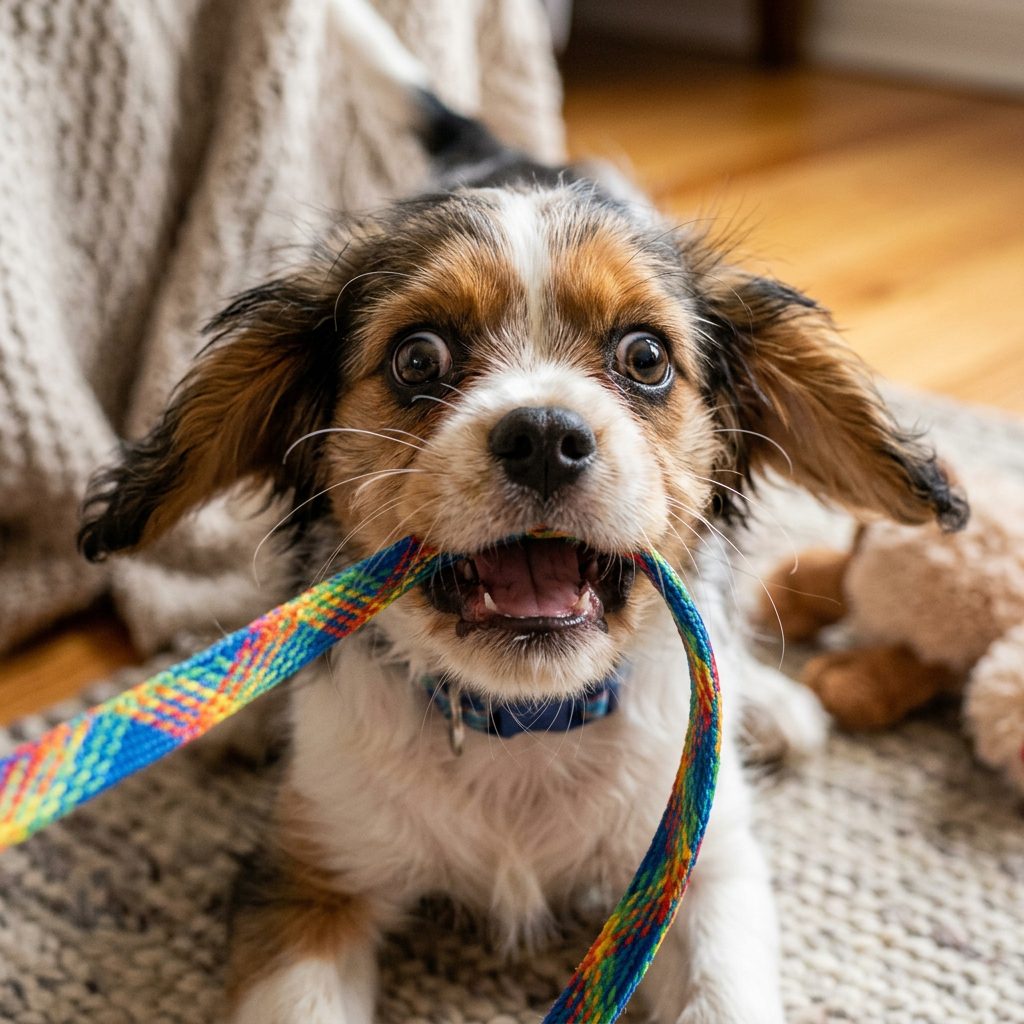
Before we fix the problem, we have to understand the ‘why.’ Puppies do not bite leashes because they are ‘bad’ or ‘dominant.’ In most cases, the leash is simply the most convenient toy available. When a puppy gets excited about going outside, that energy has to go somewhere. The leash is right there in front of their face, moving and dangling—essentially begging to be chased.
The Main Culprits of Leash Biting
- Overstimulation: The sights, sounds, and smells of the outdoors can be overwhelming. Biting the leash is a way for the puppy to vent that ‘big’ energy.
- Play Solicitation: To a puppy, a leash looks a lot like a tug toy. When you pull back, you are accidentally playing the game they want.
- Teething: If your puppy is between 4 and 6 months old, those gums are sore. The texture of nylon or leather feels good to chew on.
- Frustration: If the puppy wants to go sniff a bush and the leash stops them, they might turn around and bite the thing that is restricting their freedom.
By identifying which of these triggers is most prevalent for your pup, you can tailor your approach. However, the 3-step trick we are about to discuss works across the board because it addresses the underlying lack of impulse control.
The Gear: Choosing the Right Tools
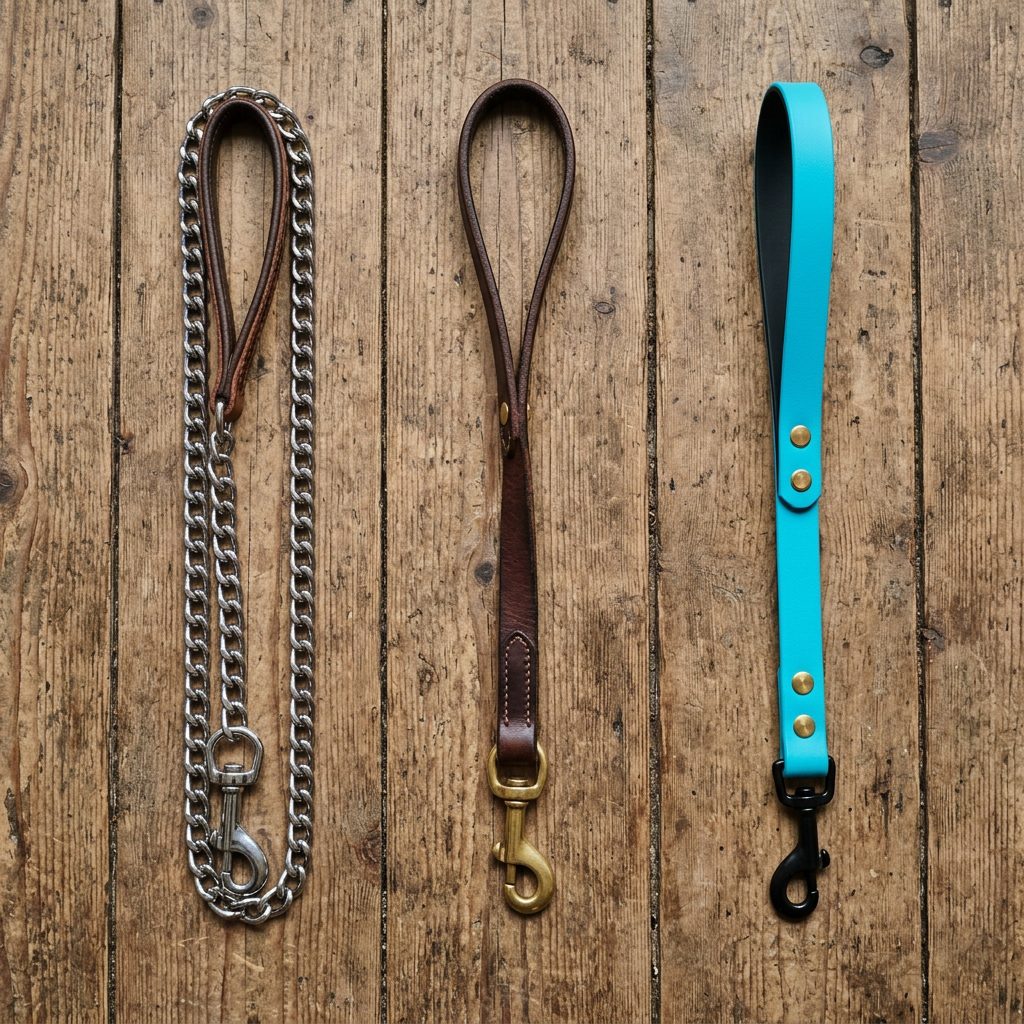
While training is the ultimate solution, the right gear can make the process significantly easier. If your puppy has already destroyed three leashes, it is time to rethink your equipment. Some materials are simply more ‘tempting’ than others. For example, a lightweight, dangling nylon leash is a puppy magnet, whereas a heavier leather leash or a chain leash might be less appealing.
| Leash Material | Pros for Biting | Cons |
|---|---|---|
| Nylon | Lightweight, cheap, many colors. | Extremely easy to chew through; feels like a toy. |
| Leather | Durable, better grip for the owner. | Can be enticing for teething puppies; expensive. |
| Chain (Metal) | Virtually impossible to chew; unpleasant texture. | Heavy; can damage puppy teeth if they bite hard. |
| Biothane | Waterproof, easy to clean, very strong. | Smooth texture can be slippery when wet. |
Expert Tip: If your puppy is a chronic ‘leash-killer,’ consider using a short length of chain (a ‘leash saver’) attached to the collar, then clip your regular leash to the chain. Puppies generally hate the cold, hard sensation of metal on their teeth and will stop biting immediately.
The 3-Step Trick: The ‘Drop and Redirect’ Method
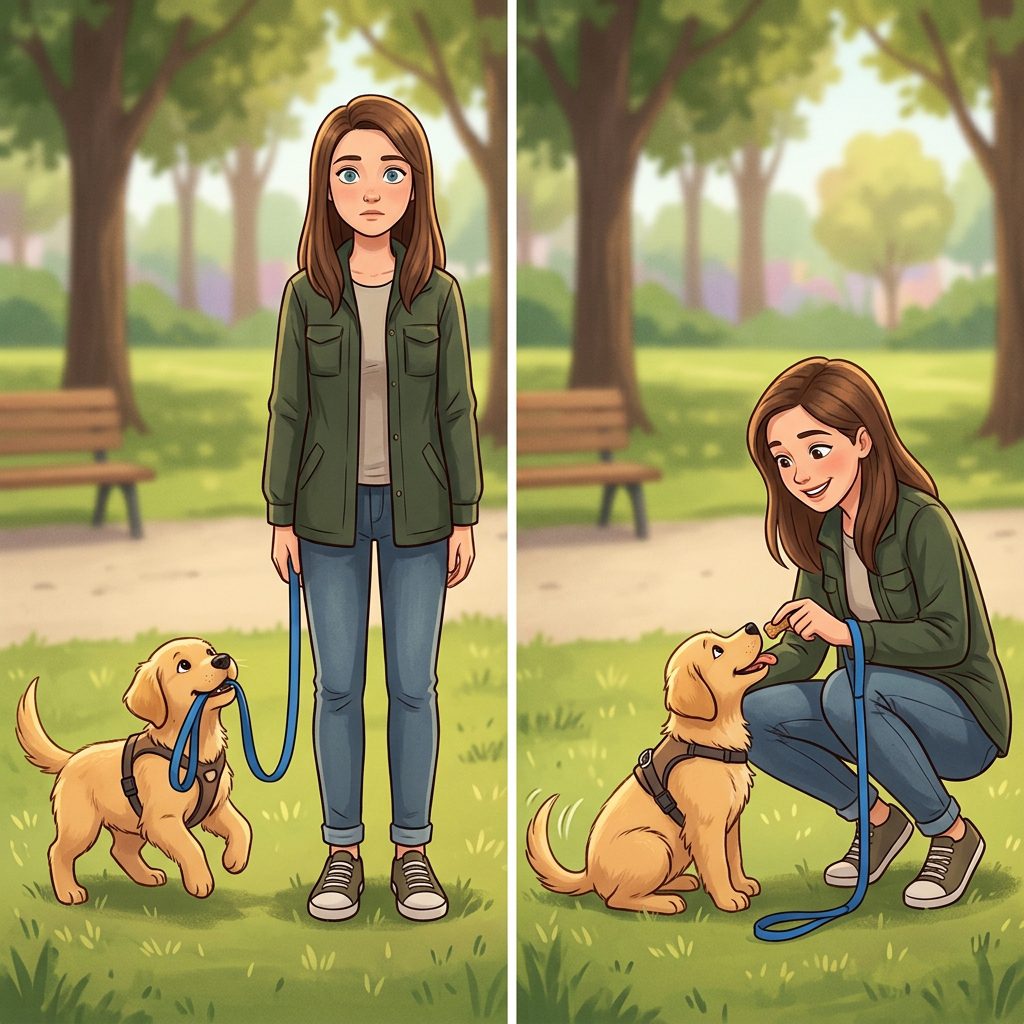
Now, let’s get into the core of the strategy. This trick relies on the principle of Positive Reinforcement and Differential Reinforcement of Incompatible Behavior (DRI). Essentially, we are teaching the puppy that biting the leash makes the fun stop, while walking calmly makes the treats start.
Step 1: The ‘Statue’ Technique (The Stop)
The moment your puppy grabs the leash, you must stop moving immediately. Do not pull back! Pulling creates tension, which triggers the puppy’s ‘opposition reflex’ and makes them want to tug harder. Instead, become a statue. Drop your hands to your core so the leash is short but not tight. By removing the movement, you make the leash boring.
Step 2: The ‘Mark and Reward’ (The Drop)
Wait for the exact millisecond your puppy lets go of the leash. Even if they only let go to take a breath, you must ‘mark’ that moment with a word like ‘Yes!’ or a clicker. Immediately deliver a high-value treat (think boiled chicken or cheese) near your pant leg. This teaches the puppy that letting go of the leash is the ‘key’ that unlocks the food reward.
Step 3: The ‘Alternative Employment’ (The Redirect)
Once the puppy has eaten the treat, do not just start walking again, or they will likely go right back for the leash. Instead, give them a job. Ask for a ‘Sit’ or a ‘Touch’ (hand target). If you are in a high-distraction area, carry a ‘legal’ tug toy in your pocket. Offer the toy as a replacement for the leash. This redirects their biting instinct toward an appropriate outlet.
Troubleshooting: What if They Won’t Let Go?
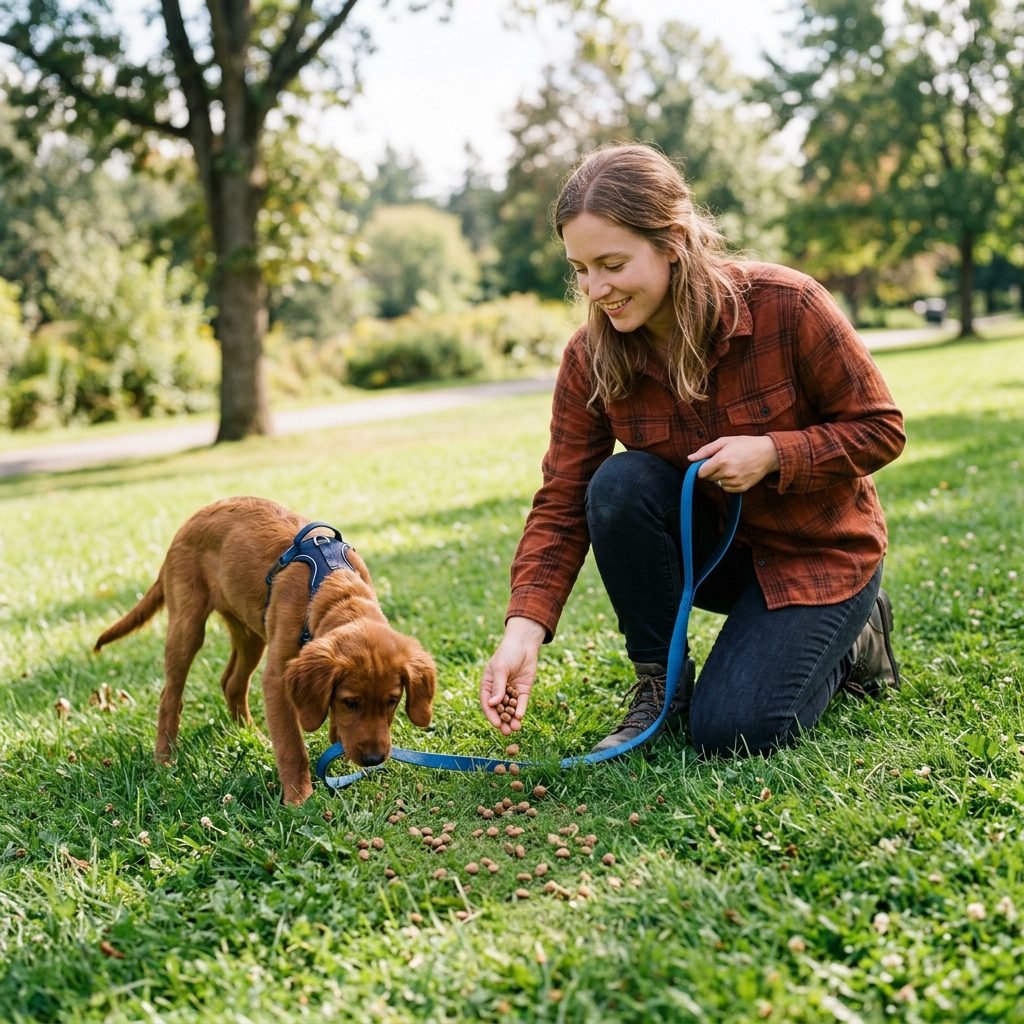
Sometimes, a puppy is so locked into the game of tug that they won’t let go, even if you stand still. In these cases, you need a ‘Plan B’ to avoid a wrestling match. Here are the most effective troubleshooting tactics for savvy owners:
- The ‘Two-Leash’ System: Clip two leashes to the harness. When the puppy bites Leash A, drop it (let it go limp) and hold Leash B. Now Leash A is boring, and Leash B is the one ‘in control.’ Switch back and forth as needed.
- The Treat Scatter: If the puppy is hyper-focused on the leash, toss a handful of small treats on the ground. They will almost always drop the leash to sniff out the food. This resets their brain from ‘tug mode’ to ‘foraging mode.’
- Check Your Energy: Are you yelling ‘No!’ or ‘Stop it!’? To a puppy, loud noises often sound like barking, which they interpret as you joining in the fun. Stay calm, quiet, and boring.
Trainer’s Secret: If the behavior happens mostly at the start of the walk, your puppy might just have too much ‘zoomie’ energy. Try a 5-minute session of indoor fetch or tug before you even put the leash on to take the edge off.
Long-Term Prevention and Management
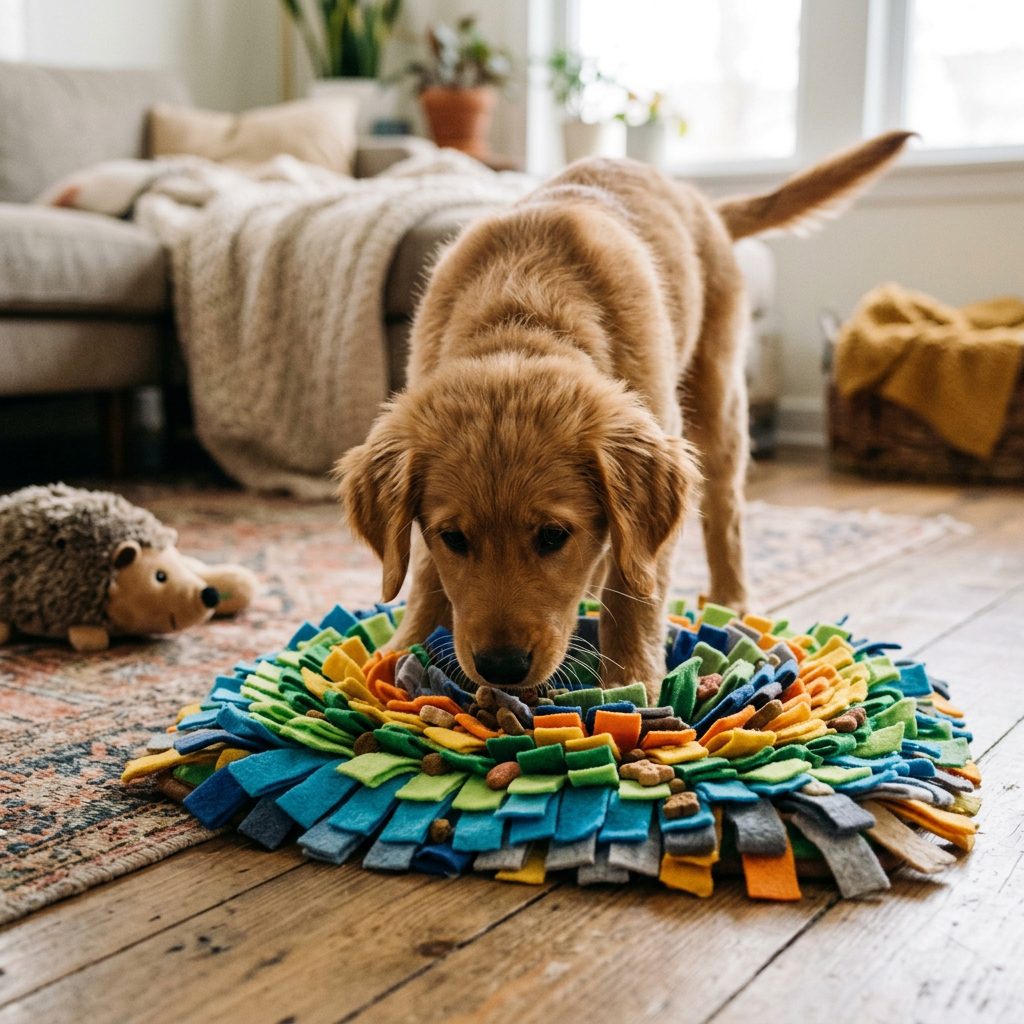
Stopping the biting in the moment is great, but the goal is to prevent it from happening in the first place. This requires a combination of management and mental stimulation. A puppy that is mentally tired is far less likely to act out on a walk.
Increasing Mental Stimulation
If your puppy is biting the leash out of frustration or boredom, increase their ‘brain work’ at home. Use puzzle feeders, snuffle mats, and short training sessions throughout the day. A 15-minute sniff-walk (where the puppy leads the way and sniffs whatever they want) is often more tiring than a 30-minute forced march around the block.
The ‘Bitter’ Solution
For some persistent chewers, a taste deterrent like Grannick’s Bitter Apple spray can be a helpful temporary tool. Spray it on the bottom two feet of the leash (the part the puppy usually grabs). When they go to bite, they get an unpleasant taste, which helps break the habit. Note: This only works if you are also doing the training steps above!
Conclusion
Stopping puppy leash biting does not require a heavy hand or expensive equipment; it requires consistency, patience, and the 3-step trick of stopping, marking, and redirecting. Remember that your puppy is still learning how to navigate the world in a body full of energy and curiosity. By staying calm and rewarding the behaviors you want to see, you are not just saving your leashes—you are building a foundation of trust and communication that will last a lifetime.
Next time you head out for a walk, pack your high-value treats, bring your favorite tug toy, and be ready to become a ‘statue’ if needed. With a little practice, those ‘alligator’ moments will become a thing of the past, and you will finally enjoy the peaceful strolls you have always imagined. Happy training!