Save Your Stuff! The 1-Minute Trick To Teach Your Puppy “Drop It” Fast
The Puppy Shark Phase: A Race Against Time
If you have recently welcomed a puppy into your home, you are likely intimately familiar with the ‘Puppy Shark’ phase. It starts innocently enough—a playful nip here, a curious sniff there—but before you know it, your furry little friend is sprinting across the living room with your expensive leather loafers or, worse, a piece of discarded chocolate they found under the couch. As a canine specialist, I have heard the panic in owners’ voices when they realize their pup has something dangerous. The natural instinct for most owners is to chase the puppy, shouting ‘No!’ or ‘Drop it!’ at the top of their lungs. However, this often turns into a fun game of ‘Keep Away’ for the puppy, reinforcing the very behavior you want to stop.
The secret to saving your stuff and ensuring your puppy’s safety isn’t found in long, grueling training sessions. Instead, it lies in a simple, 1-minute trick known as the ‘Trade-Up’ method. This technique works with your puppy’s natural psychology rather than against it. In this guide, we are going to break down why puppies grab things they shouldn’t, the essential tools you need to succeed, and the step-by-step process to master the ‘Drop It’ command in record time. By the end of this article, you will have a reliable way to get your puppy to relinquish any object willingly and happily.
Understanding the ‘Why’: Why Puppies Steal Your Stuff
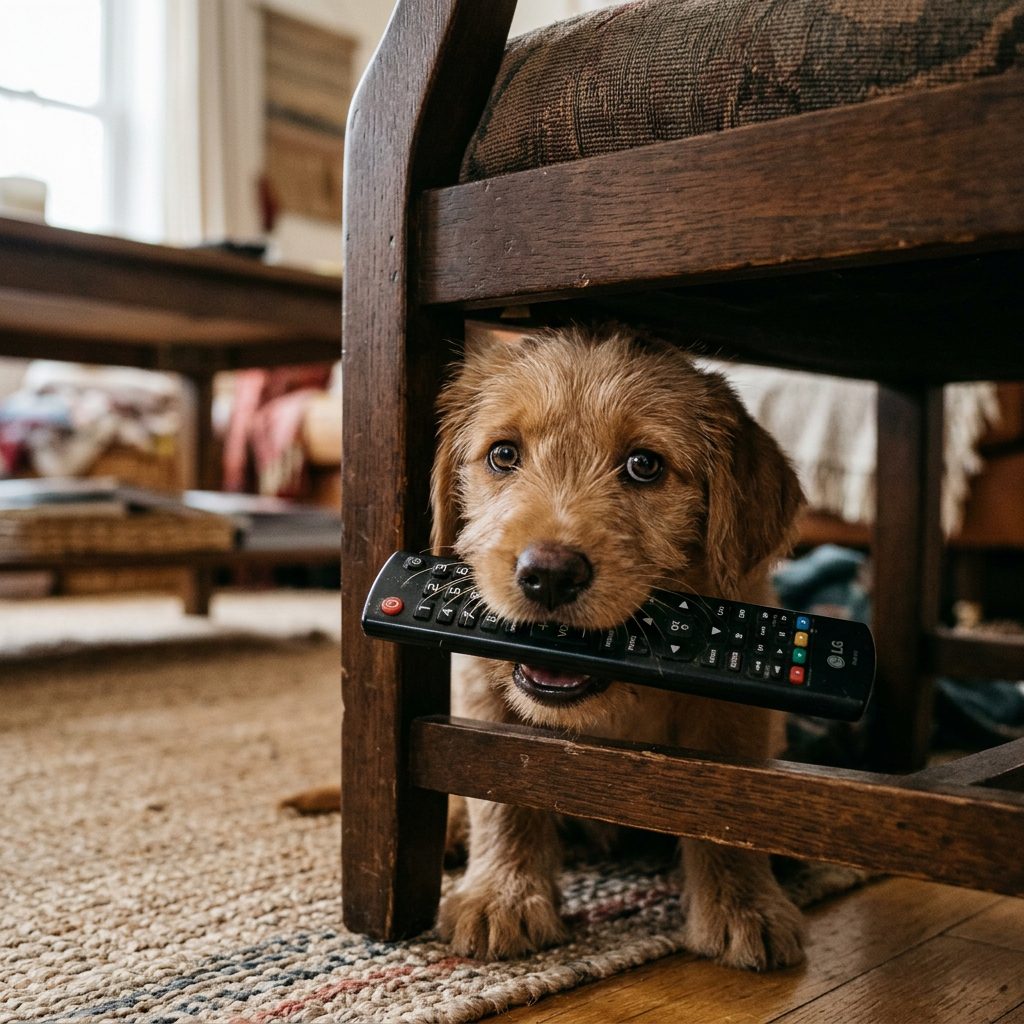
Before we dive into the training, it is crucial to understand why your puppy is so obsessed with your belongings. To a puppy, the world is one giant sensory playground, and their primary way of exploring that world is through their mouth. When they grab your sock, they aren’t trying to be naughty; they are being curious. However, there are three main psychological drivers behind this behavior:
- Exploration: Puppies use their mouths like we use our hands. They want to know the texture, taste, and ‘give’ of every object.
- Attention Seeking: Puppies quickly learn that grabbing a forbidden item is the fastest way to get you to stop looking at your phone and start interacting with them. Even negative attention (chasing and shouting) is still attention.
- Teething Relief: Between the ages of 3 to 6 months, puppies are losing their baby teeth. Chewing on various textures helps soothe their sore gums.
The danger arises when exploration turns into a habit or a safety risk. If a puppy learns that holding onto an object results in a fun chase, they may start to ‘guard’ items or swallow them quickly to prevent you from taking them. This is why the ‘Drop It’ command is arguably the most important safety skill you can teach. It transforms a potential confrontation into a cooperative agreement.
The Essential Toolkit: Preparing for Success
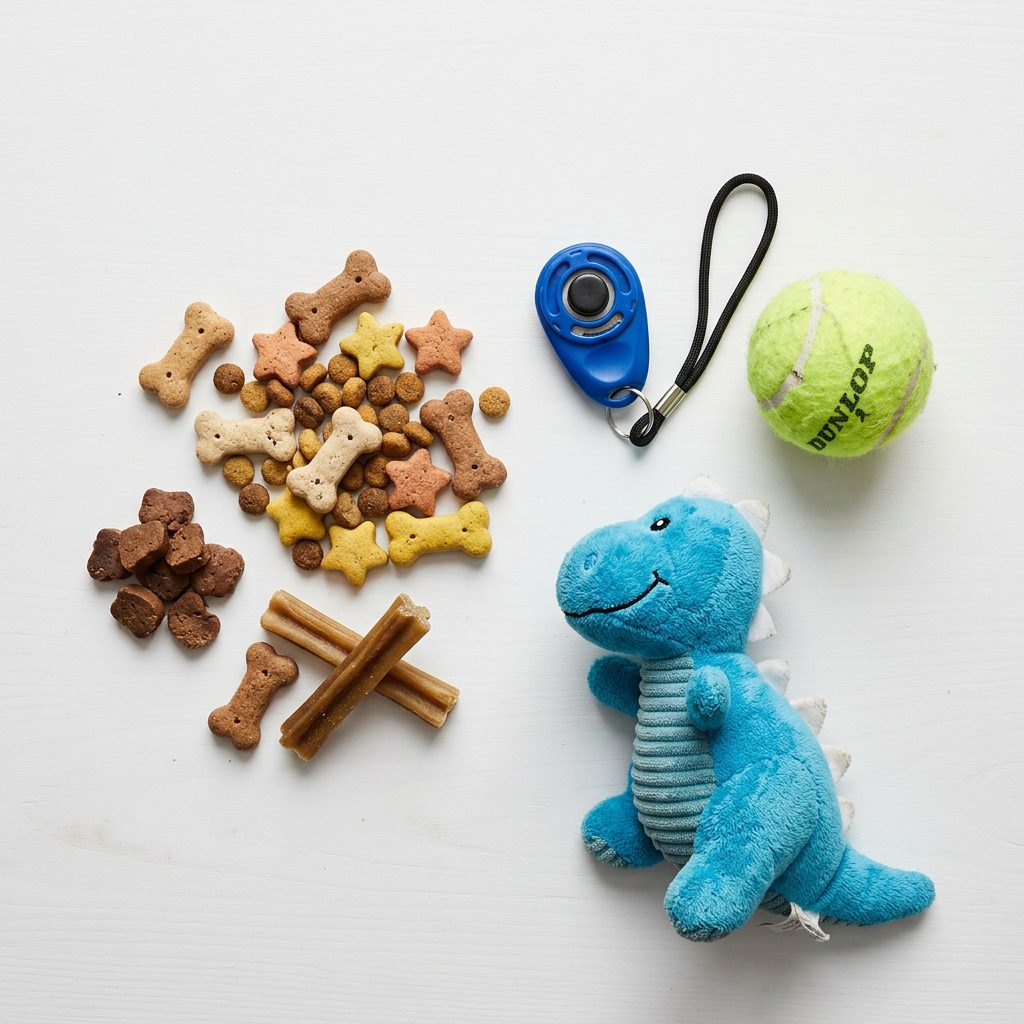
To teach ‘Drop It’ fast, you need to be prepared. You cannot expect a puppy to give up a prized possession for nothing. In the canine world, everything is a transaction. You need to offer something of higher value than what they currently have. This is the core of the ‘Trade-Up’ philosophy.
Here is what you will need in your training kit:
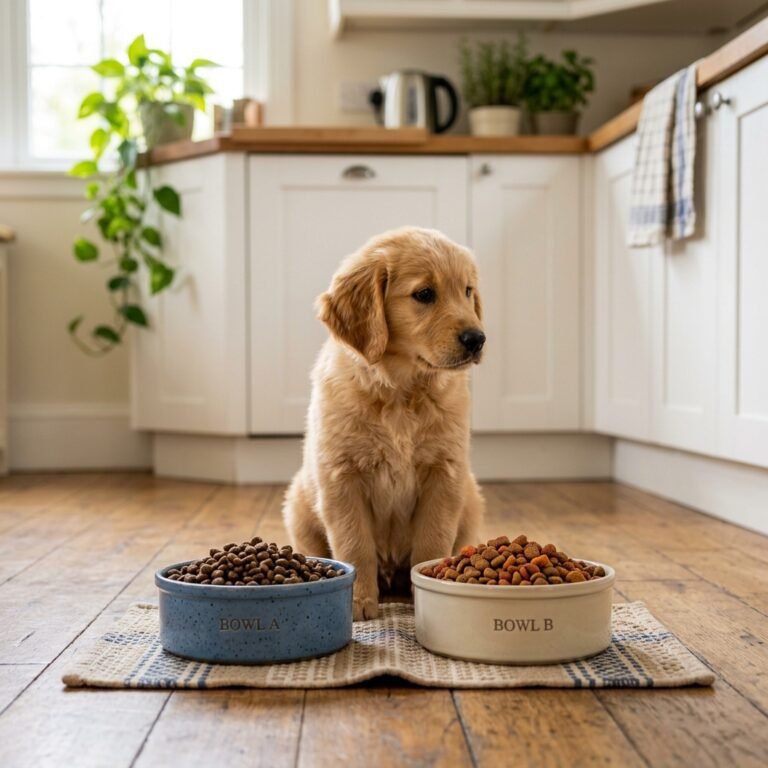
- High-Value Treats: These should be soft, smelly, and something your pup rarely gets. Think boiled chicken, small pieces of cheese, or commercial freeze-dried liver.
- A Low-Value Object: Start training with something your puppy likes but isn’t obsessed with, such as a basic rubber toy or a cotton rope.
- A Quiet Environment: Minimize distractions for the first few sessions. No TV, no other pets, and no kids running around.
- A Positive Attitude: Your puppy feeds off your energy. If you are frustrated, they will be tense.
To help you choose the right rewards, refer to the table below to understand the ‘Reward Hierarchy’ for your puppy:
| Reward Type | Value Level | Best Usage |
|---|---|---|
| Standard Kibble | Low | Reviewing known commands in a quiet house. |
| Crunchy Biscuit Treats | Medium | Learning new tricks in low-distraction areas. |
| Boiled Chicken / Cheese | High | Initial ‘Drop It’ training and high-distraction environments. |
| Freeze-Dried Liver / Salmon | Ultra-High | Emergency situations or very stubborn behaviors. |
The 1-Minute Trick: The Step-by-Step ‘Trade-Up’ Guide
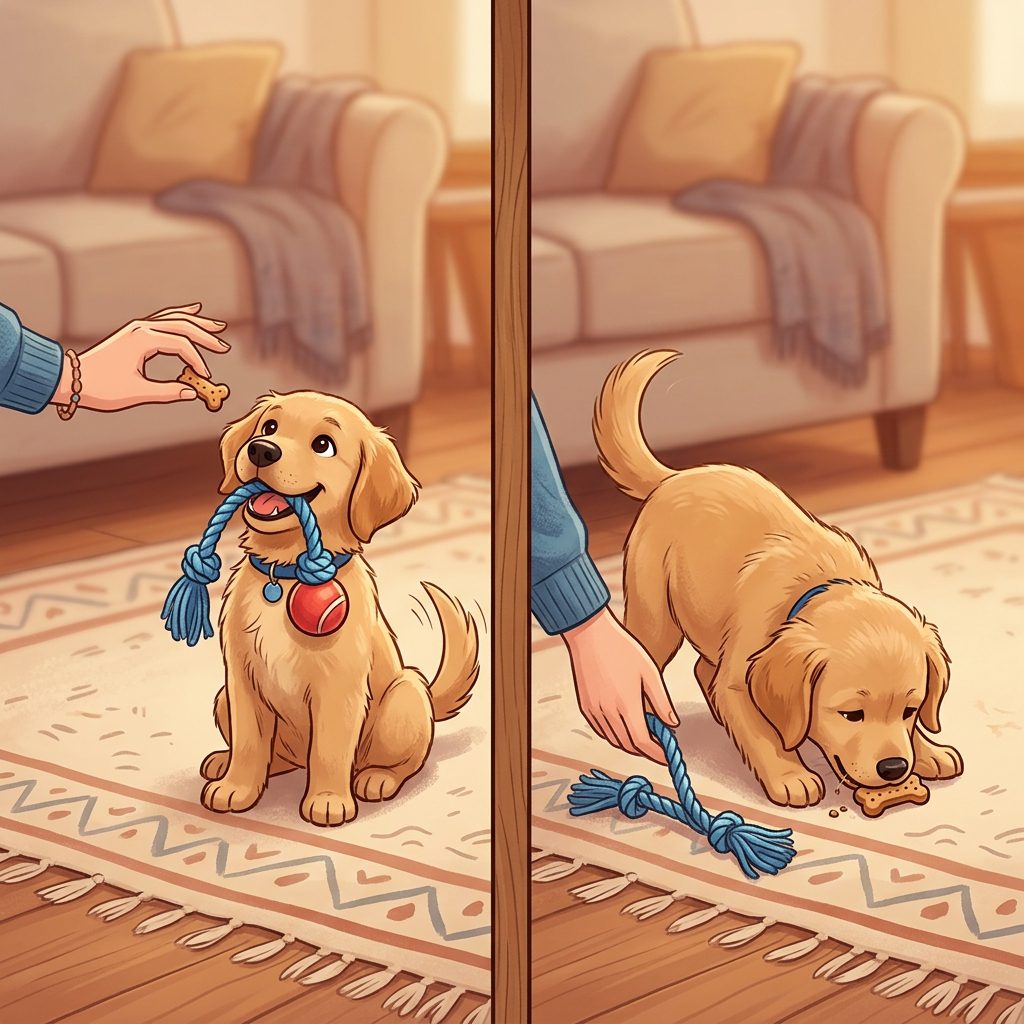
Now, let’s get into the heart of the training. We call this the 1-minute trick because each session should last no longer than 60 seconds. Puppies have short attention spans, and short, successful bursts are much more effective than long, boring drills. Follow these steps exactly:
Step 1: The Setup
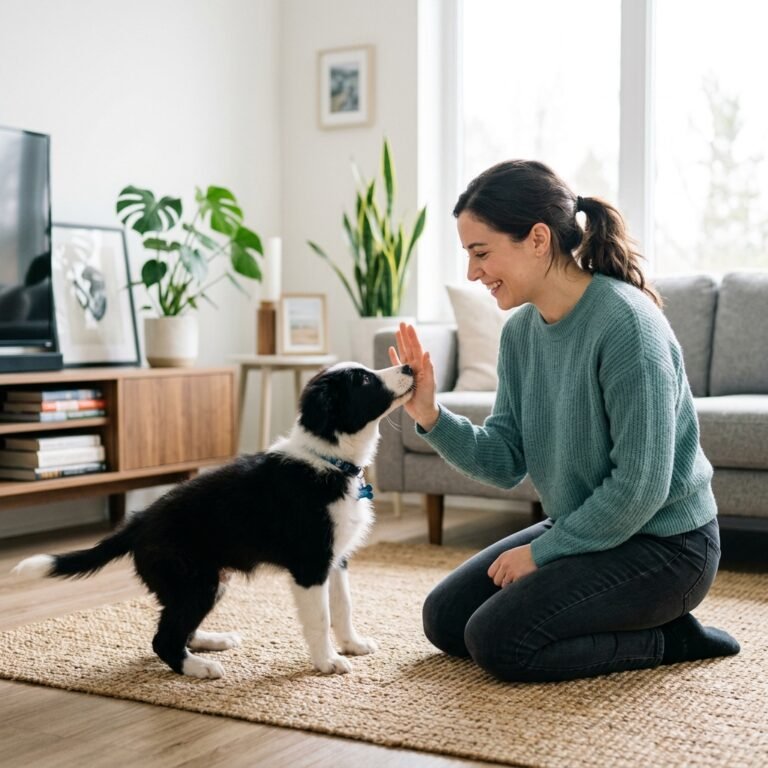
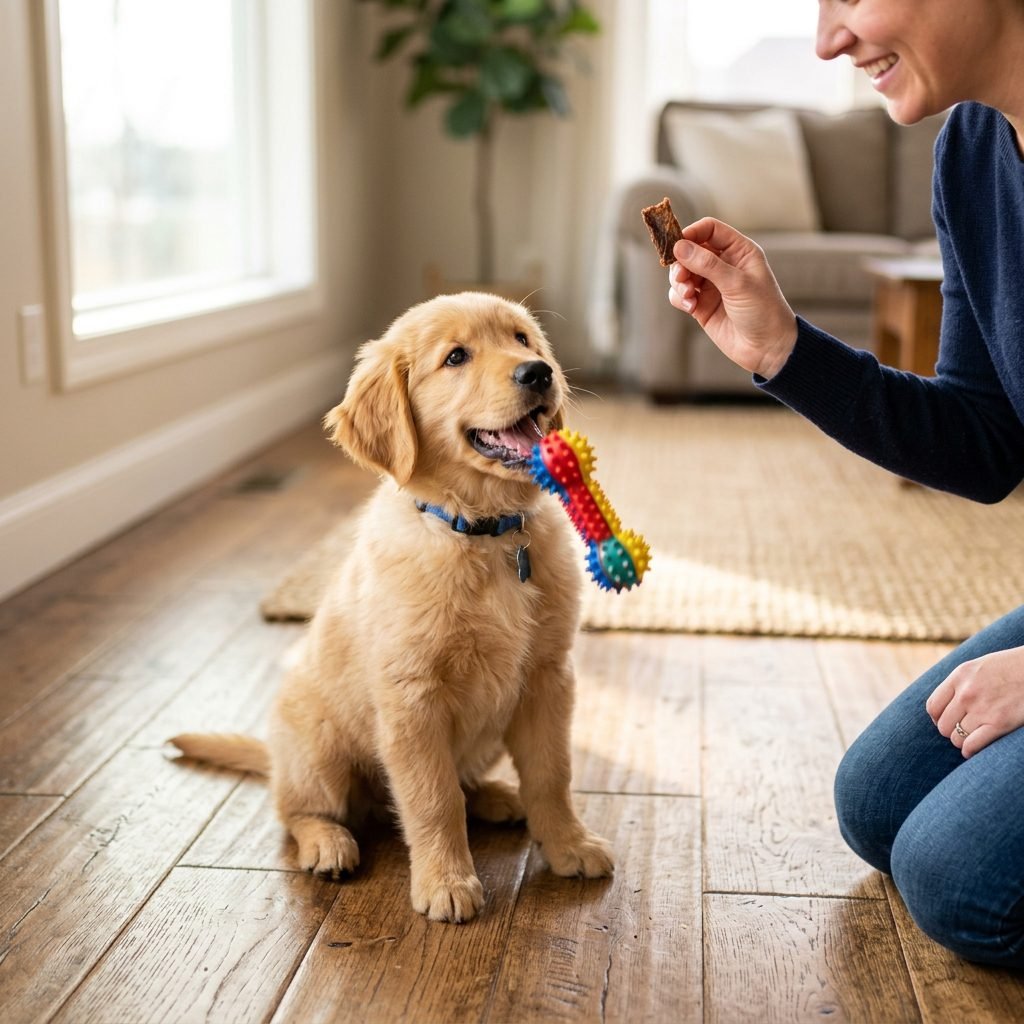
Sit on the floor with your puppy and offer them a low-value toy. Let them engage with it and start chewing for a few seconds. Ensure you have your high-value treats hidden in a pouch or your pocket so they aren’t focused on the food yet.
Step 2: The Offer
While the puppy has the toy in their mouth, bring a high-value treat right up to their nose. Do not say anything yet. Most puppies will naturally open their mouth to take the smelly treat, causing the toy to fall out. The moment the toy hits the ground, say ‘Yes!’ or click your clicker.
Step 3: The Reward and Return
Give them the treat. While they are eating, pick up the toy. Crucially, give the toy back to them immediately after they finish the treat. This is the ‘secret sauce.’ It teaches the puppy that dropping an item doesn’t mean they lose it forever; it actually means they get a treat plus their toy back. This prevents resource guarding.
Step 4: Introducing the Verbal Cue
Repeat steps 1 through 3 about five times. Once your puppy is dropping the toy as soon as they smell the treat, you can add the verbal cue. Just as you move the treat toward their nose, say ‘Drop It’ in a clear, friendly voice. Over time, they will associate the word with the action of opening their mouth.
Step 5: Fading the Physical Lure
After several successful 1-minute sessions, try saying ‘Drop It’ without moving the treat to their nose first. Wait a second. If they drop it, ‘Yes!’ and give a treat from your other hand. If they don’t, go back to the lure for a few more reps.
Expert Tip: Never pull the toy out of your puppy’s mouth. This triggers an ‘opposition reflex,’ causing them to bite down harder and pull back, which can lead to a game of tug-of-war.
Troubleshooting: What to Do When It Doesn’t Go to Plan
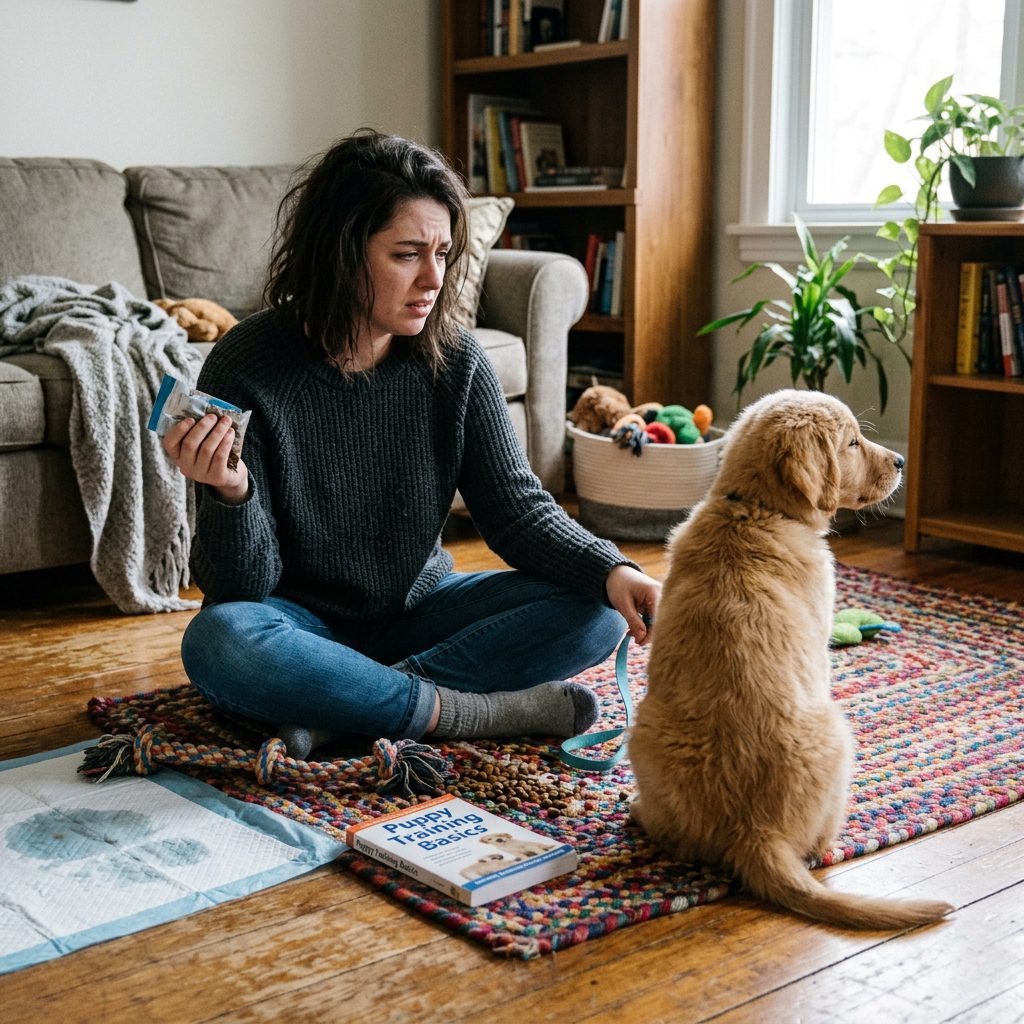
Even with the best technique, puppies can be unpredictable. Here are the most common challenges owners face and how to solve them instantly:
The ‘Runaway’ Puppy
If your puppy grabs an item and runs away, do not chase them. Chasing is a reward. Instead, run in the opposite direction or fall to the floor and act like you’ve found something incredibly interesting. Their curiosity will bring them back to you, at which point you can perform the ‘Trade-Up.’
The ‘Fast Swallower’
Some puppies try to swallow the item as soon as you approach. If you have a ‘gulper,’ you must always carry high-value treats. You need to make the trade from a distance by tossing treats on the floor near them. This encourages them to drop the item to eat the scattered treats, moving their focus away from the object in their mouth.
The ‘Bored’ Puppy
If your puppy isn’t interested in the toy you’re using for training, you’ve picked something too low-value. Use a slightly more exciting toy, but ensure your treats are still ‘better’ than the toy. Use the table below to track your progress and adjust your strategy:
| Problem | Probable Cause | Solution |
|---|---|---|
| Puppy won’t let go | Treat isn’t high-value enough | Switch to chicken or cheese. |
| Puppy runs away | They think it’s a game | Stop chasing; move away and lure them back. |
| Puppy ignores the treat | Session is too long / distracted | Keep sessions under 60 seconds; move to a quieter room. |
Generalizing the Command: Real-World Application
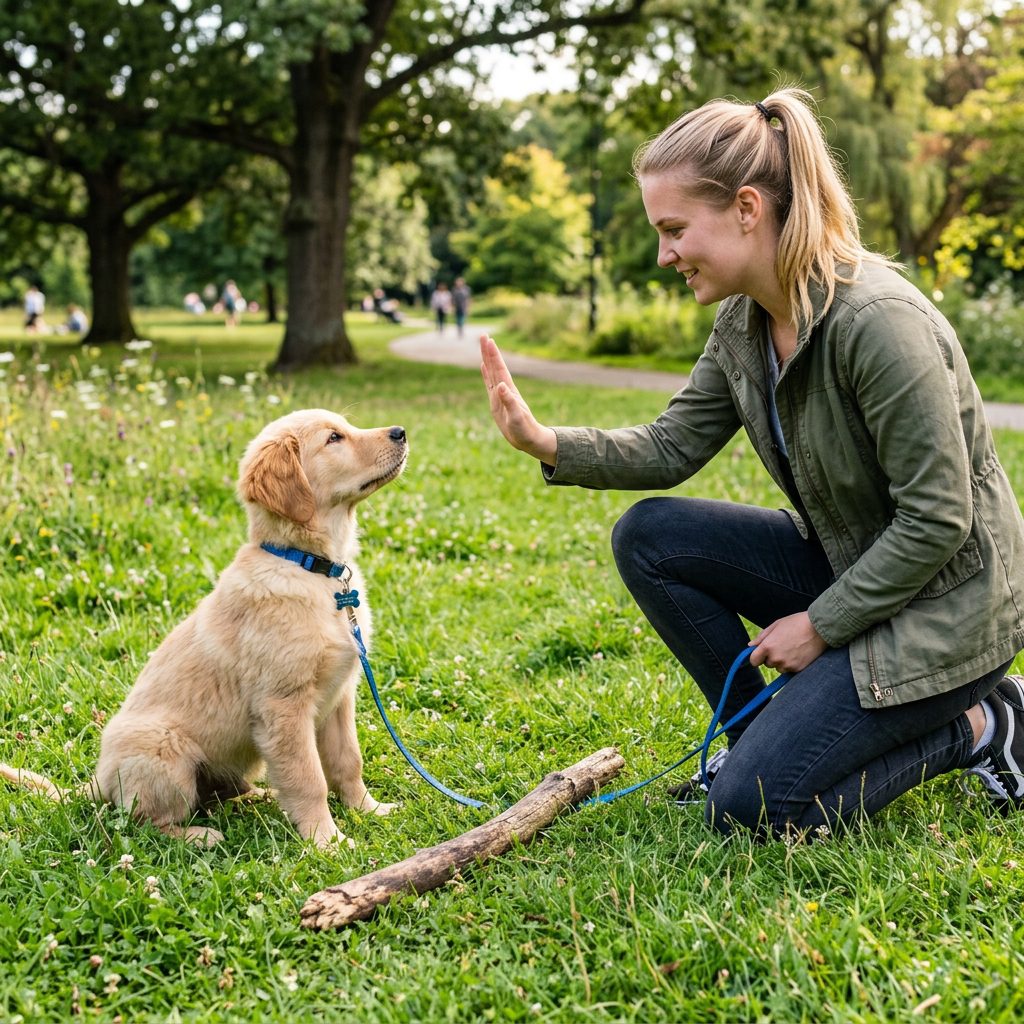
Teaching ‘Drop It’ with a toy in your living room is ‘Level 1.’ To truly save your stuff, you need to reach ‘Level 10.’ Generalization is the process of teaching your puppy that ‘Drop It’ means the same thing regardless of the object or the location.
To generalize effectively, follow this progression:
- Different Objects: Move from toys to ‘boring’ household items like a plastic bottle (empty and cap removed) or an old towel.
- Different Rooms: Practice in the kitchen, the bedroom, and the hallway. A change in scenery can make a command feel brand new to a puppy.
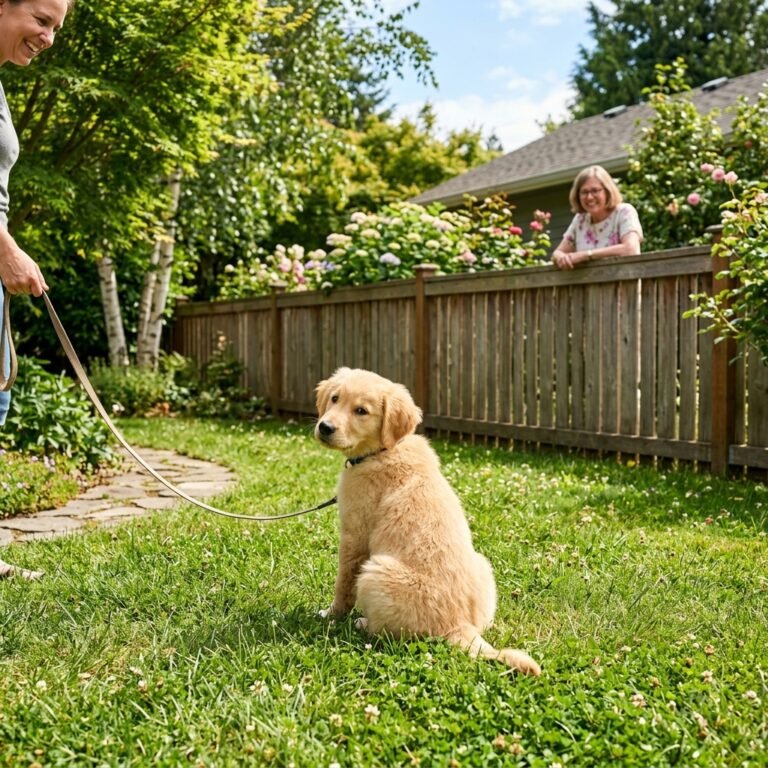
- The Great Outdoors: This is the hardest level. The outdoors is full of high-value ‘forbidden’ items like sticks, mulch, and stones. Start in your backyard or a quiet park on a long leash.
- The ‘Cold’ Test: Occasionally, when you haven’t been training, ask for a ‘Drop It’ when they have their favorite toy. If they do it, give them a ‘jackpot’ (3-4 treats in a row).
Remember: In a real emergency (like your puppy grabbing a grape or a sharp object), do not worry about the ‘perfect’ training form. Use whatever you have to get that object out of their mouth safely, but then return to your 1-minute training sessions later that day to reinforce the positive behavior.
Top 5 Mistakes to Avoid During Training
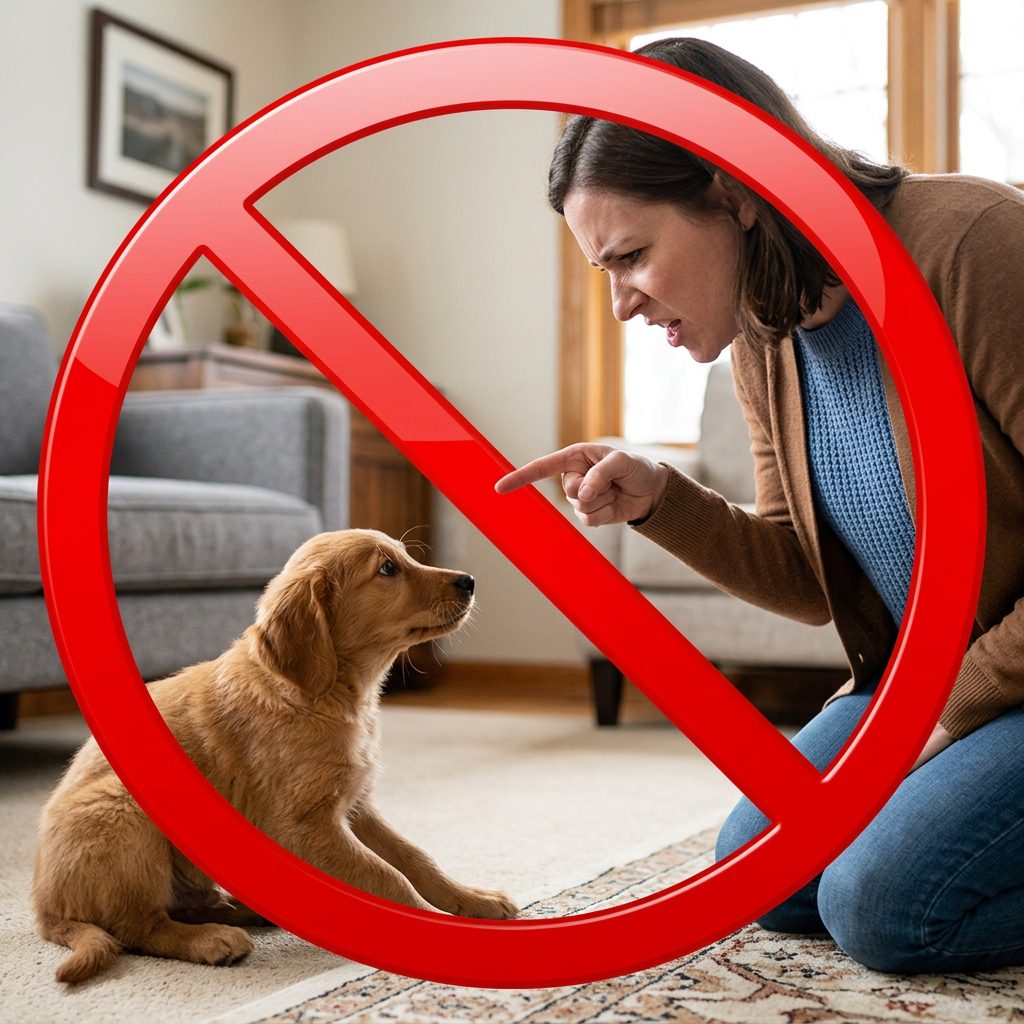
Even savvy owners can fall into these common traps. Avoiding these will shave weeks off your training time:
- 1. Shouting the Command: If you yell ‘DROP IT!’, your puppy will sense your stress. They might drop the item out of fear, but they won’t learn the cooperative ‘trade’ you want. Keep your voice calm and inviting.
- 2. Repeating the Command: If you say ‘Drop it, drop it, drop it…’, your puppy learns that they don’t have to listen to the first one. Say it once, wait 2-3 seconds, and if they don’t comply, use the treat lure to help them.
- 3. Only Training with ‘Stolen’ Items: If you only use the command when you’re taking something away for good, the puppy will learn that ‘Drop It’ equals ‘Loss.’ Practice 90% of the time with their own toys where they get the item back.
- 4. Lack of Consistency: Ensure everyone in the household uses the same verbal cue. If you say ‘Drop It’ and your partner says ‘Give,’ the puppy will be confused.
- 5. Stopping Too Early: Just because your puppy did it twice doesn’t mean they know it. Keep up the 1-minute sessions daily for at least a month to ‘lock in’ the behavior.
By avoiding these pitfalls, you ensure that ‘Drop It’ becomes a reflexive, positive response for your puppy, rather than a point of contention.
Conclusion
Your Path to a Stress-Free Home
Teaching your puppy the ‘Drop It’ command is one of the most rewarding investments you can make in your life together. By using the 1-minute ‘Trade-Up’ trick, you are building a relationship based on trust and cooperation rather than conflict and theft. Remember, your puppy isn’t trying to ruin your belongings; they are simply learning how to navigate their world. It is your job to show them that listening to you is always the most rewarding choice they can make.
Consistency is key. Keep your sessions short, your treats high-value, and your attitude positive. Before you know it, you’ll be able to walk through your house without fear for your footwear, and more importantly, you’ll have the peace of mind knowing you can keep your puppy safe in any situation. Happy training!