Warning: Why Eating Bark Mulch Is Poisoning Your Puppy (Stop It Now!)
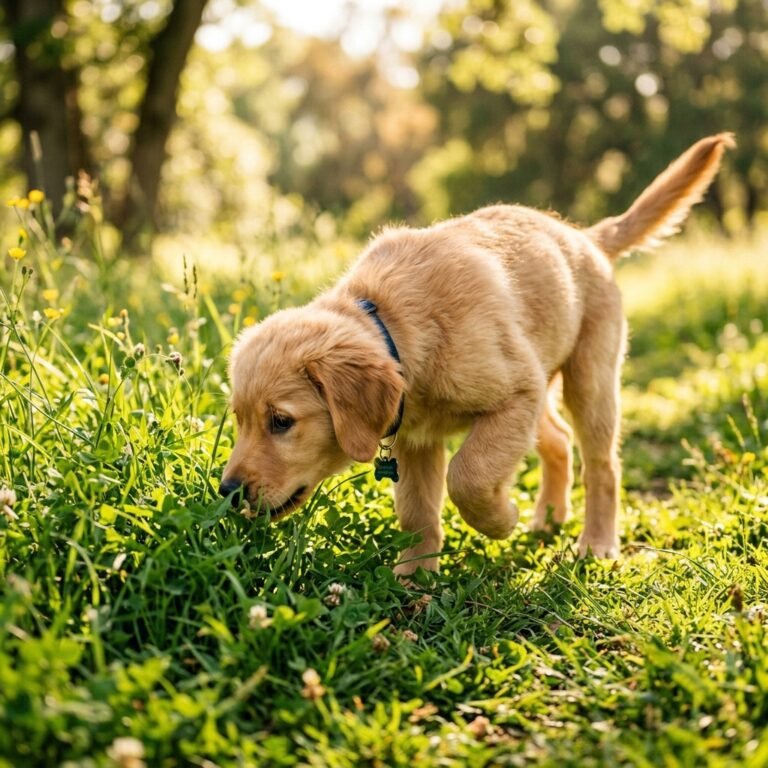
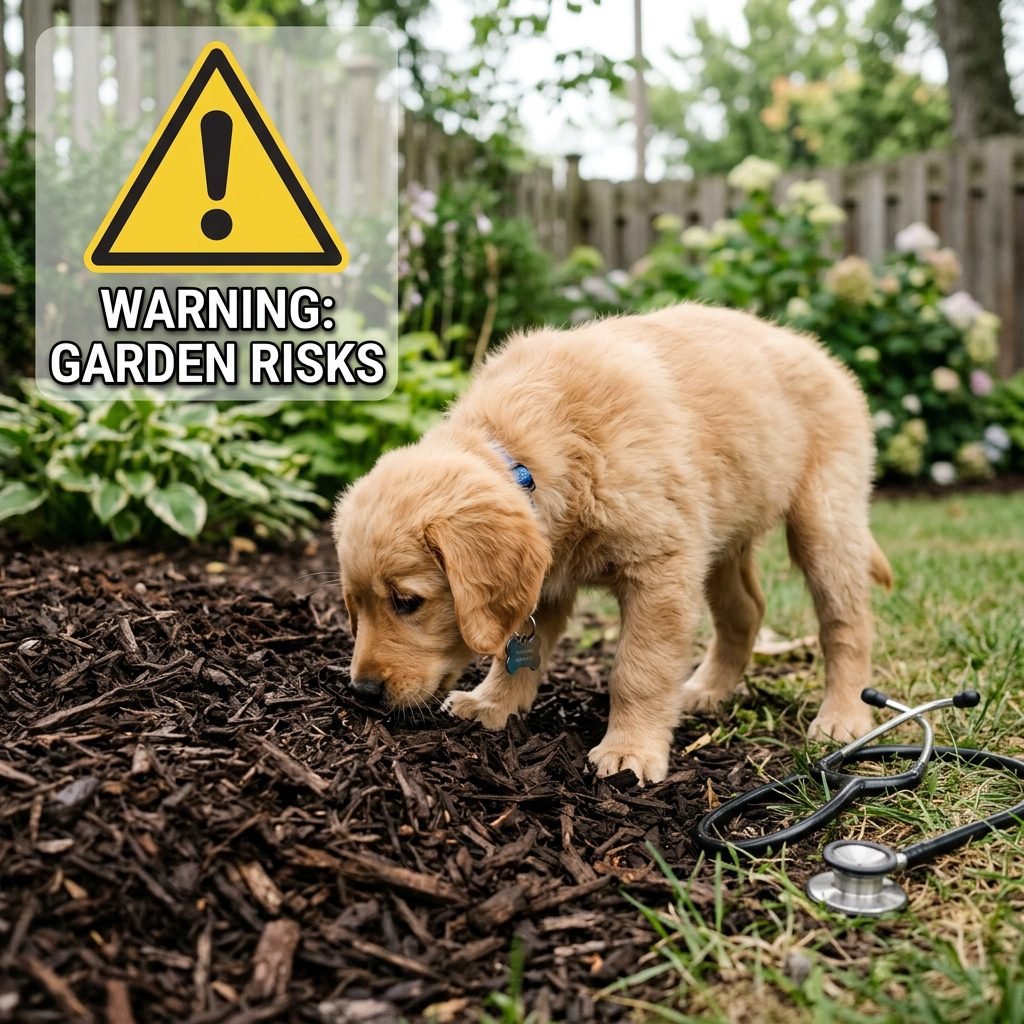
We’ve all been there: you’re enjoying a peaceful morning in the garden, and suddenly, you notice your puppy is suspiciously quiet. You look over, and their mouth is full of dark, shredded wood. While it might look like a harmless game of ‘chew the stick,’ the reality is far more sinister. For a growing puppy, bark mulch isn’t just a messy snack—it can be a lethal cocktail of chemicals, molds, and physical hazards.
As a canine specialist, I see this issue every spring and fall. Owners often assume mulch is just natural wood, but the processing of these garden staples introduces risks that can lead to emergency vet visits. In this comprehensive guide, we are going to break down exactly why bark mulch is poisoning your puppy, how to spot the symptoms of distress, and—most importantly—the exact steps you need to take to stop this behavior before it’s too late. Your garden should be a sanctuary, not a hazard zone.
The Toxic Three: Why Not All Mulch Is Created Equal
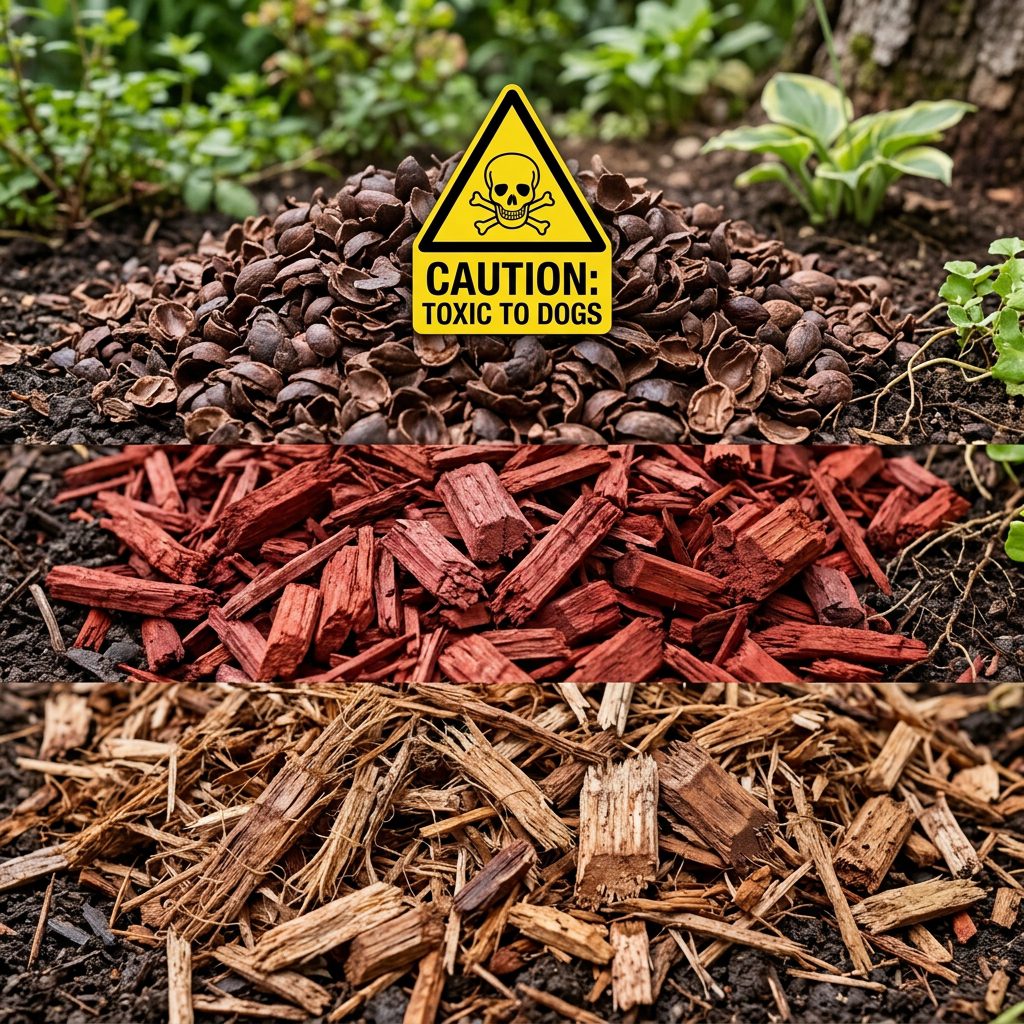
When you head to the local garden center, the bags of mulch look beautiful and smell earthy. However, for a puppy with a sensitive system, certain types are essentially poison in a bag. Understanding the chemical and biological makeup of your mulch is the first step in prevention.
1. Cocoa Bean Mulch: The Chocolate Threat
This is perhaps the most dangerous variety. Made from the shells of cocoa beans, it has a delicious chocolate aroma that is irresistible to dogs. Unfortunately, it contains theobromine and caffeine, the same toxic compounds found in chocolate. Because puppies are small, even a few mouthfuls can cause a massive overdose.
2. Dyed and Treated Mulches
That vibrant red or deep black mulch didn’t get that way naturally. Many cheaper mulches are made from recycled wood products, including old pallets or construction debris, which may have been treated with chromated copper arsenate (CCA) or other toxic preservatives. The dyes themselves, while often labeled as ‘pet-safe,’ can still cause significant gastrointestinal upset if ingested in large quantities.
3. Pine and Cedar Oils
While natural, the concentrated resins and oils in pine and cedar mulch can be highly irritating to a puppy’s digestive tract and skin. Some puppies may even experience allergic reactions or respiratory distress just from being near high concentrations of fresh cedar mulch.
| Mulch Type | Primary Danger | Severity Level |
|---|---|---|
| Cocoa Bean | Theobromine Poisoning | Critical / Fatal |
| Red/Black Dyed | Chemical Additives/Dyes | Moderate to High |
| Pine/Cedar | Essential Oil Irritation | Mild to Moderate |
| Rubber Mulch | Choking/Heavy Metals | High |
The Invisible Killer: Tremorgenic Mycotoxins
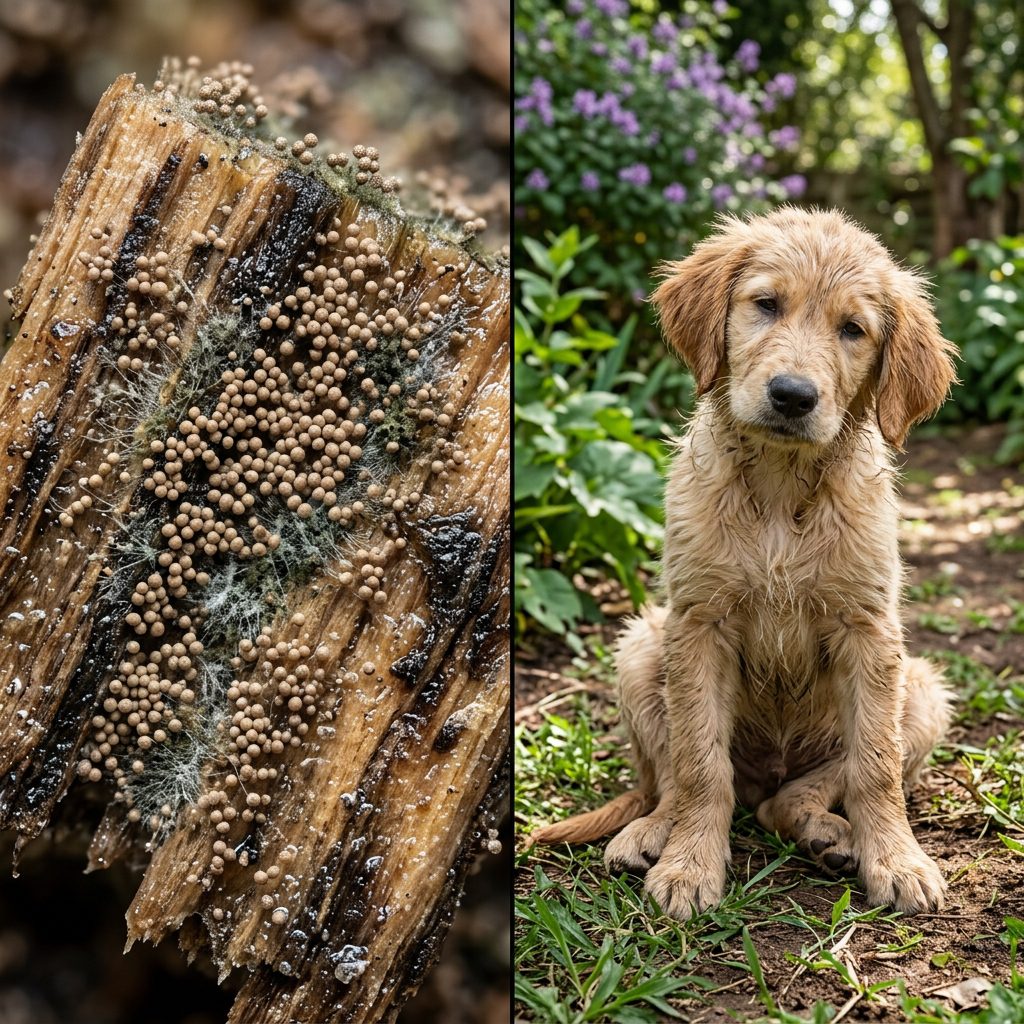
Even if you buy organic, untreated hardwood mulch, a hidden danger lurks just beneath the surface: mold. Mulch is designed to retain moisture, which creates the perfect breeding ground for various fungi and molds as it decomposes.
When mulch stays damp, it can develop tremorgenic mycotoxins. These are toxins produced by molds that, when ingested, affect the central nervous system. This is often referred to by vets as ‘Garbage Gut’ or ‘Mulch Poisoning.’ Because puppies are notorious for digging into the deeper, wetter layers of mulch, they are at the highest risk of finding these moldy pockets.
Expert Tip: Always turn your mulch with a rake once a week to allow airflow and prevent the growth of dangerous fungal mats that can poison your pet.
Symptoms of mycotoxin poisoning can appear within minutes to hours and include severe tremors, vomiting, and even seizures. Unlike a simple upset stomach, this is a neurological emergency that requires immediate veterinary intervention.
Physical Hazards: Beyond the Poison
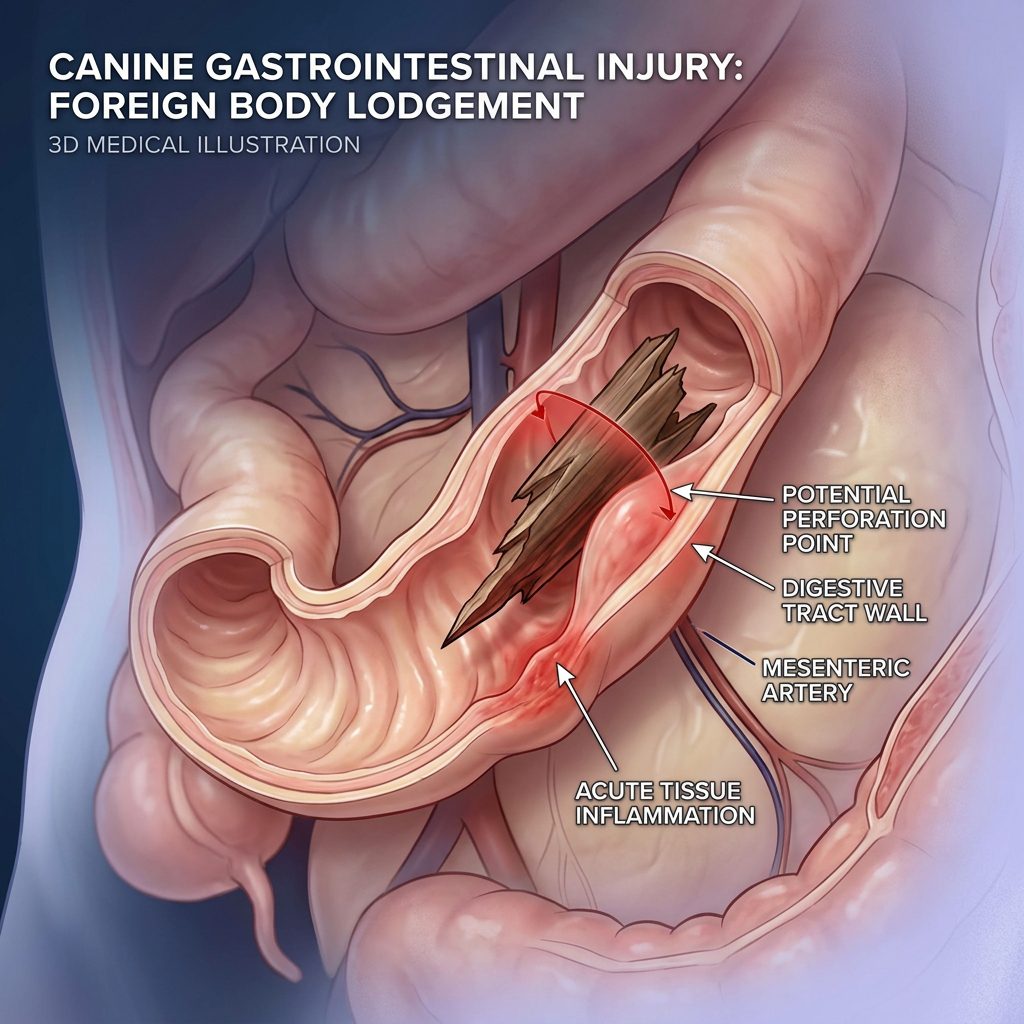
While the chemical and biological toxins are frightening, the physical structure of bark mulch poses an immediate threat to your puppy’s internal organs. Puppies don’t just ‘chew’ mulch; they often swallow large, jagged shards.
Gastrointestinal Obstruction
Bark chips do not break down easily in the stomach. If a puppy swallows a large piece, it can become lodged in the narrow passages of the intestines. This creates a foreign body obstruction, which often requires expensive and invasive surgery to correct. If left untreated, the blockage can cut off blood flow to the intestines, leading to tissue death.
Perforation and Splinters
Think about a splinter in your finger—now imagine that shard of wood scraping against the delicate lining of the esophagus or stomach. Sharp mulch fragments can cause perforations (holes) in the digestive tract. This allows bacteria and stomach acid to leak into the abdominal cavity, causing a life-threatening infection called peritonitis.
- Esophageal Scratches: Causes pain, drooling, and refusal to eat.
- Stomach Lining Irritation: Leads to chronic vomiting or bloody stools.
- Rectal Injury: Sharp pieces can cause pain and bleeding during defecation.
Recognizing the Symptoms: When to Call the Vet
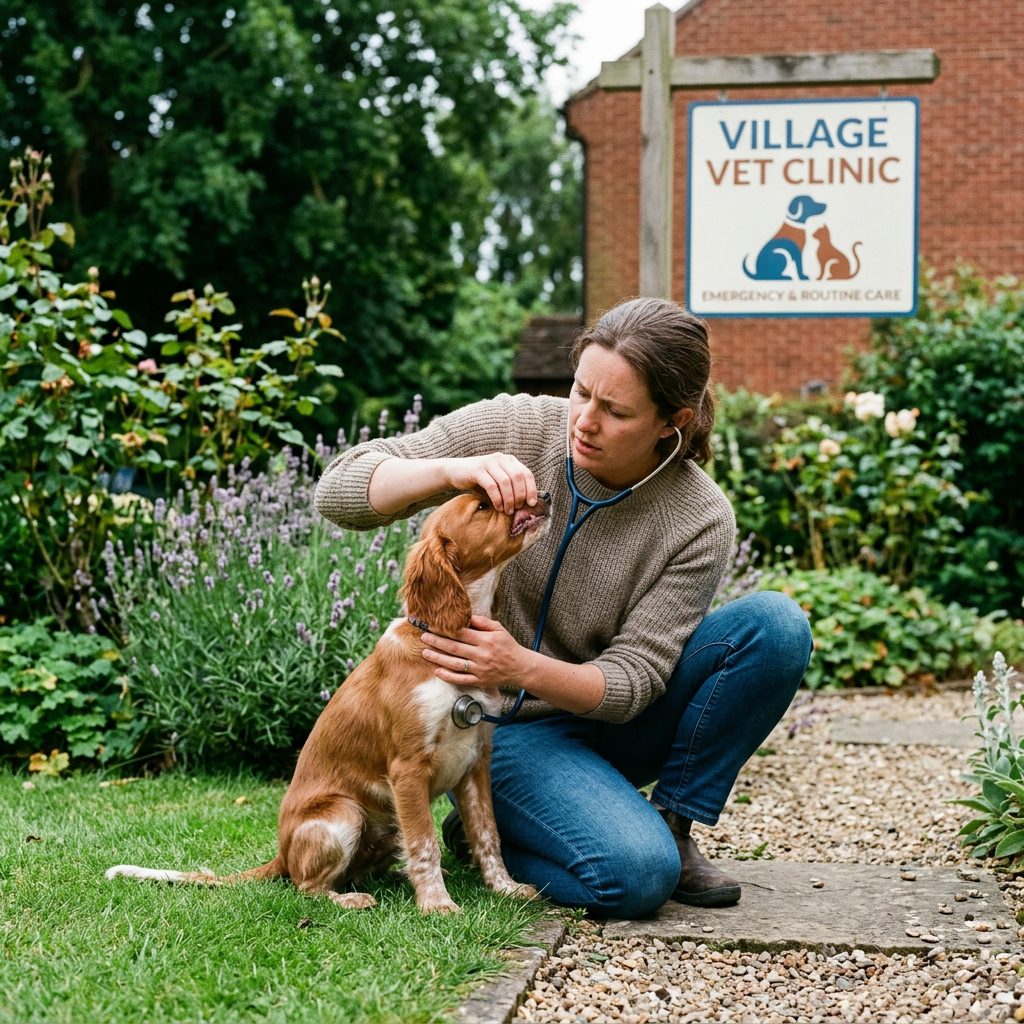
Knowing the signs of mulch poisoning can be the difference between a quick recovery and a tragedy. Because puppies are small, their condition can deteriorate rapidly. You must monitor your pet closely if you suspect they have ingested any garden bedding.
| Symptom Category | What to Look For |
|---|---|
| Gastrointestinal | Vomiting, Diarrhea (may contain blood), Bloating, Loss of Appetite |
| Neurological | Muscle Tremors, Seizures, Incoordination (stumbling), Hyperactivity |
| Physical Distress | Whining, Pacing, Excessive Drooling, Pawing at the Mouth |
| Vital Signs | Rapid Heart Rate, Pale Gums, Elevated Body Temperature |
If you notice muscle tremors or persistent vomiting, do not wait. These are ‘Red Flag’ symptoms. If possible, grab a small sample of the mulch your puppy was eating to bring with you to the vet—this can help them identify specific toxins or dyes more quickly.
How to Stop the Habit: Training and Prevention
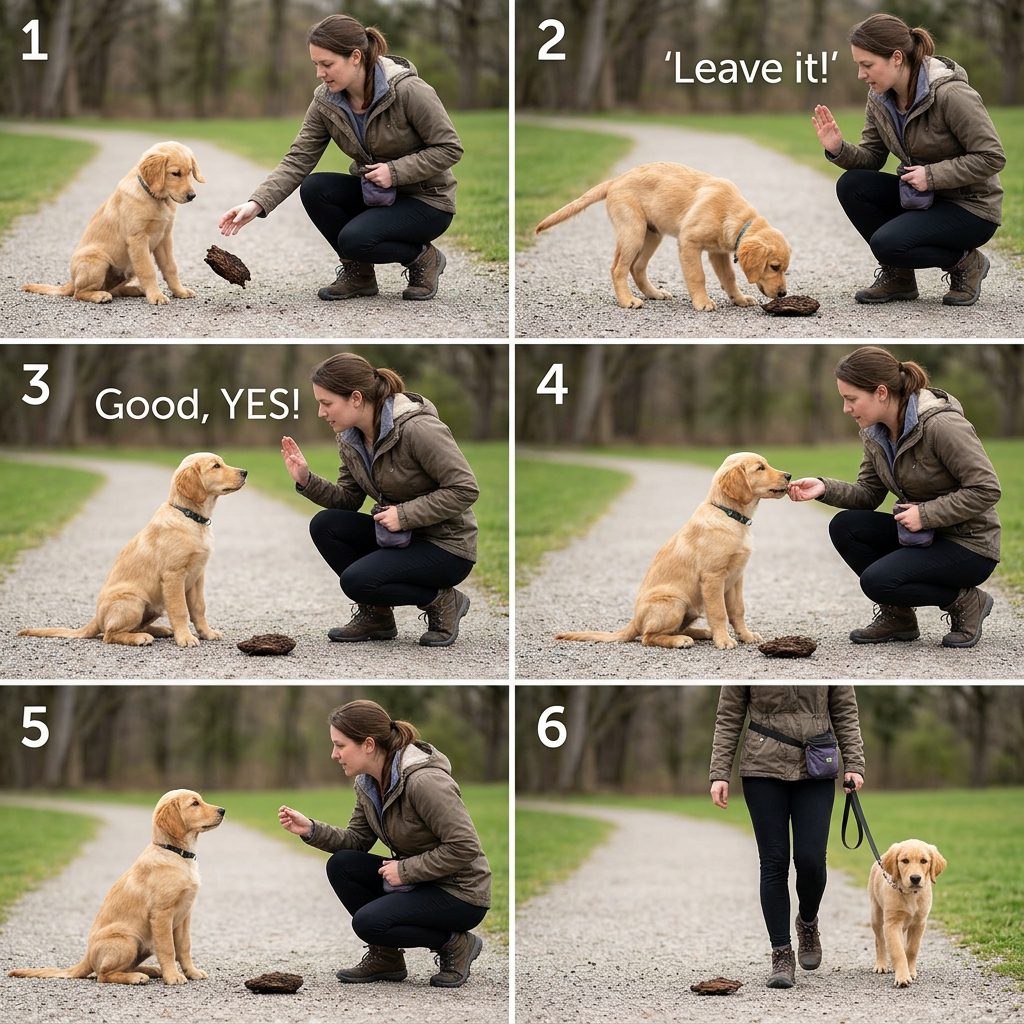
Stopping a puppy from eating mulch requires a two-pronged approach: management of the environment and active behavioral training. You cannot simply tell a puppy ‘no’ and expect them to understand the complex dangers of landscaping.
Environmental Management
Until your puppy has mastered their ‘Leave It’ command, the best way to keep them safe is to limit access. Consider the following:
- Temporary Fencing: Use exercise pens or plastic garden fencing to block off mulched areas.
- Supervised Potty Breaks: Keep your puppy on a long leash even in a fenced yard until you are sure they aren’t heading for the mulch.
- Alternative Substrates: Consider replacing mulch in high-traffic puppy areas with river rocks, pea gravel, or pet-safe artificial turf.
The ‘Leave It’ Protocol
This is the most important command for any puppy owner. Here is a quick guide to teaching it:
- Place a piece of mulch on the ground but cover it with your foot.
- When the puppy stops sniffing your foot, click or say ‘Yes!’ and reward them with a high-value treat from your hand (never the item on the ground).
- Gradually expose the mulch while keeping your hand ready to cover it.
- Add the verbal cue ‘Leave It’ once the puppy consistently looks away from the mulch to find the treat from you.
Takeaway: The goal is to teach your puppy that ignoring the mulch results in something much better (like chicken or cheese) from you!
Safe Landscaping Alternatives for Dog Owners
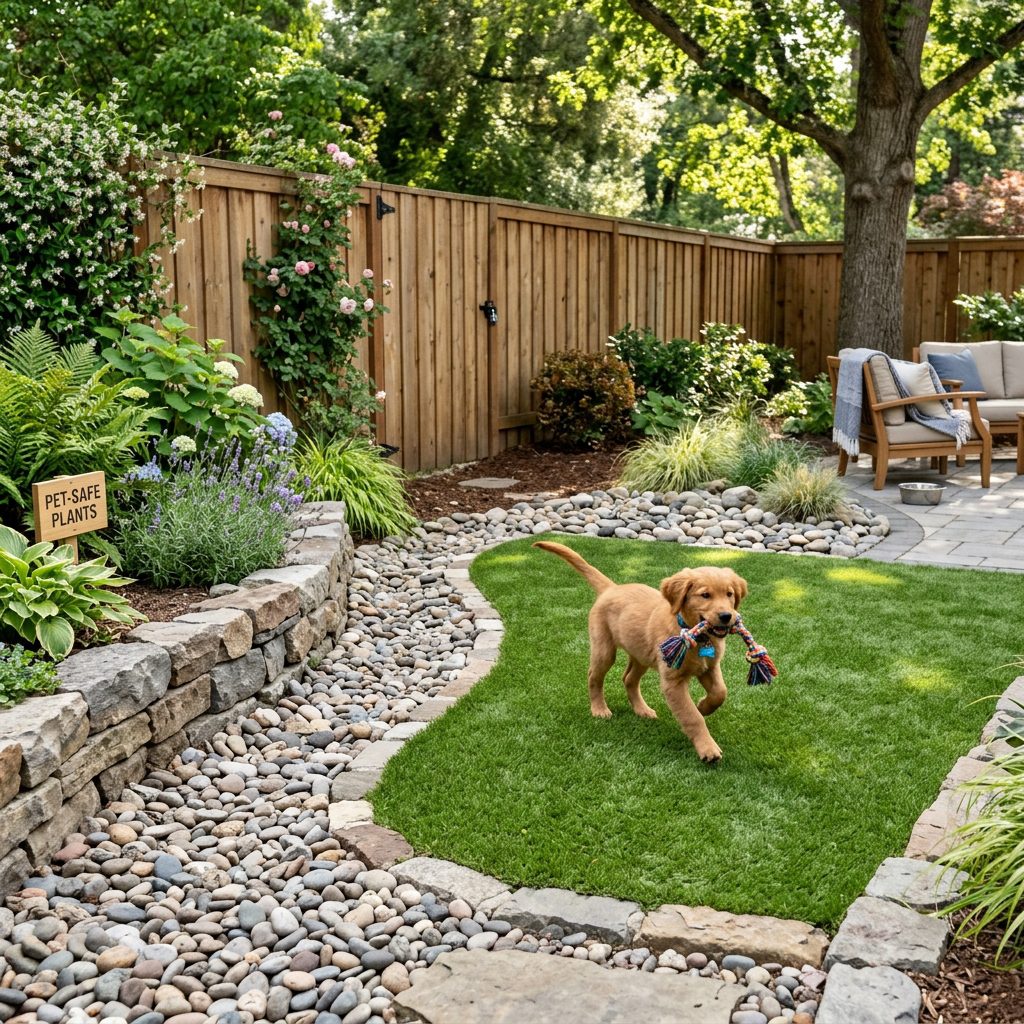
If your puppy is a ‘determined’ mulch eater, it might be time to rethink your landscaping strategy. You don’t have to sacrifice a beautiful yard to keep your pet safe. There are several dog-friendly alternatives that provide the same aesthetic appeal without the toxic risks.
River Rock and Pea Gravel: These are excellent for drainage and are generally too heavy or unappealing for puppies to chew on. Just ensure the stones are large enough that they cannot be swallowed.
Cedar Chips (Large): While we mentioned cedar oils can be irritating, large, high-quality cedar chips are often used in dog runs because they naturally repel fleas and ticks. The key is ensuring they are too large to be easily swallowed and are 100% natural with no dyes.
Pine Needles (Straw): Pine straw is softer and less likely to cause the same level of internal damage as hard wood shards, though it can still cause minor stomach upset if eaten in bulk.
| Alternative | Pros | Cons |
|---|---|---|
| River Rock | Non-toxic, permanent, no mold | Can get hot in direct sun |
| Pea Gravel | Great drainage, easy to clean | Can be messy if kicked |
| Artificial Turf | No digging, soft on paws | Initial high cost |
| Pine Straw | Natural, inexpensive | Can still be chewed |
Conclusion
Your puppy’s safety is always the top priority, and while a beautifully mulched garden is a point of pride for many homeowners, it isn’t worth the risk of a poisoned pet. By understanding the dangers—from the hidden theobromine in cocoa mulch to the invisible threat of mycotoxins—you are already ahead of the curve. Remember, puppies explore the world with their mouths, and it is our job as ‘savvy owners’ to ensure the world they explore is a safe one.
If your puppy has ingested mulch and is showing any of the signs we discussed, contact your veterinarian or a pet poison control hotline immediately. With the right training, a few garden adjustments, and a watchful eye, you can enjoy your outdoor space without fear. Stay vigilant, keep training that ‘Leave It’ command, and let’s keep those tails wagging safely!