Stop Puppy Eating Garden Plants: 6 Proven Safe Ways To Protect Your Garden
Welcome to the wonderful, albeit slightly chaotic, world of puppy parenthood! If you are reading this, chances are your once-pristine garden now looks like a buffet line for a very cute, very furry land-shark. We have all been there—you spend your Saturday morning planting the perfect perennials, only to find your puppy performing a ‘botanical audit’ (read: shredding them to bits) by Sunday afternoon. It is frustrating, yes, but more importantly, it can be dangerous. As a canine specialist, I see many savvy dog owners struggle with this exact issue. The goal isn’t just to save your prize-winning roses; it is to ensure your puppy stays safe from potentially toxic flora while learning how to coexist with nature.
Puppies explore the world with their mouths. It is their primary way of gathering information about textures, tastes, and smells. While this is a natural developmental stage, it is one we need to manage carefully in the garden. In this comprehensive guide, we are going to dive deep into the why behind the chewing and provide you with 6 proven, safe ways to protect both your puppy and your plants. We will cover everything from physical barriers to advanced behavioral training, ensuring your backyard remains a sanctuary for everyone.
The Root of the Problem: Why Puppies Love Your Plants
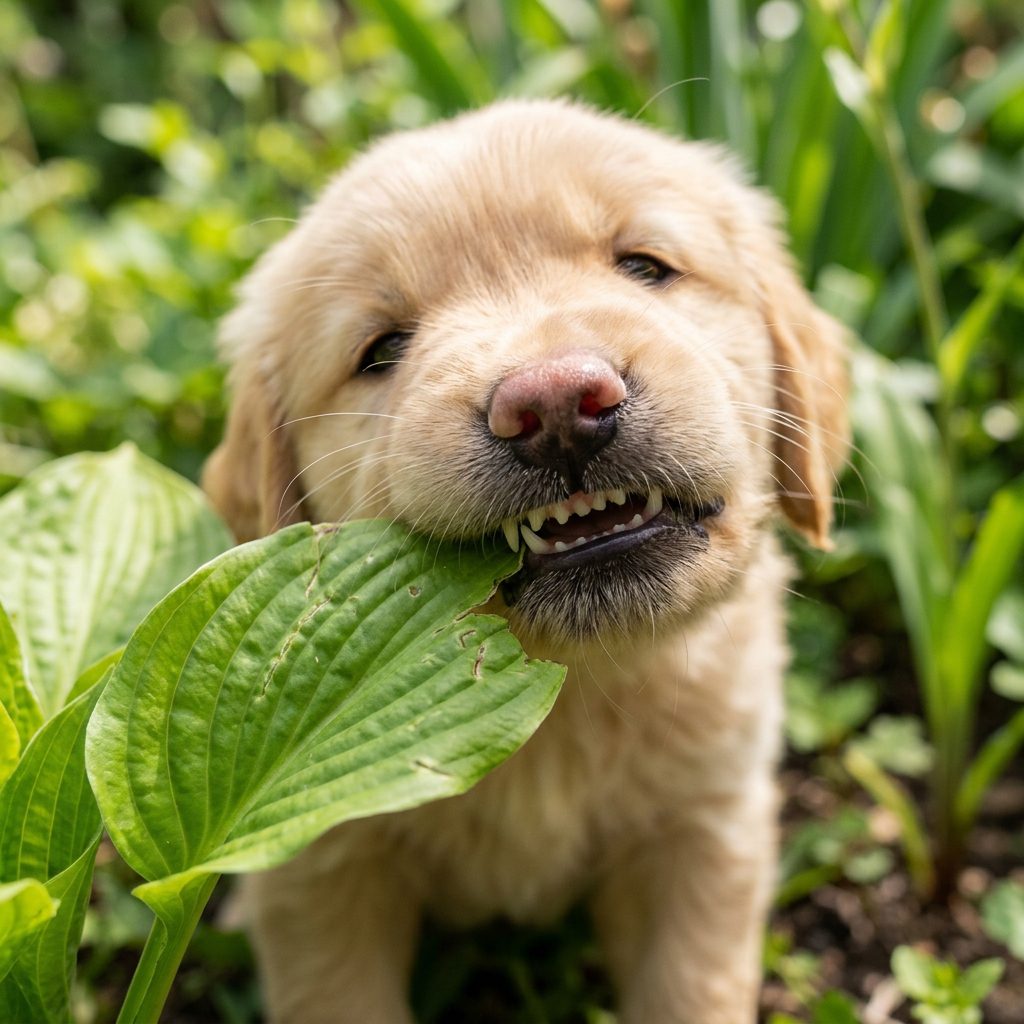
Before we can fix the behavior, we have to understand the motivation. Puppies do not eat plants because they have a vendetta against your landscaping. Usually, it boils down to three main factors: teething, boredom, and curiosity.
1. The Teething Phase
Just like human babies, puppies go through a painful teething process. Between 12 to 24 weeks of age, those adult teeth are pushing through, and chewing on something cool and crunchy—like a thick hosta leaf or a woody hydrangea stem—provides immense relief to their sore gums.
2. Environmental Enrichment (or Lack Thereof)
If a puppy is left alone in a garden without a specific job or toy, they will find their own entertainment. A blowing leaf or a swaying flower looks like a toy that is begging to be caught. To a puppy, a garden is basically a giant, outdoor toy box where everything is fair game.
3. Foraging Instincts
Dogs are natural scavengers. The varied scents of damp earth and fresh greenery are intoxicating to a puppy’s sensitive nose. Sometimes, they aren’t even trying to eat the plant; they are trying to get to the delicious-smelling grubs or fertilizer at the roots.
Pro Tip: Always check your mulch! Many puppies love chewing on wood mulch, but cocoa bean mulch is highly toxic to dogs. Stick to cedar or hemlock instead.
Identifying the Risks: Toxic Plants vs. Safe Alternatives
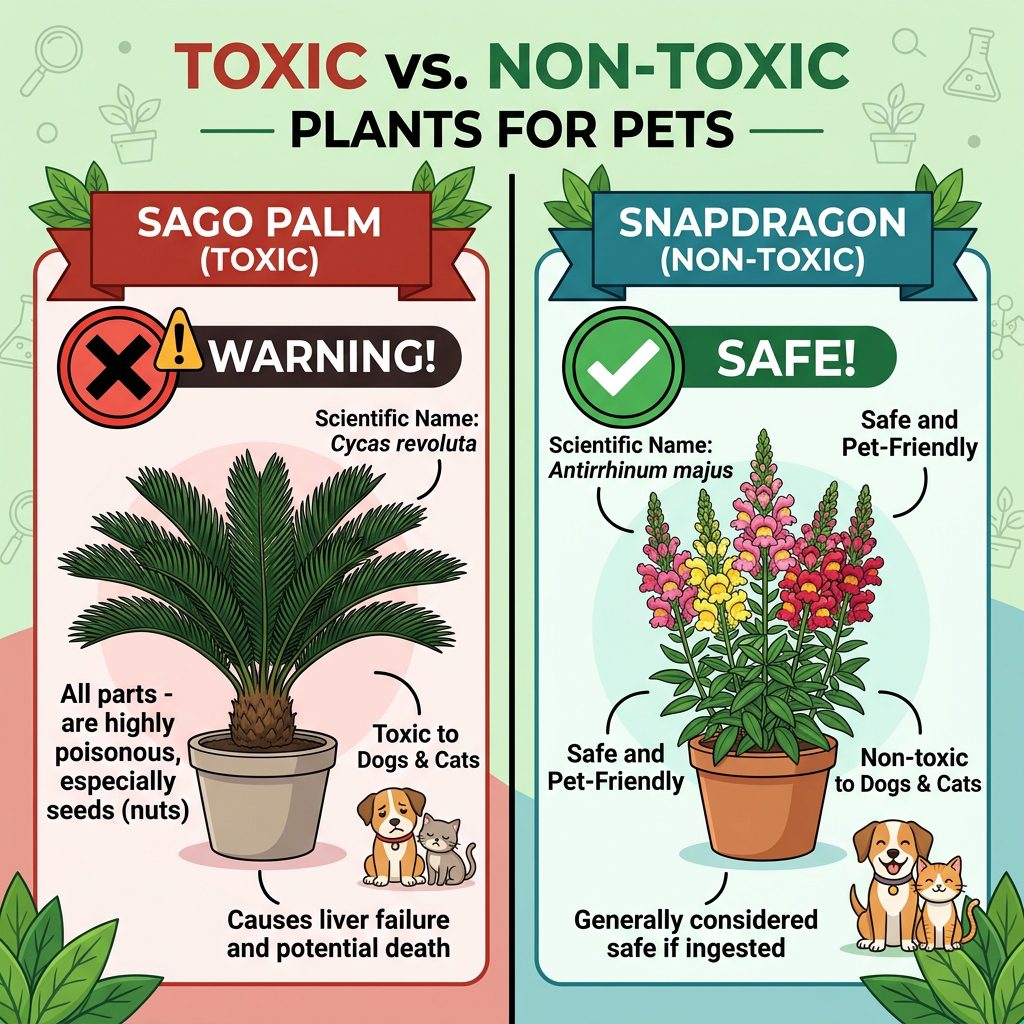
As a savvy dog owner, your first priority is safety. Many common garden plants are surprisingly toxic to our canine companions. Before implementing training, you must ensure your garden isn’t housing any ‘silent killers.’ Below is a comparison table of common garden plants you might encounter.
| Plant Name | Toxicity Level | Common Symptoms if Ingested |
|---|---|---|
| Sago Palm | Extreme | Vomiting, bloody stool, liver failure, death. |
| Azalea/Rhododendron | High | Drooling, vomiting, diarrhea, heart failure. |
| Lily of the Valley | High | Irregular heartbeat, confusion, seizures. |
| Tulip/Narcissus Bulbs | Moderate | Intense gastrointestinal irritation, drooling. |
| Hydrangea | Moderate | Lethargy, vomiting, diarrhea. |
| Marigold | Non-Toxic | Mild skin irritation (rarely). Generally safe. |
| Snapdragons | Non-Toxic | None. Safe for dog-friendly gardens. |
If you suspect your puppy has ingested a toxic plant, do not wait for symptoms to appear. Contact your veterinarian or a pet poison control center immediately. Prevention is always cheaper and safer than an emergency vet visit.
The Master Plan: 6 Proven Ways to Protect Your Garden
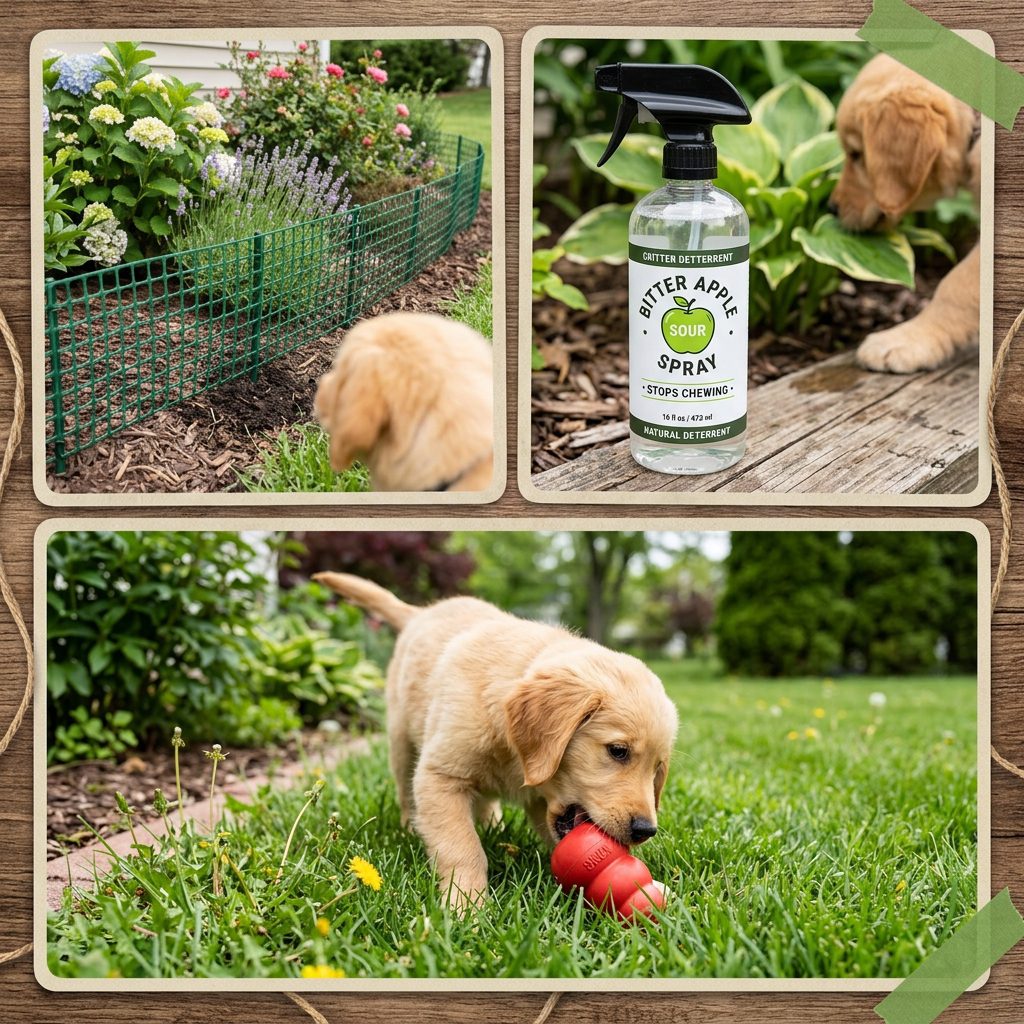
Now, let’s get into the heart of the matter. Protecting your garden requires a multi-layered approach. You cannot rely on just one method; you need a combination of management, deterrence, and training.
Method 1: Physical Barriers and ‘The Zone’ Strategy
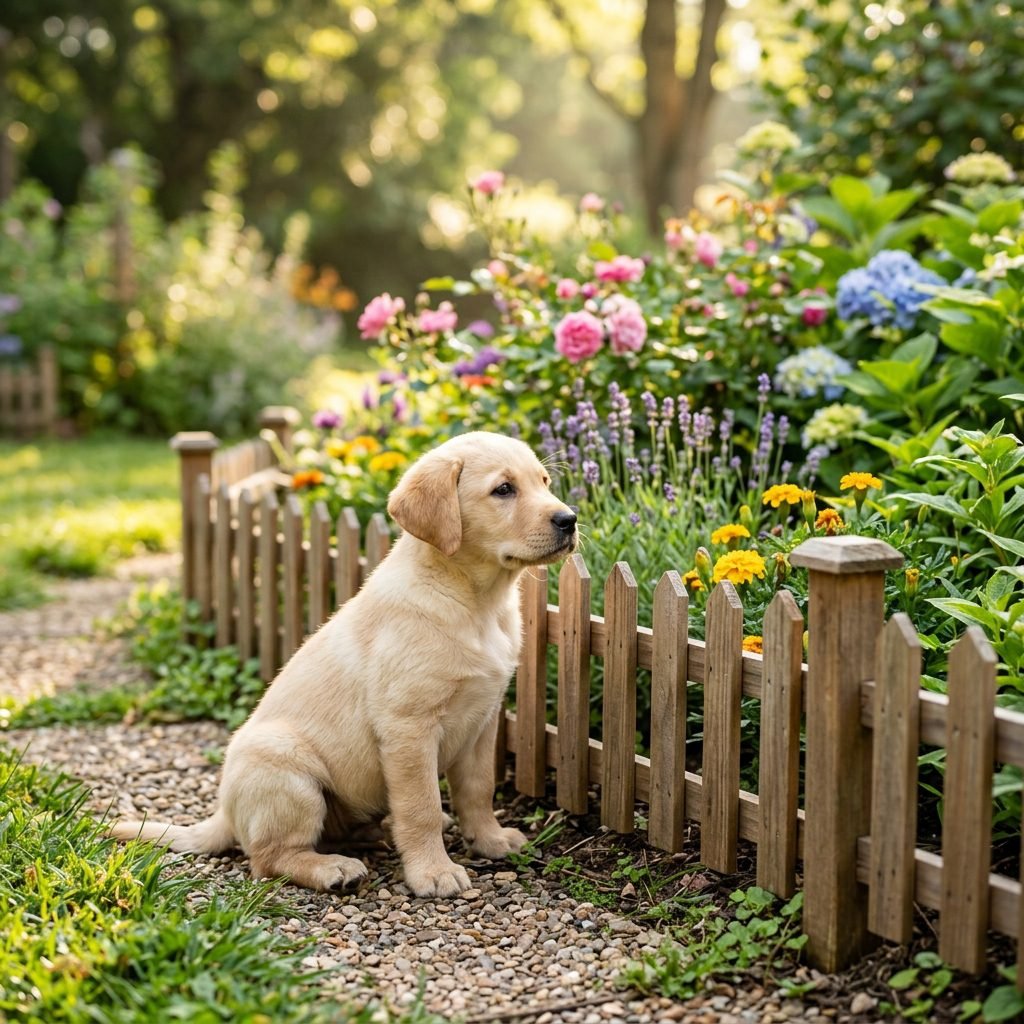
The most effective way to stop a puppy from eating plants is to make the plants inaccessible. This doesn’t mean your garden has to look like a construction site. Use decorative 2-foot garden fencing, trellis panels, or even raised garden beds. By creating a physical boundary, you are setting the puppy up for success by removing the temptation entirely.
Method 2: Safe Taste Deterrents
For those stubborn plants you can’t fence off, use a pet-safe bitter spray. These sprays usually contain bitter apple or cherry extracts that taste terrible to dogs but are harmless. Note: Always test a small area of the plant first to ensure the spray doesn’t cause wilting, and remember to reapply after rain.
Method 3: The ‘Sacrificial’ Dog Garden
Sometimes, if you can’t beat ’em, join ’em! Create a specific area of the garden just for your puppy. Plant dog-safe grasses (like wheatgrass), sunflowers, and herbs like parsley or mint. Hide treats in this area to encourage them to forage here instead of in your rose bushes. This provides the environmental enrichment they crave.
Method 4: Strategic Planting and Texture
Dogs generally dislike the feeling of certain textures under their paws or near their noses. Using ‘thorny but safe’ plants like certain varieties of roses as a perimeter, or laying down prickly pinecones around the base of delicate plants, can act as a natural deterrent. Most puppies dislike the ‘crunch’ and ‘poke’ of dried pinecones and will steer clear.
Method 5: The Power of Redirection
Never let your puppy out in the garden without a high-value alternative. If they move toward a plant, immediately squeak a toy or offer a chew bone. We want to teach them that toys are for chewing, and plants are for looking. Constant supervision during the first few weeks is vital.
Method 6: Scent Deterrents
Puppies have incredibly sensitive noses. Scents like citrus (lemon or orange peels) or diluted vinegar can be very off-putting. Scat mats or even coffee grounds (in moderation, as large amounts of caffeine are toxic) can discourage a puppy from entering a specific flower bed.
Step-by-Step Training: Mastering the ‘Leave It’ Command
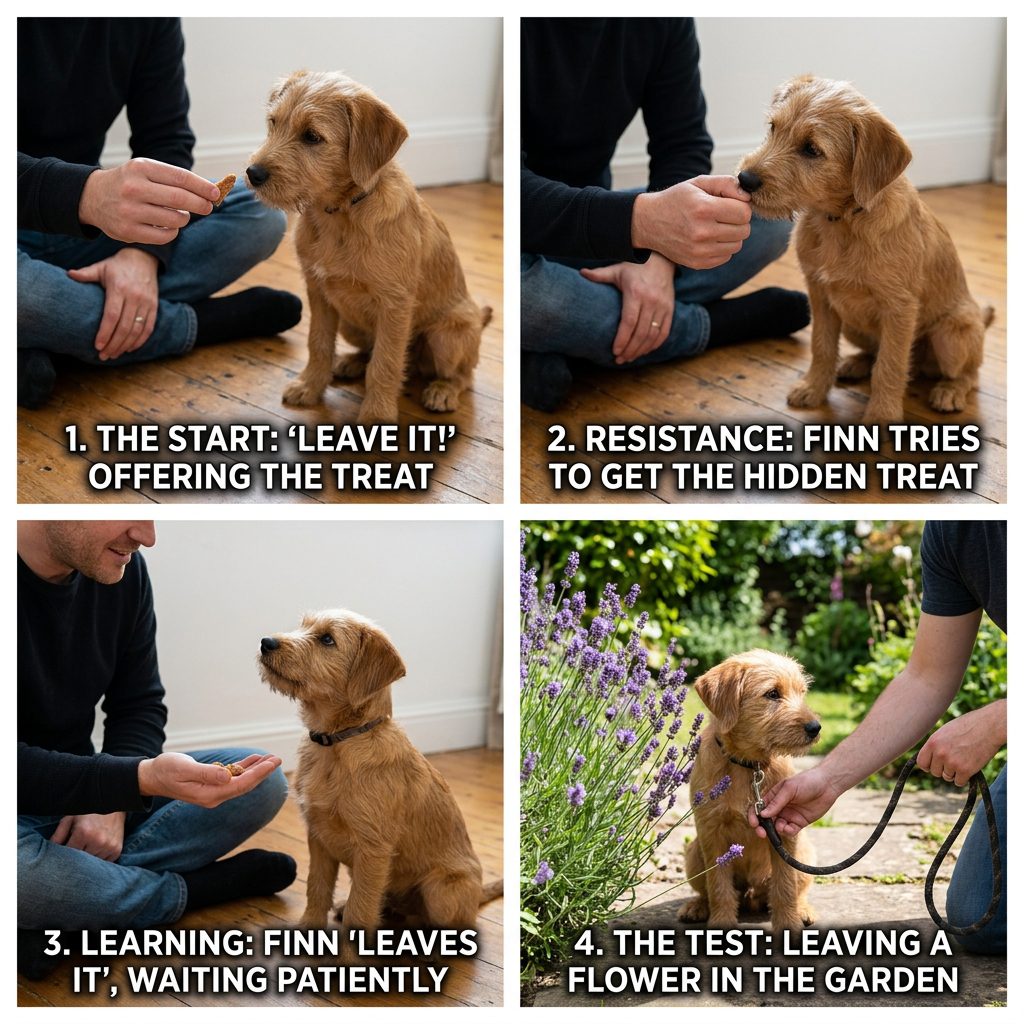
While physical barriers are great, the ultimate goal is a puppy that chooses to ignore the plants. This is where the ‘Leave It’ command becomes your best friend. This is a foundational skill for any savvy dog owner.
The ‘Leave It’ Progression
- Level 1: The Closed Fist. Place a treat in your hand and close it. Let the puppy sniff and lick. The moment they pull back, say ‘Yes!’ and give them a different treat from your other hand.
- Level 2: The Open Palm. Once they understand that ignoring the hand gets a reward, try it with an open palm. If they move for it, cover it quickly. Reward them when they look away.
- Level 3: The Floor Drop. Place a treat on the floor and cover it with your foot. Say ‘Leave it.’ When they stop trying to get it, reward them with a high-value treat from your pocket.
- Level 4: The Garden Application. Take the training outside. Walk your puppy on a leash past their favorite plant. The moment they sniff toward it, say ‘Leave it.’ If they look at you, throw a party! Give them lots of praise and a jackpot of treats.
Consistency is key here. You need to practice this in short, 5-minute sessions several times a day. Eventually, the puppy will associate the garden plants with the ‘Leave It’ command and will look to you for a reward instead of taking a bite of the greenery.
Essential Tools and Troubleshooting Your Progress
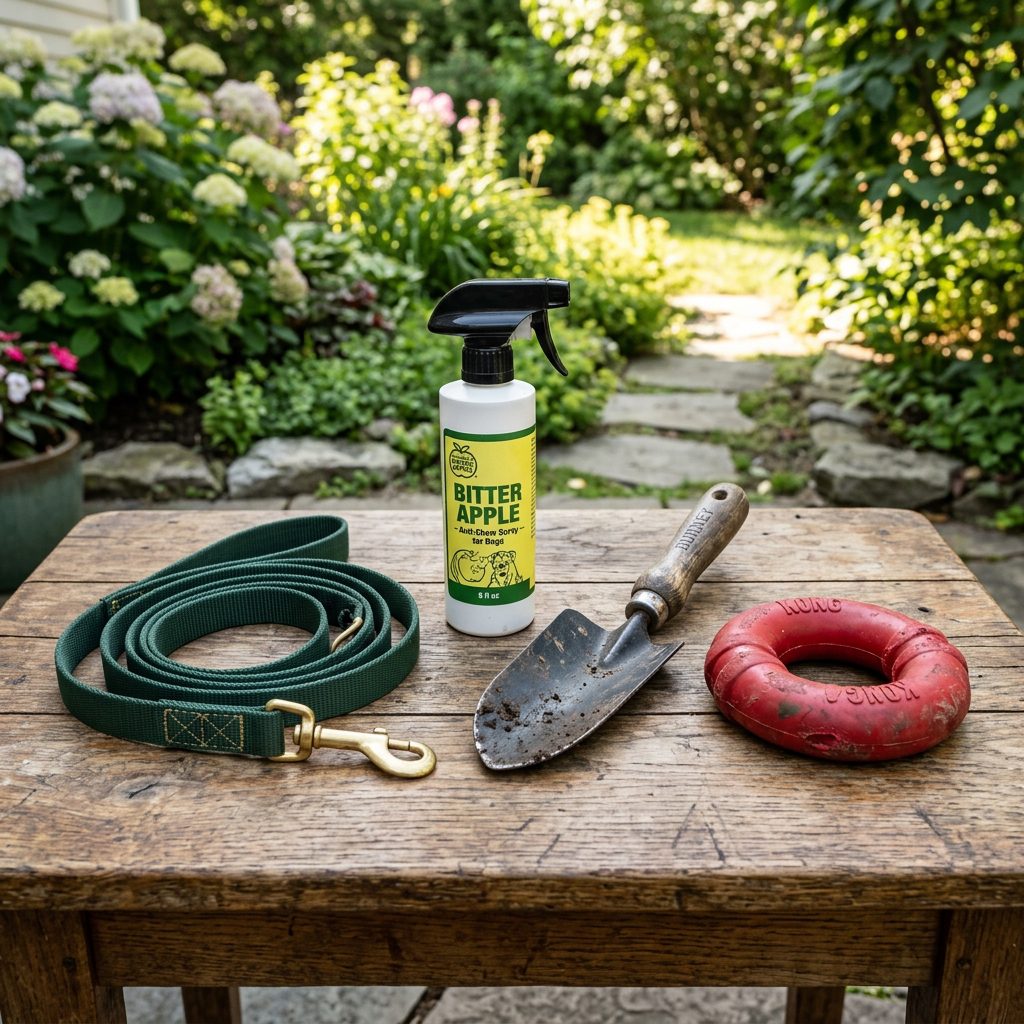
To succeed, you need the right gear. Below is a checklist of tools that will make your garden-protection journey much easier.
| Tool Category | Recommended Item | Purpose |
|---|---|---|
| Restraint | 15-30ft Long Line Leash | Allows freedom to explore while maintaining control. |
| Deterrent | Grannick’s Bitter Apple Spray | Safe, non-toxic taste deterrent for leaves/stems. |
| Enrichment | Snuffle Mat or KONG Toy | Provides an alternative ‘job’ for the puppy outdoors. |
| Barriers | Decorative Wire Border Fence | Visual and physical boundary for flower beds. |
Common Mistakes to Avoid
- Yelling after the fact: If you find a chewed plant but didn’t catch the puppy in the act, do not scold them. They won’t associate the punishment with the past behavior. They will just think you are unpredictable.
- Using toxic deterrents: Never use mothballs or spicy pepper sprays. Mothballs are highly toxic, and pepper sprays can cause painful irritation to a puppy’s eyes and nose.
- Underestimating exercise: A tired puppy is a well-behaved puppy. If your pup is destroying the garden, they might just need a longer walk or a more intense game of fetch before garden time.
Conclusion
Protecting your garden from a curious puppy is a marathon, not a sprint. It requires a blend of smart landscaping, consistent training, and a bit of patience. By identifying toxic plants, setting up physical barriers, and teaching the ‘Leave It’ command, you are doing more than just saving your flowers—you are raising a well-adjusted, safe, and happy dog.
Remember, the puppy phase is temporary. Those sharp little teeth will soon be replaced by adult ones, and that frantic energy will eventually settle into a calm companionship. Until then, keep your bitter spray handy, your fences high, and your pockets full of treats. You’ve got this, savvy dog owner! Your garden (and your puppy) will thank you.