The Ultimate Puppy Socialization Checklist: 100 Things to Do Before 16 Weeks
Welcome to the Most Important Phase of Your Puppy’s Life
Congratulations on your new furry family member! If you are reading this, you are likely a savvy dog owner who understands that those first few months are more than just cute cuddles and potty training. You are currently in the midst of the critical socialization window, a brief but vital period that closes around 16 weeks of age. During this time, your puppy’s brain is like a sponge, soaking up every experience and deciding what is safe and what is scary in the world.
Socialization isn’t just about meeting other dogs; it’s about exposing your pup to a vast array of sights, sounds, smells, and textures in a positive and controlled manner. A well-socialized puppy grows into a confident, resilient adult dog that can handle a trip to the vet, a walk through a busy city, or a loud thunderstorm without panicking. This guide provides you with a roadmap—the ultimate checklist of 100 things to experience before that 16-week window closes. Let’s dive in and set your pup up for a lifetime of success!
The Science of the Socialization Window
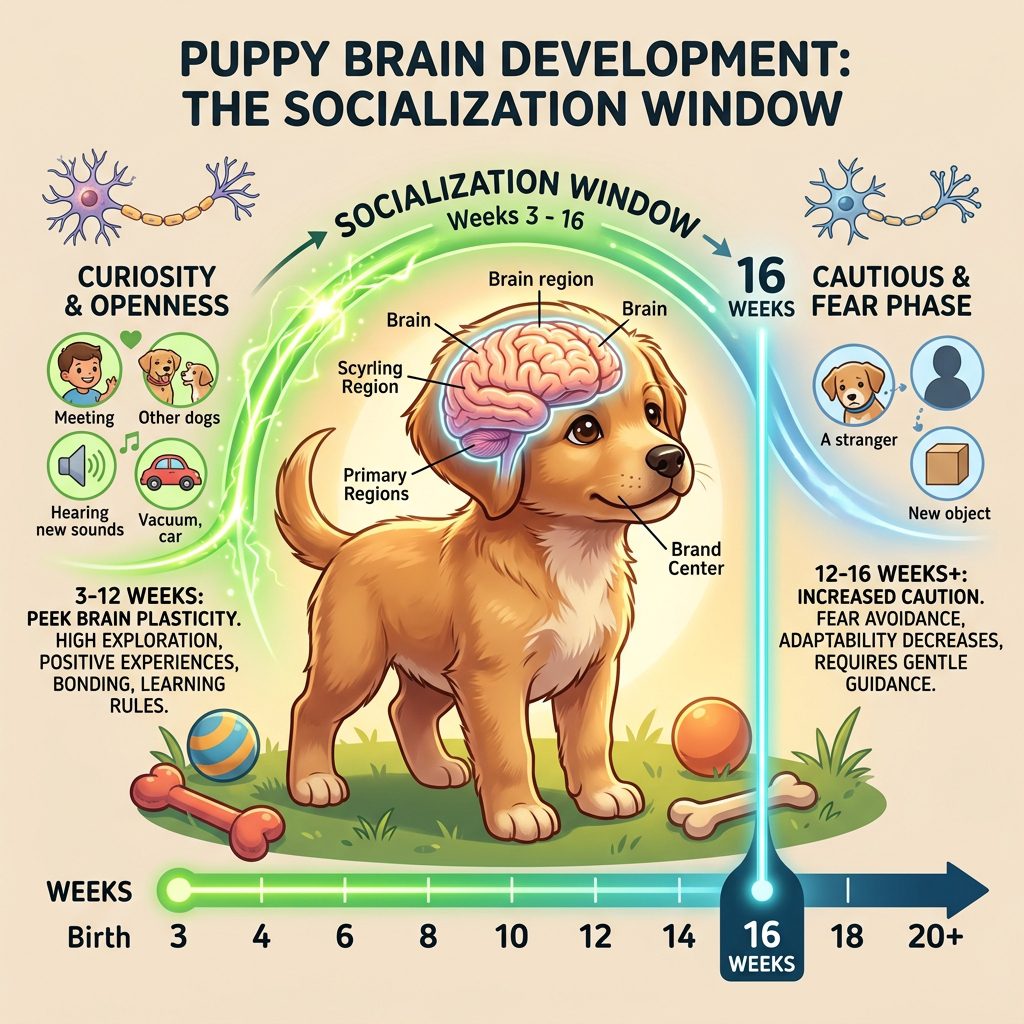
Why is 16 weeks the magic number? In the wild, wolf pups begin to venture from the den around this age. Evolutionarily, it was safer for them to be cautious of anything new after this period to avoid predators. Domestic dogs have inherited this biological clock. Between 3 and 16 weeks, their curiosity outweighs their fear. Once that window closes, they become naturally more skeptical of new things.
Understanding Positive Associations
It is a common misconception that socialization is just about ‘exposure.’ If your puppy has a bad experience during this time, it can be just as impactful as a good one. The goal is to create positive associations. This means every new thing on our checklist should be paired with something your puppy loves: high-value treats, praise, or their favorite toy.
Expert Tip: If your puppy seems hesitant or shows signs of fear (tail tucked, ears back, hiding), stop. Move further away from the stimulus and try again at a distance where they feel safe enough to eat a treat.
| Age Range | Developmental Focus | Socialization Goal |
|---|---|---|
| 8-10 Weeks | Initial Bonding | Safe home environment, gentle handling, basic sounds. |
| 10-12 Weeks | Expanding Horizons | Meeting new people, different surfaces, car rides. |
| 12-16 Weeks | World Exploration | Controlled public spaces, various animals, complex noises. |
The 100-Item Socialization Checklist
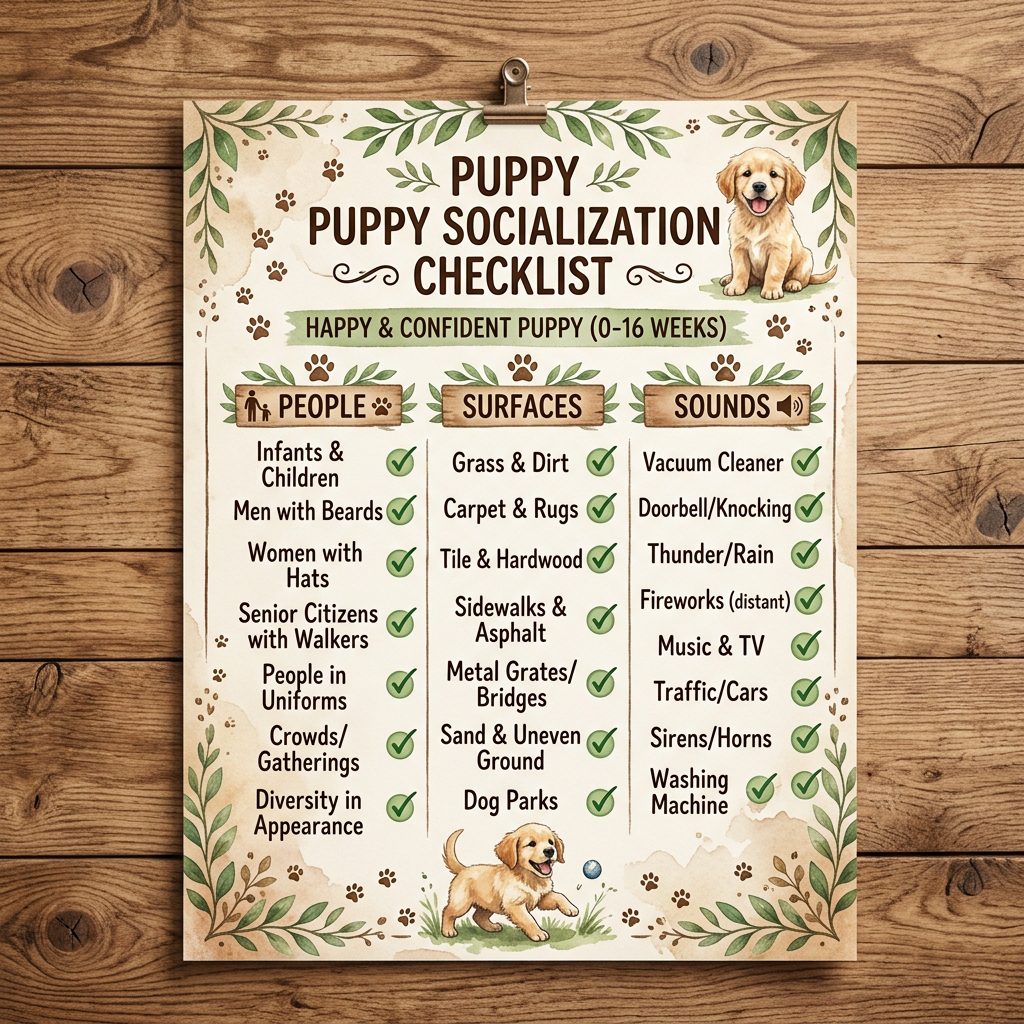
To make this manageable, we have broken the 100 items into logical categories. Aim for 2-3 new experiences a day. Remember, the goal is quality over quantity!
Category 1: People (20 Items)
Your puppy needs to see that humans come in all shapes, sizes, and outfits.
- 1. A person wearing a tall hat.
- 2. Someone with an umbrella (opened and closed).
- 3. A person wearing high-visibility gear or a uniform.
- 4. A person using a walker or cane.
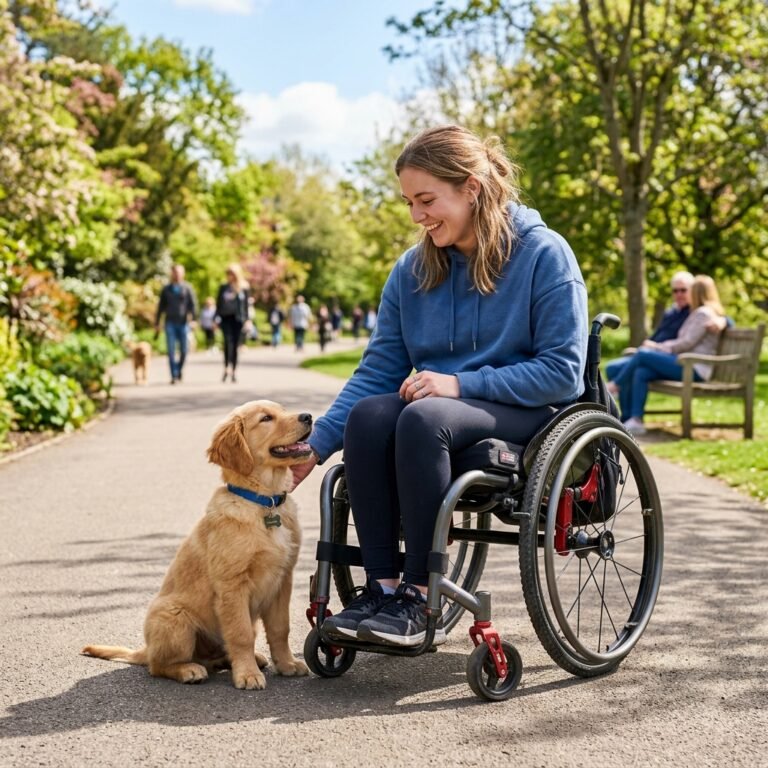
- 5. Someone in a wheelchair.
- 6. A person with a beard.
- 7. Someone wearing bulky winter gear or a raincoat.
- 8. A person wearing sunglasses.
- 9. Children of various ages (supervised and calm).
- 10. A person with a deep voice.
- 11. Someone running or jogging past.
- 12. A person riding a bicycle.
- 13. Someone on a skateboard or scooter.
- 14. A person carrying large boxes.
- 15. Someone wearing a helmet (bike or motorcycle).
- 16. A person with a different skin tone than your family.
- 17. Someone wearing heavy perfume or cologne.
- 18. A person using a stroller.
- 19. Someone clapping or cheering.
- 20. A person bending over to pick something up.
Category 2: Surfaces & Textures (15 Items)
Different textures can feel weird under puppy paws. Get them used to everything!
- 21. Wet grass.
- 22. Tall field grass.
- 23. Gravel or crushed stone.
- 24. Mulch or wood chips.
- 25. Sand.
- 26. Slick hardwood or laminate floors.
- 27. Metal grates (start with solid metal).
- 28. Bubble wrap (lay it flat on the floor).
- 29. A plastic tarp or shower curtain.
- 30. Concrete and asphalt.
- 31. A wobbly surface (like a couch cushion on the floor).
- 32. Mud.
- 33. Ceramic tile.
- 34. Carpet (shag vs. low pile).
- 35. A low wooden bridge or boardwalk.
Category 3: Sounds (20 Items)
Desensitize your puppy to the world’s ‘noise’ by playing these at a low volume first, then gradually increasing it.
- 36. Doorbell or knocking.
- 37. Vacuum cleaner (running in another room first).
- 38. Hairdryer.
- 39. Blender or food processor.
- 40. Thunderstorm sounds (audio recording).
- 41. Fireworks (audio recording).
- 42. Sirens (police/ambulance).
- 43. Garbage truck (at a distance).
- 44. Lawnmower.
- 45. Crying baby sounds.
- 46. Bouncing basketball.
- 47. Clinking dishes or silverware.
- 48. Car horn.
- 49. Telephone ringing.
- 50. Heavy rain on a metal roof.
- 51. Children screaming/playing.
- 52. Construction noises (hammering/drilling).
- 53. Hair clippers (vibration and sound).
- 54. Loud TV or movie action scenes.
- 55. Bubbling water or fountains.
Category 4: Objects & Equipment (15 Items)
Help your pup realize that inanimate objects aren’t monsters.
- 56. A vacuum cleaner (while turned off).
- 57. An ironing board being set up.
- 58. A suitcase on wheels.
- 59. Balloons (keep them out of reach).
- 60. A hairbrush or comb.
- 61. Nail clippers or a Dremel tool.
- 62. A leash and harness (wearing them around the house).
- 63. A muzzle (introduced with treats inside).
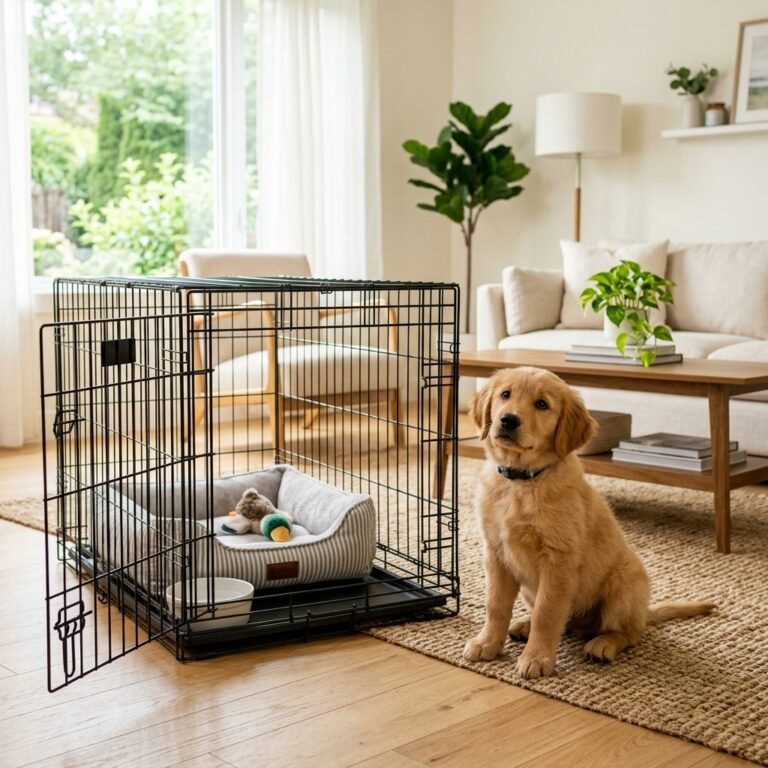
- 64. A dog crate.
- 65. A trash can with a swinging lid.
- 66. A garden hose (spraying water).
- 67. A ceiling fan spinning.
- 68. A ladder.
- 69. Stuffed animals that move or make noise.
- 70. A mirror (seeing their own reflection).
Category 5: Environments & Travel (15 Items)
Getting out of the house is essential for a well-rounded dog.
- 71. A car ride (short and positive).
- 72. The veterinarian’s lobby (just for treats!).
- 73. A pet-friendly hardware store (like Home Depot).
- 74. A busy parking lot (watch from the car).
- 75. A park with ducks or birds nearby.
- 76. A car wash (staying inside the car).
- 77. An elevator ride.
- 78. An automatic sliding door.
- 79. A bridge over water or a highway.
- 80. A forest trail.
- 81. A beach or lakeside.
- 82. A friend’s house.
- 83. A sidewalk cafe (sitting quietly).
- 84. A grooming salon (just to visit).
- 85. A bus or train station (from a distance).
Category 6: Handling & Grooming (15 Items)
Your vet and groomer will thank you later!
- 86. Checking inside the ears.
- 87. Opening the mouth to look at teeth.
- 88. Touching each individual toe.
- 89. Squeezing the paw pads gently.
- 90. Lifting the tail.
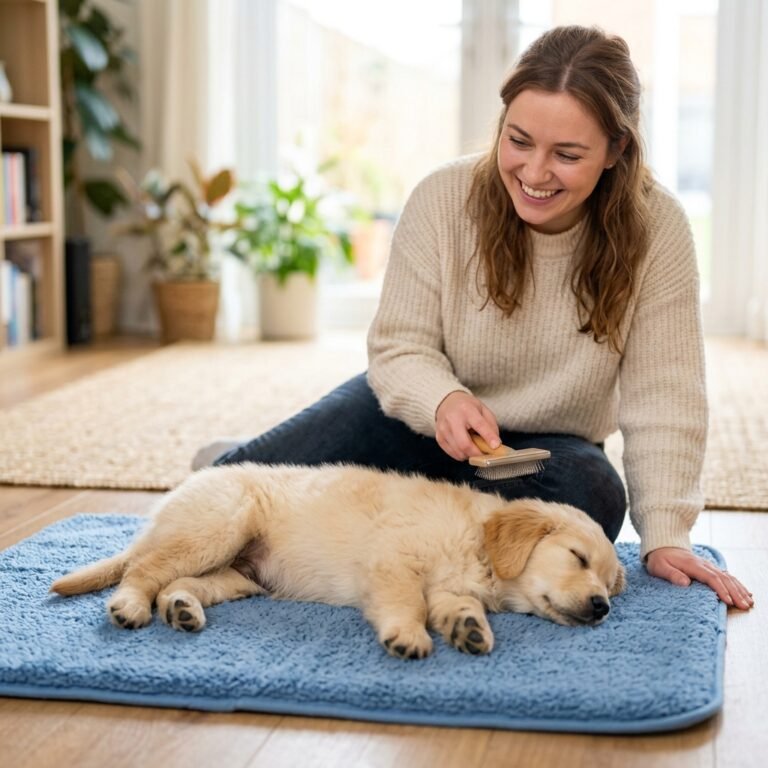
- 91. Brushing the coat.
- 92. Being picked up by a stranger (gently).
- 93. Having a towel wrapped around them.
- 94. Getting a bath.
- 95. Having their belly rubbed.
- 96. Standing on a raised table (like a vet scale).
- 97. Wearing a ‘cone of shame’ (recovery collar) for 5 minutes.
- 98. Being hugged (softly, by family).
- 99. Eye inspection (gently holding the head).
- 100. Meeting a calm, vaccinated adult dog.
Safety First: Socialization vs. Vaccinations
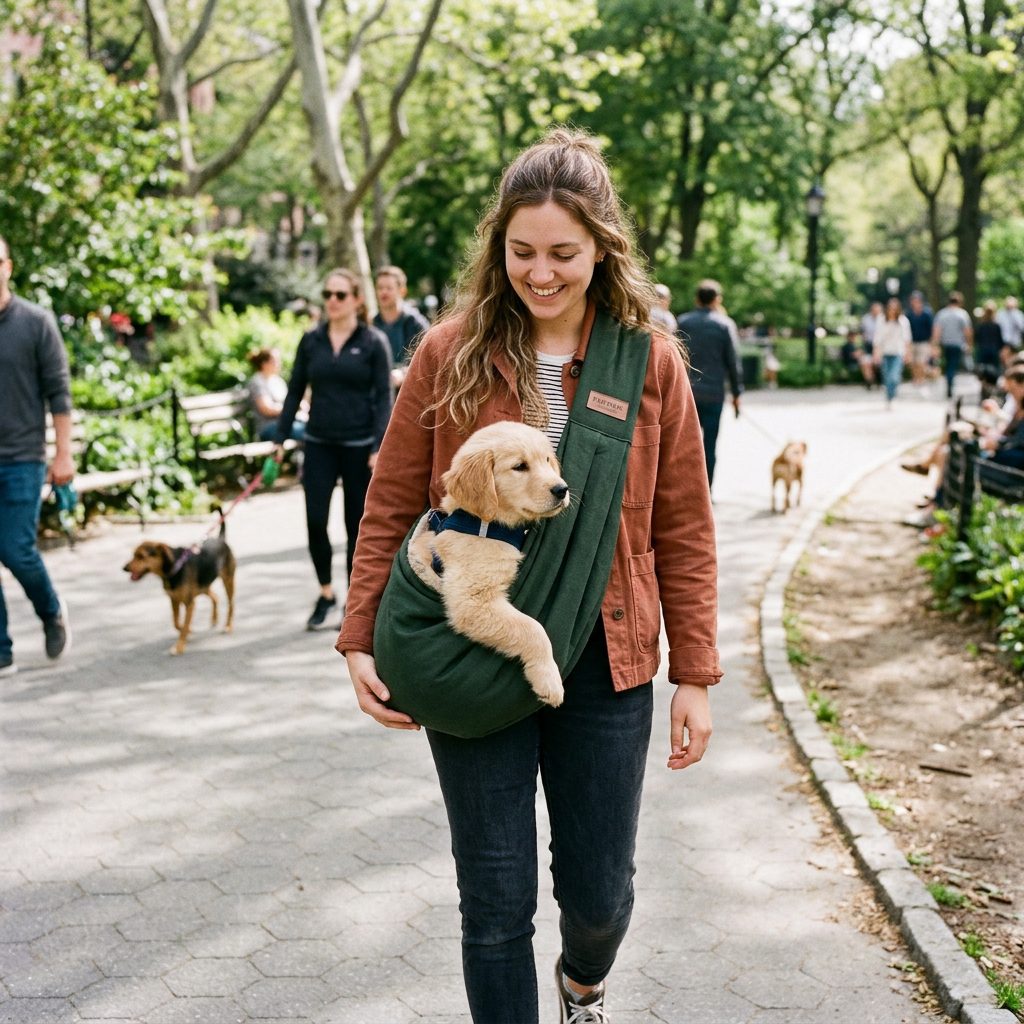
One of the biggest concerns for new owners is the risk of diseases like Parvovirus versus the need for socialization. While you should never take an unvaccinated puppy to a high-traffic dog park, the American Veterinary Society of Animal Behavior (AVSAB) states that the risk of behavioral issues (the #1 cause of death for dogs under 3) outweighs the risk of infection, provided you are smart about it.
| Location Type | Risk Level | Safety Protocol |
|---|---|---|
| Dog Parks | High | Avoid entirely until fully vaccinated. |
| Pet Stores | Medium | Carry the puppy or use a sanitized cart. |
| Friend’s Backyard | Low | Safe if their dogs are healthy and vaccinated. |
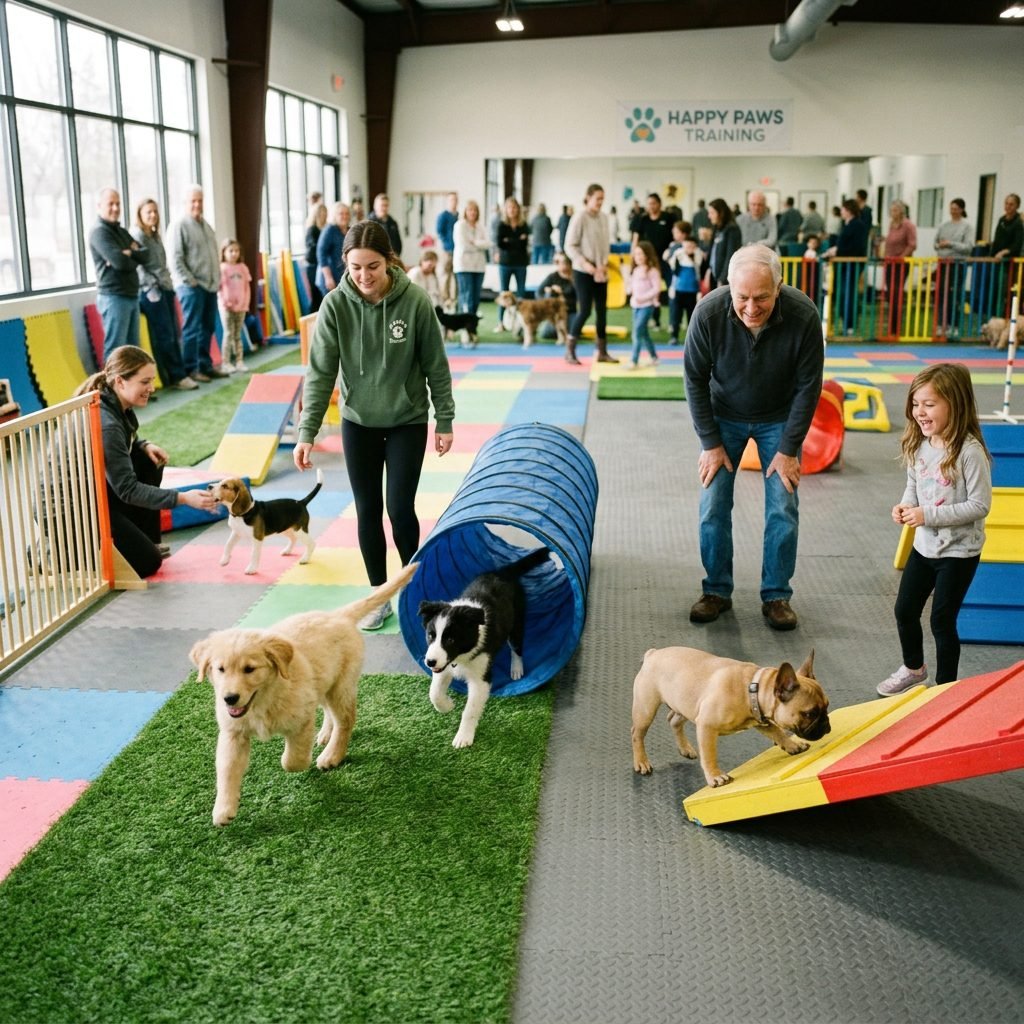
| Indoor Puppy Class | Low | Safe if proof of vaccination is required for all. |
Always consult with your veterinarian about the specific disease risks in your local area before heading out to public spaces.
Troubleshooting: What if My Puppy is Scared?
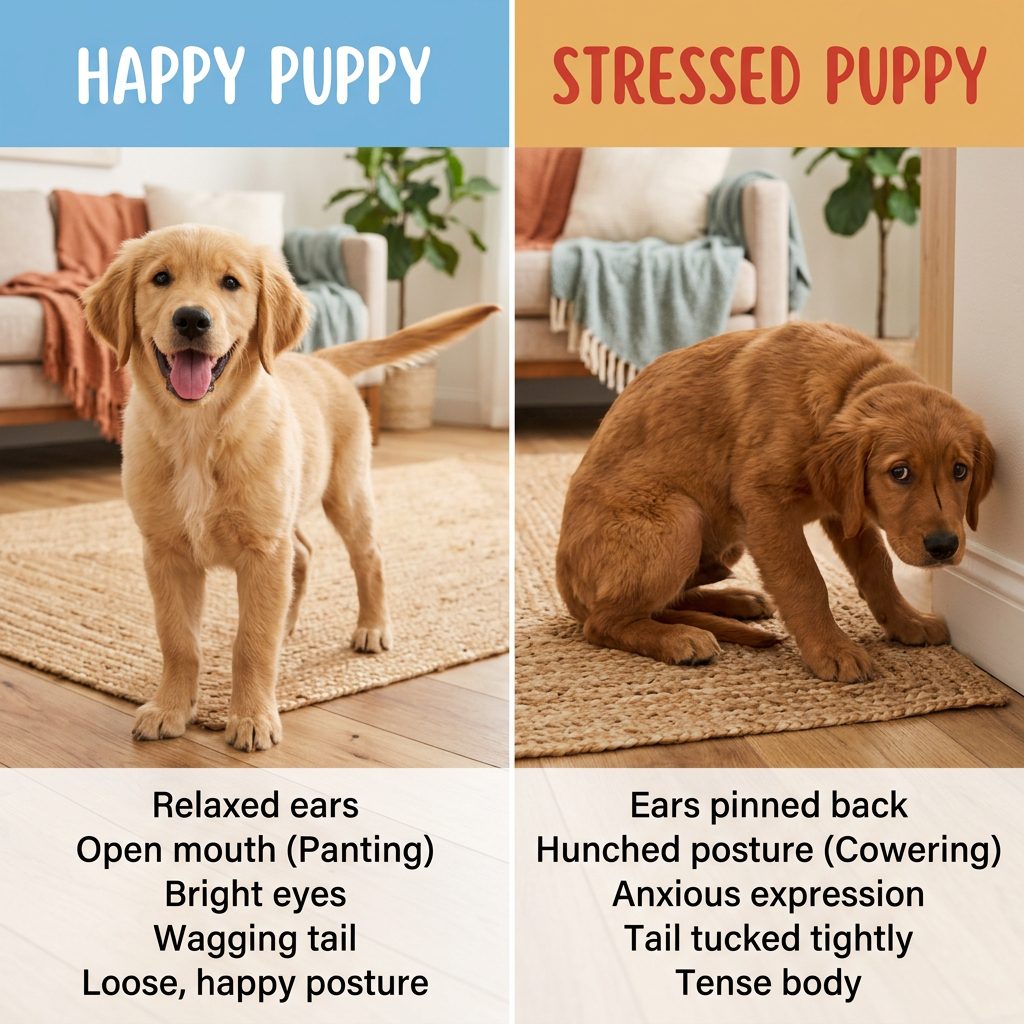
Not every experience will go perfectly. If your puppy encounters something that frightens them, don’t panic, and don’t force them to ‘face their fear.’ This can lead to flooding and long-term trauma.
Signs of Stress to Watch For:
- Lip licking or yawning (when not tired).
- Whites of the eyes showing (whale eye).
- Tucked tail or lowered body posture.
- Refusing high-value treats.
- Trying to hide or move away.
If you see these signs, simply increase the distance between your puppy and the object. Let them watch from afar. When they look at the ‘scary’ thing and then look back at you, give them a jackpot of treats. This is called counter-conditioning—changing their emotional response from ‘I’m scared’ to ‘Hey, that weird thing makes treats happen!’
Conclusion
Building a Lifetime of Confidence
Socialization is an investment. The time and effort you put in during these first 16 weeks will pay dividends for the next 10 to 15 years. By checking off these 100 items, you aren’t just training your puppy; you are giving them the gift of a stress-free life. Remember to keep sessions short, keep them fun, and always end on a high note.
You don’t have to be perfect, and you don’t have to hit all 100 items in the first week. Take a deep breath, grab a bag of treats, and enjoy exploring the world through your puppy’s eyes. You’ve got this!