This 1 Simple Hack Stops Puppy Drywall Chewing Forever
The Drywall Dilemma: Why Your Puppy is Turning into a Construction Crew
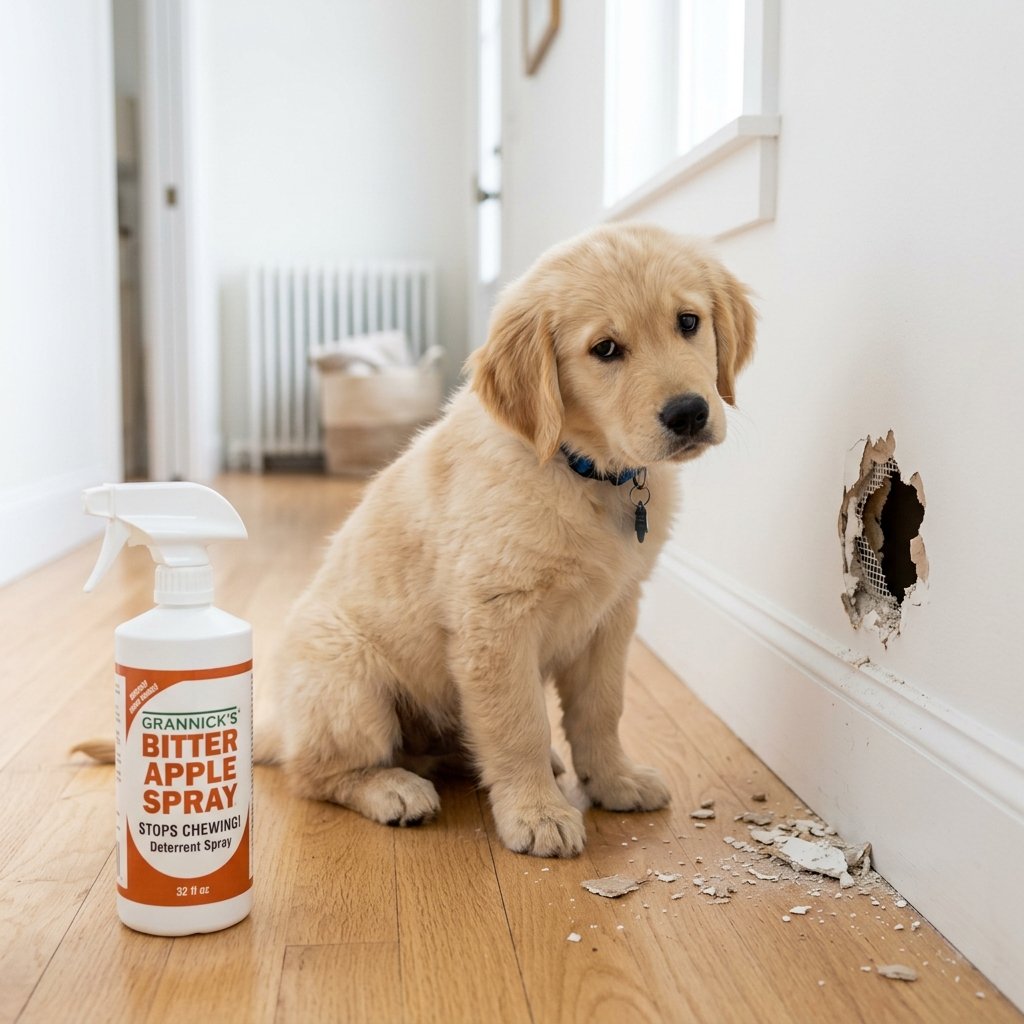
If you have ever walked into your living room only to find your adorable new puppy deep in a ‘remodeling project’ involving your drywall, you are not alone. It is a frustrating, messy, and potentially expensive habit that leaves many savvy dog owners scratching their heads. Why on earth would a dog with a bowl full of premium kibble and a basket full of toys decide that the corner of the hallway tastes better? The truth is that drywall chewing is a common behavior, but it is one that needs to be addressed immediately before it becomes a lifelong habit or leads to a costly emergency vet visit. In this comprehensive guide, we are going to dive deep into the canine psyche to understand why this happens and, more importantly, reveal the one simple hack that will stop this behavior in its tracks forever. We are moving beyond basic advice and getting into the nitty-gritty of behavioral science and environmental management. By the end of this article, you will have a clear, actionable plan to protect your home and keep your puppy safe and satisfied. We will explore everything from the biological triggers of chewing to the specific tools you need to build a ‘Bitter Barrier’ that your puppy simply cannot ignore. So, grab a cup of coffee, take a deep breath, and let’s save your walls together!
Understanding the Root Causes: Why Puppies Target Drywall
The Biological Drive: Teething and Exploration
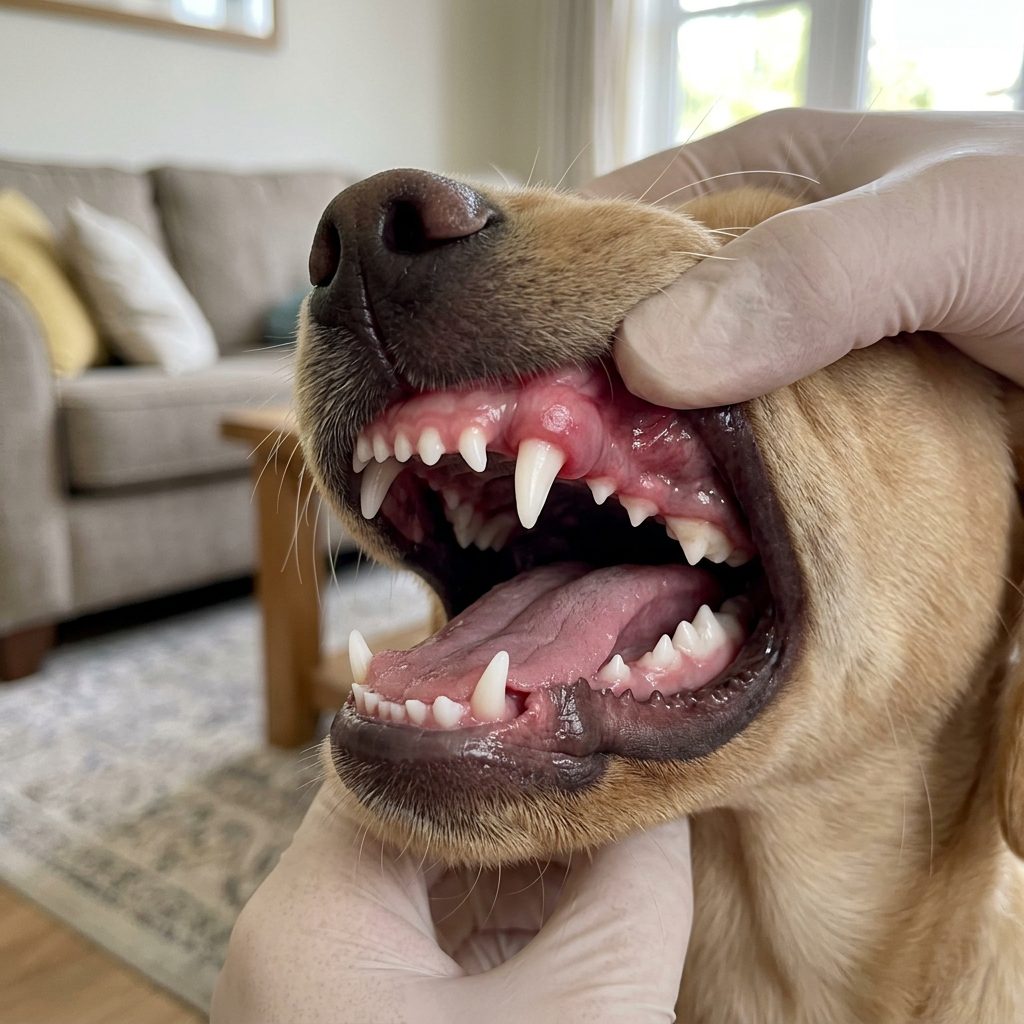
Before we can fix the problem, we have to understand the ‘why.’ Puppies go through an intense teething phase between four and six months of age. During this time, their adult teeth are pushing through the gums, causing significant discomfort. Chewing provides a form of ‘gum massage’ that alleviates this pressure. Drywall, with its unique chalky texture and cool surface, can feel particularly soothing to an inflamed mouth. Furthermore, puppies are naturally exploratory creatures; they use their mouths to navigate the world. If a corner of drywall feels interesting or has a slight protrusion, it becomes a prime candidate for investigation. Understanding that this is a physical need, not a spiteful act, is the first step in successful training.
The Psychological Factors: Boredom and Anxiety
Beyond physical needs, drywall chewing is often a symptom of boredom or separation anxiety. A puppy with too much pent-up energy and not enough mental stimulation will find their own ‘job’ to do, and often that job is demolition. Drywall is soft enough to be satisfyingly destructive, providing immediate feedback to a bored pup. In cases of separation anxiety, the act of chewing can be a self-soothing mechanism. The repetitive motion releases endorphins that help the dog cope with the stress of being alone. Identifying whether your puppy is chewing while you are home (boredom/teething) or only when you are away (anxiety) is crucial for tailoring your approach.
The Nutritional Aspect: Pica and Deficiencies
In some rare but notable cases, drywall chewing can be a sign of a condition called Pica—the craving and ingestion of non-food items. This can sometimes be linked to nutritional deficiencies, specifically a lack of certain minerals like calcium or phosphorus, which are components of gypsum found in drywall. While most modern puppy foods are nutritionally complete, it is always worth discussing with your vet if the behavior is obsessive. However, for 99% of puppies, it is simply a combination of texture seeking and boredom.
The Essential Toolkit: Preparing for the Hack
Choosing the Right Deterrents
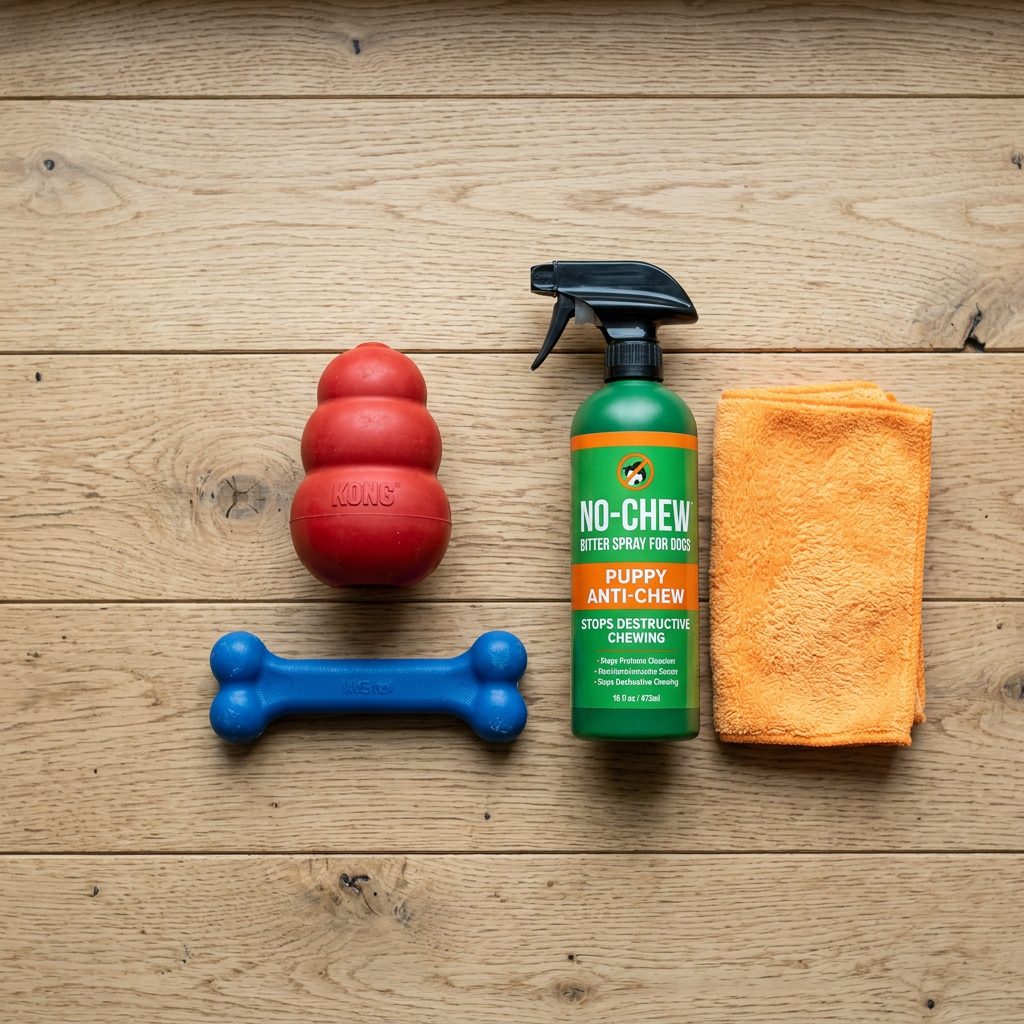
To successfully implement our simple hack, you need the right supplies. Not all deterrents are created equal, and savvy owners know that quality matters. You want something that is safe, non-toxic, but incredibly foul-tasting to a canine palate. The most common active ingredient to look for is Denatonium Benzoate, which is the most bitter chemical compound known to man. It is safe for pets but provides an immediate ‘yuck’ factor that creates a lasting negative association with the wall.
Comparison of Common Deterrents
| Deterrent Type | Pros | Cons | Best For |
|---|---|---|---|
| Bitter Apple Spray | Easy to apply, widely available, safe. | Evaporates quickly, needs frequent reapplication. | General furniture and minor chewing. |
| Vinegar/Water Mix | Inexpensive, non-toxic, homemade. | The smell can be unpleasant for humans; some dogs like it. | Quick fixes and mild chewers. |
| Cayenne Pepper Paste | Extremely effective deterrent. | Can irritate puppy eyes and nose; can stain walls. | Severe cases (use with extreme caution). |
| Commercial No-Chew Gel | Thick consistency, lasts longer than sprays. | Can be messy to apply and clean up. | High-traffic corners and baseboards. |
The Redirection Arsenal
The hack doesn’t work in a vacuum. You must provide an alternative. Your toolkit should include high-value chew toys of various textures. Think rubber KONGs for durability, nylon bones for hardness, and chilled rope toys for teething relief. The goal is to make the ‘legal’ items far more attractive than the ‘illegal’ ones. Having these ready to swap the moment the hack is implemented is the key to long-term success.
The 1 Simple Hack: The ‘Bitter-Texture Swap’ Method
Step 1: The Deep Clean and Prep
The hack starts with removing any existing scent. When a puppy chews drywall, they leave behind saliva and pheromones that mark that spot as a ‘chew zone.’ Use an enzymatic cleaner to thoroughly scrub the area. This resets the environment. Once dry, you are ready for the application. The secret is not just the spray, but the application method.
Step 2: Creating the ‘Bitter Barrier’
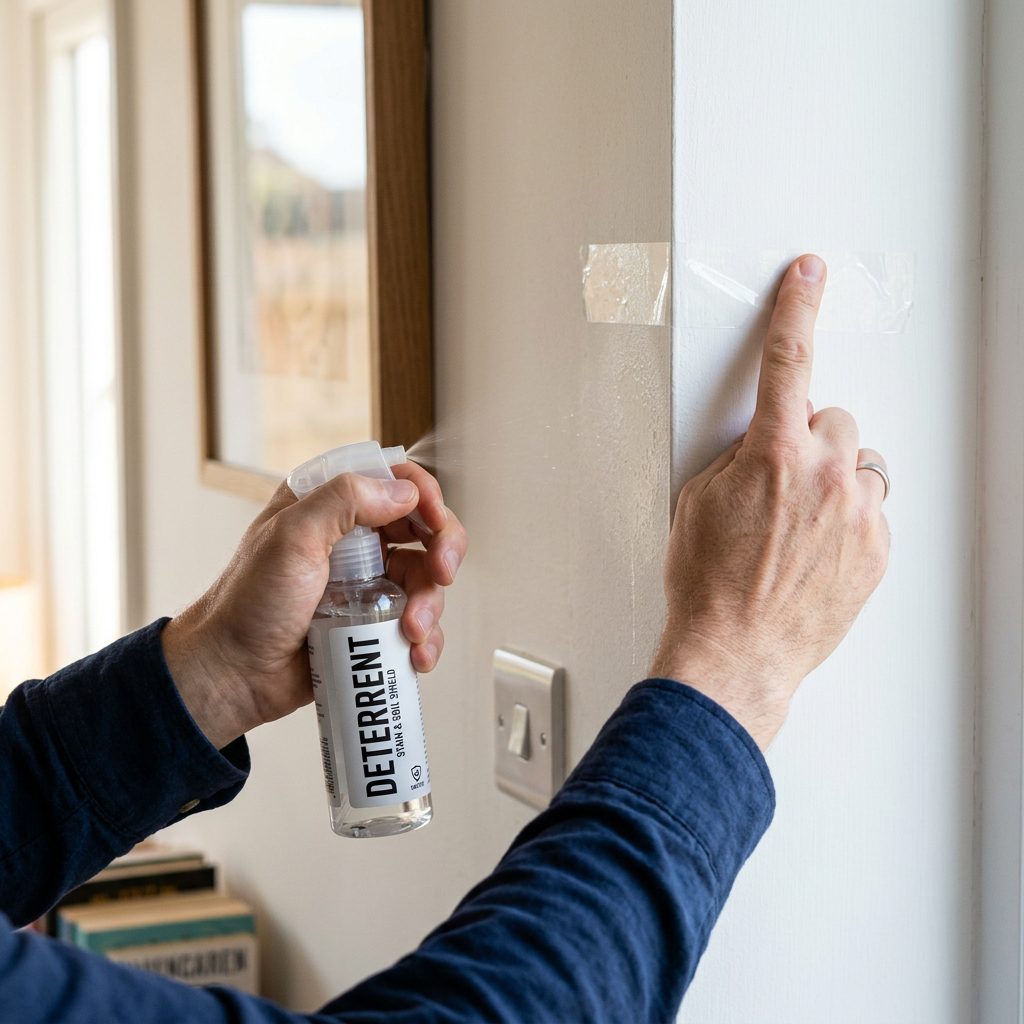
Apply your chosen bitter deterrent (we recommend a high-quality gel or long-lasting spray) liberally to the target area. But here is the Simple Hack: instead of just spraying the wall, you are going to apply a small strip of clear, painter’s tape over the corner first, and then apply the bitter agent onto the tape. This protects your paint and wallpaper while providing a slightly different texture that holds the bitter flavor much longer than the porous drywall itself. The puppy will go to bite, hit the tape (which feels weird), and then get the blast of bitterness. This ‘double-sensory’ deterrent is far more effective than spray alone.
Step 3: The Immediate Redirection
Timing is everything. After applying the barrier, stay nearby. The moment your puppy approaches the wall and recoils from the taste, you must immediately offer a high-value alternative, like a frozen carrot or a peanut-butter-stuffed toy. You are essentially ‘rewiring’ their brain: The wall is gross, but this toy is amazing. Do this consistently for 48 hours, and the puppy will stop testing the wall entirely. This hack works because it combines chemical deterrence with texture variation and positive reinforcement.
Step 4: Monitoring and Maintenance
Check the tape daily. If it looks like it has been licked or tampered with, reapply the bitter agent. Most puppies will only need one or two ‘bad experiences’ with the Bitter Barrier before they decide the drywall is no longer worth the effort. Once the behavior has stopped for a full week, you can safely remove the tape and enjoy your intact walls.
Long-Term Success: Training the ‘Leave It’ Command
The Power of Communication
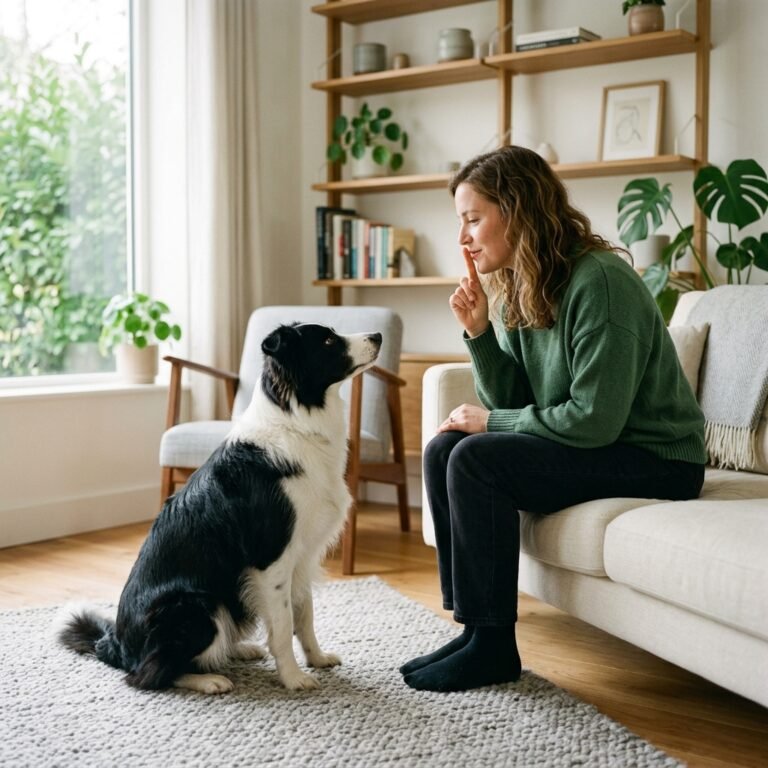
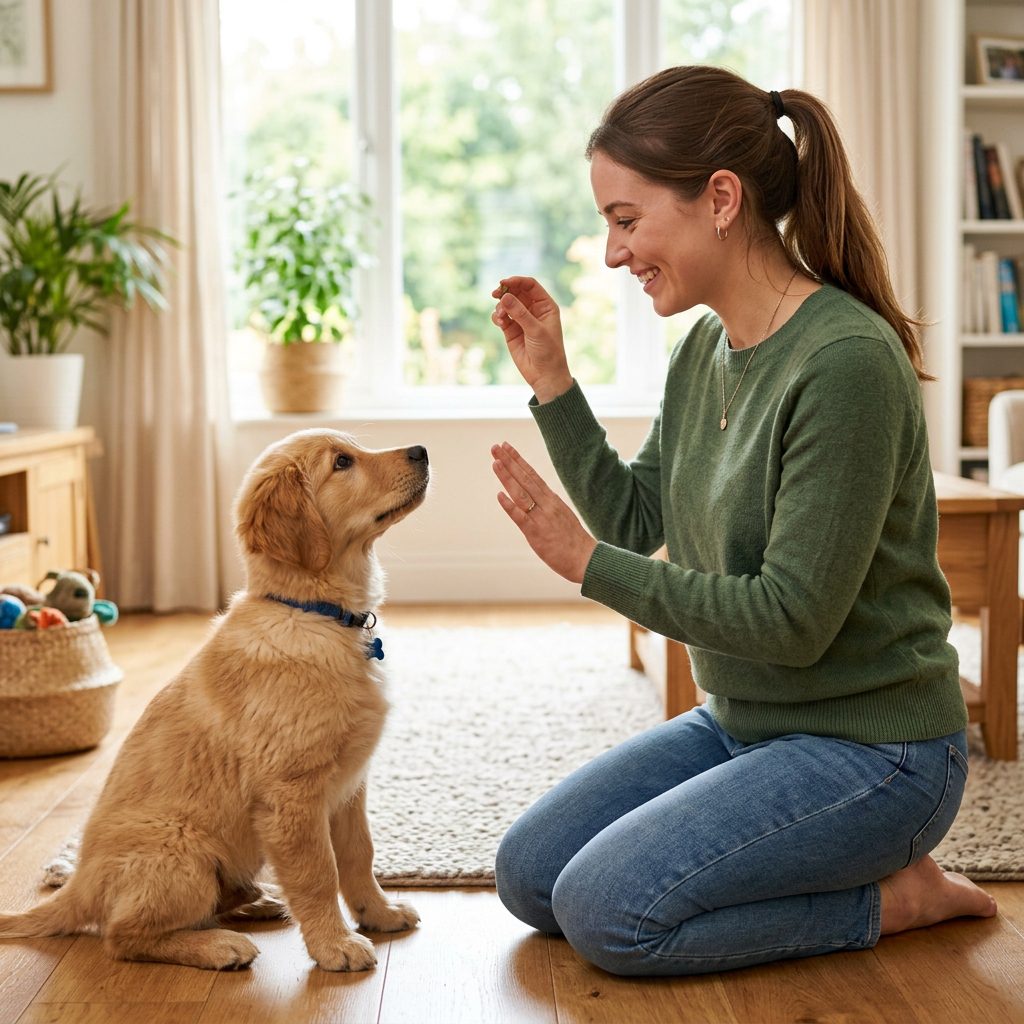
While the hack stops the immediate destruction, long-term behavior modification requires communication. The ‘Leave It’ command is the most important tool in your training belt. It tells your puppy that whatever they are interested in is off-limits and that looking at you instead will result in a reward. This builds impulse control, which is the root cause of most chewing issues.
Step-by-Step ‘Leave It’ Guide
- The Closed Hand: Place a treat in your hand and close your fist. Let the puppy sniff and lick. The moment they pull away, say ‘Yes!’ and give them a different treat from your other hand.
- The Open Hand: Once they master the closed hand, place the treat in an open palm. If they move for it, cover it. When they look away, reward them.
- The Floor Drop: Drop a low-value item (like a piece of kibble) on the floor. Cover it with your foot if they go for it. Once they back off and make eye contact, reward with a high-value treat (like chicken).
- The Real World: Practice this near the walls they used to chew. If they look at the wall and then look at you, give them a jackpot of treats.
Expert Tip: Never use the item they are supposed to ‘leave’ as the reward. This creates confusion. Always reward with something better!
Consistency is Key
Savvy owners know that training never truly ends. Practice ‘Leave It’ for five minutes every day in different rooms. This generalizes the behavior, ensuring that if they get the urge to chew something else—like your favorite shoes or the TV remote—you have the verbal tools to stop them before they start.
Environmental Management and Enrichment
The Tired Puppy is a Good Puppy
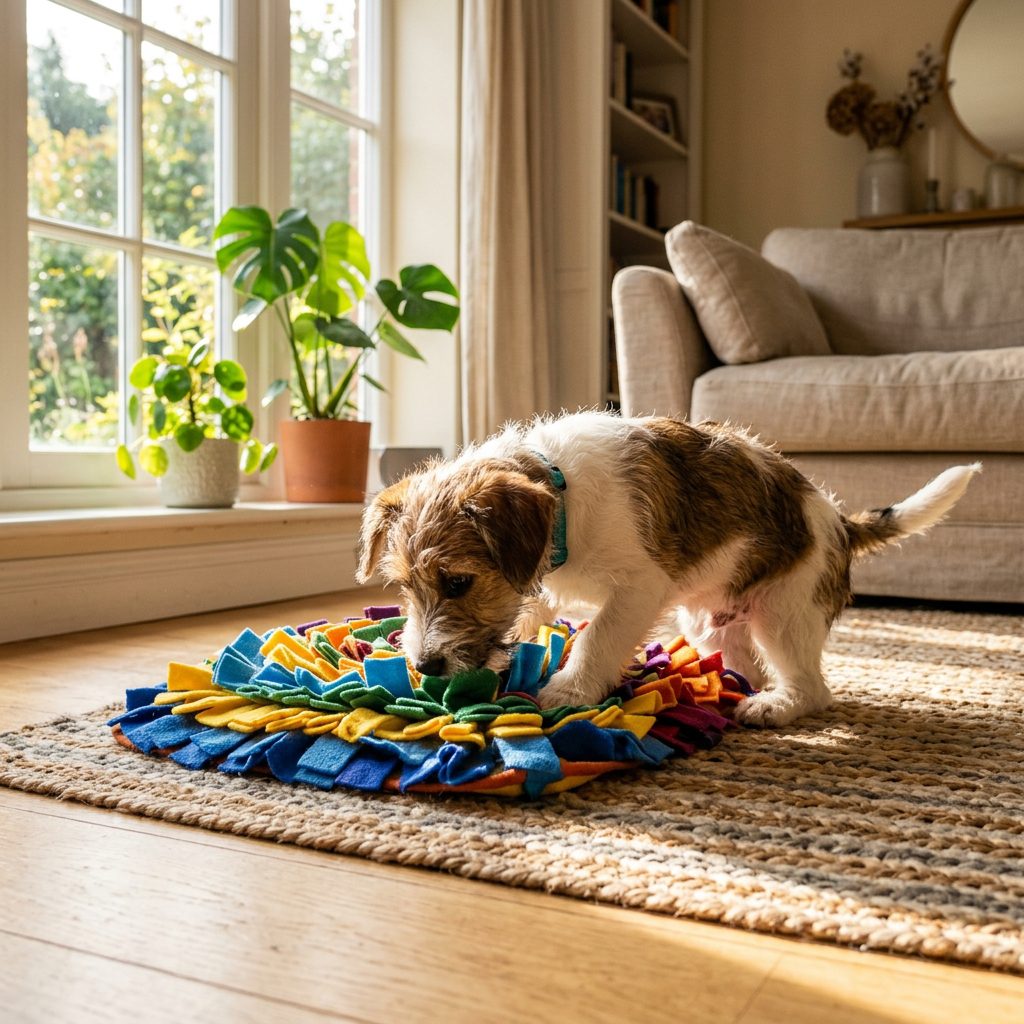
Most destructive behavior stems from excess energy. If your puppy’s physical and mental needs aren’t met, they will find ways to entertain themselves. Increasing physical exercise through walks and play is vital, but don’t overlook mental exercise. Fifteen minutes of brain games is as tiring as an hour-long walk for a young puppy.
Daily Enrichment Schedule
| Time of Day | Activity Type | Specific Task |
|---|---|---|
| Morning | Physical | 15-minute brisk walk and fetch. |
| Midday | Mental | Snuffle mat or food puzzle for lunch. |
| Afternoon | Training | 5-10 minutes of basic commands (Sit, Stay, Leave It). |
| Evening | Sensory | A long-lasting chew (Bully stick or YAK cheese). |
Crate Training and Supervision
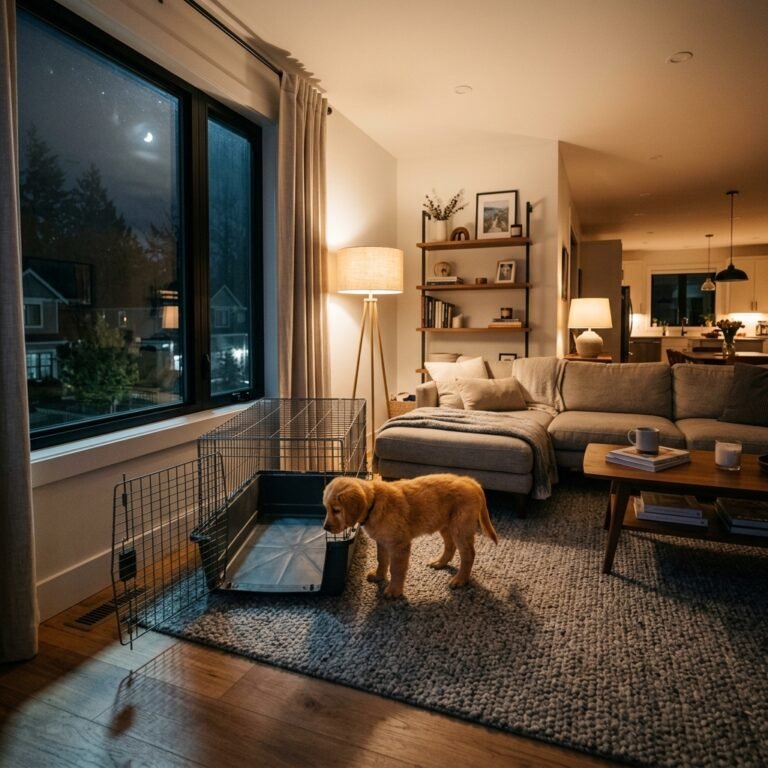
Until your puppy is 100% reliable, they should not have free roam of the house. Use crates, exercise pens, or baby gates to limit their access to ‘chewable’ areas when you cannot supervise them. This isn’t a punishment; it’s a safety measure. By preventing the opportunity to chew the drywall, you prevent the habit from being reinforced. Think of it as ‘puppy-proofing’ 2.0.
Health Risks and Wall Repair
When to Call the Vet
While drywall (gypsum and paper) is generally non-toxic in small amounts, ingesting large quantities can lead to gastrointestinal blockages. If your puppy has consumed a significant amount of wall, monitor them closely for signs of lethargy, vomiting, or loss of appetite. If you notice these symptoms, contact your veterinarian immediately. Additionally, be aware of what is behind the drywall, such as electrical wiring or insulation, which can be extremely dangerous if chewed.
Patching the Damage Like a Pro
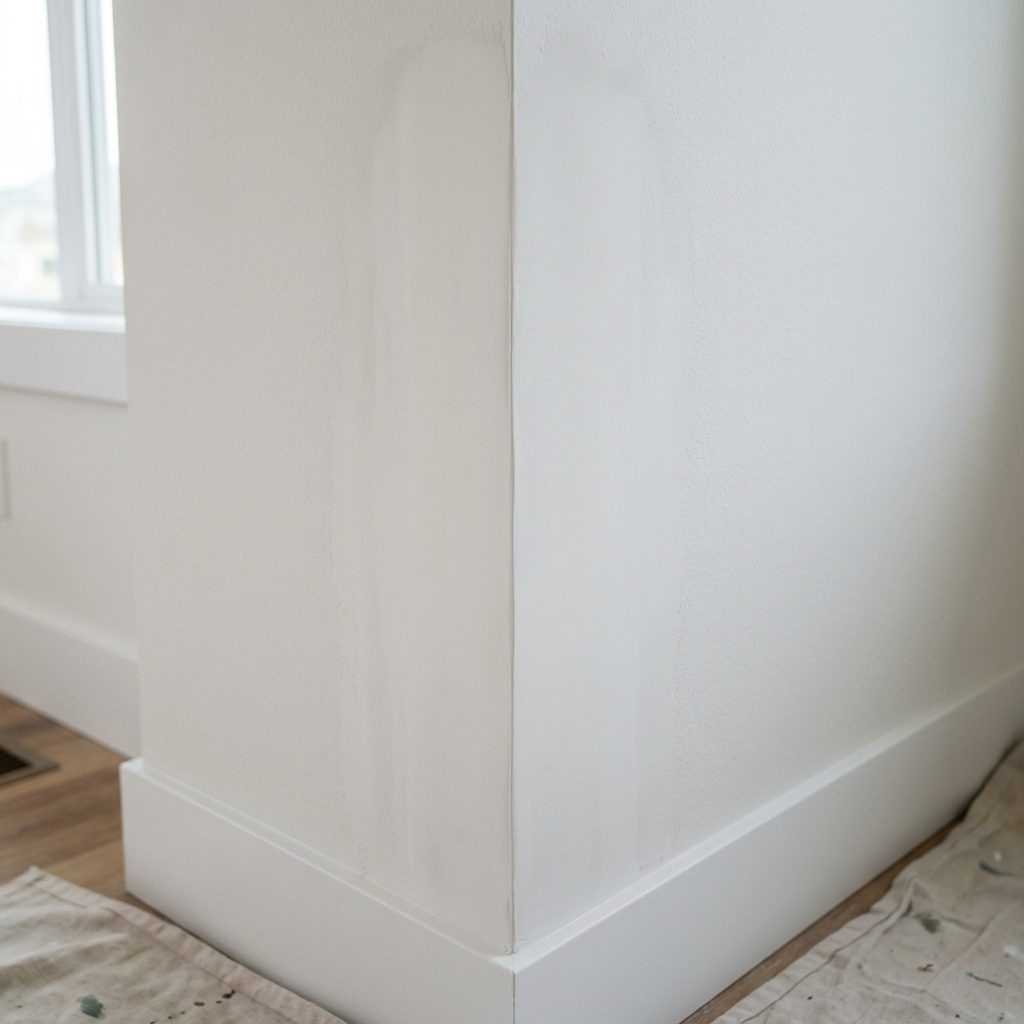
Once the chewing has stopped, you’ll want to fix the eyesore. For small holes, a simple spackle kit will do. For larger holes, you may need a drywall patch. Pro Tip: Before painting over the repair, apply a coat of primer that is specifically designed to seal odors. This ensures that any lingering ‘saliva scent’ is completely locked away, removing any final temptation for the puppy to return to the scene of the crime.
Moving Forward with Confidence
Stopping drywall chewing is a journey of patience and consistency. By using the ‘Bitter Barrier’ hack, providing proper enrichment, and maintaining a solid training routine, you are setting your puppy up for a lifetime of good behavior. Your home will stay beautiful, and your bond with your dog will only grow stronger as you overcome these puppyhood hurdles together.
Conclusion
A Stress-Free Home is Within Reach
Dealing with a puppy who chews drywall can be incredibly stressful, but it is a challenge that you are now fully equipped to handle. By understanding the biological and psychological triggers—teething, boredom, and curiosity—you can approach the problem with empathy rather than frustration. The Simple Hack of the ‘Bitter-Texture Swap’ provides an immediate solution that protects your home while you work on the long-term goals of training and enrichment. Remember, the key to a well-behaved dog is a combination of clear boundaries, consistent communication, and meeting their physical and mental needs. You’ve got the tools, the knowledge, and the plan. Now, go forth and reclaim your walls! Your puppy will thank you for the guidance, and your home will thank you for the care. Happy training!