Slobber-Free Rides: 5 Weirdly Effective Ways to Stop Your Puppy Licking Car Windows
The Struggle of the ‘Nose Art’ Enthusiast
If you have ever spent a Sunday afternoon meticulously detailing your car, only to have your puppy turn the rear windows into a smeared, translucent mess of saliva within five minutes of driving, you are not alone. For many savvy dog owners, the ‘slobber-streaked window’ is a permanent fixture of life. But beyond the annoyance of reduced visibility and the constant need for glass cleaner, window licking can sometimes be a sign of boredom, anxiety, or a simple lack of boundaries.
As a canine specialist, I have seen it all. From the ‘obsessive taster’ who loves the condensation on the glass to the ‘anxious traveler’ who uses licking as a self-soothing mechanism. The good news? You do not have to live with a blurry view. By understanding the psychology behind the lick and implementing a few ‘weird’ but effective strategies, you can transform your car rides into a clean, stress-free experience for both you and your pup. In this guide, we will dive deep into why puppies do this and explore five unconventional methods to stop the behavior for good.
Understanding the ‘Why’: The Science of the Lick
Before we can stop the behavior, we need to understand the motivation. Puppies do not lick windows just to annoy us; they are usually satisfying a sensory need or reacting to their environment. Understanding these triggers is the first step in choosing the right intervention.
Common Reasons for Window Licking
- Sensory Exploration: Puppies explore the world with their mouths. The smooth, cool texture of glass is fascinating to them.
- Temperature Regulation: If the car is warm, the cool glass provides instant relief for a panting pup.
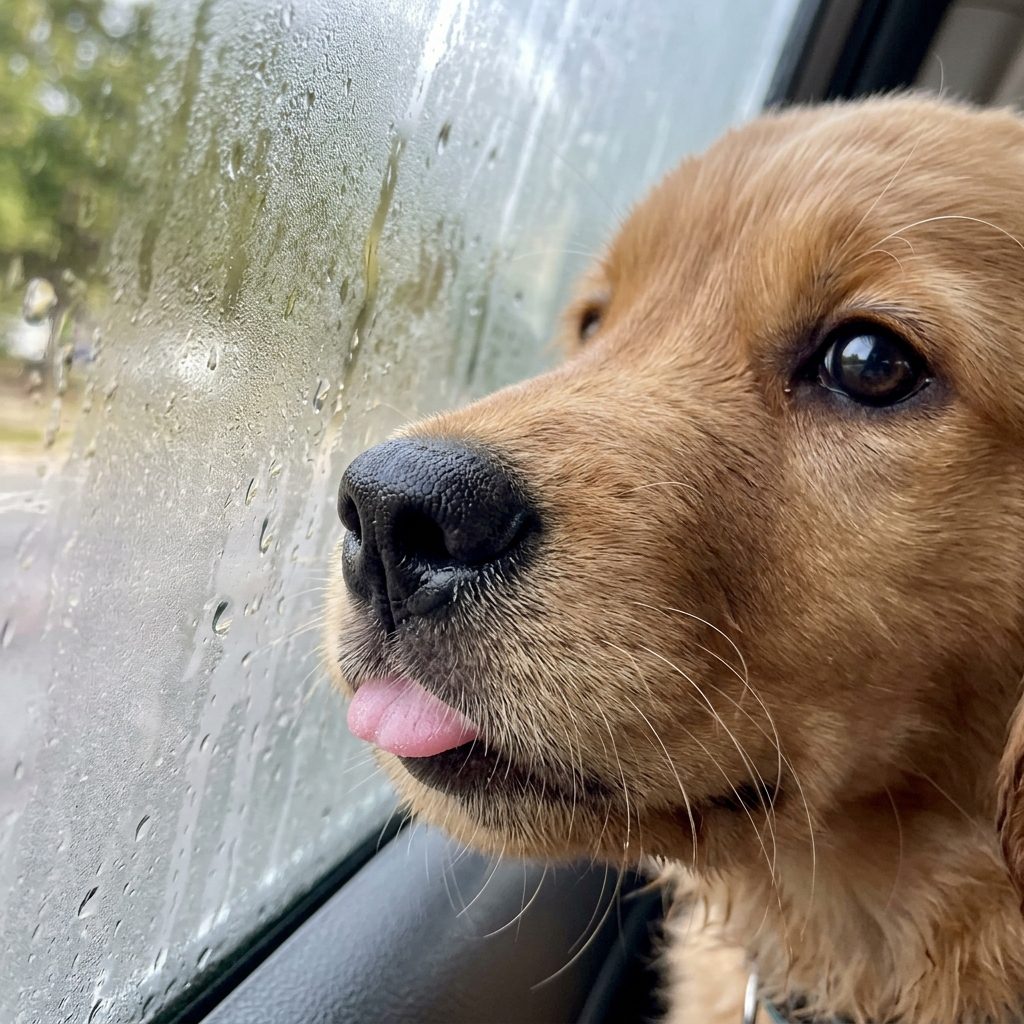
- Condensation & Thirst: Licking the moisture off a window is an easy way for a thirsty puppy to get a quick drink.
- Anxiety and Stress: Repetitive licking releases endorphins in dogs, helping them calm down during a stressful car ride.
- Boredom: If there is nothing else to do, the window becomes a giant, interactive toy.
| Trigger | Behavioral Root | Best Solution Type |
|---|---|---|
| Condensation | Thirst/Curiosity | Hydration Management |
| High Heat | Physical Discomfort | Climate Control |
| Anxiety | Emotional Distress | Desensitization |
| Boredom | Lack of Enrichment | Distraction Tools |
Expert Tip: Always observe your puppy’s body language. If the licking is accompanied by whining or pacing, it is likely anxiety-driven. If they seem relaxed but are just ‘tasting’ the glass, it is likely boredom or sensory seeking.
Method 1: The ‘Frozen Lick Pad’ Diversion
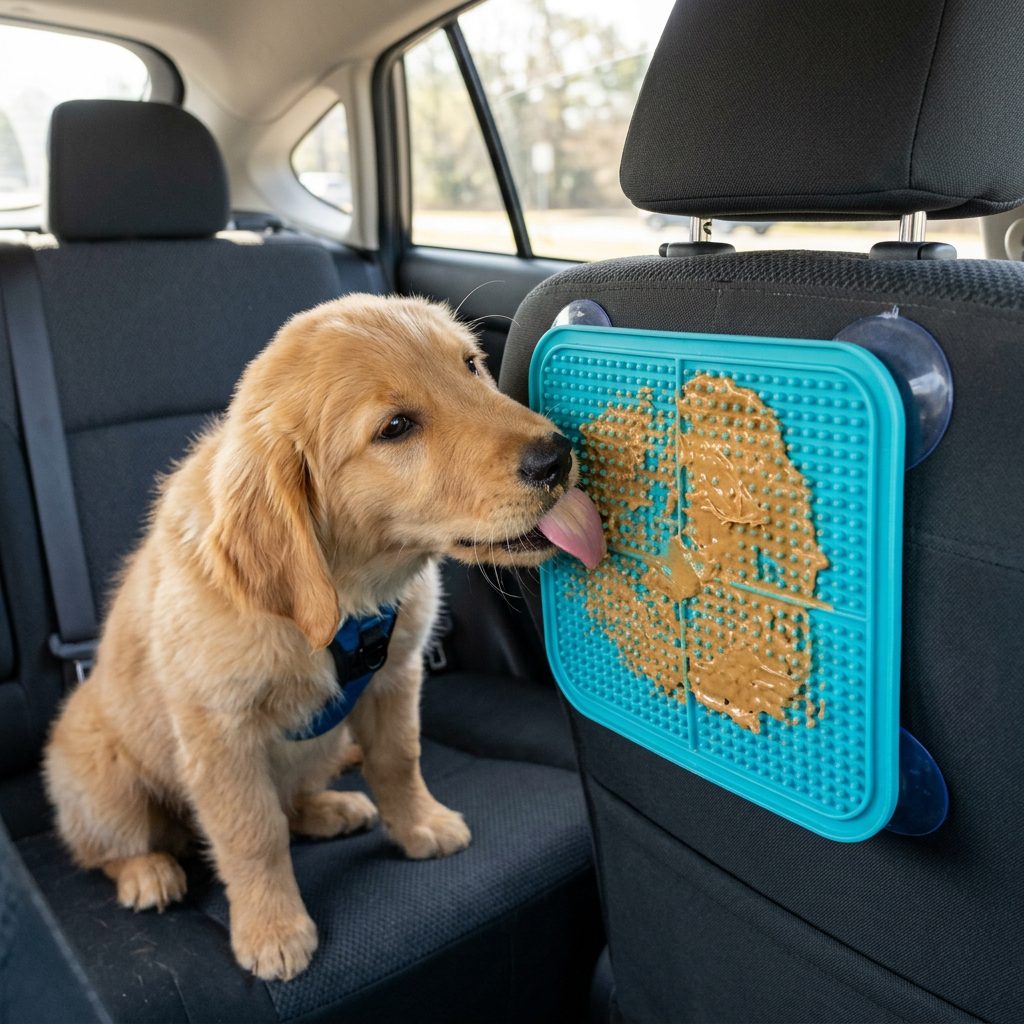
One of the most effective ways to stop a puppy from licking a window is to provide a superior licking surface. If they want to lick, let them lick something that actually tastes good and keeps their brain occupied.
How to Set It Up
Purchase a silicone lick mat with suction cups on the back. Smear it with dog-safe peanut butter, plain Greek yogurt, or mashed pumpkin, and freeze it overnight. When you get into the car, suction the mat to a lower plastic panel or the back of the front seat—never the window itself. This redirects the puppy’s natural urge to a productive and rewarding activity.
Why It Works
The act of licking the textured mat is soothing, and the cold temperature provides the same sensory satisfaction as the glass. Because the mat is frozen, it takes the puppy 15–20 minutes to finish, which is often enough time for them to settle into the ride and forget about the windows.
Method 2: The ‘Scented Boundary’ Strategy
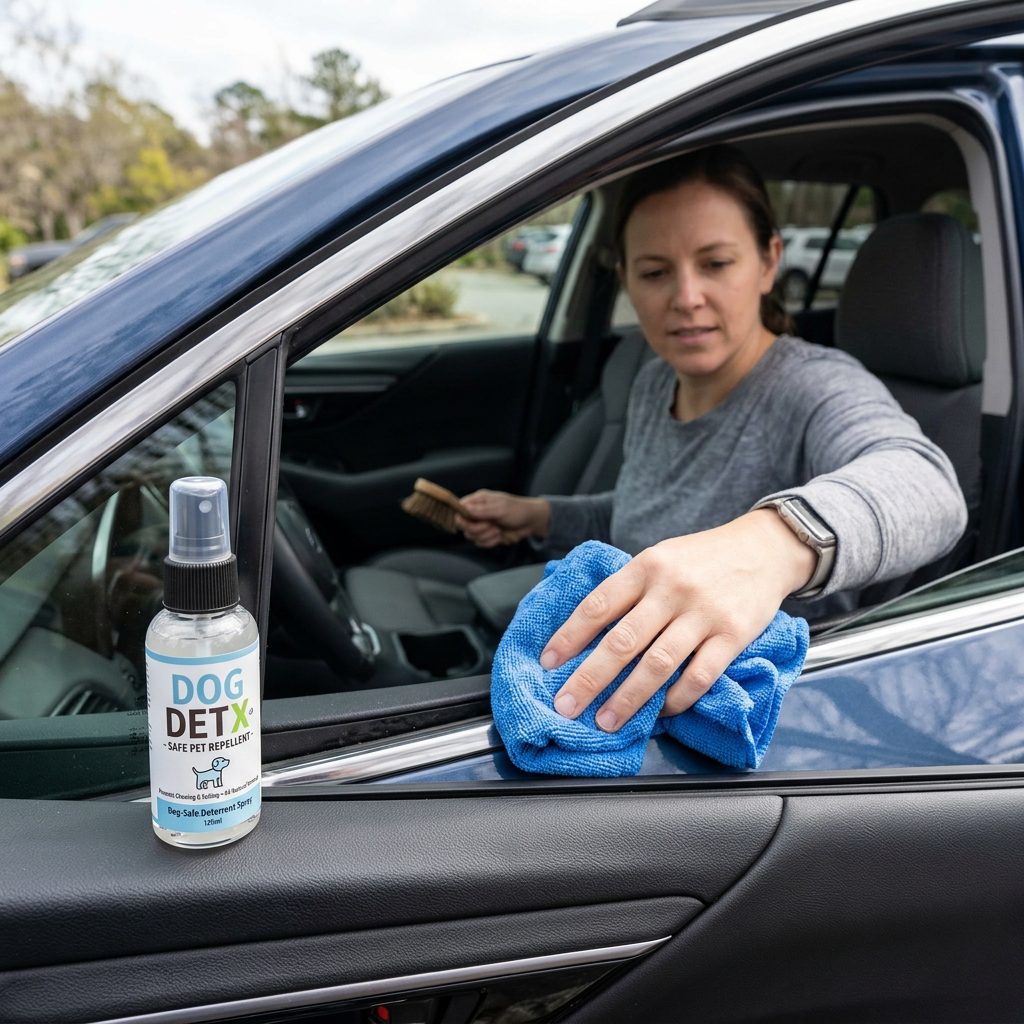
Dogs have an incredible sense of smell, and we can use this to our advantage. Certain scents are naturally unappealing to dogs without being harmful. By creating a ‘scent barrier’ near the window, you can discourage the puppy from getting close enough to lick.
Safe Deterrents
Many owners find success using a highly diluted mixture of bitter apple spray or a very faint scent of citrus. However, a ‘weirdly effective’ trick is using lavender or chamomile essential oils (properly diluted and dog-safe). While these are calming, many dogs dislike the intense floral scent on their tongue and will avoid licking areas where the scent is concentrated.
Implementation Steps
- Clean the window thoroughly with a vinegar-based cleaner to remove previous saliva scents.
- Apply a small amount of the deterrent to a microfiber cloth.
- Wipe the interior window sill (not the glass itself, to avoid streaks) with the cloth.
- Reapply before long trips until the puppy associates the window area with an unappealing taste/smell.
Warning: Never use essential oils that are toxic to dogs, such as tea tree, peppermint, or cinnamon. Always consult with your vet before using scents in an enclosed space like a car.
Method 3: Visual Blockers and Static Cling Film
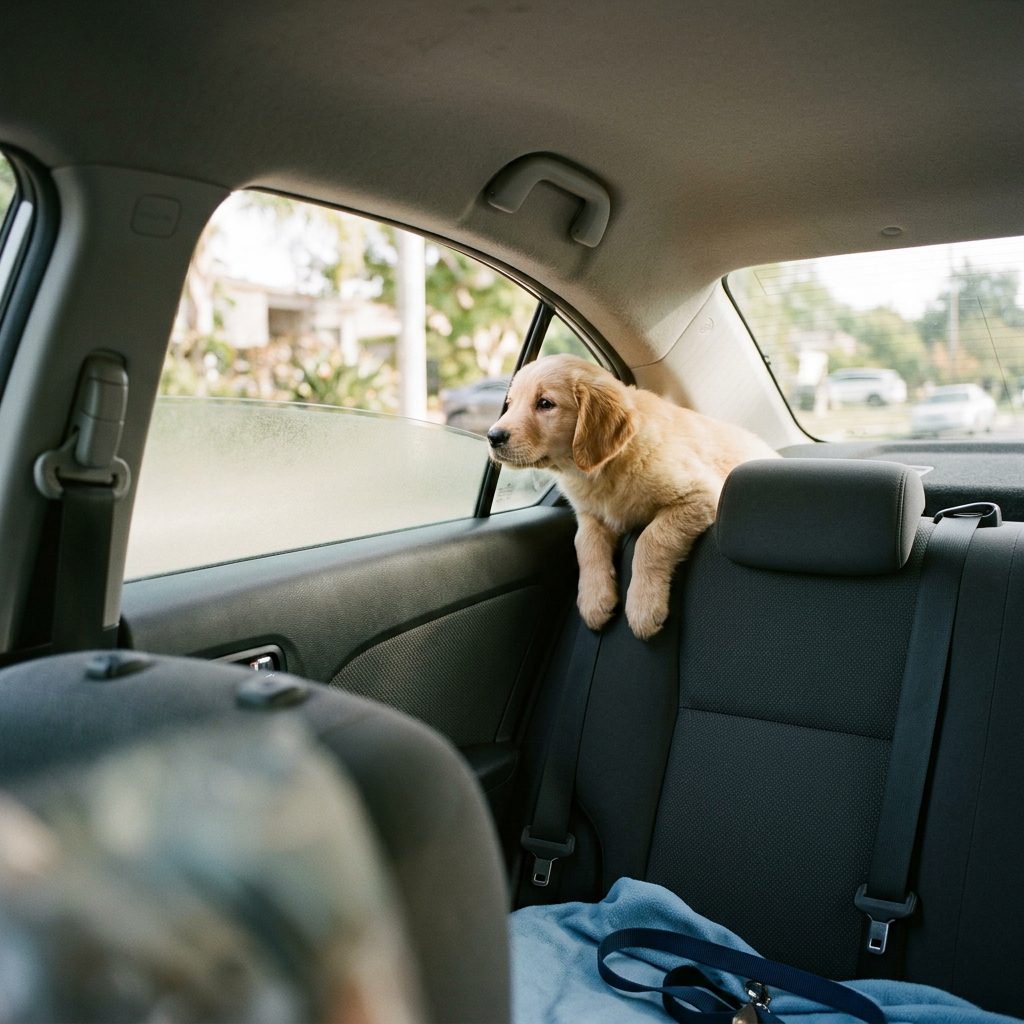
Sometimes, the licking is a reaction to ‘visual overstimulation.’ Puppies see cars, birds, and people whizzing by and become overexcited, leading to frantic licking. If they can’t see the stimulus clearly, the urge to lick often disappears.
The Static Cling Solution
You can purchase inexpensive, frosted static-cling window film. Apply a strip of this film to the lower third of the passenger windows. It blocks the puppy’s direct line of sight to the fast-moving ground and nearby wheels, which are often the most overstimulating sights.
Benefits of Window Film
| Feature | Benefit for Puppies | ||
|---|---|---|---|
| Frosted Texture | Reduces visual triggers and ‘motion sickness’ triggers. | Heat Reduction | Keeps the glass cool, removing the ‘cooling’ incentive to lick. |
| Removability | Leaves no residue on your car windows. |
Method 4: The ‘Look Away’ Clicker Training
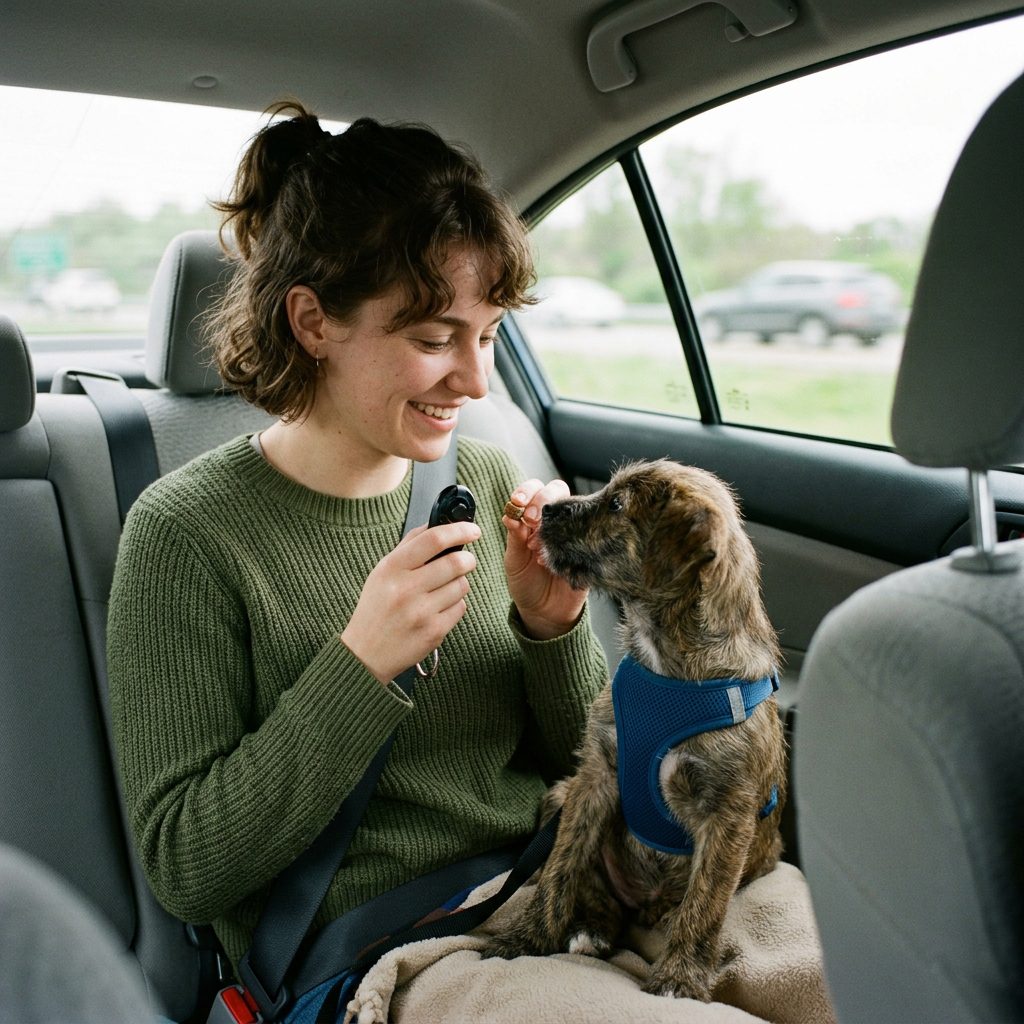
If you prefer a behavioral approach, clicker training is the gold standard. This method teaches the puppy that not licking is more rewarding than licking. This requires a second person to drive while you handle the training.
Step-by-Step Training Guide
- Identify the ‘Pre-Lick’ Moment: Watch for when your puppy moves their head toward the glass.
- The Interrupt: Just before their tongue touches the glass, make a clicking sound or use a marker word like ‘Yes!’
- The Reward: Immediately offer a high-value treat away from the window.
- Repeat: Do this every time they look at the window but choose not to lick.
Over time, the puppy will begin to look at the window and then immediately look at you for a treat. You are essentially replacing the ‘lick’ reflex with a ‘check-in’ reflex.
Method 5: The Cooling Mat & Climate Control Shift
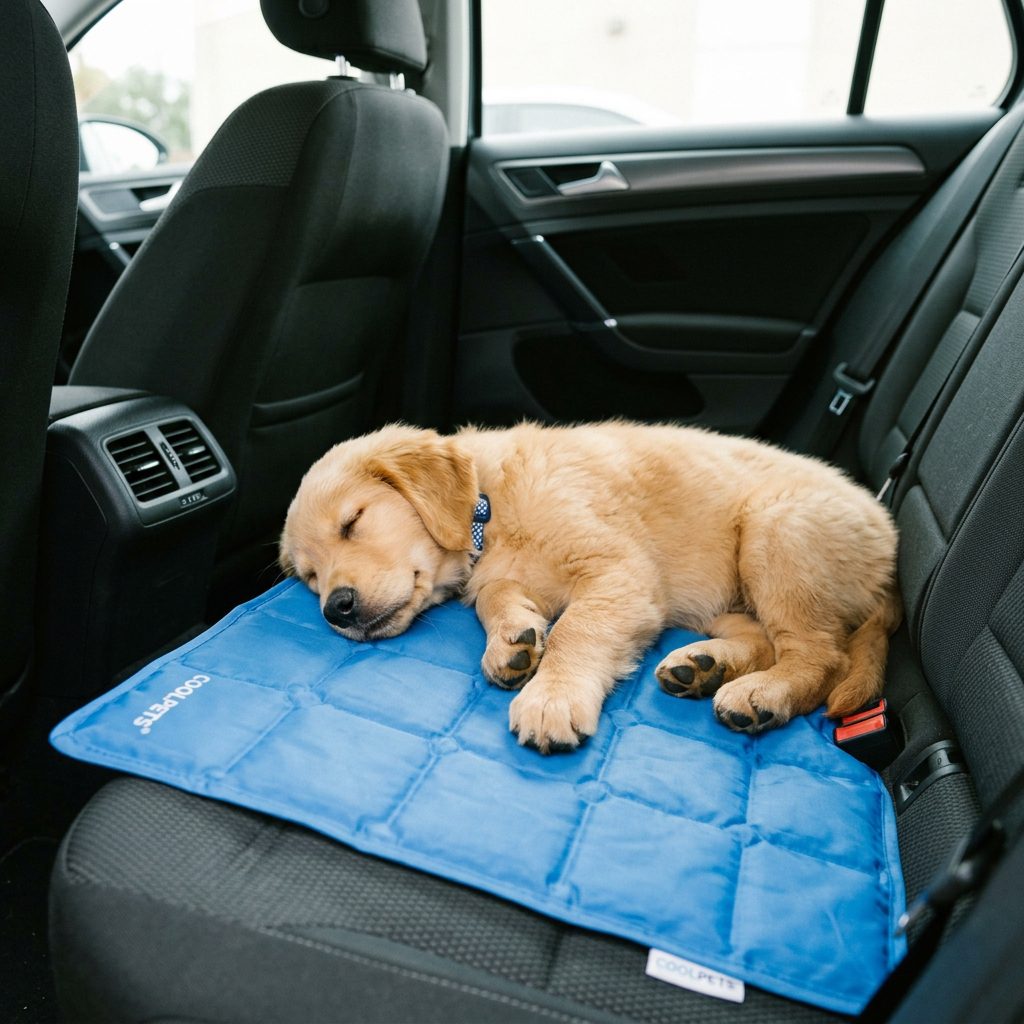
As mentioned earlier, many puppies lick windows because they are hot. Cars can heat up rapidly, and puppies have a harder time regulating their body temperature than adult dogs. If the window is the coolest thing in the car, they will put their tongue on it.
Optimizing the Environment
Place a pressure-activated gel cooling mat on the car seat where the puppy sits. These mats do not require electricity and stay significantly cooler than the surrounding air. Additionally, ensure the rear AC vents are pointed toward the puppy’s level, not just the roof.
The ‘Cooling’ Checklist
- Sunshades on the opposite window to reduce cabin temp.
- A spill-proof water bowl (like a ‘Road Refresher’) to keep them hydrated.
- Cracking the front windows slightly to ensure cross-ventilation (if safe).
Common Mistakes and Troubleshooting
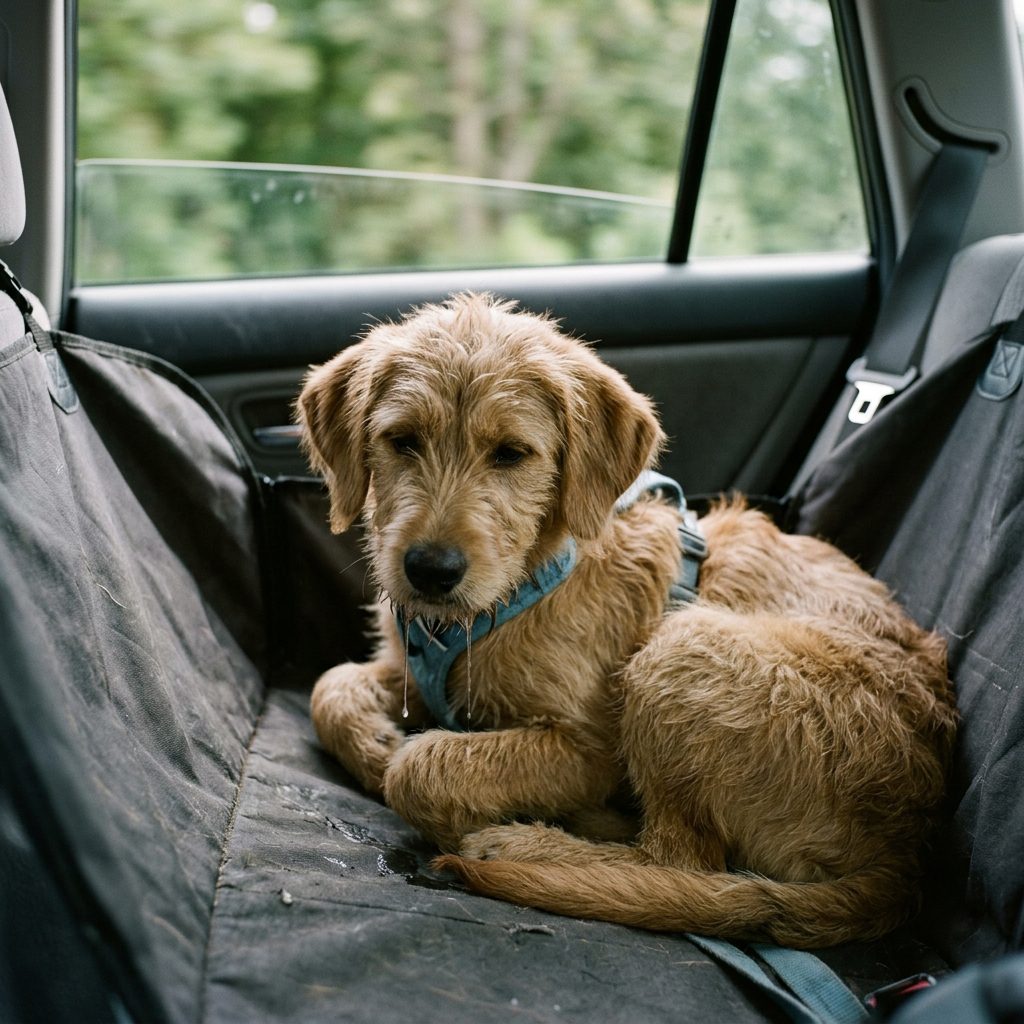
Even with the best intentions, some owners accidentally reinforce the very behavior they are trying to stop. Avoid these common pitfalls to ensure your training stays on track.
Mistakes to Avoid
- Yelling or Scolding: This often increases anxiety, which leads to more licking as a self-soothing mechanism.
- Using Windex or Harsh Chemicals: Never use standard glass cleaners immediately before a trip. The ammonia smell is irritating to dogs and can be toxic if they lick the residue.
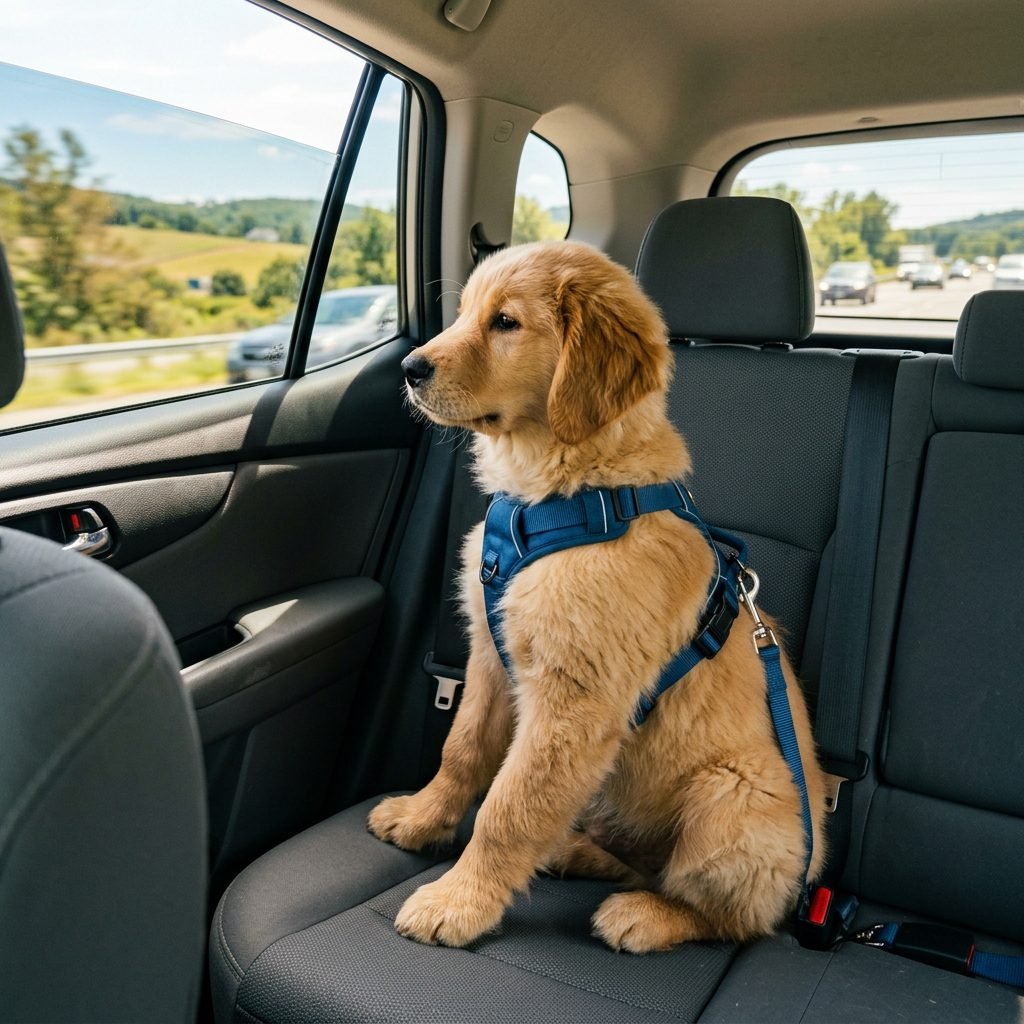
- Allowing Free Roam: A puppy that isn’t restrained by a seat belt or crate has too much access to every window in the car.
Troubleshooting Persistent Licking
If your puppy continues to lick despite these methods, consider if they are suffering from motion sickness. Nausea often causes excessive salivation (hypersalivation), which the puppy then wipes on the windows. If you notice heavy drooling, lip licking, or lethargy, talk to your vet about motion sickness medication.
Conclusion
Enjoying the View Together
Stopping your puppy from licking car windows is about more than just keeping your car clean; it is about creating a calm, comfortable environment for your furry companion. Whether you choose to use the frozen lick mat to provide enrichment or static cling film to reduce visual stress, the key is consistency. Remember that puppies are learning machines, and every car ride is a training opportunity.
By addressing the root cause—be it heat, boredom, or anxiety—you are not just saving your windows; you are helping your puppy become a confident, well-behaved traveler. So, the next time you head out on a road trip, pack your cooling mat, prep your treats, and enjoy a slobber-free ride. Your windshield (and your sanity) will thank you!