No More Snapping! 5 Secrets to Dress Your Puppy in a Winter Coat Without Getting Bitten
Winter is coming, and for many puppy owners, that means the return of the dreaded ‘coat struggle.’ You know the scene: you pull out that adorable, fleece-lined parka, and suddenly your sweet, cuddly furball transforms into a tiny, snapping alligator. It is frustrating, it is cold, and let’s be honest—those puppy teeth are sharp! If you have found yourself wondering why your puppy treats a winter coat like a mortal enemy, you are certainly not alone. Many savvy dog owners struggle with this specific behavioral hurdle because, to a puppy, a coat isn’t a fashion statement or a warmth provider; it is a strange, restrictive object that smells funny and feels even weirder.
Understanding the root of this snapping behavior is the first step toward a peaceful winter. Puppies are naturally sensitive to touch, especially around their paws, ears, and belly. When we try to force them into a garment, we often trigger a ‘fight or flight’ response. In this guide, we are going to move past the wrestling matches. As a canine specialist, I am going to share five proven secrets to desensitize your puppy to winter gear, ensuring they stay warm and your fingers stay intact. We will dive deep into the psychology of canine tactile sensitivity and provide a step-by-step roadmap to make dressing up the highlight of your puppy’s day.
Understanding the Snap: Why Puppies Bite During Dressing
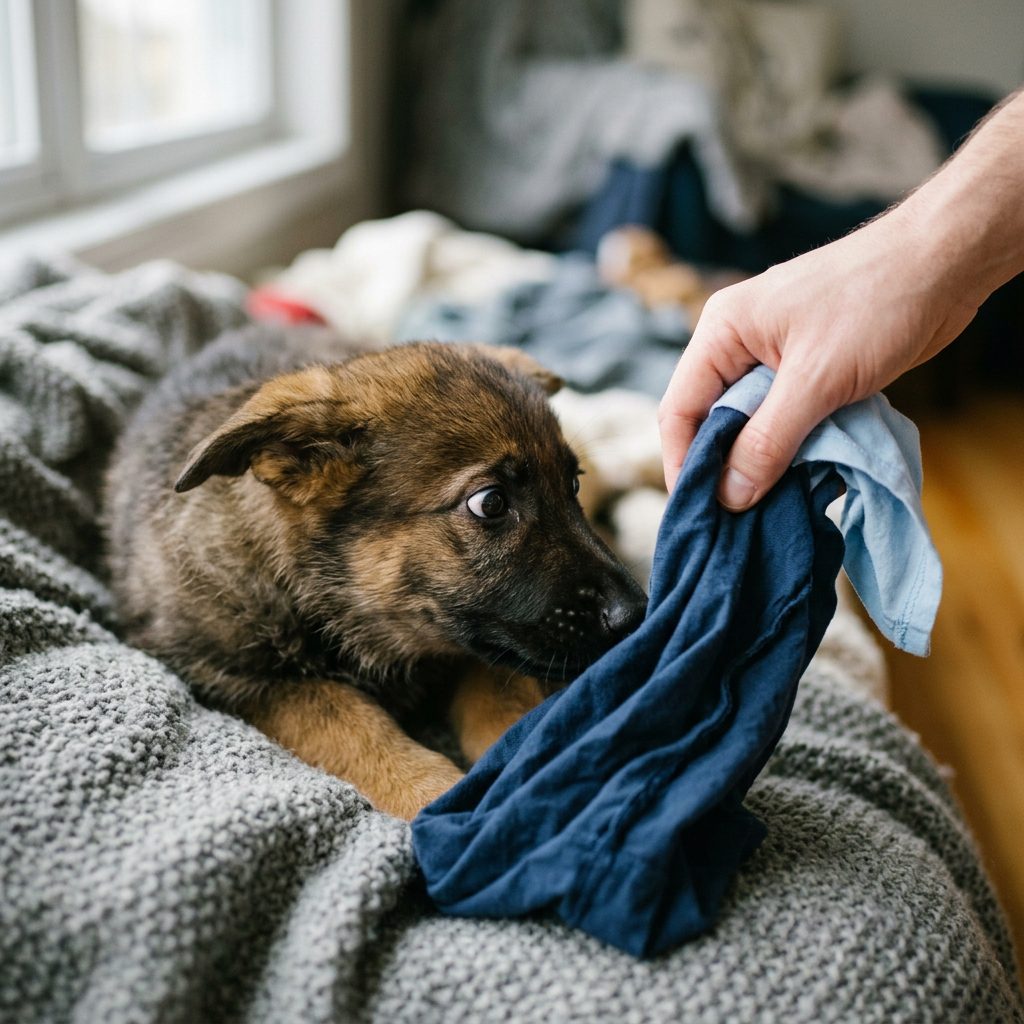
Before we can fix the behavior, we have to understand the ‘why’ behind the snap. Puppies communicate with their mouths. When they feel overwhelmed, trapped, or physically uncomfortable, a snap is often their way of saying, ‘Hey, I don’t like this, please stop!’ This is especially common with winter coats because many designs require us to manipulate the puppy’s limbs or reach over their head—both of which can be perceived as threatening in the dog world.
Tactile Defensiveness in Puppies
Some puppies suffer from what trainers call tactile defensiveness. This means they are hypersensitive to certain textures or the feeling of pressure on their bodies. A heavy wool coat or a crinkly waterproof shell can feel overwhelming to their nervous system. When you combine that sensory overload with the physical restriction of a coat, the puppy feels cornered.
Pro Tip: Always observe your puppy’s body language before the snap happens. Look for ‘whale eye’ (showing the whites of their eyes), lip licking, or a stiffened body. These are early warning signs that your pup is reaching their limit.
Furthermore, many owners unintentionally turn dressing time into a game of chase. If you have to hunt your puppy down to put the coat on, they are already in a high-arousal state. By the time you start fastening the Velcro, their adrenaline is pumping, making a bite much more likely. Our goal is to shift the emotional association from fear or excitement to calm acceptance.
Secret 1: The ‘Scent and See’ Introduction
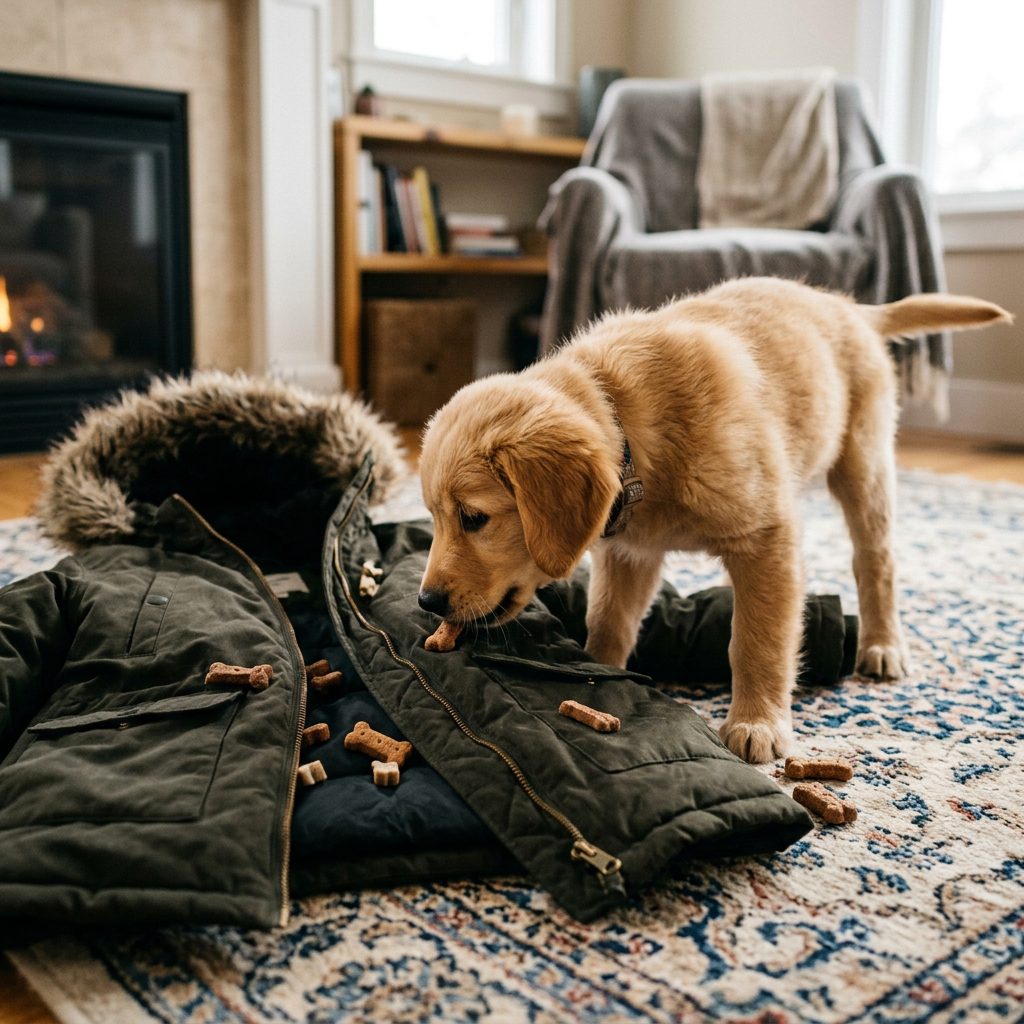
The first secret to a bite-free winter is to stop treating the coat like a surprise attack. Most owners pull the coat out of a closet and immediately try to put it on the dog. Instead, we need to introduce the coat as a neutral, and then positive, object in the environment. This process is known as classical conditioning.
Step-by-Step Desensitization
- The Floor Phase: Place the coat on the living room floor. Scatter high-value treats (like small pieces of boiled chicken or freeze-dried liver) all around and on top of the coat. Let your puppy investigate at their own pace.
- The Scent Association: Rub a soft cloth on your puppy’s bedding and then rub it on the coat. This transfers a familiar, ‘safe’ scent to the new garment, making it less alien.
- The ‘Touch’ Command: Hold the coat in your hand. Every time your puppy chooses to sniff it or touch it with their nose, say ‘Yes!’ and give a treat. We want them to think, ‘Touching this weird thing makes chicken happen!’
By doing this for just five minutes a day for a few days, you remove the ‘scary’ factor of the coat. You are building a foundation of trust before you ever ask the puppy to actually wear the item.
Secret 2: Choosing the Right ‘Entry Style’
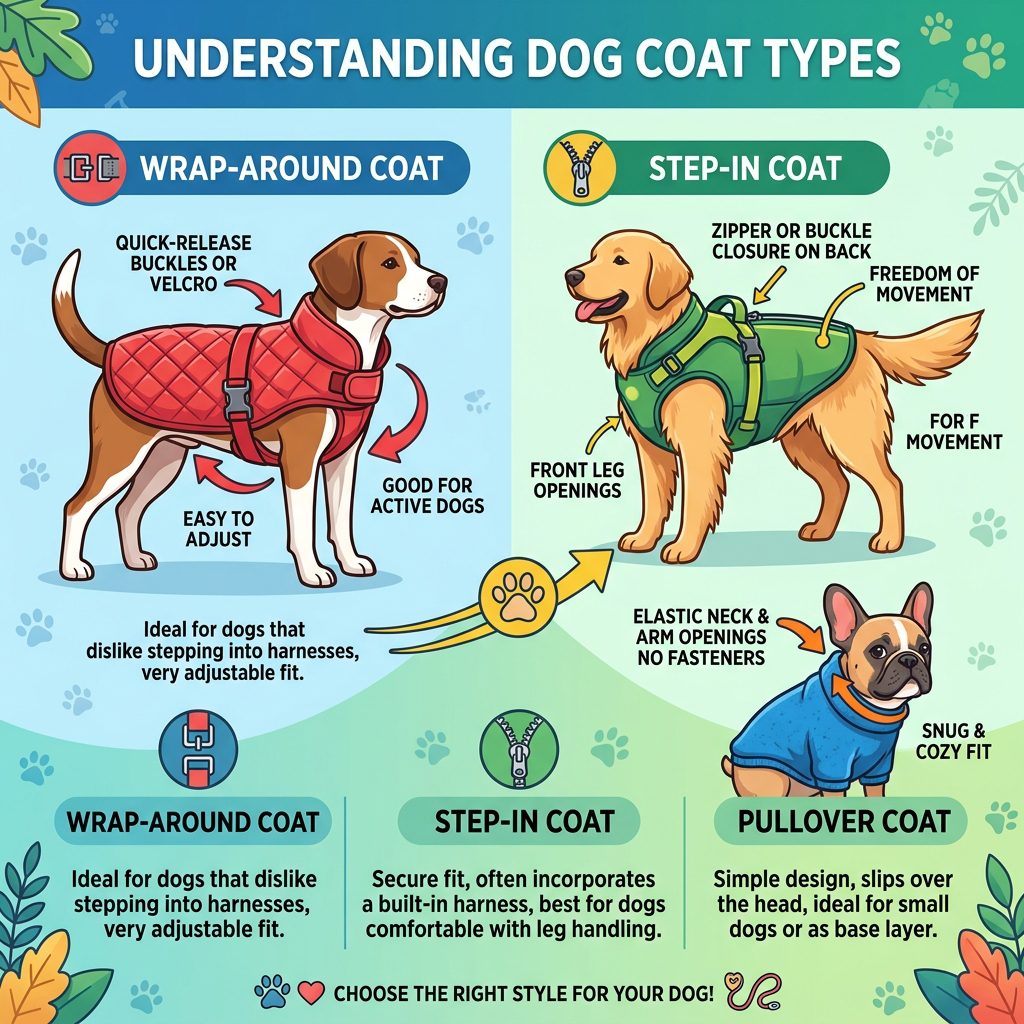
Not all winter coats are created equal, and for a snappy puppy, the design of the coat is everything. If your puppy hates having their paws touched, a ‘step-in’ coat is going to be a nightmare. If they are head-shy, a ‘pull-over’ hoodie will likely trigger a snap.
Comparison of Coat Styles for Reactive Puppies
Use the table below to determine which style is best suited for your puppy’s specific sensitivities.
| Coat Style | Best For… | Avoid If… |
|---|---|---|
| Wrap-Around (Velcro) | Puppies who hate their legs being touched. | Puppies sensitive to loud ‘ripping’ noises. |
| Step-In | Puppies who are head-shy or hate things over their ears. | Puppies with paw sensitivity or ‘alligator’ tendencies. |
| Over-the-Head | Calm puppies with no ear sensitivity. | Puppies prone to ‘trapped’ feelings or fear. |
| Zipper-Back | Puppies who are comfortable with close handling. | Puppies with long fur that might get caught (ouch!). |
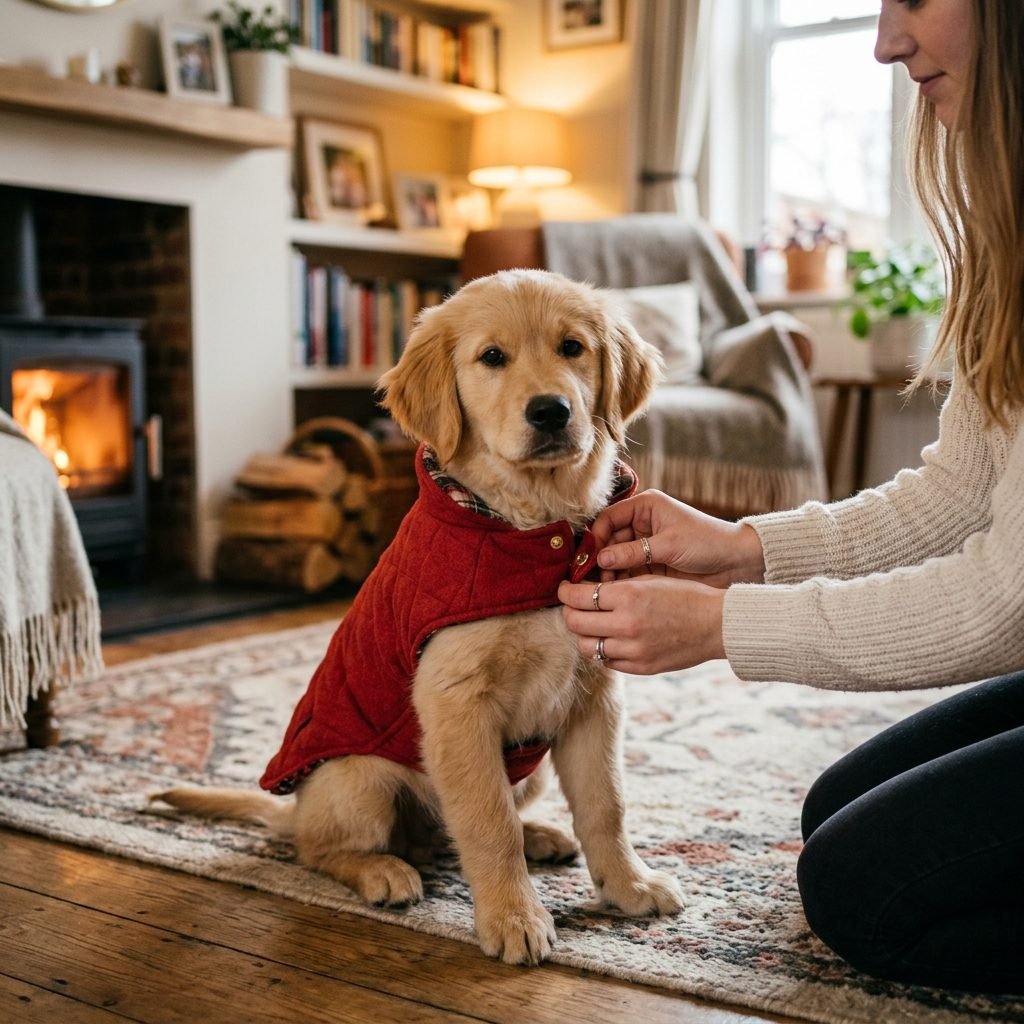
For a puppy that snaps, I almost always recommend a wrap-around style with wide Velcro straps. This allows you to lay the coat over their back without lifting paws or pulling fabric over their sensitive face. It minimizes the physical manipulation required, which in turn minimizes the triggers for biting.
Secret 3: The ‘Treat Magnet’ Technique
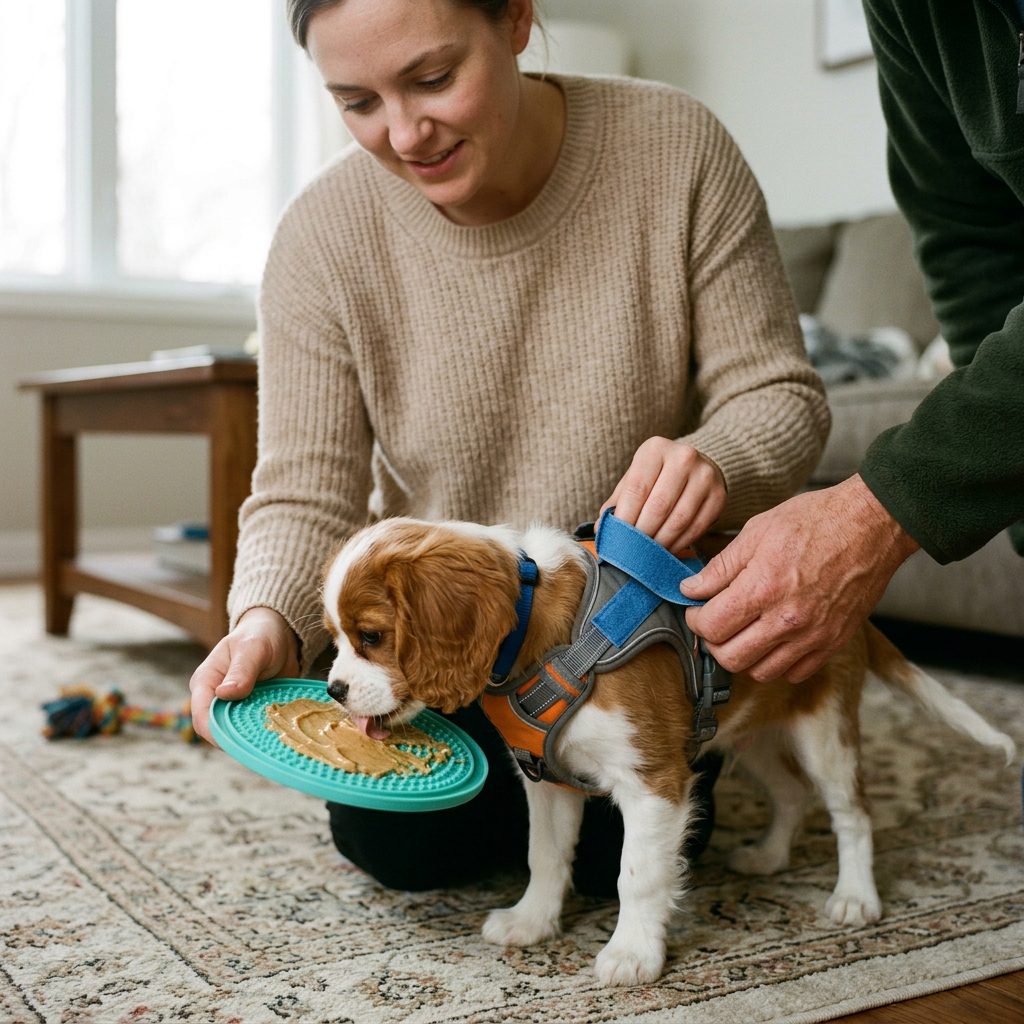
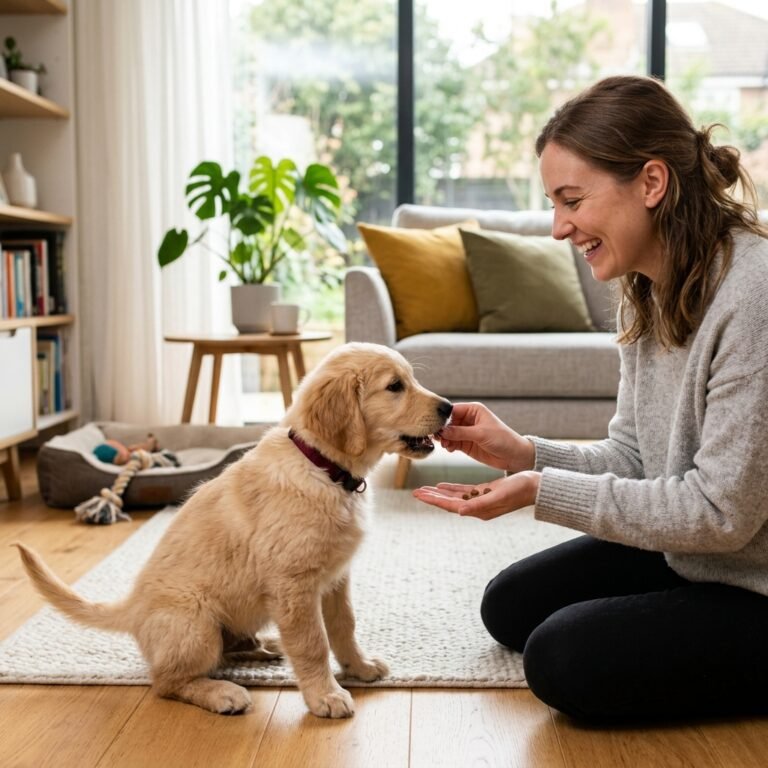
This is the ‘bread and butter’ of professional trainers. The Treat Magnet technique uses a continuous stream of rewards to keep the puppy’s mouth busy and their brain focused on something other than the coat. This is not just ‘giving a treat’; it is a strategic distraction.
How to Execute the Treat Magnet
You will need a partner for this if possible, but it can be done solo with a lick mat. If working alone, smear some dog-safe peanut butter or plain Greek yogurt on a silicone lick mat suctioned to a wall at your puppy’s eye level.
- Step 1: While the puppy is happily licking the mat, gently lay the coat across their back. Do not fasten it yet.
- Step 2: If they continue licking, give them a verbal ‘Good!’ and fasten one strap.
- Step 3: If they stop licking to look at the coat, stop fastening immediately. Wait for them to return to the mat before continuing.
- Step 4: Gradually increase the duration they wear the coat while licking, then slowly transition to giving individual treats for staying calm while you move the fabric.
The goal is to create a positive emotional response. Eventually, the sight of the coat will trigger salivation because they know the ‘Treat Magnet’ is coming!
Secret 4: Master the ‘Bucket Game’ for Consent
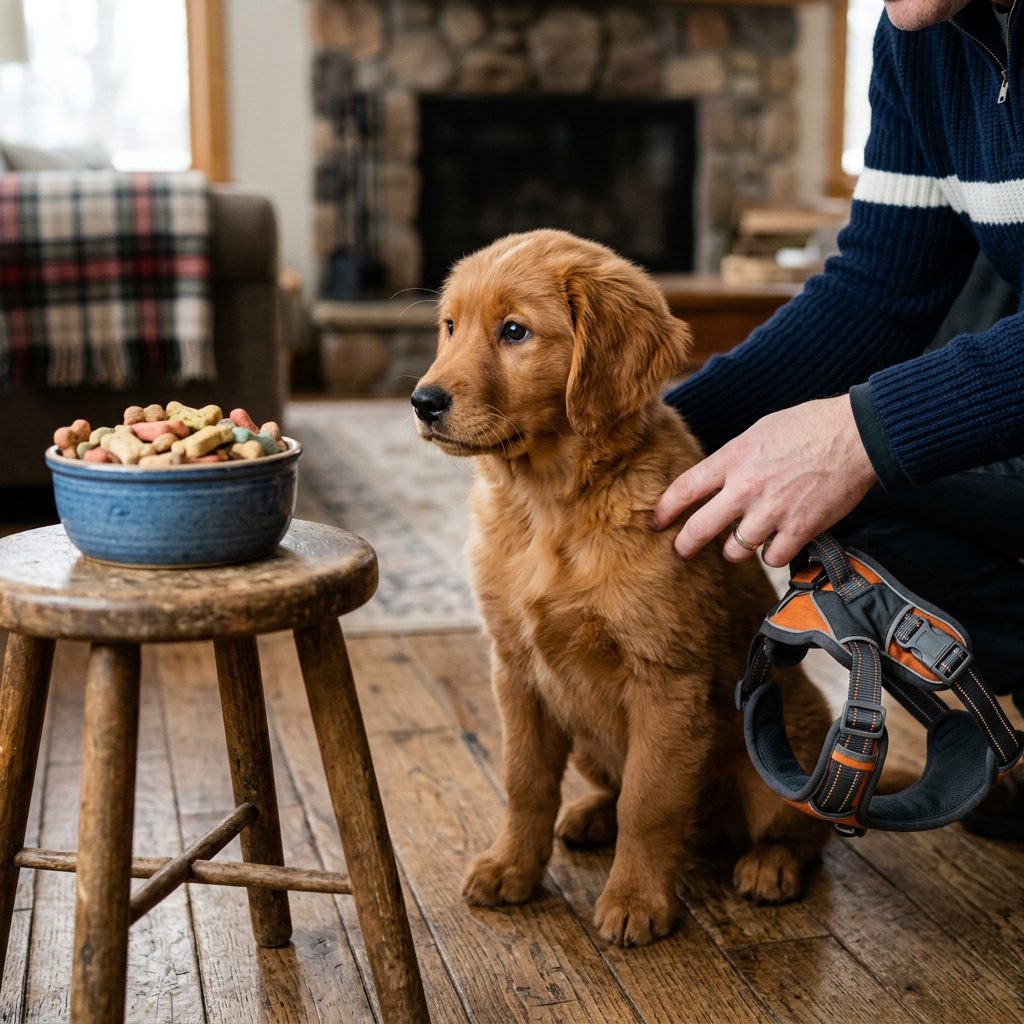
Developed by trainer Chirag Patel, the ‘Bucket Game’ is a revolutionary way to give your puppy a ‘choice’ in the grooming and dressing process. When a puppy feels they have control, their need to snap drastically decreases. This is the ultimate secret for savvy owners who want a deep bond with their dog.
Implementing Consent-Based Dressing
Place a small bucket or bowl of treats on a chair. Your puppy’s job is to stare at the bucket. As long as they are staring at the bucket, you are allowed to work on the coat. If they look away from the bucket toward you or the coat, you must stop immediately.
This teaches the puppy that they can ‘pause’ the session at any time just by looking away. It sounds counterintuitive—won’t they just look away forever? Surprisingly, no. When puppies realize that their communication is being heard and that they aren’t being forced, they become much more willing participants. They ‘opt-in’ to the dressing process because it has become a predictable game where they hold the remote control.
Secret 5: Short Bursts and ‘Naked’ Victories
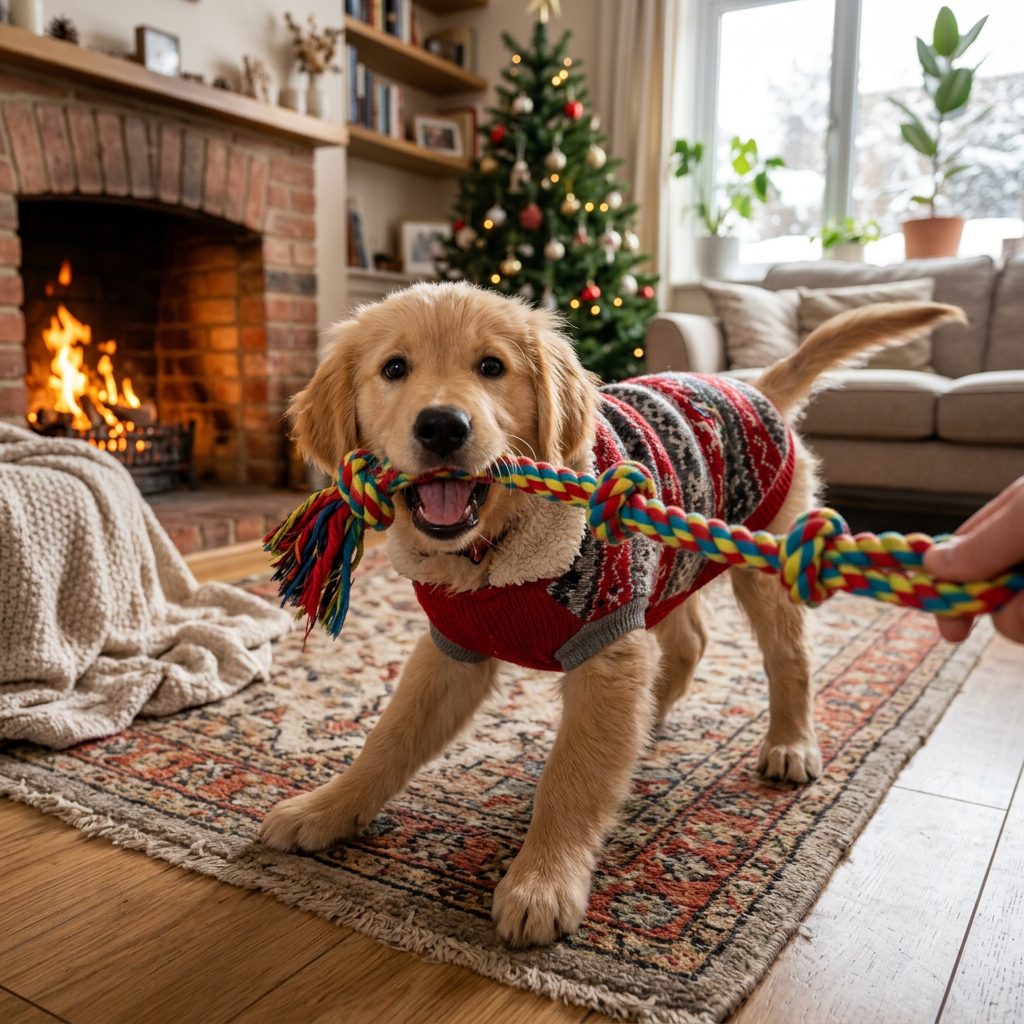
The final secret is to avoid the ‘all-or-nothing’ mentality. You don’t need to put the coat on and immediately go for a thirty-minute walk in the snow. That is too much pressure for a developing puppy mind.
The 30-Second Rule
In the beginning, put the coat on for only 30 seconds inside the house. During those 30 seconds, engage in your puppy’s absolute favorite activity—whether that is a game of tug, chasing a ball, or getting belly rubs (if they allow it while dressed). Then, take the coat off before they have a chance to get annoyed with it.
Expert Tip: We want the puppy to feel like the coat is a ‘superpower suit’ that makes fun things happen. If the fun stops when the coat comes off, they will start begging you to put it back on!
Gradually increase the time to a minute, then five minutes, then ten. Practice this ‘indoor dressing’ several times a day when you aren’t actually planning to go anywhere. This removes the environmental stress of the cold and the ‘outside’ distractions, allowing the puppy to focus solely on the sensation of the garment.
Troubleshooting: What to Do if the Snap Happens
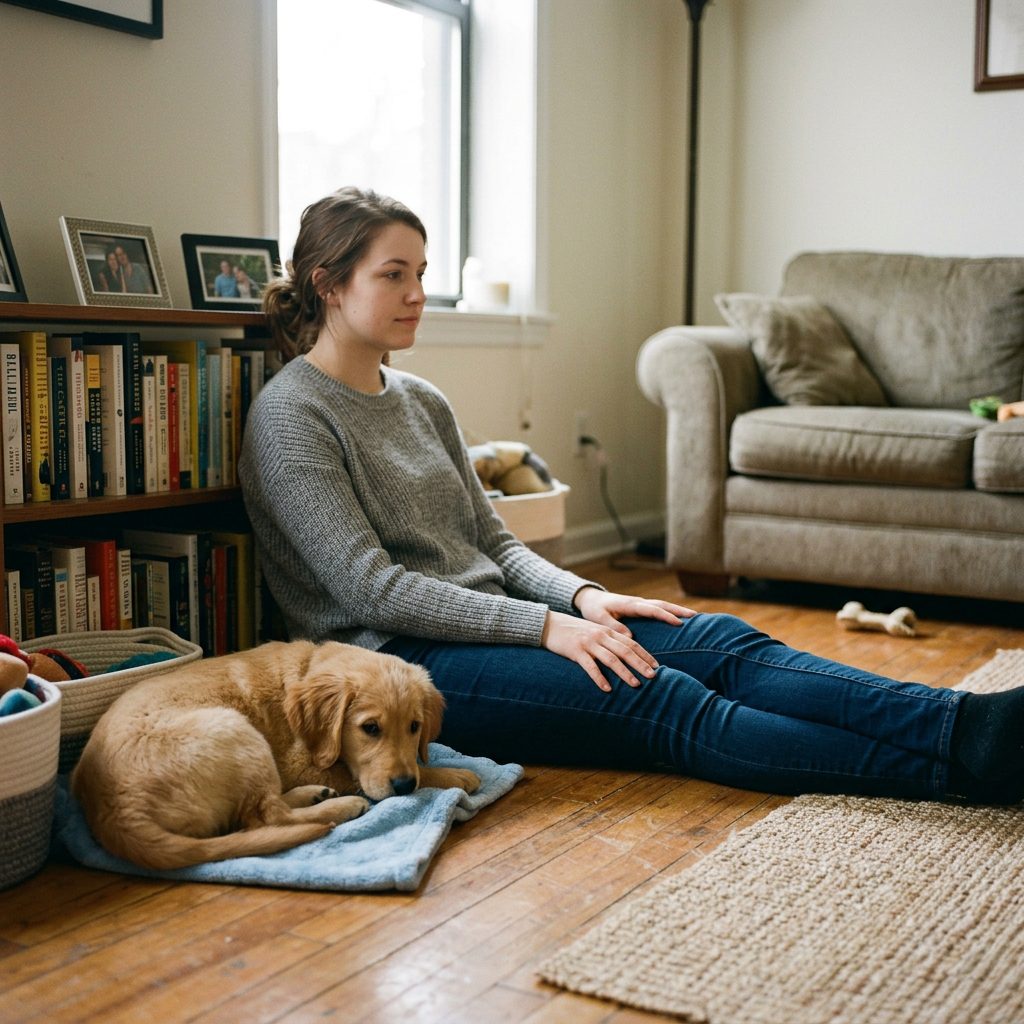
Even with the best preparation, setbacks can happen. If your puppy does snap at you while you are dressing them, it is vital not to react with anger. Scolding or ‘alpha rolling’ the puppy will only confirm their fear that dressing time is a dangerous and confrontational event.
Handling a Setback
If a snap occurs, calmly stop what you are doing. Do not say anything. Remove yourself from the puppy’s immediate space for a minute to let the cortisol levels drop. When you return, evaluate what went wrong. Were you moving too fast? Was the puppy tired or ‘hangry’? Use the table below to troubleshoot common issues.
| Behavior | Possible Cause | The Solution |
|---|---|---|
| Snapping at the Velcro sound | Noise sensitivity. | Desensitize the sound by ‘ripping’ Velcro far away while tossing treats. |
| Biting at the sleeves | Restriction of movement. | Switch to a sleeveless vest or a cape-style coat. |
| Running away when coat appears | Negative association. | Go back to ‘Secret 1’ and keep the coat on the floor for a week. |
| Rolling over to ‘submissive’ bite | Feeling overwhelmed/scared. | Use the Bucket Game to give the puppy more control. |
Consistency is your best friend. If you skip steps or try to rush the process because you are in a hurry to get to work, you risk undoing days of progress. On days when you are in a rush, it is better to skip the coat (if the weather allows) or use a quick-wrap towel rather than forcing a stressful encounter.
Conclusion
Dressing your puppy for the winter doesn’t have to be a battle of wills. By shifting your approach from ‘getting the job done’ to ‘building a positive association,’ you can eliminate snapping and biting for good. Remember, your puppy isn’t being ‘bad’ or ‘dominant’ when they snap; they are simply communicating their discomfort in the only way they know how. By using the five secrets—Scent and See, choosing the right style, the Treat Magnet, the Bucket Game, and Short Bursts—you are giving your puppy the tools they need to feel confident and safe.
As a savvy dog owner, your patience and empathy are the most powerful training tools in your arsenal. This winter, take it slow, keep the treats flowing, and listen to what your puppy is trying to tell you. Before you know it, your pup will be standing by the door, tail wagging, ready to hop into their winter gear for a snowy adventure. Stay warm, stay patient, and enjoy those cozy winter walks!