
Silence the Noise! How to Desensitize Your Puppy to Terrifying Wind Chimes in 4 Steps
The Tinkling Terror: Why Wind Chimes Scare Puppies
We’ve all been there. You’re enjoying a peaceful afternoon on the porch, a light breeze picks up, and your beautiful wind chimes begin their melodic dance. But instead of relaxation, you hear a frantic scramble of paws and a series of sharp, panicked barks. Your puppy, usually a brave little explorer, has just encountered the ‘terrifying’ music of the wind. To us, it’s a soothing sound; to a puppy, it’s an unpredictable, high-pitched, metallic intrusion into their safe space. As savvy dog owners, we know that fear isn’t something to be ignored or punished. It is an opportunity for teaching and bonding.
Sound sensitivity in puppies is incredibly common. Their ears are far more sensitive than ours, capable of hearing frequencies that we can’t even register. When a wind chime strikes, it produces a sharp, sudden ‘attack’ of sound that doesn’t follow a rhythmic pattern. This unpredictability is exactly what triggers the flight-or-fight response in a developing canine brain. But don’t worry! You don’t have to take down your favorite garden decor. Through a process called desensitization and counter-conditioning, we can teach your puppy that those tinkling sounds actually mean great things are coming. In this guide, we are going to break down the psychology of this fear and provide a foolproof 4-step plan to bring peace back to your patio.
Understanding the Canine Ear: Why Wind Chimes Are Different

Before we dive into the training, it is crucial to understand why your puppy reacts this way. Dogs have approximately 18 muscles in their ears, allowing them to tilt, turn, and funnel sound with incredible precision. While humans hear up to about 20,000 Hz, puppies can hear up to 45,000 Hz or higher. Wind chimes, particularly metal ones, produce high-frequency overtones that can be physically jarring to a young dog.
The Startle Reflex and Fear Periods
Puppies go through specific ‘fear periods’ during their development (usually between 8-11 weeks and again around 6-14 months). During these times, a single scary experience can leave a lasting impression. If a gust of wind catches a chime right as your puppy is startled by something else, they may form a negative association that lasts a lifetime if not addressed. Understanding this helps us approach the training with the empathy and patience required for success.
| Frequency Type | Human Perception | Puppy Perception |
|---|---|---|
| Low Frequency (Thunder) | Vibration/Boom | Deep, threatening rumble |
| Mid Frequency (Speech) | Clear communication | Varied tones and signals |
| High Frequency (Chimes) | Musical/Tinkling | Sharp, piercing, unpredictable |
Expert Tip: Always observe your puppy’s body language. If you see ‘whale eye’ (showing the whites of the eyes), tucked tails, or pinned-back ears, you are moving too fast.
Preparation: The Tools for Success
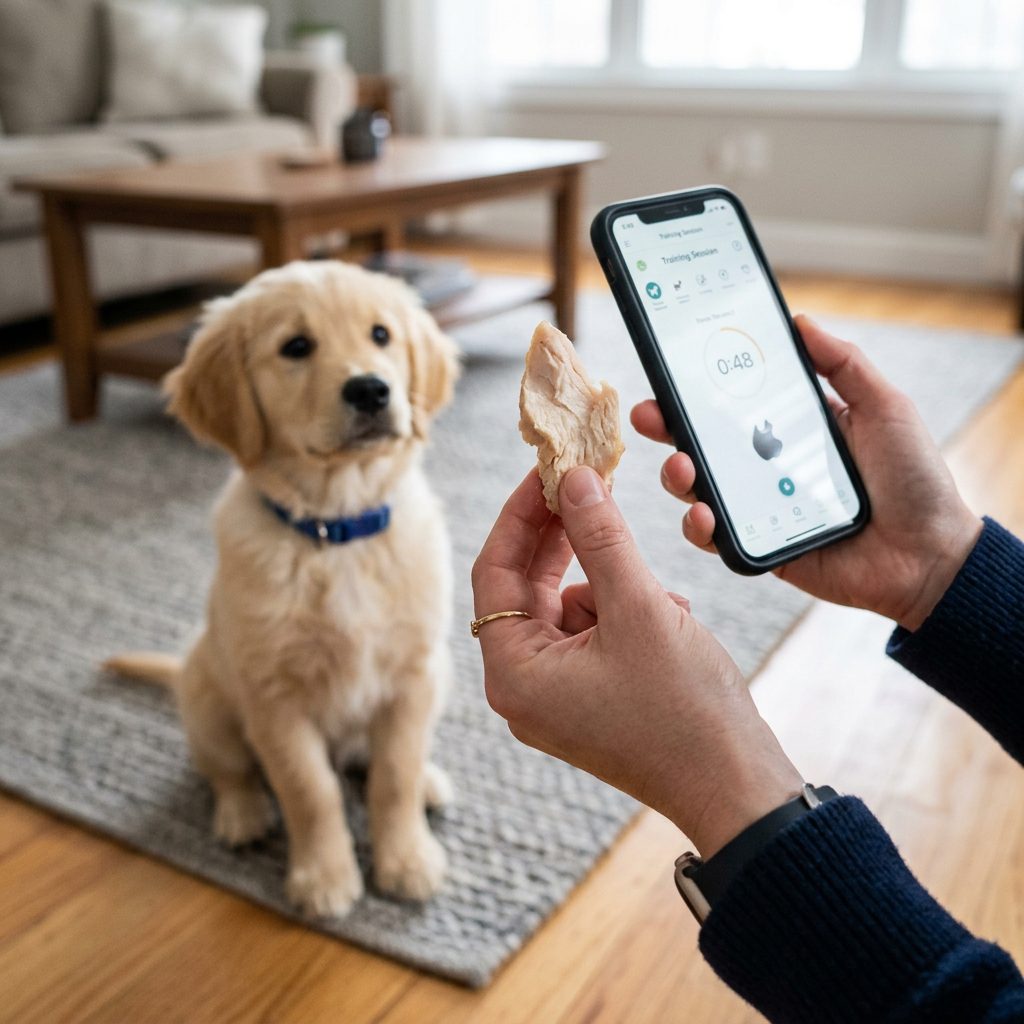
You wouldn’t start a marathon without the right shoes, and you shouldn’t start desensitization without the right tools. Success in behavior modification relies heavily on motivation. We need to find something that your puppy loves more than they fear the noise.
High-Value Rewards
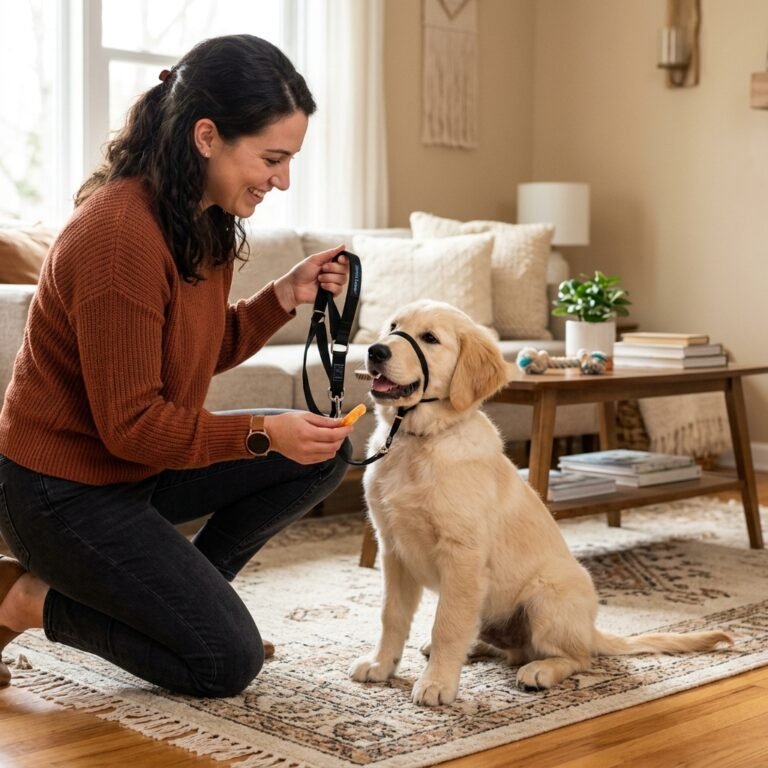
For this training, standard kibble won’t cut it. We need ‘jackpot’ treats. Think small pieces of plain boiled chicken, freeze-dried liver, or tiny bits of low-sodium cheese. These treats should be reserved exclusively for noise training sessions to maintain their high value.
Controlled Environments
You will also need a way to control the sound. If you rely on the actual wind, you lose control over the intensity of the stimulus. I recommend downloading a high-quality recording of wind chimes or using your phone to record your own. This allows you to start at a volume so low it’s barely audible, which is the secret sauce of desensitization.
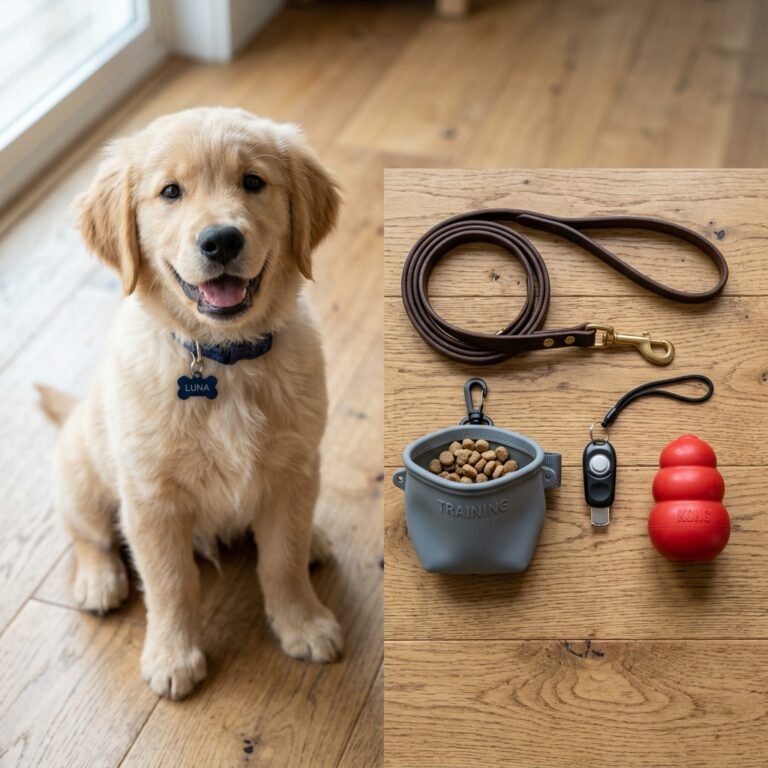
- High-value treats: Chicken, cheese, or liver.
- Sound source: A smartphone or Bluetooth speaker.
- A leash and harness: To keep your pup from bolting during early sessions.
- A training log: To track progress and distance.
Step 1: Auditory Habituation (The ‘Ghost’ Chimes)
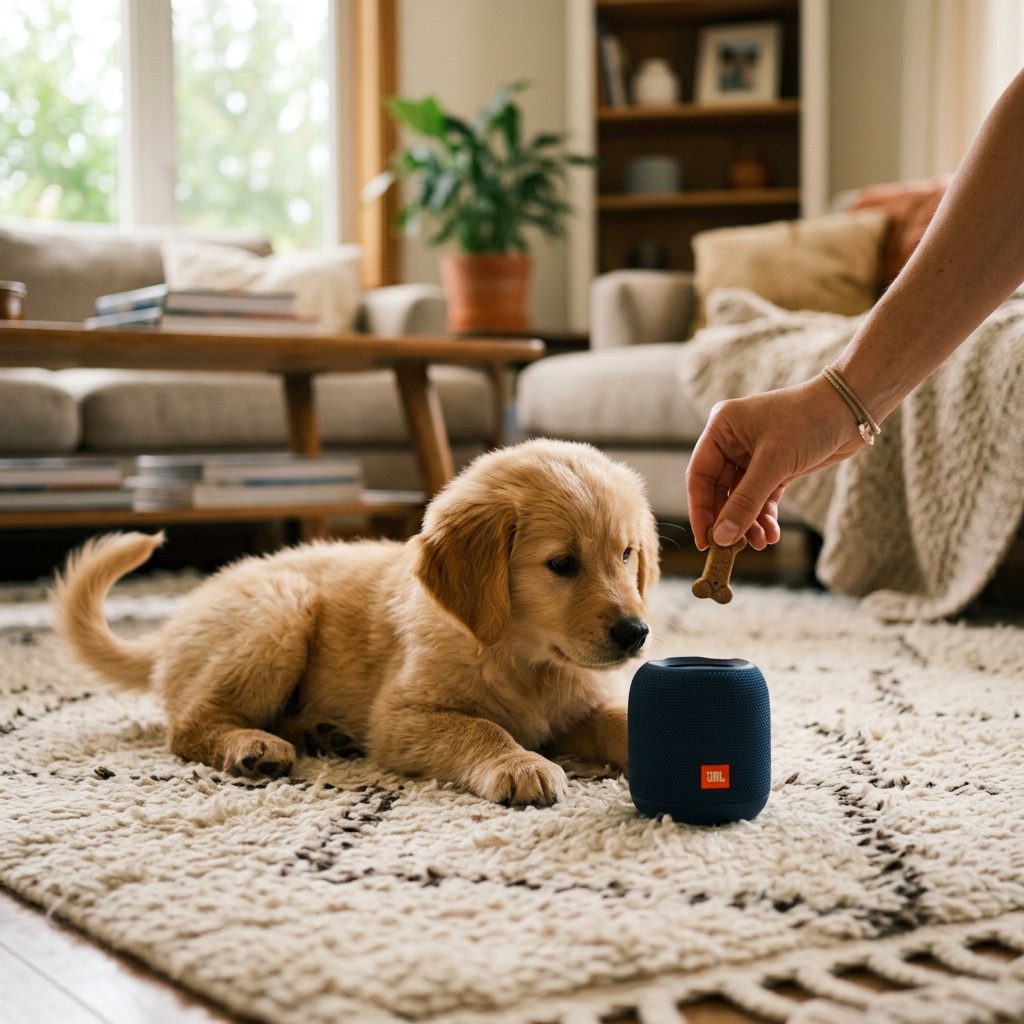
The first step in our 4-step journey is to introduce the sound without the visual or the physical presence of the chimes. This is called Auditory Habituation. We want to disconnect the sound from the ‘scary’ object hanging on the porch.
Setting the Volume
Start in a quiet room where your puppy feels completely safe. Play the recording of the wind chimes at the lowest possible volume. If your puppy looks toward the speaker, immediately toss a high-value treat. The goal is for the puppy to hear the sound and then look at you for a reward. This is Classical Counter-Conditioning: Sound = Treat.
The ‘Ignore’ Threshold
Ideally, you want the sound to be so low that the puppy notices it but doesn’t react with fear. If they bark or hide, the volume is too high. Spend 2-3 days doing short, 5-minute sessions where you play the sound at increasing volumes, always pairing the ‘tinkle’ with a delicious snack. When your puppy starts wagging their tail the moment they hear the recording, you are ready for Step 2.
Step 2: Visual Neutralization (The Silent Chimes)
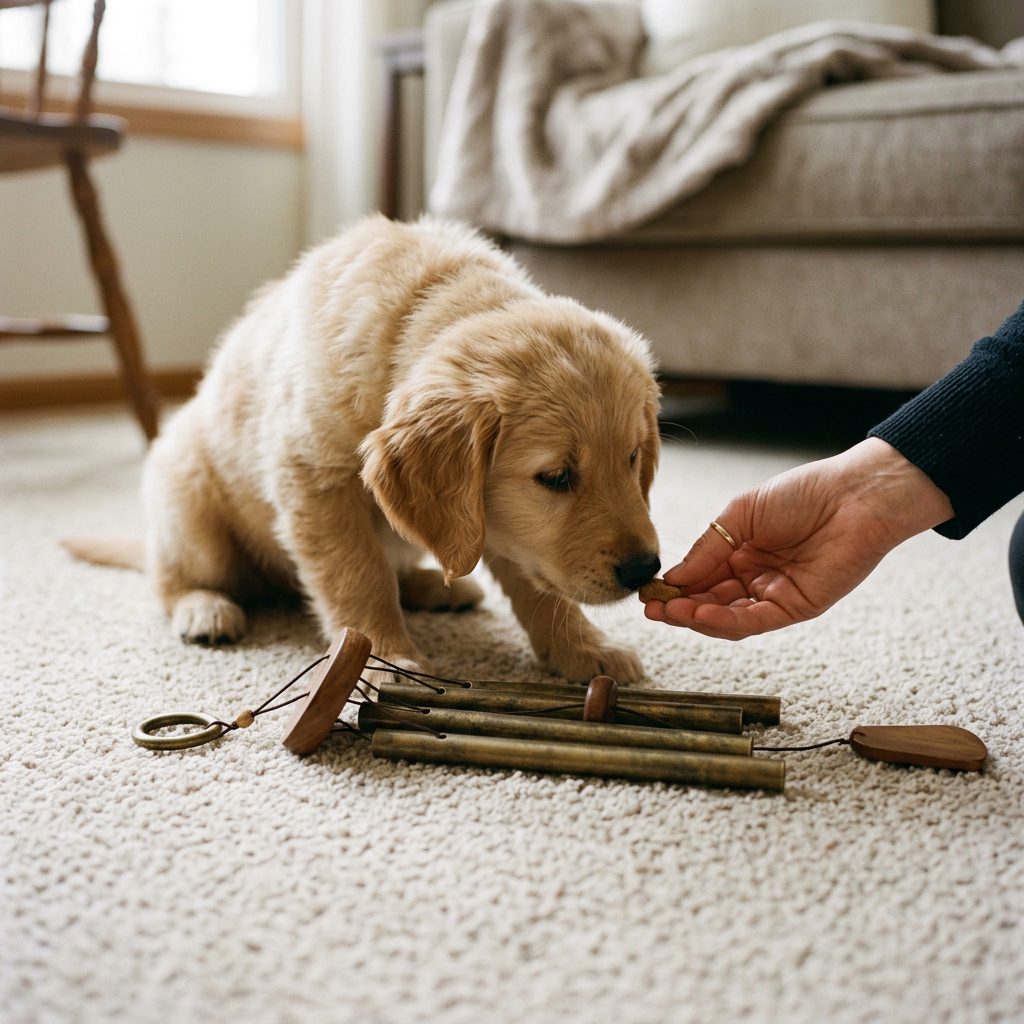
Now that the sound is associated with treats, we need to address the visual aspect. To a puppy, a large metal object swaying in the wind looks like a predator or a strange living creature. In Step 2, we bring the chimes into the puppy’s environment but keep them completely silent.
Static Exposure
Take the wind chimes down and place them on the floor or a low table. Let your puppy investigate them at their own pace. Do not force them to approach. If they sniff the chimes, click (if you use a clicker) and treat. We want the puppy to realize the chimes are just an inanimate object, not a monster.
The ‘Touch’ Game
If your puppy is brave, encourage them to touch the chimes with their nose. This builds ‘object confidence.’ Once they are comfortable being around the silent chimes, you can move them to different rooms or hang them up (but keep them still) to show that the object remains ‘safe’ regardless of its location.
| Puppy Action | Owner Response | Goal |
|---|---|---|
| Sniffing chimes | Treat + Praise | Curiosity over fear |
| Ignoring chimes | Gentle Praise | Neutrality |
| Backing away | Increase distance | Respecting the threshold |
Step 3: Controlled Interaction (The Manual Tinkle)
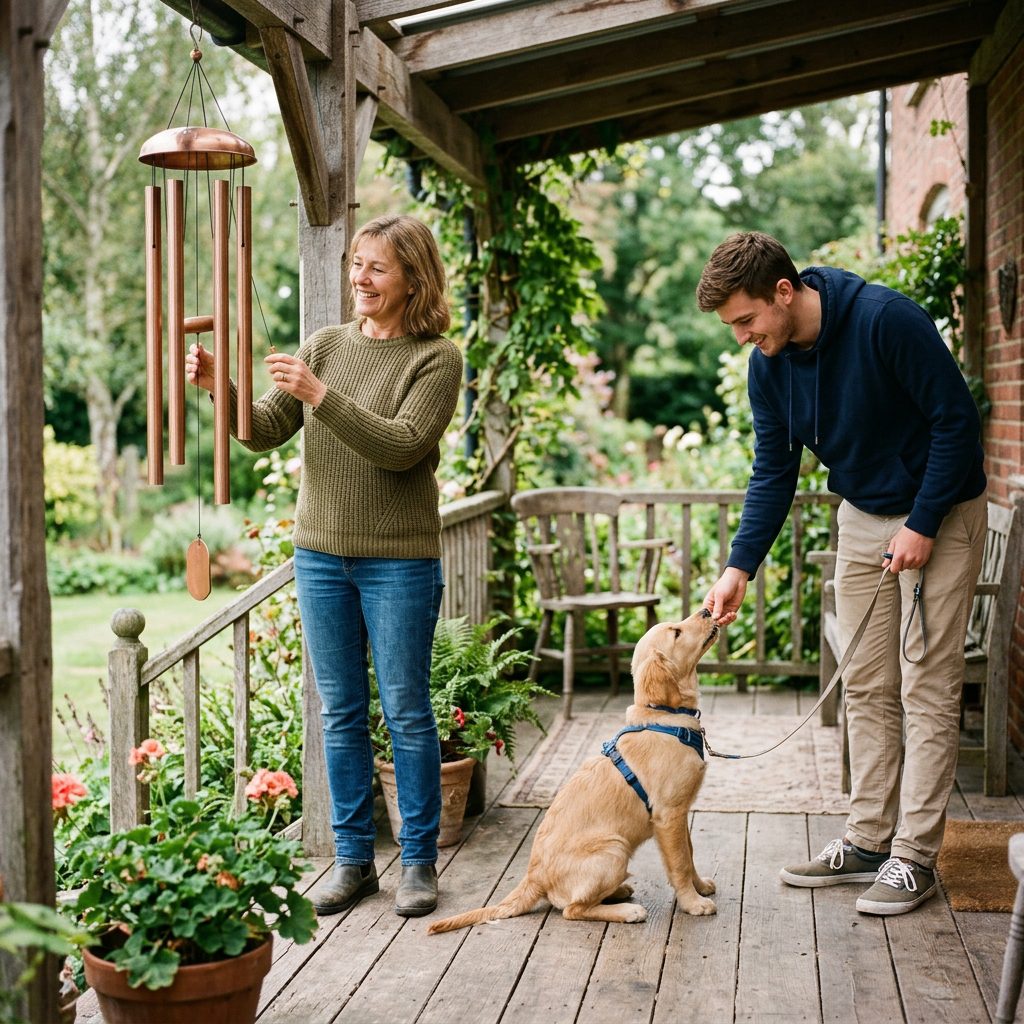
Step 3 is where we combine the sound and the visual in a controlled manner. You will need a partner for this, or you’ll need to be very coordinated! This step moves from passive observation to active Desensitization.
The Distance Factor
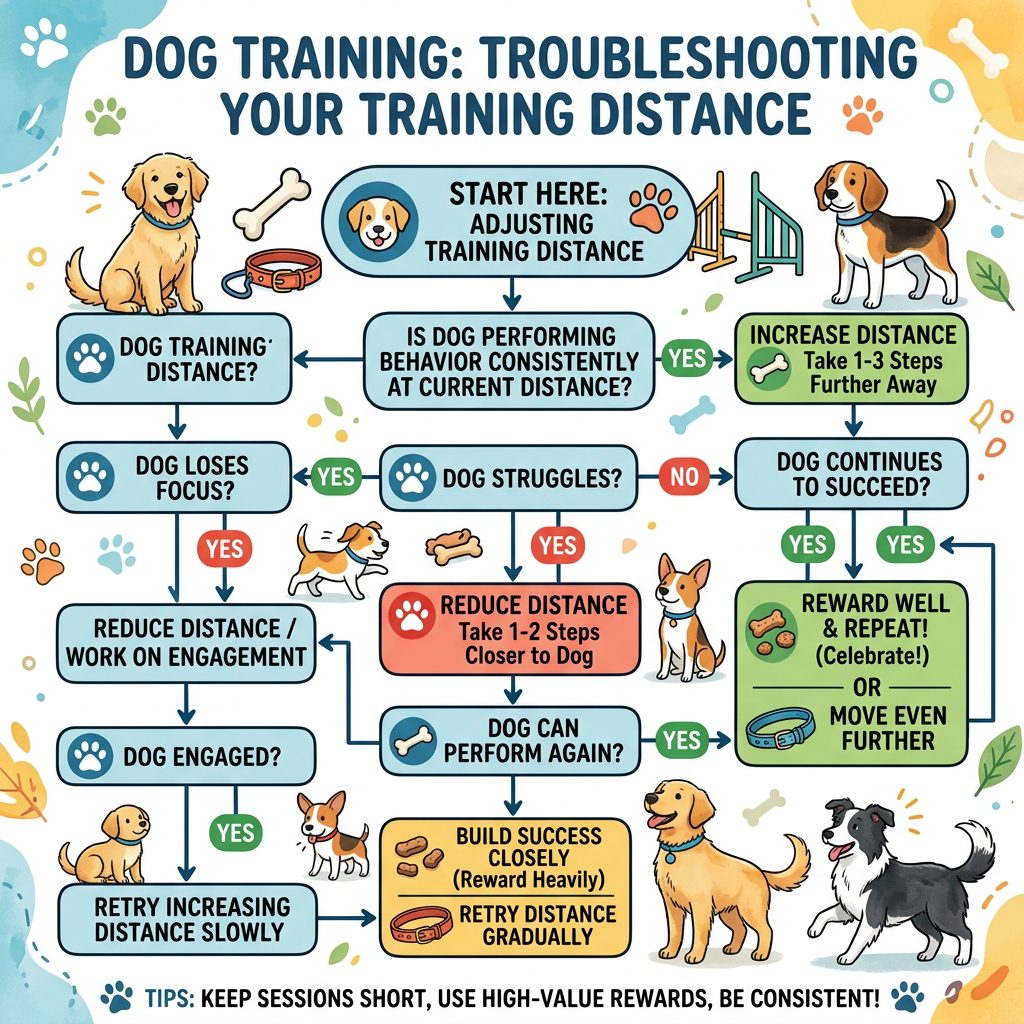
Hang the chimes back in their usual spot. Stand about 10-15 feet away with your puppy on a loose leash. Have a family member gently touch the chimes to produce a single, soft ‘clink.’ The moment the sound happens, give your puppy a treat. Repeat this several times.
Closing the Gap
If your puppy remains calm, move two steps closer and repeat. The key is to keep the puppy ‘under threshold.’ If the puppy begins to fixate or stiffen, move back to the previous distance. You are teaching the puppy that they have control over the situation and that the closer they get to the sound, the better the rewards become.
Remember: Training sessions should be short and sweet. Ten minutes of focused work is better than an hour of stressful exposure.
Step 4: Real-World Integration (The Breeze Test)
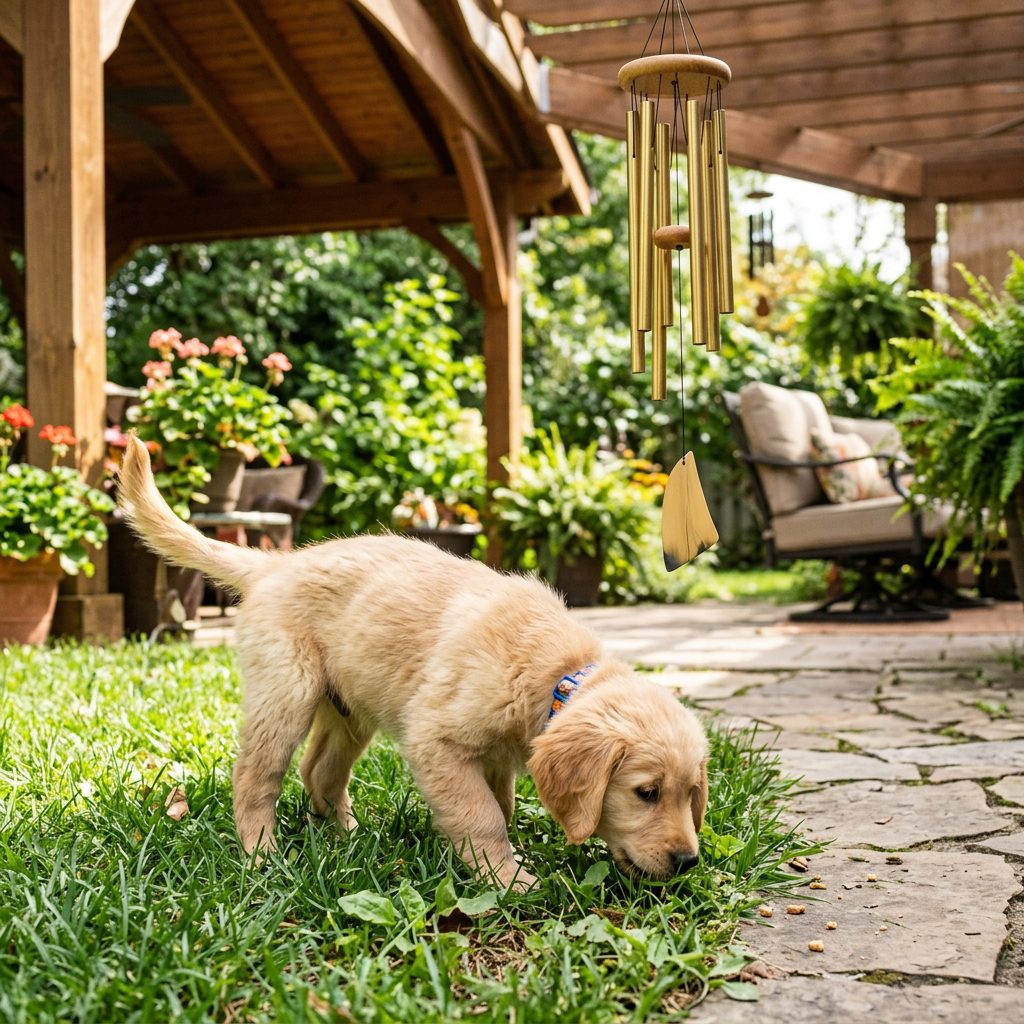
The final step is the most challenging: natural wind. Unlike your manual taps, the wind is unpredictable. This is the ‘final exam’ for your puppy’s new confidence.
Variable Reinforcement
On a slightly breezy day, take your puppy out to the porch. Use a ‘scatter’ technique—throw a handful of small treats on the ground. As the puppy is busy foraging and sniffing (which are naturally calming behaviors), the wind chimes will occasionally tinkle. The puppy will hear the sound while engaged in a highly rewarding activity.
Building Duration
Gradually increase the time you spend outside. Start with 5 minutes during a light breeze and work up to longer periods during windier conditions. Eventually, you will notice your puppy doesn’t even look up when the chimes sound; they have successfully habituated to the noise. They now perceive the wind chimes as part of the ‘background’ of their life, no more significant than the sound of a passing car or a chirping bird.
Troubleshooting: What to Do if Progress Stalls
Training isn’t always a straight line. Sometimes, you might experience a ‘regression’ where your puppy suddenly seems scared again. This is perfectly normal and often happens during growth spurts or hormonal changes.
Common Mistakes to Avoid
- Flooding: This is the mistake of forcing the puppy to stay near the loud chimes in hopes they ‘get over it.’ This actually sensitizes the dog, making the fear much worse.
- Moving Too Fast: If you skip from Step 1 to Step 4, your puppy will likely fail. Each step builds a foundation for the next.
- Low-Value Rewards: If the fear is a 10/10, your treat needs to be a 12/10. Dry biscuits usually don’t cut it for fear-based training.
| Issue | Possible Cause | Solution |
|---|---|---|
| Puppy won’t take treats | Too much stress | Move further away from the chimes |
| Barking at the chimes | Over-excitement/Fear | Go back to the ‘Silent Chimes’ phase |
| Hiding when wind starts | Negative association | Go back to ‘Auditory Habituation’ with recordings |
Conclusion
A Quieter, Happier Home
Desensitizing your puppy to wind chimes is about more than just silencing a bark; it’s about building a foundation of trust and resilience. By following these 4 steps—Auditory Habituation, Visual Neutralization, Controlled Interaction, and Real-World Integration—you are teaching your puppy how to process the world around them without fear. This ‘noise-proofing’ will pay dividends as your puppy grows, making them more confident in the face of other scary sounds like thunderstorms, fireworks, or vacuum cleaners. Remember, every puppy is an individual. Some might breeze through this in a weekend, while others might take a month. Stay patient, stay positive, and keep those high-value treats handy. You’ve got this, savvy owner!