Don’t Chase Them! How To Trade Stolen Items With Your Puppy Without Ruining Their Training
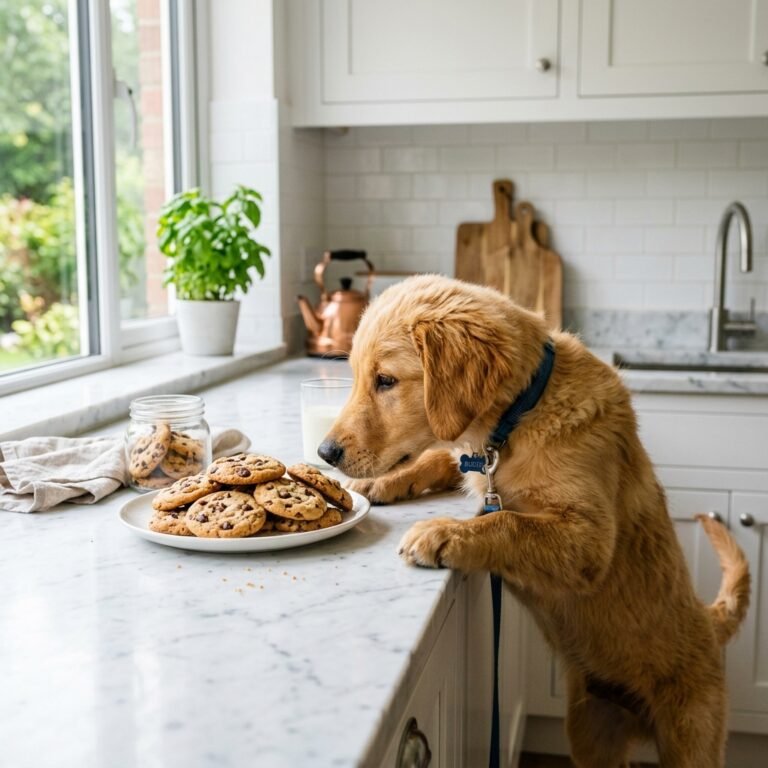
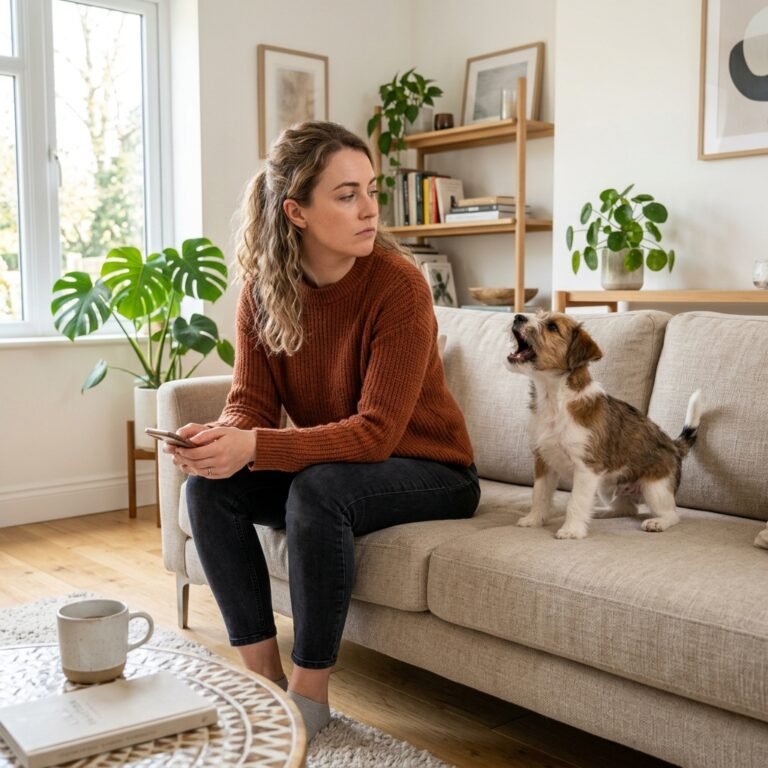
It starts with a flash of movement. You see a blur of fur darting past the sofa, and in its mouth is your favorite designer shoe, a dirty sock, or—heaven forbid—the TV remote. Your instinct is immediate: you leap up, shout ‘Hey!’, and start the pursuit. But as you dive toward your puppy, they wiggle away with a playful bounce, tail wagging furiously. To you, this is a crisis. To your puppy, this is the best game of ‘Keep Away’ ever invented.
As a canine behavior specialist, I see this scenario play out in almost every household with a new puppy. While it feels like you are simply retrieving your property, you are actually inadvertently training your puppy to become a professional thief. Chasing a puppy for a stolen item is one of the fastest ways to ruin your ‘Recall’ command, encourage resource guarding, and teach your dog that stealing is the most effective way to get your undivided attention.
In this guide, we are going to break the cycle. I will show you exactly how to handle these moments with a ‘Trade-Up’ strategy that preserves your training, protects your belongings, and builds a foundation of trust between you and your furry friend.
The Psychology of the Theft: Why Puppies Steal
Before we can fix the behavior, we have to understand the ‘why.’ Puppies don’t steal because they are spiteful or because they know that silk scarf cost a fortune. They steal for very specific, biological, and social reasons.
1. The Need for Attention
Puppies are social sponges. They crave interaction. If you are busy on a Zoom call or cooking dinner, you might be ignoring them. However, the moment they grab the TV remote, you instantly drop everything, look at them, talk to them, and move toward them. From the puppy’s perspective, stealing is a ‘Magic Button’ that makes the human come alive.
2. Teething and Exploration
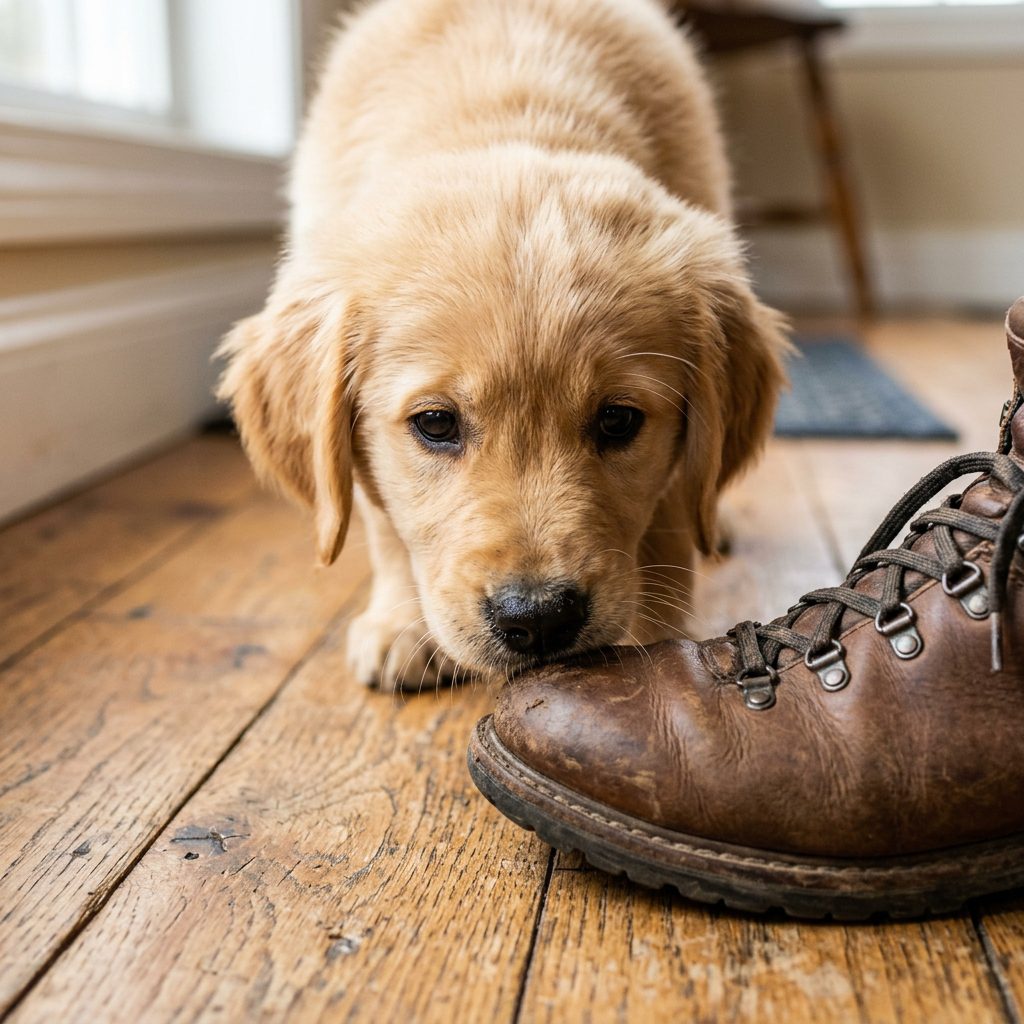
Puppies explore the world with their mouths. The texture of a leather wallet or a crinkly plastic bottle is fascinating. If they haven’t been provided with enough appropriate textures to chew on, they will find their own.
3. The High Stakes of ‘Keep Away’
Dogs are natural predators and scavengers. The act of grabbing a ‘prize’ and having a member of the pack chase them mimics play-hunting behavior. It releases dopamine in the brain, making the act of stealing incredibly self-rewarding.
Pro Tip: If your puppy steals something and you chase them, you have just rewarded the theft with a high-energy game. You are literally paying them to steal from you again.
Why Chasing is a Training Disaster
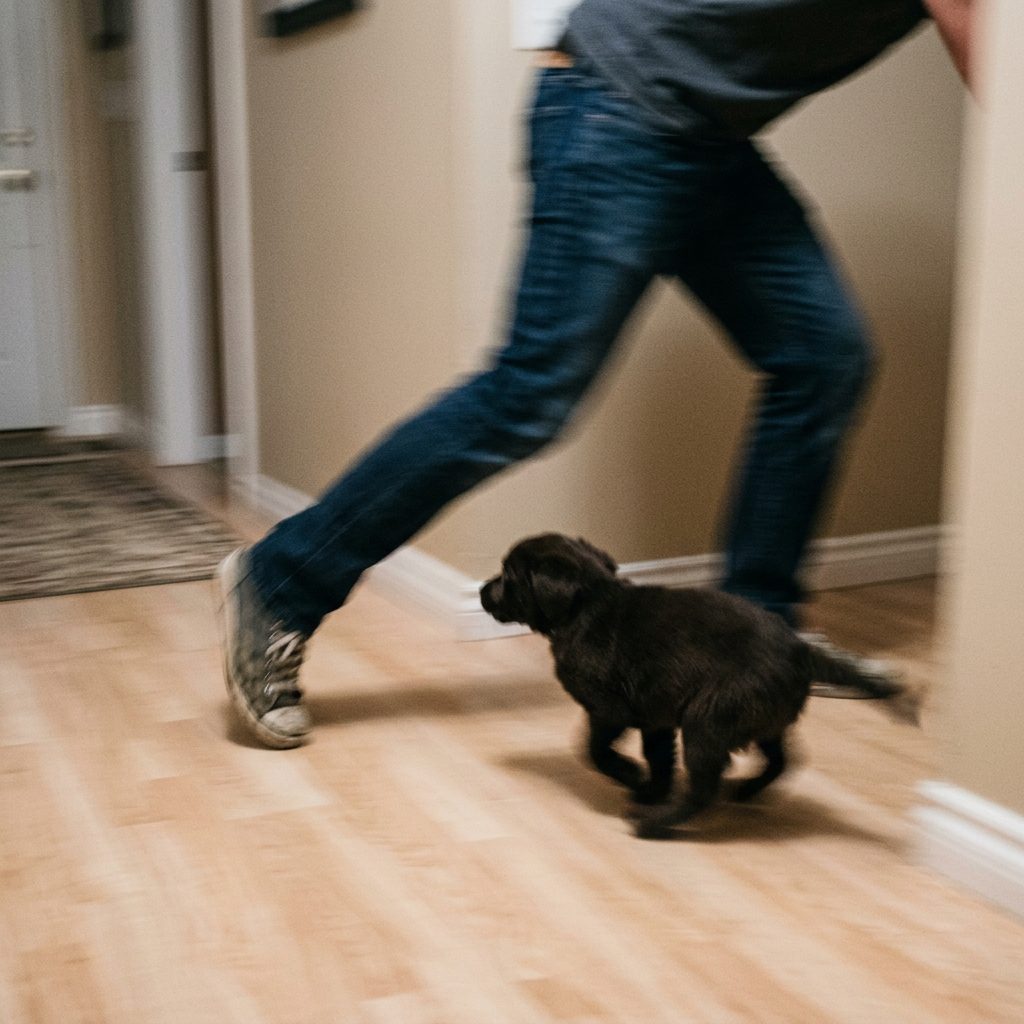
It is tempting to think that catching the puppy and prying their jaws open is the quickest solution. While it might save your shoe in the short term, the long-term consequences are severe. Here is why chasing is a ‘No-Go’ in professional dog training:
- It Destroys Your Recall: If you only run toward your puppy when they have something ‘bad,’ they learn that your approach means ‘the fun ends’ or ‘I lose my prize.’ Eventually, they will stop coming to you when called.
- It Triggers Resource Guarding: If a puppy feels that their treasures are constantly being snatched away by force, they may start to growl, snap, or swallow items whole to protect them. This is the root of dangerous resource guarding.
- It Increases Arousal: Chasing puts a puppy into a high-state of arousal. A hyper puppy is a puppy that cannot learn or listen to commands.
Instead of a physical confrontation, we want to create a ‘win-win’ scenario where the puppy chooses to give up the item in exchange for something better.
The Trade-Up Strategy: Tools and Preparation
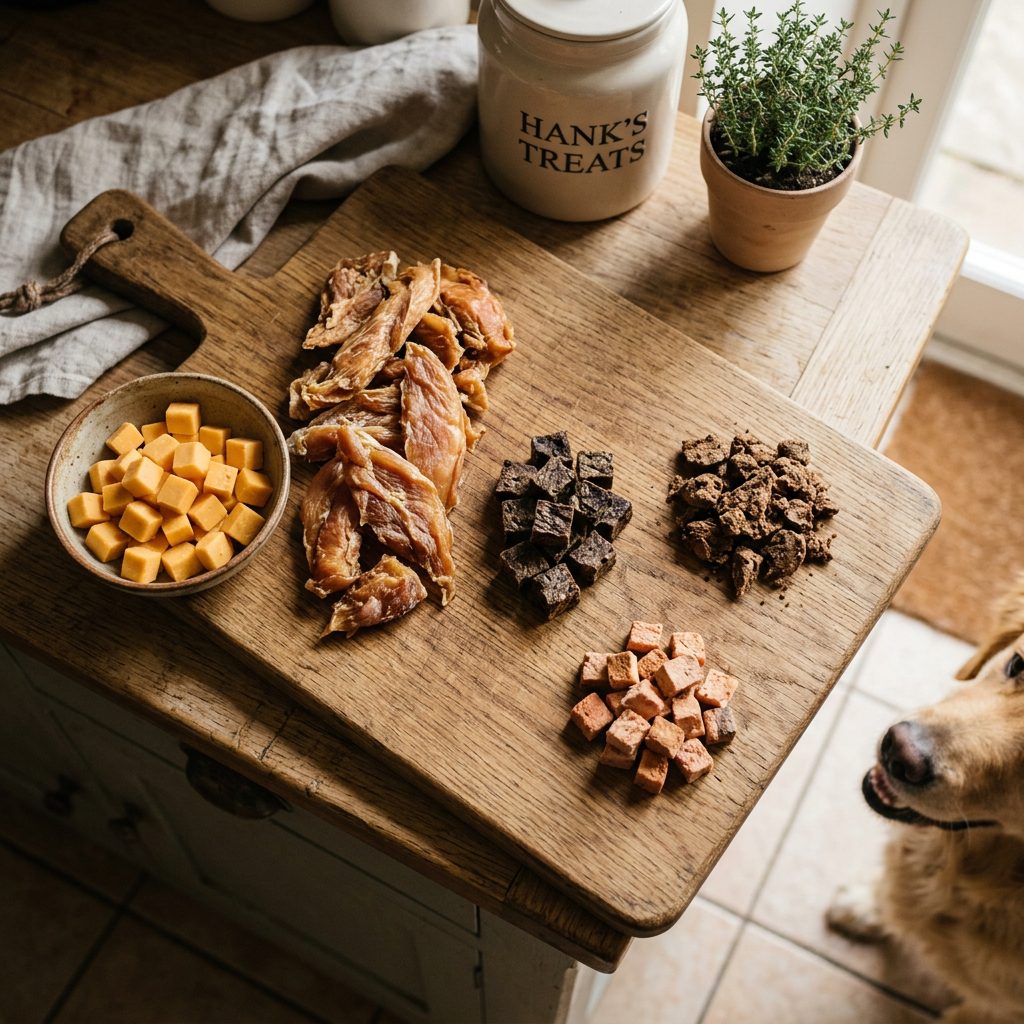
To successfully trade with your puppy, you need to be prepared. You cannot trade a boring piece of kibble for a high-value leather boot. You must understand the Value Hierarchy. Your ‘trade’ must always be significantly more exciting than the item the puppy currently holds.
| Puppy’s Item (Value) | Recommended Trade (Higher Value) |
|---|---|
| Old Sock (Low) | Standard Dog Biscuit or Squeaky Toy |
| Paper/Tissue (Medium) | Small piece of Cheese or Chicken |
| Leather Shoe (High) | Freeze-dried Liver or Peanut Butter Spoon |
| Forbidden Food/Dangerous Item (Critical) | The ‘Jackpot’ (Handful of high-value treats) |
Always keep ’emergency’ treats in jars around the house or in a treat pouch on your person. If you have to walk to the kitchen to get a treat, the puppy has already ‘won’ the game by leading you there.
Step-by-Step: How to Perform the Perfect Trade
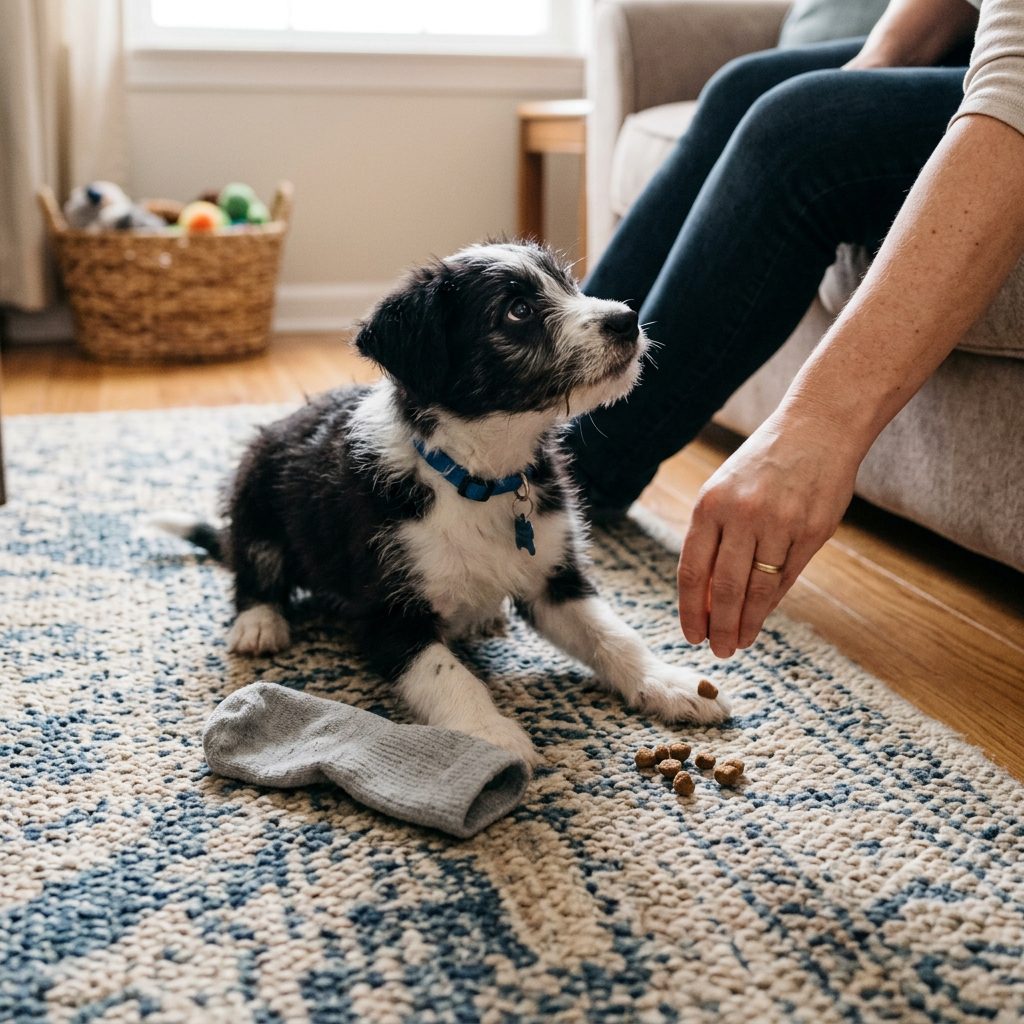
Follow these steps precisely to ensure your puppy learns that giving things to you is a profitable and happy experience.
Step 1: Stay Calm and Neutral
Do not yell. Do not run. If you see the puppy with a stolen item, take a deep breath. Walk slowly and calmly toward them, but not directly at them—walk in a slight curve, which is less threatening in dog body language.
Step 2: The ‘Scatter’ Technique
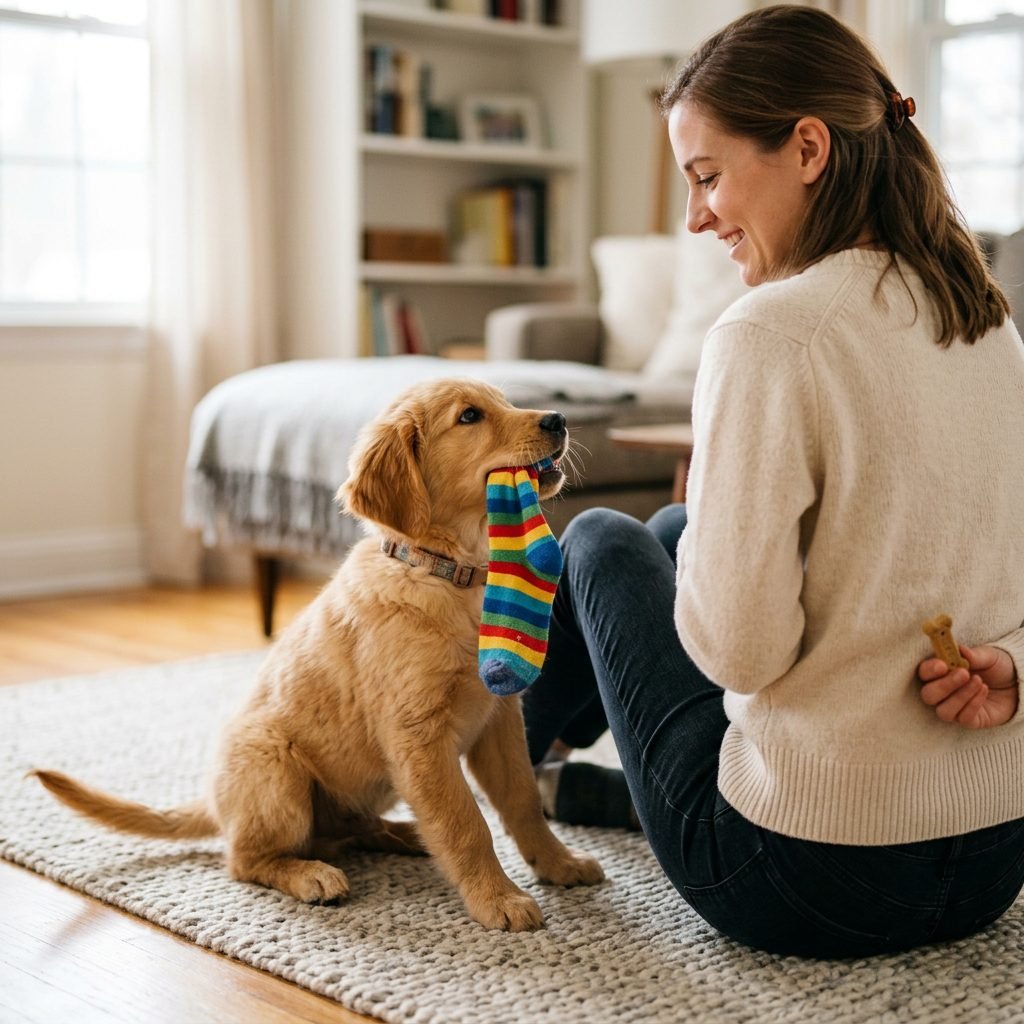
Instead of reaching for the item, reach for your treats. Say a cue like ‘Trade?’ in a cheerful voice. Drop 3-5 high-value treats on the floor about 2 feet away from the puppy. Most puppies will drop the item to eat the treats.
Step 3: The Retrieval
While the puppy is busy snuffling the treats off the floor, calmly pick up the stolen item. Do not snatch it and run; just pick it up and put it behind your back or in a pocket.
Step 4: The Bonus Reward
Once you have the item, give the puppy one more treat or offer them a ‘legal’ toy to play with. This ensures the interaction ends on a high note, and they don’t feel ‘robbed.’
Step 5: Return the Item (If Safe)
If the item wasn’t dangerous (like a plastic toy that wasn’t theirs), sometimes give it back! This teaches them that ‘giving it to human’ doesn’t always mean ‘losing it forever.’
Troubleshooting: When the Puppy Won’t Trade
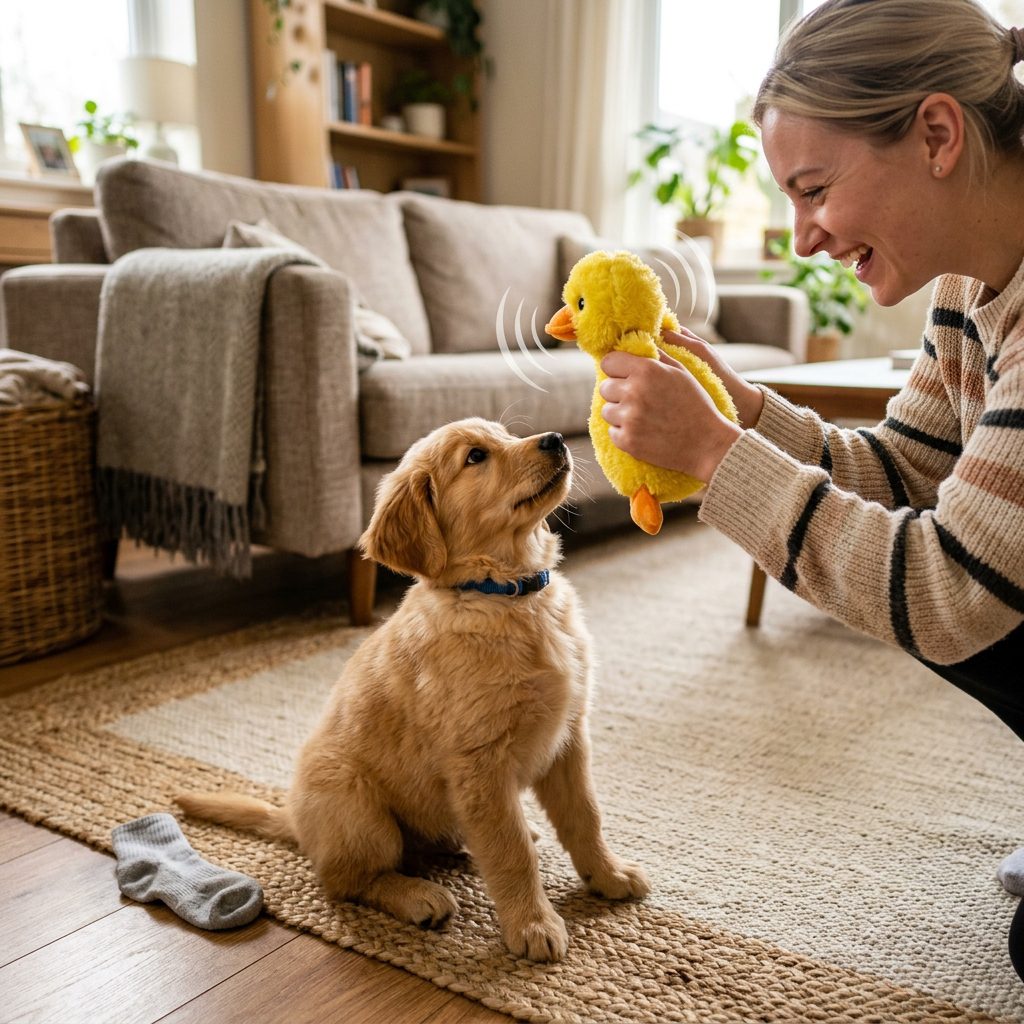
Sometimes you will encounter a stubborn puppy or an exceptionally high-value ‘stolen’ item. If the puppy won’t drop the item for treats, try these advanced tactics:
- The ‘Kitchen Party’: Run (away from the puppy) into the kitchen and start loudly opening the fridge or crinkling a bag. The puppy’s curiosity and ‘FOMO’ (Fear Of Missing Out) will usually cause them to drop the item and follow you to see what the ‘party’ is about.
- The Doorbell Trick: If you have a remote doorbell or can make a knocking sound, do it. Many puppies will drop what they have to go investigate the ‘visitor.’
- The ‘Two-Toy’ Game: If they have a toy they shouldn’t, squeak a different, legal toy enthusiastically. Make that toy look like the most fun thing in the world until they come to investigate.
Warning: If your puppy begins to growl, hover over the item, or show their teeth, stop immediately. This is resource guarding. In this case, do not confront them; instead, contact a professional positive-reinforcement trainer to help you safely manage the behavior.
Prevention: Setting Your Puppy Up for Success
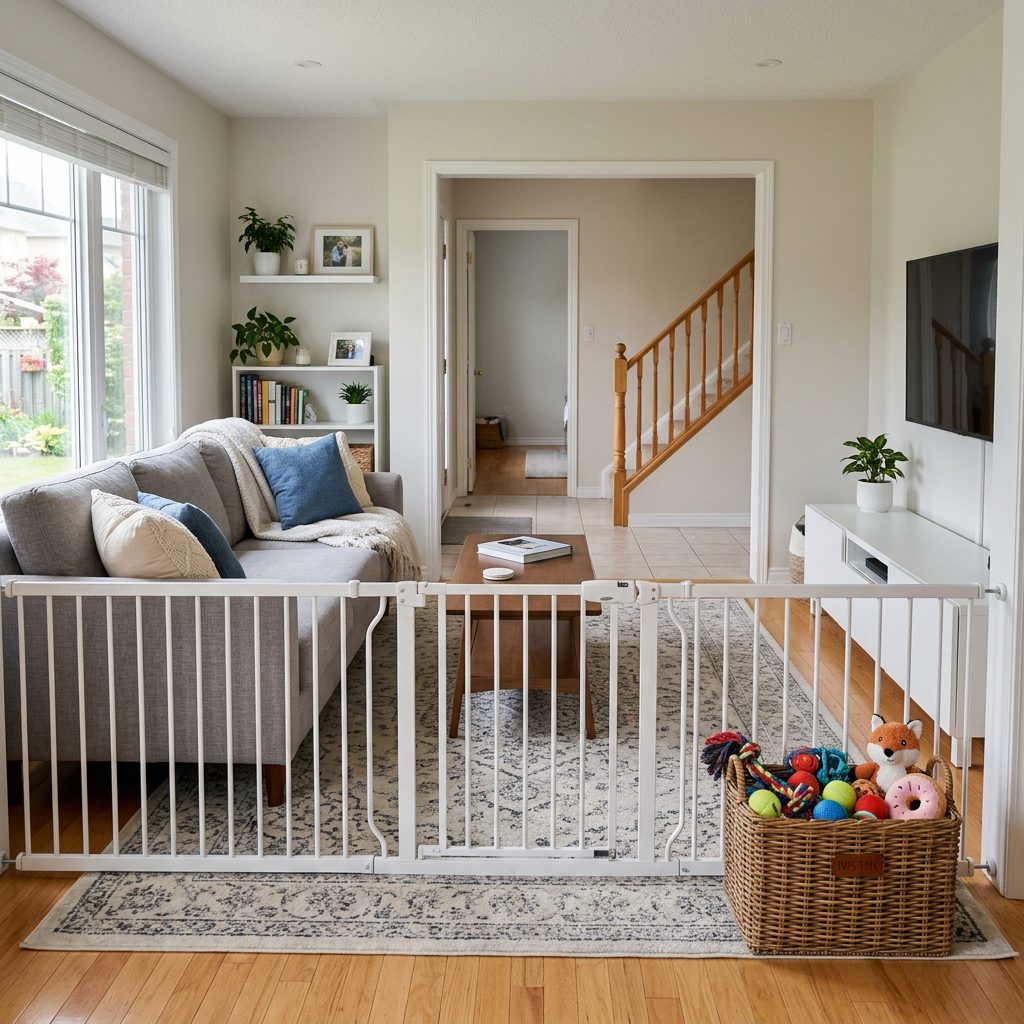
While the ‘Trade’ is a vital skill, the best way to handle stolen items is to prevent the theft in the first place. This is called ‘Management.’
1. Puppy-Proofing is Not Optional
If you don’t want the puppy to eat your shoes, don’t leave them on the floor. Use baby gates to keep the puppy in ‘safe zones’ where everything they can reach is something they are allowed to have.
2. The ‘Search for Treats’ Game
Often, puppies steal because they are bored. Hide kibble around the room or use snuffle mats. If their brain is busy working for food, they won’t have the mental energy to plan a heist of your laundry basket.
3. Quality Over Quantity of Toys
Don’t leave 50 toys on the floor. The puppy will become bored with all of them. Instead, rotate 5 toys every few days. A ‘new’ old toy is much more exciting than a shoe.
Conclusion
Training a puppy requires a shift in perspective. We have to stop seeing ‘theft’ as a behavioral flaw and start seeing it as a communication of needs—whether that need is for attention, a chew toy, or just a bit of fun. By refusing to play the ‘Chase’ game and instead mastering the ‘Trade-Up,’ you are teaching your puppy that cooperation is more rewarding than conflict.
Remember, patience is your greatest tool. Every time you successfully trade a stolen sock for a treat, you are depositing trust into your puppy’s ‘relationship bank account.’ Over time, you’ll find they steal less often, and when they do, they might just bring the item directly to you, tail wagging, waiting for their reward. Happy training!