No Grass, No Problem: How to Get Your Stubborn Puppy to Poop on Gravel Instantly
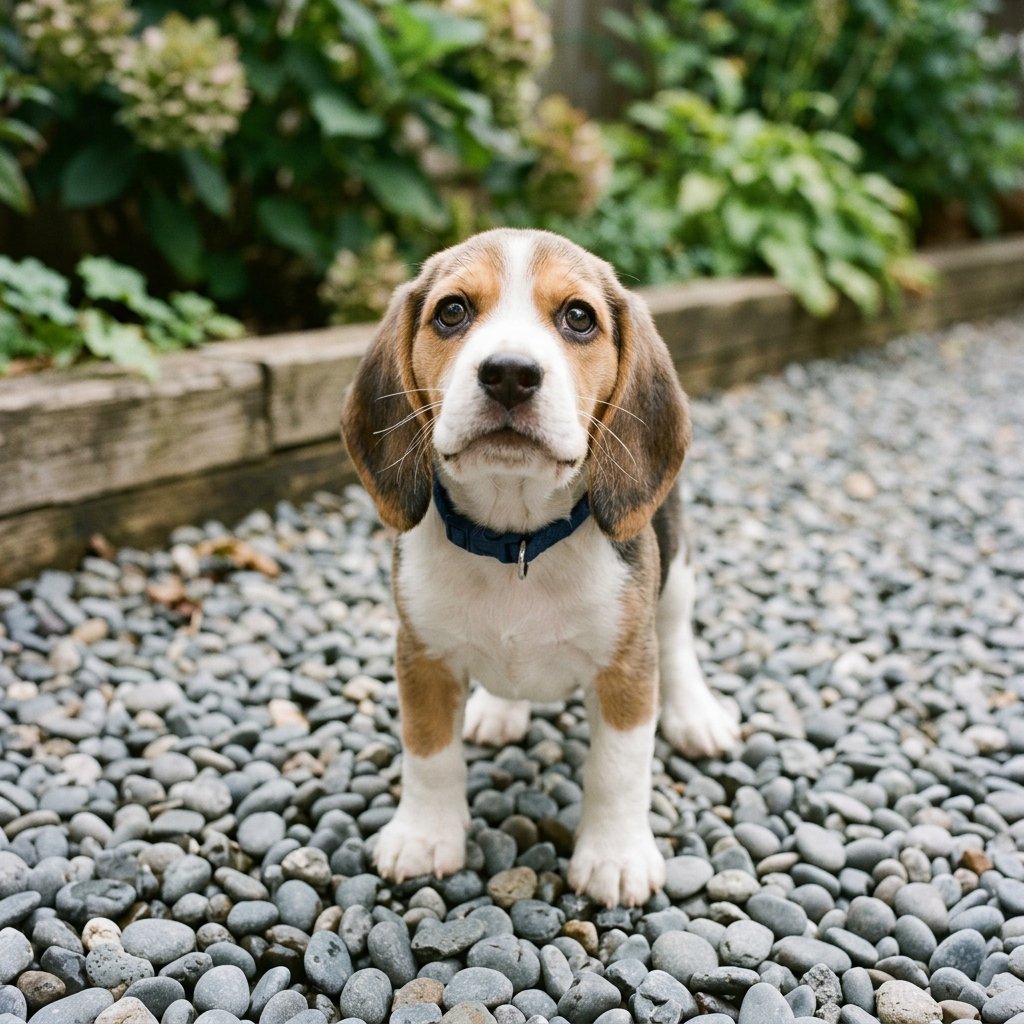
Welcome to the wild and wonderful world of puppy parenthood! If you are reading this, you are likely standing in a gravel driveway or a rocky backyard, staring at a puppy who treats every pebble like a piece of molten lava. It is a common frustration: you have a beautiful, low-maintenance gravel area, but your puppy is holding their bladder until they find the tiniest patch of clover three blocks away. As a canine specialist, I can tell you that this isn’t just your puppy being ‘difficult.’ To a young dog, the world is a sensory explosion, and the ground beneath their paws is one of the most significant pieces of information they process. Transitioning from the soft, cool texture of grass to the hard, shifting, and sometimes sharp sensation of gravel is a massive psychological and physical leap for a small dog. However, with the right approach, you can overcome this ‘substrate preference’ quickly. This guide is designed for savvy owners who want professional results without the stress. We are going to explore why your puppy is hesitant, the tools you need to succeed, and a step-by-step training protocol that will have your puppy doing their business on gravel before the week is out. Let’s turn those rocky obstacles into a convenient potty solution!
The Psychology of Substrate Preference: Why Your Puppy Hates Gravel
To solve the problem, we first have to understand the ‘why’ behind the behavior. In the world of canine behavior, we call this substrate preference. During the critical socialization period (usually between 8 and 16 weeks), puppies develop a strong affinity for the surfaces they first learn to eliminate on. If your breeder had a lush lawn or if your first few weeks at home were spent in a grassy park, your puppy’s brain has hard-coded ‘grass’ as the only acceptable bathroom.
The Sensory Experience
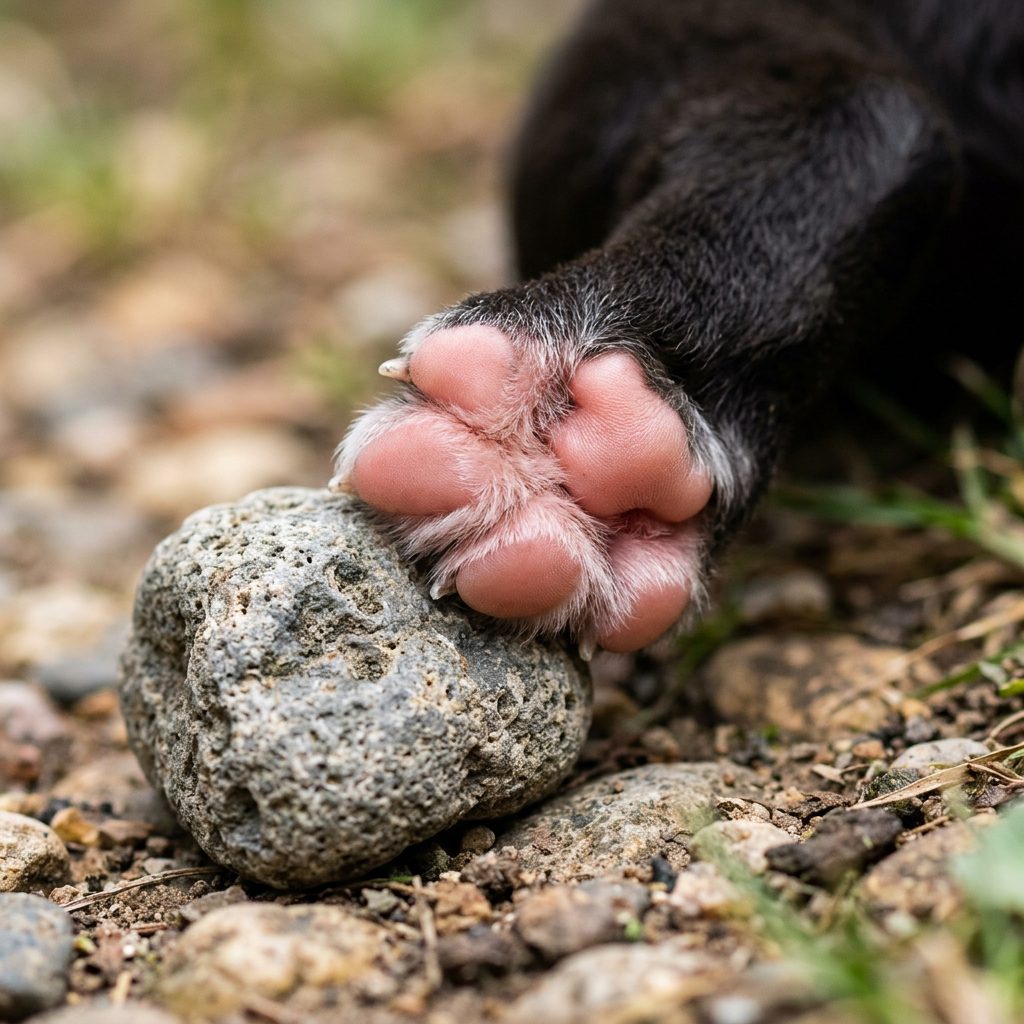
For a puppy, gravel feels weird. It shifts under their weight, which can make them feel unstable. Some gravel, like crushed stone, can have sharp edges that poke sensitive paw pads. Additionally, gravel doesn’t hold scents the same way soil and grass do. Grass is a living ecosystem that traps odors, telling a dog, ‘This is where others have gone before.’ Gravel is sterile and often lacks those enticing ‘potty triggers.’
The Safety Factor
Puppies are naturally cautious. When they are in the ‘potty posture,’ they are at their most vulnerable. If the ground feels unstable or uncomfortable, their instinct for self-preservation kicks in, and they simply won’t relax enough to go. Understanding that this is a fear or comfort issue—rather than a defiance issue—is the first step toward successful training. We aren’t forcing them to be obedient; we are teaching them that gravel is safe, stable, and rewarding.
The Essential Gear: Tools for a Smooth Transition
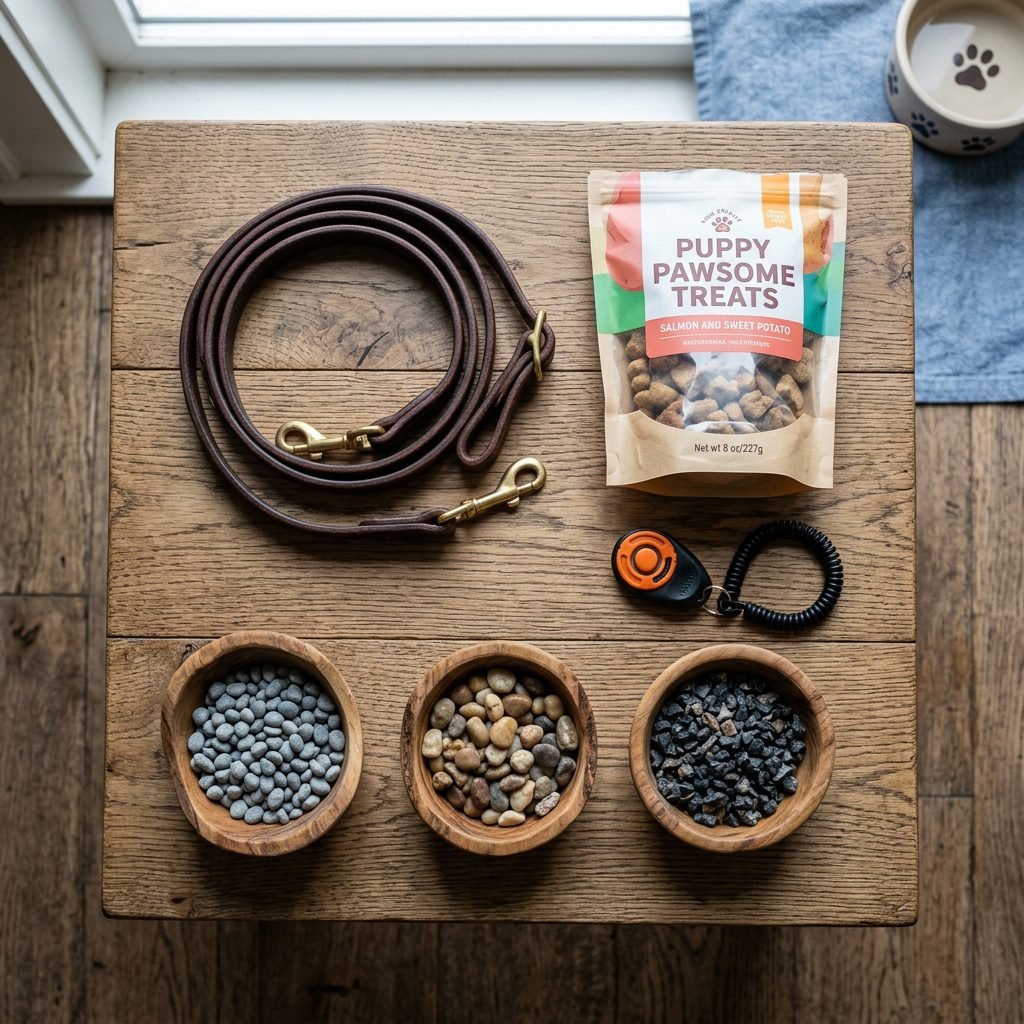
Before we start the training, we need to set the stage for success. You wouldn’t try to build a house without a hammer, and you shouldn’t try to retrain a puppy without the right tools. The goal here is to bridge the gap between the comfort of grass and the utility of gravel.
Choosing the Right Substrate
Not all gravel is created equal. If you are currently installing a gravel area, your choice of stone will dictate how easy the training process is.
Pro Tip: If your puppy is particularly sensitive, start with a small ‘transition zone’ of wood chips or sand mixed into the gravel to soften the texture.
The Gear Checklist
You will need a standard 6-foot leash (no retractables!), high-value rewards (think boiled chicken or freeze-dried liver), and an enzymatic cleaner for any accidents that happen indoors during this transition phase. You might also consider a ‘scent attractant’ spray, which mimics the pheromones that tell a dog a spot is a designated bathroom.
| Gravel Type | Paw Comfort Level | Drainage Rating | Best For… |
|---|---|---|---|
| Pea Gravel | High (Smooth) | High | Sensitive Puppies |
| Crushed Limestone | Low (Sharp) | Medium | Stability & Traction |
| River Rock | Medium (Round) | High | Large Breeds |
| Decomposed Granite | High (Fine) | Low | Natural Feel |
The 5-Step Gravel Mastery Method
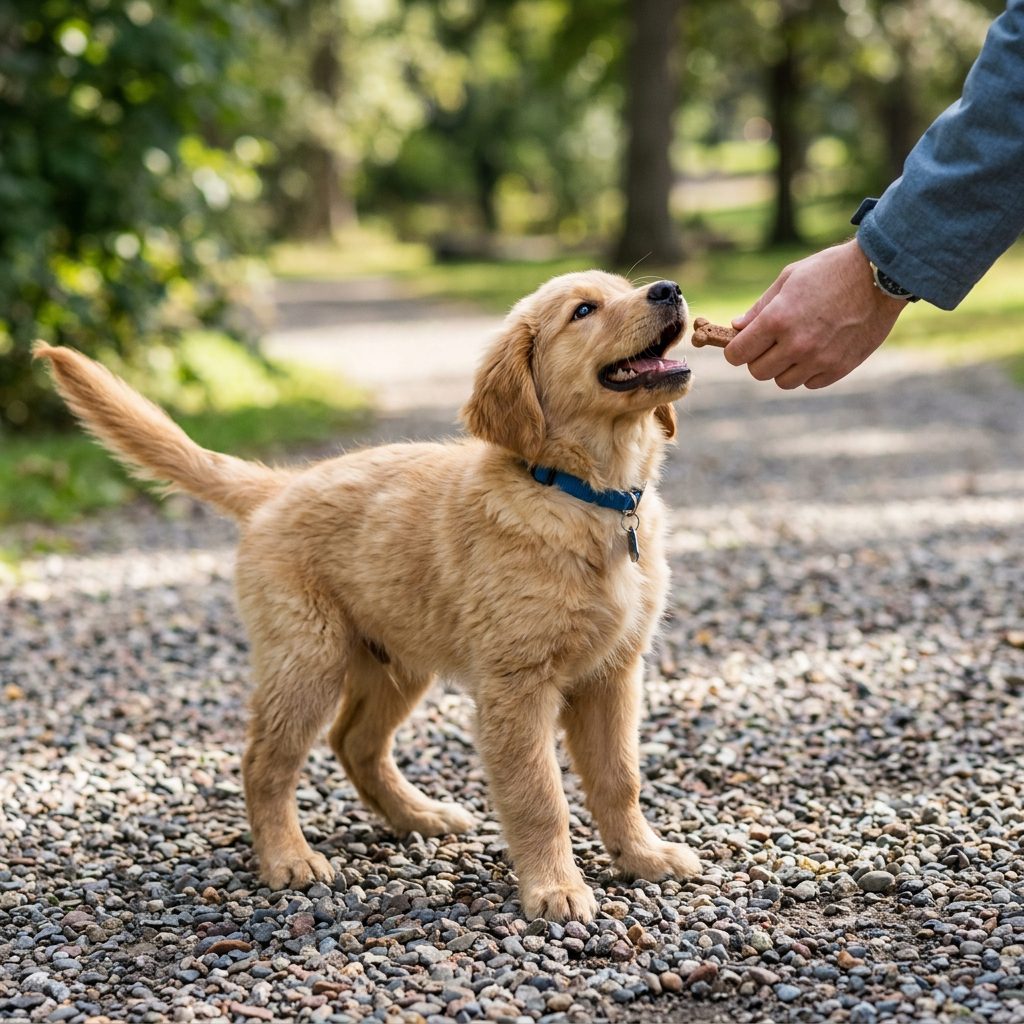
Now, let’s get into the meat of the training. This method relies on classical conditioning—associating the gravel with positive outcomes—and captured behavior.
Step 1: The Scent Transfer
If your puppy has a favorite ‘spot’ on the grass, take a piece of paper towel, soak up a bit of their urine, and place it (or even weight it down with a rock) in the middle of the gravel area. This provides a familiar olfactory cue that says, ‘This is a bathroom.’
Step 2: The ‘Boring’ Leash Walk
Take your puppy to the gravel area on a leash. Do not play. Do not talk excitedly. Just stand in one spot. Give them about 5 to 10 minutes. If they don’t go, bring them back inside and put them in their crate or keep them tethered to you.
Step 3: Timing is Everything
The best times to train are when the ‘urge’ is strongest: immediately after waking up, 15 minutes after eating, or after a vigorous play session. When you know they have to go, the gravel becomes the only option.
Step 4: The Instant Reward
The second—and I mean the very micro-second—their business is finished, throw a ‘puppy party.’ Give them three high-value treats in a row and plenty of verbal praise. We want them to think, ‘Wow, pooping on these rocks is the most profitable thing I’ve ever done!’
Step 5: Incremental Freedom
Once they are consistently going on the gravel while on a leash, you can start letting them explore the area off-leash, but continue to supervise until the habit is 100% ingrained.
Troubleshooting: What to Do When They Won’t Go
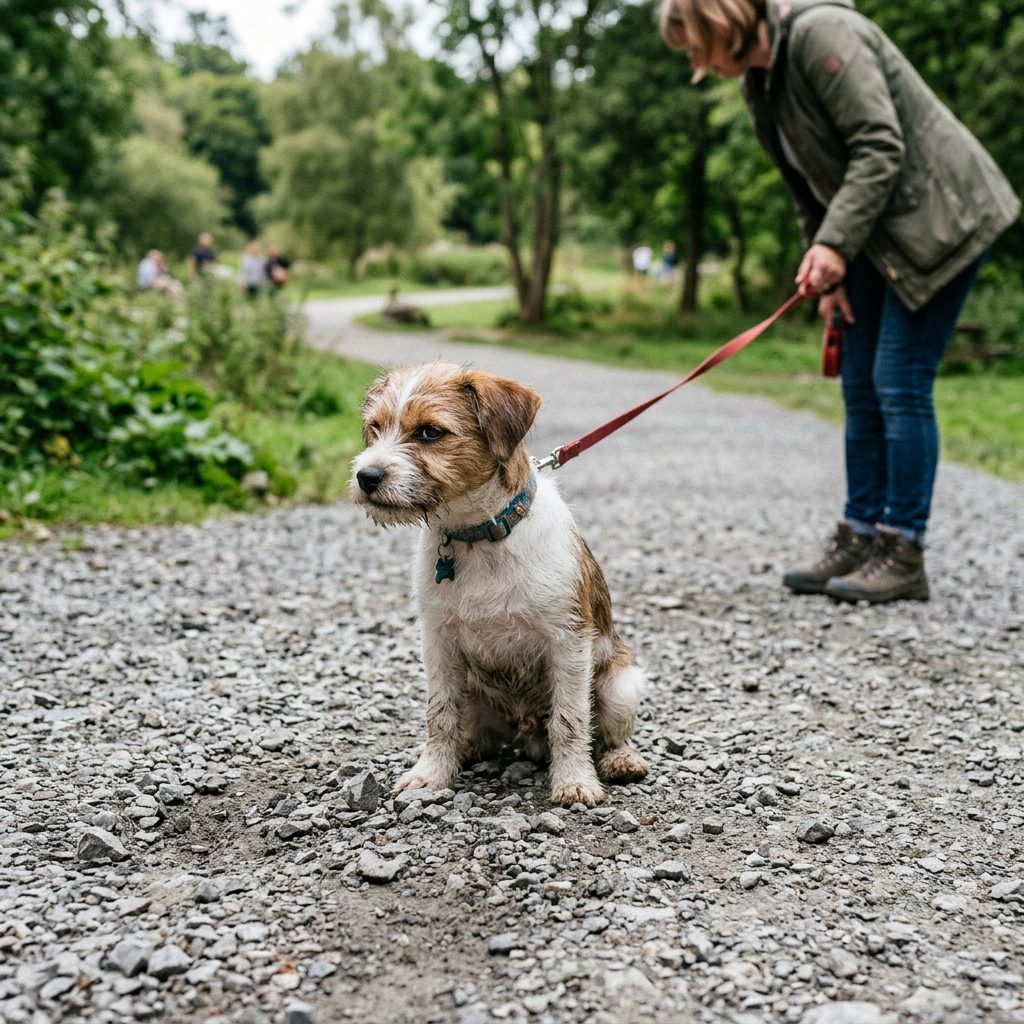
Even with the best plan, you might hit some speed bumps. Here is how to handle the most common ‘stubborn’ behaviors.
The ‘Rock Eater’
Many puppies see gravel as a buffet. If your pup is more interested in eating the stones than using them as a bathroom, you must keep them on a short leash. Use a ‘leave it’ command and immediately redirect their nose back to the ground. If they persist, the training session ends, and you try again in 20 minutes.
The Hunger Strike
Some puppies will hold it for hours. If your pup is holding their bladder to the point of discomfort, don’t let it become a medical issue. Give them a ‘win’ by taking them to a secondary surface that isn’t their favorite grass (like mulch or dirt) and then gradually move closer to the gravel over several days.
The ‘Sit and Stare’
If your puppy just sits on the gravel and stares at you, it means they are waiting for you to take them to the ‘real’ bathroom. Be more stubborn than they are. Use the ‘confinement-and-re-try’ method: 10 minutes on the gravel, 20 minutes in the crate, repeat until success occurs. Patience is your greatest weapon.
Long-Term Maintenance and Hygiene
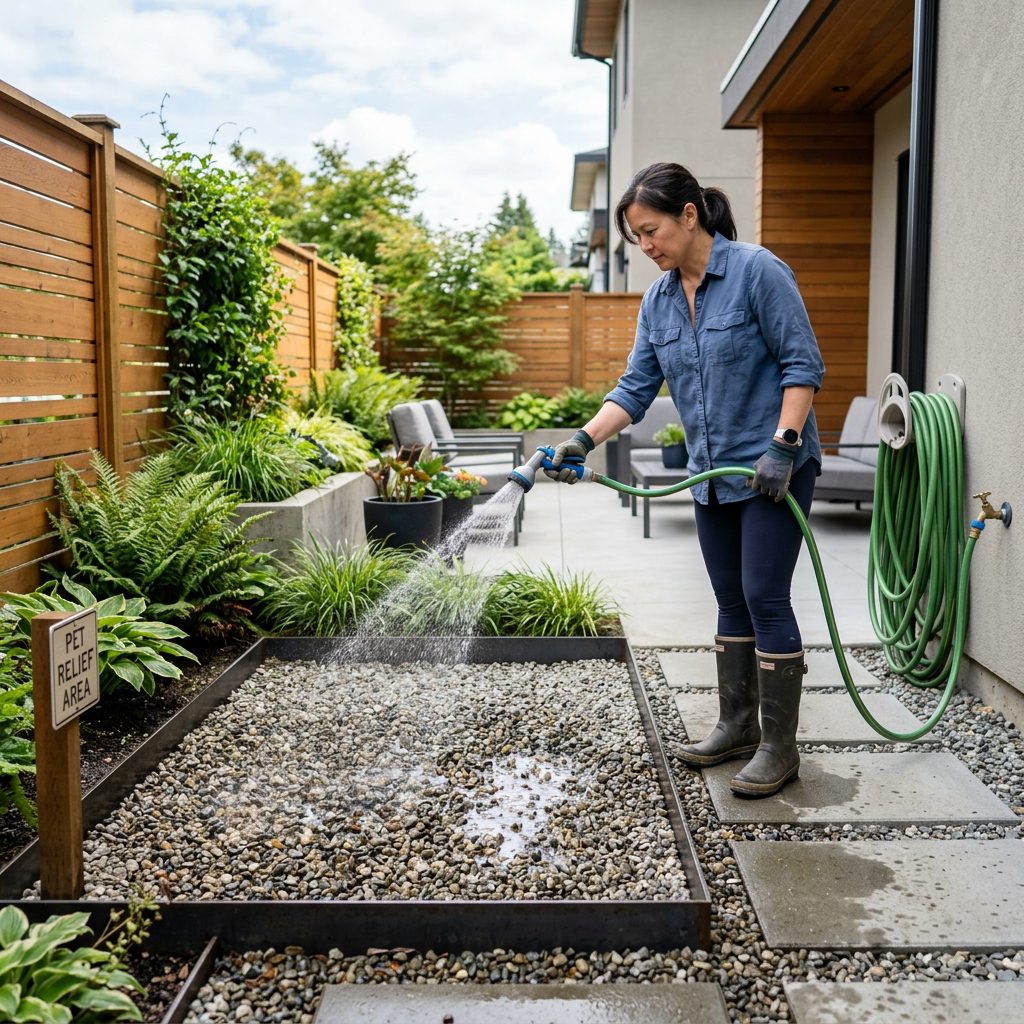
Once your puppy is a gravel pro, you need to maintain the area to ensure they stay happy using it. Unlike grass, gravel doesn’t absorb waste.
Daily Cleanup
Pick up solid waste immediately. Because gravel is porous, small amounts of waste can get trapped, leading to odors that might actually discourage your dog from returning to the spot if it becomes ‘too’ dirty.
Weekly Rinsing
Use a garden hose to rinse the gravel once a week. This washes away residual urine and keeps the area smelling fresh. For deeper cleaning, use a pet-safe outdoor disinfectant that won’t harm your pup’s paws or the environment.
Texture Checks
Over time, gravel can settle or wash away. Ensure the layer remains thick enough (about 2-3 inches) so your dog doesn’t feel the hard sub-base beneath. If the gravel becomes too hot in the summer sun, a quick spray with the hose can cool it down before potty breaks.
Conclusion
Training a puppy to poop on gravel is a test of patience, but it is a skill that will serve you both for years to come. Whether you’re dealing with urban living, a drought-resistant yard, or just tired of brown spots on your lawn, the ‘Gravel Mastery’ approach works because it respects the puppy’s sensory needs while providing clear, consistent boundaries. Remember: be patient, stay consistent, and never skimp on the treats. You aren’t just changing a habit; you are building communication and trust with your new best friend. Soon enough, those rocks won’t be a problem—they’ll just be the place where the magic happens. Happy training!