Hand Shy To Happy: How To Stop Your Puppy From Flinching When Touched
Hey there, fellow dog lovers! It’s heartbreaking, isn’t it? You reach out to give your new furry best friend a loving pat, and instead of a wagging tail, they flinch, duck their head, or even scurry away like you’re about to drop a piano on them. If you’re a savvy dog owner, you know that this ‘hand shyness’ isn’t just a quirky personality trait—it’s a communication signal that your puppy feels vulnerable or overwhelmed. But don’t worry! You haven’t failed as a puppy parent, and your dog doesn’t hate you. Hand shyness is incredibly common, especially in puppies who are still learning that the world (and human hands) are safe. In this comprehensive guide, we’re going to dive deep into the psychology of why puppies flinch and provide you with a professional-grade, step-by-step roadmap to turn those flinches into happy wiggles. We’ll cover everything from reading subtle body language to the specific ‘touch’ exercises used by world-class trainers. By the end of this article, you’ll have the tools and the confidence to build a bond of unbreakable trust with your pup.
Understanding the Root Causes: Why Does My Puppy Flinch?
Before we can fix the behavior, we have to understand where it’s coming from. Hand shyness isn’t always about a ‘bad past.’ Even puppies from the most loving breeders can develop a flinch response. One of the biggest culprits is the ‘reach-over.’ To a small puppy, a giant human hand descending from the sky toward the top of their head is actually quite terrifying—it mimics the way a bird of prey might swoop down. Other factors include a lack of early handling during the critical socialization window (3 to 16 weeks), genetic predispositions to shyness, or even undiagnosed physical pain like an ear infection or a sensitive spot from a recent vaccination.
Decoding Body Language
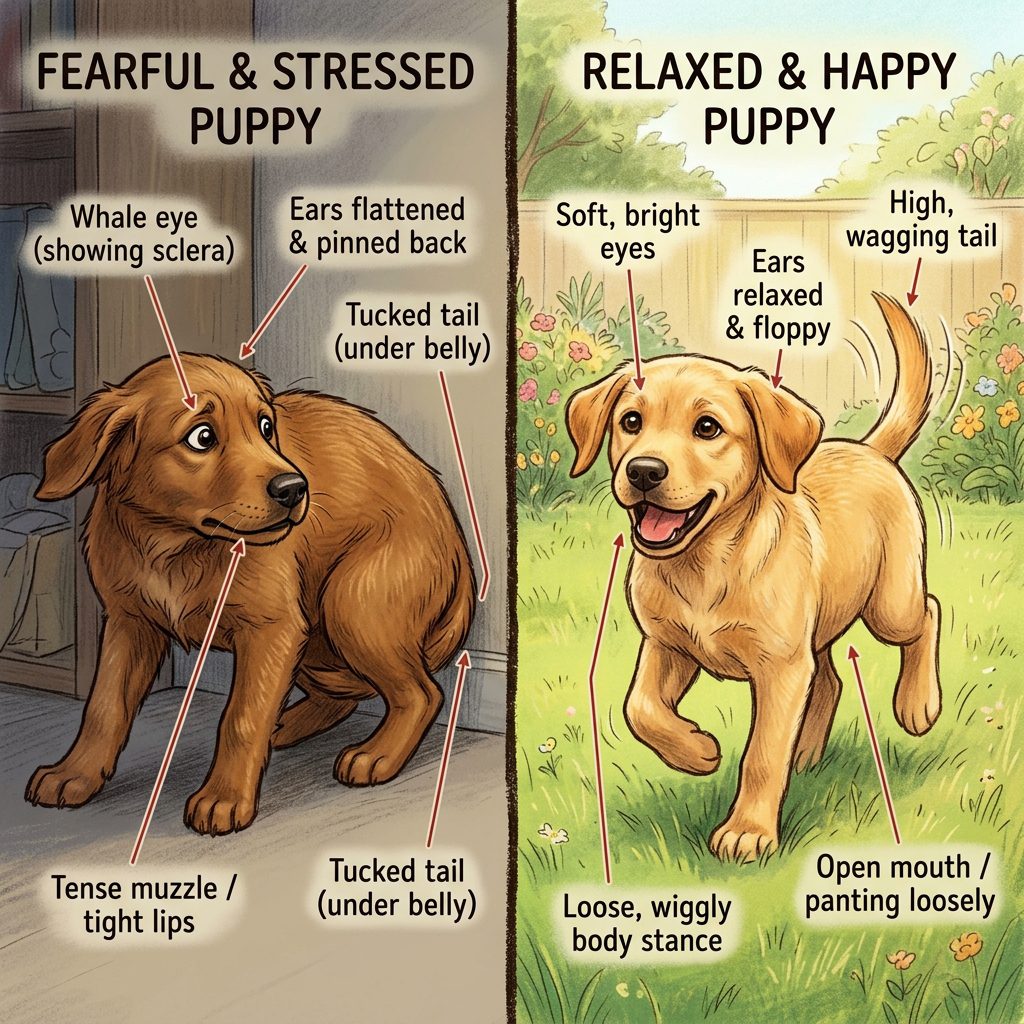
Savvy owners know that a flinch is just the final stage of a puppy saying ‘I’m uncomfortable.’ To truly help your dog, you need to spot the earlier signs. When a puppy is worried about being touched, they might lick their lips, yawn when not tired, or show the ‘whale eye’ (where you can see the whites of their eyes). Understanding the difference between a fearful dog and a relaxed dog is the first step in successful rehabilitation.
| Body Part | Fearful/Hand Shy Signs | Relaxed/Happy Signs |
|---|---|---|
| Eyes | Wide, showing whites (whale eye), dilated pupils | Soft, squinty, or ‘almond’ shaped |
| Ears | Pinned back tight or flickering nervously | Neutral or flopped forward curiously |
| Mouth | Tightly closed, lip licking, or panting | Gently open, ‘smiling’ appearance |
| Tail | Tucked between legs or stiff wagging | Loose, circular ‘helicopter’ wags |
By identifying these signals early, you can stop your reach before the puppy feels the need to flinch. This prevents the ‘fear memory’ from being reinforced.
Preparation: Tools and Mindset for Success
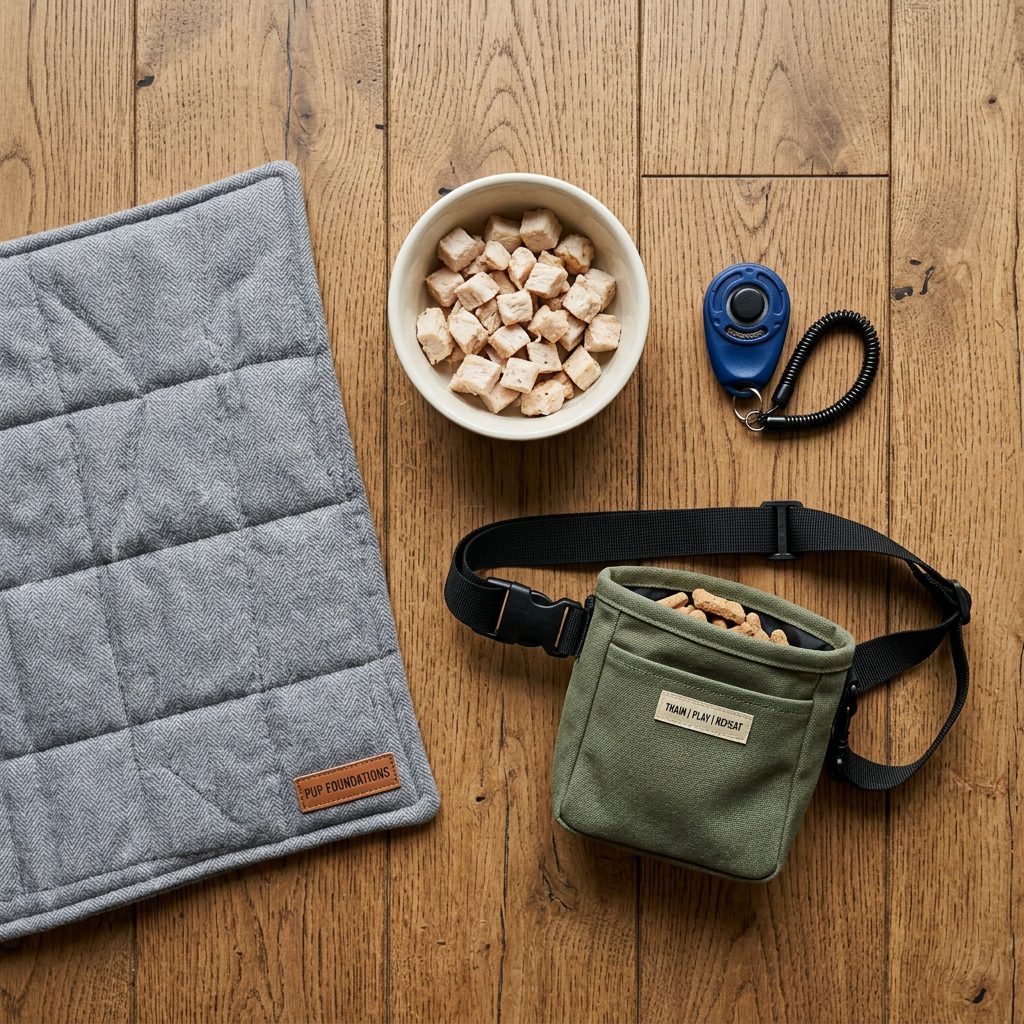
Training a hand-shy puppy isn’t about physical strength; it’s about emotional management. You are essentially acting as a therapist for your dog. To get started, you’ll need a few essential items that will make the process smoother and more rewarding for your pup.
- High-Value Treats: We’re talking the ‘good stuff’—small pieces of boiled chicken, freeze-dried liver, or tiny bits of string cheese. These should be treats your puppy only gets during handling sessions.
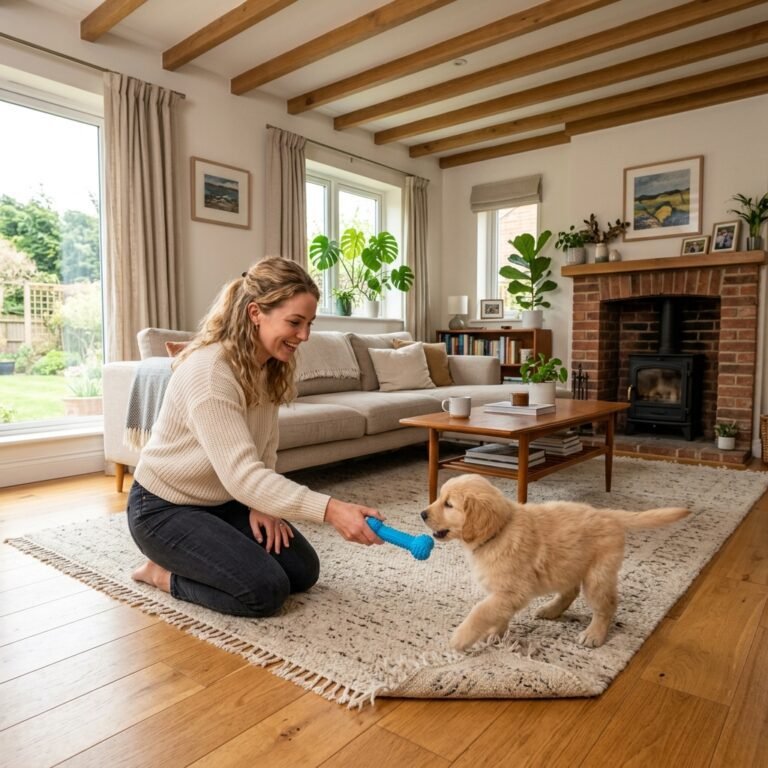
- A Quiet Space: Choose a room with minimal distractions where your puppy feels safe, like a carpeted living room.
- A Clicker (Optional): If your puppy is already clicker trained, this is a fantastic tool to mark the exact moment they stay calm.
- Patience (Non-negotiable): You cannot rush trust. Some puppies progress in days; others take weeks.
Pro Tip: Never use your puppy’s regular kibble for this. We are trying to create a powerful positive association, and that requires a high-value ‘paycheck’ for their bravery!
The Step-by-Step Guide to Building Trust
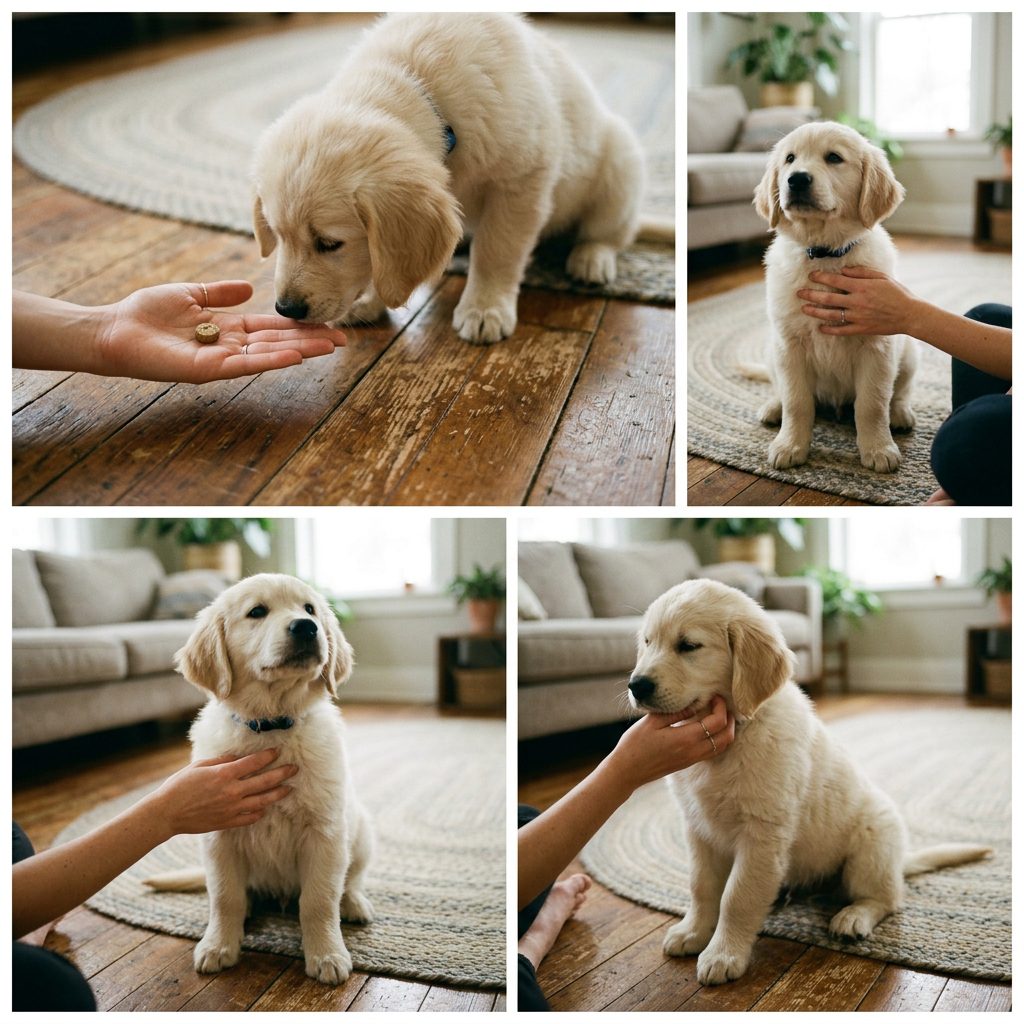
Phase 1: The ‘Hand as a Pez Dispenser’ Method
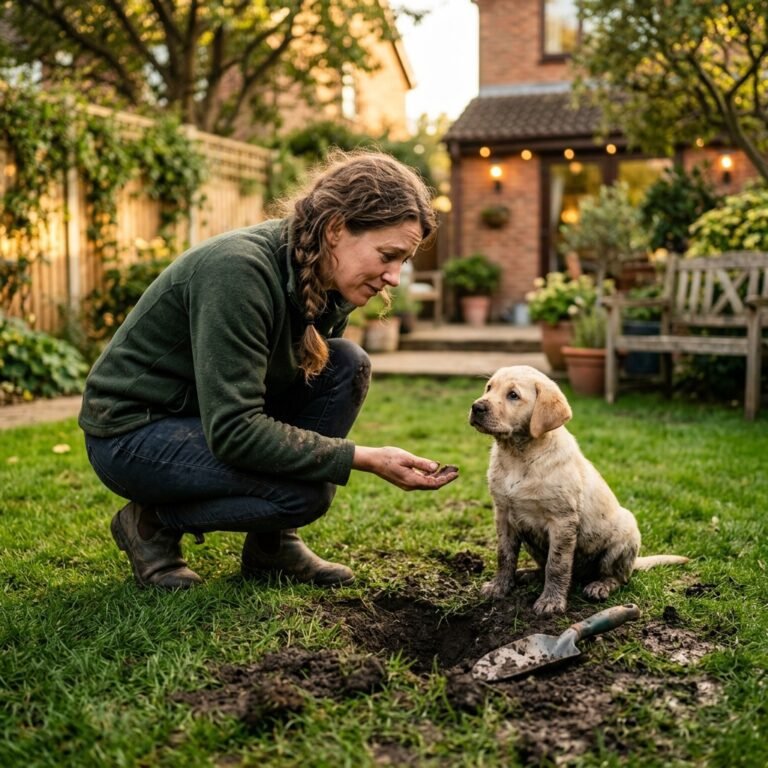
Our first goal is to change the puppy’s emotional response to the sight of your hand. Instead of seeing a hand as something that grabs or looms, we want them to see it as a magical device that delivers treats. Start by sitting on the floor at your puppy’s level. Do not reach for them. Instead, simply place your hand on the floor near you, palm up, with a treat in it. Let the puppy approach you. When they take the treat, don’t try to pet them. Just let them eat and walk away. We are teaching them that hands have ‘value’ and ‘consent.’
Phase 2: Low-Level Desensitization
Once your puppy is happily approaching your hand for treats, start moving your hand slightly. Hold a treat in one hand and move your other hand just a few inches toward their shoulder (never the head). If they don’t flinch, give them the treat. If they pull back, you moved too fast—go back to Phase 1.
Phase 3: The Under-Chin Approach
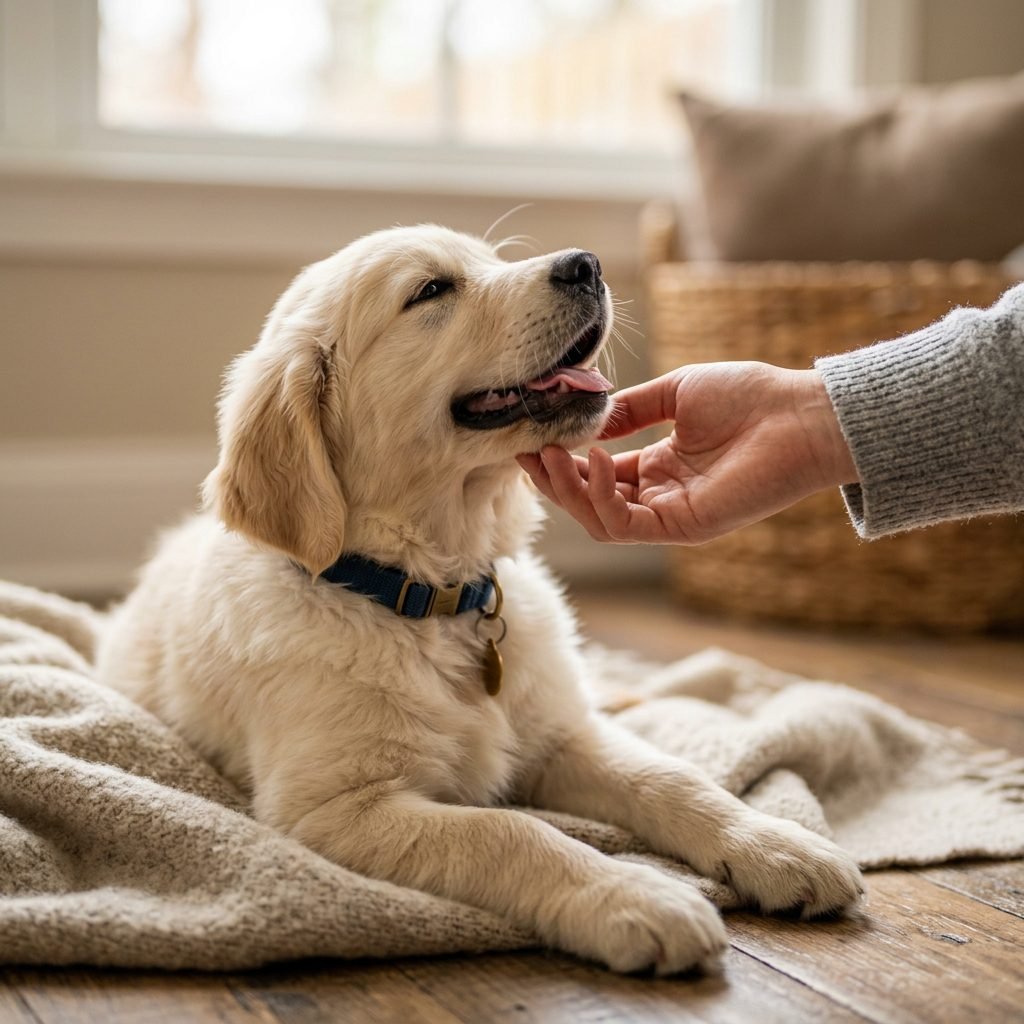
Most people make the mistake of reaching over the puppy’s head. Instead, always reach from underneath. Aim for the chest or the chin. These are less threatening areas. Reach out, give a tiny 1-second scratch under the chin, and immediately follow up with a high-value treat. Repeat this dozens of times until the puppy starts leaning into your hand when they see it coming.
Phase 4: Generalizing the Touch
Once the chin is safe, slowly move to the shoulders, the sides, and eventually the top of the head. Use the ‘3-Second Rule’: pet for three seconds, then stop and pull your hand back. If the puppy moves toward you for more, they are giving consent! If they look away, they’ve had enough for now.
Common Mistakes: What to Avoid During Training
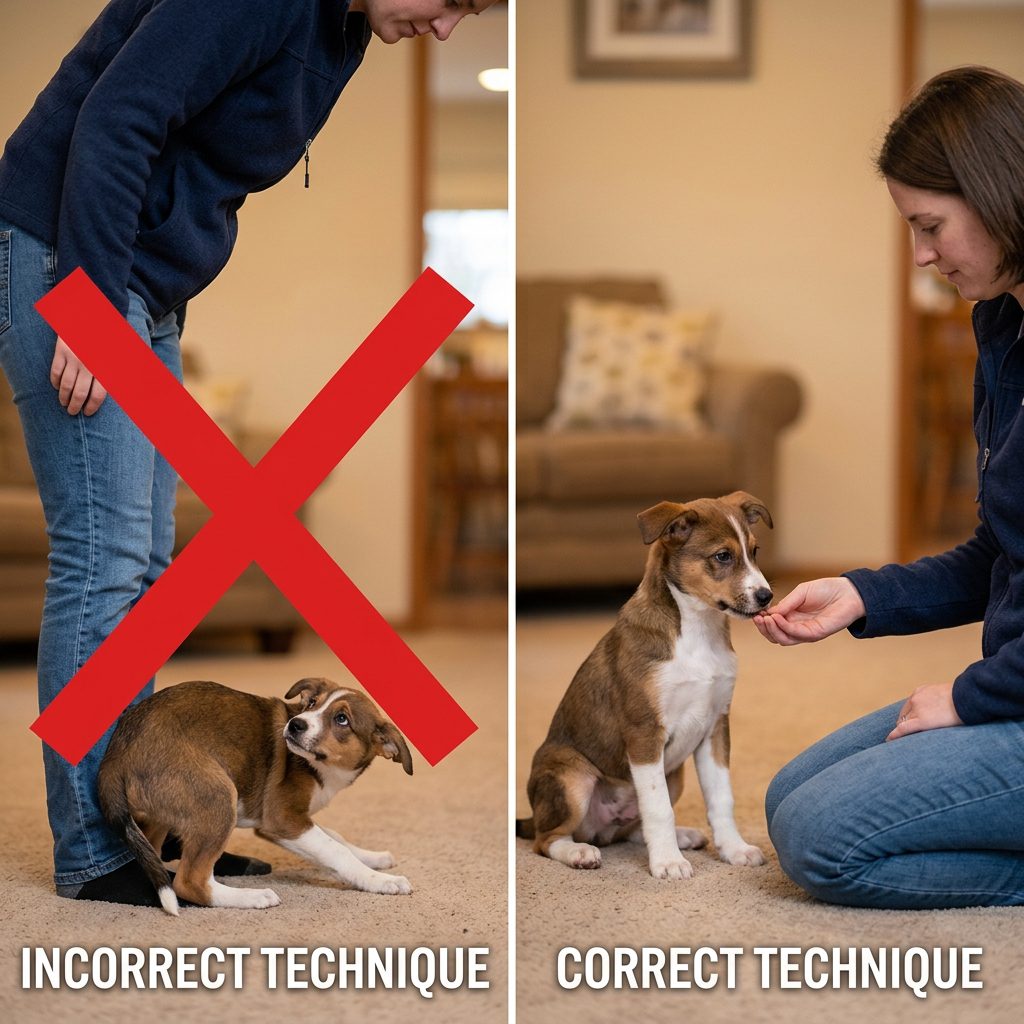
Even with the best intentions, it’s easy to accidentally set back your puppy’s progress. Avoid these common pitfalls to ensure your training stays on track.
1. The ‘Looming’ Reach
Standing tall and reaching down is the most common trigger for flinching. Always try to get down on the puppy’s level or invite the puppy up onto a sofa where you are eye-to-eye. This removes the ‘predator’ vibe from the interaction.
2. Forcing the Interaction
Never corner your puppy or hold them still to ‘force’ them to get used to being petted. This is called ‘flooding,’ and it usually results in the puppy becoming more fearful or even defensive. If the puppy wants to leave the session, let them. They need to know they have the power to say ‘no’ to feel safe saying ‘yes.’
3. Using Low-Value Rewards
If you’re using dry biscuits, the reward might not be worth the ‘risk’ in the puppy’s mind. Use the most aromatic, delicious treats you can find to ensure the positive association is stronger than the fear.
4. Moving Too Fast
Progress isn’t linear. You might have a great day where your puppy loves ear rubs, followed by a day where they flinch at a simple hand movement. This is normal! If you see a regression, simply go back one step in the training process for a few sessions.
Troubleshooting: When Progress Stalls
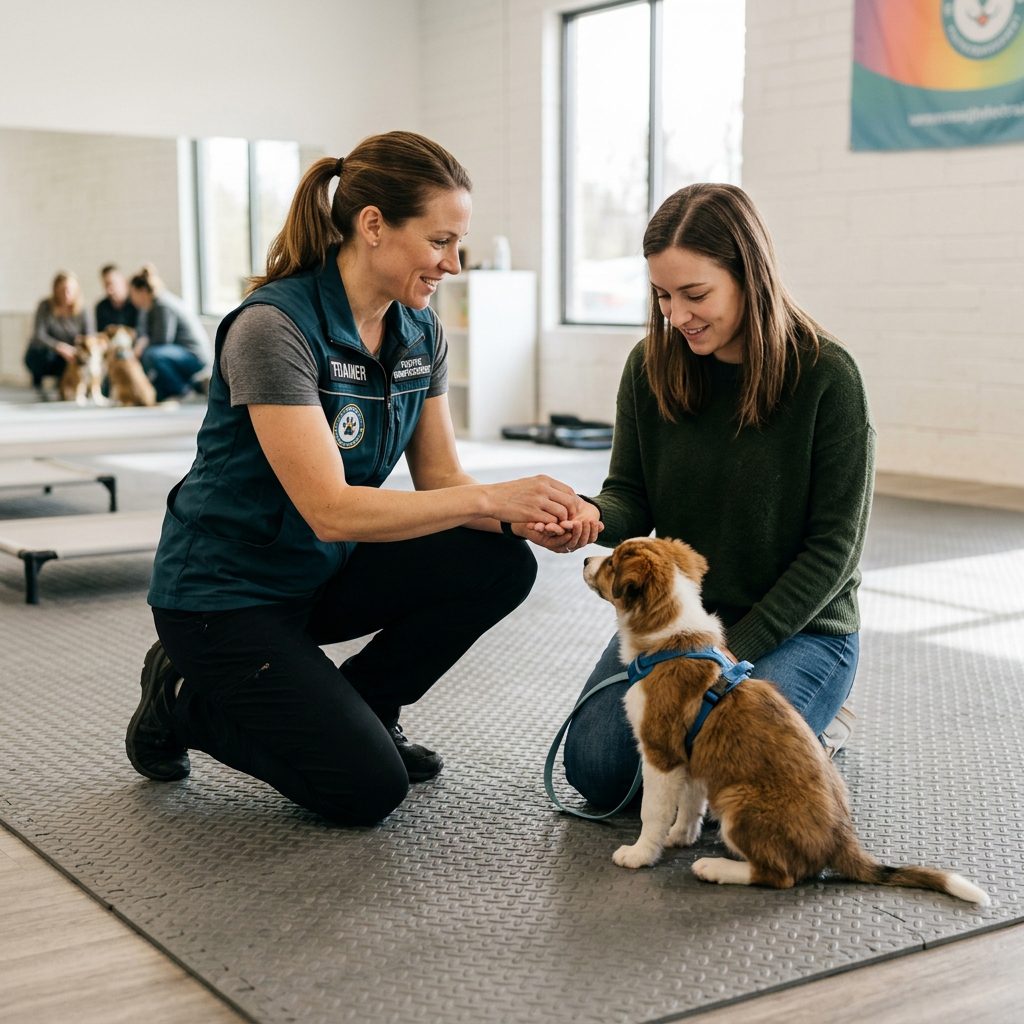
If you’ve been working consistently for two weeks and see zero improvement, it’s time to look at external factors. Hand shyness can sometimes be linked to medical issues. If a puppy has a painful ear infection, they will flinch whenever anyone reaches near their head. Similarly, if they have joint pain or skin sensitivities, touch can be a negative experience. A quick vet check is always a good idea if progress is stalled.
When to Call a Professional
If your puppy is showing signs of ‘fear aggression’—such as growling, snapping, or baring teeth when you reach for them—it is time to contact a certified professional dog trainer (CPDT-KA) or a veterinary behaviorist. These situations require a more nuanced approach to ensure safety and effective rehabilitation. You don’t have to do this alone, and early intervention is key to preventing long-term behavioral issues.
Conclusion
Turning a hand-shy puppy into a happy, touch-loving companion is one of the most rewarding journeys you can take as a dog owner. It requires a blend of empathy, consistency, and a whole lot of high-quality chicken! Remember, the goal isn’t just to stop the flinching; it’s to build a foundation of trust that will last for the next fifteen years. By respecting your puppy’s boundaries and rewarding their bravery, you’re teaching them that the world is a kind place and that your hands are a source of comfort, safety, and love. Keep your sessions short, keep them fun, and always end on a high note. You’ve got this, and your puppy is lucky to have such a dedicated owner. Happy training!