
Ouch! How To Stop A Puppy Biting Your Hands During Tug Of War Playtime
We’ve all been there: one minute you’re enjoying a lovely bonding session with your new furry friend, and the next, those needle-sharp puppy teeth have missed the rope and found your knuckles. Ouch! It’s a rite of passage for puppy owners, often referred to as the ‘land shark’ phase. While tug of war is a fantastic way to burn off energy and build a relationship with your pup, it can quickly turn painful if your puppy hasn’t learned where the toy ends and your skin begins. This behavior isn’t usually aggressive; it’s a mix of poor motor skills, high arousal, and a natural instinct to grab moving objects. In this guide, we are going to dive deep into the mechanics of puppy play, why they target your hands, and how you can implement a professional training protocol to keep your hands bite-free. By the end of this article, you will have a clear roadmap to transform a chaotic game of tug into a structured, safe, and exhausting (in a good way!) workout for your puppy.
Understanding the ‘Hand-Targeting’ Phenomenon
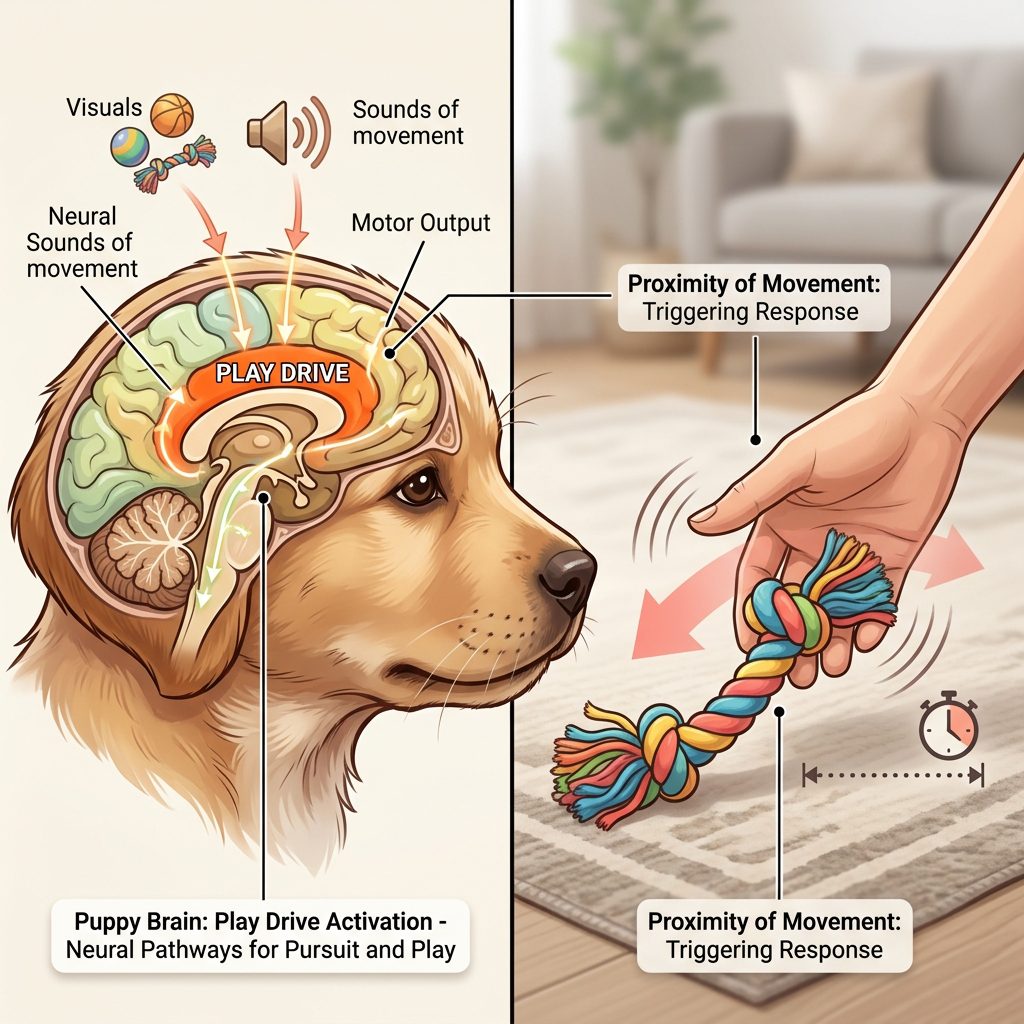
Before we can fix the biting, we have to understand why it happens. Puppies explore the world with their mouths. When they are playing tug of war, their prey drive is activated. This isn’t ‘aggression’ in the way we think of it, but rather a biological urge to grab, pull, and shake. Redirected excitement is the primary culprit here. When a puppy gets over-excited, their precision drops. They aren’t aiming for your hand; they are just aiming for the ‘movement’ and the ‘fun,’ and your hand happens to be right next to the action.
The Teething Factor
Between 12 to 24 weeks, puppies are losing their milk teeth and growing adult teeth. This process is uncomfortable, and the pressure of biting down on something—even your hand—can provide temporary relief. Understanding that your puppy is dealing with physical discomfort can help you maintain the patience needed for training.
High Arousal and Loss of Control
Puppies have very little impulse control. As the game of tug intensifies, their adrenaline spikes. In this high-arousal state, the ‘thinking’ part of their brain shuts down, and the ‘reacting’ part takes over. This is why they might suddenly lung for your sleeve or your wrist. Our goal is to keep the game in the ‘Goldilocks Zone’—exciting enough to be fun, but calm enough that the puppy can still follow rules.
The Essential Gear: Choosing the Right Tug Toys
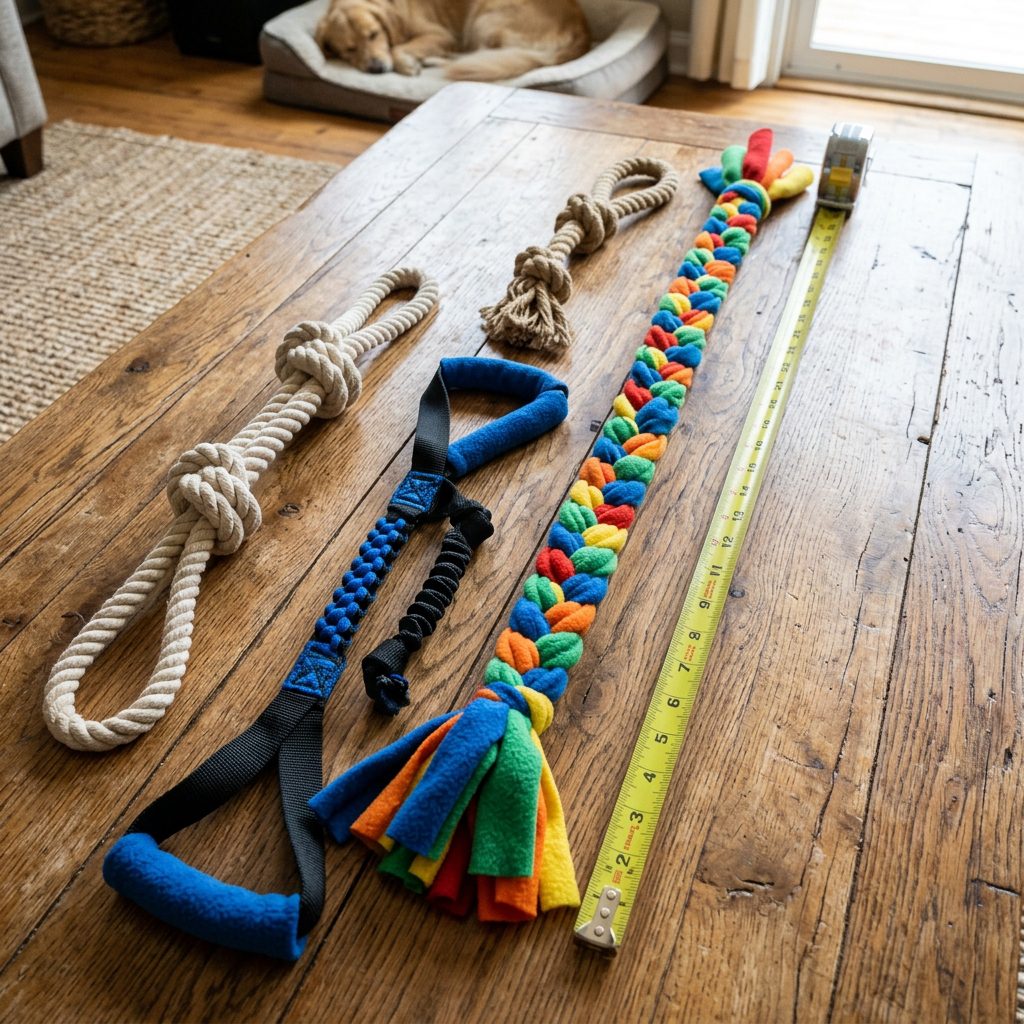
Not all toys are created equal when it comes to preventing bites. If you are using a tiny plush toy or a short rope, you are essentially inviting your puppy to nip your fingers. The distance between the puppy’s mouth and your hand is the single most important factor in early training.
| Toy Type | Pros | Cons | Safety Rating |
|---|---|---|---|
| Long Rope (3ft+) | Great distance, durable, easy to grip. | Can be heavy for tiny pups. | High |
| Fleece Tugs | Soft on puppy teeth, lightweight. | Easily destroyed by heavy chewers. | High |
| Bungee Tugs | Reduces neck strain for the dog. | Can snap back if let go suddenly. | Moderate |
| Short Plushies | Cute and squeaky. | Puts hands too close to the ‘danger zone.’ | Low |
The Rule of Length
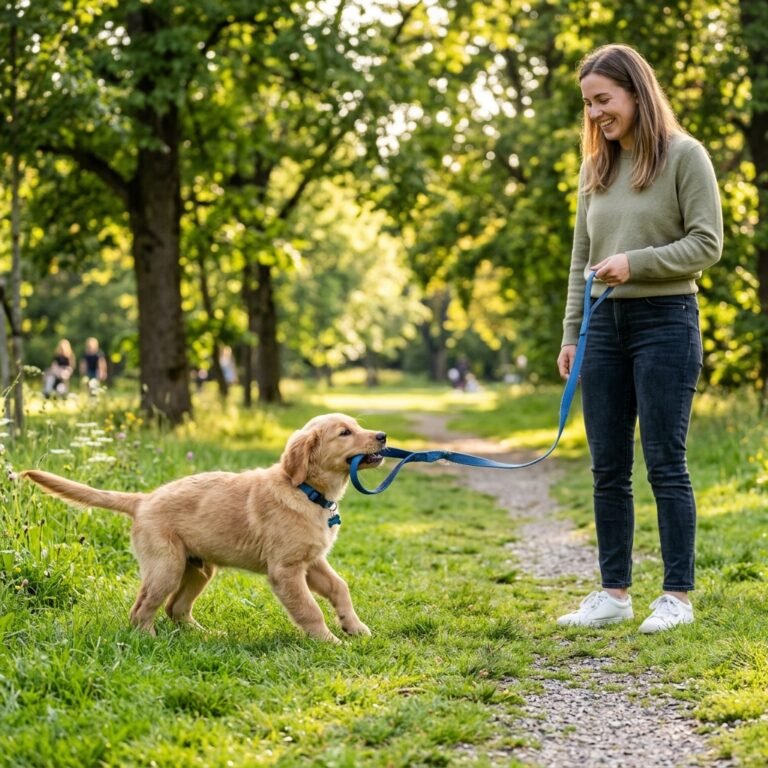
For a puppy that is still learning, I always recommend a toy that is at least 18 to 24 inches long. This gives you a ‘buffer zone.’ If the puppy misses the middle of the toy, they still have plenty of rope to grab before they reach your skin. Expert Tip: Avoid using old socks or rags. This teaches the puppy that household fabrics are fair game for biting!
The 5-Step Safe Tug Protocol

Training your puppy to play safely requires a structured approach. We don’t just start pulling; we set rules. Follow these five steps to establish a professional play routine.
Step 1: The ‘Take It’ Command
Never let the puppy just jump for the toy. Hold the toy still and wait for the puppy to sit or stand calmly. Say ‘Take it!’ and move the toy to initiate play. This teaches the puppy that you are the director of the game.
Step 2: Keep the Toy Low and Moving
Move the toy in a ‘snake-like’ motion on the ground. Moving it vertically (up and down) encourages the puppy to jump, which brings their teeth closer to your face and hands. Keeping it low keeps their four paws on the floor.
Step 3: Monitor Arousal Levels
Watch for ‘the crazy eyes’ or growling that becomes high-pitched. If the puppy gets too intense, slow down the movement. Tug should be a series of ‘pull and pause’ moments, not a 5-minute frantic thrash.
Step 4: The ‘Drop It’ Reset
Every minute or so, stop pulling. Hold the toy firmly against your thigh so it becomes ‘dead’ and boring. Offer a small treat or simply wait. When the puppy lets go, praise them and immediately restart the game with ‘Take it!’ This proves that letting go actually leads to more fun.
Step 5: The Immediate Freeze
If those teeth touch your skin—even accidentally—the game ends instantly. Say a neutral ‘Ouch’ or ‘Too bad,’ tuck the toy under your arm, and turn your back for 20 seconds. No shouting, no hitting—just the total removal of the fun. This is the most powerful tool in your kit.
Troubleshooting Common Mistakes
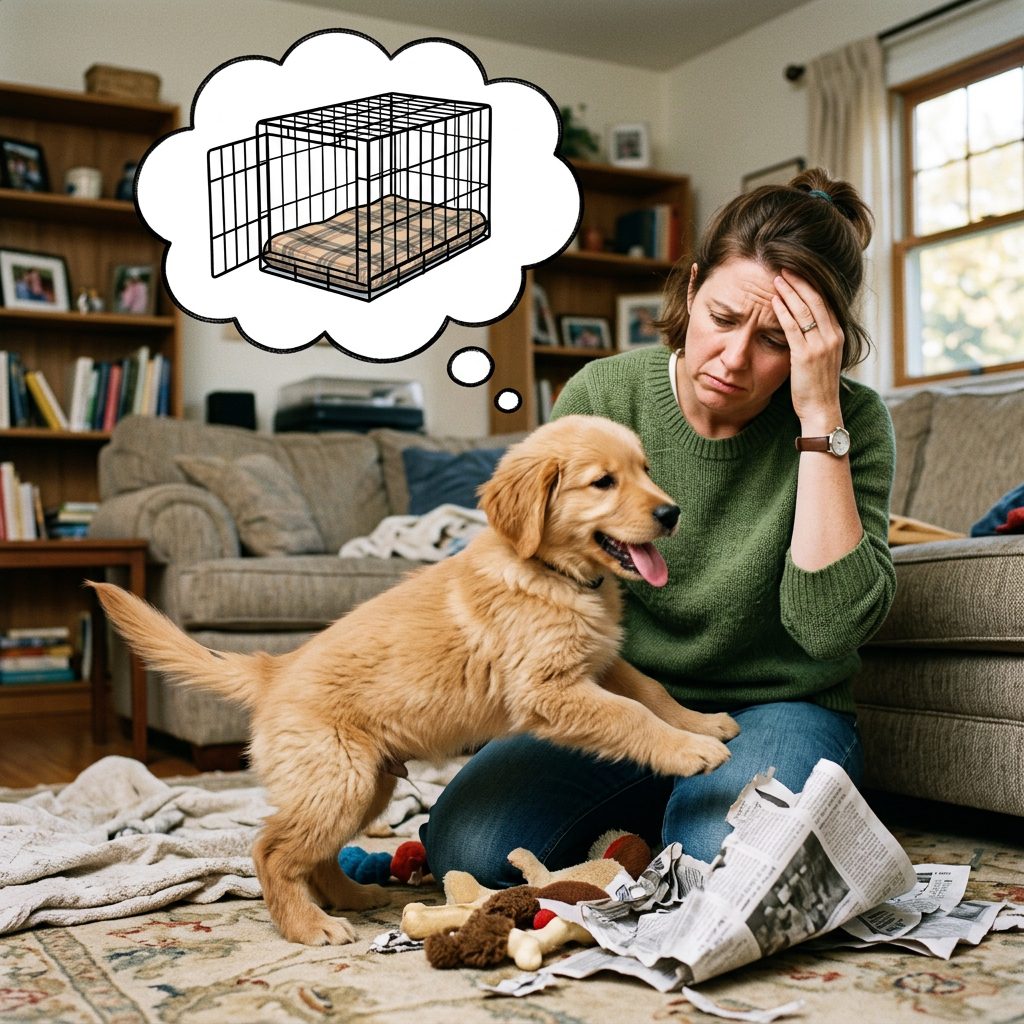
Even with a great plan, things can go wrong. Here are the most common pitfalls savvy owners face and how to fix them.
- Screaming or Yelling: Many owners are told to ‘yelp’ like a littermate when bitten. For some puppies, this works. For high-drive puppies, a high-pitched ‘YIP!’ sounds like a squeaky toy and actually makes them more excited. If yelping makes your pup bite harder, switch to ‘The Silence Treatment.’
- Pulling Your Hand Away Fast: It is a natural reflex to jerk your hand back when you feel teeth. However, fast movement triggers the puppy’s prey drive to chase. Try to keep your hand still (if safe) or move it slowly to end the interaction.
- Playing When the Puppy is Overtired: Just like toddlers, puppies get ‘cranky’ when they need a nap. If your puppy is suddenly biting everything and won’t listen to commands, they likely need an enforced nap in their crate or playpen rather than more tug.
‘Consistency is the hallmark of a well-trained dog. If you allow biting on the weekends but forbid it on the weekdays, your puppy will remain perpetually confused.’
Building Impulse Control Beyond the Game
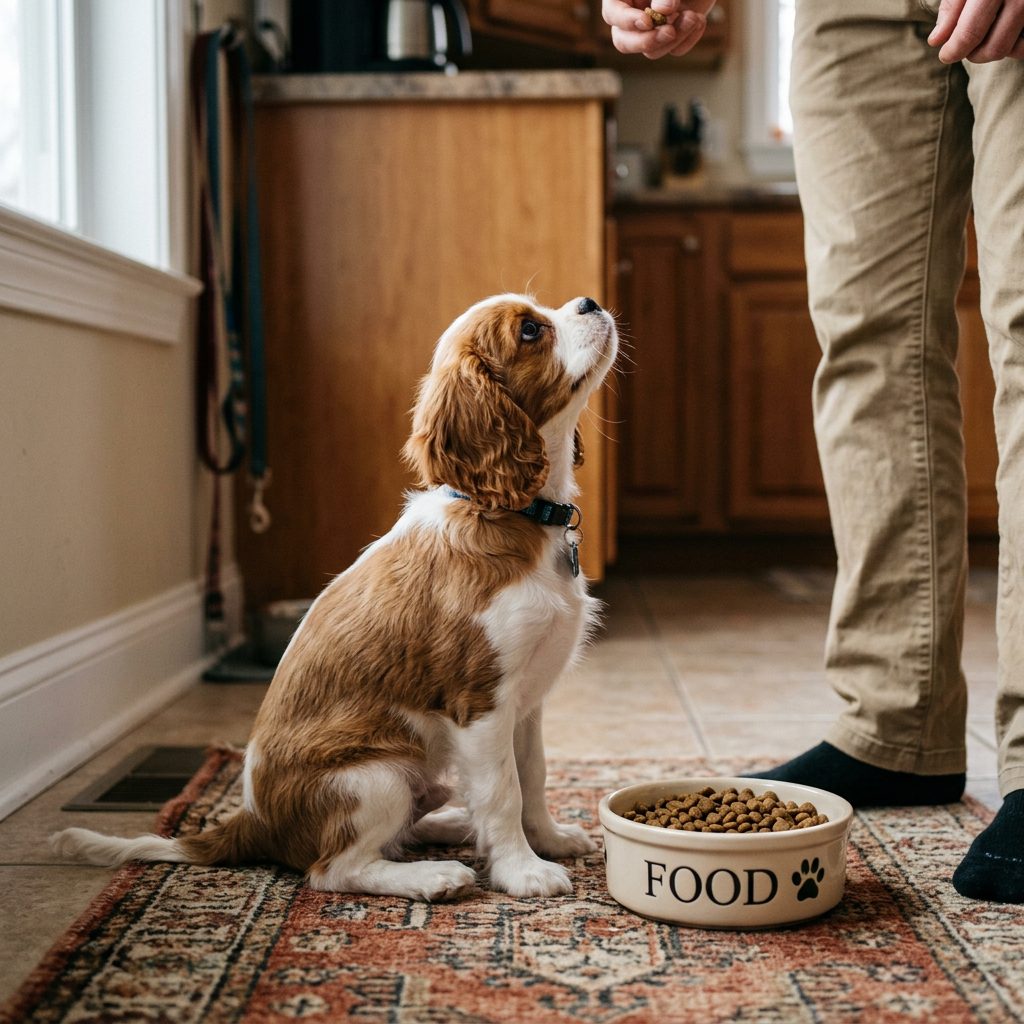
The secret to a puppy that doesn’t bite during tug is a puppy that has general impulse control. You can practice this throughout the day with these simple exercises:
- Wait for the Bowl: Make your puppy sit and wait for their food until you give a release command.
- Doorway Manners: Practice having the puppy wait at the door before going for a walk.
- The ‘Leave It’ Game: Place a treat on the floor, cover it with your hand, and only reward the puppy when they look away from the treat and at you.
These exercises strengthen the ‘pre-frontal cortex’ of the puppy’s brain, making it easier for them to choose to ‘not bite’ your hand even when they are excited during tug of war.
Conclusion
Stopping a puppy from biting your hands during tug of war isn’t about stopping the fun; it’s about teaching the rules of engagement. By using long toys, managing arousal levels, and being 100% consistent with your ‘Game Over’ signals, you are teaching your puppy valuable lessons in bite inhibition and self-control. Remember, this phase is temporary! With patience and the right techniques, those ‘ouch’ moments will soon be replaced by a lifetime of safe, joyful play. Keep your sessions short, keep your toys long, and always reward the behavior you want to see more of. Happy tugging!