5 Fast Fixes To Stop Your Puppy From Destroying Your Yard And Digging Holes
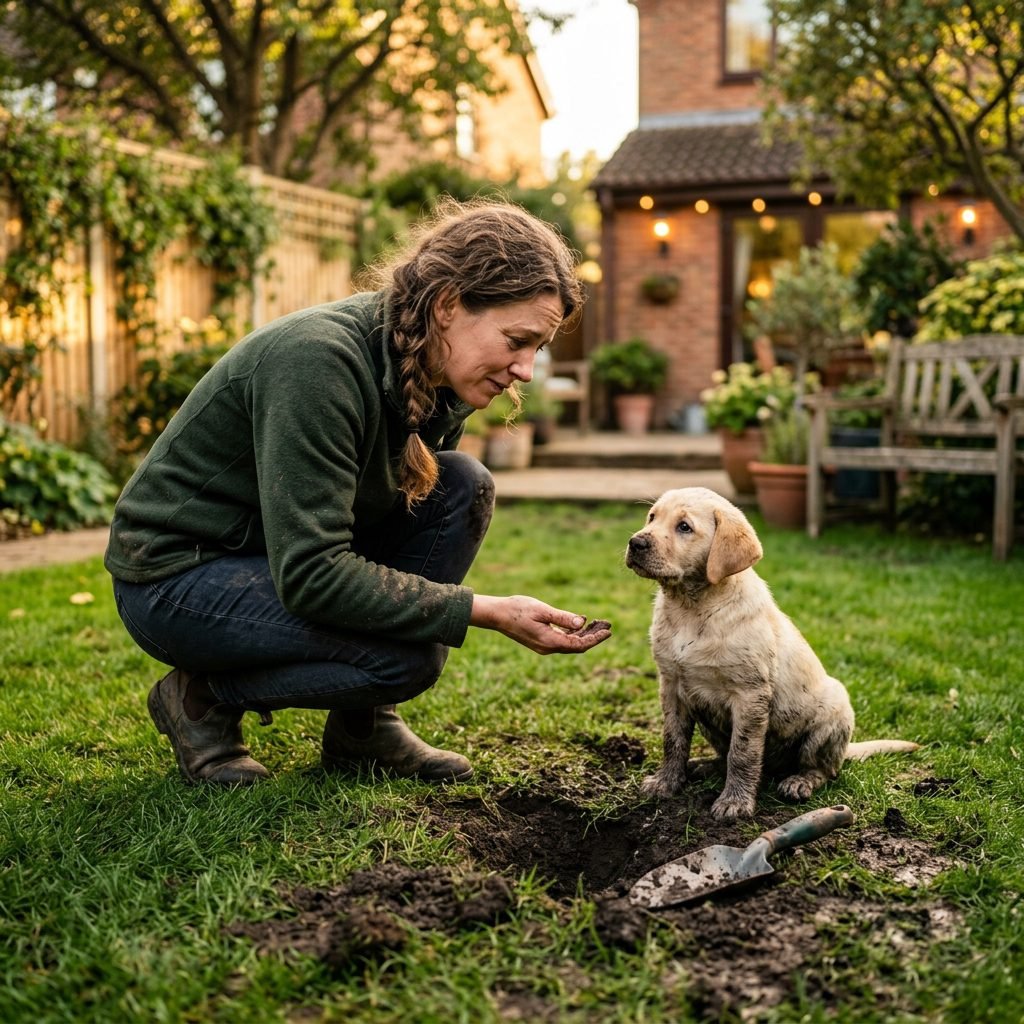
We have all been there. You spend your Saturday afternoon meticulously landscaping your backyard, planting fresh petunias and grooming the grass, only to wake up Sunday morning to a scene that looks like a miniature construction site. Your adorable, wide-eyed puppy has decided that the area under your favorite oak tree is the perfect spot for a deep-sea excavation project. It is frustrating, messy, and can even be expensive if they manage to hit an irrigation line or uproot a prized shrub.
But before you resign yourself to a life of dirt-covered paws and a cratered lawn, it is important to understand one thing: digging is a natural canine behavior. To a puppy, the ground isn’t a manicured asset; it is a giant, interactive toy box filled with interesting smells, cool textures, and hidden treasures. As savvy dog owners, our goal isn’t to punish the instinct out of them, but to redirect that energy into more appropriate outlets.
In this comprehensive guide, we are going to dive deep into five fast fixes that actually work. These aren’t just temporary band-aids; they are behavioral shifts and environmental adjustments designed to satisfy your puppy’s needs while keeping your yard intact. From creating ‘legal’ digging zones to mastering the art of mental exhaustion, we have got you covered. Let’s reclaim your outdoor space together!
Understanding the ‘Why’ Behind the Digging
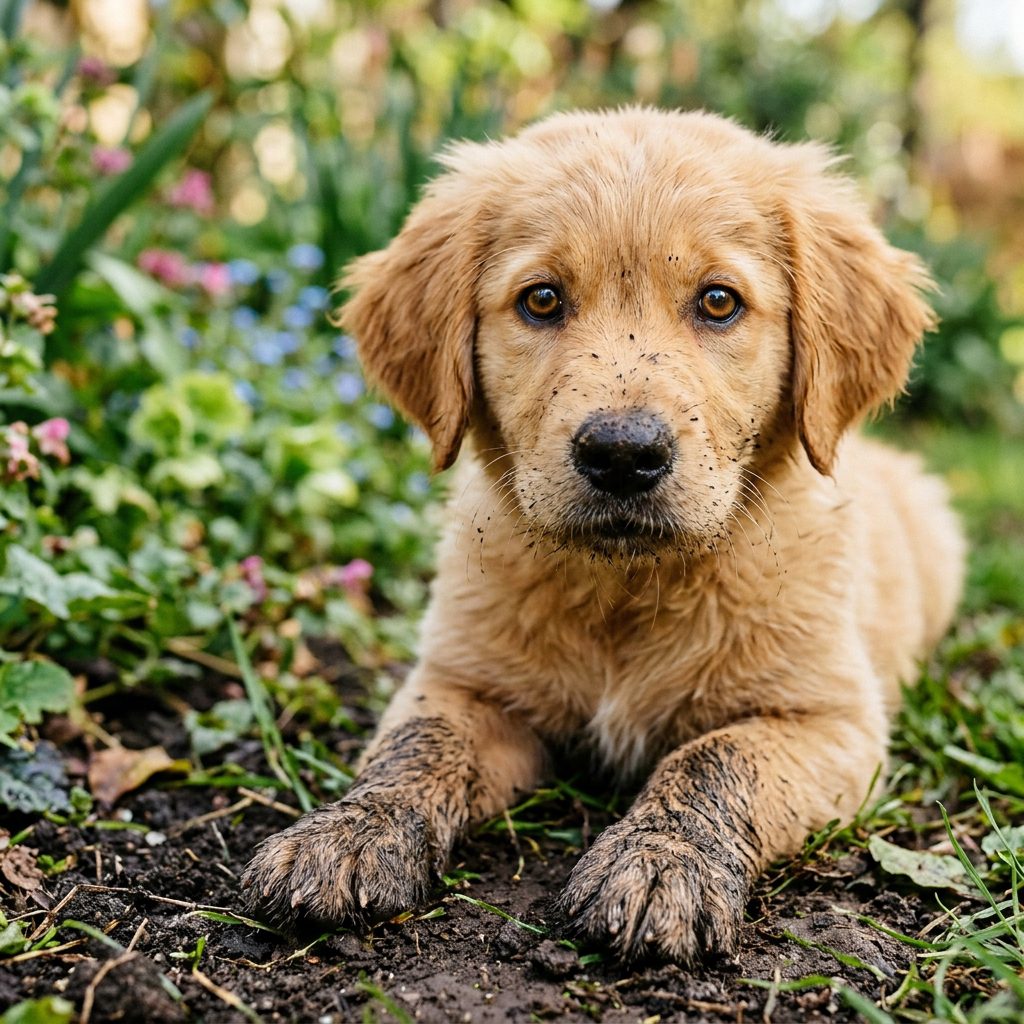
Before we jump into the fixes, we need to play detective. Not all digging is created equal. If you don’t know why your puppy is digging, you might apply the wrong solution. Generally, puppies dig for four main reasons:
- Cooling Off: On hot days, puppies dig down to reach the cooler soil beneath the surface to regulate their body temperature.
- Boredom and Energy: A puppy with nothing to do will find their own entertainment, and digging is high-intensity fun.
- Hunting Instincts: If you have moles, gophers, or even just interesting bugs, your puppy’s nose will lead them to dig them out.
- Separation Anxiety or Escape: Some puppies dig near fences because they are trying to get to you or are anxious about being left alone.
By identifying the root cause, you can tailor the following five fixes to your puppy’s specific personality. For example, if they only dig on 90-degree days, your solution should focus on temperature control rather than just more toys.
Fix 1: Create a Designated ‘Legal’ Digging Zone
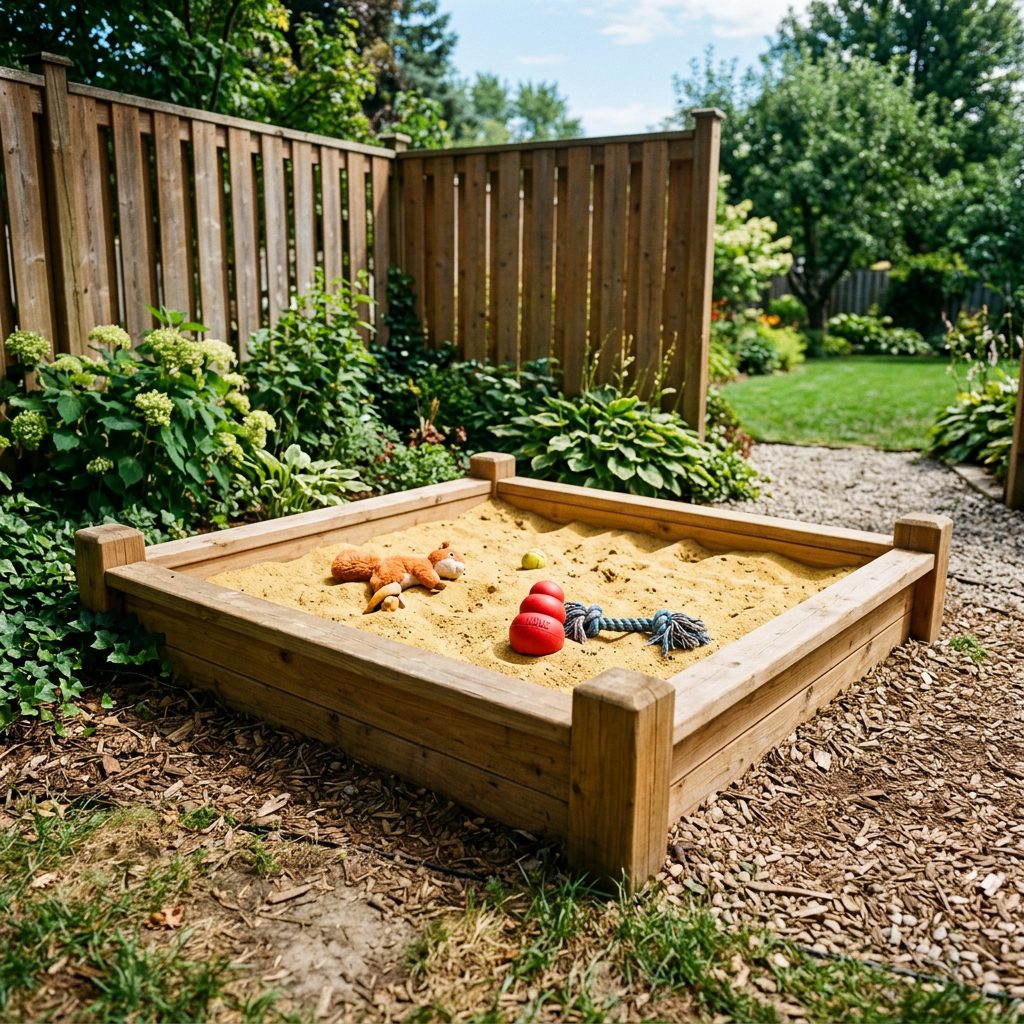
The Power of the Sandbox
If your puppy is a ‘born to dig’ breed—like a Terrier or a Dachshund—stopping the behavior entirely might be an uphill battle. Instead, give them a place where digging is not only allowed but encouraged. This is often called a Digging Pit or a doggy sandbox.
How to Set Up a Digging Zone
- Choose the Location: Pick a shaded corner of the yard where you don’t mind a little mess.
- Define the Boundary: Use a plastic kiddie pool or a wooden frame to contain the sand or loose soil.
- The Secret Ingredient: Fill it with play sand (which is easier to clean off fur than mud).
- Seed the Pit: Bury high-value treats and favorite toys just beneath the surface while your puppy is watching.
Expert Tip: When you see your puppy digging in the garden, calmly redirect them to their sandbox. When they start digging there, throw a party! Use treats and praise to reinforce that this specific spot is the ‘winning’ location.
By providing a legal outlet, you satisfy the biological urge without sacrificing your flower beds. Most puppies will naturally gravitate toward the area where they are most likely to find ‘buried treasure.’
Fix 2: Maximize Mental Stimulation and Physical Exercise
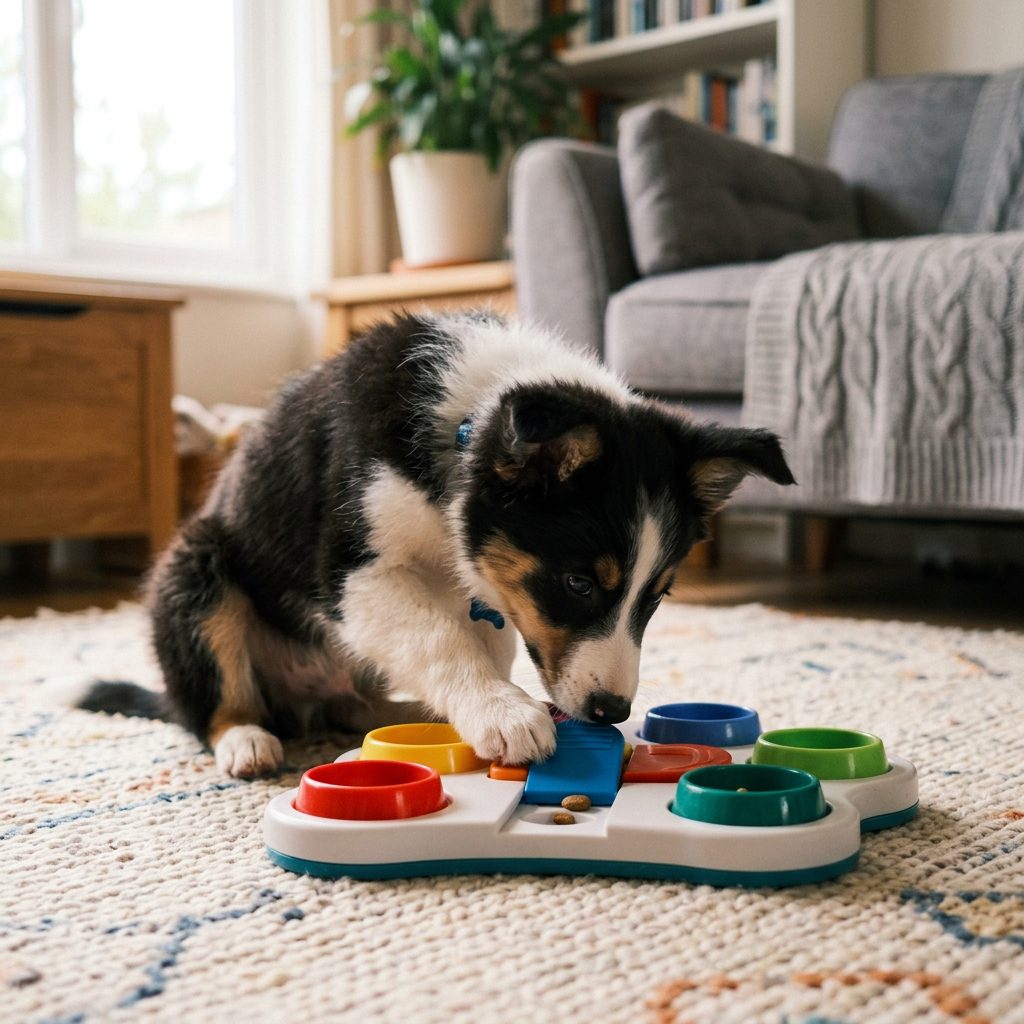
A Tired Puppy is a Well-Behaved Puppy
Many yard-related behavioral issues stem from sheer boredom. If a puppy has excess physical energy and no mental puzzles to solve, the backyard becomes their gym and their laboratory. To stop the destruction, you must drain their ‘energy tank’ before they even step outside.
The Daily Activity Minimums
Depending on the breed, your puppy likely needs more than just a casual stroll around the block. Consider the following table for ideas on how to diversify their day:
| Activity Type | Examples | Benefit |
|---|---|---|
| Physical Exercise | Fetch, Flirt Pole, Long Walks | Burns off high-intensity physical energy. |
| Mental Enrichment | Snuffle Mats, Puzzle Feeders | Tires the brain; 15 mins of sniffing = 1 hour of walking. |
| Social Interaction | Puppy Playdates, Training Classes | Builds confidence and social manners. |
| Impulse Control Training | ‘Stay’, ‘Leave It’, ‘Wait’ | Teaches the puppy to think before acting. |
Try implementing a ‘Work for Food’ policy. Instead of feeding your puppy from a bowl, use a slow feeder or hide kibble around the house. This engages their foraging instincts, which are closely linked to digging behaviors. If their brain is tired from ‘hunting’ for breakfast, they are much less likely to spend the afternoon hunting for roots in your lawn.
Fix 3: Use Safe and Natural Deterrents
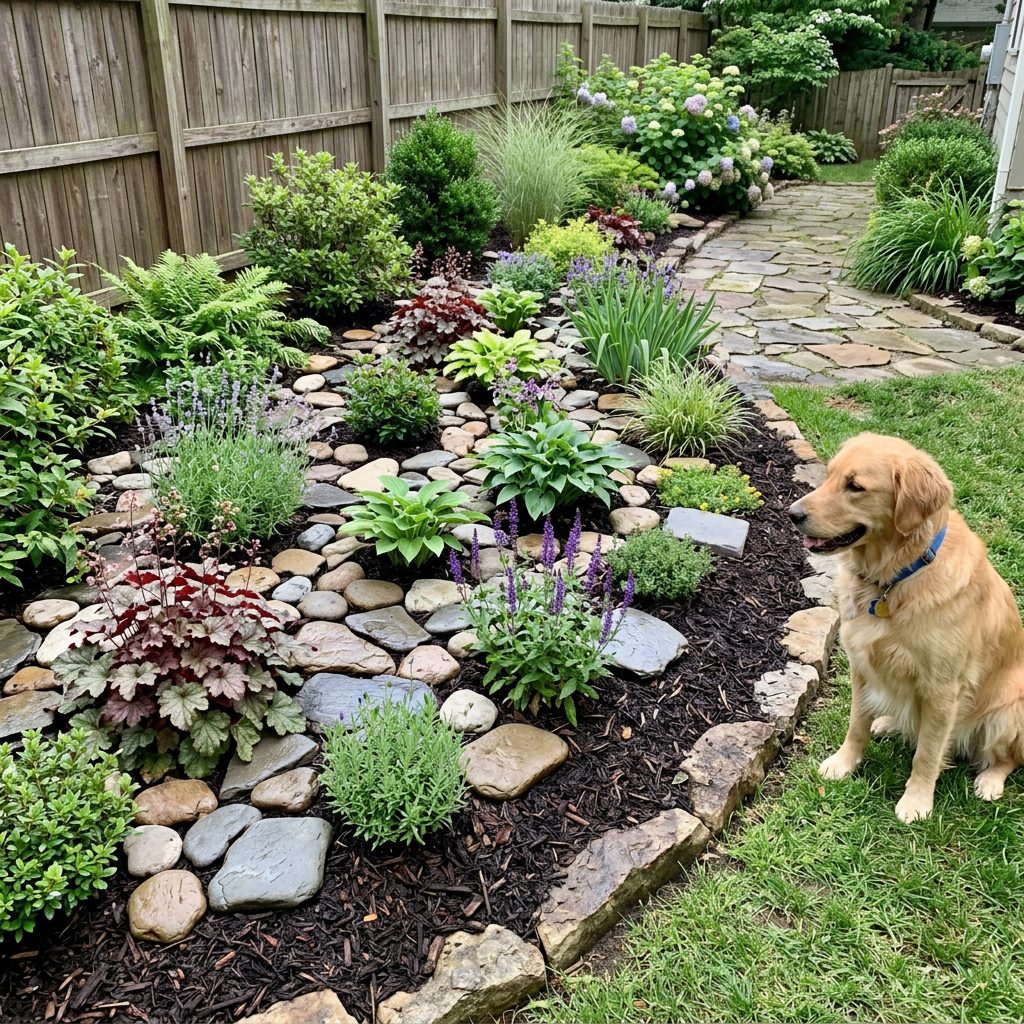
Making the Digging Spots Unpleasant
If your puppy has a favorite ‘hot spot’ they keep returning to, you need to change the environment to make that spot less appealing. However, safety is paramount. Never use chemicals or substances that could harm your puppy’s sensitive nose or paws.
The ‘Booby Trap’ Method (The Humane Way)
One of the fastest ways to stop a repeat offender is to make the ground itself uninviting. Here are three safe methods:
- The Buried Poop Trick: It sounds gross, but burying a small amount of the puppy’s own stool in the hole they are digging is a powerful deterrent. Dogs generally don’t like to dig where they have ‘gone to the bathroom.’
- Citrus Peels and Coffee Grounds: Many dogs find the scent of orange or lemon peels and used coffee grounds offensive. Scattering these in flower beds can keep curious noses away.
- Flat Rocks or Chicken Wire: For persistent diggers, place flat decorative stones over the area or bury a layer of chicken wire just under the surface of the soil. The sensation of the wire or stone against their claws is usually enough to make them stop.
Note: If using chicken wire, ensure the edges are turned down and safely buried so they don’t catch on the puppy’s pads.
Fix 4: Manage the Environment and Temperature
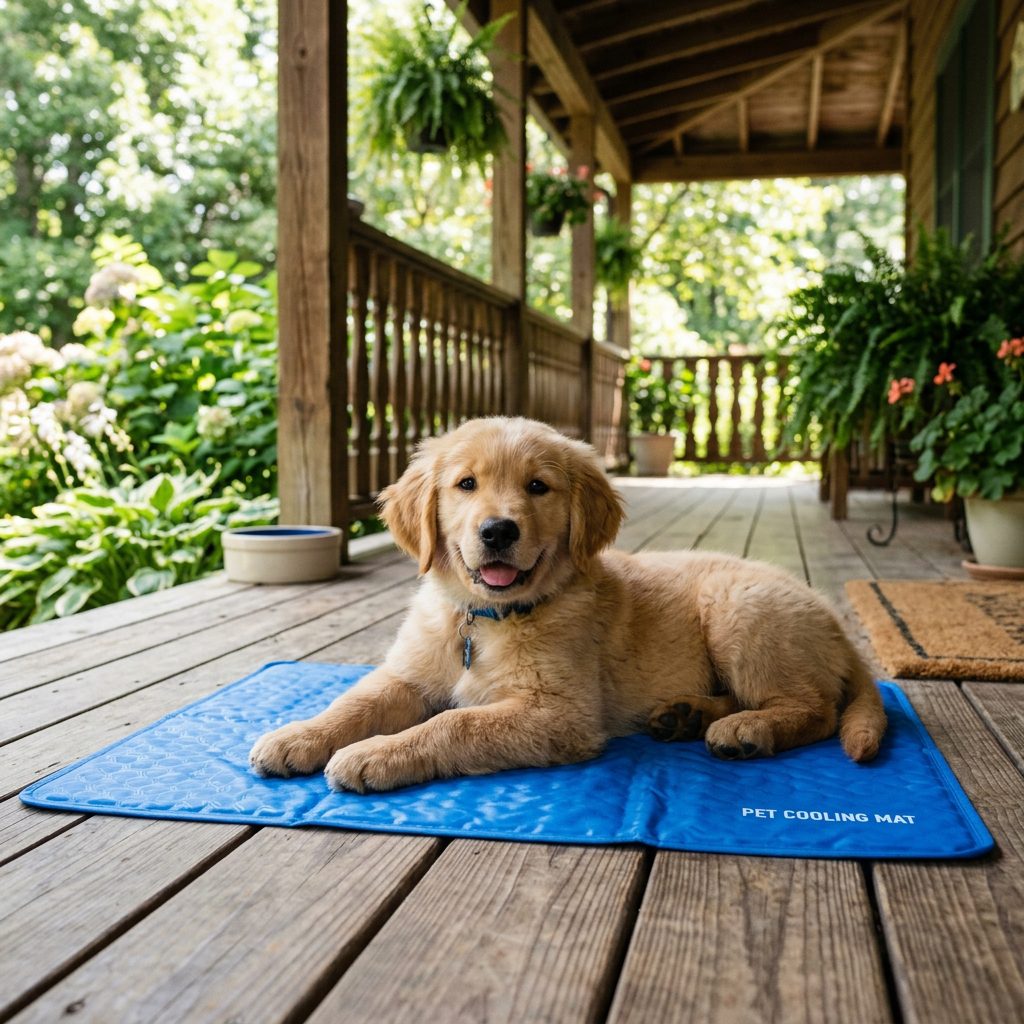
Is Your Puppy Just Hot?
During the summer months, digging is often a survival tactic. Soil retains coolness, and by digging a few inches down, a puppy can create a chilled ‘nest’ to lie in. If you notice your puppy digging and then immediately lying in the hole, temperature is the culprit.
Solutions for the Heat-Seeker
If heat is the issue, no amount of training will work until the puppy is comfortable. Try these adjustments:
- Provide a Cooling Mat: Pressure-activated cooling mats stay significantly cooler than the ambient temperature and give the puppy a comfortable place to lounge.
- Fresh Water Stations: Ensure there are multiple bowls of fresh, cool water available at all times.
- Elevated Dog Beds: These allow for airflow underneath the dog, keeping them much cooler than lying on the grass.
- A Kiddie Pool: Some puppies love to splash. A shallow pool with an inch or two of water can be a great alternative to digging for cool dirt.
By addressing the physical discomfort, you remove the motivation for the digging behavior entirely.
Fix 5: Supervision and the ‘Interrupt and Redirect’ Technique
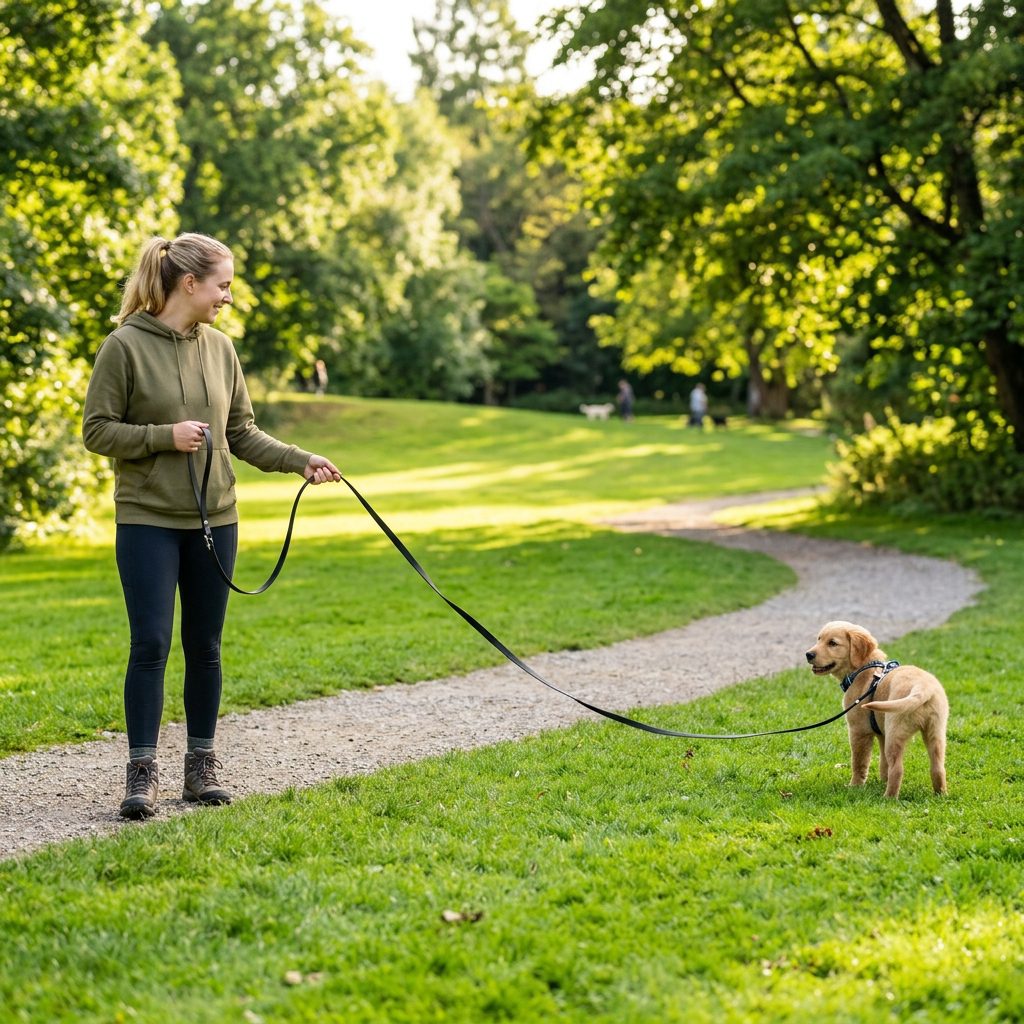
The Golden Rule of Puppy Training
You cannot train a puppy not to dig if you aren’t there to see it happen. Leaving a puppy unattended in a yard for hours is a recipe for landscaping disaster. Direct supervision is the fastest fix of all.
How to Redirect Effectively
When you are outside with your puppy, keep a ‘long line’ (a 15-20 foot leash) attached to their collar. This gives them freedom to explore but gives you control.
- Watch for the Telltale Signs: Before a dog digs, they usually sniff intensely and start ‘pawing’ at a specific spot.
- Interrupt: Use a neutral sound like ‘Oops!’ or a whistle to get their attention the moment they start to paw.
- Redirect: Immediately invite them to play with a ball, go to their sandbox, or perform a command like ‘Sit’ for a treat.
- Reward: Heavily reward the alternative behavior.
“Training isn’t about telling your dog ‘No’; it’s about showing them what ‘Yes’ looks like.” — Canine Behavioral Specialist Tip
If you cannot supervise your puppy, they should be in a puppy-proofed indoor area or a secure run where they cannot access your prized garden beds. Consistency is key; if they get away with digging five times and you only catch them once, the behavior will persist because it is ‘self-rewarding.’
Conclusion
Stopping a puppy from destroying your yard doesn’t require harsh punishment or expensive fencing. It requires a blend of understanding, redirection, and environmental management. By identifying why your puppy is digging—whether it’s for fun, for coolness, or out of boredom—you can apply the right ‘fast fix’ to solve the problem at its source.
Remember, your puppy isn’t trying to be ‘bad’ or spiteful. They are simply navigating the world with the tools they were born with. By providing a designated digging spot, ensuring they are mentally and physically tired, and managing their environment during the hot months, you can enjoy both a beautiful yard and a happy, well-adjusted puppy.
Be patient, stay consistent, and don’t forget to celebrate the small wins. Before you know it, those holes in the lawn will be a thing of the past, replaced by a puppy who knows exactly how to have fun without the excavation! Happy training!