Tired of a Flooded Kitchen? 5 Ways to Stop Water Bowl Digging
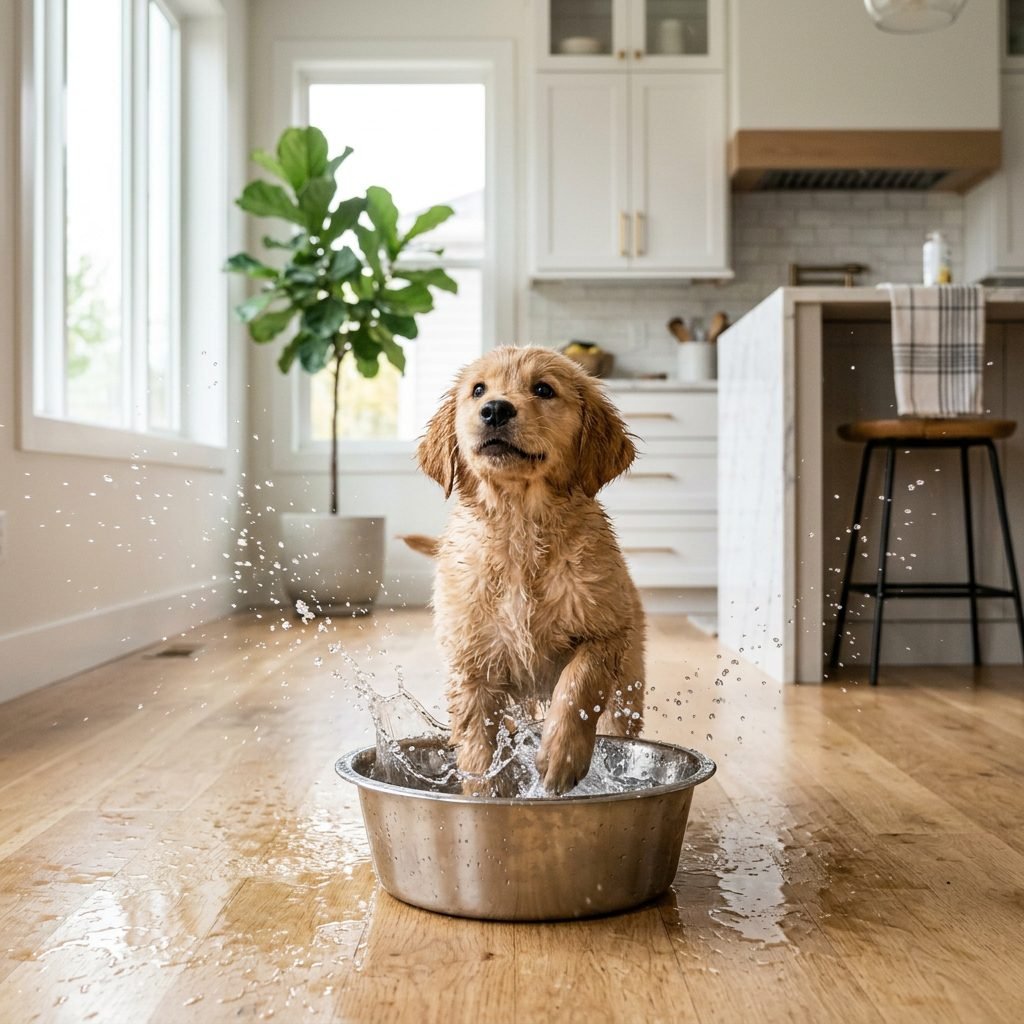
You hear it from the other room—the rhythmic splosh-splosh-splosh of water hitting your hardwood floors. You walk into the kitchen only to find your furry friend looking up at you with soaking wet paws, a wagging tail, and a mini-lake surrounding their bowl. If you are tired of a flooded kitchen, you are certainly not alone. Water bowl digging is a common, albeit frustrating, behavior that many savvy dog owners face.
While it might look like your dog is just trying to be difficult, there is actually a fascinating mix of instinct, curiosity, and physical need behind this behavior. To stop the splashing, we have to understand the ‘why’ before we can implement the ‘how.’ In this comprehensive guide, we will dive deep into the canine psyche and provide you with five actionable, expert-approved ways to reclaim your dry kitchen floors.
The Psychology of the Splash: Why Do Dogs Dig in Water?
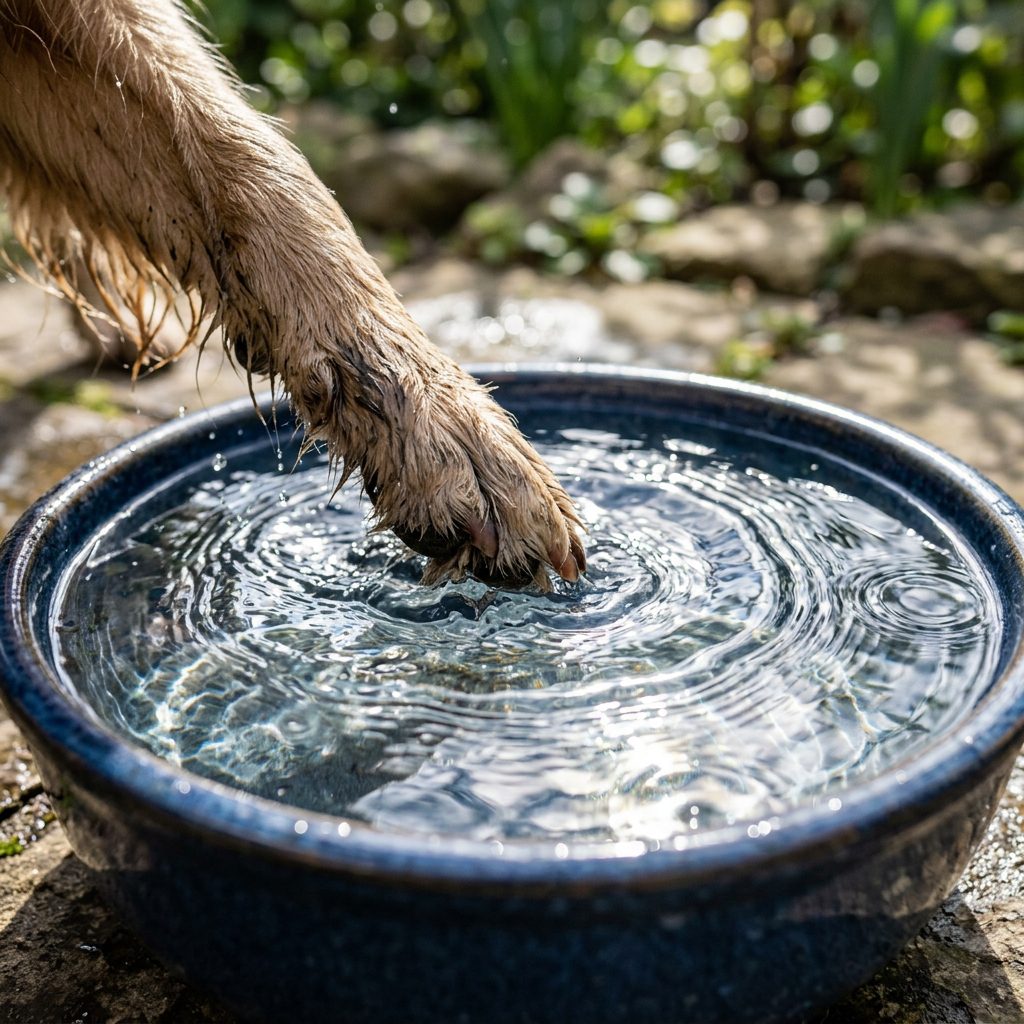
Before we jump into the solutions, let’s talk about why your dog thinks their water bowl is a swimming pool. Understanding the root cause is the first step for any savvy dog owner looking to modify behavior.
1. Instinctual Drives
In the wild, canine ancestors often dealt with stagnant water sources. Digging at the surface of a pond or stream helped clear away debris, algae, or insects, reaching the cooler, cleaner water beneath. Even though your kitchen bowl is filled with filtered water, that ancient hardwiring can still trigger a digging response.
2. Temperature Regulation
Dogs don’t sweat like humans; they primarily cool down through panting and their paw pads. If a dog is feeling overheated, they may instinctively try to submerge their paws in the coolest thing they can find—which happens to be their water bowl.
3. Visual Stimulation and Reflections
Many dogs are fascinated by the way light reflects off the water’s surface or the bottom of a shiny stainless steel bowl. When they see a ‘sparkle’ or their own reflection, they may try to ‘catch’ it, leading to a digging motion that results in a flood.
4. Boredom and Play
Let’s be honest: splashing is fun! For a high-energy dog or a puppy with a lack of mental stimulation, the water bowl becomes an interactive toy. The immediate feedback of the splash is highly reinforcing, making the behavior likely to repeat.
Method 1: Upgrade Your Hardware (The Right Tools)
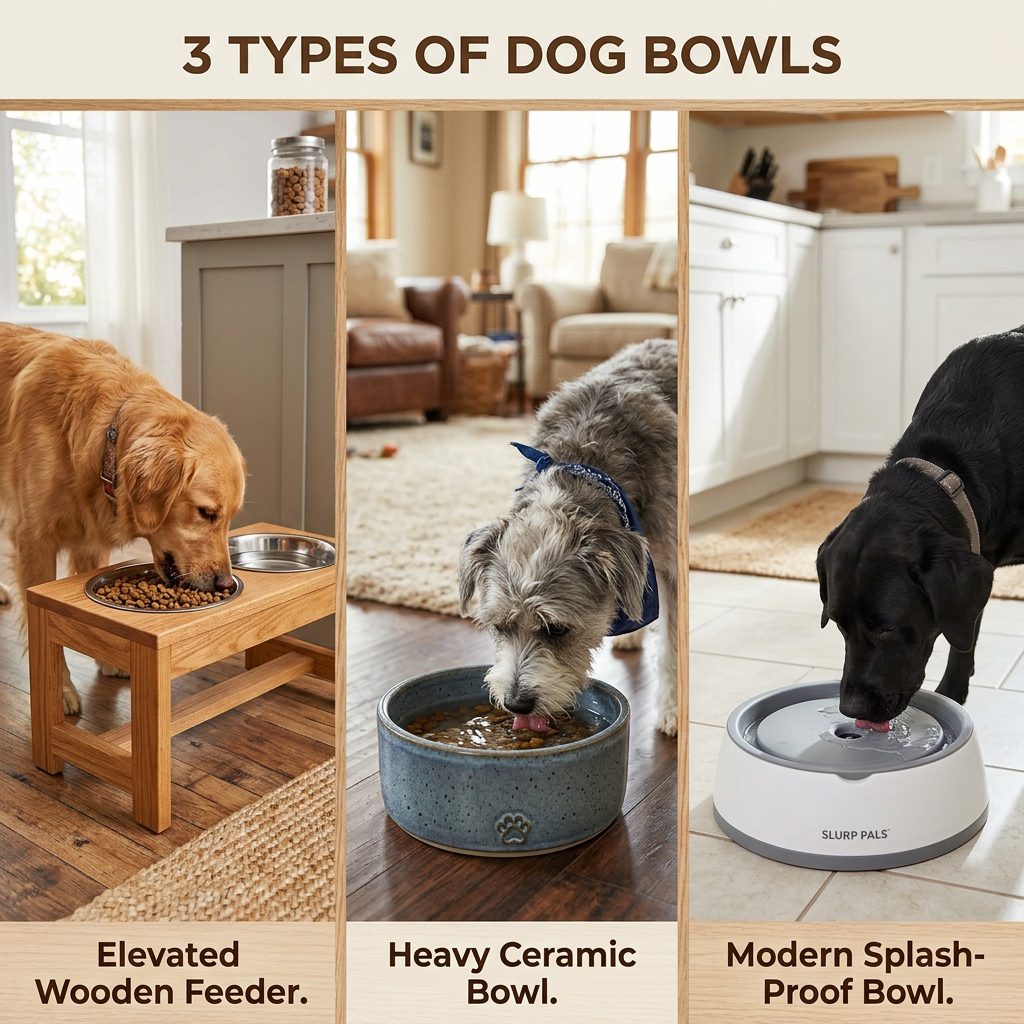
Sometimes, the easiest way to stop a behavior is to change the environment. Not all water bowls are created equal, and some are practically invitations for a mess. Choosing the right equipment can significantly reduce the ‘dig-ability’ of the water station.
Consider the following hardware upgrades to minimize the mess:
| Bowl Type | Pros | Cons |
|---|---|---|
| Splash-Proof / No-Spill | Features a floating disk that only allows a small amount of water through at a time. | Requires regular cleaning of the internal floating mechanism. |
| Elevated Feeders | Changes the angle of approach; makes it harder for dogs to get their paws inside. | May not be suitable for dogs prone to bloat (consult your vet). |
| Heavy Ceramic/Stone | Difficult to tip over or move across the floor. | Can chip or break if handled roughly; heavy to clean. |
| Anti-Slip Weighted Bowls | Prevents the dog from ‘chasing’ the bowl while digging. | Doesn’t stop the paws from entering the water, only stops the sliding. |
Expert Tip: If your dog is obsessed with reflections, try switching from a shiny stainless steel bowl to a matte-finished ceramic or BPA-free plastic bowl to eliminate the ‘moving’ lights that trigger their prey drive.
Method 2: The ‘Leave It’ Training Protocol
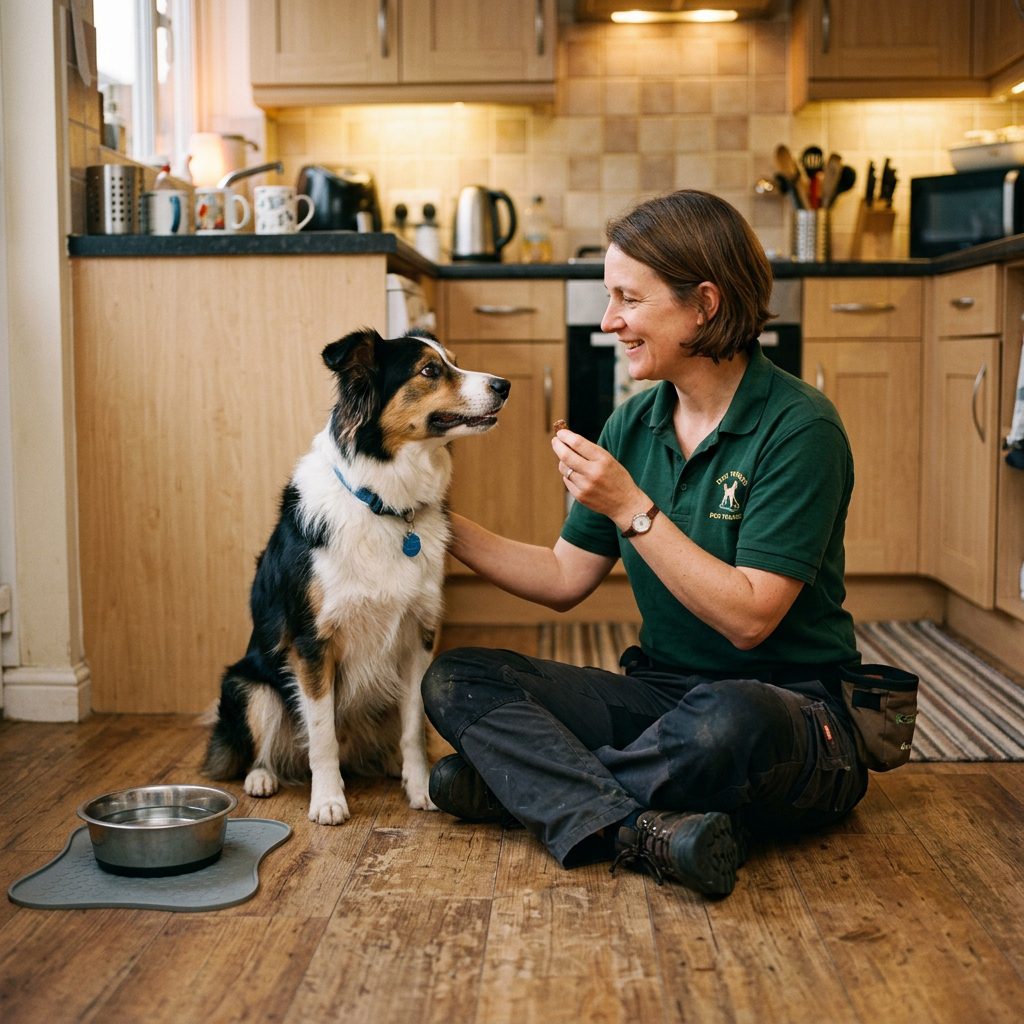
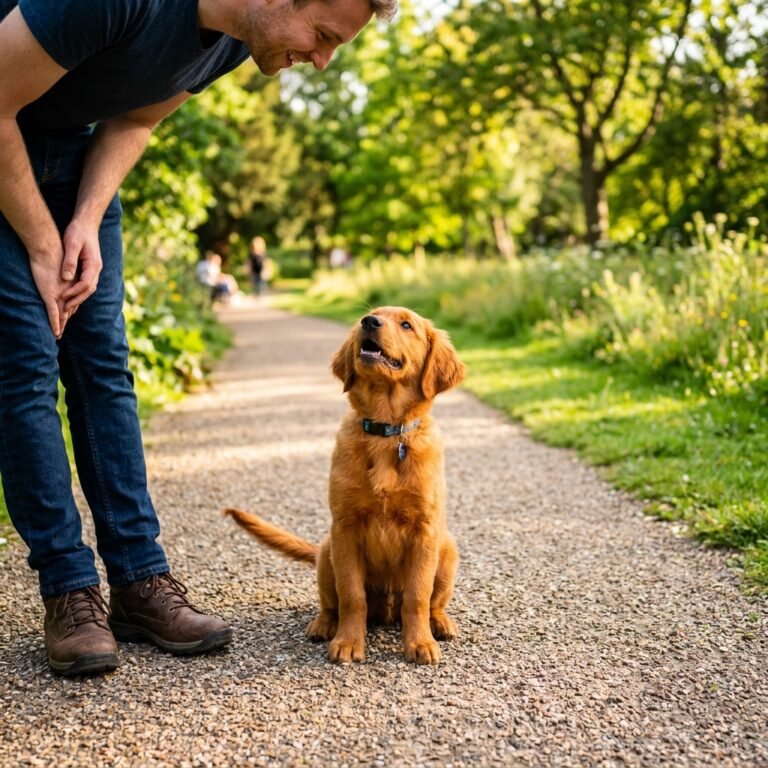
Training is the most sustainable way to stop water bowl digging. By teaching your dog a solid ‘Leave It’ command, you can interrupt the behavior before the first splash happens. This requires patience and consistency, but the results are well worth the effort.
Step-by-Step Training Guide:
- Catch the Pre-Dig: Watch for the signs. Most dogs will stare intently at the water or start ‘testing’ the surface with a nose before the paws go in.
- The Command: The moment you see the intent, say a firm but calm ‘Leave It.’
- The Reward: If they look away from the bowl and toward you, immediately reward them with a high-value treat and verbal praise.
- Redirection: After the reward, give them something else to do—like a ‘Sit’ or ‘Down’—to move their focus entirely away from the water.
Consistency is key. If you allow them to dig ‘just once’ while you’re busy, you are reinforcing the behavior through intermittent reinforcement, which actually makes the habit harder to break.
Method 3: Managing Energy and Boredom
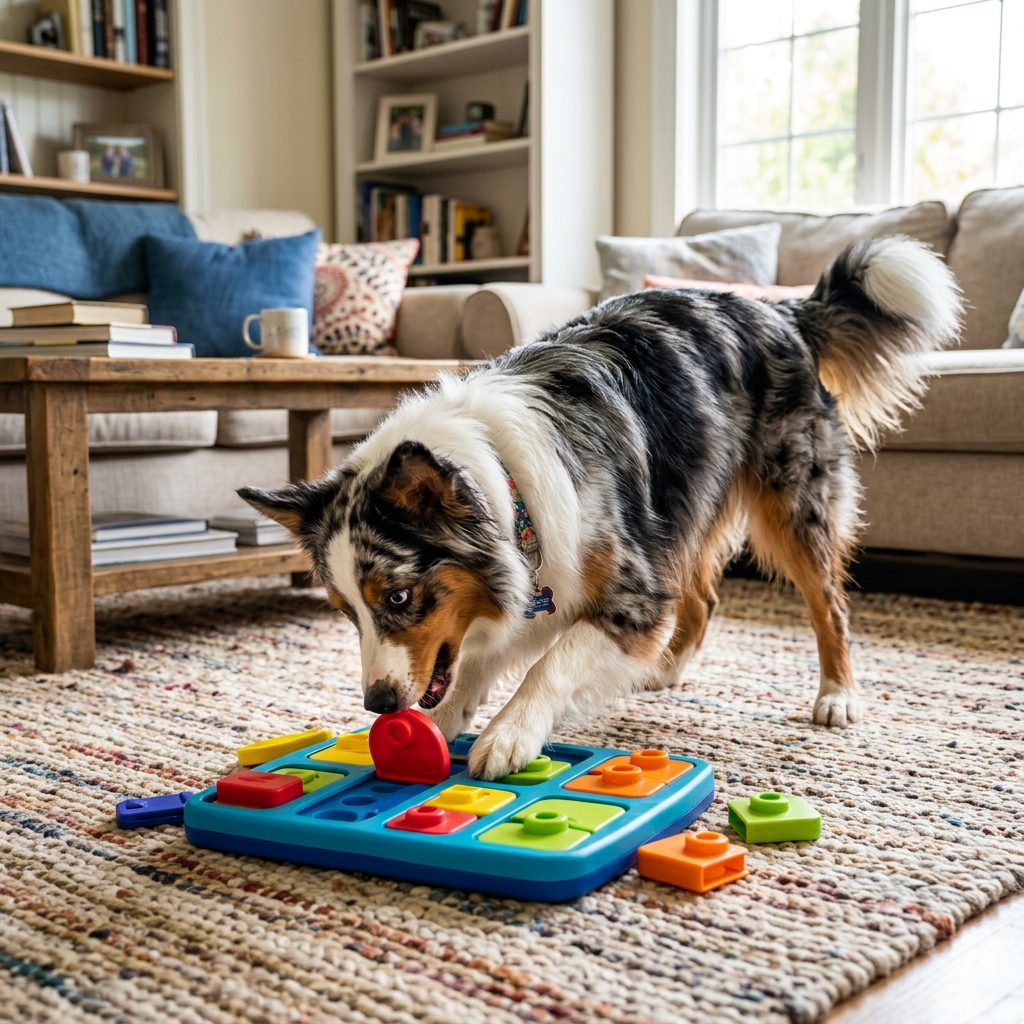
If your dog is digging because they are bored, the water bowl isn’t the problem—the lack of stimulation is. A tired dog is a dry dog. Increasing physical and mental exercise can eliminate the need for your dog to find ‘hobbies’ in their water dish.
Ways to Increase Stimulation:
- Interactive Puzzles: Use snuffle mats or treat-dispensing toys to burn mental energy.
- Structured Play: Engage in 15 minutes of active fetch or tug-of-war before you expect them to settle in the kitchen.
- Provide a Legal Outlet: If your dog loves water, give them a designated ‘kiddie pool’ outside where digging is encouraged. This teaches them that water play happens outside, not in the kitchen.
By providing a high-energy outlet, the water bowl returns to being a source of hydration rather than a source of entertainment.
Method 4: Temperature Control and Comfort
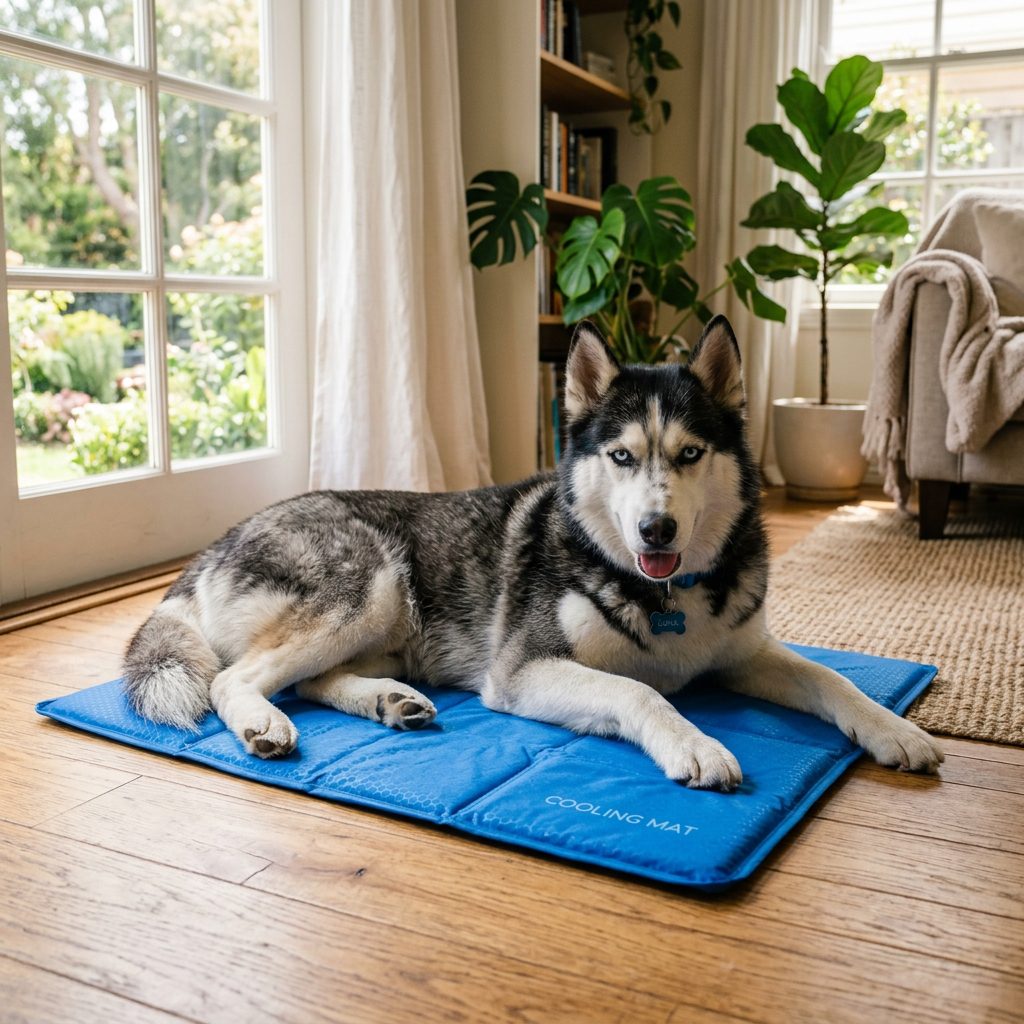
If your dog is digging to cool down, you need to address their core temperature. This is especially common in double-coated breeds like Huskies or Golden Retrievers during the summer months.
Checklist for a Cool Canine:
- Cooling Mats: Provide a pressure-activated cooling mat near their water station so they have a better way to lower their body temperature.
- Ice Cubes: Drop a few ice cubes in the water. While this might initially cause some curiosity, it keeps the water cold enough that the dog feels refreshed just by drinking.
- Grooming: Ensure your dog is properly brushed out. Trapped undercoat acts like a parka, making them desperate for any cold relief they can find.
If the digging stops when the AC is turned up, you’ve found your culprit!
Method 5: Troubleshooting and Common Mistakes
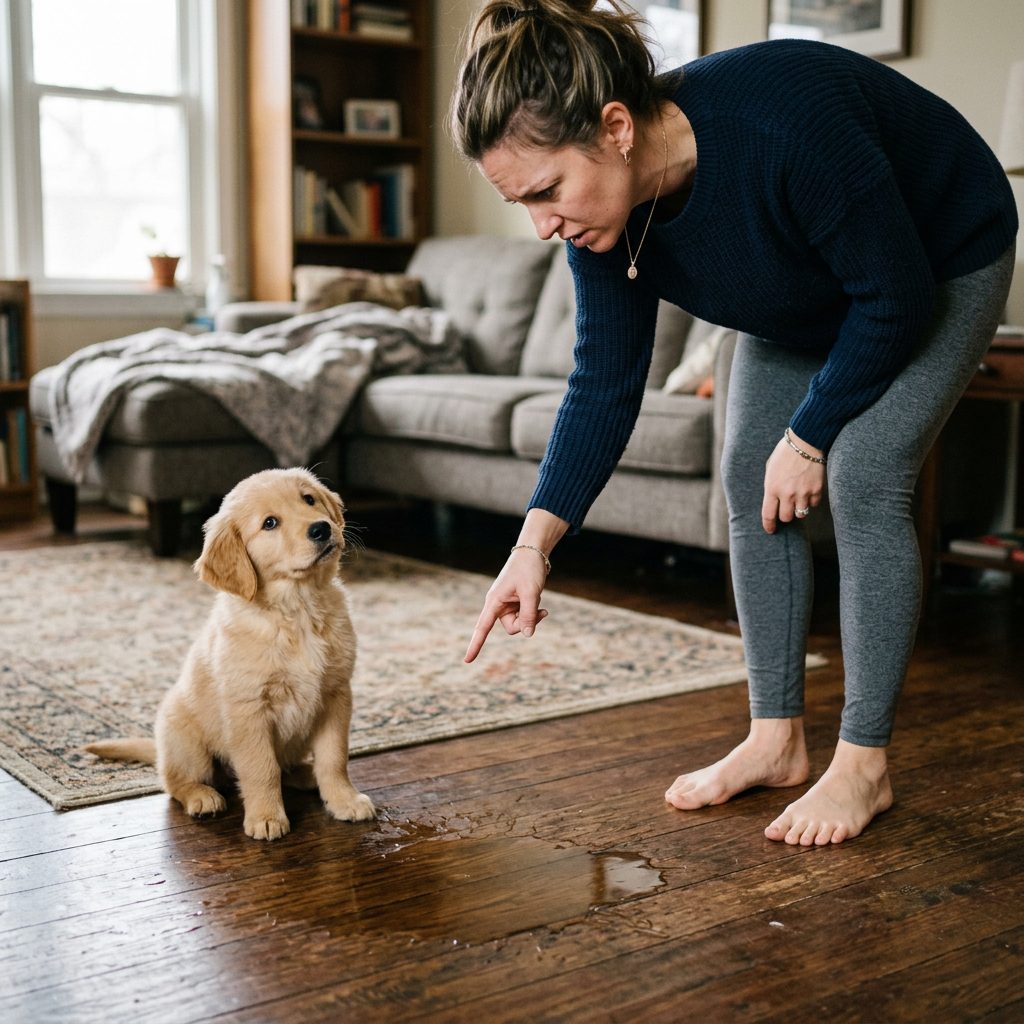
Even with the best intentions, owners often make mistakes that accidentally encourage the behavior. Let’s look at what to avoid and how to handle setbacks.
Common Pitfalls:
- Yelling: For many dogs, even negative attention is still attention. If you scream every time they splash, they might keep doing it just to get a reaction out of you.
- Emptying the Bowl: Taking the water away completely is dangerous and can lead to dehydration. Instead, use a ‘limited flow’ bowl.
- Inconsistency: If one family member laughs at the splashing while another gets angry, the dog will be confused and the behavior will persist.
| The Mistake | The Result | The Fix |
|---|---|---|
| Chasing the dog away | Turns it into a game | Use a ‘Time Out’ or ‘Place’ command |
| Using a huge bowl for a small dog | Too much ‘play’ space | Downsize to a appropriately sized bowl |
| Refilling with a hose in front of them | Triggers excitement | Fill the bowl away from the dog’s view |
Conclusion
Stopping a water bowl digger requires a blend of the right equipment, consistent training, and an understanding of your dog’s physical needs. By identifying whether your dog is bored, hot, or simply following an ancient instinct, you can tailor your approach for the best results. Remember, the goal isn’t just a dry kitchen floor—it’s a well-adjusted, happy dog who knows exactly where and when it’s appropriate to play. Start with a hardware upgrade, commit to the ‘Leave It’ command, and soon, the only thing you’ll be hearing in the kitchen is the sound of a satisfied pup taking a quiet drink. Happy training!