Is Your Puppy A Sock Thief? Here’s The Real Reason Why (And How To Stop It For Good!)
The Mystery of the Missing Footwear
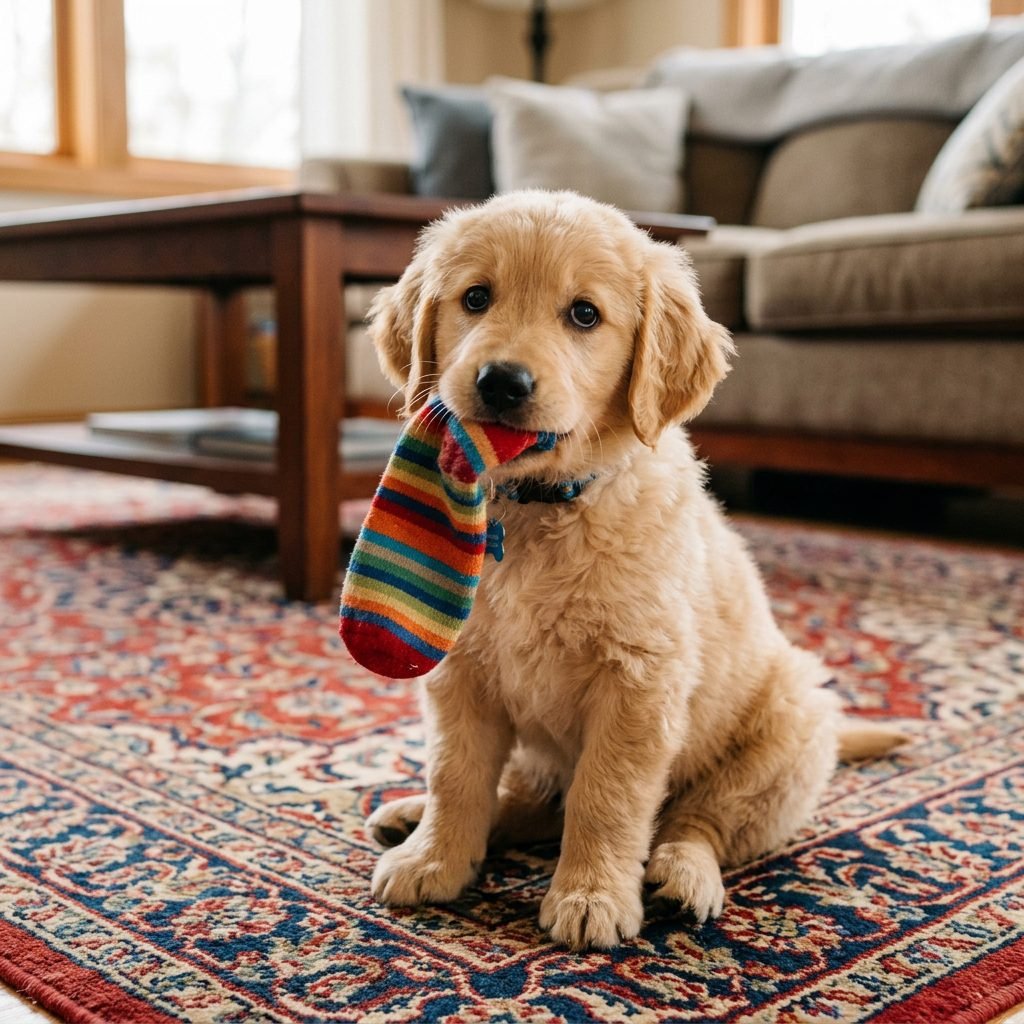
We have all been there. You are rushing to get ready for work, you open your drawer, and you realize your favorite pair of athletic socks has been reduced to a single, lonely survivor. Meanwhile, in the living room, your puppy is performing a victory lap with a piece of cotton hanging from their mouth. While it might look adorable at first, sock stealing is more than just a quirky habit. It is a behavior rooted in canine psychology, sensory exploration, and sometimes, a clever plot to get your undivided attention. As a canine specialist, I have seen countless owners frustrated by this ‘laundry larceny.’ But don’t worry—your puppy isn’t trying to annoy you. They are simply following their instincts. In this comprehensive guide, we are going to dive deep into the why behind the theft and, more importantly, provide you with a proven roadmap to stop the behavior before it leads to expensive vet bills or a very empty sock drawer.
The Psychology of the Sock: Why Your Puppy Loves Your Laundry
To stop the behavior, we first have to understand the motivation. Puppies don’t see socks as clothing; they see them as multifaceted tools for engagement. Here are the primary reasons your pup is targeting your hosiery:
1. The Power of Scent
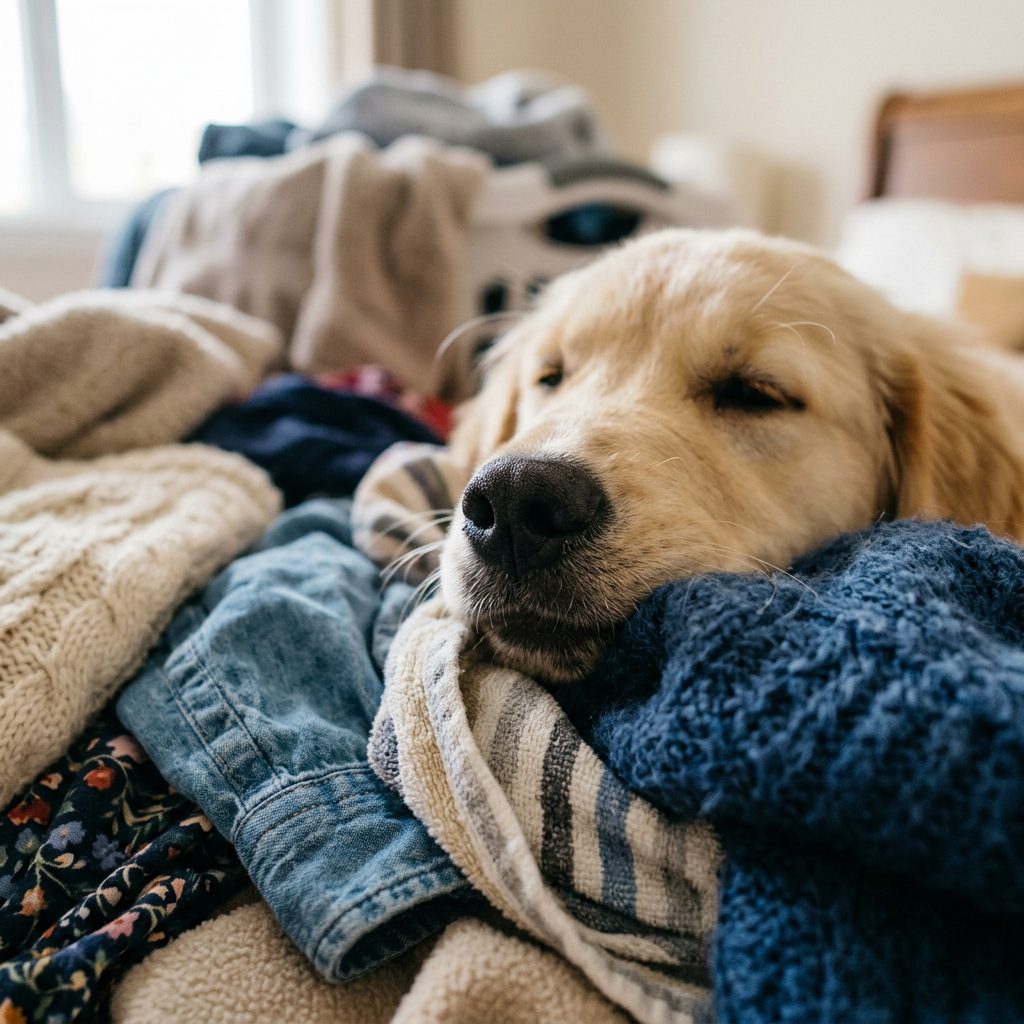
Your feet contain a high concentration of apocrine sweat glands. To a puppy, your scent is the most comforting and interesting smell in the world. A used sock is essentially a concentrated ‘essence of you.’ By carrying it around, your puppy feels closer to their favorite human, providing a sense of security and companionship.
2. The Perfect Texture
During the teething phase, puppies crave different textures to soothe their aching gums. Socks are soft, stretchy, and provide just the right amount of resistance when chewed. Unlike hard plastic toys, socks feel ‘organic’ and mimic the sensation of prey or littermates.
3. The Attention Loop
This is the most common reason for persistent stealing. If your puppy picks up a sock and you immediately gasp, stand up, and start a game of ‘catch me if you can,’ you have just rewarded the behavior. To a bored puppy, a 10-minute chase around the kitchen island is the highlight of their day. You aren’t punishing them; you are playing with them!
| Reason | Puppy’s Perspective | Owner’s Perception |
|---|---|---|
| Scent Attachment | ‘This smells like my best friend!’ | ‘That’s gross!’ |
| Boredom | ‘If I take this, they will finally play with me.’ | ‘They are being naughty.’ |
| Teething | ‘This soft fabric feels great on my gums.’ | ‘They are destroying my clothes.’ |
The Hidden Dangers: When Thievery Becomes a Medical Emergency
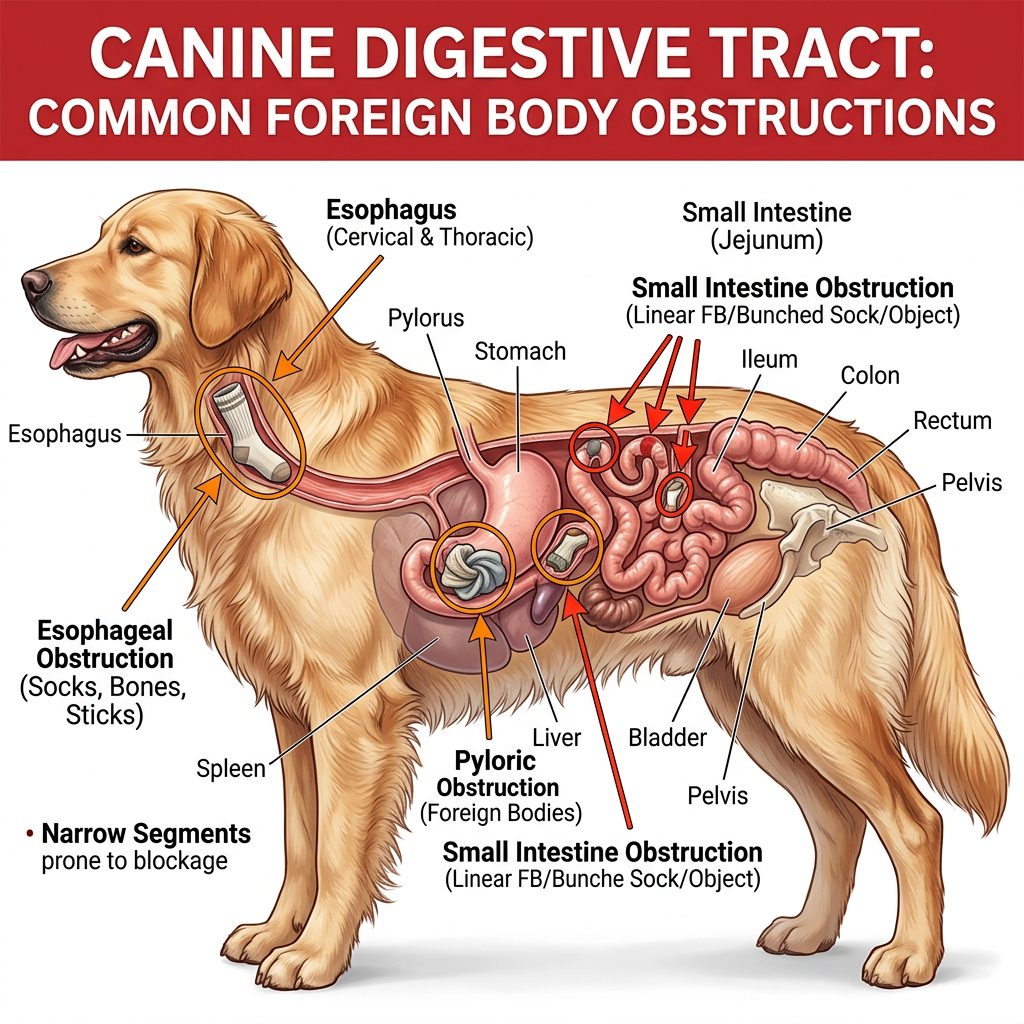
While a hole in your sock is an inconvenience, the real danger lies in ingestion. Puppies are notorious for ‘gulping’ items they think will be taken away. This can lead to a life-threatening condition known as a gastrointestinal obstruction.
Understanding Linear Foreign Bodies
Socks do not digest. If swallowed, they can become lodged in the stomach or the narrow passages of the small intestine. In some cases, the fabric can bunch up, causing the intestines to telescope into themselves (intussusception) or causing a complete blockage that prevents food and water from passing.
Expert Tip: If you suspect your puppy has swallowed a sock, do not wait for symptoms to appear. Contact your veterinarian immediately. Early intervention, such as induced vomiting, is much safer and cheaper than emergency surgery.
Red Flags to Watch For
If your puppy is a known thief, monitor them closely for these clinical signs of a blockage:
- Repeated vomiting or retching.
- Loss of appetite (refusing even high-value treats).
- Lethargy or unusual tiredness.
- Abdominal pain (whining when touched or standing in a ‘prayer’ position).
- Straining to defecate or diarrhea.
The Step-by-Step Guide to Ending Sock Theft
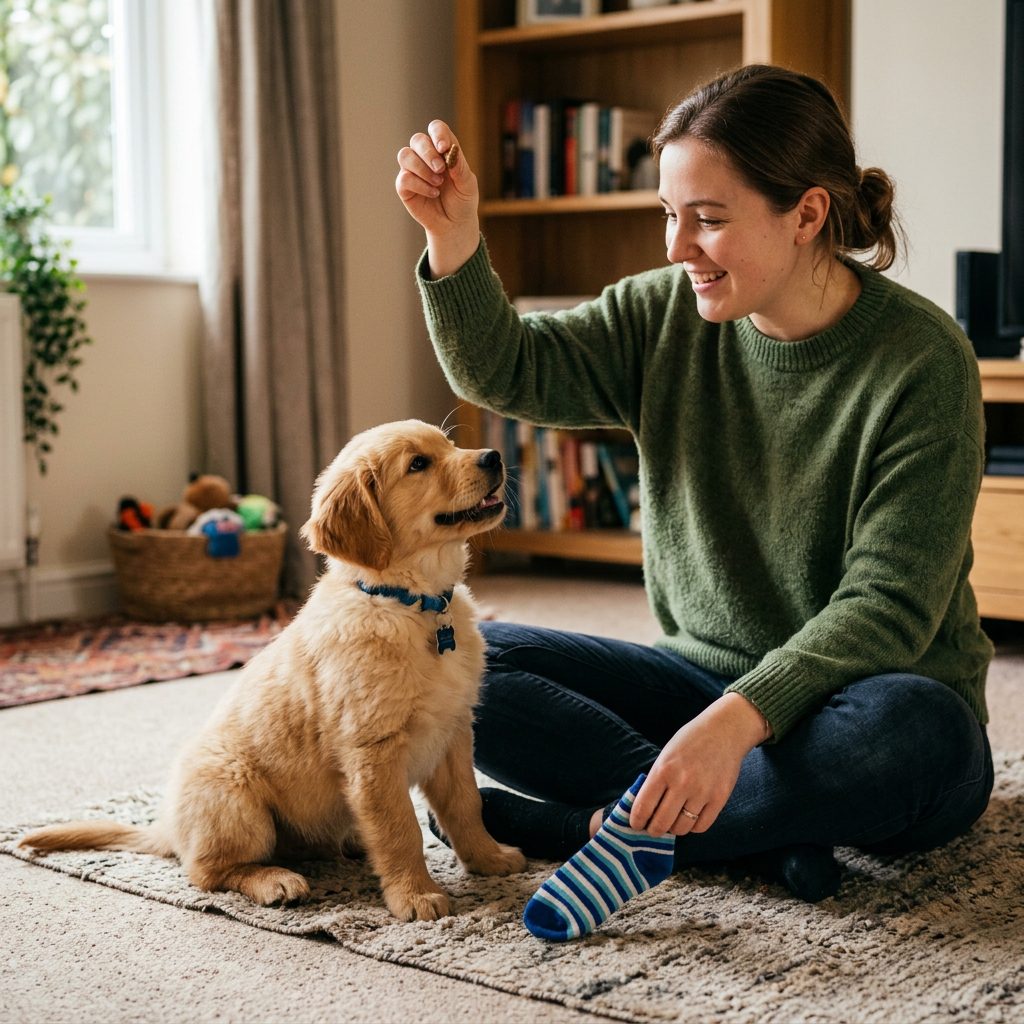
To stop the stealing, we need a two-pronged approach: Management and Training. We want to make the ‘wrong’ thing difficult and the ‘right’ thing incredibly rewarding.
Step 1: The ‘Trade Up’ Game
Never chase your puppy! Instead, teach them that giving up a sock results in something better. When they have a sock, grab a piece of boiled chicken or a favorite squeaky toy. Show it to them. When they drop the sock to take the treat, say ‘Thank you!’ and pick up the sock calmly. You are teaching them that cooperating with you is a win-win scenario.
Step 2: Master the ‘Leave It’ Command
Prevention is better than a cure. Teaching ‘Leave It’ tells your dog to ignore an item before they even pick it up.
- Place a low-value item (like a sock) on the floor.
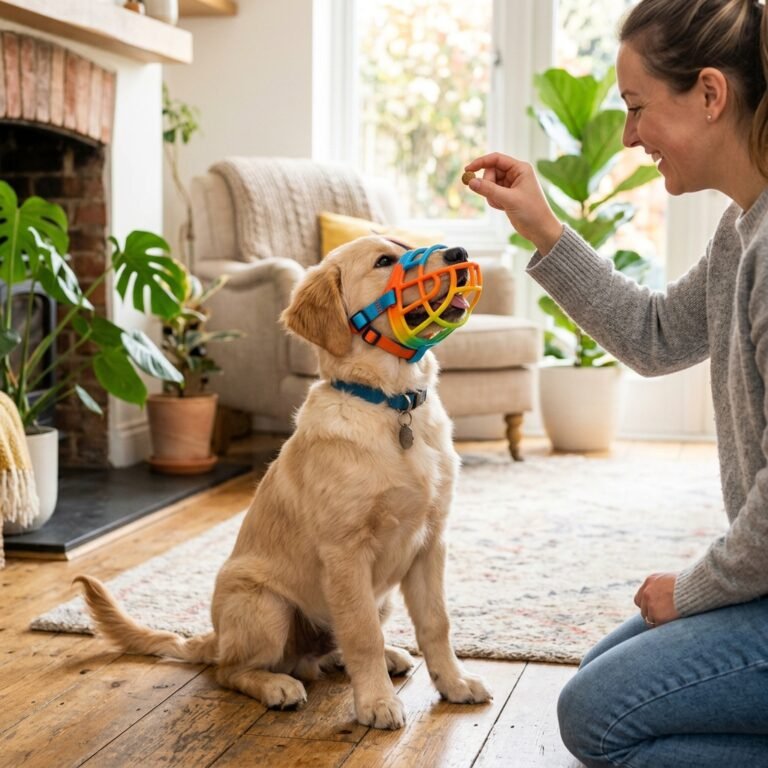
- Cover it with your hand. When the puppy stops sniffing/pawing at your hand, say ‘Yes!’ and reward them with a high-value treat from your other hand.
- Repeat until they back away when they see the sock.
- Gradually move your hand away, eventually standing up, while still rewarding the choice to ignore the sock.
Step 3: The ‘Drop It’ Protocol
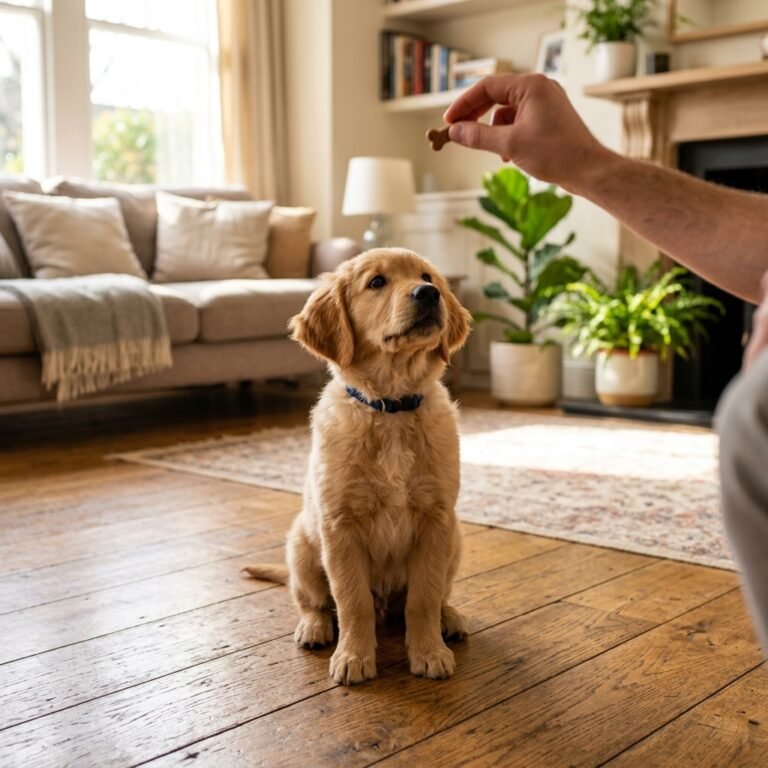
This is for when the sock is already in their mouth. Start training this with their own toys first. Offer a treat, and the moment they open their mouth to take it, say ‘Drop it.’ Practice this 5-10 times a day until it becomes a muscle memory response.
Environmental Management: Setting Your Puppy Up for Success
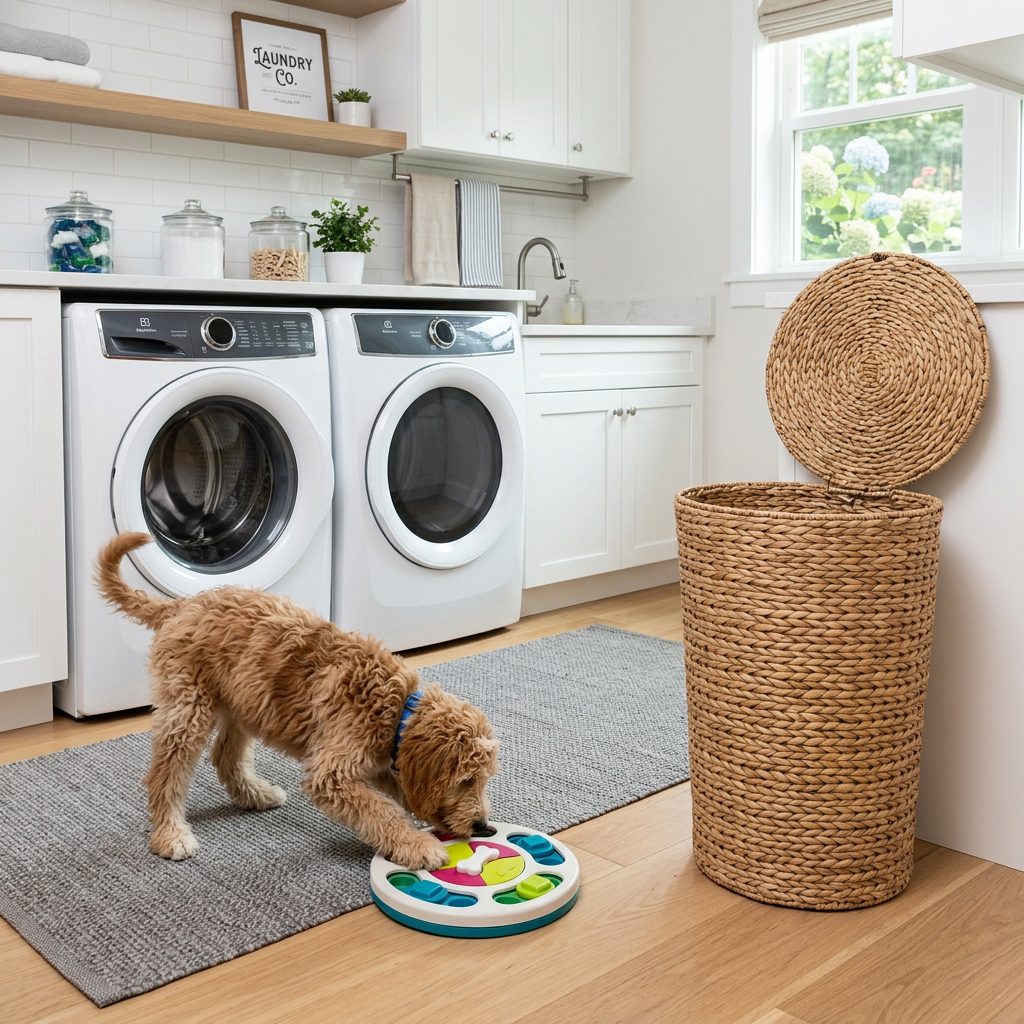
Training takes time, but management is instant. If your puppy can’t reach the socks, they can’t practice the ‘bad’ behavior. Every time your puppy successfully steals and plays with a sock, the habit becomes more ingrained.
1. Secure Your Laundry
Invest in a tall, lidded laundry hamper. Open baskets are an invitation for a puppy to go ‘shopping.’ Keep closet doors closed and ensure that clean laundry isn’t left in baskets at puppy-eye level.
2. Increase Mental Stimulation
Often, a sock thief is simply a bored puppy. If their brain is tired, they won’t feel the need to create their own fun. Use food puzzles, snuffle mats, and long-lasting chews like bully sticks to keep their mouth and mind occupied.
3. The ‘Toy Rotation’ Strategy
Puppies get bored with the same toys. Keep only 3-4 toys out at a time and rotate them every few days. This makes ‘old’ toys feel new and exciting, reducing the appeal of your footwear.
| Management Tool | Purpose | Effectiveness |
|---|---|---|
| Lidded Hamper | Physical Barrier | High |
| Snuffle Mat | Mental Exhaustion | Medium-High |
| Baby Gates | Room Restriction | High |
| Appropriate Chews | Oral Satisfaction | Medium |
Common Mistakes to Avoid
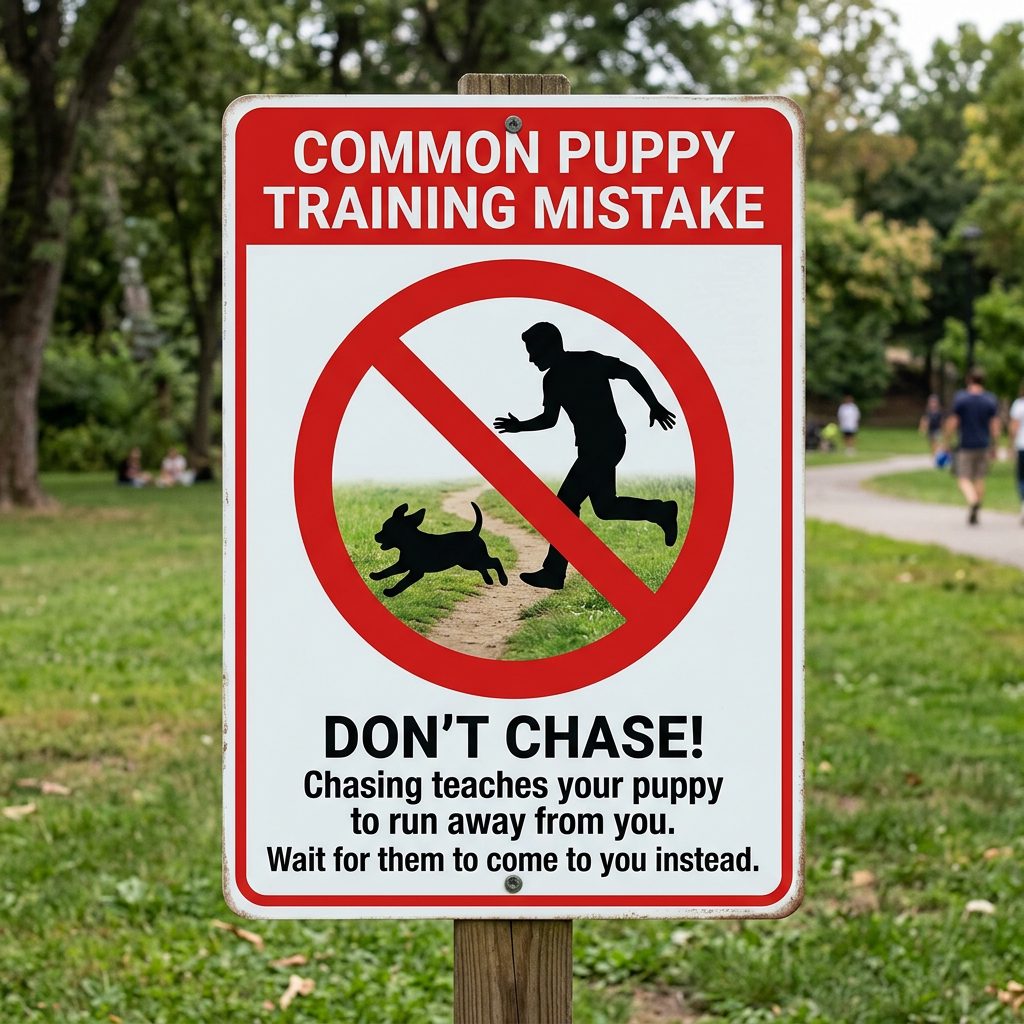
Even the best-intentioned owners can accidentally make the problem worse. Avoid these common pitfalls to speed up the training process:
- Don’t scream or yell: This can cause ‘resource guarding,’ where the puppy becomes aggressive or hides because they are afraid you will take their ‘treasure.’
- Don’t pry the jaws open: Unless it is a life-threatening emergency, forcing a puppy’s mouth open can cause an aversion to being handled and may lead to biting.
- Don’t use socks as toys: Never give your puppy an old sock to play with. They cannot distinguish between a ‘play’ sock and your expensive cashmere ones.
- Don’t turn it into a chase: If you have to get the sock back and don’t have a treat, walk away or move to another room. Often, the puppy will follow you to see what you are doing, dropping the sock in the process.
Remember, consistency is key. Ensure everyone in the household is following the same rules. If Dad lets the puppy play with socks but Mom doesn’t, the puppy will only be confused and the behavior will persist.
Conclusion
From Thief to Teacher’s Pet
Dealing with a sock thief can be exhausting, but it is a perfectly normal part of puppyhood. By understanding that your puppy is seeking scent, comfort, or attention, you can shift your perspective from frustration to education. Focus on managing the environment to prevent mistakes and training reliable cues like ‘Leave It’ and ‘Drop It’ to handle the moments when management fails. With patience, consistency, and plenty of high-value rewards, your sock drawer will soon be safe again. You aren’t just saving your laundry; you are building a foundation of trust and communication that will last a lifetime. Happy training!