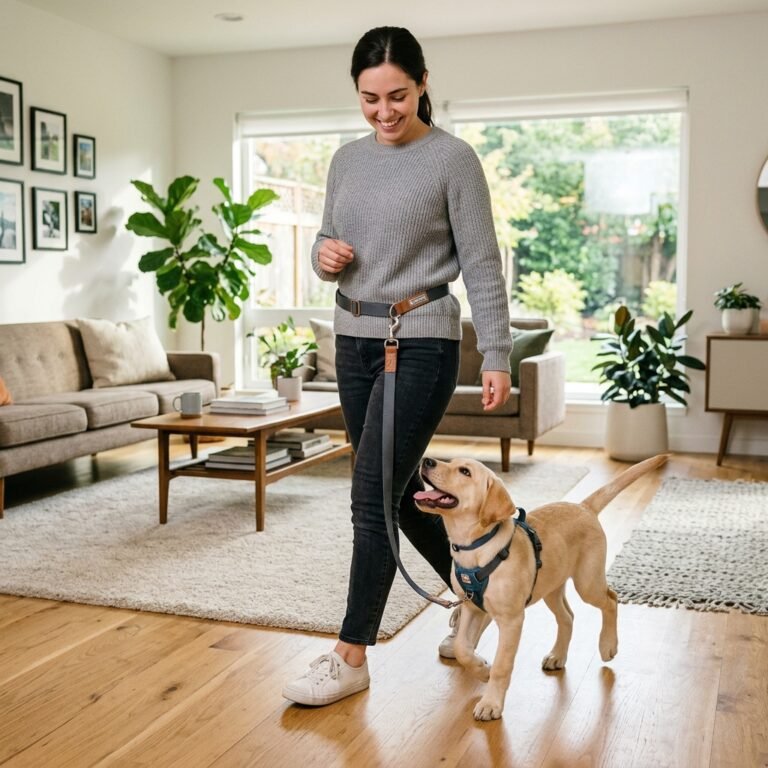
The ‘Leave It’ Command: How to Save Your Puppy’s Life with This One Rule
The Power of Two Simple Words
Imagine this: you’re walking your curious puppy on a sunny afternoon. Suddenly, they spot a discarded chicken bone or, worse, a dropped grape on the sidewalk. Before their nose even touches it, you calmly say, ‘Leave it.’ Your puppy instantly looks up at you, ignoring the hazard entirely. That moment isn’t just a display of good manners; it’s a moment that could literally save your puppy’s life. As a canine specialist, I’ve seen countless owners struggle with scavengers, but the ‘Leave It’ command is the ultimate insurance policy for your dog’s health. In this guide, we aren’t just teaching a trick; we are building a foundation of impulse control that transforms your puppy from a vacuum cleaner into a focused companion. We’ll dive deep into the psychology of why dogs want to grab everything, the step-by-step mechanics of the command, and how to generalize this behavior so it works every single time, whether you’re in your living room or a busy park.
‘Leave It’ is more than a command; it is a conversation between you and your dog that prioritizes their safety over their instincts.
Teaching this command requires patience, consistency, and a clear understanding of how your puppy views the world. To them, the world is a buffet. To you, it’s a potential minefield of toxins and choking hazards. By the end of this article, you will have the tools to bridge that gap and ensure your puppy stays safe in any situation.
Why ‘Leave It’ is the Life-Saving Skill Every Puppy Needs
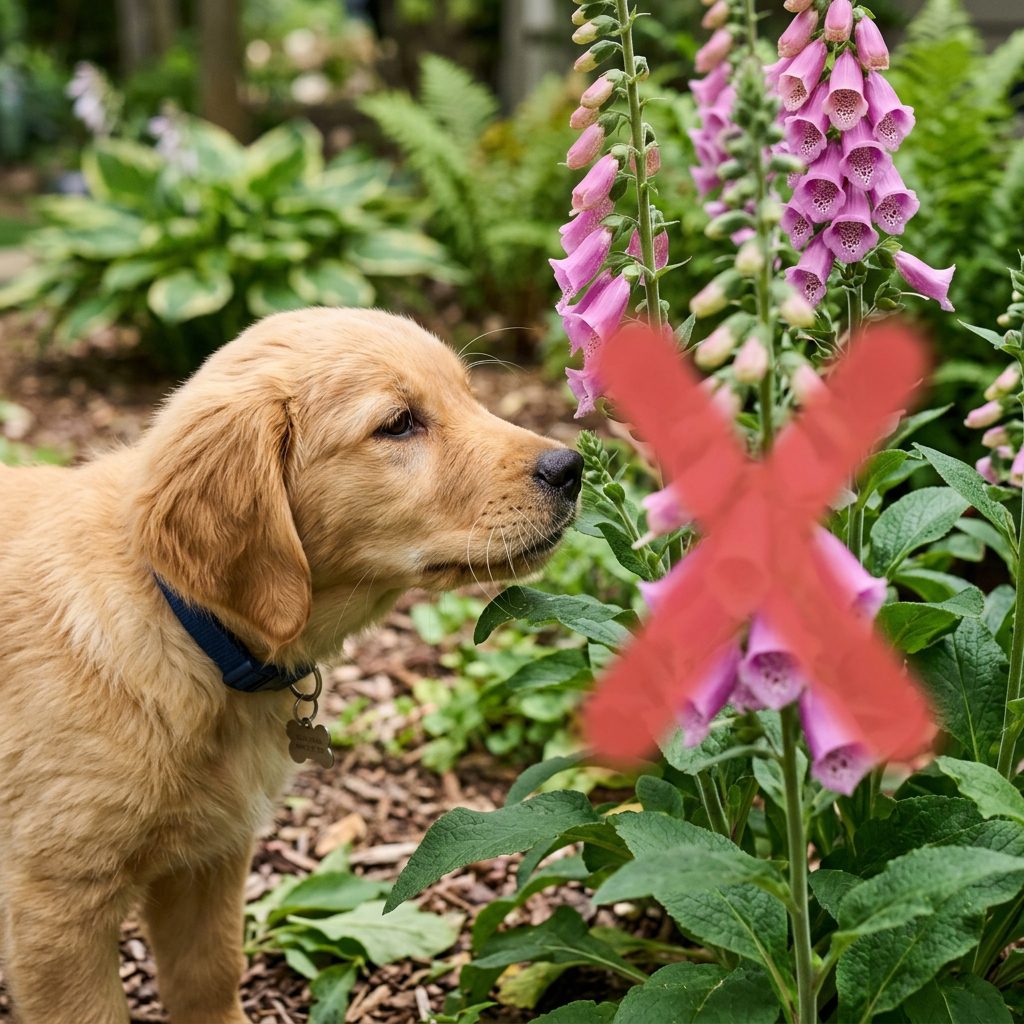
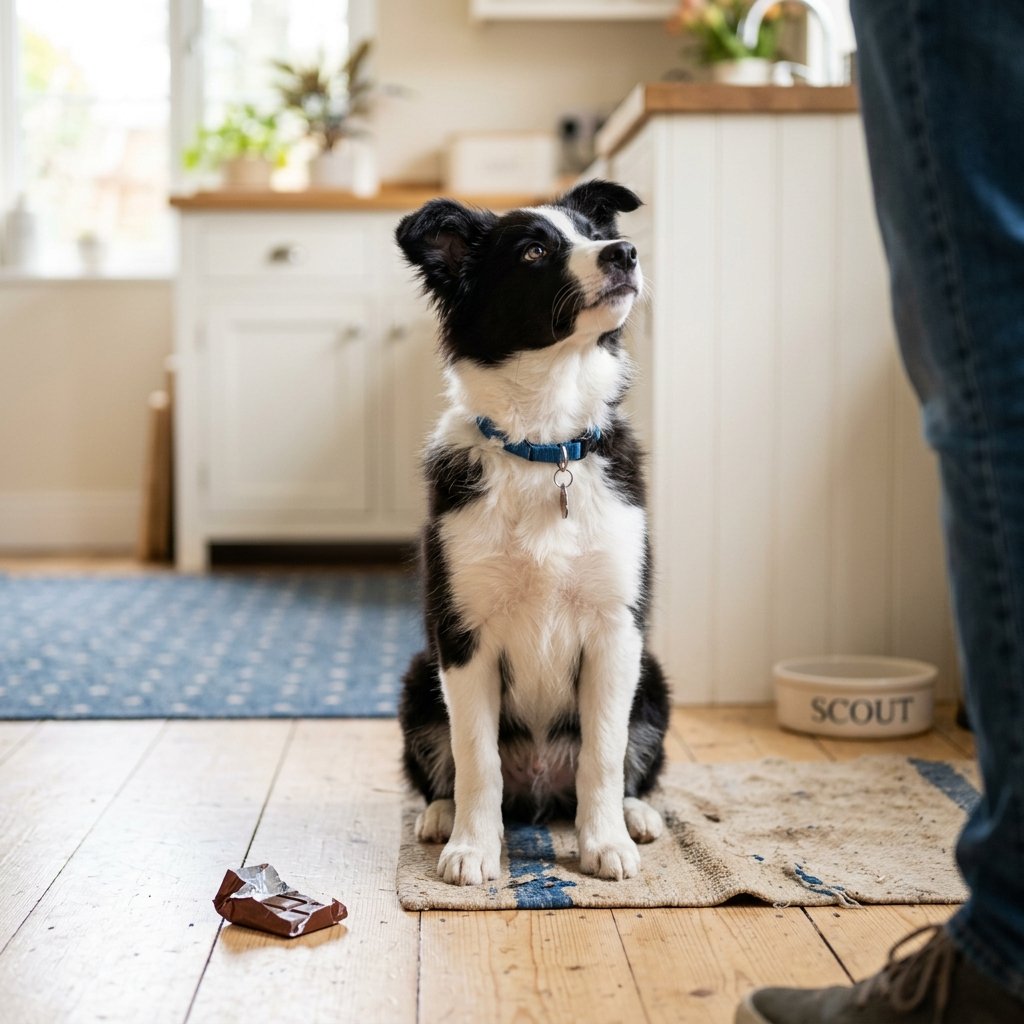
Every year, veterinary emergency rooms are filled with dogs that have ingested things they shouldn’t have—from dark chocolate and sugar-free gum containing xylitol to toxic plants and dangerous medications. The ‘Leave It’ command is your first line of defense. It differs significantly from ‘Drop It,’ and understanding this distinction is crucial for any savvy dog owner.
| Command | Purpose | The Goal |
|---|---|---|
| Leave It | Preventative | The dog never touches the item. |
| Drop It | Reactive | The dog releases an item already in their mouth. |
The psychology behind ‘Leave It’ is rooted in impulse control. Puppies are naturally impulsive; their brains are wired to explore with their mouths. By teaching them to ‘leave’ an item, you are essentially teaching them to override their biological urge to scavenge in exchange for a better reward from you. This builds a stronger bond and establishes you as the source of all things wonderful, rather than a person who just takes things away. We often see owners chasing their dogs when they grab something dangerous, which only turns into a game of ‘keep away.’ ‘Leave It’ eliminates that dangerous game entirely.
The Gear and Mindset: Setting Your Puppy Up for Success
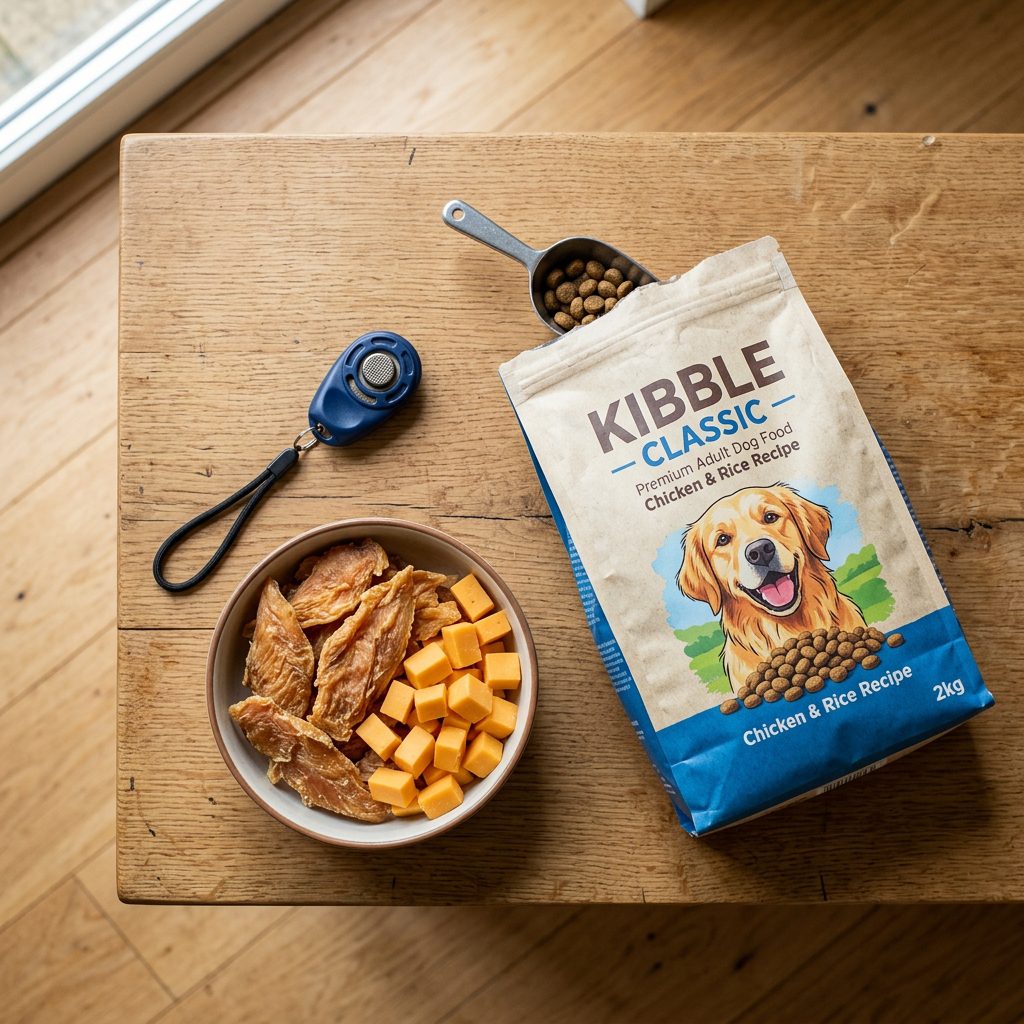
Before we start the actual training, we need to prepare. You wouldn’t go into a high-stakes meeting without your notes, and you shouldn’t start a training session without the right tools. Success in dog training is 80% preparation and 20% execution. For ‘Leave It,’ you need a clear reward hierarchy.
The Success Kit
- High-Value Treats: These are the ‘big guns’—boiled chicken, small pieces of cheese, or freeze-dried liver. These are only used for the reward.
- Low-Value Treats: Standard kibble or basic biscuits. These will be the ‘bait’ the dog is asked to leave.
- A Quiet Environment: Start in a room with zero distractions. No TV, no other pets, and no kids running around.
- Patience: Puppies have short attention spans. Keep sessions to 5-10 minutes.
| Reward Type | Example Items | When to Use |
|---|---|---|
| The ‘Bait’ (Low Value) | Dry Kibble, Carrot slices | The item the dog must ignore. |
| The ‘Jackpot’ (High Value) | Small Cheese cubes, Roast Beef | The reward for successful ignoring. |
The mindset you bring to the session is equally important. You must remain calm and neutral. If you are frantic or loud, your puppy will mirror that energy, making it harder for them to focus. Remember: we are rewarding the choice to look away, not forcing them to do so.
Phase One: The Foundation – The ‘Treat in the Hand’ Method
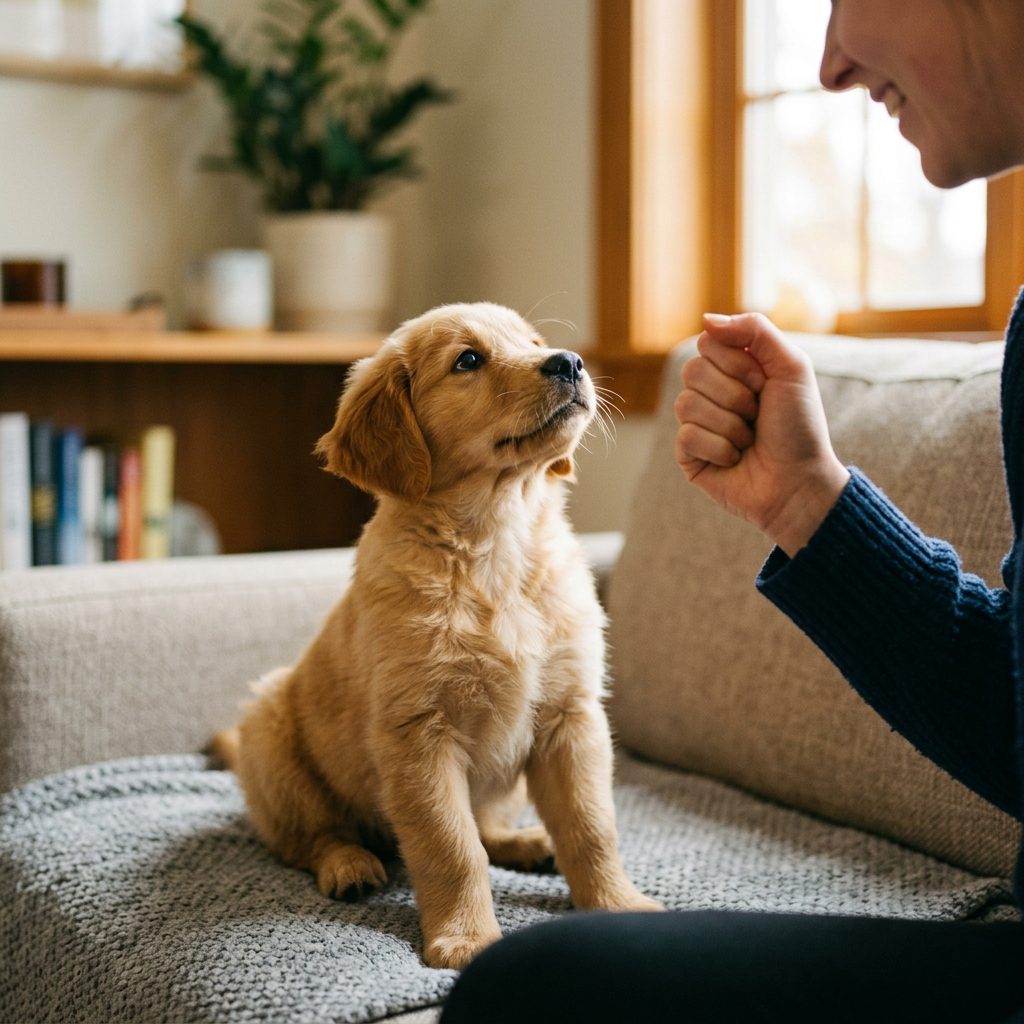
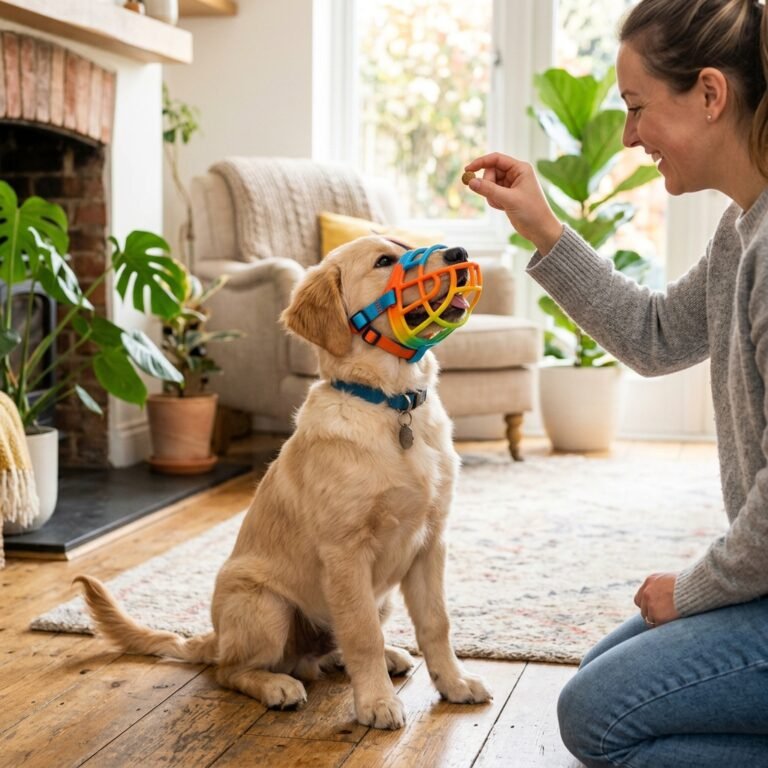
The first stage of teaching ‘Leave It’ happens right in the palm of your hand. This is where the dog learns the basic concept: ignoring the boring thing leads to the amazing thing.
Step-by-Step Instructions
- The Bait: Place a low-value treat in your palm and show it to your puppy.
- The Close: As soon as they move to sniff or lick it, close your hand into a fist. Say ‘Leave it’ in a calm, firm voice.
- The Persistence: Your puppy will likely sniff, lick, or even paw at your hand. Do not open your hand. Ignore these behaviors entirely.
- The Moment of Choice: The second your puppy pulls their nose away or looks up at you—even for a split second—say ‘Yes!’ or click your clicker.
- The Reward: Reach into your other hand (or your treat pouch) and give them a high-value treat. Never give them the bait treat.
Repeat this 10 to 15 times until the puppy immediately stops sniffing your hand when you say the command. You are teaching them that the treat in your hand is ‘dead’ and that looking at you is the ‘key’ to the real treasure.
Phase Two: Raising the Stakes – The ‘Treat on the Floor’ Challenge
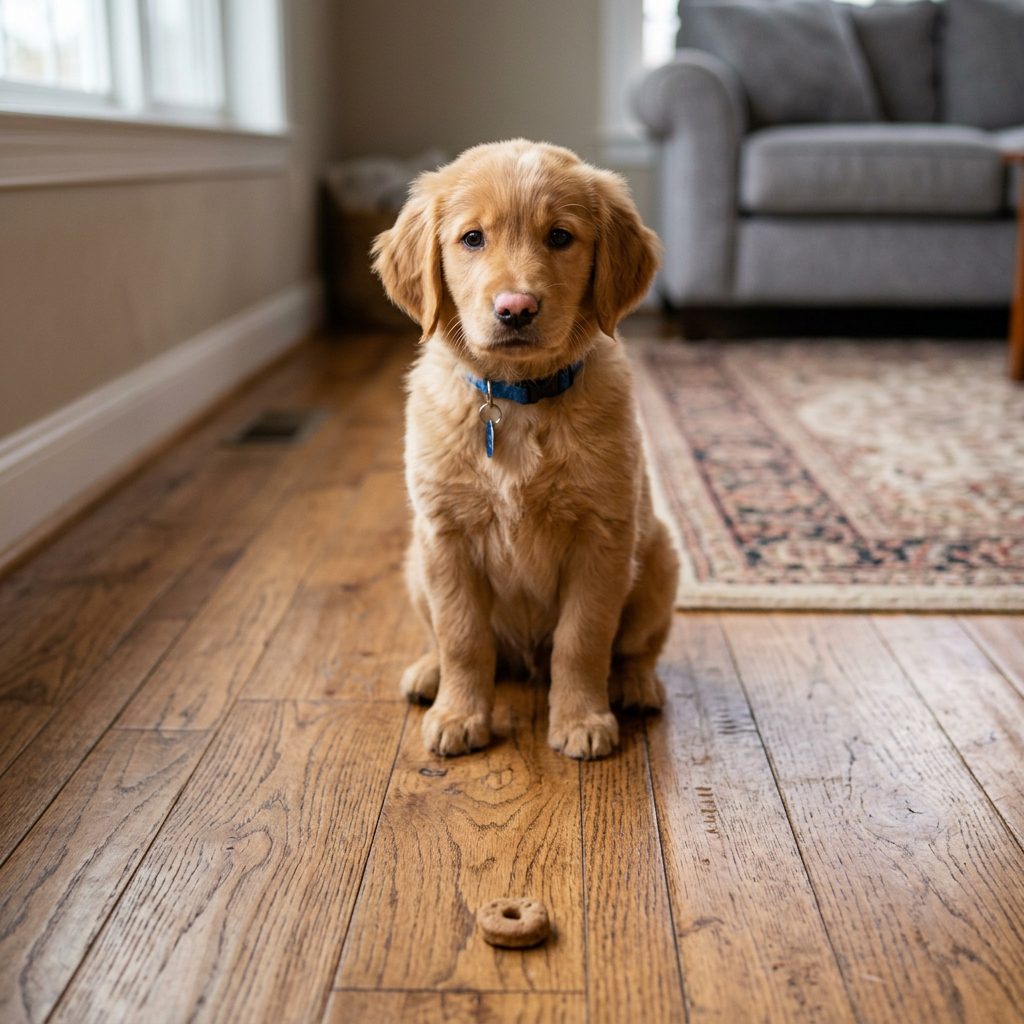
Once your puppy is a pro at the hand method, it’s time to move to the floor. This is much harder because the floor is where ‘forbidden’ things usually live in a puppy’s world. This phase introduces the concept that the rule applies even if you aren’t physically holding the item.
The Floor Progression
Start by sitting on the floor with your puppy. Place a low-value treat on the ground, but keep your hand ready to cover it instantly. Say ‘Leave it.’ If the puppy lunges, cover the treat with your hand. Do not scold them; just wait. When they back off and look at you, mark the behavior with a ‘Yes!’ and reward them from your other hand with the high-value treat.
Increasing the Difficulty
- The Open Hand: Place the treat on the floor and don’t cover it, but keep your hand an inch above it just in case.
- Standing Up: Repeat the process while standing. This changes the visual perspective for the puppy.
- The ‘Drop’: Gently drop the treat from a few inches up. The movement makes it much more tempting.
Pro Tip: If your dog is struggling, go back a step. There is no shame in returning to the hand method to reinforce the core concept.
Phase Three: Real-World Mastery – Distractions and the Great Outdoors
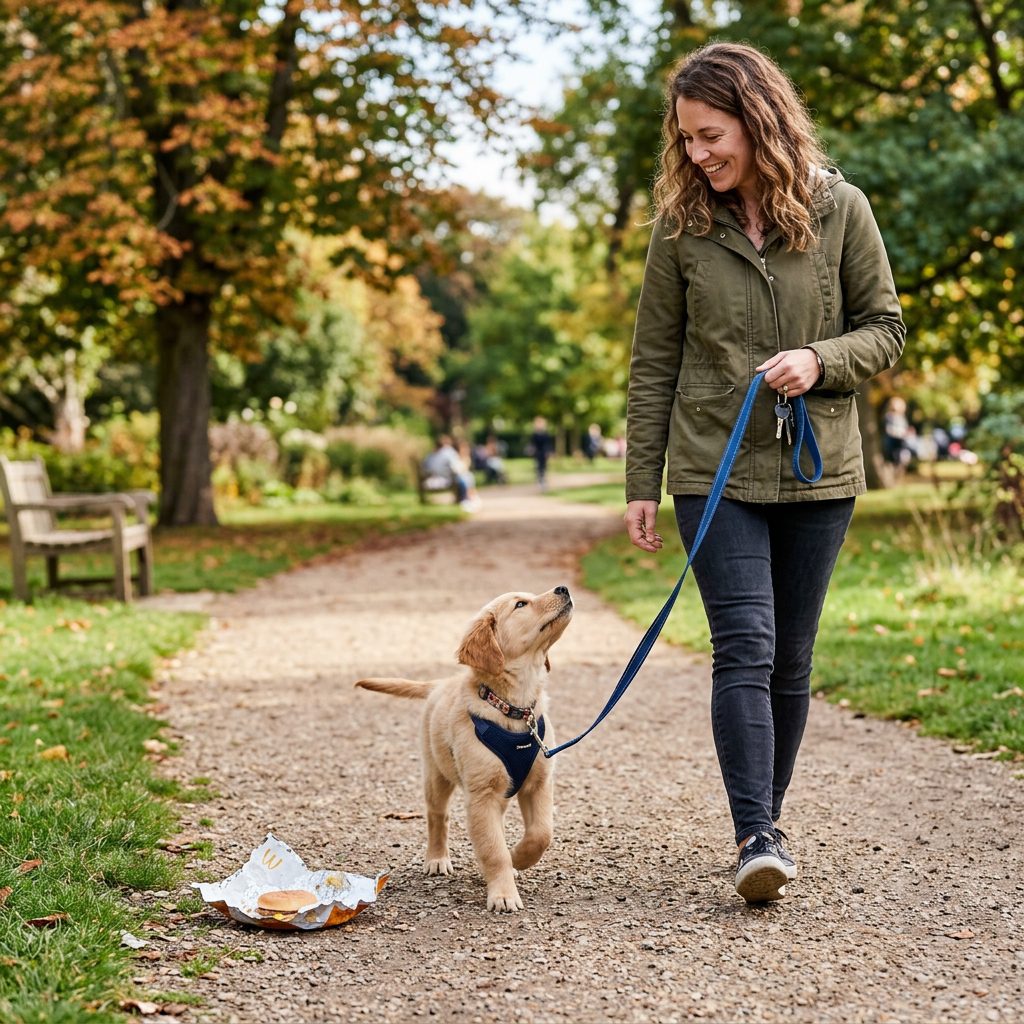
A puppy who can ‘Leave It’ in the kitchen is great, but a puppy who can ‘Leave It’ when a squirrel runs by is a hero. Generalization is the process of teaching the dog that the command applies everywhere, not just in the training room.
The Three D’s of Training
To master the command outdoors, you must manage the Three D’s: Distance, Duration, and Distraction.
- Distance: Start far away from the tempting object (like a trash can or a park bench) and work closer as they succeed.
- Duration: Ask them to ‘Leave It’ and wait for 3 seconds, then 5, then 10 before rewarding.
- Distraction: Practice near moving objects, other dogs (at a distance), or in windy environments where smells are shifting.
| Training Stage | Environment | Distraction Level |
|---|---|---|
| Beginner | Inside the home | Low (Kibble on floor) |
| Intermediate | Backyard / Hallway | Medium (Toys, familiar noises) |
| Advanced | Public Park / Sidewalk | High (Other dogs, wildlife, food scraps) |
When practicing outdoors, always keep your puppy on a leash for safety. If they see something they want to grab, give the command. If they comply, give them a ‘jackpot’ reward—three or four tiny treats in a row. This reinforces that listening in ‘the wild’ is incredibly profitable for them.
Troubleshooting Common Roadblocks: When ‘Leave It’ Isn’t Working
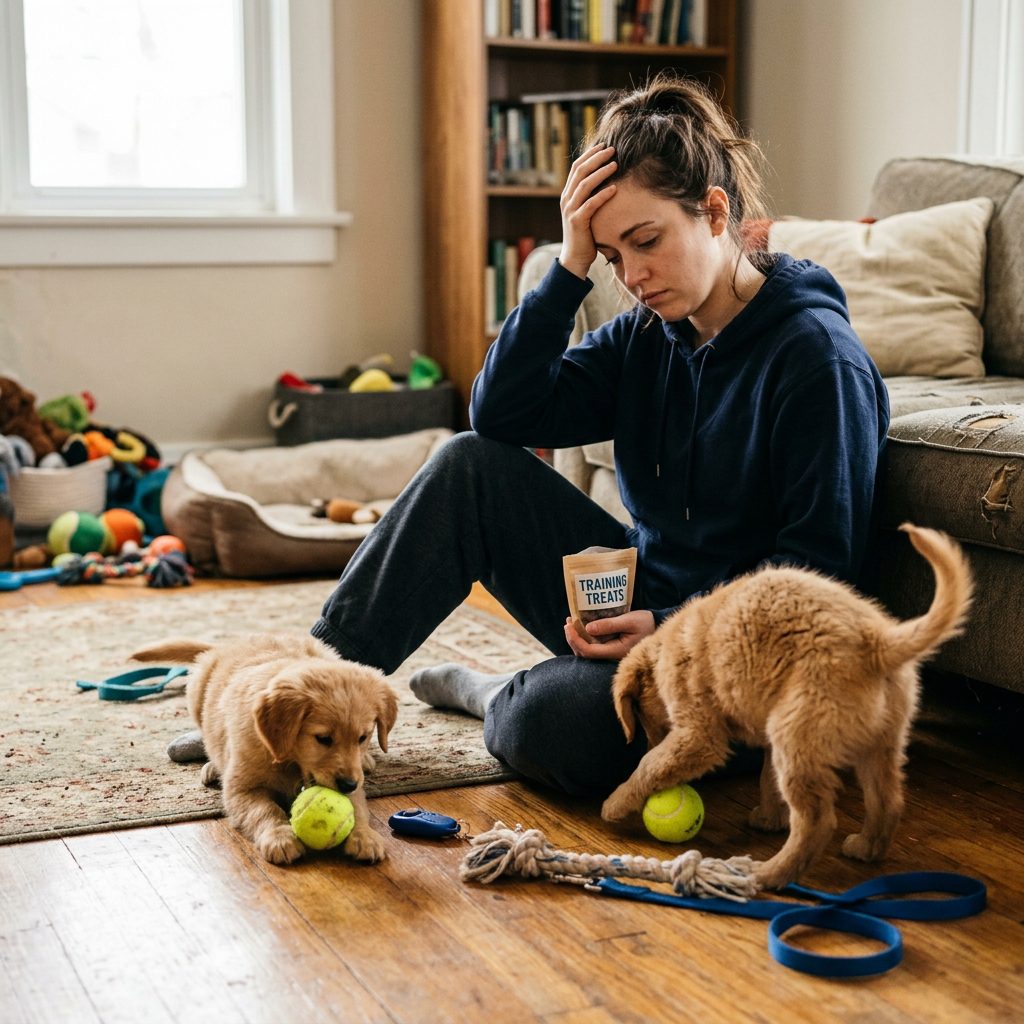
Even the smartest puppies hit walls. If your training has stalled, it’s usually due to one of a few common mistakes. Let’s look at how to fix them. One of the biggest issues is the ‘Bribe vs. Reward’ trap. If you have to show the treat to get the dog to listen, you are bribing them. The treat should only appear after the dog has made the right choice.
Common Mistakes and Quick Fixes
| The Mistake | Why It Happens | The Fix |
|---|---|---|
| Dog lunges after being rewarded | The reward wasn’t high-value enough. | Use ‘stinkier’ treats like salmon or liver. |
| Dog only listens when you have treats | You haven’t faded the lure. | Keep treats in a pouch or pocket, out of sight. |
| Dog ignores the command outdoors | Too much distraction too soon. | Increase distance from the distraction. |
Another common hurdle is Timing. If you mark the behavior (say ‘Yes!’) too late, the dog might think they are being rewarded for looking back at the treat. You must catch that split second where their eyes leave the bait and find yours. If your puppy is consistently failing, you may be moving too fast. Slow down, reduce the distractions, and build their confidence back up. Consistency is king—ensure everyone in the household uses the same verbal cue and reward system.
Conclusion
The Lifelong Benefit of Impulse Control
Teaching your puppy the ‘Leave It’ command is one of the greatest gifts you can give them. It’s not about control or dominance; it’s about providing them with the skills to navigate a human world that wasn’t designed with canine safety in mind. By mastering this ‘One Rule,’ you are effectively giving your puppy a shield against the dangers of the modern world. Remember that training is a journey, not a destination. Even as your puppy grows into a mature adult dog, periodic ‘Leave It’ tune-ups will keep their skills sharp and their focus on you. Every time your dog successfully ignores a hazard because of the work you put in today, you’ve potentially added years to their life. So grab those treats, find a quiet spot, and start building that life-saving bond. You’ve got this, and your puppy will thank you for it with a lifetime of safe adventures!