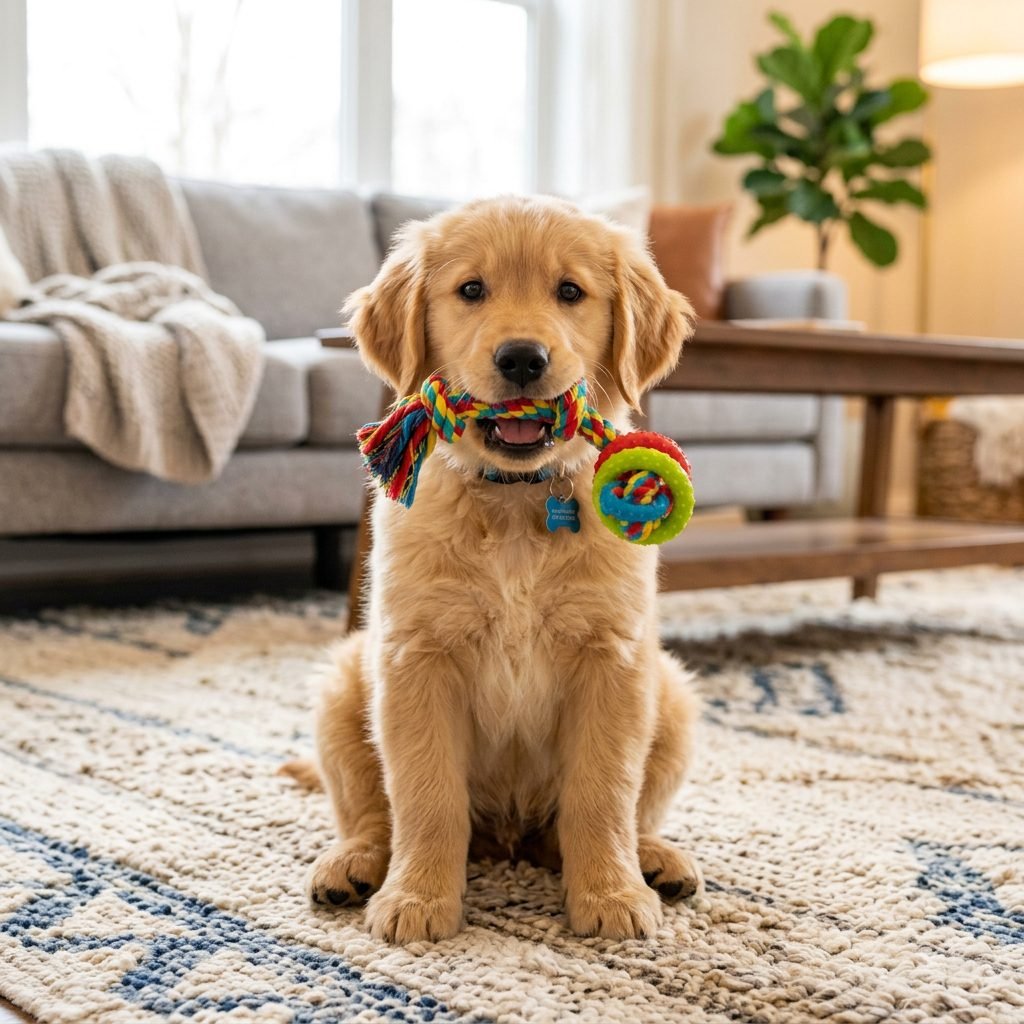
How to Stop Puppy Biting in 3 Simple Steps (Before It Becomes a Habit!)
Welcome to the club, savvy dog parents! If you are reading this, chances are your adorable, fluffy little bundle of joy has recently transformed into a tiny, relentless land shark. First of all, take a deep breath and look at your hands and ankles—we know they are probably covered in tiny scratches, but you are absolutely not alone in this struggle.
We all love our new furry family members more than anything, but let’s be totally real: those needle-sharp puppy teeth are no joke! Puppy biting, mouthing, and nipping are some of the most common and frustrating challenges new dog owners face. It can make playtime stressful and leave you wondering if you accidentally adopted a piranha instead of a puppy.
Remember: Puppy biting is a completely normal, natural developmental stage. However, just because it is normal does not mean you should just endure it! It is your job to teach them how to interact safely with the human world.
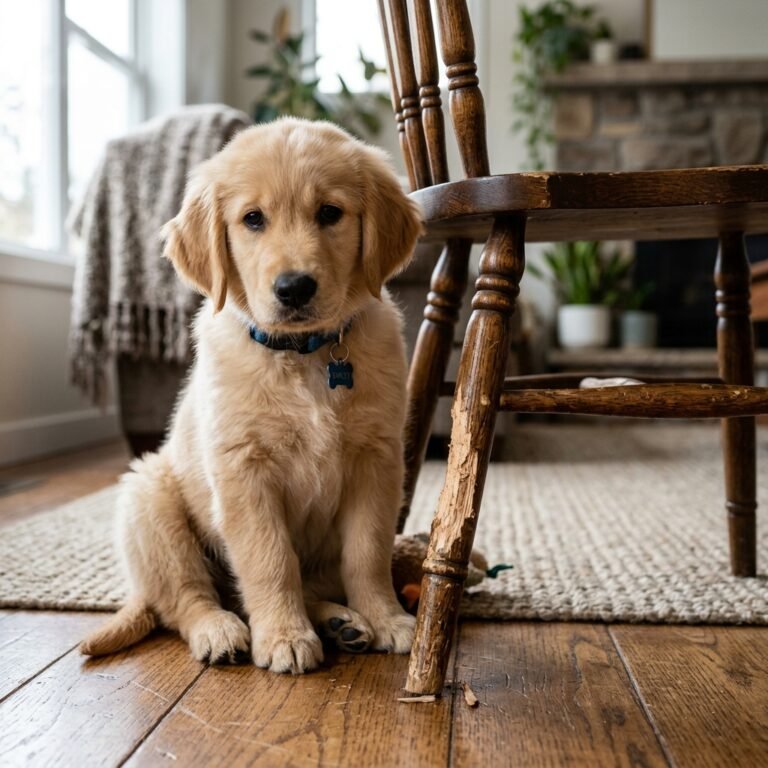
In the canine world, puppies use their mouths to explore their environment, play with their littermates, and soothe their aching gums during the teething process. When they are still with their mother and siblings, they learn a crucial skill called bite inhibition. If a puppy bites a littermate too hard during play, the other puppy will yelp loudly and stop playing. This immediate withdrawal of fun teaches the biter that hard bites end the game.
When you bring your puppy home, you take over the role of their teacher. Your puppy does not inherently know that human skin is much more sensitive than a dog’s fur-covered neck! If you do not actively teach them the boundaries, this innocent puppy behavior can quickly escalate into a dangerous habit as they grow into a powerful adult dog.
But do not worry! You do not need harsh corrections, physical punishments, or endless frustration to fix this. In this comprehensive, expert-led guide, we are going to break down exactly how to stop puppy biting in three simple, highly effective steps. We will cover the psychology behind why your puppy is biting, the exact tools you need in your training arsenal, and how to troubleshoot those tricky moments when nothing seems to be working. Let’s dive in and get your peaceful, bite-free household back!
Before We Begin: Understanding the “Land Shark” Phase and Your Survival Toolkit
Before we jump into the three actionable steps, we need to set the stage for success. To effectively change your puppy’s behavior, you must first understand why the behavior is happening. Puppies rarely bite out of aggression; they bite out of instinct, discomfort, or overstimulation.
The Three Main Reasons Puppies Bite
- Teething and Discomfort: Between the ages of 3 to 6 months, your puppy will lose their 28 baby teeth, and 42 adult teeth will push through their gums. This process is highly uncomfortable. Chewing and biting provide immense relief to their sore gums.
- Exploration and Play: Dogs do not have hands. They experience the world through their noses and their mouths. When a puppy bites your pant leg or your hand, they are often just trying to initiate a game or figure out what you are made of.
- Overtiredness (The Witching Hour): Just like human toddlers, puppies get incredibly cranky when they are tired. An overstimulated, exhausted puppy loses all impulse control, leading to frantic, hard biting that seems impossible to stop.
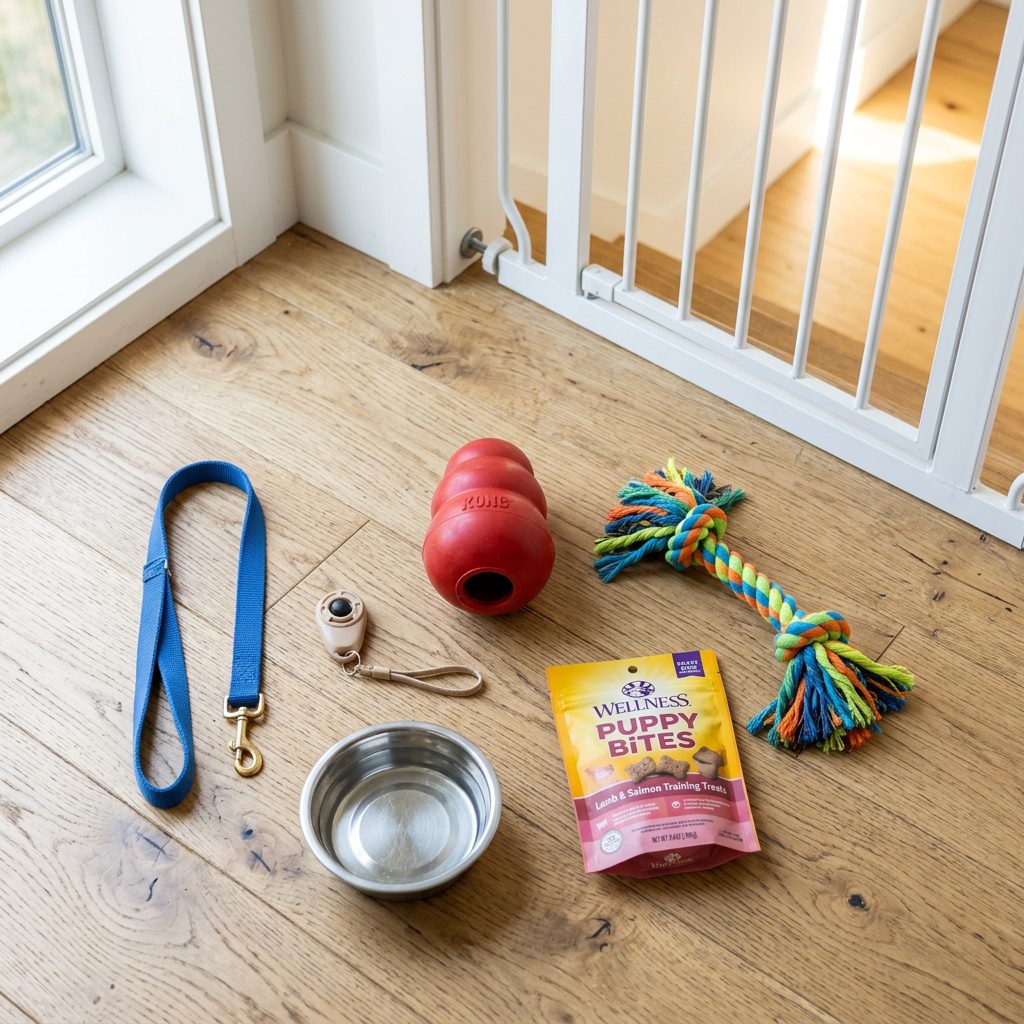
Now that we know why they bite, we need to prepare your environment. You cannot successfully train a puppy if you do not have the right tools on hand. Think of this as your puppy parenting survival kit. You should have these items scattered around your house so they are always within arm’s reach when a biting episode occurs.
| Training Tool | Primary Purpose | Expert Tip for Success |
|---|---|---|
| Rubber Chew Toys (e.g., KONG) | Soothes sore teething gums and provides long-lasting mental stimulation. | Stuff them with dog-safe peanut butter or plain yogurt and freeze them overnight for maximum teething relief. |
| Long Rope Toys | Allows you to play tug-of-war while keeping your hands far away from the “bite zone.” | Use these specifically for interactive play, teaching the “Drop It” command along the way. |
| Edible Teething Rings | Provides a high-value, safe outlet for destructive chewing urges. | Always supervise your puppy with edible chews to prevent choking hazards as the chew gets smaller. |
| Exercise Pen / Baby Gates | Crucial for management and enforcing “Reverse Time-Outs” safely. | Set up a safe zone where the puppy can be contained when they are too overstimulated to listen. |
Armed with the knowledge of why your puppy bites and a house fully stocked with the right tools, you are now ready to implement the training steps. Consistency is going to be your best friend here. Ensure everyone in your household is on the exact same page, as mixed signals will only confuse your puppy and prolong the biting phase.
Step 1: Master the Art of Redirection (The “Toy Shield” Method)
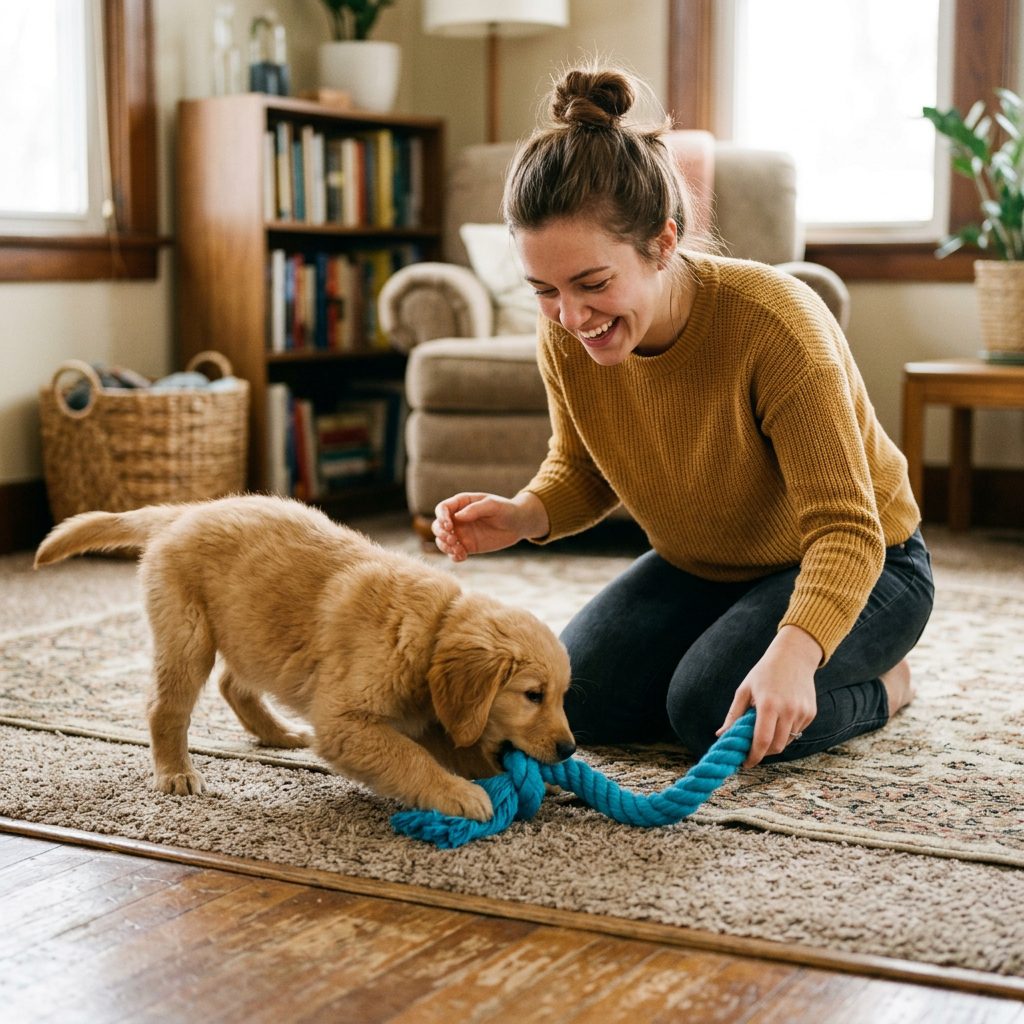
The absolute foundational step in stopping puppy biting is teaching your dog what they are allowed to bite. Remember, biting is a natural urge. We cannot simply tell a puppy “No” and expect them to suppress that urge entirely; we must give them a legal outlet for it. This is where the art of redirection comes into play.
How to Execute the Perfect Redirection
Redirection sounds simple on paper: when the puppy bites you, give them a toy instead. However, the execution is where most dog owners fail. If you just shove a boring, static toy into a hyperactive puppy’s face, they will likely ignore it and go right back for your moving, exciting hands.
- Anticipate the Bite: The best redirection happens before the puppy’s teeth actually make contact with your skin. Watch your puppy’s body language. If they are bounding toward you with wide eyes and an open mouth, have a toy ready immediately.
- Make the Toy Come Alive: Puppies are predators by nature; they are attracted to movement. When you offer the replacement toy, do not hold it still. Wiggle it on the ground, drag it away from them, and make it look like exciting prey. This triggers their chase instinct and makes the toy far more appealing than your hand.
- Praise the Right Choice: The second your puppy’s mouth wraps around the toy instead of your flesh, throw a party! Use a happy, high-pitched voice to say, “Yes! Good toy! Good puppy!” You want to heavily reinforce the idea that biting toys earns them praise and continued playtime, while biting humans does not.
Expert Tip: Keep a “toy stash” in every room of your house. If you have to walk across the room to find a toy after the puppy starts biting, you have already lost the training opportunity. The redirection must happen within seconds of the behavior.
What happens if your puppy ignores the toy and continues to lunge for your hands or clothes? This is incredibly common, especially with herding breeds like Australian Shepherds or Border Collies who are genetically hardwired to nip at moving things. If redirection fails, you must immediately escalate to Step 2. Do not continue to wave toys in the face of a puppy who is actively ignoring them, as this can inadvertently turn the situation into a frustrating game of keep-away.
Step 2: Enforcing the Reverse Time-Out (Removing the Fun)
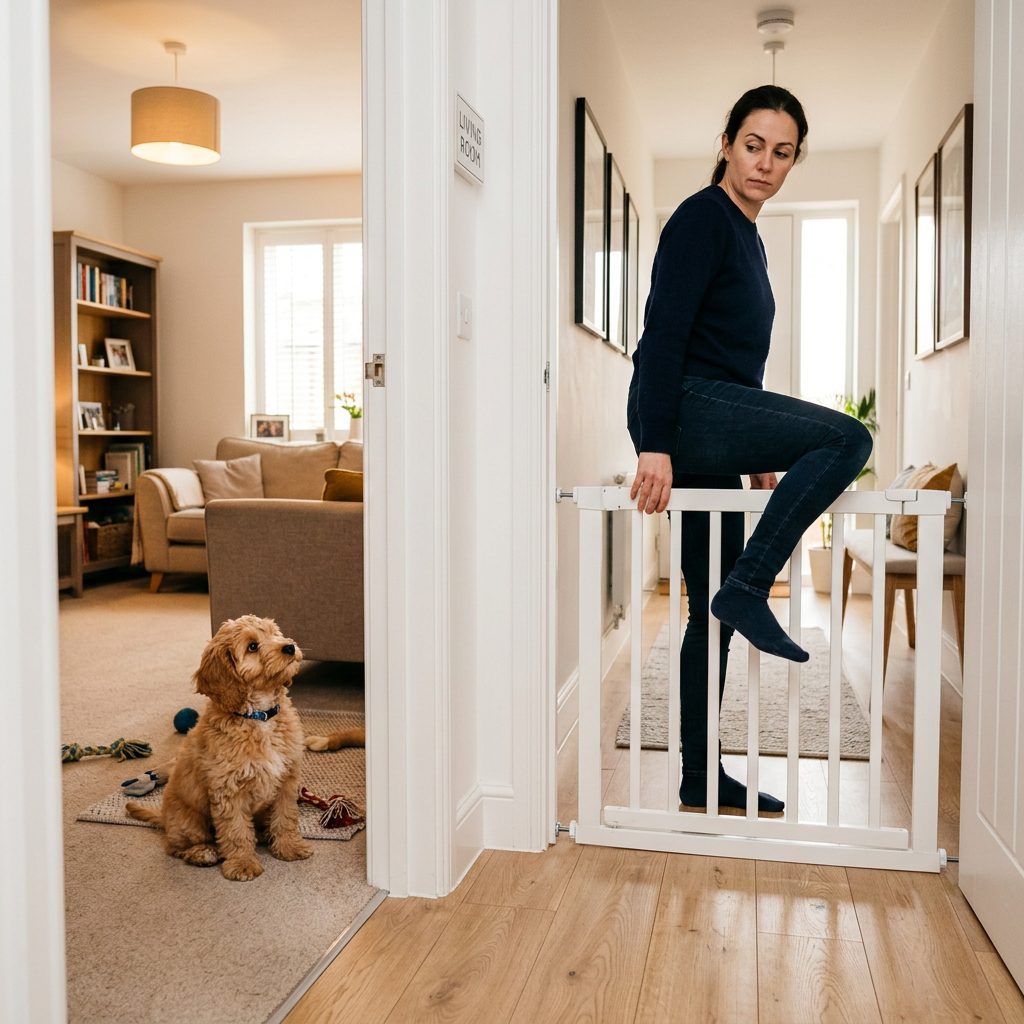
When redirection fails and your puppy insists on treating your fingers like hotdogs, it is time to implement the most powerful tool in your behavioral toolkit: The Reverse Time-Out. This method mimics the natural feedback puppies receive from their littermates. When play gets too rough, the fun immediately stops.
Why Traditional Time-Outs Fail
Many owners make the mistake of picking up a biting puppy and physically placing them in a crate or a time-out room. This approach has two major flaws. First, physically handling an overstimulated puppy often results in you getting bitten even more on the way to the crate. Second, it can create a negative association with the crate, which should always be a safe, happy sanctuary for your dog. Instead of removing the puppy from the environment, you are going to remove yourself from the environment.
Executing the Reverse Time-Out
- Mark the Behavior: The instant your puppy’s teeth touch your skin hard enough to cause discomfort, calmly but firmly say a marker word like “Oops!” or “Too hard.” Do not yell, scream, or scold. Yelling can actually excite the puppy further, making them think you are barking back and joining in the rough play.
- Stand Up and Freeze: Immediately stop playing. Stand up straight, cross your arms over your chest, and look up at the ceiling. Become completely boring. Often, simply withdrawing your attention for 5 to 10 seconds is enough to make the puppy realize they made a mistake.
- Leave the Room: If the puppy continues to bite at your ankles or jump up your legs while you are standing still, silently step over a baby gate or step out of the room and close the door behind you. You only need to disappear for 10 to 20 seconds. Any longer, and the puppy will forget why you left in the first place.
- Return and Reset: After 15 seconds, calmly return to the puppy. Pick up a toy and try to initiate appropriate play again. If they immediately bite you again, repeat the sequence. “Oops!” -> Stand up -> Leave the room. Consistency is the key to making this work.
It may take dozens of repetitions in a single day for the puppy to finally connect the dots: “My sharp teeth on human skin equals my human disappearing and the fun ending.” Be patient. This is a cognitive process for the dog, and learning takes time. If you find yourself having to do reverse time-outs more than three or four times in a row, your puppy is likely overtired and desperately needs Step 3.
Step 3: Proactive Prevention (Nap Schedules and Socialization)
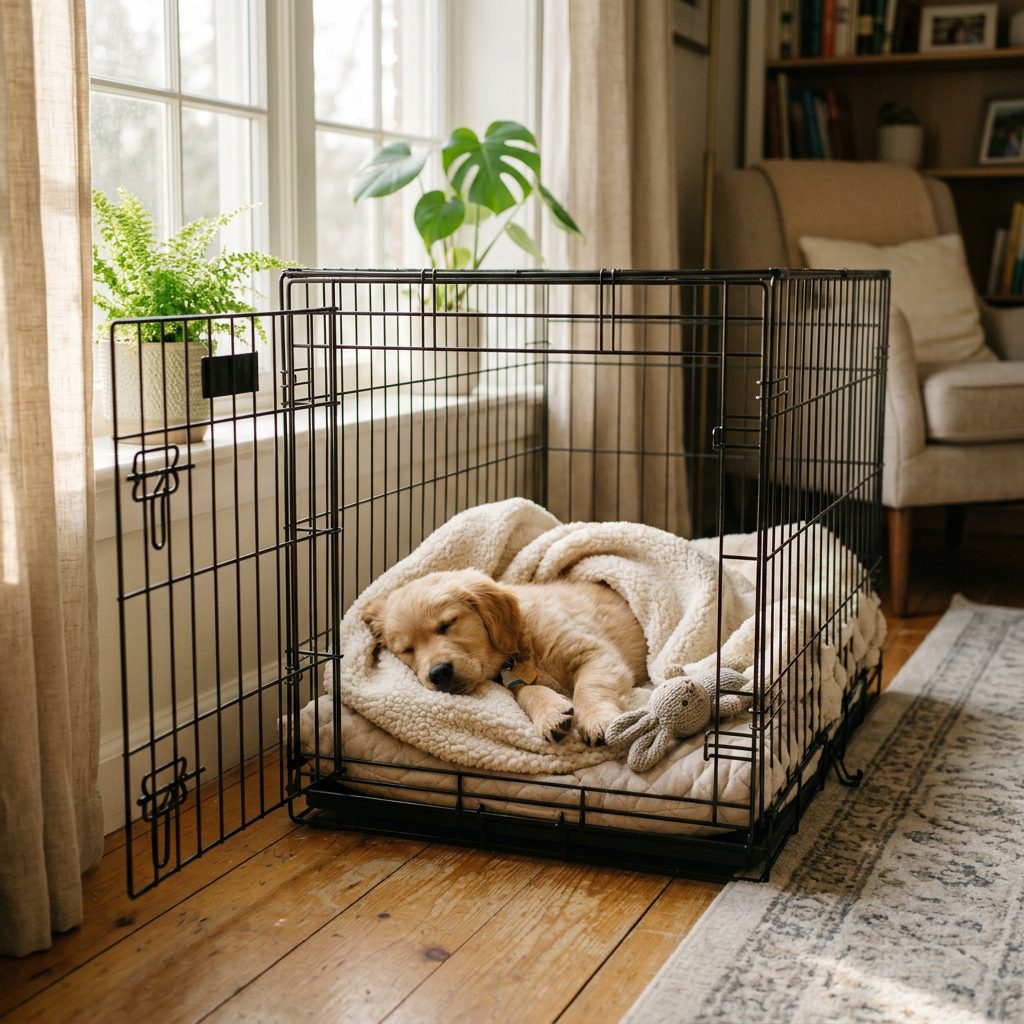
The first two steps are reactive—they tell you what to do when the biting happens. But the hallmark of a truly savvy dog owner is proactive prevention. You can dramatically reduce the frequency and intensity of puppy biting by managing their daily routine, specifically focusing on their sleep schedule and their social interactions.
The Overtired Toddler Syndrome
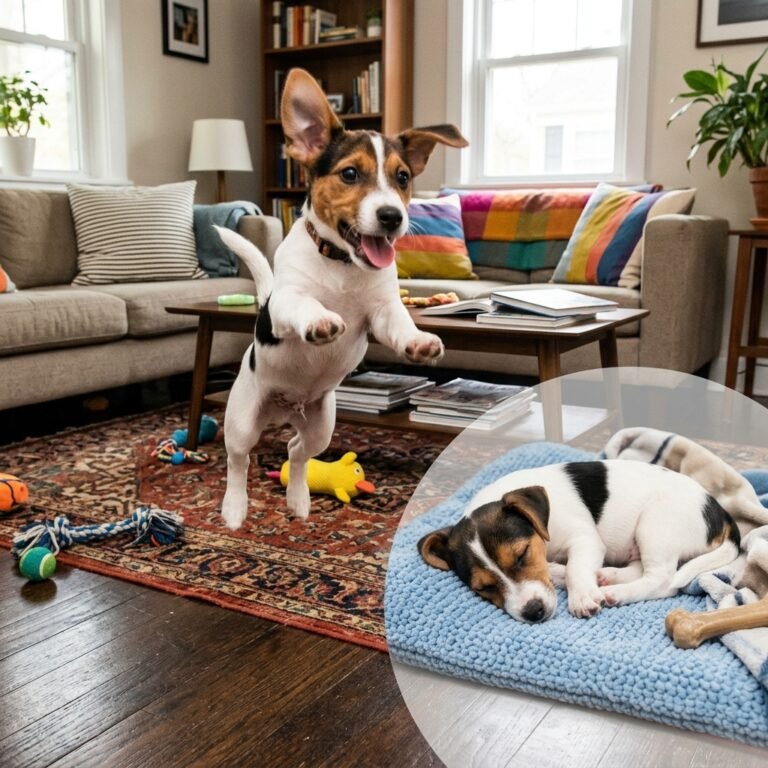
Puppies have an immense amount of energy, but they also have very little stamina. A young puppy (between 8 and 16 weeks old) actually needs 18 to 20 hours of sleep per day! When puppies do not get enough sleep, their cortisol (stress hormone) levels rise. They lose their bite inhibition, they forget their training, and they become hyperactive “land sharks.”
Most owners assume that a hyper puppy needs more exercise. In reality, a hyper, bitey puppy usually needs a nap. Implementing a strict enforced nap schedule using a crate or a dark, quiet playpen is a game-changer for bite inhibition.
| Time of Day | Activity Schedule | Impact on Biting Behavior |
|---|---|---|
| 8:00 AM – 9:00 AM | Wake up, Potty, Breakfast, Training, Active Play | Burns morning energy appropriately with toys and mental stimulation. |
| 9:00 AM – 11:00 AM | Enforced Nap Time (Crate or Pen) | Prevents overstimulation; brain processes morning training. |
| 11:00 AM – 12:00 PM | Potty, Gentle Play, Chewing Activity (e.g., stuffed KONG) | Provides a calm outlet for teething urges while awake. |
| 12:00 PM – 2:00 PM | Enforced Nap Time (Crate or Pen) | Ensures the puppy does not hit the afternoon “witching hour” exhausted. |
The Power of Puppy Playdates
While you can teach bite inhibition using toys and reverse time-outs, nobody can teach a puppy how to use their mouth softly better than another dog. Appropriate socialization is a critical component of stopping puppy biting.
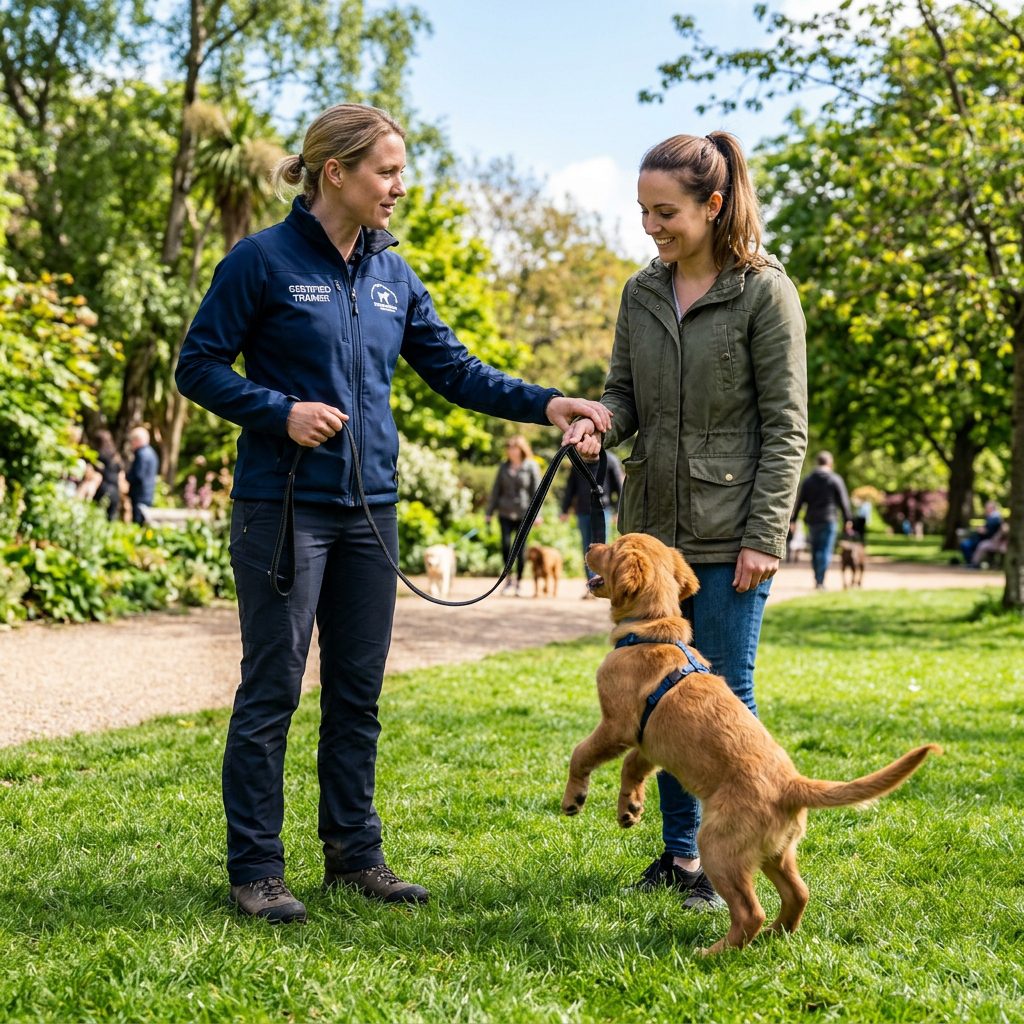
Arrange controlled playdates with other healthy, fully vaccinated puppies, or enroll in a reputable puppy socialization class run by a certified trainer. When puppies wrestle and bite each other, they provide instant, species-specific feedback. If your puppy bites a playmate too hard, the playmate will yelp, snap back, or run away. This peer-to-peer correction is invaluable and will significantly speed up your own training efforts at home. Just ensure the play is supervised and both dogs are enjoying themselves.
Troubleshooting: When the Biting Just Won’t Stop
Even with the best intentions and the most consistent application of the three steps above, you will inevitably hit roadblocks. Puppy training is never a perfectly linear journey. Let’s troubleshoot some of the most common issues savvy dog owners face when trying to eradicate puppy biting, and identify the mistakes you must avoid at all costs.
Common Mistakes and How to Fix Them
- Mistake: Playing “Hand Games.” Many owners, especially children, playfully push the puppy’s face, tap their nose, or wrestle with their bare hands. Correction: Never use your body parts as toys. If you wrestle with your hands, you are explicitly teaching the puppy that human skin is a fun chew toy. Always insert a toy between your hand and the dog.
- Mistake: The “Flailing Arms” Reaction. When a puppy nips, it is human nature to jerk your hand away quickly and squeal. Correction: To a puppy with a high prey drive, a quickly retracting hand looks like a fleeing rabbit. It triggers their instinct to lunge and bite harder. Instead of pulling away fast, freeze your hand, go limp, and then calmly initiate a reverse time-out.
- Mistake: Alpha Rolls and Physical Punishment. Outdated training advice often suggests dominating the puppy by rolling them on their back, holding their muzzle shut, or tapping them on the nose. Correction: Do not do this. Physical punishment damages the bond of trust between you and your dog. It can also cause a puppy to become defensively aggressive, turning playful mouthing into actual fear-based biting. Always stick to positive reinforcement and negative punishment (removing your attention).
Surviving the “Witching Hour”
Almost every puppy experiences the “witching hour”—a period usually in the early evening (around 6 PM to 8 PM) where they run frantically around the house (the “zoomies”) and bite anything in their path. This is a massive release of pent-up energy and fatigue.
When the witching hour strikes, do not try to do obedience training. Your puppy’s brain is offline. Instead, manage the environment. Scatter their dinner kibble in the grass for a sniffing game (sniffing heavily tires out a dog’s brain and lowers heart rate), give them a high-value frozen chew on a mat, or simply put them in their quiet zone for an early evening nap. Survival and management are your best strategies during these hyperactive spikes.
If you have tried all these steps consistently for several weeks and the biting seems abnormally aggressive (accompanied by stiff body language, deep growling, or breaking the skin deeply), it is time to consult a certified veterinary behaviorist or a professional positive-reinforcement dog trainer. However, for 99% of puppies, consistency with redirection, time-outs, and naps will completely resolve the issue.
Conclusion
And there you have it, savvy dog parents—your comprehensive, foolproof guide to surviving the puppy teething phase! Stopping puppy biting does not happen overnight. It is a process of consistently teaching your dog how to navigate a human world using canine instincts. It requires patience, a good sense of humor, and a whole lot of chew toys.
Remember the three golden rules: always have a toy ready to redirect their teeth, be prepared to completely remove your attention with a reverse time-out when they cross the line, and proactively prevent meltdowns by enforcing a strict nap schedule. Your puppy is not trying to be bad; they are just a baby learning the ropes.
Stick to this plan, keep your reactions calm and consistent, and before you know it, those painful “land shark” days will be a distant memory, replaced by the gentle, loving companionship of a well-mannered adult dog. You’ve got this! Now, go stock up on some KONGs, protect those ankles, and enjoy the beautiful journey of raising your puppy.