5 Secrets to Preventing Severe Thunderstorm Anxiety in Puppies Before the First Storm Hits
Welcome, savvy dog owners! If you have just brought home a bouncing, joyful puppy, you are likely reveling in the puppy breath, the playful zoomies, and the sweet snuggles. But amidst all the fun, there is a crucial element of puppy parenting that often gets overlooked until it is too late: preparing your furry best friend for their very first thunderstorm.
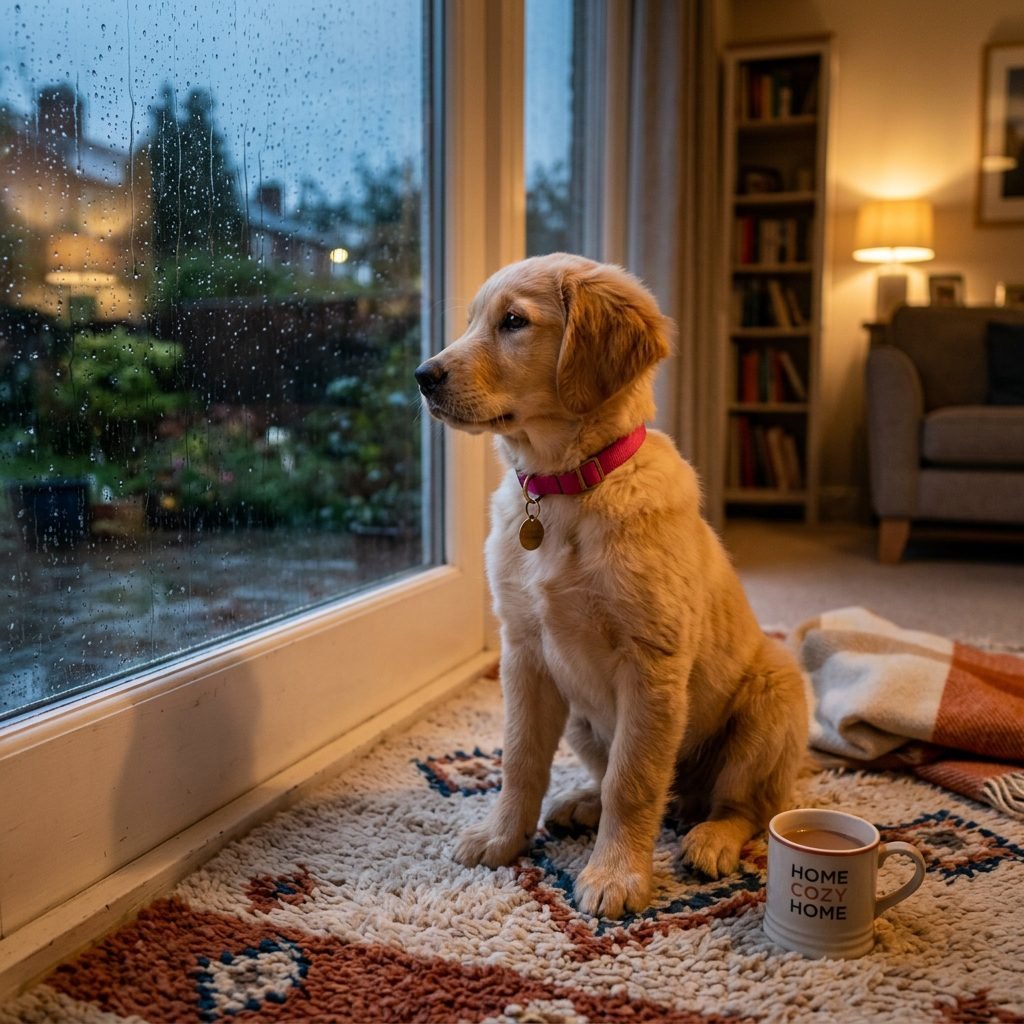
Thunderstorm anxiety is one of the most common and heartbreaking behavioral issues in dogs. The shaking, the panting, the frantic pacing, and the desperate attempts to hide—it is incredibly hard to watch. But here is the good news: because your puppy has not yet experienced the terrifying booms and flashes of a severe storm, you have a golden opportunity. You have a completely clean slate.
By taking proactive steps right now, you can completely change how your dog perceives storms for the rest of their life. In this comprehensive guide, we are going to dive deep into the five essential secrets to preventing severe thunderstorm anxiety in puppies before that first storm ever hits. We will cover the psychology behind fear, the exact step-by-step training methods you need, and how to troubleshoot common hiccups along the way. Let us get started on building a confident, resilient, and storm-proof pup!
The Ultimate Pre-Storm Toolkit
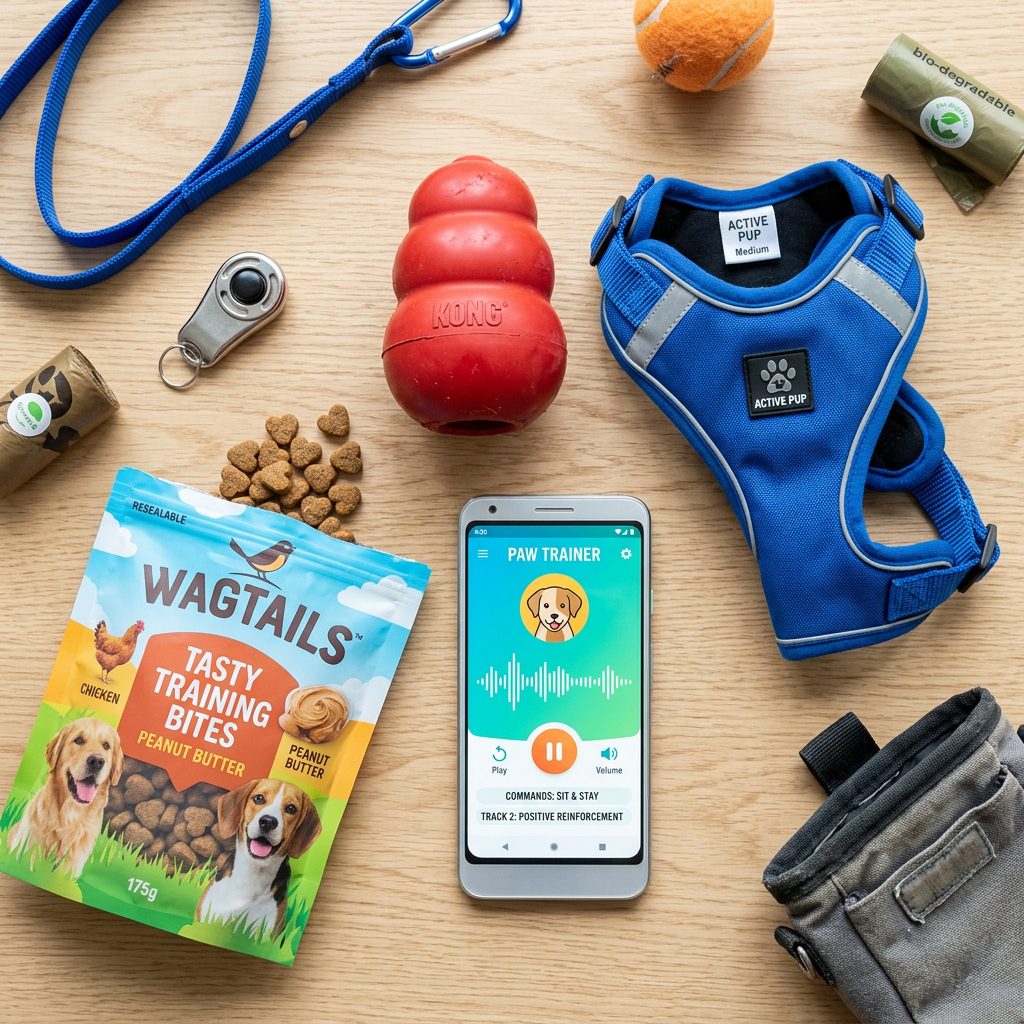
Before we dive into the training secrets, let us get your training gear ready. Setting your puppy up for success means having the right tools on hand before you even begin the desensitization process. Think of this as your puppy’s emotional emergency kit. Having these items ready will make the training process smoother, faster, and far more effective.
Essential Tools for Anxiety Prevention
You do not need to spend a fortune, but investing in a few high-quality items will make a world of difference. Here is a breakdown of what you should have in your toolkit.
| Tool | Purpose | When to Use |
|---|---|---|
| High-Value Treats | Creates strong positive associations with loud noises | During all sound desensitization sessions |
| Interactive Puzzle Toys | Distracts the puppy and engages their brain | While playing storm sounds or during actual rain |
| Quality Bluetooth Speaker | Provides realistic, deep bass for storm audio tracks | During daily counter-conditioning exercises |
| Cozy Crate or Bed | Acts as the foundational base for their ‘Safe Zone’ | Used daily for naps and relaxation training |
Make sure your high-value treats are something your puppy absolutely loses their mind over. Plain kibble will not cut it here. Think boiled chicken, small bits of cheese, or specialized training treats that have a strong, appealing aroma. The goal is to make the reward so incredibly good that your puppy completely forgets about the strange noises happening in the background.
Secret 1 & 2: Desensitization and Counter-Conditioning
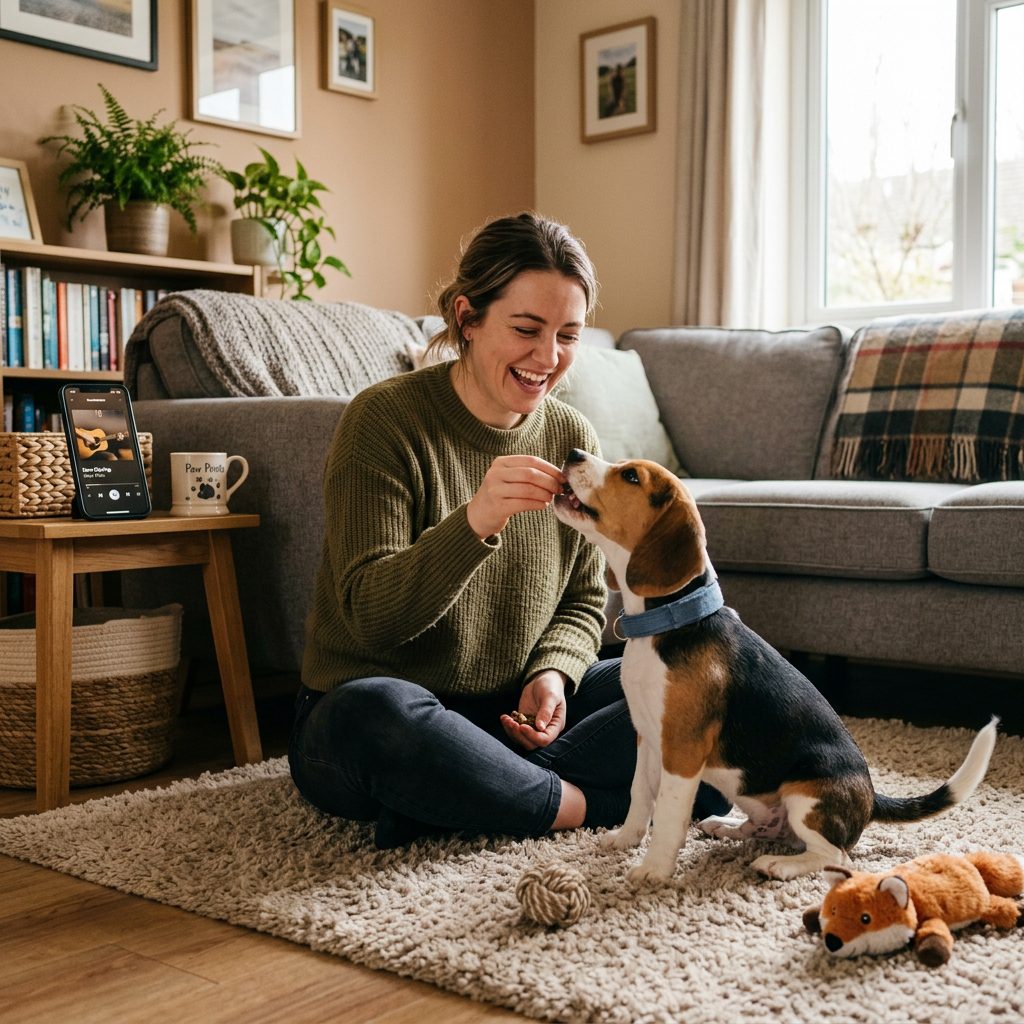
Let us talk about the absolute holy grail of puppy behavioral training: desensitization and counter-conditioning. These are two big, fancy psychological terms, but they are actually quite simple to understand and execute. Desensitization means gradually exposing your puppy to a scary stimulus (like thunder) at such a low level that they do not react. Counter-conditioning means changing their emotional response to that stimulus from fear to joy by pairing it with something they love.
Step-by-Step Sound Training
To effectively storm-proof your puppy, you need to simulate a storm in a controlled environment. Here is exactly how to do it:
- Start Low and Slow: Find a high-quality thunderstorm audio track on YouTube or Spotify. Play it through a good speaker (not just your phone, as you need the bass to mimic real thunder), but keep the volume so low that it is barely audible.
- Bring Out the Jackpot: The second the soft rumbling starts, start raining down those high-value treats we talked about. Play a super fun game of tug, or practice their favorite tricks.
- Watch the Body Language: Keep a close eye on your puppy. Are they taking the treats gently? Are their ears relaxed? Is their tail wagging? If yes, you are doing great! If they seem nervous or refuse food, the volume is too high. Turn it down immediately.
- Gradually Increase the Volume: Over the course of several weeks, slowly inch the volume up during these 5-to-10 minute sessions. Always stop the treats and the fun the moment the sound stops.
The golden rule of counter-conditioning: The scary sound must predict the arrival of the amazing treat, not the other way around. Sound first, treat second!
By doing this consistently, your puppy will start to hear a boom of thunder and immediately look to you with a wagging tail, expecting a piece of chicken. You are literally rewiring their brain to view storms as a cue for a party rather than a cue for panic.
Secret 3: Building a Bulletproof Safe Zone
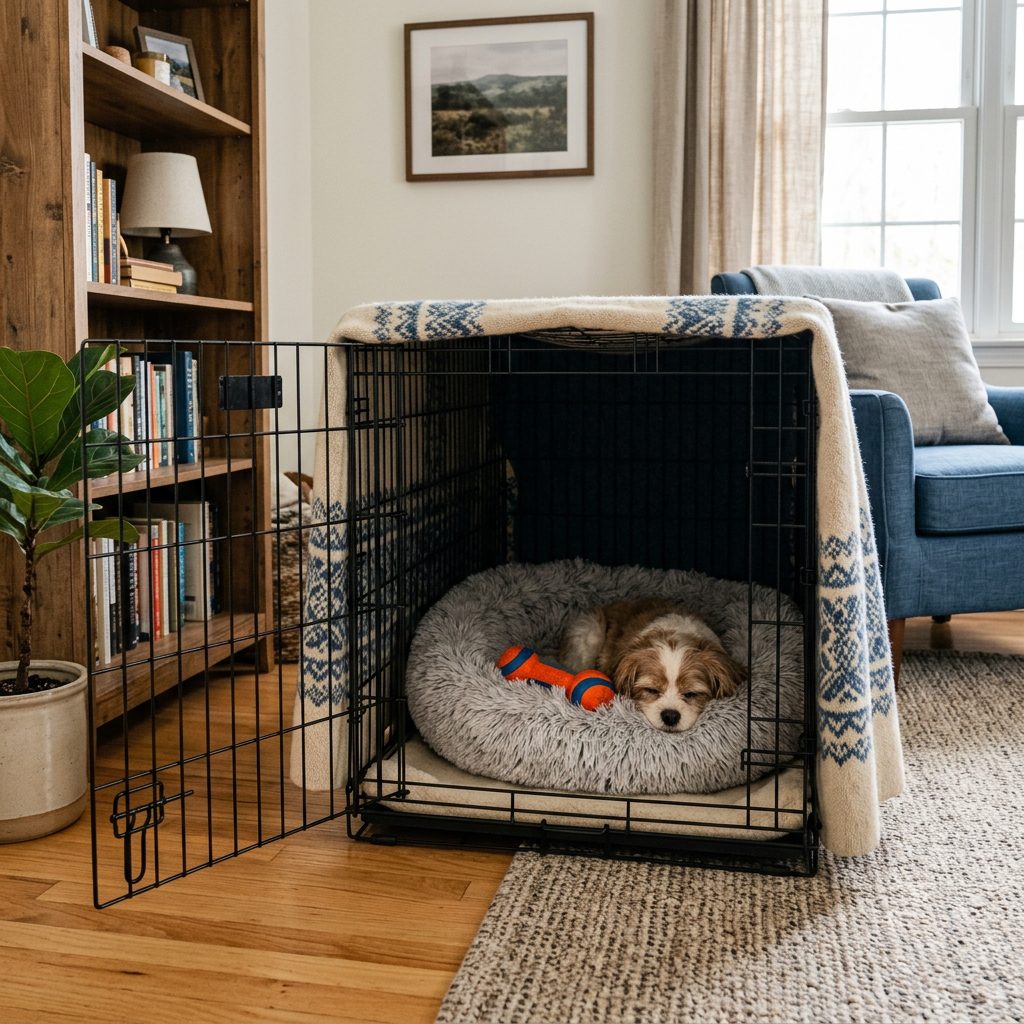
Every superhero needs a fortress of solitude, and your puppy is no different. When the barometric pressure drops and the sky gets dark, your dog’s natural instinct is to seek shelter in a den-like environment. By creating a dedicated, bulletproof safe zone before a storm hits, you are giving them a familiar sanctuary where they know they are protected.
Designing the Perfect Den
Your puppy’s safe zone should be located in a quiet area of your home, ideally away from large windows and exterior walls. An interior closet, a quiet corner of the bedroom, or a basement are fantastic options. Here is how to construct it:
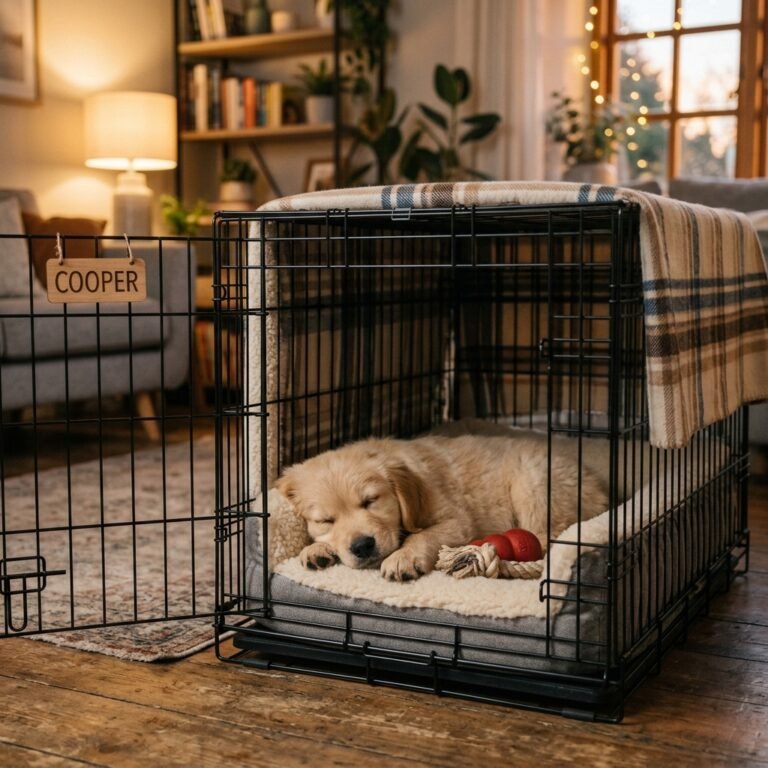
- Use a Crate: If your puppy is crate trained, this is the perfect foundation. Cover the crate with a heavy, breathable blanket to block out flashes of lightning and muffle the sound.
- Add Comfort: Line the inside with their favorite orthopedic bed, some soft blankets, and perhaps an old t-shirt that smells like you. Familiar scents are incredibly grounding for dogs.
- Sound Masking: Set up a white noise machine or a fan near the safe zone. This helps drown out the sharp cracks of thunder. Classical music specifically designed for dogs (like Through a Dog’s Ear) is also highly effective.
The key to a successful safe zone is that your puppy must choose to go there on their own. Never force them into their safe zone, and never use it as a place for punishment. Spend time hanging out near the safe zone, giving them treats and affection when they relax inside it. When the first real storm rolls in, they will naturally retreat to this cozy bunker.
Secret 4: The Power of Pheromones and Pressure Therapies
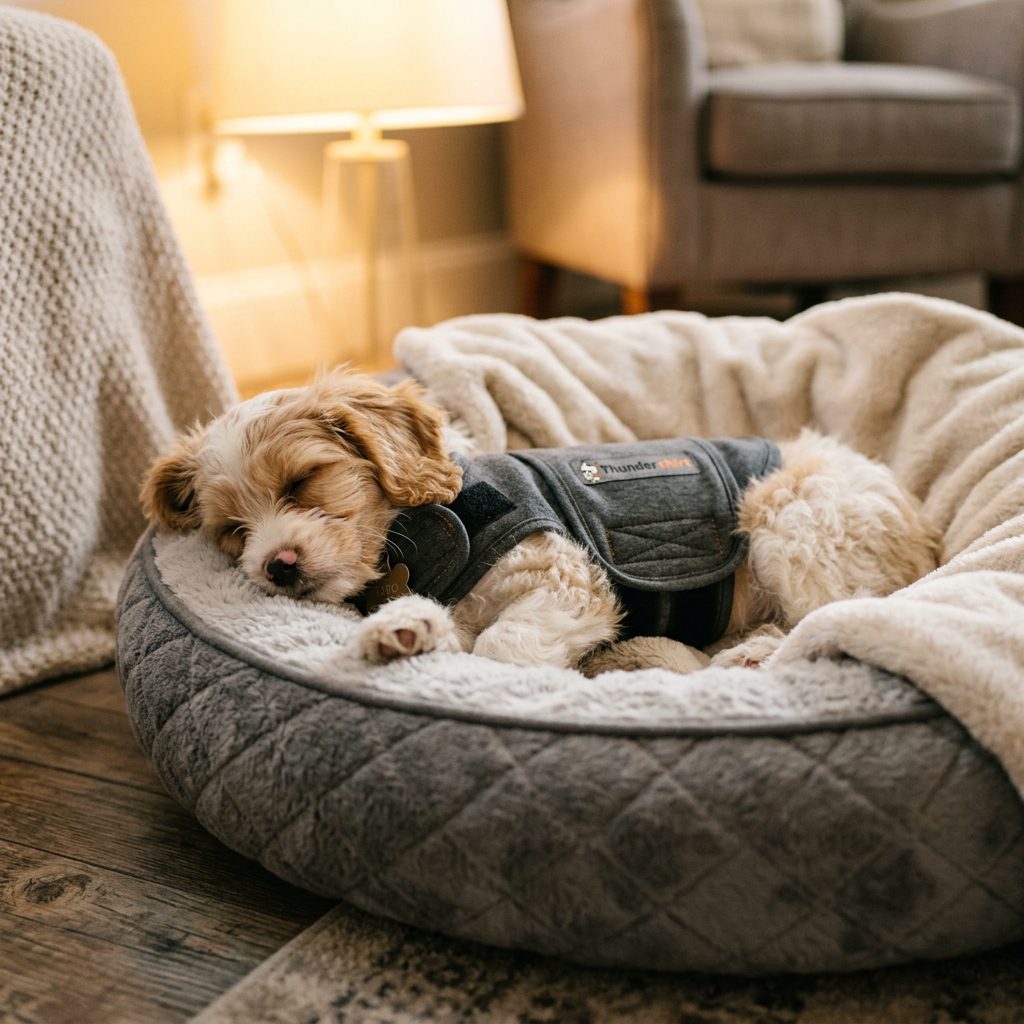
Sometimes, behavioral training needs a little physical and chemical backup. This is where modern pet science comes to the rescue. Dog-appeasing pheromones (DAP) and pressure garments are two of the best-kept secrets for anxiety prevention, and introducing them early can make a massive difference.
Understanding Dog-Appeasing Pheromones
When a mother dog is nursing her puppies, she releases specific pheromones that provide a deep sense of comfort, safety, and reassurance. Scientists have managed to replicate these pheromones synthetically. Products like Adaptil come in diffusers, collars, and sprays. By plugging a pheromone diffuser near your puppy’s safe zone, you are constantly sending them chemical messages that everything is okay. It is entirely odorless to humans but highly effective for dogs.
The Magic of Pressure Wraps
You may have heard of the Thundershirt, but do you know why it works? It operates on the same principle as swaddling a newborn baby. The gentle, constant pressure against the dog’s torso releases endorphins and calms the nervous system. Here is the secret, though: you must introduce the pressure wrap when your puppy is already calm!
If you only put the vest on them when a storm is happening, the vest itself will become a predictor of bad things, and they will run away when they see it. Instead, put the shirt on your puppy for 10 minutes while they are eating their dinner or chewing on a favorite bone on a sunny afternoon. Make wearing the vest a completely normal, highly rewarding experience.
Secret 5: Your Energy Matters (The Mirror Effect)
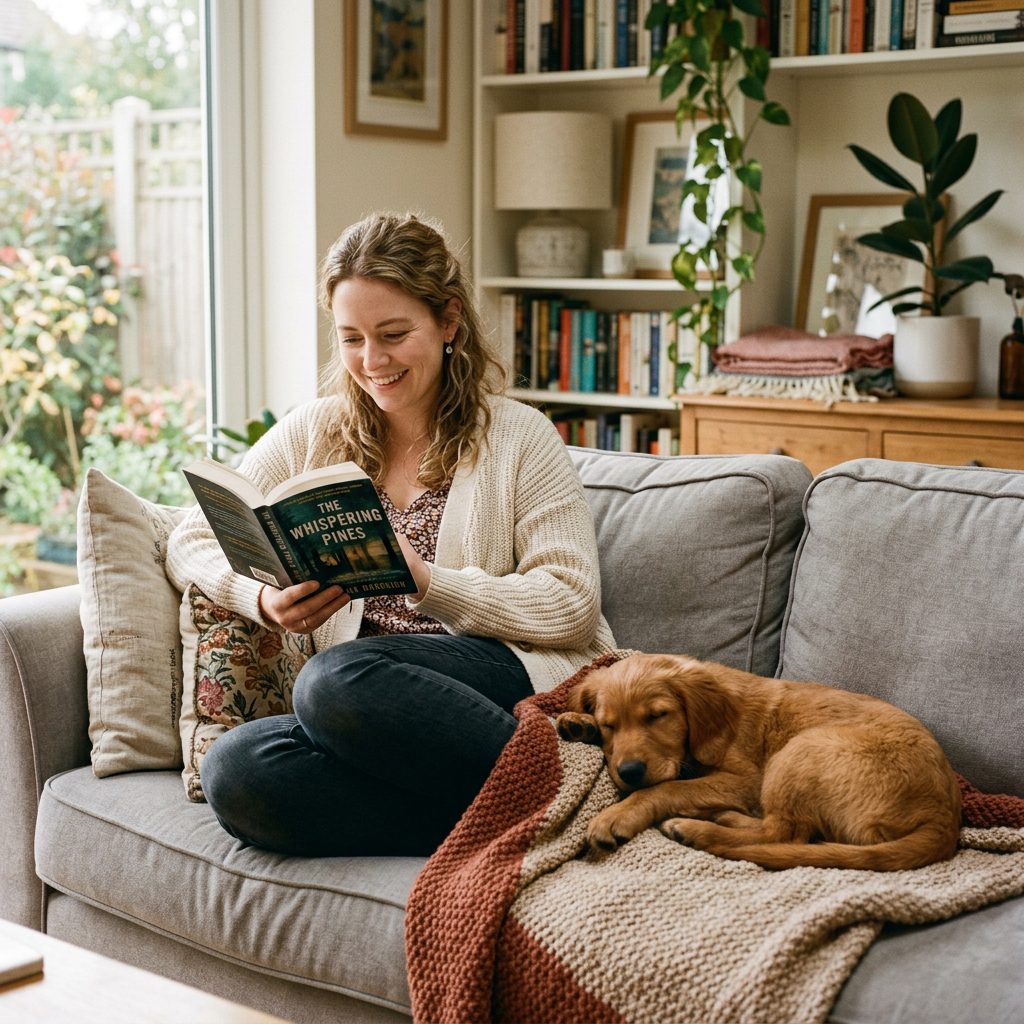
Did you know your puppy is basically a furry emotional sponge? Dogs are incredibly adept at reading human body language, facial expressions, and even smelling the stress hormones we emit. This brings us to our final, and perhaps most important, secret: managing your own energy during a storm.
The Mirror Effect
If a storm rolls in and you start rushing around the house, frantically closing windows, sighing nervously, and hovering over your puppy with a worried expression, your puppy is going to think, ‘Wow, my human is terrified! There must be something incredibly dangerous happening! I should panic too!’ This is known as the mirror effect.
Your dog does not just hear the storm; they feel your reaction to it. Stay calm, confident, and relaxed, and they will follow your lead.
Instead of coddling your puppy, project an aura of complete indifference. When a loud boom of thunder shakes the house, do not gasp. Just casually say, ‘Wow, that was a loud one!’ in a happy, upbeat voice, toss them a treat, and go back to reading your book or watching TV. Show your puppy through your own unwavering calmness that storms are simply a normal, boring part of everyday life.
Troubleshooting Common Mistakes
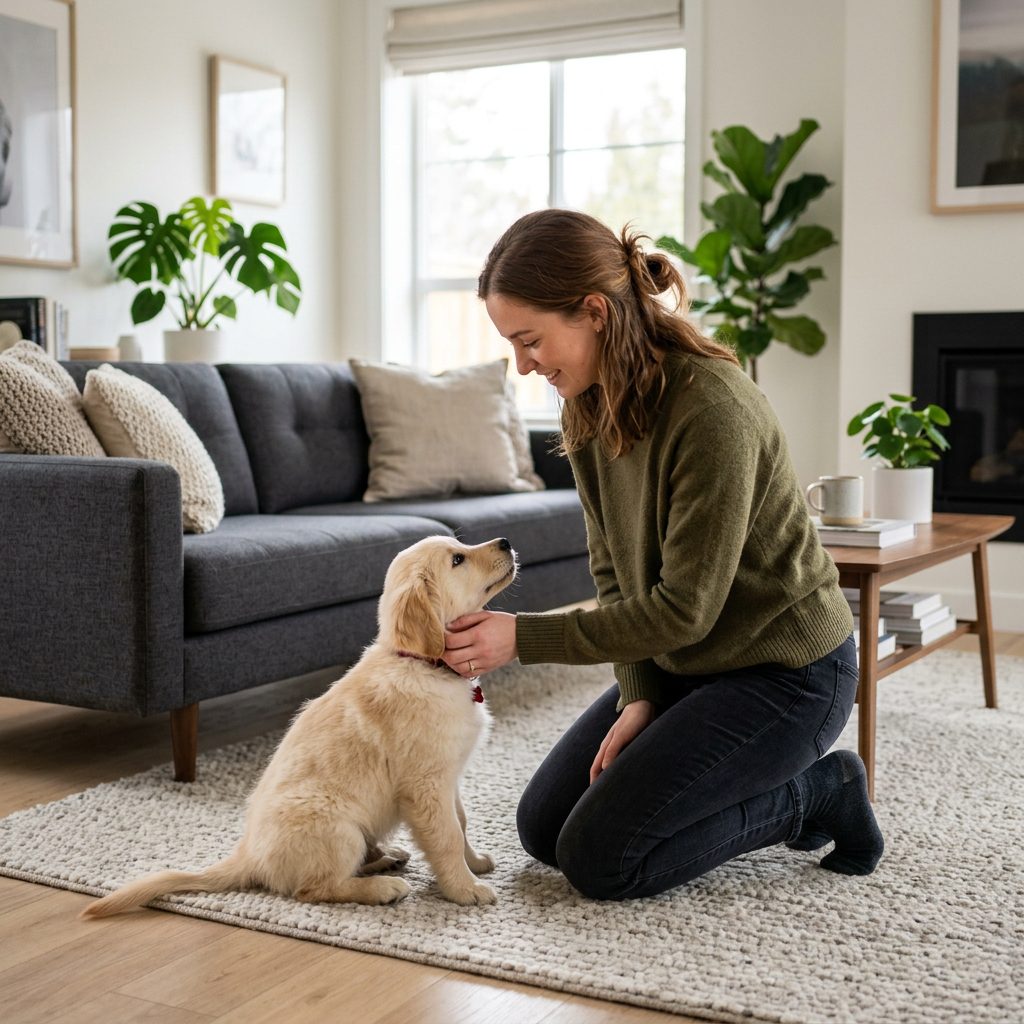
Even with the best-laid plans, puppy training is rarely a perfectly straight line. You might hit a few bumps in the road, and that is completely okay! Let us look at some common pitfalls owners face when preparing for thunderstorm anxiety and how to fix them quickly.
Common Pitfalls and Solutions
| The Problem | The Cause | The Solution |
|---|---|---|
| Puppy ignores treats during sound training | The audio volume is too high, causing low-level panic. | Lower the volume immediately until the puppy takes the treat happily. |
| Puppy runs away from the Thundershirt | The shirt was only introduced during stressful events. | Reintroduce the shirt during meal times on sunny, calm days. |
| Puppy refuses to enter the Safe Zone | The area feels isolating or was used for time-outs. | Feed all meals in the safe zone and spend time sitting near it. |
One of the biggest mistakes savvy dog owners make is confusing comforting with coddling. It is a myth that you should completely ignore a scared dog. You absolutely can and should comfort your puppy if they are frightened! However, the way you comfort them matters. Do not use a high-pitched, worried voice (e.g., ‘Oh my poor baby, it is okay, Mommy is here!’). Instead, use long, slow strokes along their back and speak in a low, confident, and soothing tone. Be their rock, not their commiserator.
Conclusion
And there you have it, folks! Five powerful, proven secrets to completely preventing severe thunderstorm anxiety in your puppy before the first drop of rain even falls. By gathering your toolkit, utilizing the magic of desensitization and counter-conditioning, building a dedicated safe zone, leveraging pheromones, and managing your own energy, you are setting your puppy up for a lifetime of confidence.
Remember, patience is your best friend here. You are literally shaping the way your dog views the world, and that takes time. Celebrate the small victories, stay consistent with your training, and do not be afraid to reach out to a certified positive-reinforcement dog trainer or your veterinarian if you need extra support. You have got this, and your puppy is incredibly lucky to have an owner so dedicated to their emotional well-being. Here is to many peaceful, cozy, and stress-free rainy days in your future!