Why Puppies Spin Before Pooping: The Hilarious Science Explained
The Great Canine Mystery: The Pre-Poop Ritual
If you are a dog owner, you have undoubtedly witnessed the ‘poop dance.’ You know the one: your puppy suddenly looks like they have lost their car keys in the grass, spinning in tight circles, sniffing frantically, and perhaps even reversing a few times before finally settling into the perfect spot. To us humans, it looks like a hilarious, slightly neurotic comedy routine. But to your puppy, this is serious business. As a canine specialist, I can tell you that this behavior isn’t just a random quirk; it is a fascinating intersection of evolutionary biology, sophisticated sensory perception, and ancestral survival tactics.
Savvy dog owners often wonder if their puppies are simply being picky or if there is a deeper reason for the 360-degree rotation. In this comprehensive guide, we are going to explore the ‘why’ behind the spin. We will look at the groundbreaking scientific studies that suggest dogs are more in tune with the planet than we ever imagined, and we will delve into the practical reasons why your pup treats your backyard like a high-stakes construction site. So, grab a cup of coffee, and let’s decode the hilarious science of why puppies spin before they poop.
The Magnetic Connection: Does Your Puppy Have a Built-In Compass?
The Science of Magnetoreception
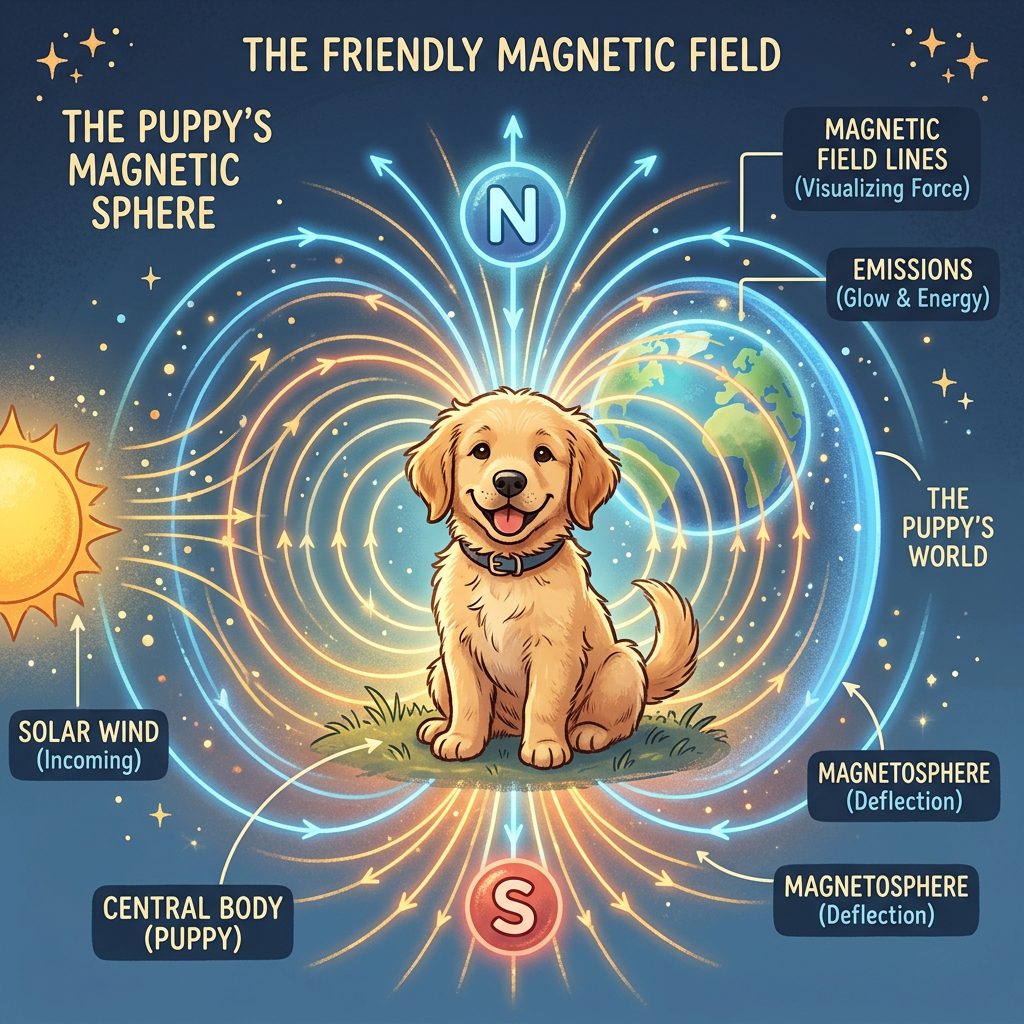
Perhaps the most mind-blowing explanation for the poop spin comes from a study published in the journal Frontiers in Zoology in 2013. A team of researchers from the Czech University of Life Sciences and the University of Duisburg-Essen spent two years observing 70 dogs across 37 different breeds. They recorded a staggering 1,893 defecations and 5,582 urinations. What they discovered changed our understanding of canine biology forever.
The researchers found that under ‘calm magnetic field conditions’—meaning when the Earth’s magnetic field isn’t fluctuating due to solar flares or other disturbances—dogs have a significant preference for aligning their bodies along the North-South axis. This phenomenon is known as magnetoreception. It means your puppy might be using their internal compass to orient themselves with the Earth’s magnetic poles before they ‘deposit’ their business.
Why Does Magnetic Alignment Matter?
While scientists are still debating *why* dogs prefer this alignment, one theory is that it helps them create a mental map of their territory. By consistently facing the same direction, they can better remember where they have been and where they have marked. It is essentially a high-tech biological GPS system. If your puppy is spinning excessively, they might be waiting for the magnetic field to ‘stabilize’ or simply trying to find that perfect North-South sweet spot.
Expert Tip: If your puppy seems to spin more on certain days, check a space weather report! Solar storms can actually disrupt a dog’s internal compass, making it harder for them to find their alignment.
Ancestral Instincts: Flattening the ‘Nest’ and Checking for Danger
Walking in the Paw-steps of Wolves
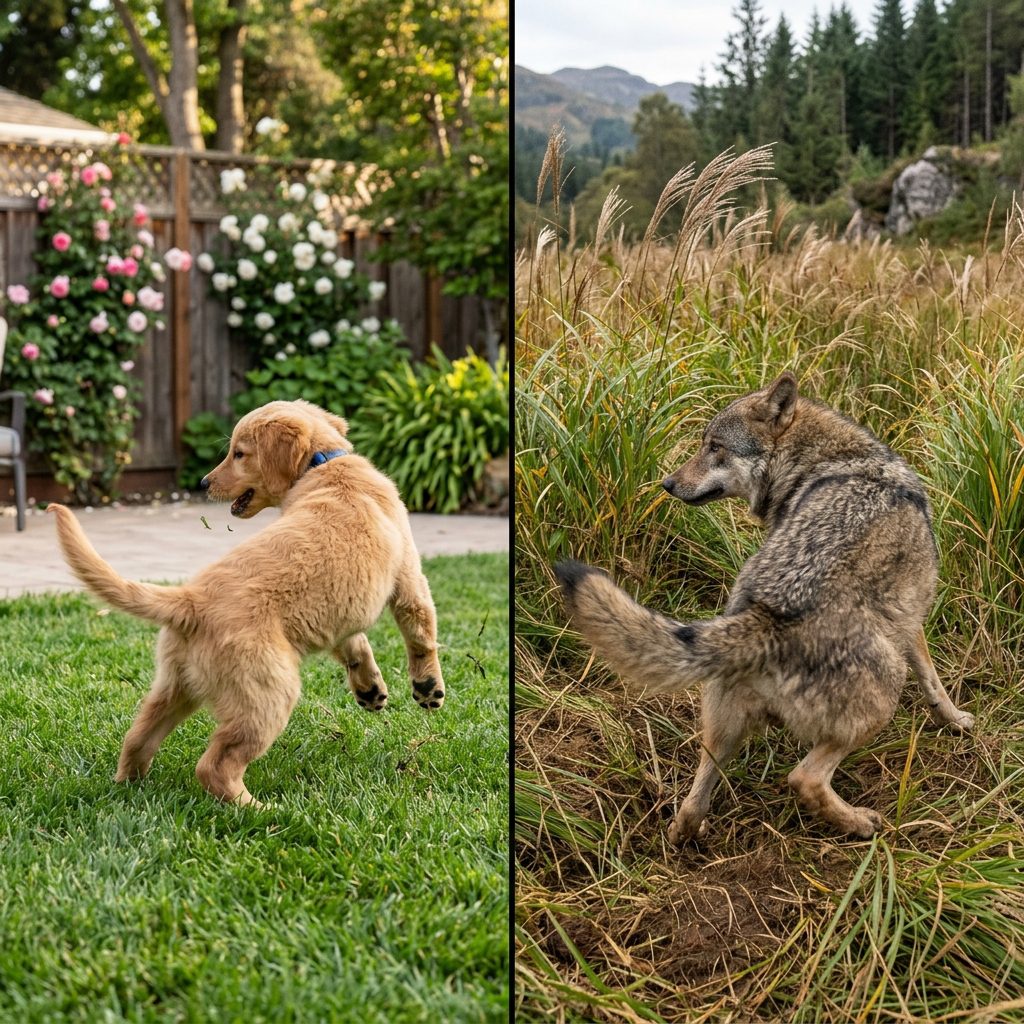
Before dogs were sleeping on memory foam beds and eating grain-free kibble, they were wild animals navigating harsh terrains. Their ancestors, such as wolves and wild dogs, didn’t have the luxury of a mowed lawn. They dealt with tall grass, thorny bushes, and uneven ground. The spinning behavior is a direct carry-over from these wild roots.
Flattening the Landing Zone
When a puppy spins in tall grass, they are effectively using their weight to trample down the vegetation. This serves two purposes. First, it creates a clean, flat surface for them to do their business. Second, it ensures that no tall blades of grass or weeds will ‘tickle’ their sensitive areas during the act. For a puppy, a stray thistle or a sharp twig can be a major distraction—or worse, a source of pain.
Scaring Away Unwanted Guests
In the wild, tall grass is a hiding spot for snakes, rodents, and biting insects. By spinning and stomping, a puppy is essentially ‘clearing the area.’ This ritualistic movement scares away any critters that might be lurking in the grass, ensuring that the puppy won’t be bitten or stung while they are in a vulnerable position. Even if your backyard is perfectly manicured, those ancestral instincts are hard-wired into your puppy’s brain.
| Theory | Primary Reason | Ancestral Benefit |
|---|---|---|
| Trampling | Flattening Grass | Comfort and Hygiene |
| Pest Control | Scaring Critters | Safety from Bites/Stings |
| Visibility | Creating a Clear Zone | Better view of surroundings |
The Scent Factor: Leaving a High-Definition Message
Paws, Pheromones, and Communication
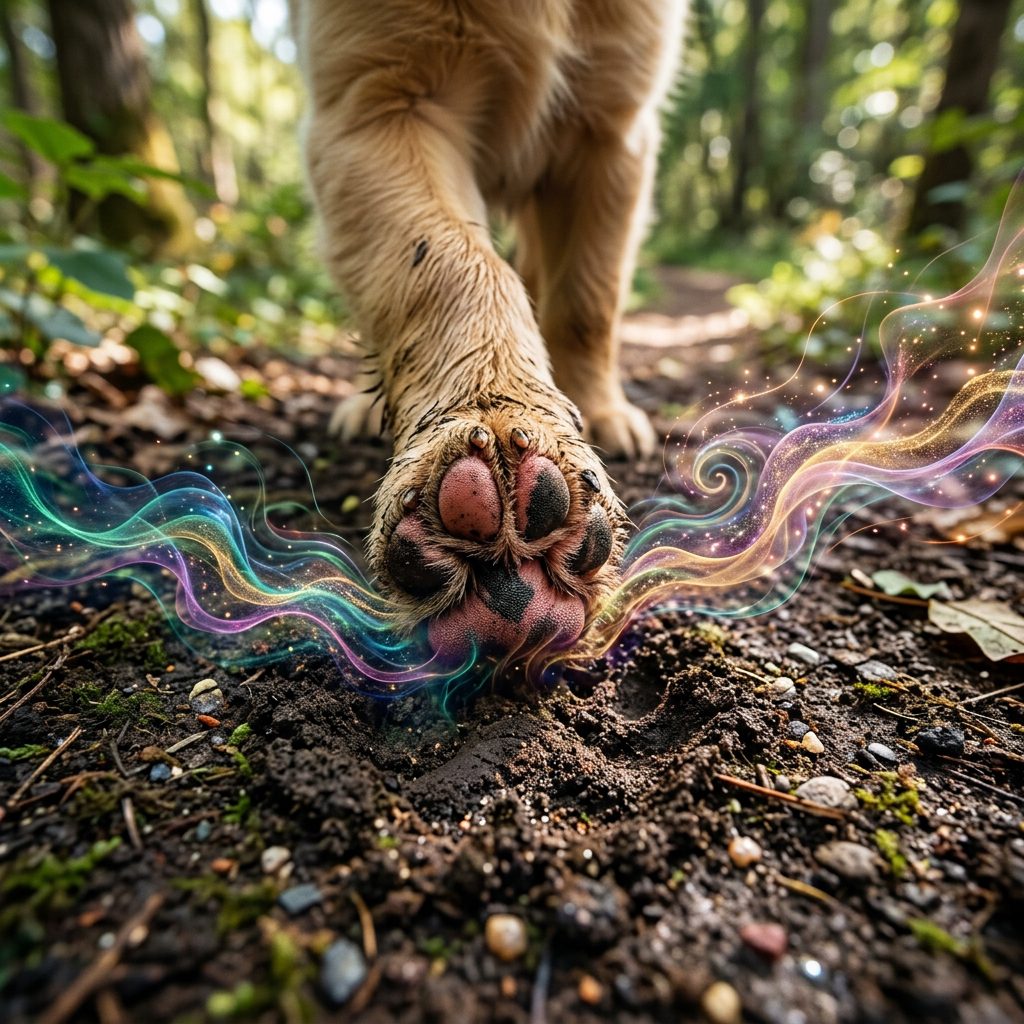
For a dog, pooping isn’t just about waste management; it is a form of social media. Every time your puppy goes, they are leaving behind a ‘status update’ for other dogs to read. This is where the spinning becomes part of the communication process. Dogs have interdigital scent glands located between their paw pads. When they spin and scratch at the ground, they are releasing pheromones into the soil.
Spreading the Message
By spinning before they go, the puppy is essentially ‘priming’ the area with their unique scent. This helps to broadcast their presence to any other dogs that might pass by later. It’s like adding a high-definition filter to their post. The combination of the waste itself and the pheromones from their paws provides a wealth of information to other canines, including the puppy’s age, sex, health status, and even their mood.
Visual Marking
The act of spinning also creates a visual disturbance in the environment. A patch of flattened grass or scratched-up dirt acts as a visual ‘flag’ that draws other dogs’ attention to the scent. It is a multi-sensory approach to territory marking that ensures their message is seen—and smelled—loud and clear.
“To a dog, a poop spot is like a community bulletin board. The spin is just their way of making sure their post is pinned to the top.” — Canine Behaviorist Perspective
Safety First: The Vulnerability of the Squat
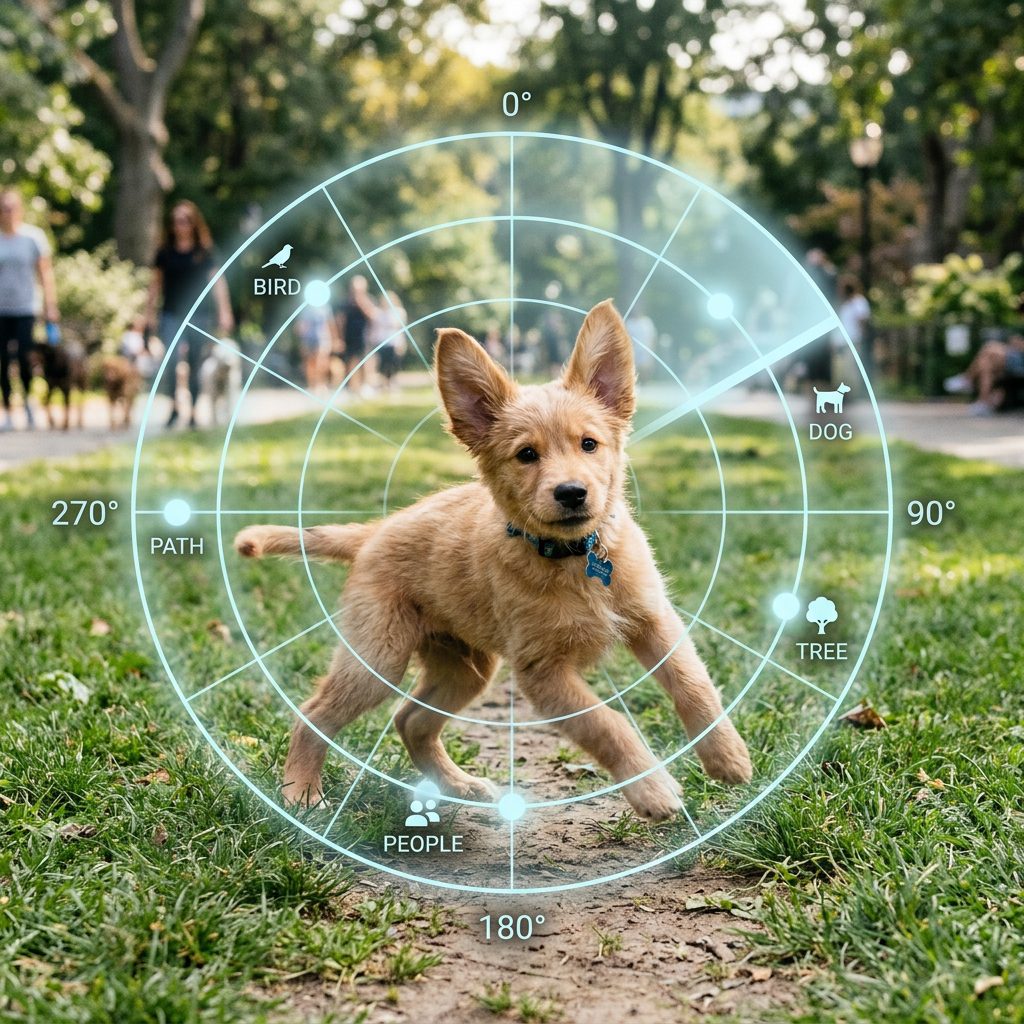
Scanning the Horizon
One of the most critical reasons for the 360-degree spin is safety. In the animal kingdom, the moment of elimination is a time of extreme vulnerability. A dog in a squatting position cannot easily run or defend themselves from a predator. Therefore, they need to be absolutely certain that the coast is clear before they commit to the act.
The 360-Degree Perimeter Check
By spinning in a full circle, your puppy is performing a final perimeter check. They are scanning the horizon for potential threats, such as larger animals, strange people, or even that neighborhood cat they don’t trust. This behavior allows them to process visual information from every angle. If they see something suspicious during the spin, they will often abort the mission and move to a different spot.
Maintaining Eye Contact
You may have noticed that your puppy often stares directly at you while they are finally doing their business. This isn’t because they are trying to be weird; it’s because they view you as their protector. While they are vulnerable, they are looking to you for a signal that everything is okay. If you look panicked or start running, they will likely stop mid-stream and follow you. The spin is the ‘pre-check,’ and the eye contact is the ‘security monitoring.’
When the Spin Becomes a Concern: Spotting Red Flags
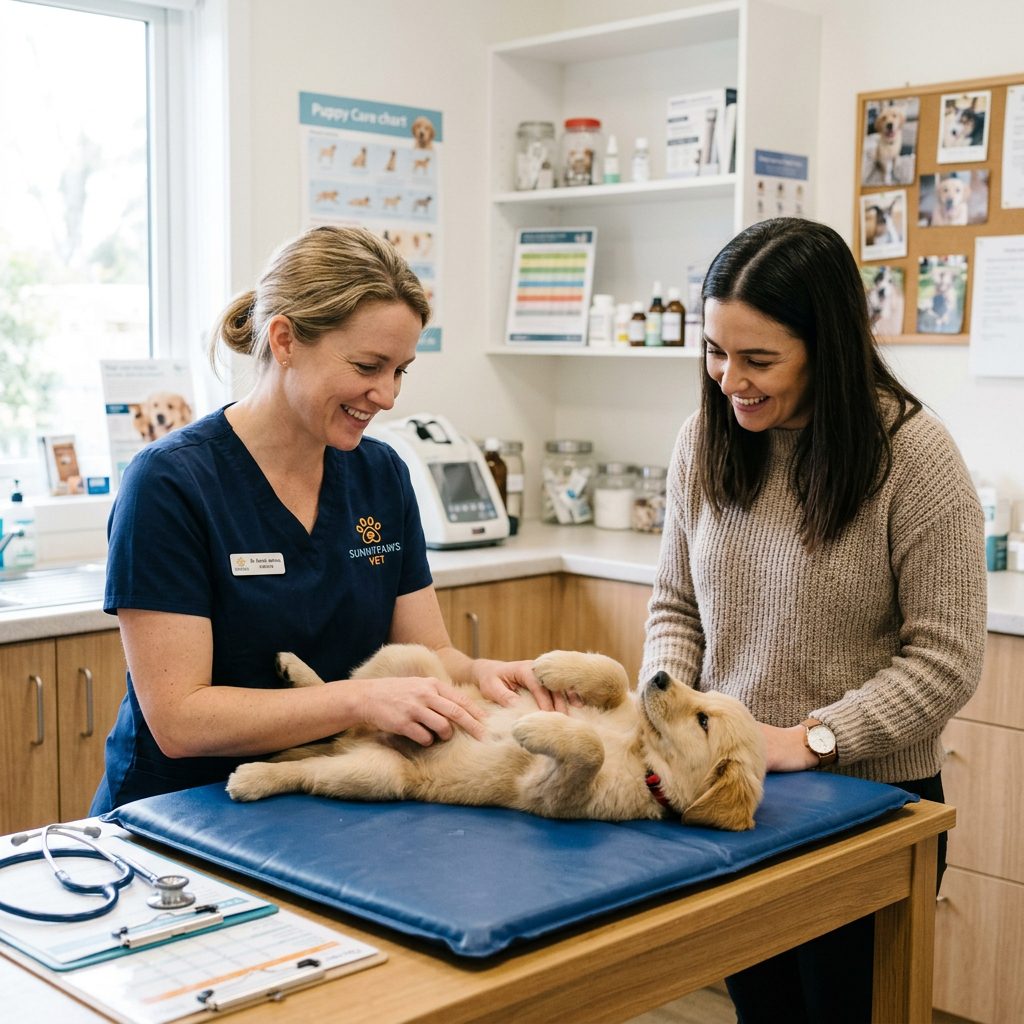
Normal Quirk vs. Medical Issue
While spinning is perfectly normal for most puppies, there are times when it can cross the line into a behavioral or medical problem. As a savvy dog owner, it is important to know the difference between a ‘poop dance’ and a ‘compulsive cycle.’
Compulsive Behaviors (OCD)
If your puppy is spinning for minutes on end, or if they seem distressed and unable to stop spinning even after they have finished their business, they might be developing a Canine Compulsive Disorder (CCD). This is often triggered by anxiety or stress. If the spinning is accompanied by tail-chasing, pacing, or fly-snapping (biting at invisible flies), it is time to consult a professional behaviorist.
Physical Discomfort and Health Issues
Sometimes, excessive spinning is a sign of physical discomfort. If a puppy is struggling to find a position, it could indicate several health issues. Here is a quick reference table for when to be concerned:
| Symptom | Potential Issue | Action Required |
|---|---|---|
| Whining while spinning | Constipation or Pain | Consult a Vet |
| Scooting after spinning | Anal Gland Issues | Professional Expression |
| Sudden increase in spin time | Gastrointestinal Upset | Monitor Diet/Vet Check |
| Loss of balance during spin | Vestibular Disease | Emergency Vet Visit |
Always trust your gut. If your puppy’s ritual changes suddenly or seems to cause them distress, a quick trip to the vet is always the best course of action to rule out parasites, infections, or digestive blockages.
The Summary of Theories: Why the Spin Happens
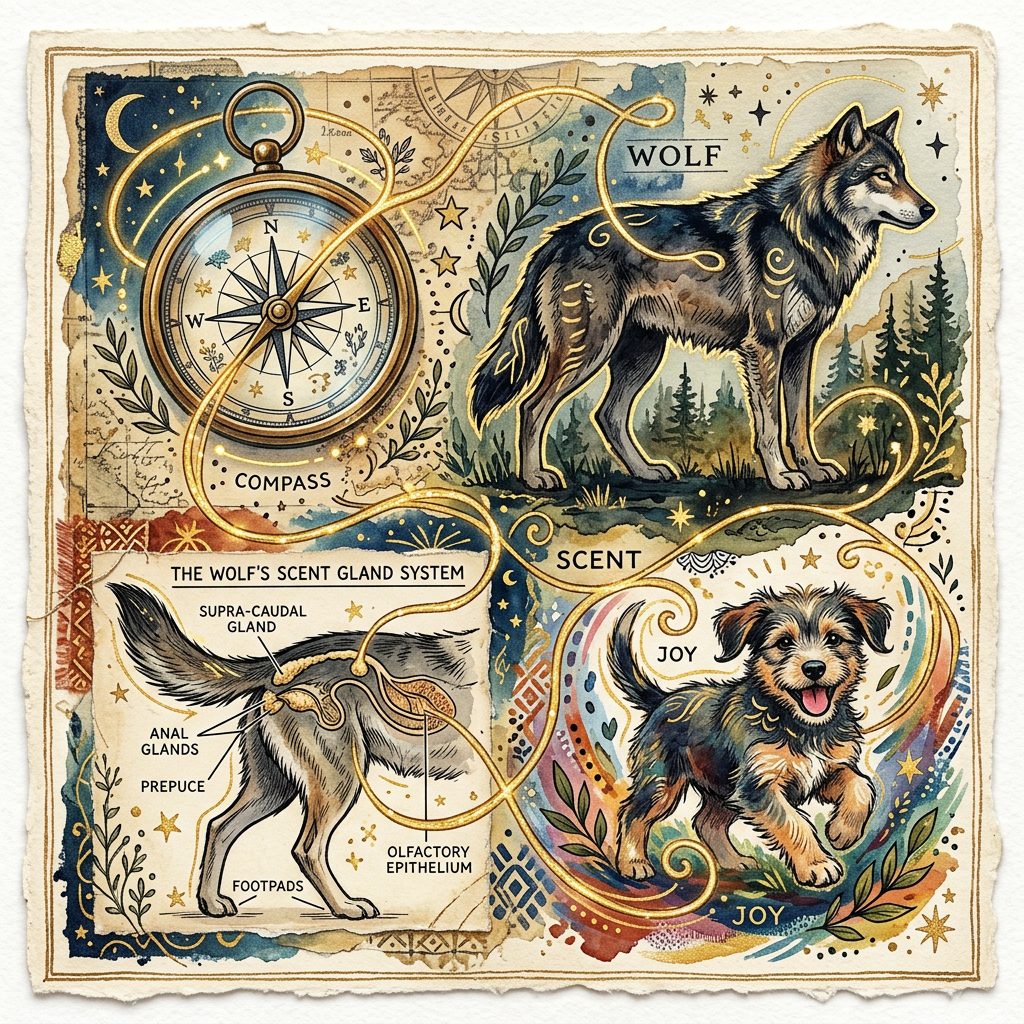
Putting the Pieces Together
So, which theory is the correct one? The truth is, it is likely a combination of all of them. Your puppy is a complex creature with millions of years of evolution packed into a fluffy little body. The ‘poop spin’ is a beautiful example of how nature preserves useful traits across generations.
The Multi-Factor Approach
- Biology: The magnetoreception theory explains the orientation.
- Evolution: The ancestral nesting theory explains the physical movement.
- Communication: The scent marking theory explains the paw scratching.
- Psychology: The safety scan explains the focus and eye contact.
Understanding these factors doesn’t just make the behavior less mysterious; it helps you build a stronger bond with your puppy. You now know that when they are spinning, they aren’t just ‘being annoying’ or ‘taking too long’—they are performing a vital biological function that keeps them safe, clean, and connected to the world around them.
Conclusion
Embrace the Dance
In the end, the ‘poop spin’ is one of those delightful puppy quirks that makes being a dog owner so entertaining. Whether your pup is a North-South purist or a grass-trampling enthusiast, their ritual is a sign of a healthy, instinct-driven animal. By understanding the science behind the spin—from the Earth’s magnetic field to the interdigital glands in their paws—you can appreciate the hidden complexity of your puppy’s daily life.
Next time you are standing in the rain, waiting for your puppy to finish their 15th rotation, just remember: they are currently syncing with the planet, checking for predators, and leaving a high-tech message for the neighborhood. It’s a big job for a little dog! So, be patient, keep that eye contact, and maybe give them an extra treat for being so scientifically advanced. Happy training, and may all your puppy’s spins lead to a perfect landing!