Ditch the Food! How to Transition Your Puppy from Treats to Praise Without Losing Focus
Welcome to the Next Level of Puppy Training!
Hey there, savvy dog parents! If you are reading this, chances are you have done a fantastic job laying down the foundational obedience for your furry best friend. You have likely spent weeks, maybe even months, carrying around pouches of smelly cheese, hot dogs, and premium kibble. Your puppy sits like a champion, stays like a statue, and comes running when called—as long as they know you have a tasty morsel hidden in your hand. But what happens when the treat pouch is empty? Do you suddenly find yourself with a puppy who suddenly suffers from selective hearing? You are absolutely not alone. In fact, this is one of the most common hurdles I see as a canine behavior specialist.
Relying on food to teach a new behavior is a brilliant and scientifically proven method. It is called positive reinforcement, and it is the gold standard of modern dog training. However, the ultimate goal of training is not to bribe your dog into compliance for the rest of their life. The goal is to build a cooperative, communicative relationship where your dog listens to you because they respect your leadership, enjoy your partnership, and value your praise just as much as a piece of chicken. Transitioning from treats to praise is an art form known in the training world as fading the lure or fading the reward. It requires patience, strategy, and a solid understanding of canine psychology.
In this comprehensive guide, we are going to dive deep into exactly how you can ditch the food and transition your puppy from treats to praise without losing a single ounce of their focus. We will explore the psychology behind why dogs become treat-dependent, outline the essential prerequisites you need before you start, provide a detailed step-by-step transition plan, and troubleshoot the most common mistakes owners make along the way. Grab a cup of coffee, get comfortable, and let us get ready to unlock a whole new level of communication with your canine companion!
The Psychology of the Treat Trap: Why Your Puppy Demands Bribes
Understanding Classical and Operant Conditioning
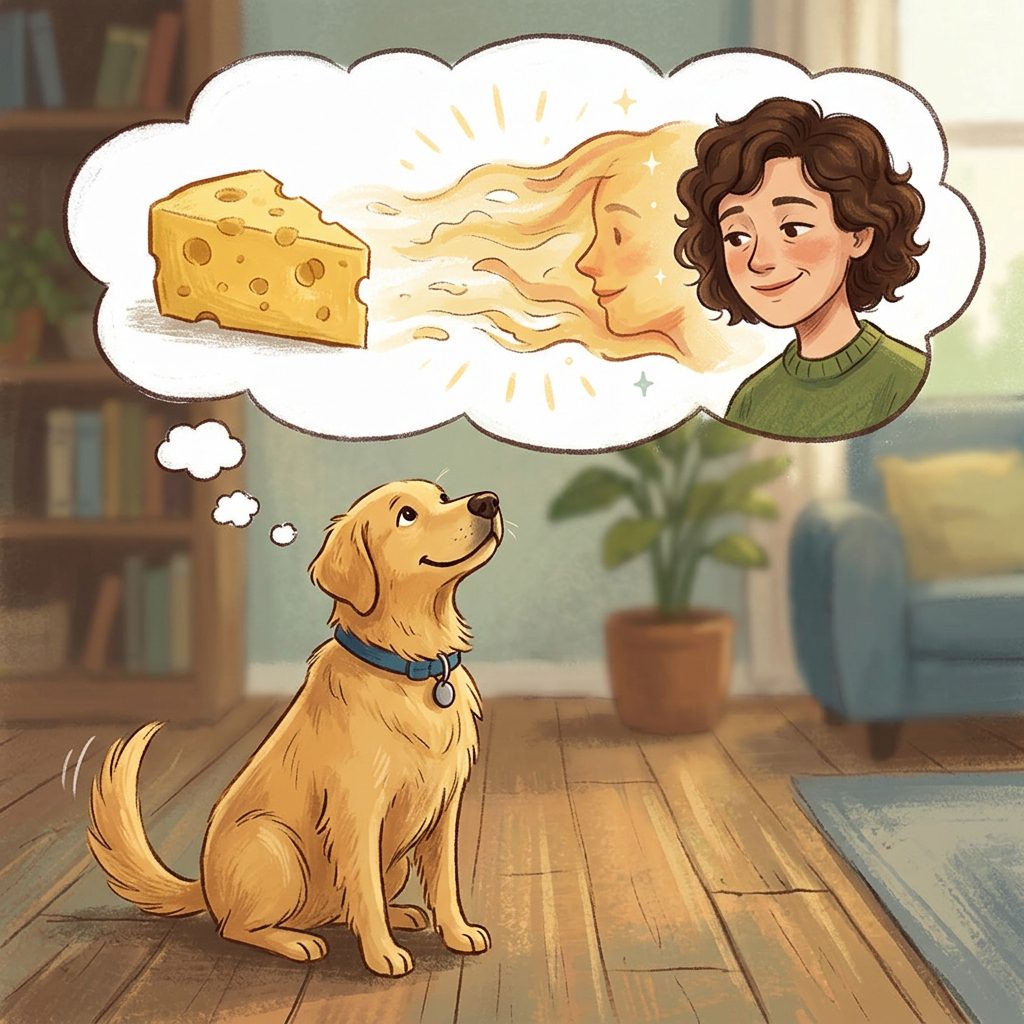
Before we can fix the problem of treat dependency, we need to understand why it happens in the first place. Dogs are incredibly associative learners. They learn through two main psychological pathways: classical conditioning and operant conditioning. Classical conditioning is all about associations (think Pavlov’s dogs salivating at the sound of a bell). Operant conditioning is about consequences (if I sit, I get a piece of hot dog). When you first start training, you use a treat as a lure to guide the puppy into a position, like a sit. The puppy learns that the physical motion of sitting results in a delicious reward.
The Difference Between a Reward and a Bribe
The trap most savvy dog owners fall into is blurring the line between a reward and a bribe. A reward is given after the desired behavior is performed to reinforce that behavior. A bribe is presented before the behavior to convince the dog to do it. If you are holding a treat in front of your dog’s nose and saying ‘Sit,’ you are bribing them. If your dog only complies when they see the bribe, they haven’t actually learned the command; they have learned a very specific sequence of events: See Food + Hear Word + Do Action = Eat Food. If you remove the first part of that equation (See Food), the whole sequence falls apart.
Dogs are brilliant at picking up on context clues. They know when you are wearing your treat pouch, they can smell the food in your pockets, and they notice the specific hand gestures you use when you are holding a treat versus when your hand is empty.
To transition to praise, we have to change the puppy’s internal motivation. We need to teach them that the command itself is the opportunity to earn something great, and that ‘something great’ does not always have to be edible. Praise, affection, play, and real-life rewards (like getting to go outside or being released to play with another dog) must become just as valuable as food. This shift does not happen overnight. It requires a systematic approach to gradually fade the food while simultaneously elevating the value of your verbal and physical praise.
Tools and Prerequisites: What You Need Before Fading the Food
Setting the Stage for Success
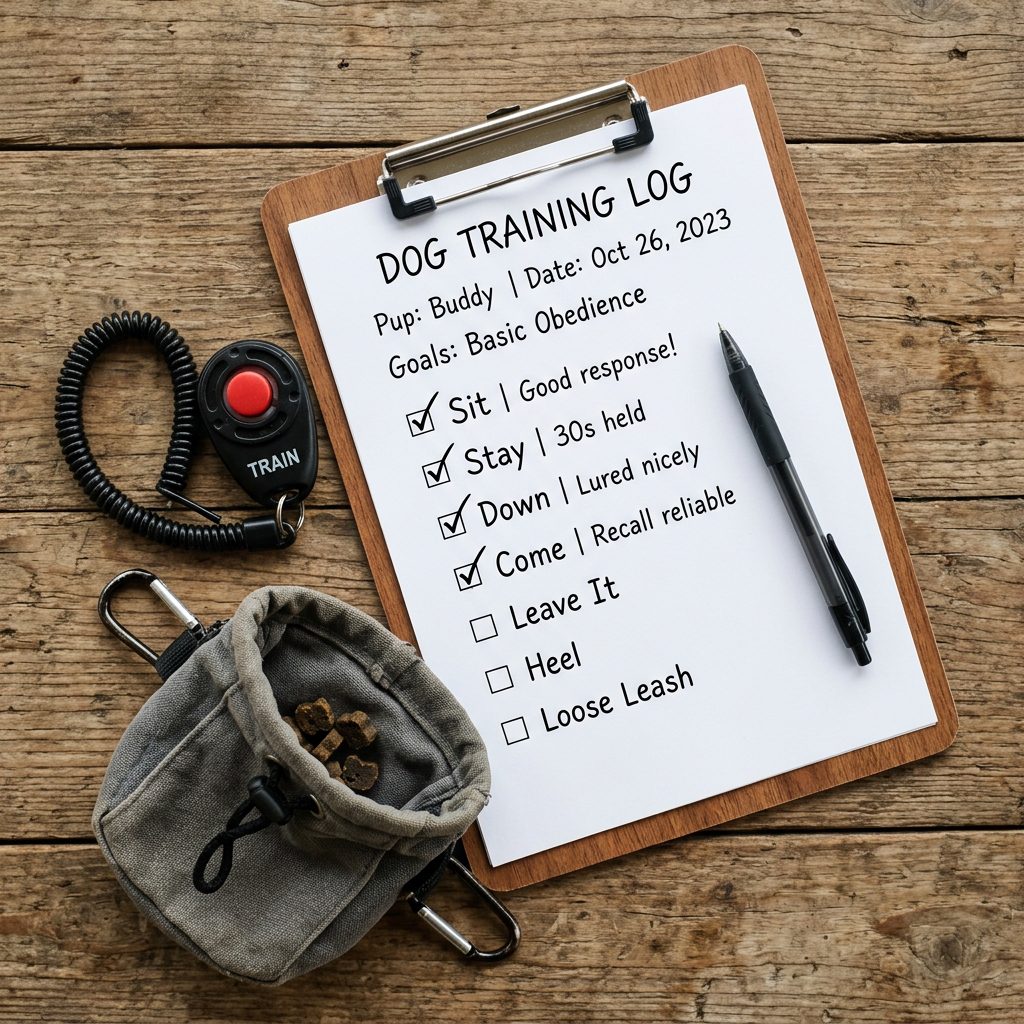
You cannot build a house on a shaky foundation, and you cannot fade out treats if your puppy does not fully understand the commands in the first place. Before you begin the transition to praise, you need to ensure your puppy is truly ready. Attempting to remove food rewards too early will result in frustration for both you and your dog, potentially setting your training back by weeks.
The Pre-Transition Checklist
Here is what you need to have in place before you start ditching the food:
- Reliable Behaviors: Your puppy should be able to perform basic commands (Sit, Down, Stay, Come) with at least 80% accuracy in a low-distraction environment while you are using treats.
- A Strong Marker Word: You must have a clear marker word, such as ‘Yes!’ or ‘Good!’. This word should already be heavily conditioned to mean ‘you did the right thing and a reward is coming.’
- High-Value Praise: You need to practice your praise! Monotone praise will not cut it. You need to be genuinely exciting, using a happy, upbeat tone of voice and engaging body language.
- Patience: Fading rewards is a marathon, not a sprint. Expect some regression and be prepared to take a step back if your puppy gets confused.
Assessing Your Puppy’s Readiness
To help you evaluate if your puppy is ready to move to the next phase, I have created a simple assessment table. Review these commands and ensure your puppy meets the criteria before proceeding.
| Command | Current Treat-Based Success Rate | Required Success Rate for Transition | Notes |
|---|---|---|---|
| Sit | Usually complies when lured | 90% in quiet environments | Puppy should sit on verbal cue without needing a hand gesture. |
| Down | Hesitant without a treat on the floor | 85% in quiet environments | Puppy should drop into a down position swiftly upon hearing the command. |
| Stay (Short Duration) | Breaks stay if you step away | 80% for at least 10 seconds | Puppy must hold the position while you take two steps back and return. |
| Recall (Come) | Only comes if you shake the treat bag | 90% indoors, 70% in fenced yard | This is the hardest command to fade treats for; ensure a very strong foundation first. |
If your puppy is hitting these benchmarks, congratulations! You are ready to start the transition process. If not, spend a few more weeks solidifying these behaviors with high-value treats before attempting to fade them out. Remember, as a savvy dog owner, setting your dog up for success is your primary job.
Step-by-Step Guide: Transitioning Your Puppy from Treats to Praise
The Phased Approach to Fading Lures and Rewards
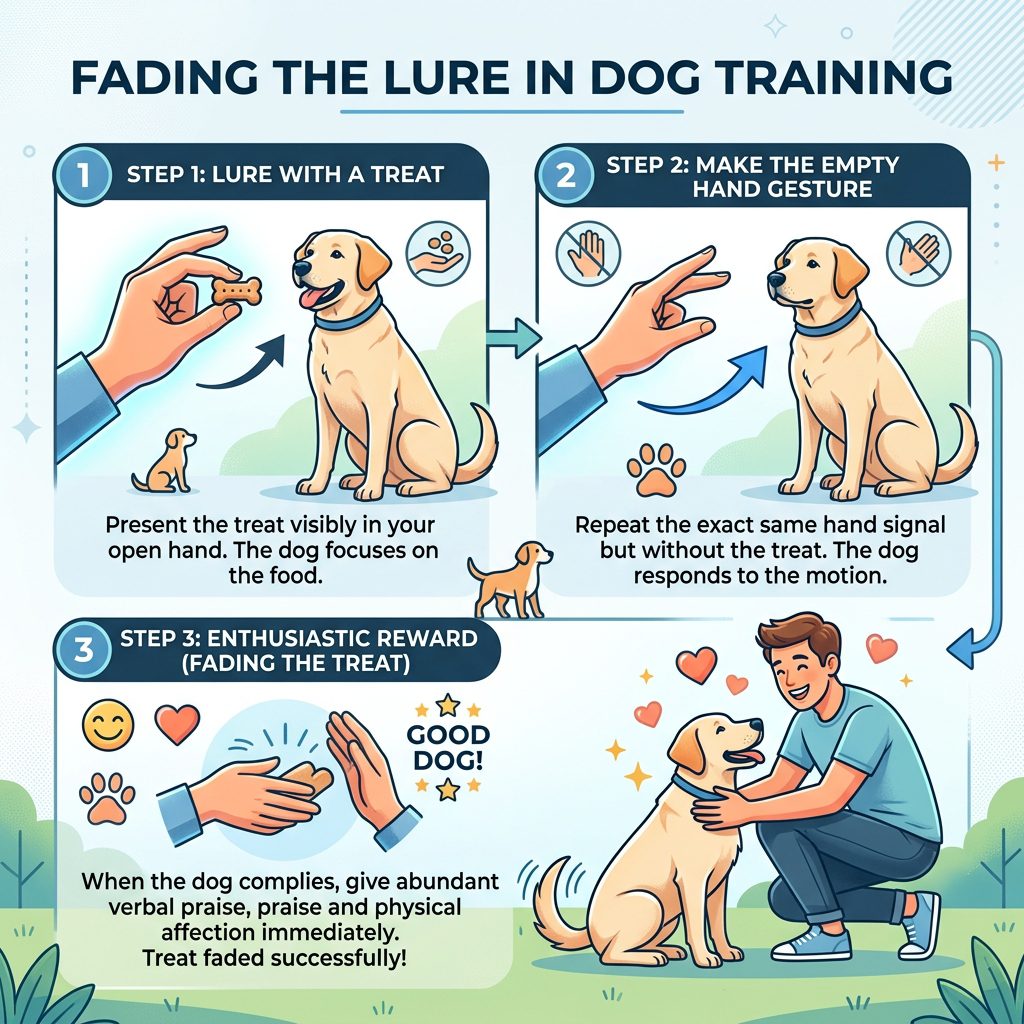
Now we get to the core of the training. Transitioning from treats to praise is not a sudden cliff where you just stop giving food one day. It is a gradual slope. We are going to break this down into specific, actionable steps. Follow these phases carefully, and do not rush the process. Let your puppy’s success rate dictate how quickly you move from one step to the next.
Phase 1: The Empty Hand Lure
The first step is to remove the visual bribe of the food. Right now, your puppy follows the food in your hand. We need them to follow your empty hand.
- Place a few treats in your pocket or a pouch, but keep your hands completely empty.
- Show your puppy your empty hands so they know there is no food.
- Give your command (e.g., ‘Sit’) and use the exact same hand motion you previously used when holding a treat.
- The moment your puppy sits, enthusiastically say your marker word (‘Yes!’).
- Immediately reach into your pocket, pull out a treat, and give it to them.
What did we just do? We proved to the puppy that even if they do not see the food upfront, obedience still results in a reward. The empty hand becomes the new cue, and the treat is delivered after the fact. Practice this until the puppy responds to the empty hand lure without hesitation.
Phase 2: Delaying the Reward
Once your puppy is comfortable with the empty hand lure, we are going to start adding a delay between the behavior and the treat. This builds anticipation and teaches the puppy to focus on your praise during the gap.
- Give the command with an empty hand.
- When the puppy complies, say ‘Good boy/girl!’ in a highly enthusiastic tone. Give them a quick pet or a scratch behind the ears.
- Count to three in your head while continuing to praise them verbally.
- Then, reach into your pouch and deliver the treat.
This phase is critical. You are pairing the physical and verbal praise directly with the anticipation of the food. The praise itself starts to take on the positive emotional value of the treat. If the puppy breaks position during the three-second delay, withhold the treat, reset, and try again with a shorter delay.
Phase 3: Introducing Real-Life Rewards
Food is not the only thing your puppy wants. As savvy dog owners, we can use ‘life rewards’ to reinforce behavior. A life reward is anything your dog naturally wants to do in that moment.
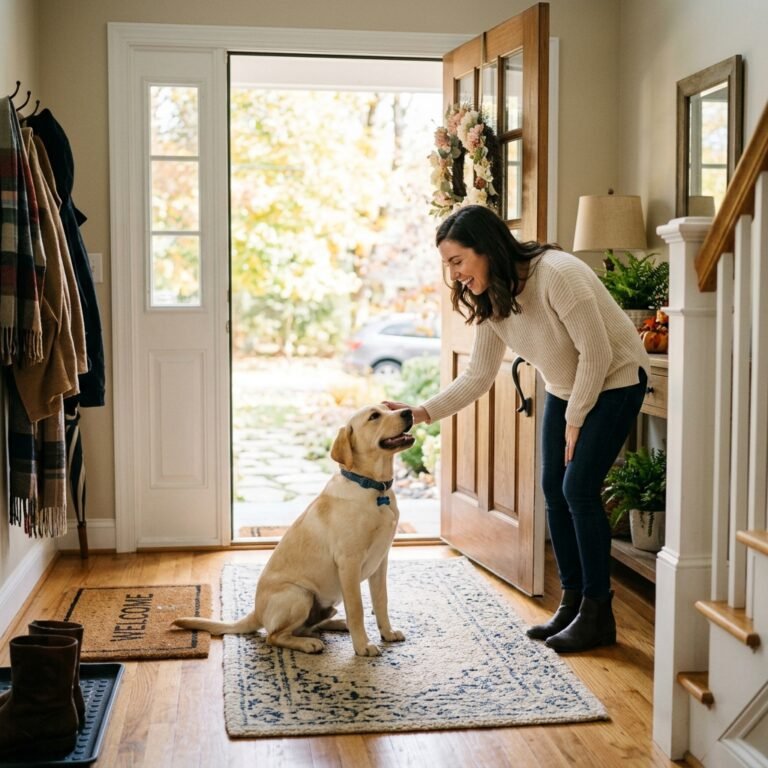
- Going Outside: Ask for a ‘Sit’ at the door. When they sit, praise them, and the reward is opening the door.
- Mealtime: Ask for a ‘Down’ before putting their food bowl on the floor. The praise is followed by the release to eat.
- Playtime: Ask for a ‘Sit’ before throwing their favorite tennis ball. The reward is the game of fetch.
By substituting treats with life rewards, you are teaching your puppy that listening to you is the key to unlocking everything they enjoy in the world, not just snacks.
The Secret Weapon: Variable Schedules of Reinforcement
Why Slot Machines Are So Addictive (And How It Applies to Dogs)
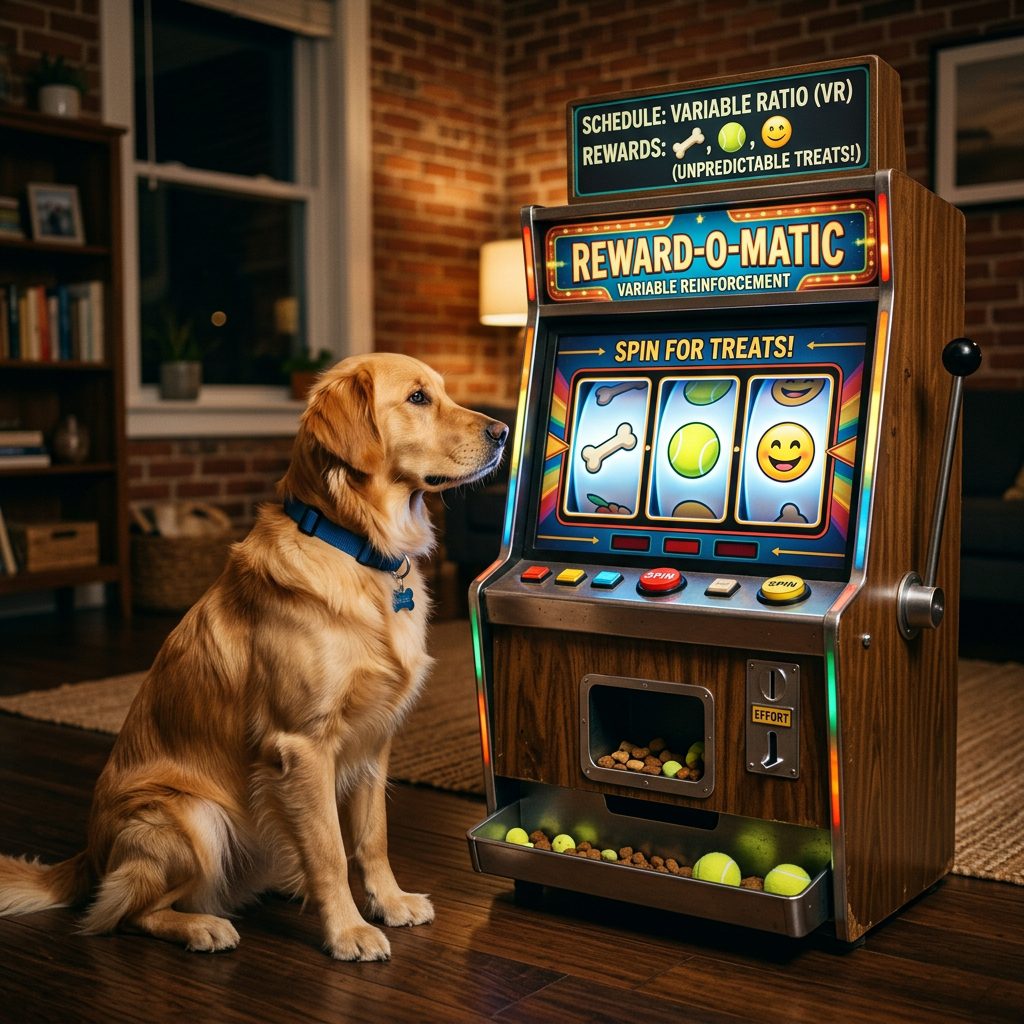
Once you have successfully moved through the initial phases and your puppy is responding to empty hands and delayed rewards, it is time to introduce the most powerful concept in animal training: the variable schedule of reinforcement. To understand this, think about a slot machine. If a slot machine paid out exactly one dollar every single time you pulled the lever, it would be boring. You would pull it exactly when you needed a dollar and then walk away. But because a slot machine pays out unpredictably—sometimes nothing, sometimes a little, and sometimes a massive jackpot—people will pull the lever all day long. We want to turn your commands into a slot machine for your puppy.
Continuous vs. Variable Reinforcement
When you are first teaching a new behavior, you use a Continuous Schedule of Reinforcement. This means the dog gets a treat 100% of the time they perform the behavior. This is necessary for the initial learning phase so the dog understands exactly what is expected. However, if you stay on a continuous schedule forever, the dog learns to only work when they know the payout is guaranteed. They become treat-dependent.
To build reliable, long-term obedience, you must switch to a Variable Schedule of Reinforcement. This means the dog gets rewarded unpredictably. Sometimes they get a treat, sometimes they get praise, sometimes they get a toy, and sometimes they get a massive jackpot of five treats at once.
Implementing the Variable Schedule
Here is how you actually put this into practice. Let’s look at a sample training session using a variable schedule for the ‘Sit’ command.
| Repetition | Command Given | Puppy’s Action | Your Immediate Response (The Reward) |
|---|---|---|---|
| 1 | ‘Sit’ | Puppy Sits | Enthusiastic verbal praise (‘Yes! Good dog!’) + 1 Treat |
| 2 | ‘Sit’ | Puppy Sits | Verbal praise only + a good ear scratch |
| 3 | ‘Sit’ | Puppy Sits | Verbal praise only + a quick game of tug with a toy |
| 4 | ‘Sit’ | Puppy Sits | Verbal praise (‘Yes!’) + 1 Treat |
| 5 | ‘Sit’ | Puppy Sits | JACKPOT! (Verbal praise + 3 Treats given one after another) |
| 6 | ‘Sit’ | Puppy Sits | Verbal praise only + a smile and a pat on the head |
The beauty of the variable schedule is that it keeps the dog guessing. Because they never know when the ‘jackpot’ is coming, they perform the behavior with enthusiasm every single time, hoping this is the time they hit the big payout. The praise acts as a bridge, letting them know they are still on the right track even when a treat doesn’t immediately follow.
As time goes on, you stretch out the variable schedule even further. You might only use a food reward once every ten commands, relying entirely on enthusiastic praise and life rewards for the other nine. Eventually, the food treats are phased out almost entirely for basic, everyday obedience, reserved only for learning brand new, highly complex tricks or for exceptionally highly distracting environments.
Troubleshooting Common Mistakes When Ditching the Food
What to Do When Your Puppy Ignores You
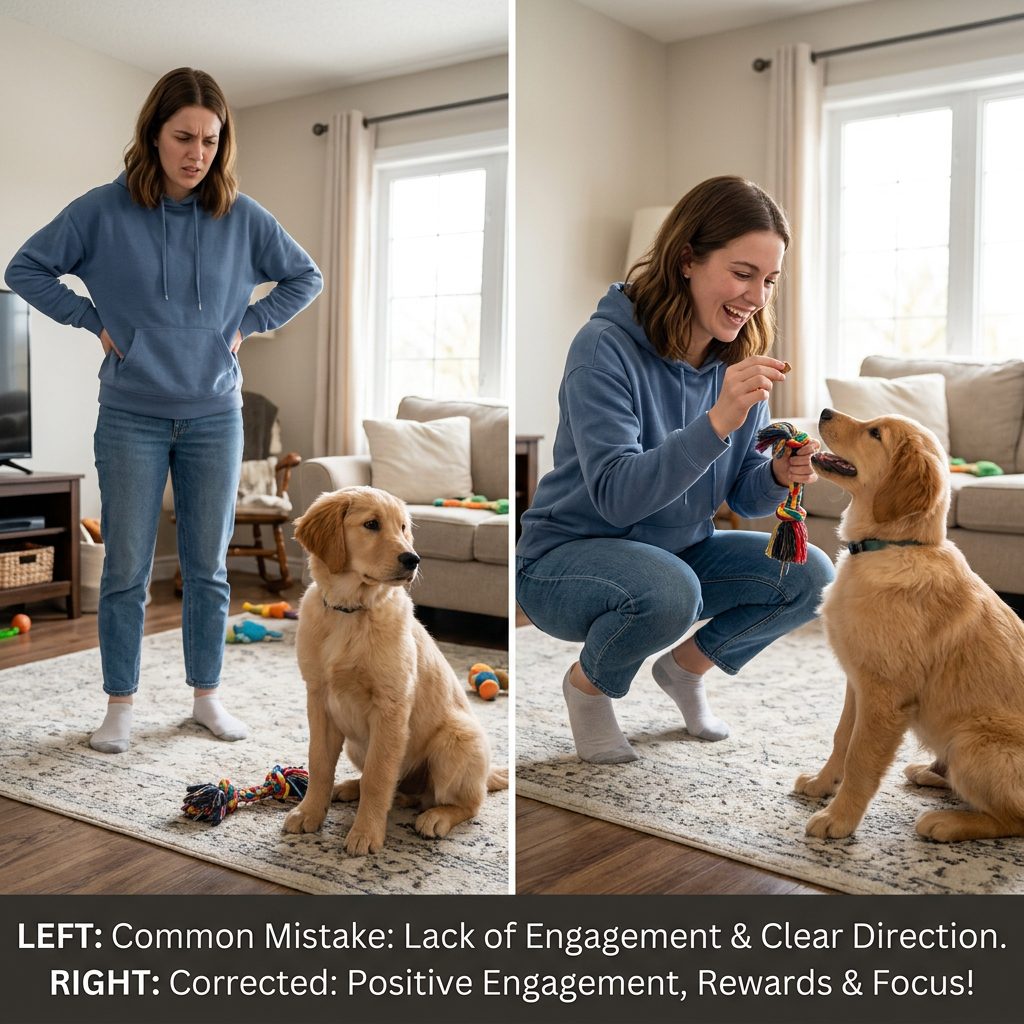
Even with the best-laid plans, transitioning from treats to praise can hit some bumps in the road. Puppies are smart, and they will absolutely test boundaries to see if they can force you to bring the treats back out. As a savvy dog owner, you need to be prepared to troubleshoot these common issues without getting frustrated or reverting to bribery.
Mistake 1: Moving Too Fast
The number one reason puppies stop listening when the treats disappear is that the owner faded the food too quickly. If your puppy was getting a treat 100% of the time on Monday, and on Tuesday you expect them to work for a simple ‘good boy,’ they are going to quit. The Fix: Take a step back. If your puppy ignores a command without a treat, do not repeat the command over and over. Go back to Phase 1 (The Empty Hand Lure) or increase the frequency of treats on your variable schedule. Rebuild their confidence before trying to stretch the schedule again.
Mistake 2: Boring Praise
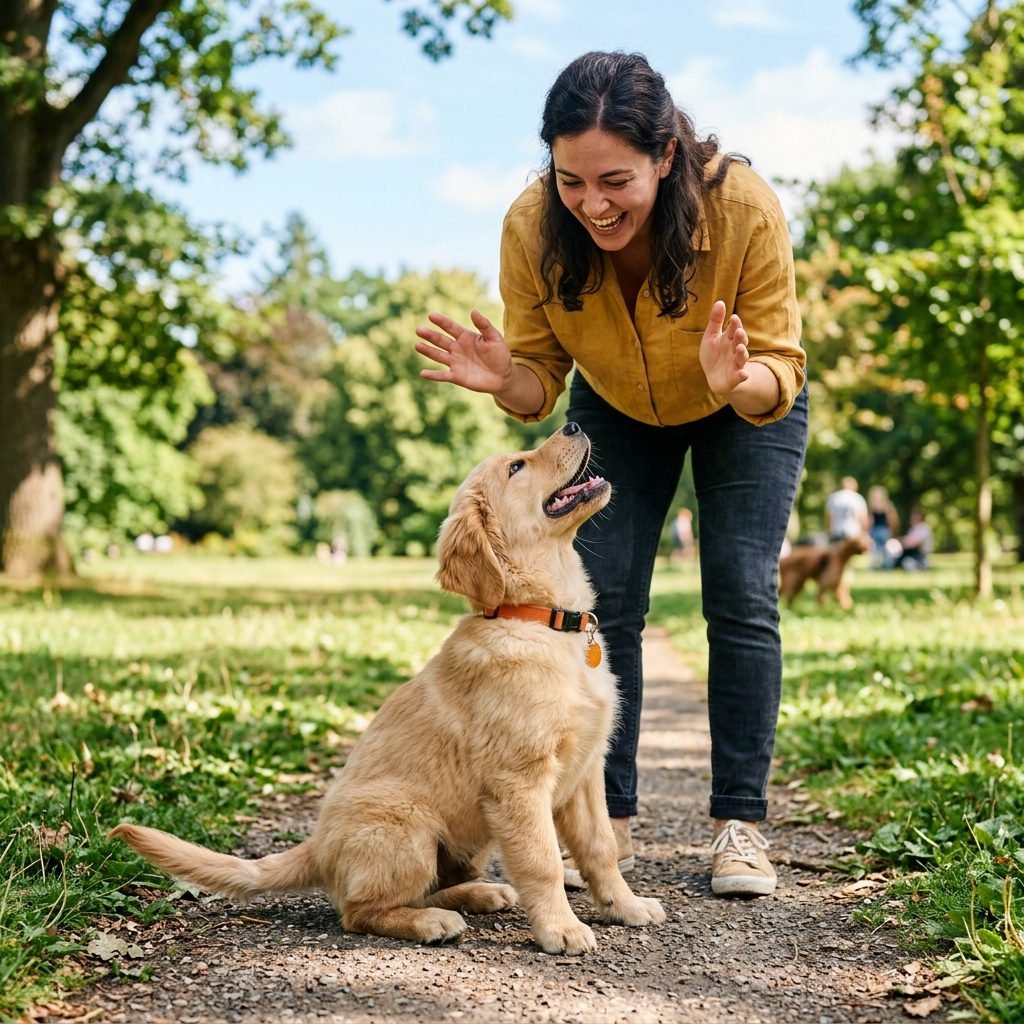
If your idea of praise is a monotone ‘good dog’ without making eye contact, your puppy is not going to find that very rewarding. Dogs read energy and body language. If you want praise to replace a piece of juicy steak, you have to act like you are giving them a piece of juicy steak! The Fix: Channel your inner cheerleader. When your puppy complies, use a high-pitched, happy voice. Smile. Get down on their level. Give them a vigorous chest rub or scratch their favorite spot. Your praise needs to be an event that your puppy genuinely looks forward to.
Mistake 3: Repeating Commands (The Nagging Effect)
When an owner gives a command without a treat and the puppy ignores it, the instinct is to repeat the command louder: ‘Sit. Sit! SIT!’ This teaches the puppy that the first ‘Sit’ is just a suggestion, and they do not actually have to listen until you get mad or pull out a treat. The Fix: Say the command exactly once. If the puppy does not comply within three seconds, gently use a leash to guide them into position, or simply walk away and end the training session. Do not reward them, and do not repeat the word. They will quickly learn that they only get one chance to earn the praise or the reward.
Mistake 4: Ignoring the Environment
You might successfully fade treats in your quiet living room, but that does not mean your puppy is ready to work for praise at a busy dog park. Environmental distractions drastically increase the difficulty of any command. The Fix: When you move to a new, highly distracting environment, you must temporarily lower your expectations and increase your reward value. Bring the treats back out for the first few sessions in a new place. Once the puppy is reliably listening in the new environment with treats, you can begin the fading process all over again specifically for that location. Training is highly contextual for dogs.
Conclusion
Embrace the Journey to a Deeper Bond
Transitioning your puppy from treats to praise is a significant milestone in your journey as a savvy dog owner. It marks the shift from a transactional relationship—where your dog only works for a paycheck—to a truly collaborative partnership based on mutual respect, clear communication, and genuine affection. Remember that ditching the food does not mean you never give your dog a treat again; it simply means you are no longer held hostage by the treat pouch to get your dog to listen.
Be patient with yourself and your puppy. The process of fading lures, implementing variable reinforcement schedules, and elevating the value of your praise takes time, consistency, and a lot of repetition. There will be days when your puppy seems to forget everything they know, and that is perfectly normal. Stick to the step-by-step phases, troubleshoot calmly when things go awry, and always keep your training sessions short, fun, and upbeat.
By understanding the psychology behind the treat trap and systematically shifting your puppy’s motivation, you will build an unbreakable bond. Soon enough, you will find that a happy ‘Good boy!’ and a scratch behind the ears are all the motivation your furry best friend needs to be the well-behaved, focused companion you always knew they could be. Happy training, and enjoy the incredible connection you are building with your dog!